Managing OCD at Home: Strategies and Support in Mysore
Effective management from home involves a multi-faceted approach, combining professional therapies with practical, everyday strategies to create a therapeutic living space. Creating a structured and supportive home environment is central to managing OCD. This involves a combination of professional interventions and personalized strategies designed to reduce anxiety and minimize compulsive behaviors in a familiar setting.
Medication Management at Home for OCD
A key component of treatment involves managing prescribed medications, such as Selective Serotonin Reuptake Inhibitors (SSRIs). Home care professionals ensure that medications are taken correctly and on schedule, monitor for side effects, and maintain open communication with the prescribing doctor to adjust dosages as needed, ensuring seamless and safe medical support.
Psychotherapy and Counseling in a Home Setting for OCD
Therapies like Exposure and Response Prevention (ERP) can be effectively delivered at home. Therapists work with individuals in their own environment, helping them confront their fears and resist compulsive behaviors in real-life situations. This makes therapy highly relevant and practical, fostering faster progress.
Supportive Services and Home Care Assistance for OCD
Daily living can be a struggle for those with severe OCD. Home care assistants provide essential support with tasks that may trigger symptoms, such as cleaning, cooking, or personal hygiene. This practical help reduces daily stressors, allowing the individual to focus their energy on therapy and recovery.
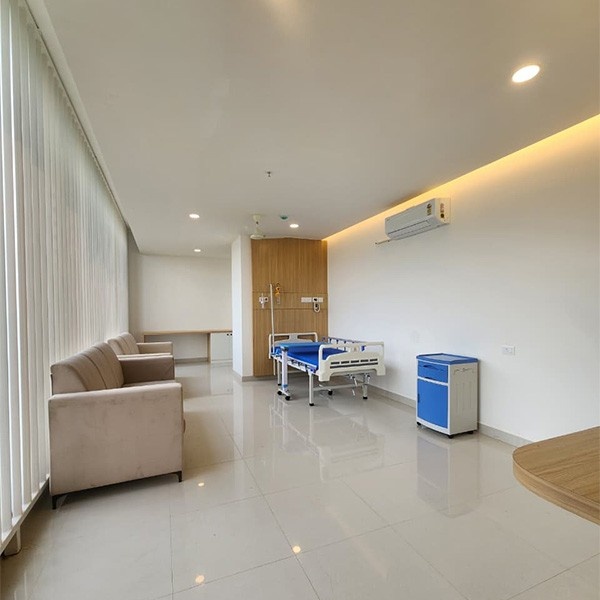
Adapting the home environment for safety and comfort for OCD
Making small but significant changes to the living space can reduce triggers and create a sense of safety. This might involve organizing living areas to minimize clutter, setting up designated “safe zones,” or adapting routines to decrease opportunities for compulsive behaviors, turning the home into a therapeutic sanctuary.
Integrating family support for OCD
Family members play a vital role in the recovery process. Educating the family about OCD, teaching them how to respond supportively without enabling compulsions, and involving them in therapy sessions builds a strong, cohesive support system that is crucial for long-term success.
Customized care plans for OCD
- Assessing individual needs and preferences: Every individual’s experience with OCD is unique. An expert team begins by conducting a thorough assessment to understand specific obsessions, compulsions, triggers, and personal recovery goals.
- Developing a tailored care plan: Based on the assessment, a personalized care plan is created. This plan integrates medication management, specific therapeutic techniques like ERP, family involvement, and daily support strategies.
- Regular review and adjustment of care strategies: Recovery is a dynamic process. The care plan is not static; it is regularly reviewed and adjusted by the care team in response to the individual’s progress and changing needs.
Integrating Technology in OCD Care
Modern technology offers innovative ways to enhance OCD care, providing accessible and continuous support to individuals in their homes. Technology is transforming mental healthcare, making support more accessible and consistent. For individuals with OCD, digital tools can bridge gaps between therapy sessions and provide on-demand assistance.
Telepsychiatry and Remote Monitoring
Through secure video calls, individuals can connect with psychiatrists and therapists from the comfort of their homes. This is especially beneficial for those who find it difficult to leave the house. Remote monitoring allows care teams to track progress and provide timely interventions, ensuring continuous oversight.
Digital Tools and Apps for Patient Support
A variety of mobile apps and digital platforms are designed to support OCD management. These tools can help individuals track their symptoms, practice therapy exercises (like ERP), access guided meditations to manage anxiety, and connect with peer support communities, empowering them with resources at their fingertips.
Role of Caregivers in OCD Care
Professional caregivers are trained to provide not just practical assistance but also the crucial emotional and psychological support needed for recovery. A trained caregiver is an invaluable ally in the journey of managing OCD at home. Their role extends beyond simple assistance to encompass compassionate and skilled psychological support.
Emotional support and understanding
Caregivers offer a non-judgmental presence, providing empathy and encouragement. Understanding the immense distress that OCD can cause, they help validate the individual’s feelings while gently guiding them toward healthier coping mechanisms, fostering a relationship built on trust.
Crisis management and intervention
During moments of intense anxiety or overwhelming compulsions, caregivers are trained to de-escalate the situation. They can guide the individual through relaxation techniques and help them resist compulsive urges, providing steady support when it is needed most.
Building a supportive network
Caregivers help individuals connect with broader support systems, including family, friends, and support groups. By facilitating communication and educating others about OCD, they help build a strong, informed network around the individual, reducing feelings of isolation.
Collaboration with Healthcare Professionals
A coordinated effort between caregivers, therapists, and doctors is essential for providing comprehensive and effective OCD care. A team-based approach is fundamental to successful OCD management. This involves seamless collaboration between the at-home care team and other medical professionals. Caregivers work closely with the individual’s psychiatrist and therapist, ensuring that medication and treatment plans are followed precisely. This coordination ensures that everyone involved in the individual’s care is aligned on the strategies and goals. Regular health check-ups and consultations are facilitated by the in-home team, providing a holistic view of the person’s well-being and enabling swift adjustments to the care plan as needed.
Find the Best at Home OCD Care in Mysore
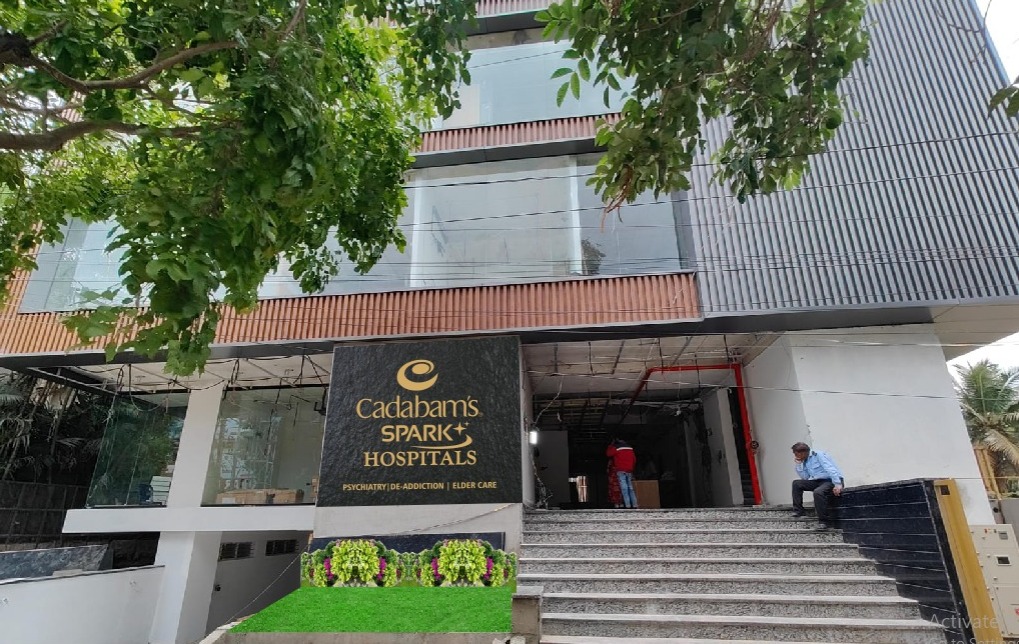
Finding a provider that offers specialized, compassionate, and evidence-based home care is the key to unlocking a better quality of life. When seeking support for a loved one, it’s crucial to choose a provider with proven expertise in mental health. The best at-home care for OCD combines clinical excellence with compassionate support, all within a structured and personalized framework. Cadabam’s Hospitals is a leader in providing this specialized care in Mysore.
Psychosocial Rehabilitation for OCD at Cadabam’s Mysore
Cadabam’s Spark Hospitals offers a comprehensive rehabilitation approach that combines medical treatment with psychological support to restore confidence and well-being. At Cadabam’s Spark Hospitals, we believe in a holistic path to recovery. Our approach to psychosocial rehabilitation combines psychological interventions with medication for the most effective OCD management. We focus on patient-specific needs, emphasizing emotional support and building trust between our therapists and patients to restore self-esteem and confidence. Our rehabilitation includes family education, self-help skill development, and tailored behavioural change strategies. Furthermore, professionals at Cadabam’s Spark Hospitals offer specialized home care, ensuring continuous support, safety, and personalized treatment for individuals in their own environment.
Ready to take the first step? Contact Cadabam’s Hospitals Mysore today.
Phone: 090710 35960
Email: info@cadabamshospitals.com
Expert Team of Psychiatrists and Therapists for OCD
Our multidisciplinary team at Cadabam’s Spark Hospitals includes experienced psychiatrists, clinical psychologists, and therapists who specialize in treating OCD. They bring evidence-based practices like ERP and Cognitive Behavioral Therapy (CBT) directly to your home, ensuring the highest standard of care.
Tailored Home Care Support by Cadabam’s Spark Hospitals Expert Team
We don’t believe in one-size-fits-all solutions. Our team works with you and your family to develop highly tailored in home care for OCD support plans that address specific triggers and challenges, empowering individuals with the skills they need for long-term management.
Integrating Holistic Therapies for OCD
Beyond traditional treatment, we integrate holistic therapies such as mindfulness, yoga, and art therapy into our care plans. These approaches help reduce overall anxiety, improve emotional regulation, and promote a greater sense of well-being, complementing the core therapeutic work.
Continued Care and Follow-Up for OCD
Recovery is an ongoing journey. Cadabam’s Hospitals provides robust continued care and follow-up to prevent relapse and support sustained progress. Our team remains a dedicated partner in your long-term mental health, adapting support as your needs evolve over time.
Top OCD Doctors at Cadabam’s Hospitals
Psychiatrist in Bangalore | Psychiatrist in Hyderabad | Psychiatrist in Mysore | Psychologist in Bangalore | Psychologist in Hyderabad | Psychologist in Mysore | Therapist in Bangalore | Therapist in Hyderabad | Therapist in Mysore
OCD Rehabilitation
Rehab in Bangalore | Rehab in Hyderabad | Rehab in Mysore
Best OCD Treatments Offered at Cadabams
Online Counselling Bangalore | Online Counselling Hyderabad | Home Services Bangalore | Home Services Hyderabad | PsychoTherapy Bangalore | PsychoTherapy Hyderabad | PsychoTherapy Mysore | Group Therapy Bangalore | Group Therapy Hyderabad | Group Therapy Mysore | CBT Bangalore | CBT Hyderabad | CBT Mysore | Biofeedback Bangalore | Biofeedback Hyderabad | Biofeedback Mysore | Family Therapy Bangalore | Family Therapy Hyderabad | Family Therapy Mysore | Neurofeedback Bangalore | Neurofeedback Hyderabad | Neurofeedback Mysore | Emergency Bangalore | Emergency Hyderabad | Emergency Mysore | tDCS Bangalore | tDCS Hyderabad | tDCS Mysore | Counselling Bangalore | Counselling Mysore | Post Rehab in Mysore | ECT Mysore | RTMS Mysore | REBT Therapy in Mysore
More Additional Resources
Overcome Religious OCD | PTSD and OCD Connection | Causes of OCD | Obsessive-Compulsive Disorder (OCD) in Children | Overlap Between OCD and Bipolar Disorder | Guide to OCD | Is OCD an Anxiety Disorder | How OCD and Insomnia Are Closely Linked | OCD in Children | How OCD and Chronic Pain Are Linked
Frequently Asked Questions (FAQs)
1. How does home care benefit OCD patients?
Home care allows individuals to receive expert OCD care in a familiar, comfortable setting. This reduces the stress of travel and enables therapists to address triggers in real-life situations, making therapies like ERP more effective and practical for daily living.
2. How is the safety and well-being of an OCD patient ensured in a home care setting?
Safety is ensured through comprehensive risk assessments, creating a safe home environment, and having trained caregivers present. Professionals at Cadabam’s Hospitals are skilled in crisis intervention and de-escalation, providing constant monitoring and support to manage distressing symptoms safely.
3. Can family members be actively involved in the home care plan for an OCD patient?
Absolutely. Family involvement is a cornerstone of our approach. We provide education and training for family members, teaching them how to offer support without enabling compulsions. They become active, informed partners in the recovery process, creating a stronger support system.
 Available