The Essence of Counselling for OCD
Here, we introduce counselling as a primary method for managing OCD, outlining its core principles and setting it apart from other therapeutic approaches.
Core Principles of Effective Counselling for OCD
Effective counselling is built on a foundation of trust and collaboration. It focuses on empowering individuals by providing them with the tools and strategies to manage their symptoms. Key principles include creating a safe, non-judgmental space, using evidence-based techniques like Cognitive Behavioural Therapy (CBT) and Exposure and Response Prevention (ERP), and tailoring the approach to the individual’s unique experience with OCD.
How Counselling Differs from Other OCD Therapies
While medication can be a helpful part of an OCD treatment plan by managing brain chemistry, counselling addresses the psychological and behavioural patterns at the heart of the disorder. Counselling teaches you how to respond to intrusive thoughts and resist compulsions, providing lifelong skills. Often, the most effective approach combines both, with therapy providing the tools and medication helping to make the therapy more manageable.
The Impact of Counselling on OCD Treatment
This part details the specific benefits and effectiveness of using counselling as a core component of a comprehensive care plan.
The Effectiveness of Counselling for OCD Management
Specialized counselling, particularly ERP, is considered the gold standard for managing OCD. It works by gradually exposing individuals to their fears (in a safe, controlled way) while helping them resist the urge to perform compulsions. Over time, this process retrains the brain, reducing the anxiety associated with obsessions and diminishing the need for compulsive rituals.
Integrating Counselling with Other OCD Treatments
A holistic approach often yields the best results. Counselling can be powerfully integrated with other treatments like prescribed medication, mindfulness practices, and lifestyle adjustments. This comprehensive strategy addresses the condition from all angles—biochemical, psychological, and social—leading to more robust and lasting recovery. Your care team will work with you to determine the best combination for your needs.
Involving Family and Support Networks in the Counselling Process
OCD doesn’t just affect the individual; it impacts the entire family. Effective counselling often includes sessions or guidance for family members. This helps them understand the disorder, learn how not to participate in rituals (accommodation), and become a source of constructive support, creating a healthier environment for everyone.
Customizing Counselling Approaches to Fit Individual Needs
Every individual’s experience with OCD is unique. A skilled therapist understands this and does not use a one-size-fits-all approach. At Cadabam’s Spark Hospitals, we begin with a thorough assessment to understand your specific obsessions, compulsions, and personal history. This allows us to craft personalized care plans that target your unique challenges and leverage your strengths on the path to wellness.
What to Expect During Counselling Sessions for OCD
This section aims to demystify the counselling process for readers, setting clear expectations for their first steps toward getting help.
Your journey will typically begin with a comprehensive assessment to understand your symptoms and goals. In early sessions, you’ll build a strong therapeutic relationship with your counsellor and learn about the nature of OCD. The core of the treatment often involves learning and practising Exposure and Response Prevention (ERP) techniques. You’ll work with your counsellor to create a hierarchy of fears and gradually face them, learning that you can manage the anxiety without resorting to compulsions.
Why Opt for Counselling as a Treatment for OCD?
This section will highlight the unique advantages of choosing dedicated counselling to address OCD for long-term, sustainable recovery.
Benefits of Counselling for Individuals with OCD
Counselling offers more than just symptom reduction. It empowers you with:
- Deeper Self-Understanding: Gain insight into the patterns of your thoughts and behaviours.
- Practical Coping Skills: Learn lifelong strategies to manage anxiety and resist compulsions.
- Improved Quality of Life: Reclaim time and energy from rituals to engage in meaningful activities.
- Enhanced Relationships: Reduce the strain OCD can place on family and social connections.
Achieving Long-term Wellness with Counselling
Unlike treatments that only manage symptoms, the goal of counselling is to equip you with the skills for lasting wellness. By learning to confront your fears and change your behavioural responses, you build resilience against future stress and reduce the likelihood of relapse. It’s an investment in your long-term mental health and freedom.
Get OCD Diagnosed in Mysore
A proper diagnosis from a qualified mental health professional is the critical first step. Self-diagnosis can be misleading, as symptoms can overlap with other conditions. If you are in Mysore and struggling with what you suspect might be OCD, seeking a professional evaluation will ensure you receive an accurate diagnosis and a clear, effective path to the right treatment.
Find the Best Counselling Center for OCD in Mysore
When searching for help, look for a center that specializes in OCD and utilizes evidence-based practices like ERP. The best centers have experienced, compassionate therapists, offer personalized care, and provide a supportive environment that fosters healing. Your search for expert counselling for OCD in Mysore ends here.
Why Cadabam’s Spark Hospitals is Your Best Choice for OCD Counselling
This section details the specific reasons why a patient should choose Cadabam’s Hospitals for their OCD care.
Choosing the right partner for your mental health journey is paramount. At Cadabam’s in Mysore, we offer a dedicated and sophisticated approach to treating OCD, ensuring you receive the highest standard of care.
Expert Team Specialized in OCD Counselling
Our multidisciplinary team consists of experienced psychiatrists, psychologists, and therapists who specialize in OCD and related anxiety disorders. Their deep expertise ensures that your care plan is based on the latest evidence-based practices.
State-of-the-Art Hospitals and Supportive Environment for OCD
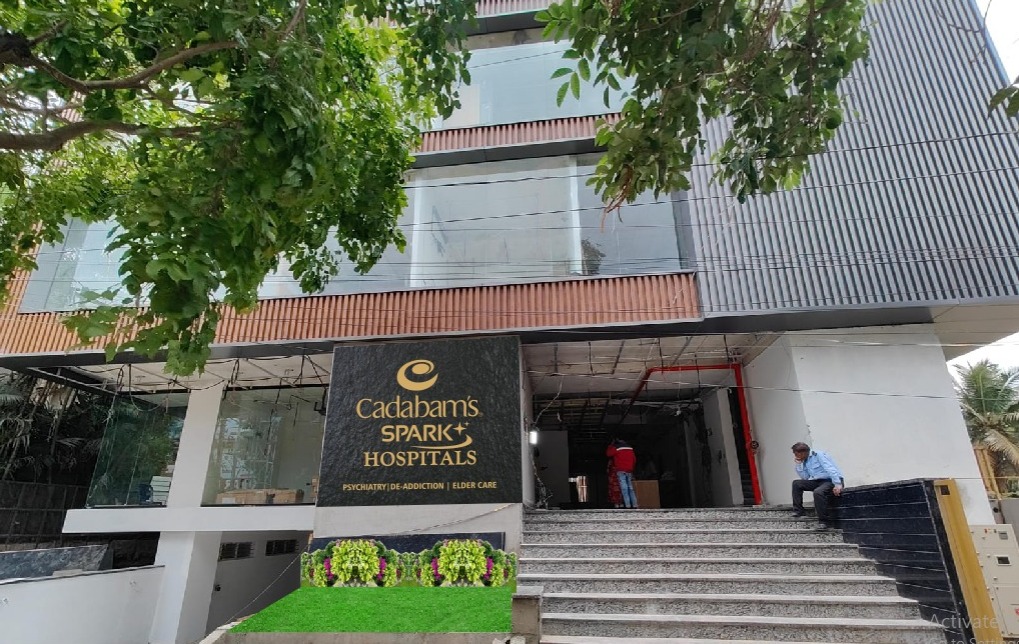
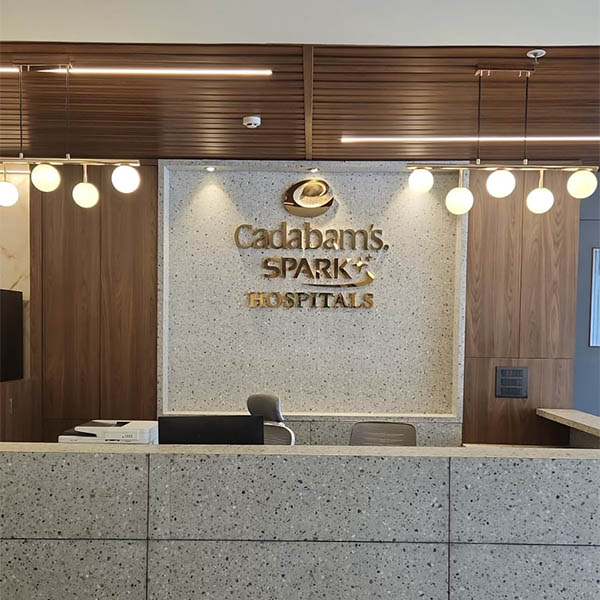
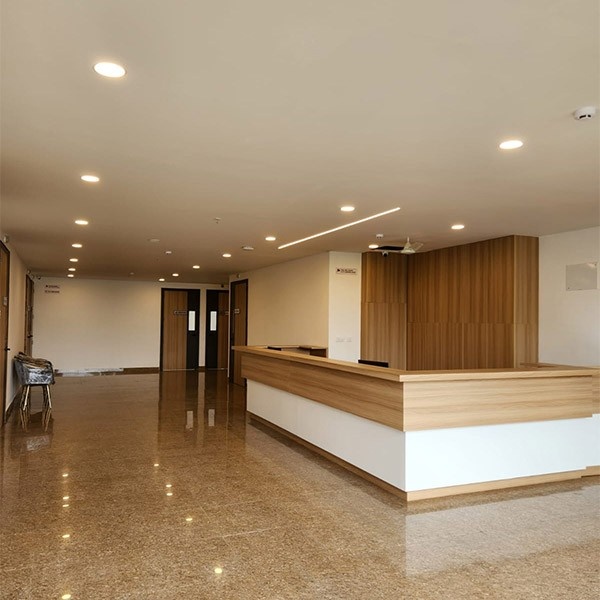
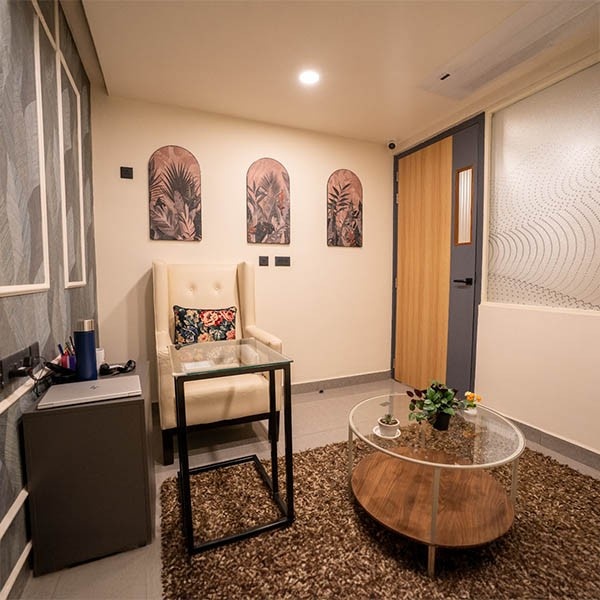
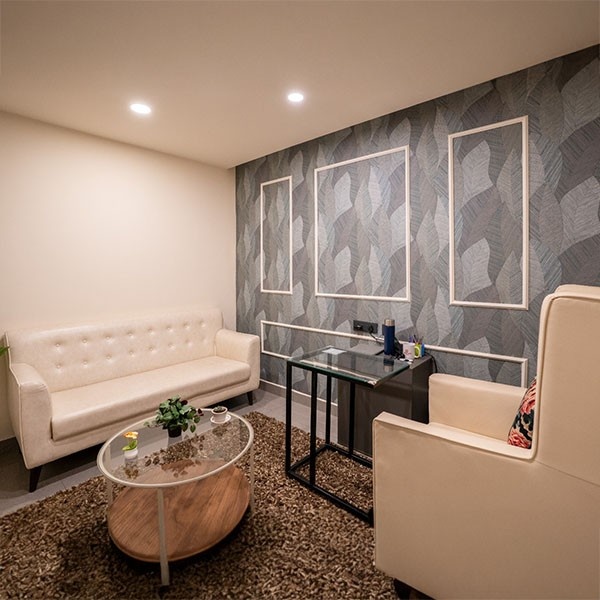
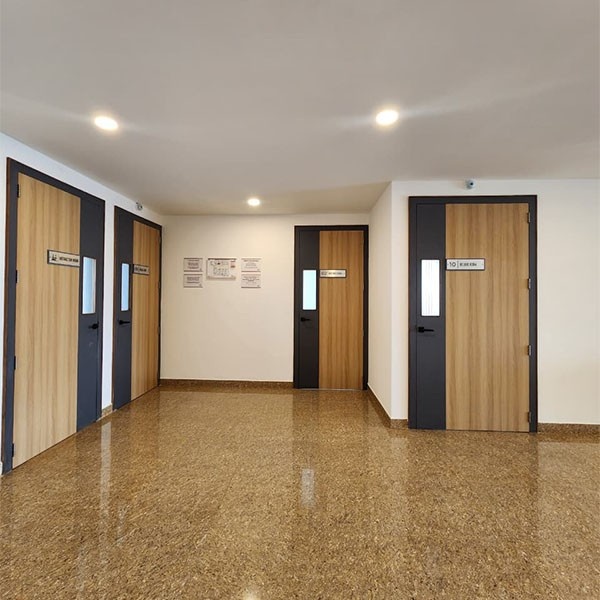
At Cadabam’s Spark Hospitals, we have created an environment that is not only medically advanced but also warm, welcoming, and entirely free of judgment. We believe a supportive setting is crucial for effective therapy and recovery.
Incorporating Holistic Approaches in OCD Counselling
We believe in treating the whole person, not just the symptoms. Our approach integrates psychological counselling with recommendations for lifestyle, mindfulness, and nutrition where appropriate, creating a comprehensive care plan that supports your overall well-being.
Assessment and Personalized Counselling Planning for OCD
Your journey with us begins with a detailed assessment to ensure we understand every nuance of your condition. Based on this, we develop highly personalized care plans. At Cadabam’s Spark Hospitals, we don’t just treat OCD; we treat your OCD.
Ongoing Support and Monitoring for OCD
Recovery is a process, not a single event. We provide continuous support and regular monitoring to track your progress, adjust your care plan as needed, and provide the encouragement you need to stay on track for long-term success.
Ready to take the first step towards a life free from OCD? Contact us today.
Phone:+9190710 35960
Email: info@cadabamshospitals.com
Top OCD Doctors at Cadabam’s Hospitals
Psychiatrist in Bangalore | Psychiatrist in Hyderabad | Psychiatrist in Mysore | Psychologist in Bangalore | Psychologist in Hyderabad | Psychologist in Mysore | Therapist in Bangalore | Therapist in Hyderabad | Therapist in Mysore
OCD Rehabilitation
Rehab in Bangalore | Rehab in Hyderabad | Rehab in Mysore
Best OCD Treatments Offered at Cadabams
Online Counselling Bangalore | Online Counselling Hyderabad | Home Services Bangalore | Home Services Hyderabad | Home Services Mysore | PsychoTherapy Bangalore | PsychoTherapy Hyderabad | PsychoTherapy Mysore | Group Therapy Bangalore | Group Therapy Hyderabad | Group Therapy Mysore | CBT Bangalore | CBT Hyderabad | CBT Mysore | Biofeedback Bangalore | Biofeedback Hyderabad | Biofeedback Mysore | Family Therapy Bangalore | Family Therapy Hyderabad | Family Therapy Mysore | Neurofeedback Bangalore | Neurofeedback Hyderabad | Neurofeedback Mysore | Emergency Bangalore | Emergency Hyderabad | Emergency Mysore | tDCS Bangalore | tDCS Hyderabad | tDCS Mysore | Counselling Bangalore | Post Rehab in Mysore | ECT Mysore | RTMS Mysore | REBT Therapy in Mysore
More Additional Resources
Overcome Religious OCD | PTSD and OCD Connection | Causes of OCD | Obsessive-Compulsive Disorder (OCD) in Children | Overlap Between OCD and Bipolar Disorder | Guide to OCD | Is OCD an Anxiety Disorder | How OCD and Insomnia Are Closely Linked | OCD in Children | How OCD and Chronic Pain Are Linked
Frequently Asked Questions (FAQ)
1. How Does Counselling Benefit Individuals with OCD?
Counselling, especially with techniques like ERP, directly targets the core mechanism of OCD. It helps individuals confront their obsessive thoughts without performing compulsions, which reduces anxiety over time and breaks the cycle of the disorder. It empowers them with lifelong skills to manage their mental health.
2. How Often Should Someone with OCD Attend Counselling Sessions?
The frequency of sessions depends on the severity of the symptoms and the individual’s specific care plan. Initially, sessions are often scheduled once a week. As progress is made, the frequency may be reduced. Your therapist at Cadabam’s Spark Hospitals will work with you to determine the optimal schedule.
3. How Can Counselling Address the Stigma Associated with OCD?
Counselling provides a safe and confidential space to discuss fears and experiences without judgment. A good counsellor helps normalize the experience, educates the individual about the biological nature of the disorder, and builds self-esteem, which are powerful tools against self-stigma and societal shame.
4. What Should Individuals Expect from Counselling Sessions for OCD?
Individuals can expect a collaborative and structured process. Sessions will involve talking about feelings and experiences, but also active, goal-oriented work. This includes learning about OCD, identifying triggers, and gradually practicing new, healthier responses to obsessive thoughts under the guidance of a trained therapist.
5. What Are the Long-Term Benefits of Counselling for OCD?
The long-term benefits are significant. They include a dramatic reduction in OCD symptoms, improved functioning in daily life, better relationships, increased self-confidence, and a set of coping skills that can be applied to future life stressors, leading to greater overall resilience and well-being.
6. What is the difference between general counselling and Exposure and Response Prevention (ERP) for OCD?
General supportive counselling may help with emotional distress, but it is not a specialized treatment for OCD. ERP is a specific, evidence-based form of CBT considered the first-line psychological treatment for OCD. It involves the structured, gradual confrontation of feared thoughts or situations (Exposure) while purposefully refraining from the compulsive ritual (Response Prevention), which directly targets and weakens the OCD cycle.
7. My family tries to help by reassuring me or doing rituals for me. Can counselling help with this?
Yes, addressing family accommodation is a critical part of effective OCD treatment. Counselling educates family members about how their reassurance or participation in rituals, while well-intentioned, actually strengthens the OCD. Therapists guide families on how to provide support without accommodating the disorder, which is essential for breaking the cycle and promoting independent coping.
 Available