How tDCS Works: The Science Behind the Stimulation
Delve into the scientific principles of tDCS, explaining how the application of a low-level electrical current influences brain cells and neural pathways to bring about therapeutic effects.
The fundamental principle of tDCS is neuromodulation. The treatment involves a controlled tDCS current delivered through two saline-soaked sponge electrodes placed on the head. One electrode, the anode, delivers a positive charge that increases neuronal excitability, while the other, the cathode, provides a negative charge that reduces it. For OCD, these electrodes are positioned over specific brain areas believed to be involved in obsessive thoughts and compulsive behaviours, helping to restore healthier patterns of brain activity and communication.
Why is tDCS Used?
This section outlines the broader clinical applications and research interest in tDCS, highlighting its versatility and potential across various neurological and psychiatric fields.
tDCS is increasingly used in clinical and research settings due to its safety profile, accessibility, and effectiveness. It serves as a powerful tool to influence brain plasticity—the brain’s ability to reorganise itself. By modulating neural activity, it can enhance cognitive functions, regulate mood, and support motor recovery. Its application in conditions like OCD, depression, chronic pain, and stroke rehabilitation demonstrates its versatility in promoting brain health and function without invasive procedures.
Benefits of tDCS for OCD
Explore the specific advantages of using tDCS as a treatment for OCD, from reducing core symptoms to improving overall mental well-being and reducing reliance on medication.
Enhancing Neuroplasticity and Recovery
tDCS promotes neuroplasticity, which is the brain’s ability to form and reorganise synaptic connections. For individuals with OCD, this means the brain can be encouraged to “rewire” itself, breaking free from the rigid, repetitive neural circuits that fuel obsessions and compulsions and fostering more flexible thought patterns.
Reducing Symptoms of OCD
Clinical evidence suggests that targeting specific prefrontal cortex regions with tDCS stimulation can significantly reduce the severity of OCD symptoms. Patients often report a decrease in intrusive thoughts and a diminished urge to perform compulsive rituals, leading to greater control over their daily lives.
Improving Cognitive Function
OCD can impair cognitive functions like decision-making and cognitive flexibility. tDCS helps enhance these abilities by stimulating brain regions responsible for executive functions, enabling patients to better manage their symptoms and engage more effectively in cognitive-behavioural therapy (CBT).
Accelerating Rehabilitation for OCD
When combined with traditional therapies such as CBT and Exposure and Response Prevention (ERP), tDCS can act as a catalyst, accelerating the rehabilitation process. It makes the brain more receptive to therapeutic change, allowing patients to see progress more quickly.
Minimizing Medication Dependence
For those who experience significant side effects from medication or find it ineffective, tDCS offers a valuable alternative or supplementary treatment. By directly targeting brain function, it can reduce the need for high doses of medication, providing relief with a lower risk of systemic side effects.
Enhancing Mood and Mental Well-being
OCD is often accompanied by anxiety and depression. tDCS has been shown to have mood-enhancing effects by modulating activity in brain regions associated with mood regulation. This dual benefit helps improve a patient’s overall mental well-being beyond just OCD symptom reduction.
Prolonging Therapeutic Effects
The benefits of tDCS can be long-lasting. By promoting durable changes in brain function and plasticity, the improvements gained during a course of treatment can be maintained over time, helping patients sustain their recovery and prevent relapse.
Treatment Accessibility
As a non-invasive, portable, and relatively affordable treatment, tDCS is highly accessible. Sessions are short, painless, and can be administered in an outpatient setting, like at Cadabam’s Spark Hospitals, allowing patients to continue with their daily routines with minimal disruption.
tDCS Treatment Process for OCD
This section provides a step-by-step overview of the tDCS treatment journey for an OCD patient, from initial consultation to the completion of sessions.
The journey starts with a comprehensive evaluation by a psychiatrist to determine if tDCS is the right fit. If so, a personalised treatment plan is created. A typical course involves a series of sessions, often daily for 2-4 weeks, where the patient undergoes stimulation while remaining awake and comfortable.
What to Expect During tDCS Sessions
During a session, you will be seated comfortably while a trained technician places the electrodes on your scalp. You might feel a mild tingling or itching sensation under the electrodes at the beginning, but this usually fades within a minute. Each session lasts about 20-30 minutes, during which you can relax, read, or listen to music.
Setting Up for tDCS: Equipment and Procedure
The setup involves precise placement of electrodes based on your specific OCD symptoms and brain imaging, if available. The tDCS device delivers a very weak, controlled electrical current. The procedure is painless and safe, with the intensity of stimulation carefully calibrated to ensure both safety and therapeutic effectiveness.
Choosing the Right tDCS Provider for OCD in Mysore
A guide for patients on selecting a qualified and reputable tDCS provider, outlining key factors to consider for ensuring safe and effective treatment.
Accreditation and Licensing
Ensure the clinic is fully accredited and licensed to provide medical treatments. This guarantees that the Hospitals adheres to stringent national standards for safety, quality, and patient care.
Experience and Specialization
Choose a provider with a team that has specific expertise in using transcranial direct current stimulation for psychiatric conditions, particularly OCD. Specialised experience leads to better-tailored and more effective care plans.
Technology and Equipment
The provider should use certified, state-of-the-art tDCS equipment. Advanced technology ensures precise and safe delivery of the tDCS current, which is crucial for achieving the desired therapeutic outcome.
Treatment Customization
A one-size-fits-all approach is ineffective. Look for a centre that designs personalised care plans based on a thorough assessment of your unique symptoms, needs, and treatment goals.
Support Services
Effective treatment goes beyond the sessions. A top provider offers comprehensive support, including psychiatric consultations, therapy, and ongoing monitoring to support your entire recovery journey.
Why Choose Cadabam’s tDCS Treatment for OCD in Mysore
This section highlights the unique advantages of undergoing tDCS treatment at Cadabam’s Spark Hospitals, focusing on their expert team, advanced technology, and patient-centric approach.
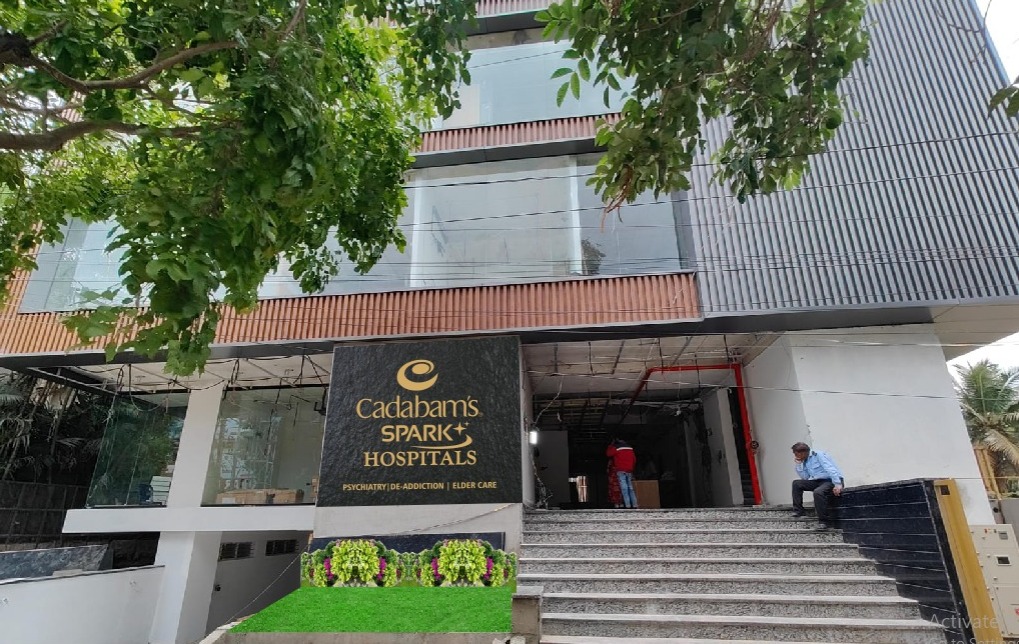
Cadabam’s Spark Hospitals stands as a leader in mental healthcare in Mysore, offering advanced and evidence-based treatments for OCD. Our commitment to clinical excellence and compassionate care makes us the preferred choice for tDCS treatment.
Expert Team Specialized in tDCS for OCD
Our multidisciplinary team includes experienced psychiatrists, psychologists, and technicians who specialise in neuromodulation techniques. Their deep expertise ensures your tDCS care plan is designed and executed with precision for optimal results.
State-of-the-Art Hospitals and Supportive Environment for OCD
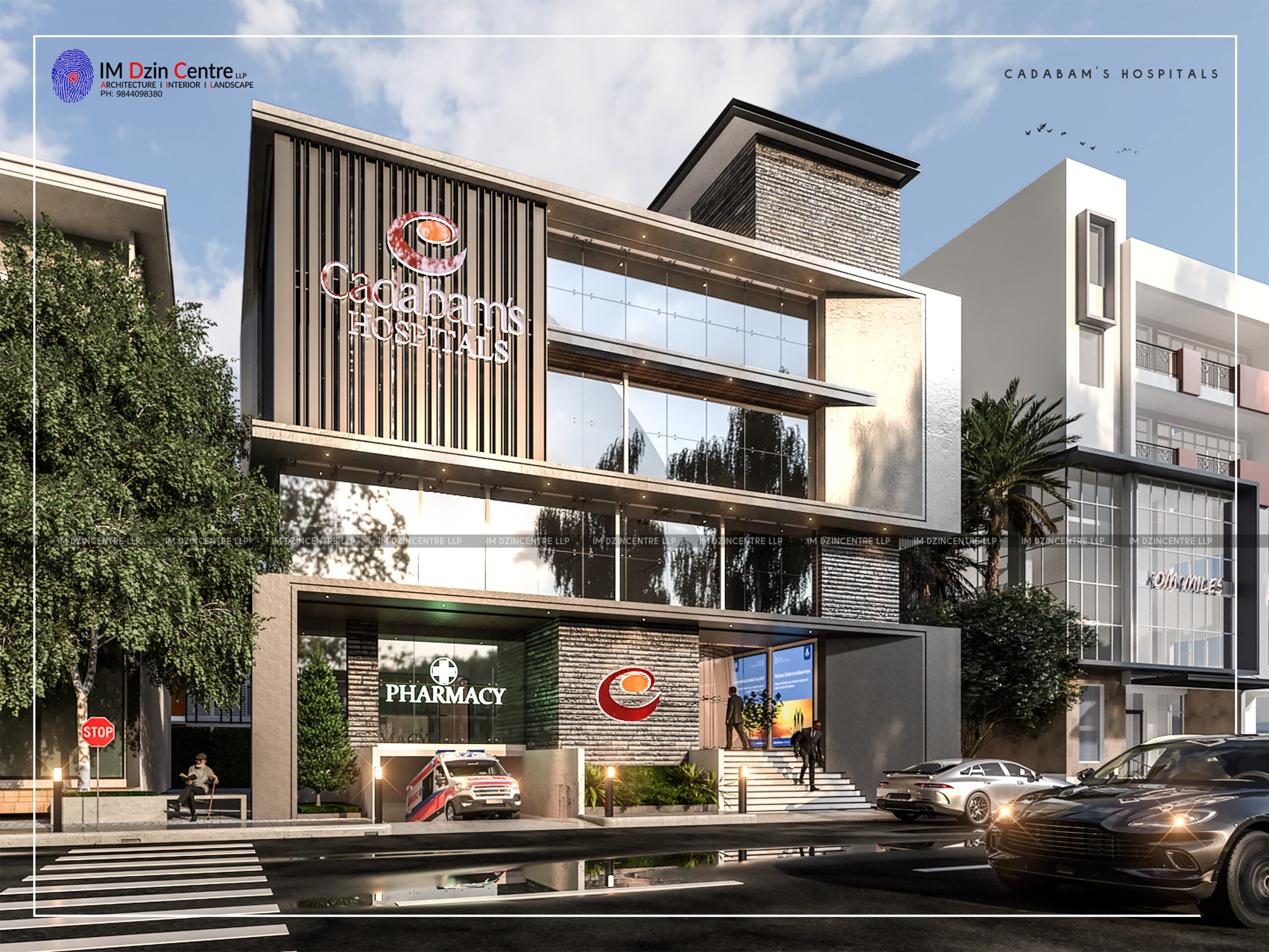
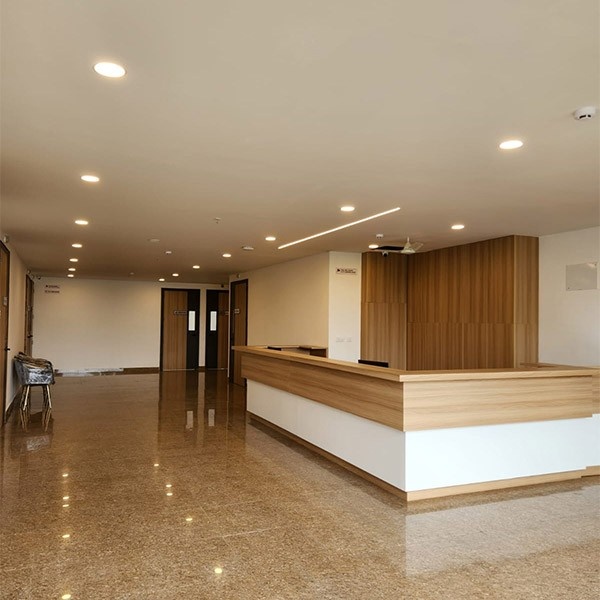
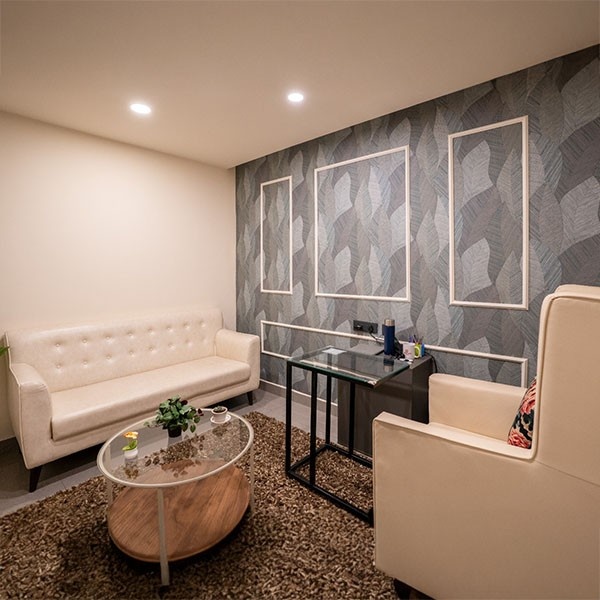
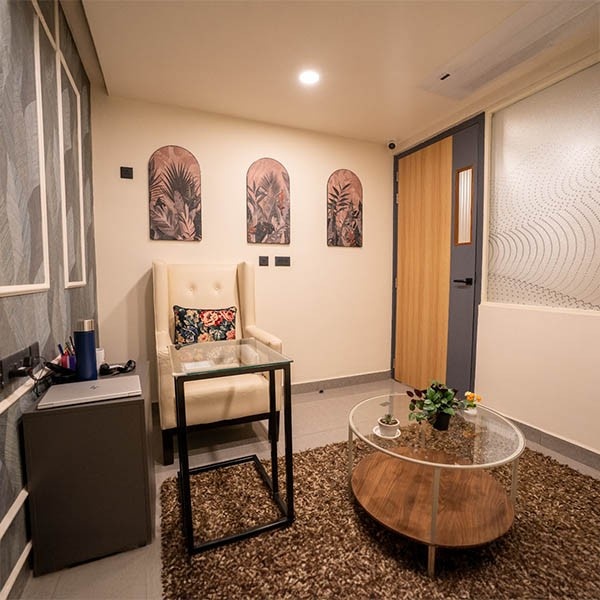
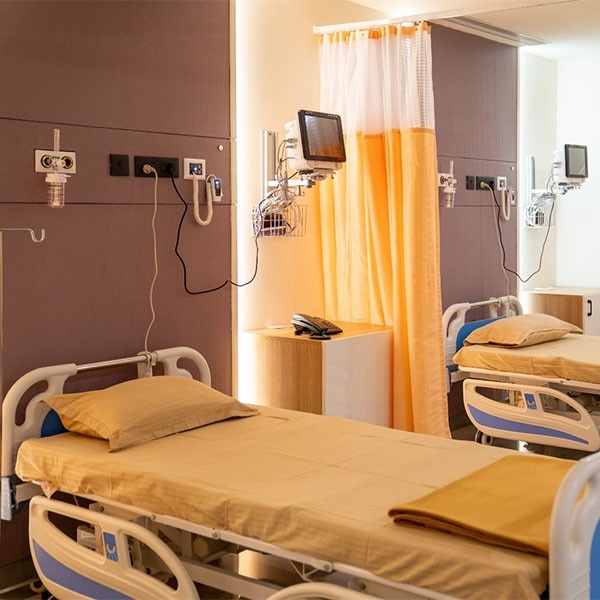
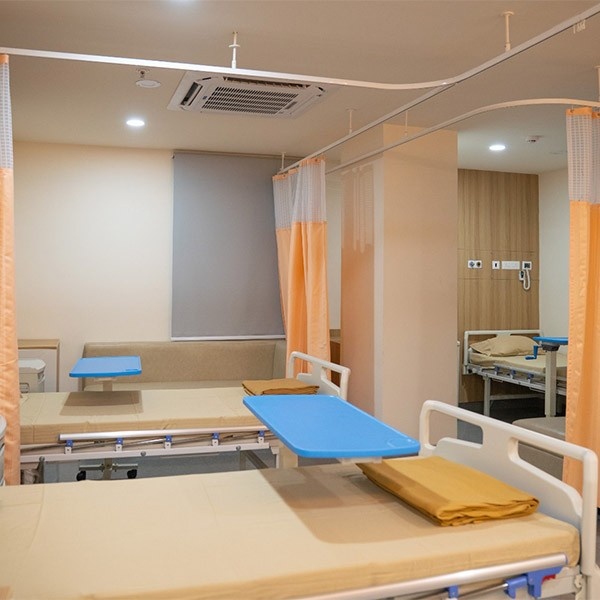
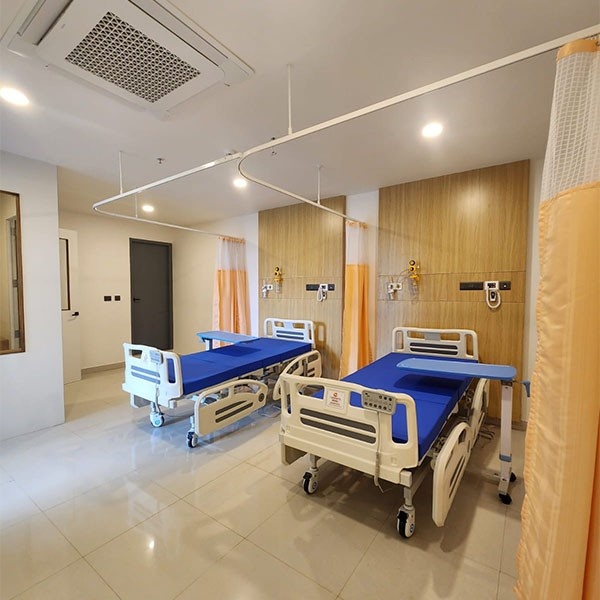
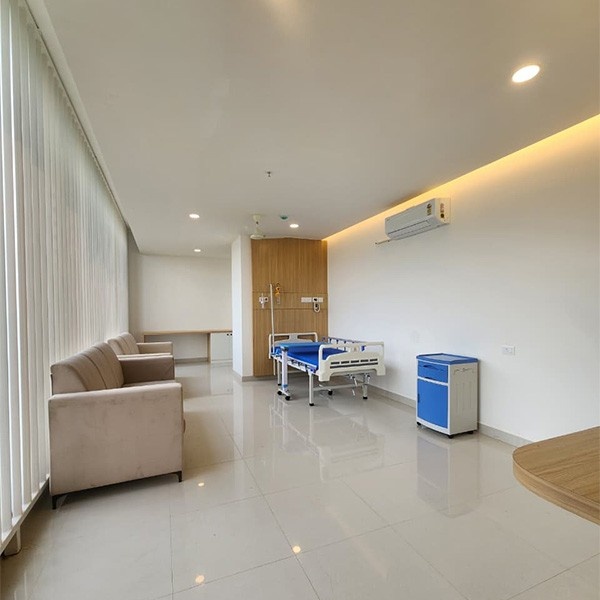
At Cadabam’s Hospitals, we provide tDCS in a modern, safe, and supportive environment. Our state-of-the-art Hospitals are designed to promote comfort and healing, allowing you to focus completely on your recovery.
Incorporating Holistic Approaches in tDCS Treatment for OCD
At Cadabam’s Spark Hospitals, we believe in a holistic path to wellness. We integrate tDCS with evidence-based psychotherapies, wellness activities, and family support to treat the whole person, not just the symptoms of OCD.
Assessment and Personalized Treatment Planning for OCD
Every patient journey at Cadabam’s begins with a detailed assessment. This allows us to create a highly personalised care plan that tailors the tDCS protocol, therapy, and other interventions to your specific needs, maximising the potential for success.
Ongoing Support and Monitoring for OCD
Your recovery is our priority. We provide continuous monitoring throughout your treatment and offer robust aftercare support to help you maintain your progress long after the sessions are complete.
Ready to explore how tDCS can help you manage OCD? Contact Cadabam’s Hospitals Mysore today for a consultation.
Phone: +91 +9190710 35960
Email: info@cadabamshospitals.com
Top OCD Doctors at Cadabam’s Hospitals
Psychiatrist in Bangalore | Psychiatrist in Hyderabad | Psychiatrist in Mysore | Psychologist in Bangalore | Psychologist in Hyderabad | Psychologist in Mysore | Therapist in Bangalore | Therapist in Hyderabad | Therapist in Mysore
OCD Rehabilitation
Rehab in Bangalore | Rehab in Hyderabad | Rehab in Mysore
Best OCD Treatments Offered at Cadabams
Online Counselling Bangalore | Online Counselling Hyderabad | Home Services Bangalore | Home Services Hyderabad | Home Services Mysore | PsychoTherapy Bangalore | PsychoTherapy Hyderabad | PsychoTherapy Mysore | Group Therapy Bangalore | Group Therapy Hyderabad | Group Therapy Mysore | CBT Bangalore | CBT Hyderabad | CBT Mysore | Biofeedback Bangalore | Biofeedback Hyderabad | Biofeedback Mysore | Family Therapy Bangalore | Family Therapy Hyderabad | Family Therapy Mysore | Neurofeedback Bangalore | Neurofeedback Hyderabad | Neurofeedback Mysore | Emergency Bangalore | Emergency Hyderabad | Emergency Mysore | tDCS Bangalore | tDCS Hyderabad | Counselling Bangalore | Counselling Mysore | Post Rehab in Mysore | ECT Mysore | RTMS Mysore | REBT Therapy in Mysore
More Additional Resources
Overcome Religious OCD | PTSD and OCD Connection | Causes of OCD | Obsessive-Compulsive Disorder (OCD) in Children | Overlap Between OCD and Bipolar Disorder | Guide to OCD | Is OCD an Anxiety Disorder | How OCD and Insomnia Are Closely Linked | OCD in Children | How OCD and Chronic Pain Are Linked
FAQ
What is tDCS and how does it help treat OCD?
tDCS is a non-invasive brain stimulation technique that uses a weak electrical current to modulate brain activity. For OCD, it helps rebalance neural circuits in the prefrontal cortex that contribute to obsessive thoughts and compulsive behaviours, reducing symptom severity.
How many tDCS sessions are typically needed for OCD?
A typical treatment course for OCD involves 10-20 sessions, often administered daily (on weekdays) over 2-4 weeks. The exact number of sessions will be determined by your psychiatrist based on your individual response and clinical needs.
How long does it take to see results from tDCS treatment for OCD?
While some patients may notice subtle improvements within the first week, significant and lasting results are more commonly observed after completing a full course of treatment. The effects often continue to build even after the sessions have concluded.
What kind of support does Cadabams offer to patients undergoing tDCS for OCD?
Cadabam’s Hospitals offers comprehensive support, including initial psychiatric evaluation, personalised treatment planning, integrated psychotherapy (like CBT), and continuous monitoring. Our holistic approach ensures you receive complete care throughout your recovery journey.
Is tDCS expensive?
tDCS is generally more affordable than other brain stimulation techniques like TMS. The cost can vary based on the number of sessions required and the specifics of your personalised care plan. We recommend contacting us for detailed information on treatment costs.
 Available