What is Electroconvulsive Therapy (ECT)?
Electroconvulsive Therapy, commonly known as ect therapy, is a safe and effective medical treatment that involves passing small, carefully controlled electric currents through the brain to trigger a brief, intentional seizure. This process helps to alter brain chemistry, providing rapid relief from severe mental health symptoms.
The History and Evolution of ECT
ECT has evolved significantly since its introduction in the 1930s. Modern ECT is a highly refined procedure, performed under general anesthesia with muscle relaxants to ensure patient comfort and safety. Advanced techniques and monitoring have dramatically reduced side effects and enhanced its therapeutic effectiveness, making it a vital tool in modern psychiatry.
How ECT is Performed
During an ECT session, a patient receives anesthesia and a muscle relaxant. Electrodes are placed on the scalp, and a precisely calculated electrical stimulus is administered, inducing a controlled therapeutic seizure lasting about a minute. The entire procedure, from preparation to immediate recovery, takes only 10-15 minutes, with constant monitoring by a skilled medical team.
Get OCD Diagnosed in Mysore
A precise diagnosis is the first step toward effective treatment. At Cadabam’s Spark Hospitals, our expert psychiatrists in Mysore conduct comprehensive evaluations, including clinical interviews and diagnostic assessments, to accurately diagnose OCD and rule out other conditions. This ensures that every patient receives the most appropriate and personalized care plan.
Role of ECT in OCD Management
For individuals with severe or treatment-resistant OCD, ECT can be a life-changing intervention. It is particularly considered when other treatments, such as medication and psychotherapy, have not provided sufficient relief. The relationship between ect and OCD treatment is well-established for bringing significant symptom reduction.
The Mechanism of ECT in Treating OCD
The exact mechanism is complex, but ECT is believed to work by “rebooting” the brain’s neural circuits. It influences the levels and function of neurotransmitters like serotonin, dopamine, and norepinephrine, which are centrally involved in mood and anxiety regulation. This neurochemical reset can effectively break the persistent cycle of obsessions and compulsions.
Is ECT Effective for OCD Management
While not a first-line treatment, ECT has shown considerable effectiveness for patients with severe, treatment-resistant OCD, especially when co-occurring with depression. Research and clinical experience demonstrate that many patients experience a significant reduction in obsessive thoughts and compulsive behaviors, leading to improved quality of life. The consideration of ect [OCD] treatment offers a powerful option for those who have not found success elsewhere.
Combining ECT with Other Treatments for OCD
ECT is most effective when integrated into a comprehensive treatment plan. At Cadabam’s Spark Hospitals, we often combine ECT with pharmacotherapy (medication) and psychotherapy, such as Cognitive Behavioral Therapy (CBT) and Exposure and Response Prevention (ERP). This multi-modal approach helps sustain the gains made during ECT and equips patients with long-term coping skills.
Engaging Family and Support Systems in the ECT Treatment Process
A strong support system is crucial for recovery. We actively involve family members in the treatment process through education and counseling. By helping loved ones understand OCD and the ECT procedure, we create a supportive home environment that fosters healing, reduces stigma, and encourages adherence to the post-treatment care plan.
Tailoring ECT to Individual Needs
Every patient’s experience with OCD is unique. At Cadabam’s Spark Hospitals, we tailor ECT protocols to each individual’s specific needs. Factors such as symptom severity, treatment history, and overall health are carefully considered to determine the optimal frequency, number of sessions, and electrode placement, ensuring the safest and most effective outcome.
What to Expect in an ECT Session for OCD
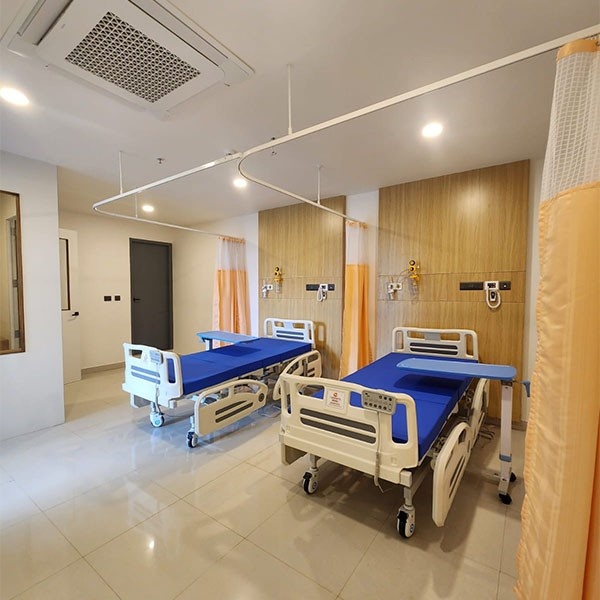
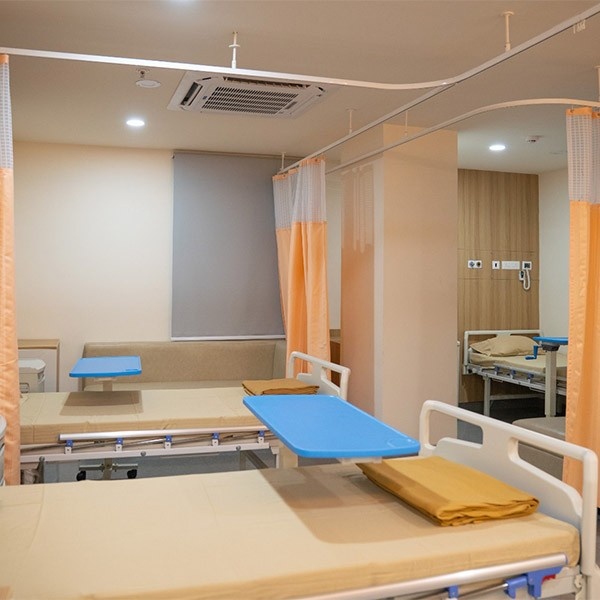
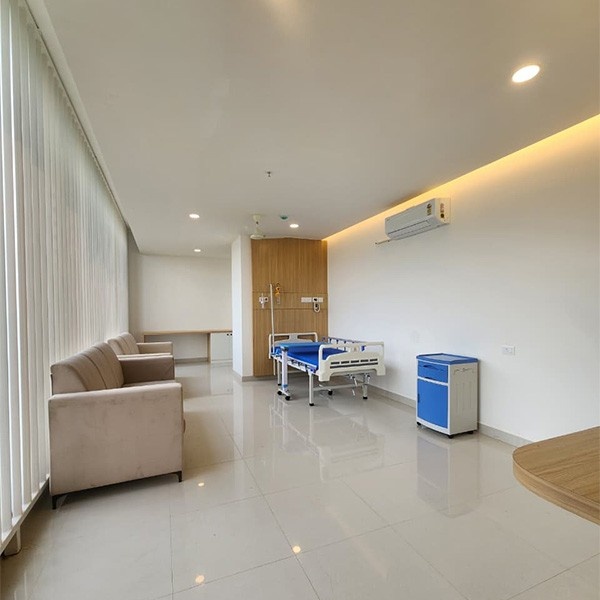
Before a session, you will have a thorough medical evaluation. On the day of the treatment, you’ll be taken to a dedicated treatment room where you’ll receive general anesthesia. You will be asleep during the entire procedure and will not feel any pain. After the brief session, you will be moved to a recovery area for monitoring as the anesthesia wears off. Some temporary confusion or memory vagueness is possible but typically resolves quickly.
Why Choose ECT for OCD Treatment?
ECT is a powerful option when debilitating symptoms of OCD persist despite other interventions. It offers the potential for rapid and significant symptom relief, helping to break the cycle of suffering and create a window of opportunity for other therapies to become more effective.
Benefits of ECT for OCD Patients
- Rapid Symptom Reduction: Can provide faster relief than many medications.
- High Efficacy for Treatment-Resistant Cases: Offers hope when other treatments have failed.
- Proven Safety Profile: Modern ECT is a safe procedure conducted under strict medical supervision.
- Improved Functioning: Alleviating symptoms allows individuals to re-engage in daily life, work, and relationships.
When is ECT Recommended as a Treatment Option for OCD
ECT is typically recommended for individuals with:
- Severe, debilitating OCD that has not responded to multiple trials of medication and therapy.
- OCD co-occurring with severe depression, suicidality, or catatonia.
- Cases where a rapid therapeutic response is medically necessary for the patient’s safety and well-being.
Patient Eligibility for ECT
Eligibility for ECT is determined through a comprehensive assessment by our psychiatric and medical team. This includes a review of the patient’s mental health history, previous treatments, and a full physical examination to ensure they can safely undergo the procedure and general anesthesia.
Find the Best Rehab Center for OCD in Mysore
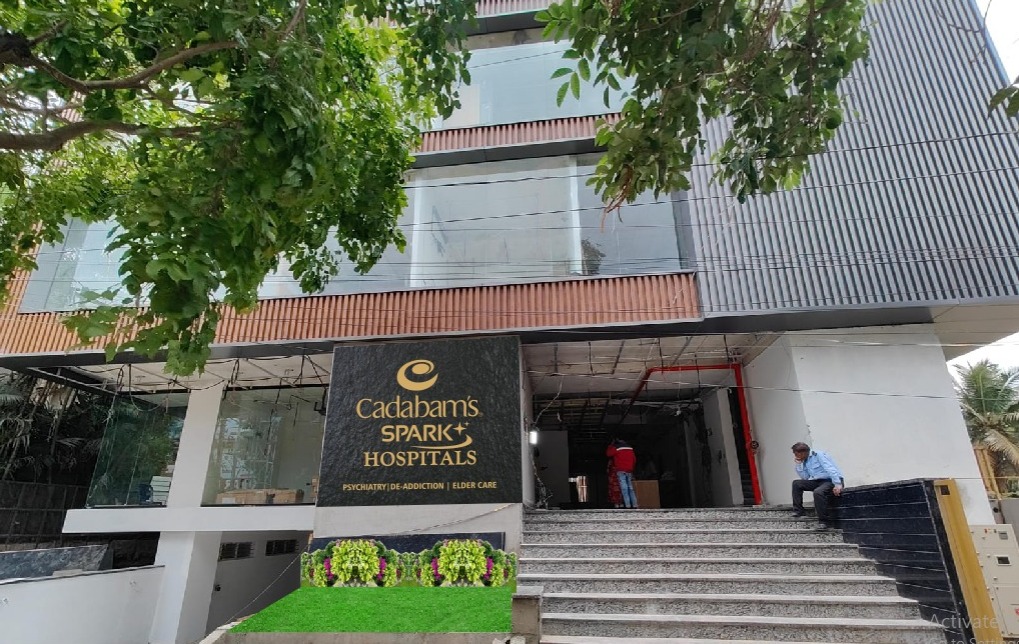
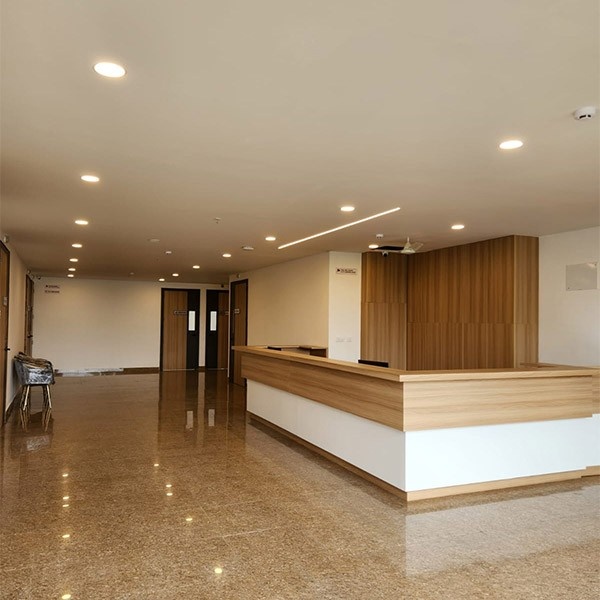
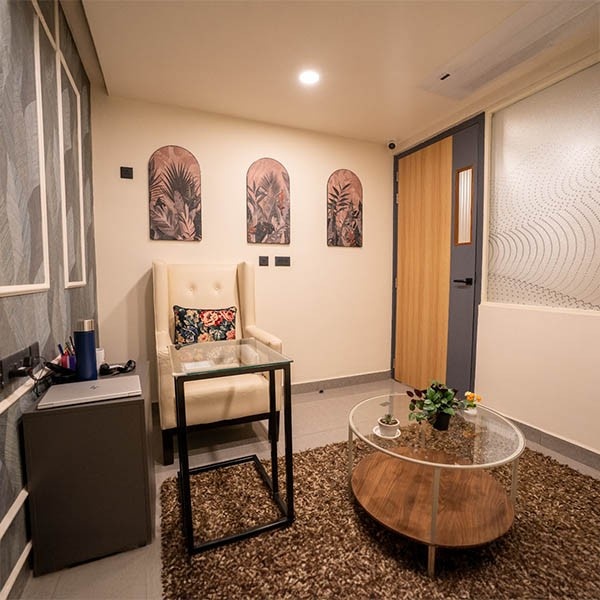
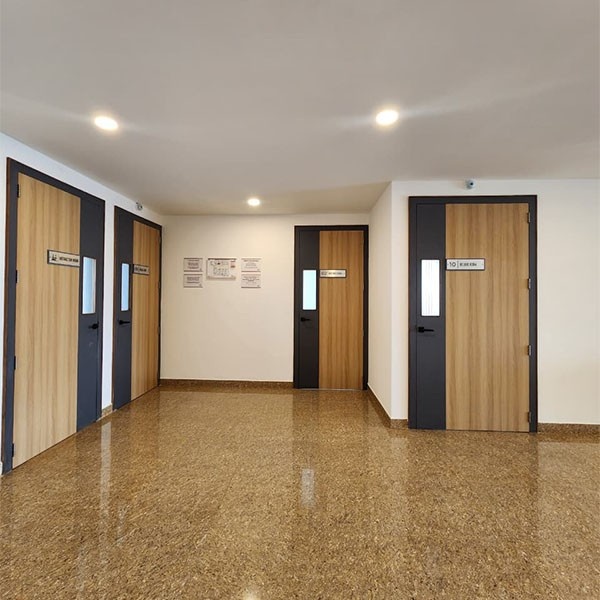
When seeking the best care for OCD, it’s essential to choose a center with a proven track record of excellence. Cadabam’s Spark Hospitals stands out in Mysore for its specialized expertise, state-of-the-art infrastructure, and a compassionate, patient-centered approach to mental healthcare.
Why Choose Cadabam’s?
Cadabam’s Spark Hospitals is a leader in mental healthcare, renowned for its commitment to clinical excellence and holistic recovery. Our integrated approach ensures that every aspect of a patient’s well-being—mental, emotional, and physical—is addressed with the highest standard of care.
Expert Team of Psychiatrists and Therapists for OCD
Our multidisciplinary team at Cadabam’s Hospitals comprises highly experienced psychiatrists, psychologists, and therapists who specialize in treating OCD. Their deep expertise ensures that each patient benefits from evidence-based practices and the latest advancements in psychiatric care.
Post-ECT Rehabilitation and Therapy Options for OCD
Recovery extends beyond the ECT sessions. We provide robust post-ECT rehabilitation care plans, including continued psychotherapy (ERP and CBT), medication management, and occupational therapy. These services help solidify progress and empower individuals with skills for a future free from the grip of OCD.
Family Support and Education for OCD
We believe in healing together. Our family support programs are integral to our care plans, offering education about OCD, family therapy sessions, and guidance on how to provide effective support at home. This collaborative approach enhances the recovery journey for both the patient and their loved ones.
Ongoing Management and Relapse Prevention for OCD
Long-term wellness is our ultimate goal. We focus on creating sustainable relapse prevention strategies, including ongoing therapy, medication management, and regular follow-ups. Our team works with patients to identify triggers and develop healthy coping mechanisms, ensuring lasting stability and a higher quality of life.
Take the First Step Towards Recovery
If you or a loved one is struggling with OCD, don’t wait. Contact Cadabam’s Hospitals in Mysore today to learn more about our advanced treatment options, including Electroconvulsive Therapy.
Phone: +9190710 35960
Email: info@cadabamshospitals.com
Top OCD Doctors at Cadabam’s Hospitals
Psychiatrist in Bangalore | Psychiatrist in Hyderabad | Psychiatrist in Mysore | Psychologist in Bangalore | Psychologist in Hyderabad | Psychologist in Mysore | Therapist in Bangalore | Therapist in Hyderabad | Therapist in Mysore
OCD Rehabilitation
Rehab in Bangalore | Rehab in Hyderabad | Rehab in Mysore
Best OCD Treatments Offered at Cadabams
Online Counselling Bangalore | Online Counselling Hyderabad | Home Services Bangalore | Home Services Hyderabad | Home Services Mysore | PsychoTherapy Bangalore | PsychoTherapy Hyderabad | PsychoTherapy Mysore | Group Therapy Bangalore | Group Therapy Hyderabad | Group Therapy Mysore | CBT Bangalore | CBT Hyderabad | CBT Mysore | Biofeedback Bangalore | Biofeedback Hyderabad | Biofeedback Mysore | Family Therapy Bangalore | Family Therapy Hyderabad | Family Therapy Mysore | Neurofeedback Bangalore | Neurofeedback Hyderabad | Neurofeedback Mysore | Emergency Bangalore | Emergency Hyderabad | Emergency Mysore | tDCS Bangalore | tDCS Hyderabad | tDCS Mysore | Counselling Bangalore | Counselling Mysore | Post Rehab in Mysore | RTMS Mysore | REBT Therapy in Mysore
More Additional Resources
Overcome Religious OCD | PTSD and OCD Connection | Causes of OCD | Obsessive-Compulsive Disorder (OCD) in Children | Overlap Between OCD and Bipolar Disorder | Guide to OCD | Is OCD an Anxiety Disorder | How OCD and Insomnia Are Closely Linked | OCD in Children | How OCD and Chronic Pain Are Linked
FAQ
Can Electroconvulsive Therapy help OCD?
Yes, for certain individuals with severe, treatment-resistant OCD, Electroconvulsive Therapy can be an effective treatment. It is especially considered when OCD co-exists with major depression or has not responded to standard therapies.
Does ECT work for OCD?
While not a universal cure, ECT has been shown to work for a significant subset of patients with severe OCD. It can lead to a substantial reduction in obsessive thoughts and compulsive behaviors, improving overall functioning and quality of life.
How much does electroconvulsive therapy for OCD cost?
The cost of ect therapy for OCD varies based on the number of sessions required, the specifics of the care plan, and individual insurance coverage. For a detailed cost estimate, please contact Cadabam’s Hospitals directly for a consultation.
How many sessions of ECT is required for treating OCD?
The number of ECT sessions varies for each patient. An acute course for OCD might involve 6 to 12 sessions, administered 2-3 times per week. The exact number is determined by our psychiatric team based on the patient’s response and clinical needs.
Can ECT be Combined with Other OCD Treatments?
Absolutely. ECT is most effective when used as part of an integrated treatment plan that includes medication (like SSRIs) and specialized psychotherapy, such as Exposure and Response Prevention (ERP), to ensure long-term management and relapse prevention.
 Available