What is Cognitive Behavioral Therapy (CBT)?
CBT is a structured, goal-oriented form of psychotherapy that has proven highly effective for a range of mental health conditions, including OCD.
The Principles of CBT
CBT operates on the principle that our thoughts, feelings, and behaviours are interconnected. By identifying and challenging negative or unhelpful thought patterns (the “Cognitive” part), we can change our responsive behaviours (the “Behavioral” part). The therapy focuses on present-day challenges and equips individuals with practical coping skills.
How CBT Differs from Other Therapies
Unlike therapies that delve deep into the past to uncover the root of emotional conflicts, CBT is action-oriented and solution-focused. It is typically a short-term treatment with a clear structure, often involving homework and practical exercises. Patients play an active role in their own recovery, making it an empowering process.
Get OCD Diagnosed in Mysore
A proper diagnosis is the cornerstone of effective treatment. If you suspect you have OCD, seeking a professional evaluation at Cadabam’s Hospitals in Mysore ensures you receive a precise diagnosis and a care plan tailored specifically to your needs.
The Role of CBT in Treating OCD
CBT, particularly a sub-type called Exposure and Response Prevention (ERP), is considered the gold standard for OCD treatment. It directly targets the cycle of obsessions and compulsions.
Is CBT Effective for OCD Management
The evidence for CBT OCD effectiveness is overwhelmingly positive. Numerous studies show that a significant majority of patients who complete a course of CBT experience a substantial reduction in their symptoms. The skills learned during therapy provide a long-term framework for managing OCD and preventing relapse.
Combining CBT with Other Treatments for OCD
For some individuals, especially those with severe symptoms, combining CBT with medication (like SSRIs) can be highly beneficial. At Cadabam’s Spark Hospitals, our psychiatrists and therapists work together to determine the most effective integrated treatment approach for each person.
Engaging Family and Support Systems in the CBT Treatment Process
A strong support system is invaluable. We encourage involving family members in the treatment process, educating them about OCD and teaching them how to provide constructive support without enabling compulsive behaviours. This collaborative approach enhances the therapeutic outcome.
Tailoring CBT to Individual Needs
There is no one-size-fits-all CBT for OCD. Our therapists at Cadabam’s Hospitals create individualised care plans. A structured approach, like one found in a CBT manual for OCD, is adapted to address your specific obsessions and compulsions, ensuring the therapy is relevant and effective for you.
Support Systems and Environment at Cadabam’s Spark Hospitals
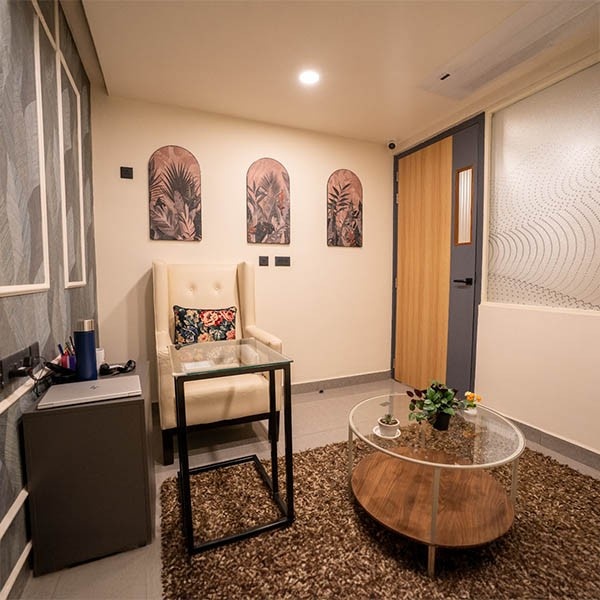
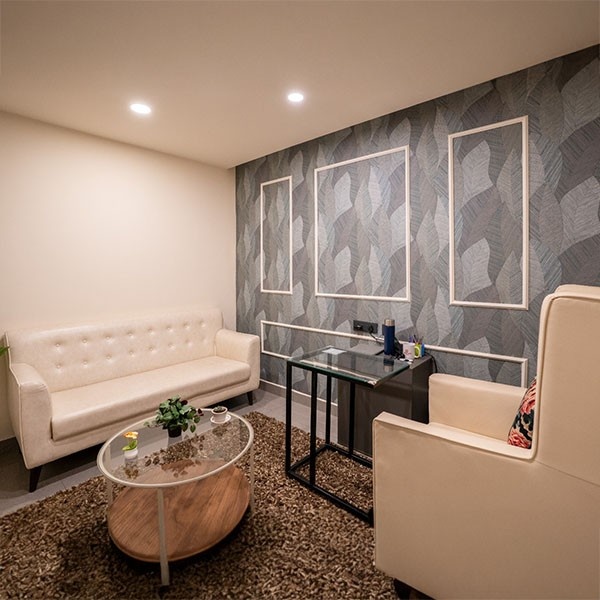
We provide a safe, non-judgmental, and supportive environment where individuals can confront their fears. Our multidisciplinary team offers comprehensive support, creating a therapeutic atmosphere that fosters healing and growth.
What to Expect in a CBT Session for OCD
During a CBT session, you’ll work with your therapist to identify your specific triggers. The core of the treatment often involves Exposure and Response Prevention (ERP), where you are gradually exposed to your feared thoughts or situations and guided to resist performing the associated compulsion. This helps your brain learn that the anxiety will decrease on its own, without the ritual.
Why Choose CBT for OCD Treatment?
CBT empowers patients with practical skills to confront their fears and break free from the grip of OCD.
Benefits of CBT Therapy on OCD Patients
Patients who undergo CBT report reduced anxiety, a significant decrease in obsessive thoughts and compulsive behaviours, improved daily functioning, and a greater sense of control over their lives.
Real-Life Impact of CBT on OCD Patients
The impact is transformative. Individuals who were once homebound due to contamination fears can start socialising again. Students who struggled to focus can excel academically. The therapy gives people their time, energy, and life back.
Long-Term Success with CBT
The skills learned in CBT are lifelong tools. By understanding how to manage intrusive thoughts and resist compulsions, individuals are better equipped to handle potential recurrences, leading to sustained recovery and long-term success.
When Should you ask for Help?
If obsessions and compulsions are consuming more than an hour of your day, causing significant distress, or interfering with your work, school, or personal life, it is time to seek professional help. Early intervention leads to better outcomes.
Find the Best Rehab Center for OCD in Mysore
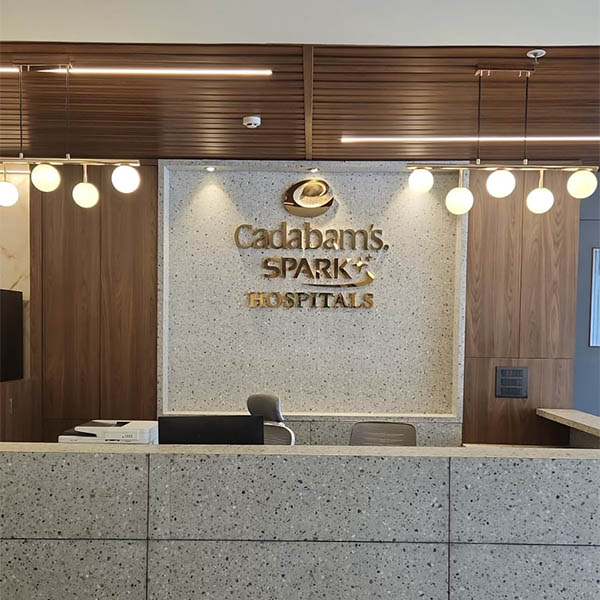
When seeking treatment for OCD, it’s vital to choose a centre with expertise in evidence-based therapies. Cadabam’s Spark Hospitals is a leading mental healthcare provider in Mysore, offering specialised and compassionate care for OCD.
Why Choose Cadabams?
At Cadabam’s, we combine decades of experience with a modern, patient-centric approach to mental wellness.
Expert Team of Psychiatrists and Therapists for OCD
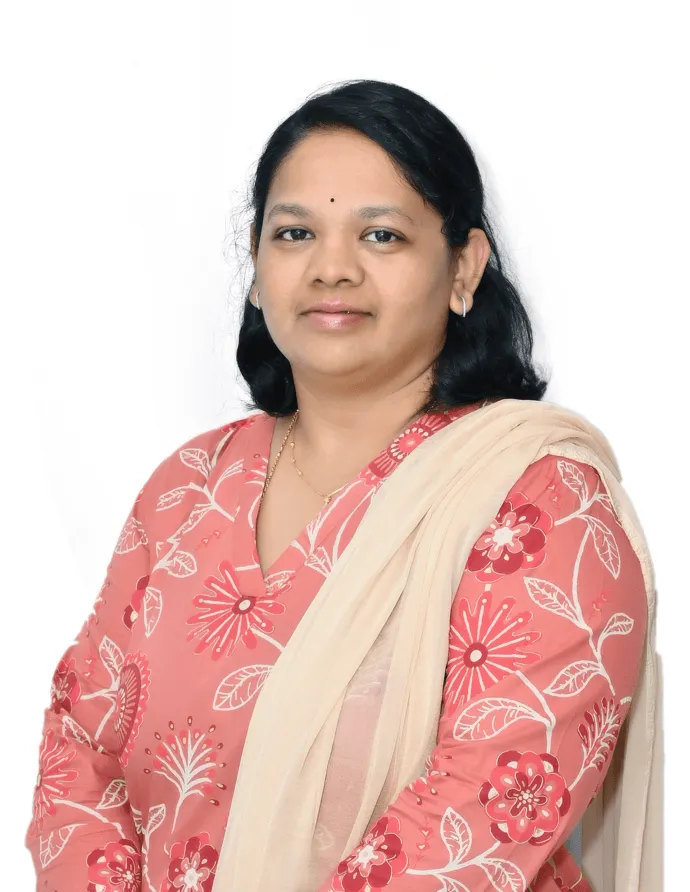
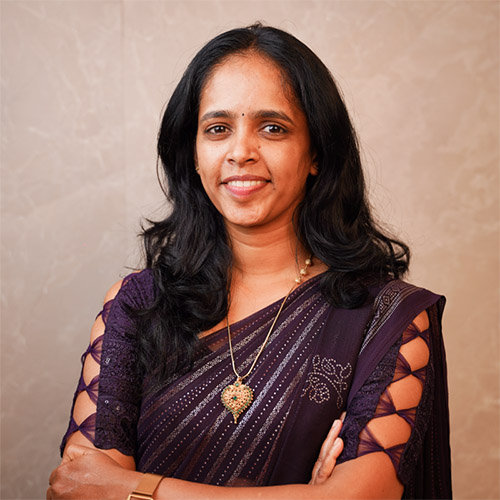
Our team consists of highly trained and experienced professionals who specialise in CBT for OCD. They are dedicated to providing the highest standard of care and support throughout your recovery journey.
State-of-the-Art Hospitals in Cadabam’s for OCD
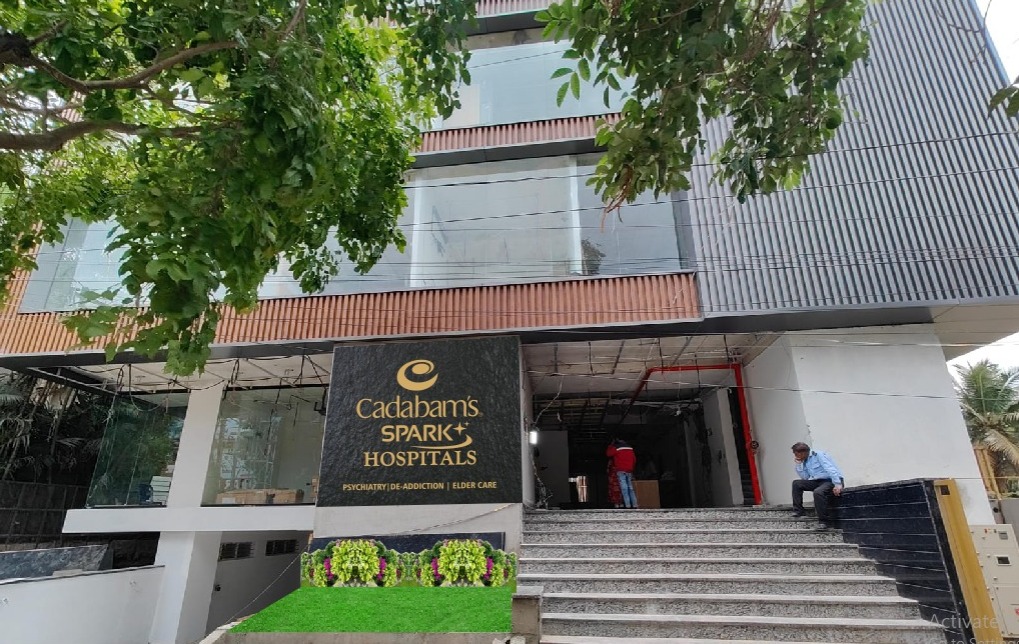
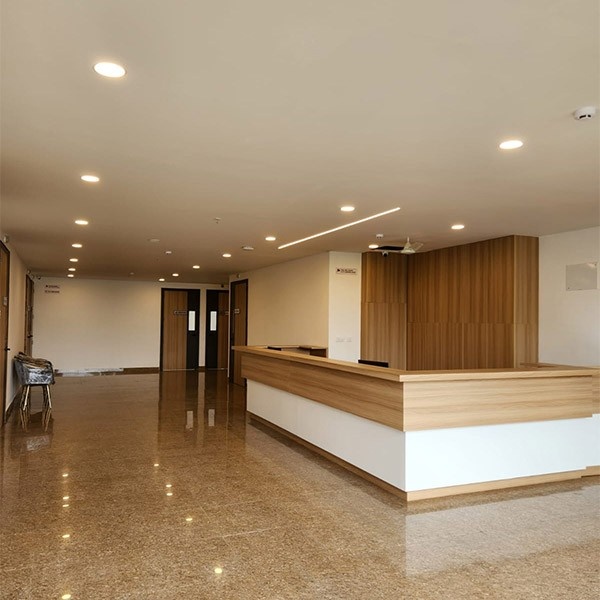
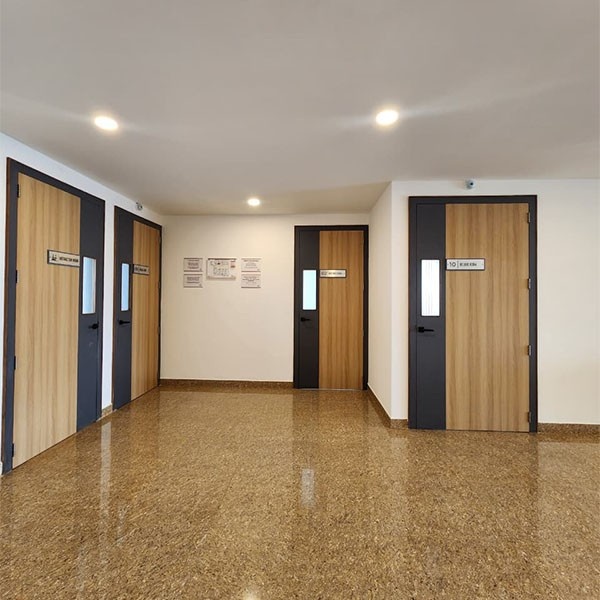
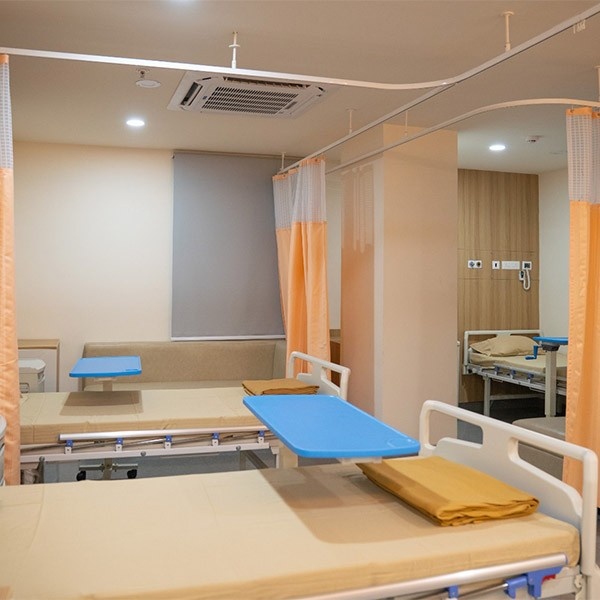
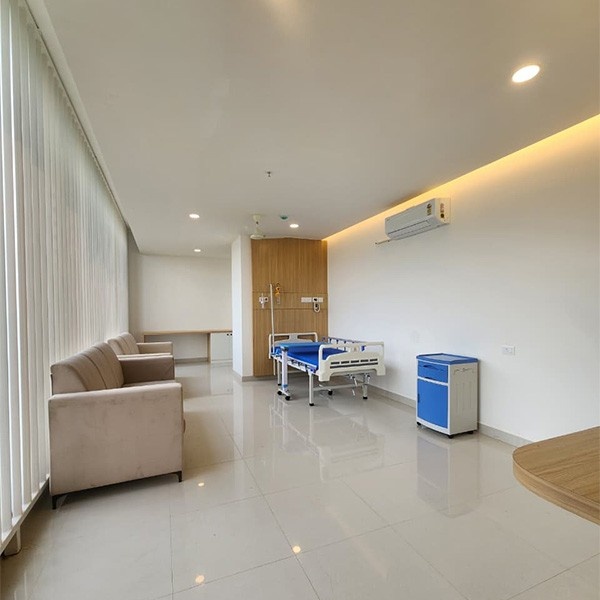
Cadabam’s Spark Hospitals offers a modern, serene, and secure environment designed for healing. Our state-of-the-art hospitals are equipped to provide a comprehensive range of mental health services.
Integrating Holistic Therapies for OCD
We believe in a holistic approach to healing. Alongside CBT, we integrate therapies such as mindfulness, yoga, and art therapy to support overall well-being and help manage anxiety.
Continued Care and Follow-Up care plans for OCD
Recovery is an ongoing journey. Cadabam’s Spark Hospitals offers robust follow-up care plans and aftercare support to help you maintain your progress and confidently navigate life after treatment.
For expert guidance and a personalised path to recovery from OCD, connect with us today.
Phone: 97414 76476
Email: info@cadabamshospitals.com
Top OCD Doctors at Cadabam’s Hospitals
Psychiatrist in Bangalore | Psychiatrist in Hyderabad | Psychiatrist in Mysore | Psychologist in Bangalore | Psychologist in Hyderabad | Psychologist in Mysore | Therapist in Bangalore | Therapist in Hyderabad | Therapist in Mysore
OCD Rehabilitation
Rehab in Bangalore | Rehab in Hyderabad | Rehab in Mysore
Best OCD Treatments Offered at Cadabams
Online Counselling Bangalore | Online Counselling Hyderabad | Home Services Bangalore | Home Services Hyderabad | Home Services Mysore | PsychoTherapy Bangalore | PsychoTherapy Hyderabad | PsychoTherapy Mysore | Group Therapy Bangalore | Group Therapy Hyderabad | Group Therapy Mysore | CBT Bangalore | CBT Hyderabad | Biofeedback Bangalore | Biofeedback Hyderabad | Biofeedback Mysore | Family Therapy Bangalore | Family Therapy Hyderabad | Family Therapy Mysore | Neurofeedback Bangalore | Neurofeedback Hyderabad | Neurofeedback Mysore | Emergency Bangalore | Emergency Hyderabad | Emergency Mysore | tDCS Bangalore | tDCS Hyderabad | tDCS Mysore | Counselling Bangalore | Counselling Mysore | Post Rehab in Mysore | ECT Mysore | RTMS Mysore | REBT Therapy in Mysore
More Additional Resources
Overcome Religious OCD | PTSD and OCD Connection | Causes of OCD | Obsessive-Compulsive Disorder (OCD) in Children | Overlap Between OCD and Bipolar Disorder | Guide to OCD | Is OCD an Anxiety Disorder | How OCD and Insomnia Are Closely Linked | OCD in Children | How OCD and Chronic Pain Are Linked
Frequently Asked Questions
1. How does CBT help in treating OCD?
CBT helps by breaking the vicious cycle of OCD. It teaches individuals to identify their irrational thoughts (obsessions), challenge them, and then actively resist the urge to perform compulsive behaviours. This process, known as Exposure and Response Prevention (ERP), retrains the brain to manage anxiety without rituals.
2. Which CBT techniques are used for OCD?
The primary technique is Exposure and Response Prevention (ERP). Other techniques include cognitive restructuring (identifying and changing distorted thought patterns), psychoeducation (learning about OCD), and mindfulness skills to help manage distressing thoughts without judgment.
3. What does a typical CBT session look like?
A typical session is structured and collaborative. It usually begins with a review of the previous week and any homework. The main part of the session involves working on specific goals, which could include practicing exposure exercises with the therapist’s guidance or learning new cognitive skills. The session ends with setting a plan for the upcoming week.
4. What is Exposure and Response Prevention (ERP), and how does it work?
ERP is the core component of CBT for OCD. It involves two steps: Exposure: Gradually and safely confronting the thoughts, images, objects, or situations that trigger obsessions and anxiety. Response Prevention: Voluntarily refraining from performing the compulsive ritual that you would normally do to reduce that anxiety. Through repeated practice, the brain learns that the feared outcome does not occur and that the anxiety naturally subsides over time without the compulsion.
5. Is CBT for OCD a short-term or long-term treatment?
CBT for OCD is typically a time-limited, short-term treatment. A standard course may range from 12 to 20 weekly sessions. However, the skills and strategies learned are designed for long-term use, empowering individuals to manage their symptoms independently for years to come.
6. Can family members be involved in the treatment?
Yes, and it is often encouraged. Family involvement typically includes psychoeducation sessions to help loved ones understand OCD and the principles of treatment. They can learn how to provide appropriate support without inadvertently accommodating or reinforcing compulsive behaviours, which is crucial for a successful home environment.
 Available