How tDCS Works: The Science Behind the Stimulation
By regulating neuronal excitability, tDCS is intended to either enhance or suppress brain activity in the target regions. The stimulation promotes neuroplasticity so that new neuronal connections can form, which can have a positive effect on alleviating the symptoms of OCD. Studies suggest that brain regions associated with OCD, such as the prefrontal cortex, can be positively influenced by tDCS, leading to improved emotion regulation and a reduction in compulsive behaviours.
Why is tDCS Used?
tDCS is used for people with obsessive-compulsive disorder for whom medication or psychotherapy alone have not brought sufficient relief. Because tDCS directly targets the areas of the brain associated with obsessive thoughts and behaviours, it offers a novel approach to symptom management without the adverse effects often associated with pharmacological treatments.
Benefits of tDCS for OCD
The benefits of tDCS in the treatment of OCD go beyond symptom relief. By influencing brain activity, this therapy helps cognitive function, emotional regulation and overall psychological well-being. Unlike drug treatments, tDCS is a non-invasive method with fewer side effects. Research suggests that consistent tDCS therapy can contribute to long-term improvement in OCD symptoms. Some of the key benefits include:
Enhancing Neuroplasticity and Recovery
tDCS has been shown to support neuroplasticity — the brain’s ability to adapt and reorganise itself. By stimulating neural circuits associated with OCD, the technique promotes healthier thought patterns and reduces the severity of intrusive thoughts and compulsions. Over time, repeated sessions can help reinforce positive behavioural changes.
Reducing Symptoms of OCD
Research has shown that individuals who undergo tDCS therapy may experience a decrease in OCD symptoms. Compulsive behaviour and intrusive thoughts can be minimised as the electrical stimulation alters dysfunctional neural circuitry, allowing for better impulse control and emotional stability.
Improving Cognitive Function
OCD is often associated with cognitive impairments, such as difficulties with decision-making, problem-solving and emotion regulation. Studies suggest that tDCS can improve cognitive function by improving connectivity in the brain regions responsible for executive functions and self-regulation.
Accelerating Rehabilitation for OCD
Since it has been observed that tDCS increases the effectiveness of psychological therapies, its use in OCD rehabilitation can lead to faster recovery. Individuals undergoing therapy for OCD may benefit from improved neural responsiveness, making it easier for them to use healthier coping mechanisms and manage symptoms more effectively.
Minimising Medication Dependence
Many people with OCD need to take long-term medication, which can lead to side effects such as weight gain, drowsiness or dependence. By naturally improving brain function, tDCS has the potential to reduce the need for high doses of medication, making individual less reliant on pharmacological treatments.
Experienced psychiatrists in Hyderabad at Cadabam’s Hospitals provide personalized treatment for diverse mental health conditions.
Enhancing Mood and Mental Well-being
As OCD is often associated with anxiety and depression, improving mood is a crucial factor in treatment. tDCS has been shown to improve overall emotional well-being by stimulating the areas of the brain responsible for mood regulation. Person reported reduced anxiety, better emotional balance and increased stress resistance.
Prolonging Therapeutic Effects
Clinical studies indicate that tDCS can also be beneficial beyond the treatment period. Regular stimulation sessions have been associated with sustained symptom reduction, allowing individuals to maintain improvements in their mental health over longer periods of time.
Treatment Accessibility
Unlike invasive procedures, tDCS is a safe, portable and non-surgical option. Due to its accessibility, it is suitable for people who do not have access to modern mental health facilities or for those who prefer treatment outside of a hospital.
tDCS Treatment Process for OCD
The tDCS sessions are structured to ensure the safety and effectiveness of the treatment. Before treatment begins, a thorough assessment is conducted to determine the appropriate stimulation areas and intensities. The process involves several important steps:
With a team of skilled psychologists in Hyderabad, Cadabam’s Hospitals offers compassionate and customized support for mental health recovery.
What to Expect During tDCS Sessions
Each session usually lasts between 20 and 30 minutes. During this time, electrodes are placed on the scalp to deliver mild electrical stimulation. The procedure is painless, and most individuals describe a slight tingling sensation at the electrode site.
Setting Up for tDCS: Equipment and Procedure
A trained professional will ensure that the electrodes are positioned correctly to target specific areas of the brain associated with OCD. The intensity and duration of the stimulation are tailored to individual needs to maximise effectiveness.
Choosing the Right tDCS Provider for OCD in Hyderabad
Choosing a qualified provider for tDCS treatment is crucial to ensure safety and efficacy. Several factors should be considered when choosing a treatment centre or specialist, including accreditation, experience and the quality of technology used. Person is advised to research providers before beginning treatment.
Accreditation and Licensing
When choosing a provider for tDCS treatment, accreditation and licencing should be a primary consideration. Clinics offering tDCS treatments must adhere to national health standards to ensure that treatments are delivered safely and effectively.
Experience and Specialisation
A provider who specialises in treating OCD with tDCS is more likely to have successful outcomes. Those experts with specialization in neuromodulation, as well as mental health disorders, are more capable of customizing treatment protocols relative to how severe the symptoms are.
Looking for expert therapists in Bangalore or therapists in Hyderabad? Cadabam’s Hospitals offers professional mental health support across both cities.
Technology and Equipment
Modern and clinically validated tDCS equipment is essential for effective treatment. When choosing a provider, it is important to ensure that certified medical-grade equipment is used, as it has been tested for safety and efficacy.
Treatment Customisation
Personalised treatment plans improve the effectiveness of tDCS therapy. As OCD symptoms vary from person to person, a customised approach ensures that stimulation parameters are adapted to individual needs.
Support Services
Comprehensive support, including psychological counselling and post-treatment monitoring, is necessary for sustained improvement. A provider that offers ongoing support and therapy integration can significantly improve long-term outcomes.
At Cadabam’s Hospitals, skilled counsellors in Hyderabad offer compassionate care tailored to your emotional and mental well-being
Why Choose Cadabam’s tDCS Treatment for OCD in Hyderabad?
Cadabam’s Hospitals in Hyderabad is one of the leading centres offering specialised tDCS treatment for OCD. The facility offers expert-led care, state-of-the-art technology and a patient-centred approach that ensures optimal results.
Expert Team Specialised in tDCS for OCD
A comprehensive treatment approach that integrates multiple therapeutic strategies can promote recovery. At Cadabam’s holistic methods such as cognitive behavioural therapy (CBT), lifestyle changes and supportive counselling are used alongside tDCS treatment to ensure comprehensive treatment.
State-of-the-Art Facilities and Supportive Environment for OCD
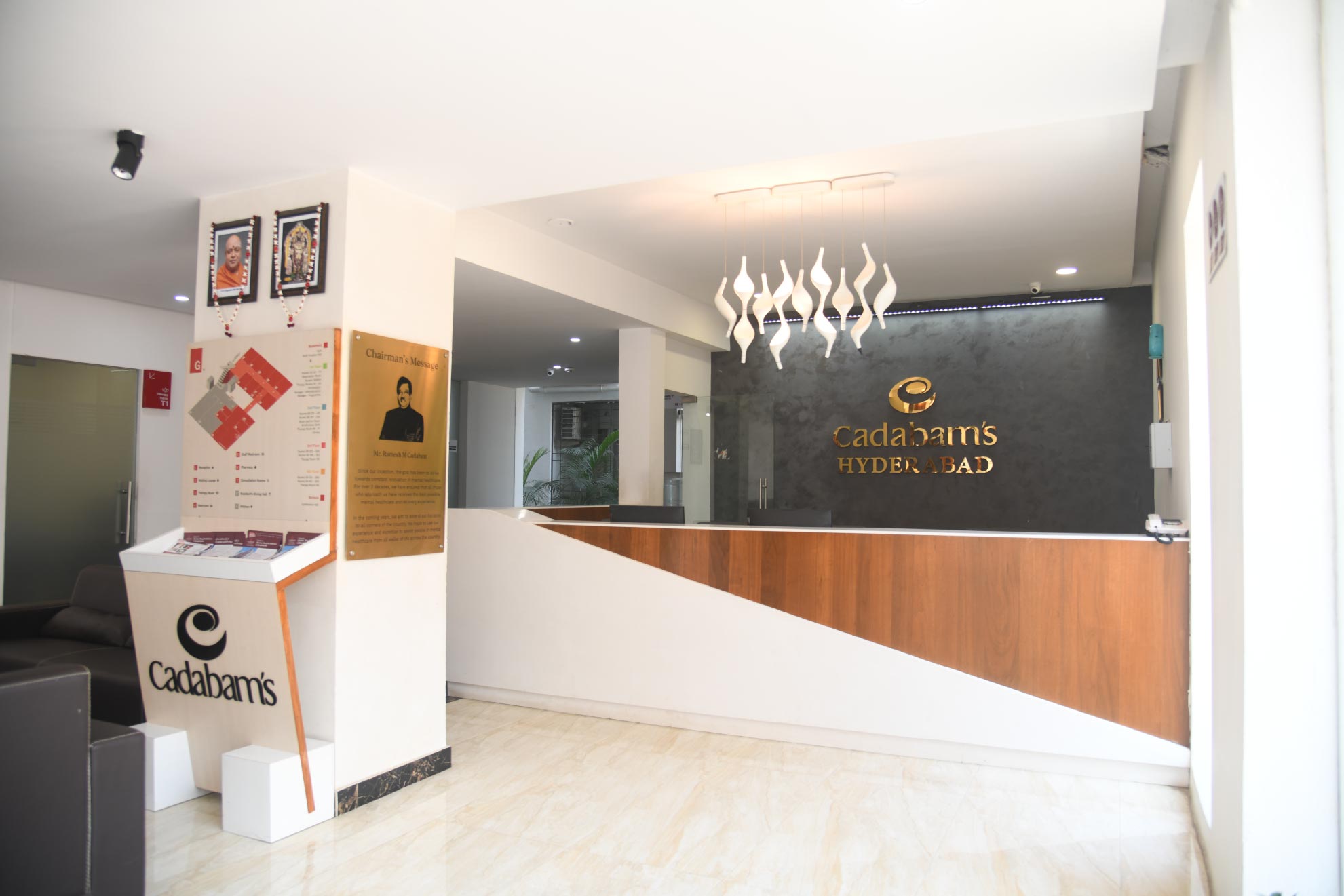
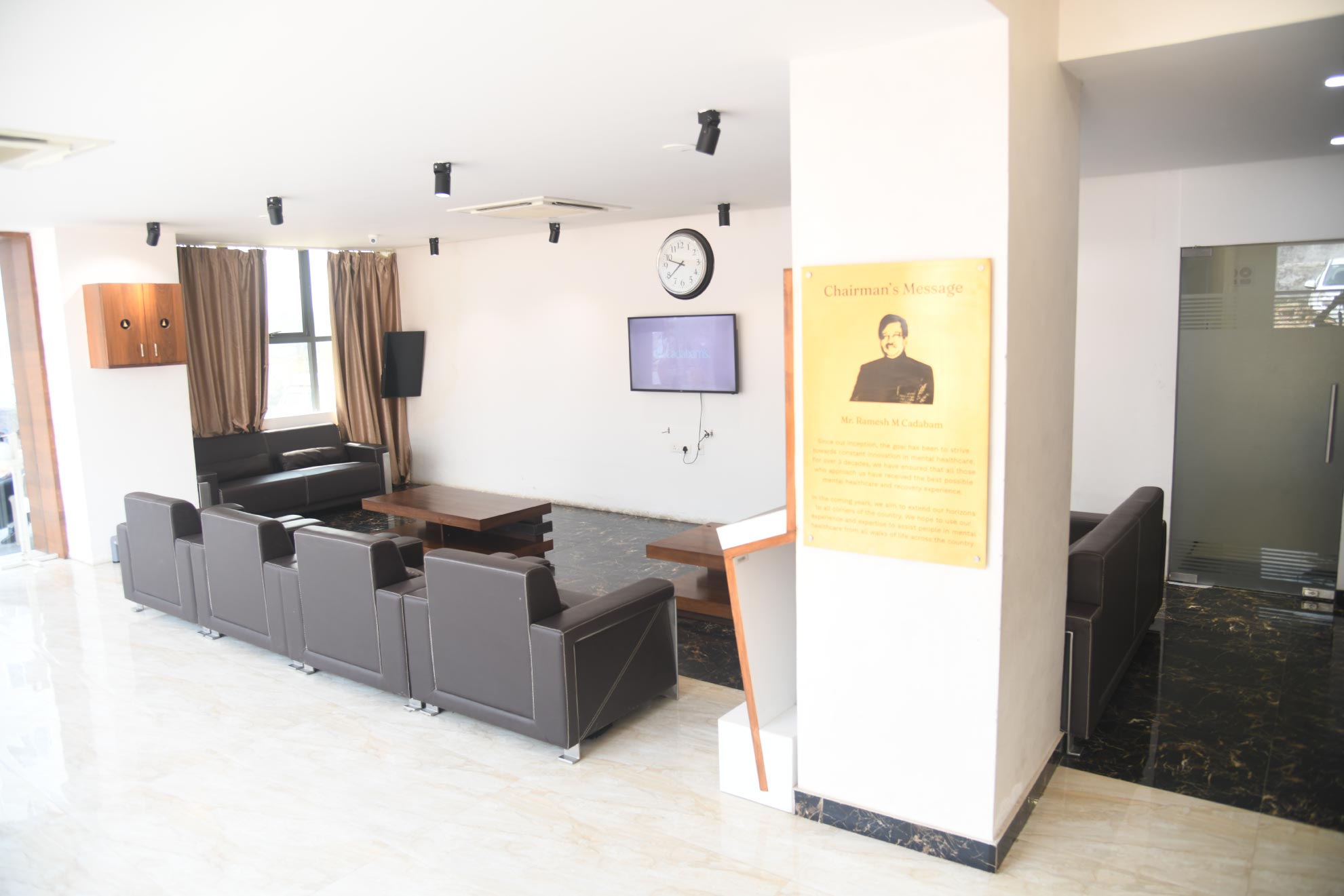
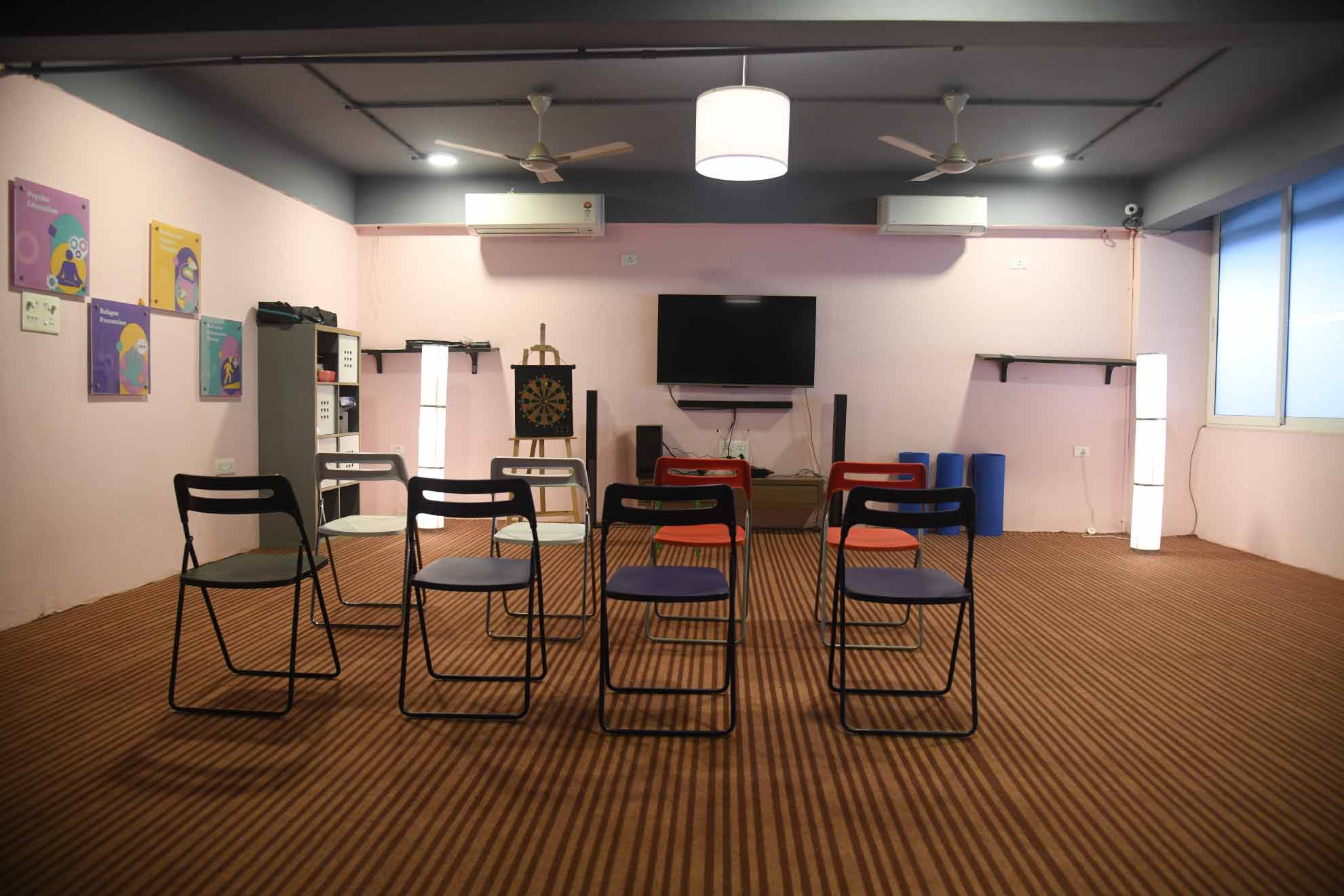
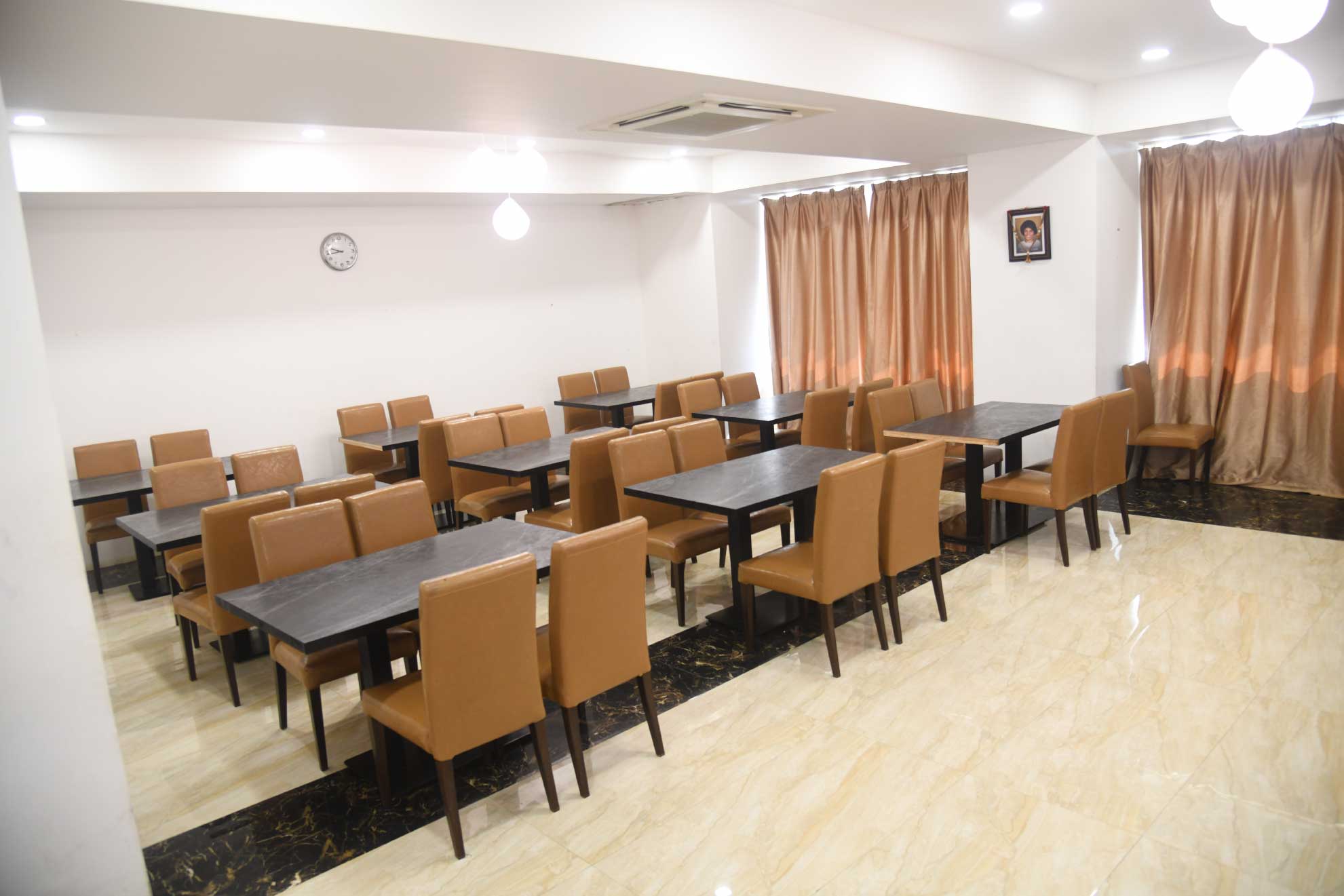
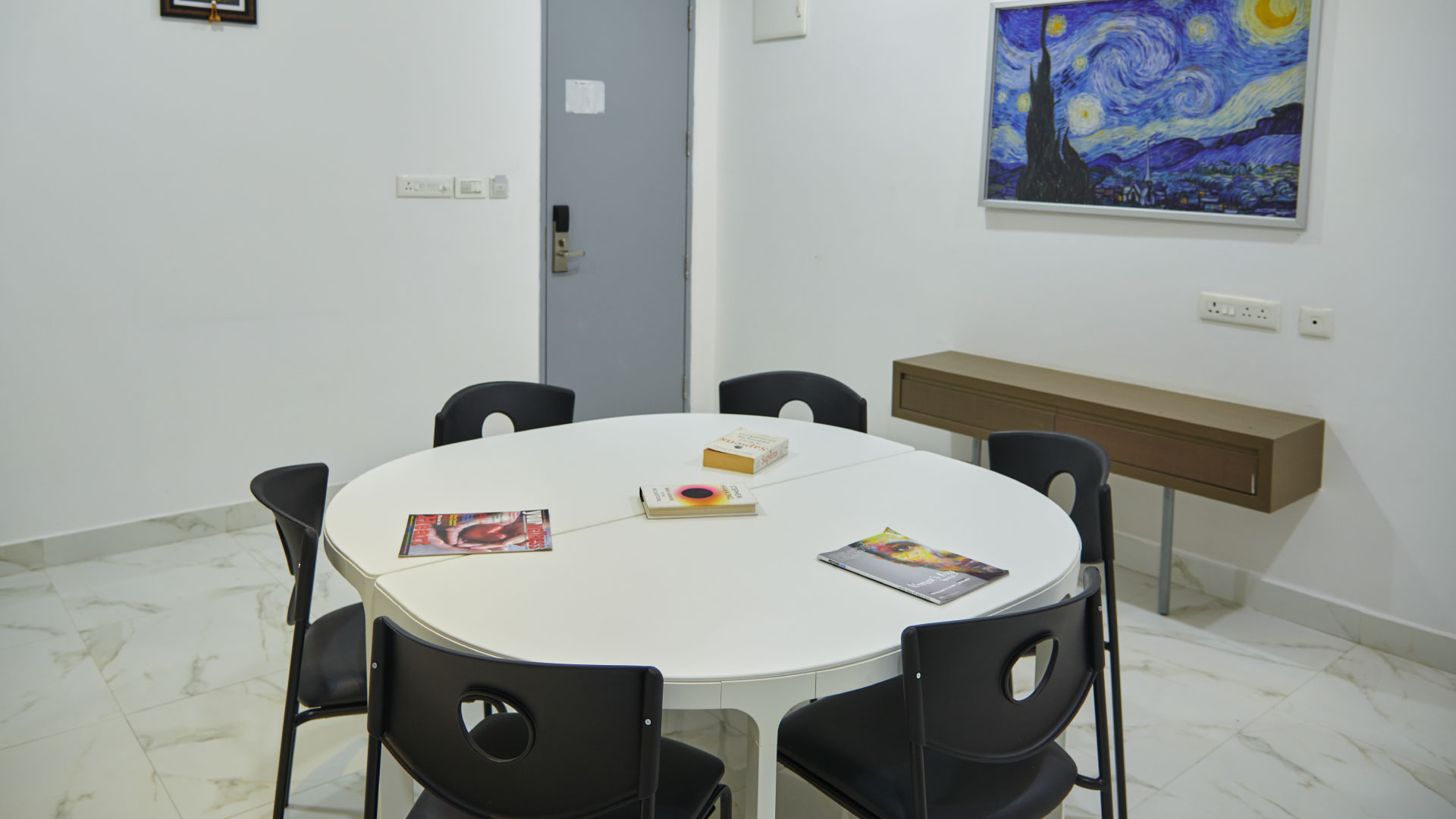
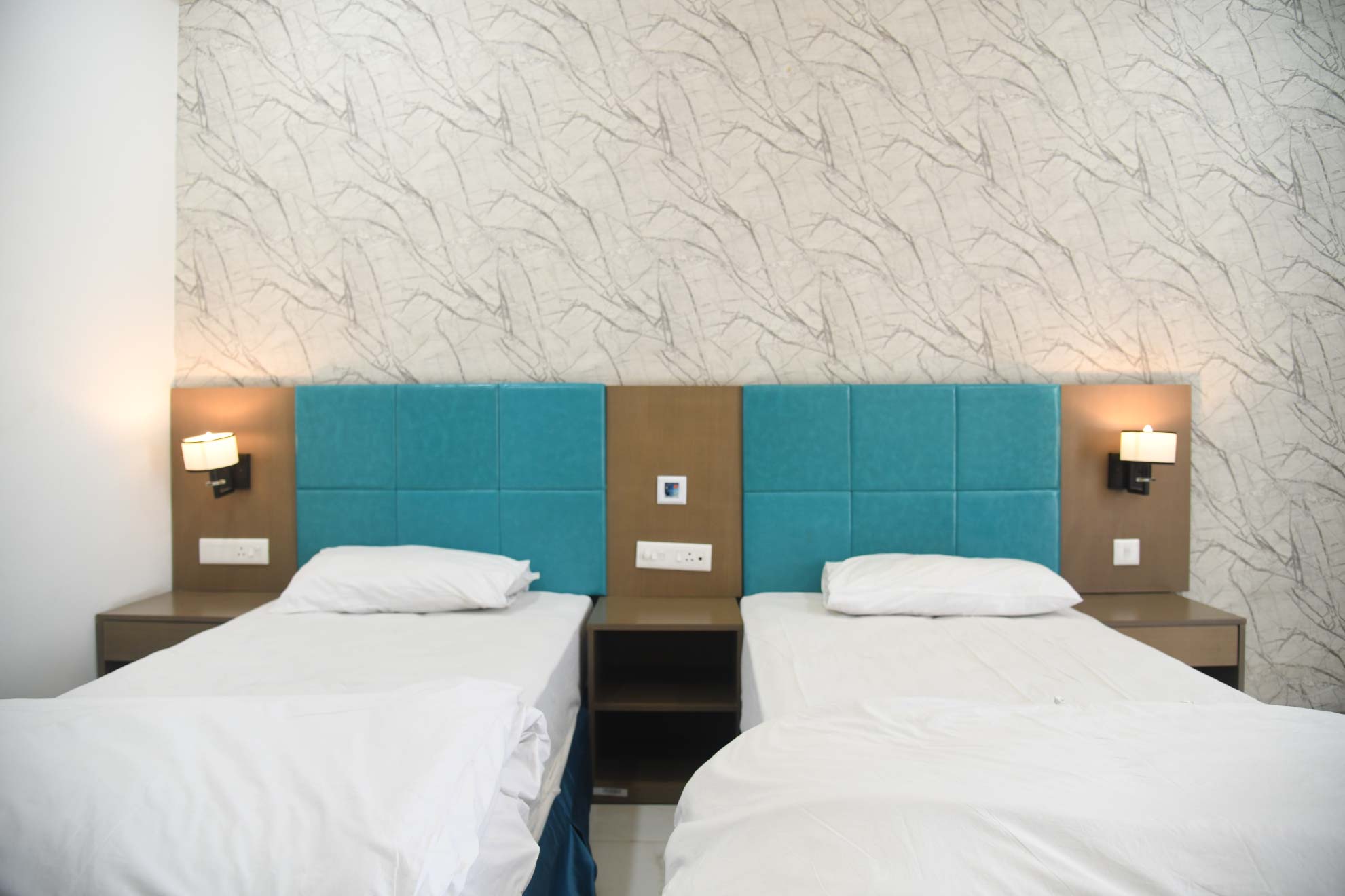
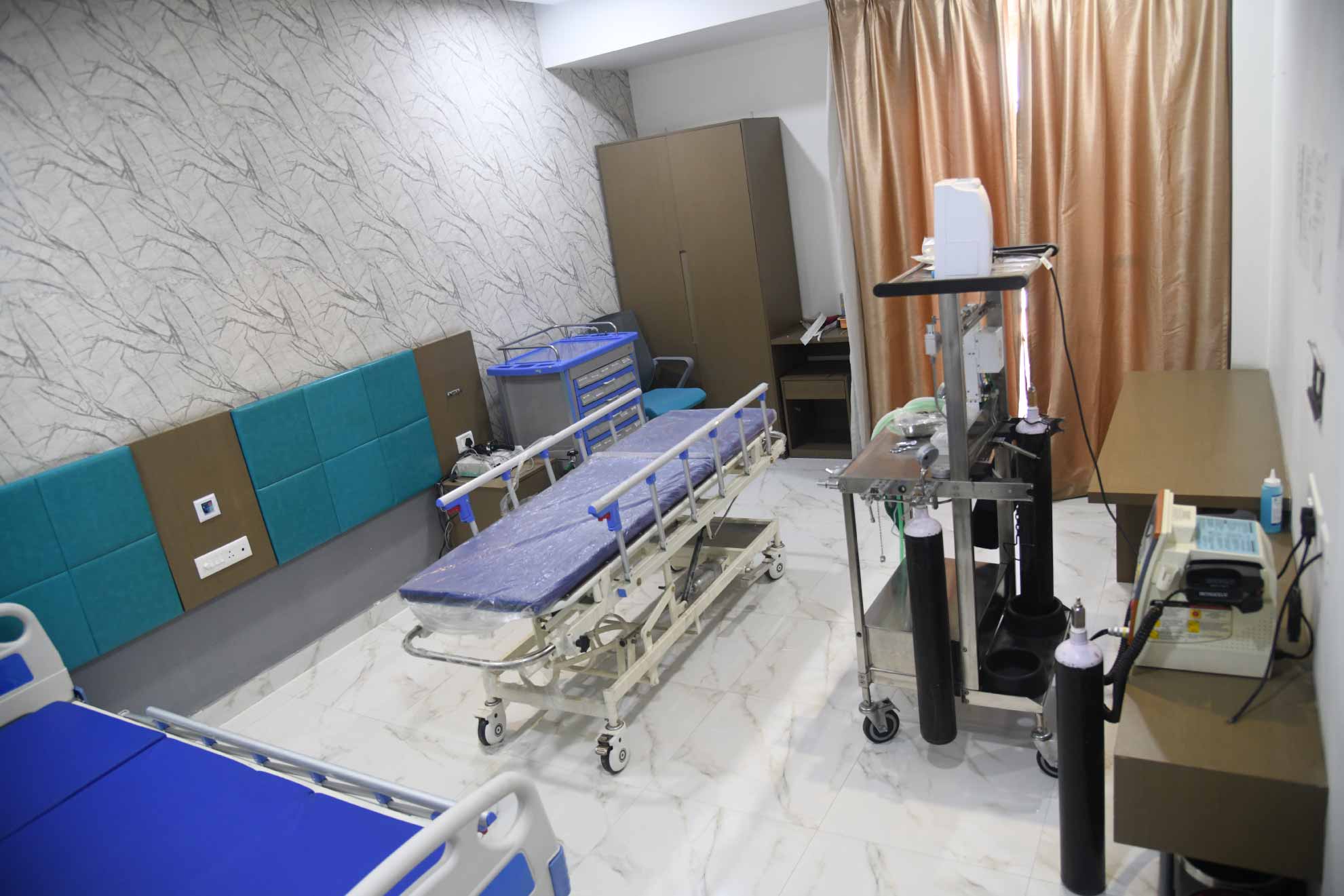
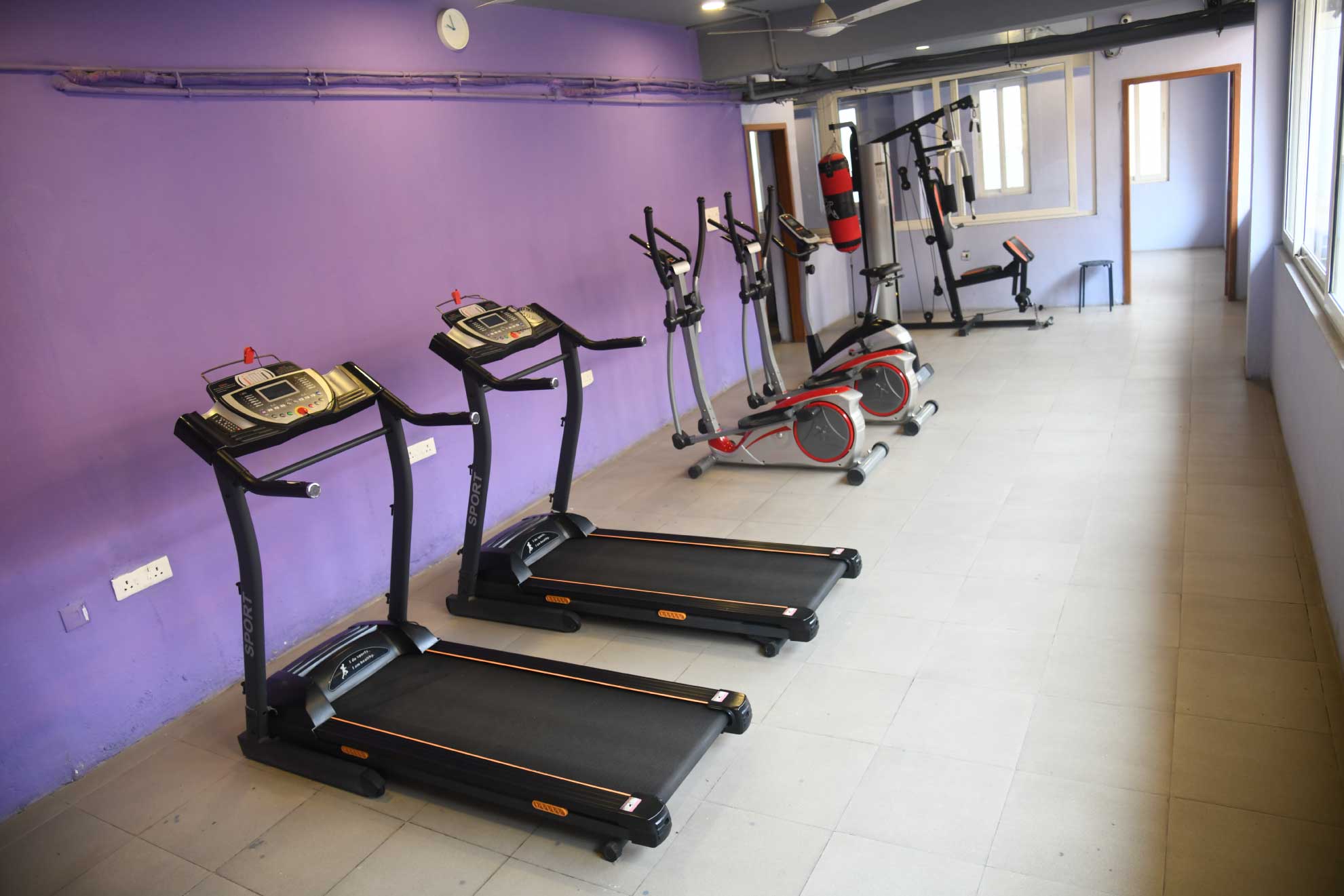
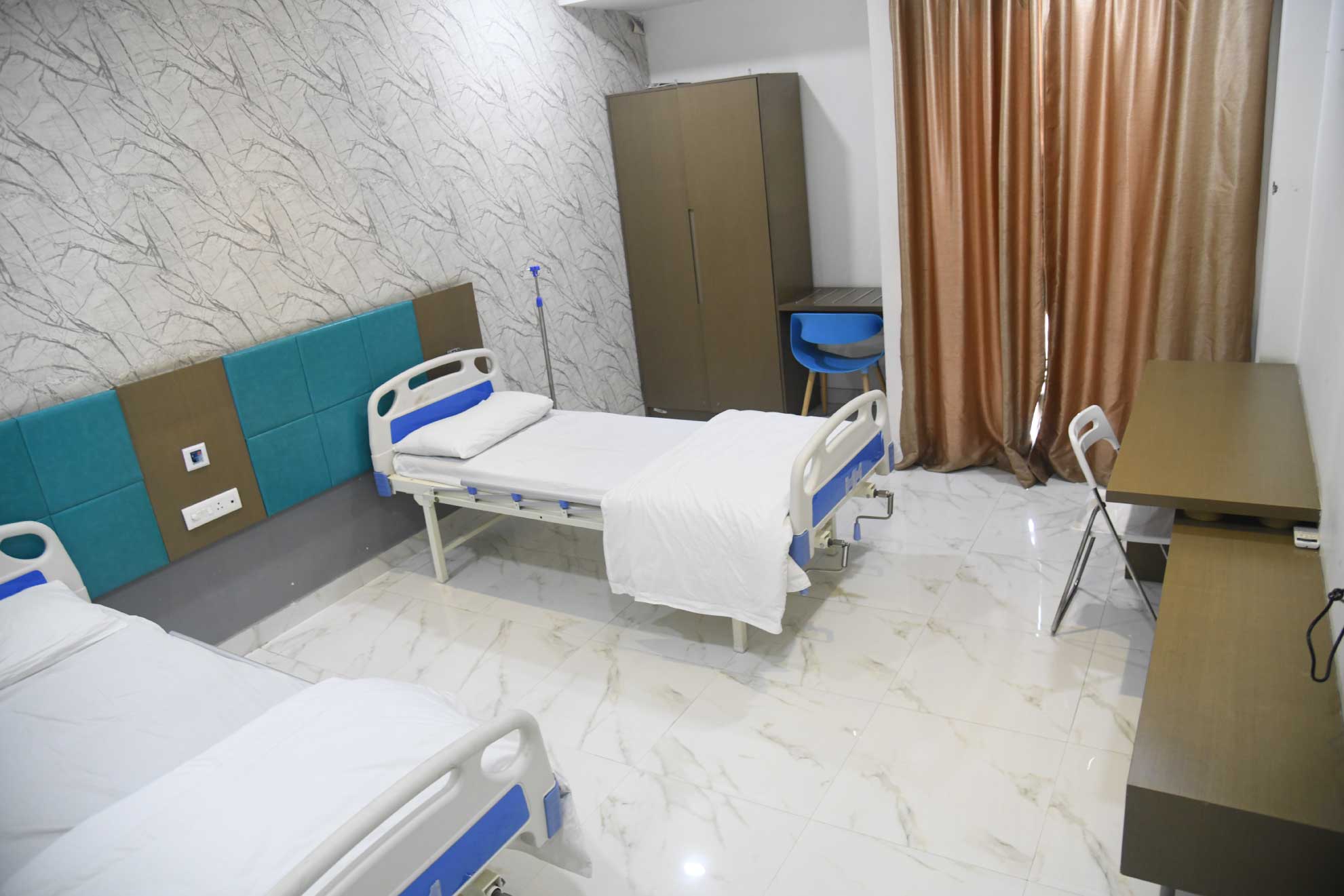
Cadabam’s Hyderabad offers advanced technology and a individual-friendly environment to ensure effective tDCS treatment. Modern equipment ensures precise stimulation, and individuals feel comfortable in a pleasant atmosphere during therapy.
Incorporating Holistic Approaches in tDCS Treatment for OCD
In addition to tDCS treatment, holistic approaches such as cognitive behavioural therapy (CBT) and mindfulness are also used to promote recovery. These methods address both the neurological and psychological aspects of OCD, ensuring a well-rounded treatment plan.
Assessment and Personalised Treatment Planning for OCD
Before starting tDCS treatment, a complete assessment is done to develop a personalised treatment plan. Symptoms, medical history and brain activity are assessed to customise the therapy and improve its effectiveness for each person.
Ongoing Support and Monitoring for OCD
Ongoing monitoring ensures that treatment progress is tracked, and necessary adjustments are made. Follow-up examinations, expert guidance and coping strategies help individuals to alleviate symptoms in the long term and improve their general well-being.
Take the Next Step in OCD Recovery
For people looking for an innovative, non-invasive treatment option for OCD, tDCS at Cadabam’s Hyderabad offers a promising solution. Those interested in learning more about tDCS and its potential benefits can contact Cadabam’s for more information and counselling.
Top OCD Doctors at Cadabam’s Hospitals
Psychiatrist in Hyderabad | Psychologist in Hyderabad | Therapist in Hyderabad | Therapist in Bangalore |Psychiatrist in Bangalore | Psychologist in Bangalore
Rehabilitation Centres For OCD at Cadabam’s Hospital
Rehab in Bangalore | Rehab in Hyderabad
Best OCD Treatments Offered at Cadabams
Online Counselling Hyderabad | Online Counselling Bangalore | PsychoTherapy Hyderabad | Home Services Bangalore | Group Therapy Bangalore | Group Therapy Hyderabad | CBT Hyderabad | CBT Bangalore |Biofeedback Bangalore | Home Services Hyderabad | Family Therapy Hyderabad | Family Therapy Bangalore | Neurofeedback Hyderabad | Biofeedback Hyderabad | Neurofeedback Bangalore | PsychoTherapy Bangalore | Emergency Bangalore | Emergency Hyderabad
More Additional Resources About OCD
Overcome Religious OCD | PTSD and OCD Connection | Causes of OCD | Obsessive-Compulsive Disorder (OCD) in Children | Overlap Between OCD and Bipolar Disorder | Guide to OCD | Is OCD an Anxiety Disorder
FAQ
What is tDCS, and how does it help treat OCD?
tDCS (transcranial direct current stimulation) is used as a non-invasive brain stimulation technique. It is applied to modulate neural activity, which has been found to reduce OCD symptoms by altering brain circuits associated with compulsive behaviours.
How many tDCS sessions are typically needed for OCD?
Typically, 10–20 tDCS sessions are recommended. The number is determined based on individual responses, and sessions are administered over several weeks to achieve optimal results in managing OCD symptoms.
How long does it take to see results from tDCS treatment for OCD?
Results are usually observed within a few weeks. However, individual responses vary, and consistent sessions are required for noticeable improvements in OCD symptoms. Long-term effects are achieved through regular monitoring and additional sessions if necessary.
What kind of support does Cadabam’s offer to patients undergoing tDCS for OCD?
Comprehensive support is provided, including psychiatric consultations, therapy, and progress tracking. A multidisciplinary team ensures personalised care and continuous guidance is offered to enhance the effectiveness of tDCS treatment for OCD management.
Is tDCS expensive?
The cost of tDCS treatment varies. Factors like session numbers, clinical settings, and additional therapies influence pricing. However, affordability options are often provided by institutions to ensure accessibility for person requiring OCD treatment.
 Available