
This guide explains what the evidence points to — genetics, brain science, stress, cannabis and early life — and what does not cause schizophrenia, including the explanations families in India most often hear. Questions about a loved one? Talk to us on 97414 76476.
The Cadabam’s Hospitals Difference
Why Cadabam’s Hospitals? What Makes Us Different?
Through our 8 specialty centers offering top-notch treatments across the nation, we have been helping thousands of people improve the quality of their lives.
33+
Years of Experience
10,000+
Happy Families
20+
Treatment Modalities
400+
Mental Health Experts
With over 33 years of expertise and knowledge, we promise to provide our clients the treatment that suits them the best. Whether the case involves substance addiction, alcoholism, sleeping issues, bipolar disorder, or schizophrenia, our experts know how to handle it in a way that it’s in the best interest of the client and their family.
Our state-of-the-art infrastructure, experienced professionals, and strong support system enable us to offer world-class evidence-based treatment that fits all stages and types of mental health concerns that you may have.
At Cadabam’s Hospitals, we’ve always got your back.
Our Facilities
Our Infrastructure & Care Facilities
Purpose-built rehabilitation centres, clinical equipment, and support services designed to drive better patient outcomes.

Ananya Campus
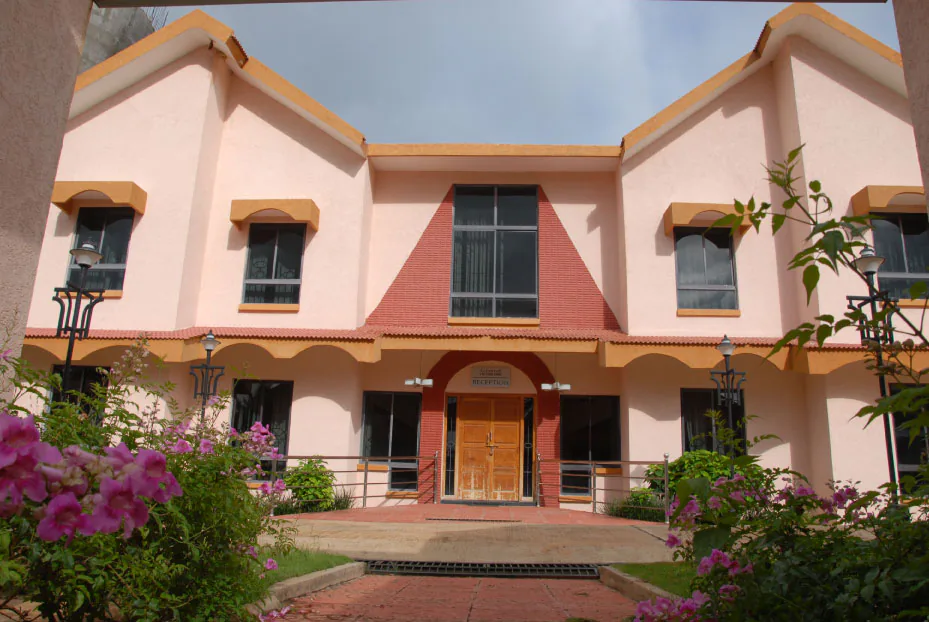
Ananya Rehabilitation Centre

Private Cottages

Campus Entrance
Healing Environment

Hospital Lobby
Recovery Experience

Rehab Unit
Patient Stories
What Our Clients Have To Say
Real stories from the families and individuals we’ve supported on their path to well-being.
5.0
Cadabam's Hospitals' team treated my family with empathy from the very first call. The care plan was clear, the doctors listened, and we finally felt supported through a difficult time.
A
Aishwarya G.
Verified patient
5.0
The therapists and psychiatrists worked together on a plan that actually fit our situation. Three decades of experience really shows — calm, professional, and genuinely caring.
S
Suresh L.
Verified patient
5.0
I was nervous about reaching out, but the team made me feel safe. The structured therapy and follow-ups have helped me get back to my routine and feel like myself again.
R
Rahul M.
Verified patient
Trusted by 10,000+ families · 4.5 ★ on Google Reviews
Schizophrenia Is a "Vulnerability-Stress" Illness
The most useful way to understand the etiology of schizophrenia is the stress-vulnerability model (also called the diathesis-stress model). Some people carry a biological vulnerability — inherited, or laid down during brain development before and around birth. Life stressors can then tip that vulnerability into illness. Neither alone is usually enough; it is the interaction that matters — which is why two people can face the same pressures and only one develops the condition.
Dr. Nishmitha, Consultant Psychiatrist, Cadabam's Hospitals, puts it simply: "There's no single cause. Think of it as a biological vulnerability that life stressors can tip into illness." Clinically, she describes a "vulnerability complex" — family history, a pre-existing mental illness, organic brain pathology — on which substances or stress can act.
Risk Factors, Not Single Causes
Everything on this page is a risk factor — something that raises the probability of schizophrenia across a population. None is a switch: a person can carry several and never fall ill, and another can develop schizophrenia with none. That is why "what caused this?" rarely has a precise answer for one individual.
The Five Causes of Schizophrenia at a Glance
People often search for "the 5 causes of schizophrenia". There is no official list, but the evidence clusters into five groups, summarised here before each is explained.
| Group of causes | What the evidence shows | How much it matters |
|---|---|---|
| 1. Genetics | Polygenic — many common gene variants each adding a little risk; runs in families | Largest single contributor, but not deterministic |
| 2. Brain chemistry and structure | Dopamine over-activity in mesolimbic pathways; glutamate signalling; subtle structural differences | The mechanism of symptoms — and why medication works |
| 3. Neurodevelopment (pregnancy and birth) | Maternal infection, poor prenatal nutrition, obstetric complications, older paternal age | Modest, population-level associations |
| 4. Substances | Cannabis (especially heavy use from adolescence), stimulants, hallucinogens | Can trigger psychosis in a vulnerable person — sometimes on first use |
| 5. Stress, trauma and social environment | Childhood adversity, prolonged stress, urban upbringing, migration, isolation | Raises risk and triggers episodes; not a sole cause |
Genetic Factors: Is Schizophrenia Genetic?
Genetics is the single largest contributor to the causes of schizophrenia. The condition runs in families, and risk rises with how closely you are related to someone who has it. It is polygenic: many genes each add a little risk, rather than one "schizophrenia gene" — which is why no genetic test can diagnose or predict it. Watch our psychiatrist explain whether schizophrenia is genetic →
How Much Is Inherited?
Twin and family studies put heritability at about 80 per cent — the share of variation in risk across a population explained by genes. It does not mean an 80 per cent chance of passing the illness on. In practice, lifetime risk is under 1 in 100 for the general population, about 1 in 10 when a parent or sibling has schizophrenia, and roughly 1 in 2 for the identical twin of someone with the condition. Even with identical genes, half of twins never develop it. Genes load the dice; they do not throw them.
What Family History Means for Your Family
A close relative with schizophrenia raises risk, so a family history is worth mentioning at an assessment and is a reason to act quickly on early warning signs. At the same time, most people with a family history never develop schizophrenia, and most people who develop it have no known family history. For relatives, the sensible response is awareness, not fear — know the early symptoms, avoid cannabis, protect sleep, and seek an assessment early if a cluster of changes appears.
Brain Chemistry and Structure: the Pathophysiology of Schizophrenia
Whatever the mix of causes, they converge on the brain. The pathophysiology of schizophrenia involves differences in neurotransmitters — the brain's chemical messengers — and subtle differences in brain structure and connectivity. These are biological findings, not signs of a "damaged" person, and they explain why treatment is medical. How treatment works →
Dopamine: the Neurotransmitter Most Involved
The most established finding is a hyperdopaminergic state — too much dopamine activity — in the brain's mesolimbic pathway, linked to the positive symptoms: hallucinations, delusions and the sense that ordinary events carry special meaning. As Dr. Nishmitha puts it: "Brain chemistry, especially dopamine, plays a part. That's why medication helps." Antipsychotics work largely by blocking dopamine receptors. Lower dopamine activity in the prefrontal cortex is thought to underlie the negative and cognitive symptoms — flattened emotion, reduced drive, poor planning and memory.
Glutamate, Serotonin and Brain Structure
Dopamine does not explain everything, including why some people respond poorly to dopamine-blocking medication; research also points to glutamate, serotonin and GABA. Imaging studies show, on average, slightly larger ventricles, modestly reduced grey matter in the frontal and temporal lobes and altered connectivity — possibly from excessive synaptic pruning in adolescence, which would fit the usual age of onset. These differences are subtle and cannot be seen on an individual MRI; scans rule out other conditions rather than confirm schizophrenia. Reading the psychopathology of schizophrenia — the pattern of symptoms — remains a clinical task, described on our schizophrenia diagnosis page.
Neurodevelopment: Pregnancy, Birth and Early Life
Schizophrenia is best understood as a neurodevelopmental condition: its roots are often laid down long before symptoms appear in late adolescence or early adulthood. Events before or around birth associated with slightly higher risk include:
- Maternal infection during pregnancy — probably through the mother's immune response rather than the virus itself
- Poor prenatal nutrition, including famine exposure in early pregnancy
- Complications during pregnancy or delivery — pre-eclampsia, prolonged labour, low birth weight or oxygen deprivation at birth
- Severe maternal stress during pregnancy
- Birth in late winter or spring, a small but consistent finding
- Older paternal age at conception — a modest association
These are population-level associations, each adding a small amount of risk. No mother should read this list as a verdict on her pregnancy: most children exposed to any of these never develop schizophrenia, and most people with schizophrenia had unremarkable births.
Cannabis and Other Substances
Substance use is the one risk factor families can most directly influence. Cannabis (ganja, charas, bhang, and the far stronger concentrates now available) is the best studied. Heavy use — especially daily use from the early teens, when the brain is still developing — roughly doubles the risk of a later psychotic illness, brings onset forward and makes relapse more likely. High-potency products carry the highest risk.
Dr. Nishmitha is direct about the point families most often miss: "Cannabis and similar substances can trigger psychosis, even on first use, in someone vulnerable." Cannabis, MDMA, cocaine and LSD can precipitate a psychotic episode on first exposure; alcohol is more often associated with psychosis after long-term dependence. Some episodes settle once the substance clears — a drug-induced psychosis — but a significant share go on to a diagnosis of schizophrenia, and it is impossible to know in advance which ones. Anyone with a family history of psychosis should treat cannabis as a genuine hazard, not a harmless experiment. Some prescribed medicines, such as high-dose steroids, can occasionally trigger psychotic symptoms too — tell the psychiatrist about every medicine being taken.
Stress, Trauma and Life Events: Can Stress Cause Schizophrenia?
The answer is precise: stress alone does not cause schizophrenia, but in a person who is already vulnerable, stress can bring the illness forward, trigger a first episode and trigger relapses. Ordinary stress — exams, work pressure, a difficult relationship — does not produce schizophrenia in someone without an underlying vulnerability.
How the Diathesis-Stress Model Explains It
Schizophrenia emerges when an inherited or developmental predisposition (the diathesis) meets external stressors; some people with a strong family loading never fall ill because the triggering stress never arrives. Chronic stress is not neutral for the brain: sustained exposure to stress hormones such as cortisol alters dopamine signalling and reduces resilience. Childhood trauma — abuse, neglect, bullying, witnessing violence, losing a parent — is consistently associated with higher rates of psychosis in adulthood, because early adversity leaves the stress-response system more reactive. It is a risk factor, not a rule.
Stress as a Trigger: First Episodes and Relapses
In clinical practice, the clearest effect of stress is as a trigger. First episodes often follow mounting pressure — leaving home for college or a hostel, a new job, a breakup, bereavement, financial strain, or weeks of sleep deprivation, which on its own can precipitate psychotic symptoms in a vulnerable person. After diagnosis, stressful events and poor sleep are among the most common lead-ups to relapse, second only to stopping medication. Managing sleep in schizophrenia →
A brief psychotic episode after an overwhelming event — days to a few weeks — can also occur without schizophrenia and may never recur; ICD-10, which Indian psychiatry uses day-to-day, classifies it separately as an acute and transient psychotic disorder. Schizophrenia is diagnosed only when symptoms persist, which is why an assessment, not a label, is the right first step after any acute or first-episode psychosis.
Reducing the Stress Load — What Helps
Because stress is modifiable, it is one of the few causes families can act on. A predictable routine, protected sleep, physical activity, a low-conflict home and therapies that build coping skills (CBT, family psychoeducation) all reduce the stress load and are associated with fewer relapses. None replaces medication. See our care at home and psychosocial interventions pages.
Social Factors: City Life, Migration and Isolation
Where a person grows up also shifts risk, modestly but measurably. Being raised in a large city is associated with higher rates of schizophrenia than a rural upbringing — most likely through chronic social stress, crowding, noise and weaker community ties. Migration is another consistent finding: first- and second-generation migrants have higher rates, especially where they face discrimination and exclusion. For Indian families this is relevant to young people who move alone to Bengaluru, Hyderabad or abroad for study or work — away from family, often isolated, sleeping badly and sometimes using substances for the first time. Social isolation acts through the same stress-and-dopamine pathways: it does not cause schizophrenia, but it is one more weight on a vulnerable system, and one reason connection and routine are part of treatment.
What Does NOT Cause Schizophrenia
It is just as important to clear up the myths, because believing them delays treatment — and delay is the real danger. Schizophrenia is not caused by bad parenting, personal weakness, character flaws, or anything the person or family "did wrong". It is not the same as a "split personality" — that is a different condition, dissociative identity disorder. Schizophrenia vs split personality → And it is not caused by supernatural forces or moral failing.
In India, families are frequently told that a relative's illness is the result of black magic, a curse, the evil eye, a planetary period or spirit possession — and that the remedy is a ritual, a faith healer or a pilgrimage. These beliefs usually come from people who care, but they are not causes, and the remedies that follow do not act on a dopamine system. The cost is measured in time: months, sometimes years, of untreated psychosis before a psychiatrist is seen. Faith can sit alongside treatment — many of our families pray and keep appointments — but it cannot replace it. Nor is schizophrenia caused by too much studying, a love failure or a "weak mind". As Dr. Nishmitha says in the short below: "It is NOT caused by bad parenting, weakness, black magic or a curse. It's a medical illness, and understanding that is the first step to the right help."
"Did We Cause This?" — a Word to Parents and Families
"Did we cause this?" is the first thing many parents ask, and the honest answer is no. The genetics were set at conception; the neurodevelopmental factors were outside anyone's control; and the stresses of ordinary family life — discipline, arguments, pressure to do well — are experienced by millions of young people who never develop schizophrenia. The old idea of the "schizophrenogenic mother" was abandoned because the evidence never supported it.
Guilt is natural but dangerous, because a guilty family either hides the illness or goes looking for something that will undo what they think they did. What helps is the opposite: a calm, informed family that supports consistent treatment, keeps the home low in criticism and high in warmth, and looks after its own wellbeing for what is often a long road. A supportive family does not cause or cure schizophrenia — but it is among the best-documented protective factors against relapse. The impact of schizophrenia on families →
Can Schizophrenia Be Prevented?
Not with certainty — no test or lifestyle guarantees protection. But risk can be reduced and the impact of the illness changed by acting early. Three things make a real difference:
- Avoid cannabis and other psychoactive substances, especially in adolescence and with a family history of psychosis — the single most modifiable risk factor.
- Protect sleep and manage stress in young people at higher risk — predictable routines, support during transitions such as leaving home, early help for anxiety or low mood.
- Recognise the at-risk mental state and act. Weeks to months of subtle change — erratic sleep, withdrawal, falling grades, unusual ideas, low motivation — often precede a first episode. The shorter the duration of untreated psychosis, the better the response to treatment.
Prevention, in other words, is mostly early intervention. Causes cannot be undone, but the illness can be managed well, and recovery — supported and individual — is a realistic goal. Can schizophrenia be cured? →
When to Seek an Assessment — and What Cadabam'S Does
Seek an assessment if a family member shows a building cluster of changes — not sleeping, withdrawing, a sharp drop in studies or work, suspiciousness, talking to themselves, new odd beliefs — particularly with a family history or recent substance use. Seek help today if there is any talk of harm to self or others, or the person is confused, unreachable or has not slept for days. Call 97414 76476, 24 hours a day. If a relative refuses help, our guide for families in crisis explains what you can do.
Cadabam'S Approach to the Causes of Schizophrenia
A Cadabam's assessment is built on the stress-vulnerability model. The psychiatrist takes a detailed history — onset, course, family history, triggers and substance use, previous treatment — and orders the investigations that rule out an organic cause before a diagnosis is made. Treatment then addresses every layer: medication for the dopamine-driven symptoms, psychological therapy and family psychoeducation for the stress-and-coping layer, and rehabilitation for day-to-day functioning. Assessment and inpatient care are delivered at Cadabam's Hospitals JP Nagar, Cadabam's Hospitals Whitefield and Cadabam's Spark Hospital, Mysuru; longer-term psychosocial rehabilitation continues at Cadabam's Amitha, Cadabam's Anvita and Cadabam's Ananya. Families in Bengaluru, Mysuru and Hyderabad are supported by psychiatrists, clinical psychologists, psychiatric social workers and family therapists, including Dr. B.R. Madhukar and Dr. Nishmitha.
Get Help Now
Understanding the cause is the first step; getting the right treatment is the next. Schizophrenia is nobody's fault — and it is treatable.
Call 97414 76476 or book a consultation with a Cadabam's psychiatrist in Bengaluru, Mysuru or Hyderabad.
FAQ
Frequently Asked Questions
Genetics is the largest single contributor, but it's polygenic and not deterministic — most people with a family history never develop it, and many who do have no family history. Heritability is about 80 per cent at a population level, yet the identical twin of someone with schizophrenia has only around a 1 in 2 chance of developing it. Genes create vulnerability; environment and chance decide whether it becomes illness.
Risk is higher with a close affected relative, but inheritance is complex and partial. Genes create vulnerability, not certainty. A child with one affected parent has roughly a 1 in 10 lifetime risk, compared with under 1 in 100 in the general population — which also means about 9 in 10 such children never develop schizophrenia. No single gene is passed down, and no genetic test can predict it.
There is no official list of five, but the evidence clusters into five groups: genetic vulnerability; brain chemistry and structure (especially dopamine and glutamate signalling); neurodevelopmental factors around pregnancy and birth; substance use, above all cannabis; and stress, trauma and social environment. In almost every person it is a combination of these acting together over time, not any one of them alone.
Severe stress and early trauma can contribute to risk and can trigger episodes in vulnerable people, but they are not the sole cause. Everyday stress does not produce schizophrenia in someone without an underlying vulnerability. In practice, stress and sleep deprivation are most important as triggers — of a first episode and of later relapses — which is why managing stress and protecting sleep are part of treatment.
Heavy cannabis use — especially in adolescence — is linked to higher risk and can trigger psychosis in vulnerable people. Daily use from the early teens roughly doubles the risk, brings onset earlier and makes the illness more relapse-prone, with high-potency products carrying the greatest risk. In someone who is vulnerable it can trigger psychosis even on first use. Read about psychosis →
Dopamine is the neurotransmitter most involved. Over-activity of dopamine in the brain's mesolimbic pathway is linked to hallucinations and delusions, and antipsychotic medications work mainly by blocking dopamine receptors. Glutamate, serotonin and GABA are also implicated, and reduced dopamine activity in the prefrontal cortex is thought to underlie negative and cognitive symptoms. No single chemical "causes" the illness; it is a network problem.
No. Schizophrenia is not caused by parenting. It is a medical illness with genetic and biological roots — the most helpful thing you can do now is support treatment. Discipline, arguments, academic pressure or a difficult home do not produce schizophrenia, and the old idea of a "schizophrenogenic" parent was abandoned because the evidence never supported it. A calm, supportive family is, in fact, one of the strongest protective factors against relapse.
No. Schizophrenia is a medical illness of the brain, not the result of black magic, a curse, the evil eye, a planetary period or spirit possession. These explanations are common and usually come from people who care, but the rituals that follow do not act on the brain's dopamine system, and the months lost to them make the illness harder to treat. Faith can sit alongside treatment; it cannot replace a psychiatric assessment.
Not with certainty, but risk can be reduced and outcomes changed. Avoiding cannabis and other substances in adolescence, protecting sleep and managing stress in young people at higher risk, and acting on the early "at-risk mental state" rather than waiting for a crisis all make a measurable difference. The shorter the time between first symptoms and treatment, the better the response — so prevention is largely early intervention.
Often not. Many people with schizophrenia lack insight — a feature of the illness itself, sometimes called anosognosia — and genuinely do not experience their beliefs or voices as symptoms. This is not denial or stubbornness; it is part of what the illness does to the brain. Insight frequently improves with treatment and psychoeducation, which is why families are encouraged to lead with the person's distress rather than the diagnosis when seeking help.
Insights From Our Experts
Recent Stories from Our Blog
Psychological issues
Women's Mental Health
Psychological issues
Stress & Burnout
Newsletter