
The Cadabam’s Hospitals Difference
Why Cadabam’s Hospitals? What Makes Us Different?
Through our 8 specialty centers offering top-notch treatments across the nation, we have been helping thousands of people improve the quality of their lives.
33+
Years of Experience
10,000+
Happy Families
20+
Treatment Modalities
400+
Mental Health Experts
With over 33 years of expertise and knowledge, we promise to provide our clients the treatment that suits them the best. Whether the case involves substance addiction, alcoholism, sleeping issues, bipolar disorder, or schizophrenia, our experts know how to handle it in a way that it’s in the best interest of the client and their family.
Our state-of-the-art infrastructure, experienced professionals, and strong support system enable us to offer world-class evidence-based treatment that fits all stages and types of mental health concerns that you may have.
At Cadabam’s Hospitals, we’ve always got your back.
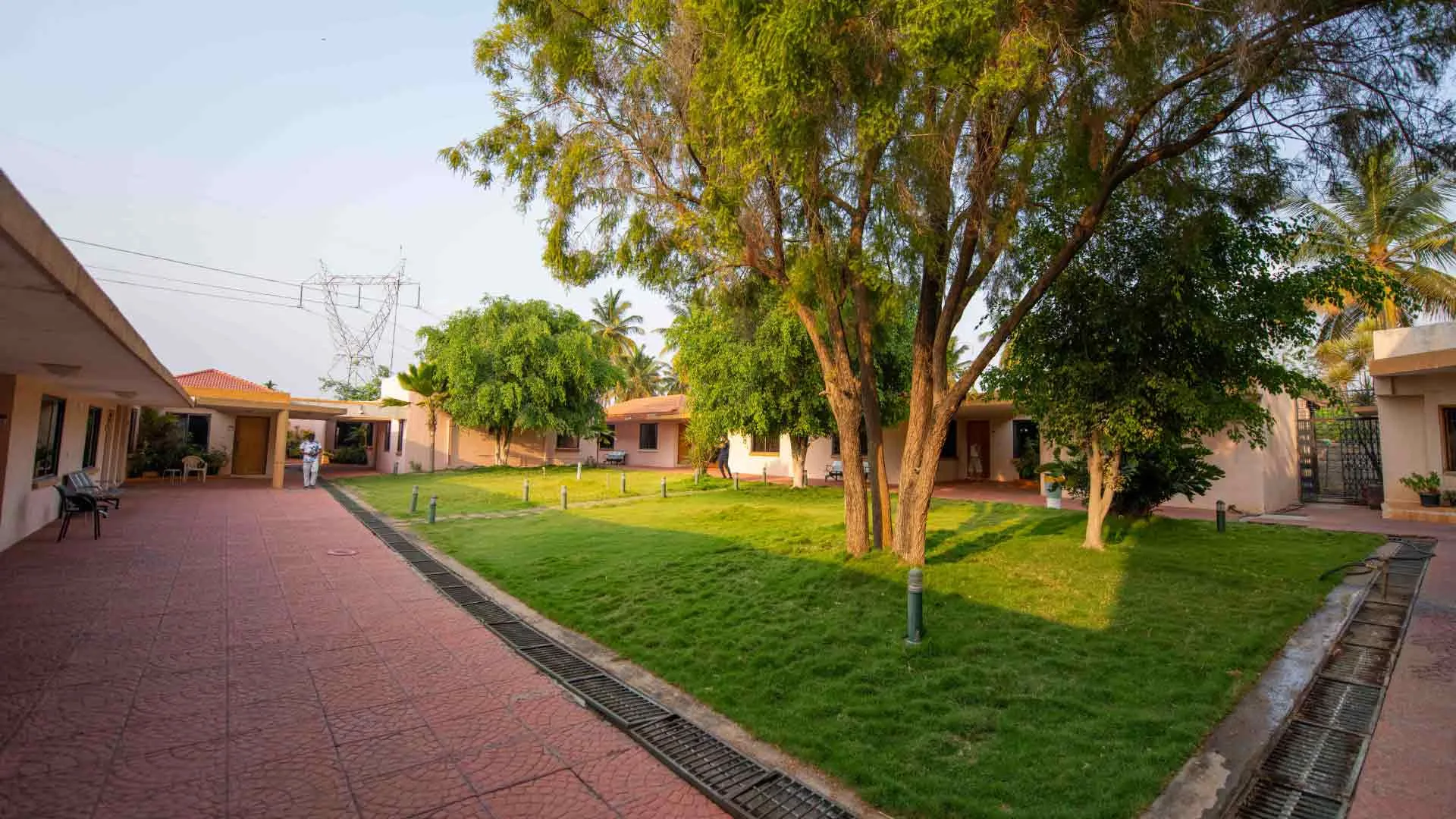
Our Facilities
Our Infrastructure & Care Facilities
Purpose-built rehabilitation centres, clinical equipment, and support services designed to drive better patient outcomes.
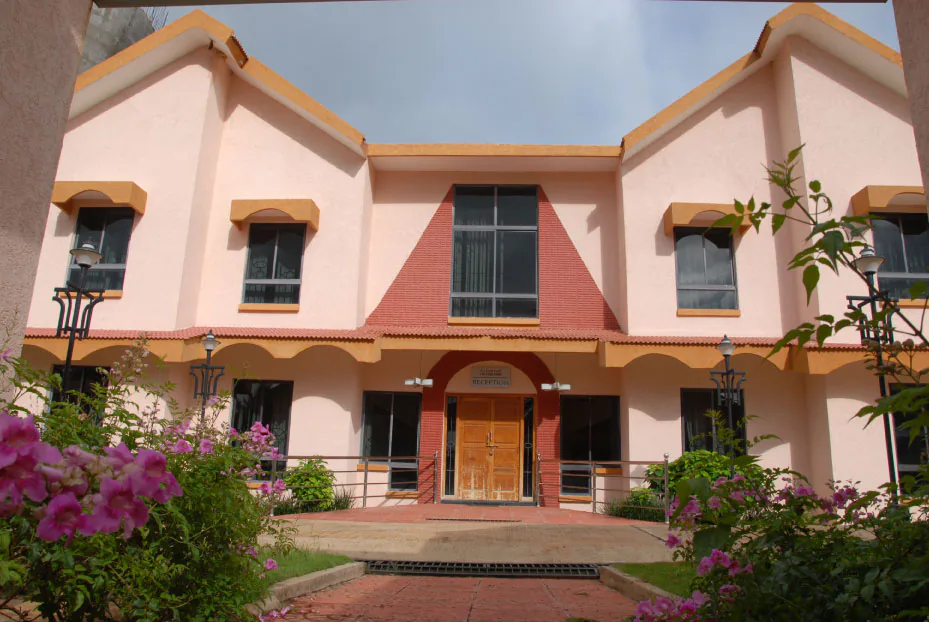
Ananya Rehabilitation Centre
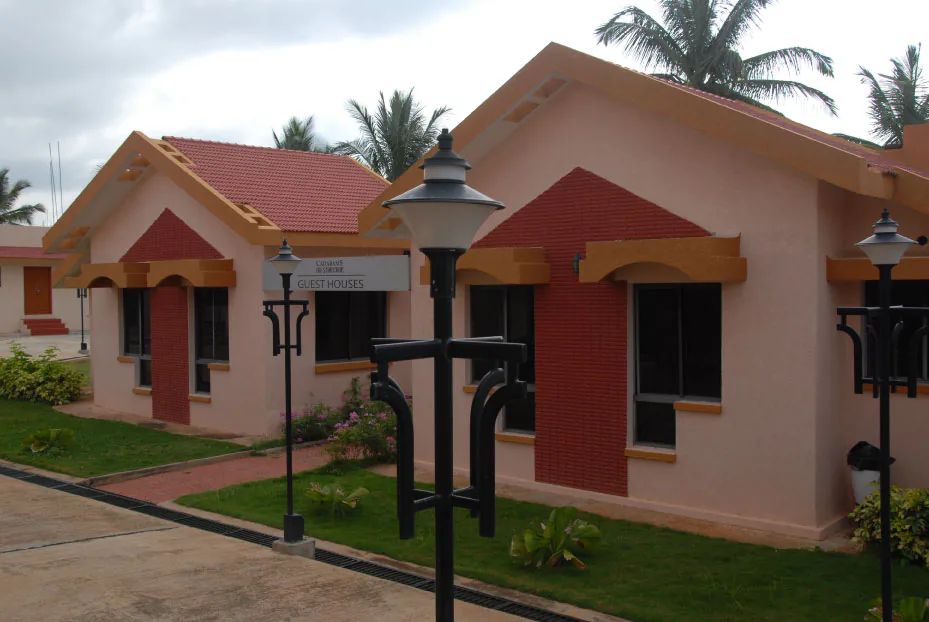
Private Cottages
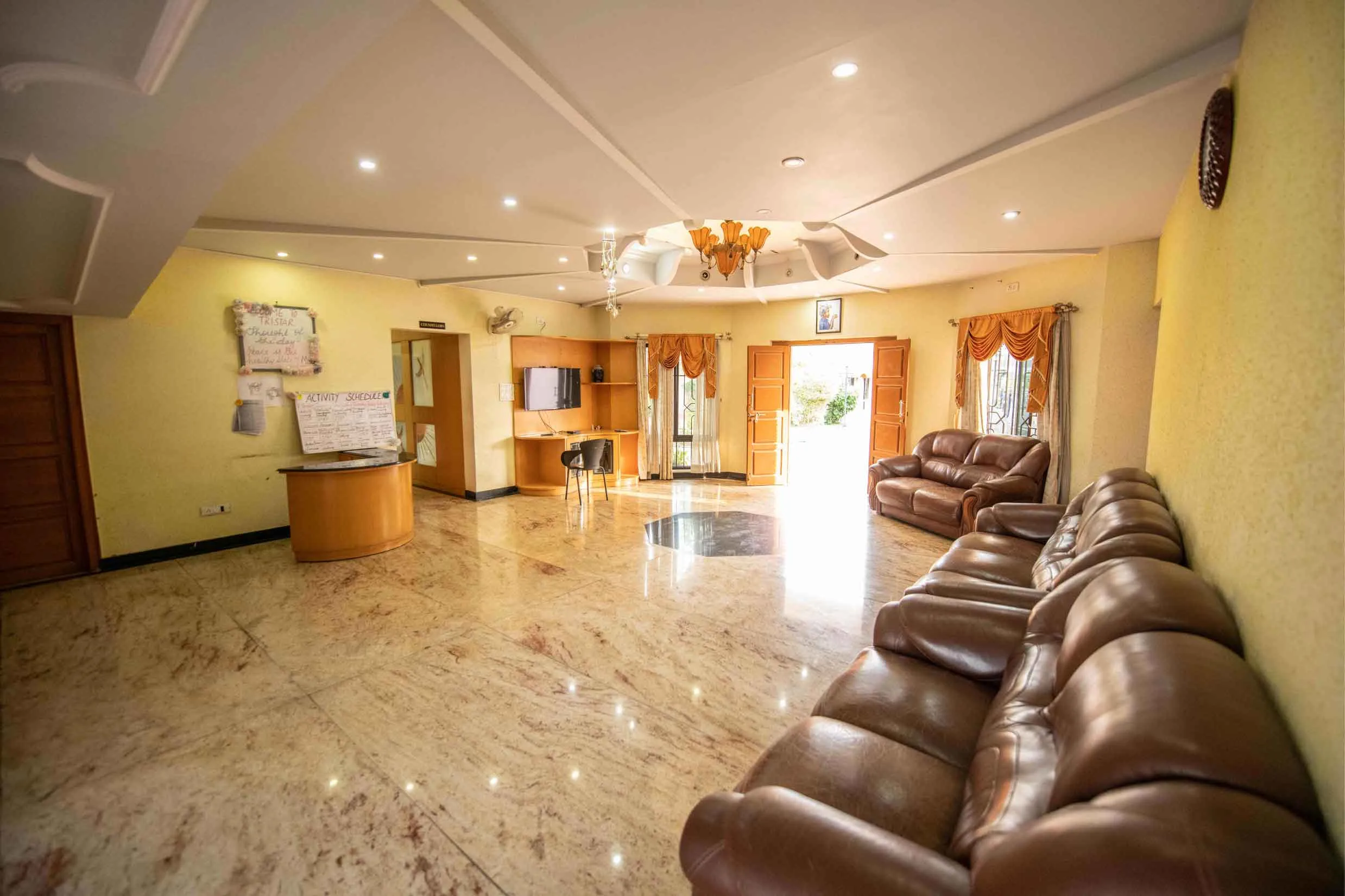
Campus Entrance
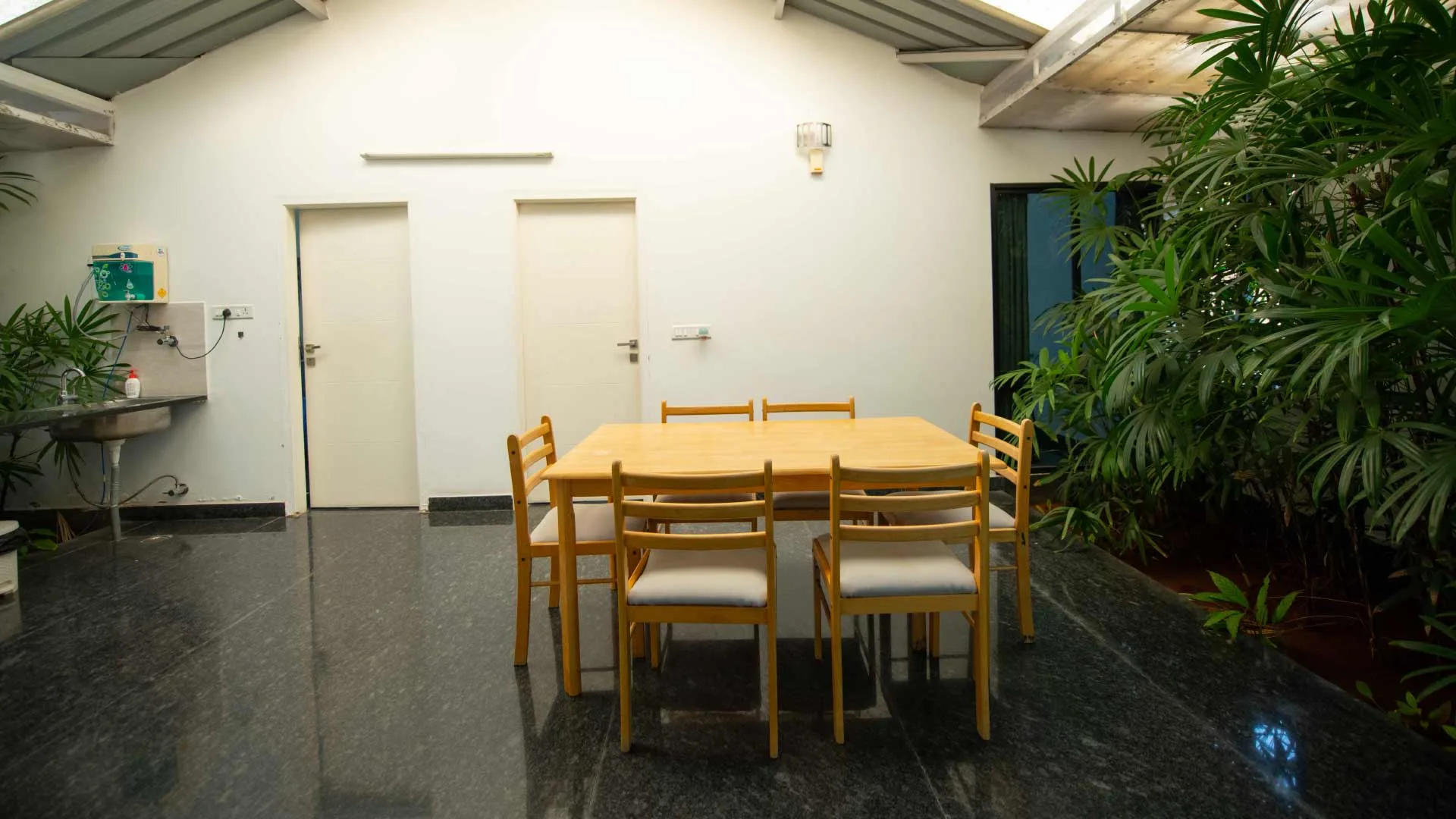
Healing Environment
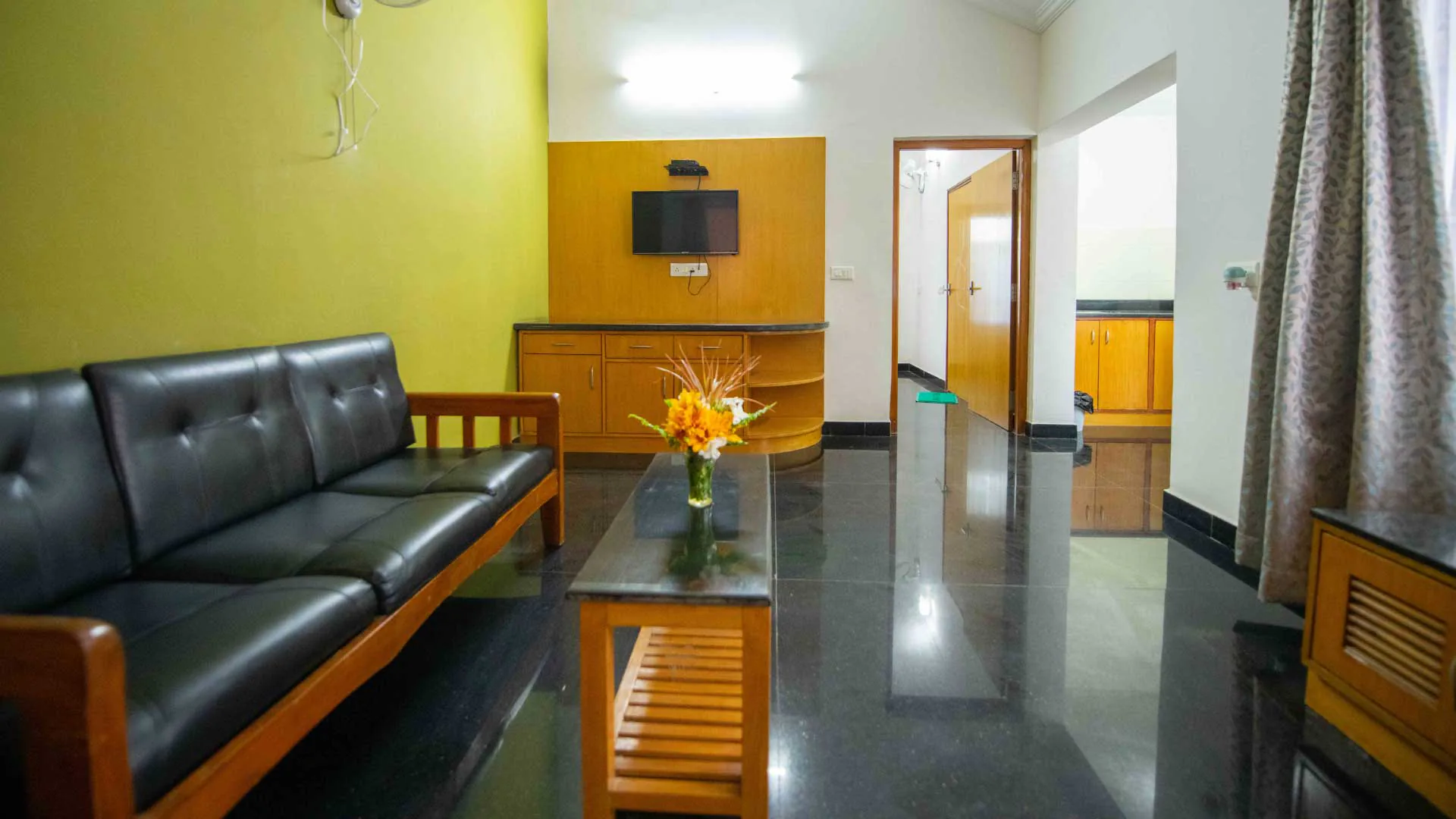
Hospital Lobby
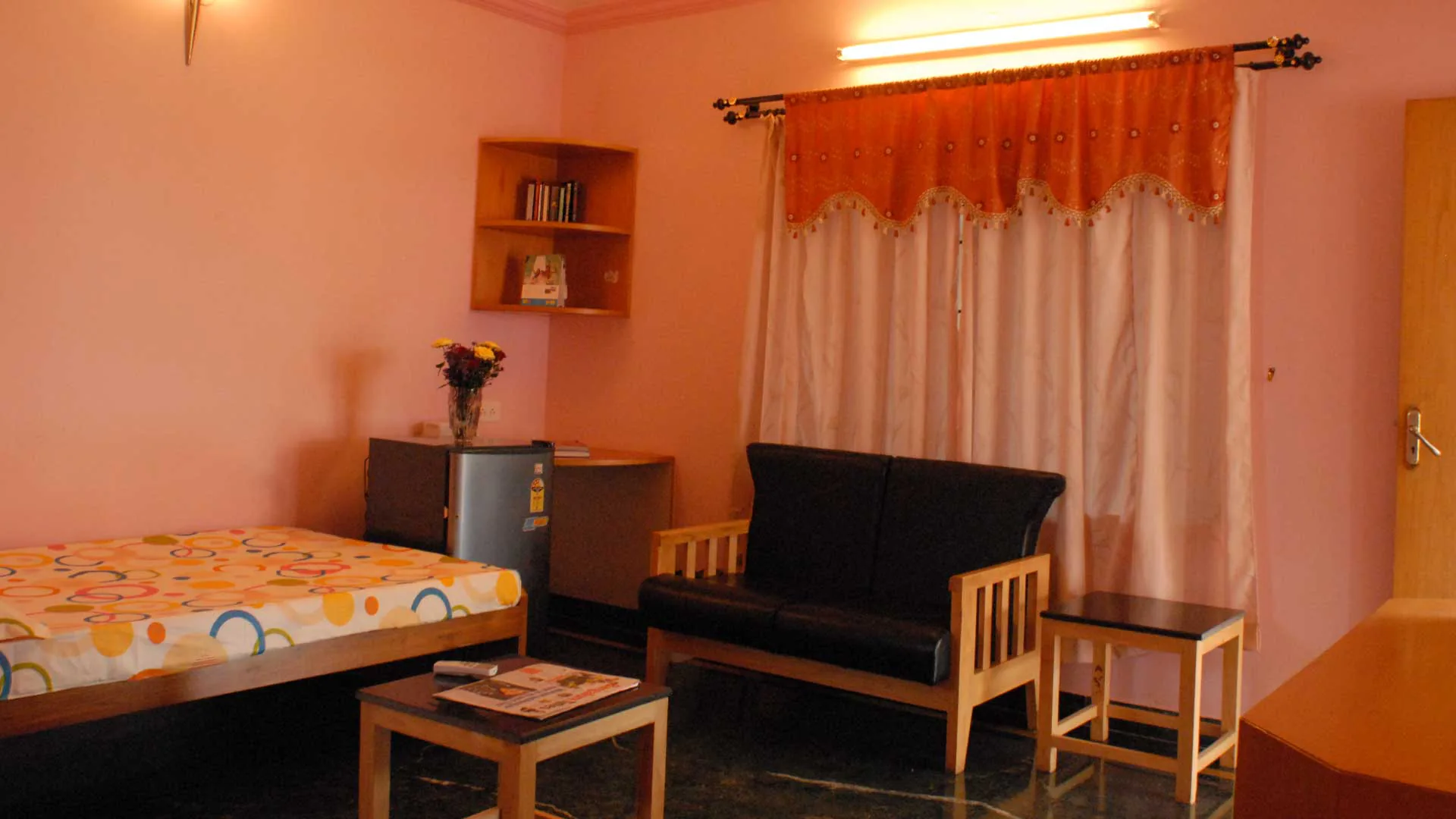
Recovery Experience
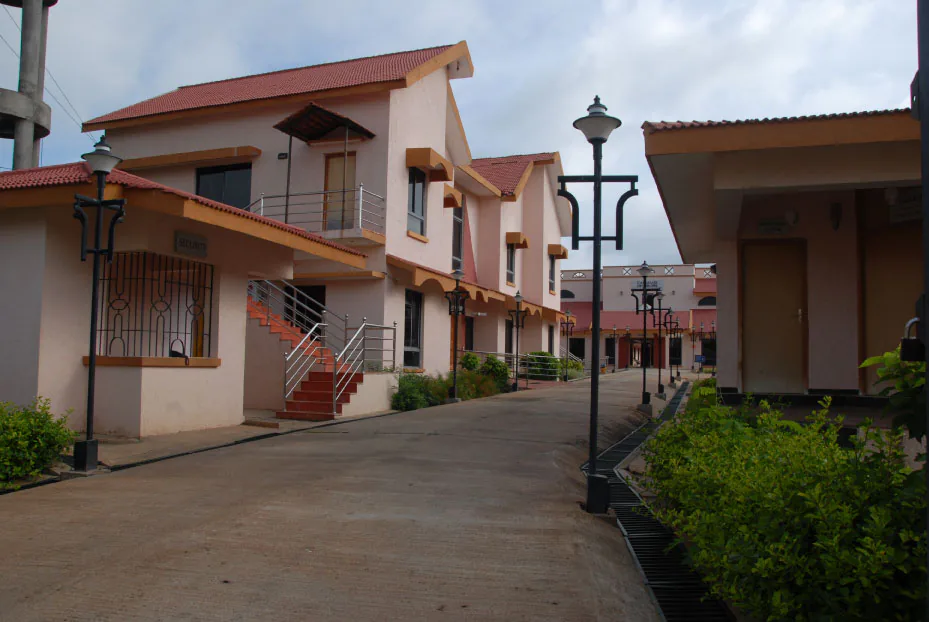
Rehab Unit
Patient Stories
What Our Clients Have To Say
Real stories from the families and individuals we’ve supported on their path to well-being.
5.0
Cadabam's Hospitals' team treated my family with empathy from the very first call. The care plan was clear, the doctors listened, and we finally felt supported through a difficult time.
A
Aishwarya G.
Verified patient
5.0
The therapists and psychiatrists worked together on a plan that actually fit our situation. Three decades of experience really shows — calm, professional, and genuinely caring.
S
Suresh L.
Verified patient
5.0
I was nervous about reaching out, but the team made me feel safe. The structured therapy and follow-ups have helped me get back to my routine and feel like myself again.
R
Rahul M.
Verified patient
Trusted by 10,000+ families · 4.5 ★ on Google Reviews
What Is Residual Schizophrenia?
It's the term for a period when a person has had schizophrenia, the active-phase symptoms have largely settled, but a milder set of symptoms persists. These are typically the negative and cognitive symptoms — reduced motivation, social withdrawal, blunted emotion, and difficulties with attention or memory — rather than florid hallucinations or delusions. It's one of the classically described types of schizophrenia.
In ICD-10, which Indian psychiatry still uses day-to-day, residual schizophrenia is coded F20.5: at least one clear psychotic episode in the past, positive symptoms absent or minimal for at least a year, and negative symptoms persisting through that time. DSM-5 and ICD-11 no longer use subtype labels; they describe the same picture as schizophrenia with prominent negative symptoms.
Where It Sits in the Course of the Illness
Schizophrenia runs in three phases: the prodromal phase of subtle change before a first episode; the active (acute) phase, when hallucinations and delusions are prominent (see acute and first-episode psychosis); and the residual phase once an acute episode is treated. Some people have one residual period and recover substantial functioning; others cycle between acute and residual phases, which is why relapse prevention is central here.
Signs and Symptoms of Residual Schizophrenia
The signs are quiet, which is why they are missed. Dr. Nishmitha, Consultant Psychiatrist, Cadabam's Hospitals, teaches them as the five A's of negative symptoms: alogia (reduced speech), avolition (reduced motivation), anhedonia (reduced pleasure), asociality (reduced social interaction) and affective flattening (blunted emotion). Families notice:
- Reduced motivation and drive (avolition) — tasks are started late or not at all
- Social withdrawal and reduced speech — short answers, little spontaneous conversation
- Blunted or flattened emotional expression
- Poor self-care — bathing, grooming and meals need prompting
- Mild oddities of thinking or behaviour
- Lingering difficulties with concentration, memory or planning
- Absence of prominent active-phase hallucinations or delusions
Active Phase vs Residual Phase
| Active (acute) phase | Residual phase | |
|---|---|---|
| Hallucinations and delusions | Prominent, distressing, drive behaviour | Absent or faint; not acted on |
| Behaviour | Agitated, suspicious, disorganised | Slowed, withdrawn, routine-bound |
| Speech | Pressured, tangential or hard to follow | Reduced, brief, flat |
| Insight | Often absent | Often partial |
| Main risk | Harm, self-neglect, hospital admission | Slow loss of function, relapse if medication stops |
| Goal of care | Settle symptoms safely | Hold stability, rebuild function |
Residual Schizophrenia vs Depression — and vs Medication Side Effects
Two things are routinely mistaken for residual negative symptoms, and both change the treatment plan.
Low Mood vs No Mood
Negative symptoms look like depression from the outside. The difference is in what the person feels. As Dr. Nishmitha, Consultant Psychiatrist, Cadabam's Hospitals, puts it: "Think of a pendulum: depression is stuck low; negative symptoms are a flat line. Depression is low mood; negative symptoms are no mood." A person with depression describes sadness or hopelessness and is troubled by it; a person with negative symptoms feels little either way and is not distressed by their inactivity. Depression can also follow a psychotic episode (ICD-10 F20.4) and is treatable, so it should never be assumed to be "just the schizophrenia" — see depression in individuals with schizophrenia.
Watch our short explainer — Depression or Schizophrenia? Why They Get Confused — with Dr. Nishmitha.
Could It Be the Medication?
Antipsychotics, particularly older agents or higher doses, can cause slowing, stiffness, reduced facial expression and sedation that mimic negative symptoms — secondary negative symptoms. The clue is timing: they appear or worsen after a dose change, often with tremor or restlessness. Raise it at review rather than adjusting anything at home; never stop or reduce medication without discussing it with your psychiatrist. Atypical antipsychotics explained →
How the Diagnosis Is Confirmed
There is no laboratory test. A psychiatrist confirms a past psychotic episode, positive symptoms minimal for at least a year and persisting negative symptoms, then excludes the look-alikes above plus substance use, hypothyroidism and other medical causes of slowing — and plain lack of stimulation, since a person kept at home with nothing to do appears more withdrawn than they are. A functional assessment of what the person can do in a day guides the rehabilitation plan. How schizophrenia is diagnosed →
Why Families Mistake It for Laziness
This is the most common and most damaging misunderstanding of the residual phase. The dramatic symptoms are gone, the person looks physically well, yet they do not get up, help at home or look for work. To a parent or spouse who has carried the family through a crisis, it looks as if the person has stopped trying.
Avolition is not a choice. The brain circuits that generate drive, anticipate reward and sequence a task are affected by the illness itself — the person is not refusing to act; the "starting signal" is weak. Scolding, comparison with siblings or withdrawing support deepens withdrawal and raises relapse risk. The more useful stance is the one rehabilitation teams use: very small steps, prompting without criticism, and recognising effort rather than results. Our guide to caring for someone with schizophrenia at home gives practical routines.
Simple Schizophrenia (ICD-10 F20.6)
Simple schizophrenia is a separate, uncommon ICD-10 diagnosis (F20.6) that looks much like the residual phase, with one crucial difference: the negative symptoms develop gradually over years without a clear psychotic episode ever having occurred. There is no history of hallucinations or delusions. Instead, a young adult slowly loses drive, withdraws from friends and family, lets studies or work slide, and becomes emotionally flat and increasingly odd in behaviour, over at least a year and usually much longer.
Because nothing dramatic happens, it is often diagnosed very late, after years of being labelled lazy, depressed or "just unmotivated". It is the rarest ICD-10 subtype and not a category in DSM-5 or ICD-11, so a psychiatrist takes a careful developmental and family history and considers alternatives (depression, autism spectrum conditions, substance use, a neurological cause) first. Treatment follows the same principles as the residual phase — rehabilitation and structured activity, with medication decided individually. If F20.6 is on your report, the rest of this guide applies.
Why the Residual Phase Matters
Because the dramatic symptoms have gone, families sometimes assume treatment can stop — but the residual phase is exactly where continued treatment prevents relapse, and where rehabilitation does its most important work. Negative and cognitive symptoms are often the biggest barrier to work, study and relationships, so this is the phase where the right support most changes a person's long-term life. Each relapse tends to make the next recovery slower and less complete, so holding stability in this phase protects everything gained so far. It is also the phase in which a person has enough insight to take part in their own plan — an opportunity the acute phase rarely allows. How schizophrenia is treated →
How It's Managed
Treatment in the residual phase has two aims that run together: prevent relapse and rebuild functioning.
Medication Continuation
Ongoing medication — usually at a maintenance level, to hold stability and prevent relapse (long-acting injectables can help with adherence).
An honest point families should hear from us rather than discover later: antipsychotics are very effective against positive symptoms but help negative symptoms only modestly. That is not a reason to stop them — stopping is the commonest cause of relapse — but it is why medication alone is not enough.
Where response has been inadequate, a psychiatrist may consider a change of medication; see treatment-resistant schizophrenia. All decisions are made with your psychiatrist.
Rehabilitation: Where the Real Work Happens
- Cognitive remediation and psychosocial rehabilitation — to strengthen memory, attention and daily-living skills
- Behavioural activation — a timetable of small, scheduled activities that rebuilds routine when internal motivation is weak
- Occupational therapy — graded tasks, from self-care through household roles to vocational skills
- Supported return to work, study and relationships — where recovery is really measured; supported employment places a person in real work with coaching rather than waiting for symptoms to disappear
- Family support and relapse-prevention planning — recognising early warning signs
Psychosocial interventions & rehabilitation → · Living with schizophrenia (publishing shortly)
What this really feels like, first-hand — What Schizophrenia Feels Like — and how structured rehabilitation helps, at Cadabam's Amitha.
Recovery Outlook
The residual phase is not a dead end — with maintenance treatment and rehabilitation, many people continue to improve and lead meaningful, independent lives. Progress here is measured in function, not symptom scores: a regular morning routine, a family role, a part-time job held for three months. It is gradual and not always linear; a bad fortnight is not a relapse, though returning suspiciousness, poor sleep or voices should prompt an early review. Recovery is a supported, individual path; the level of functioning reached depends on how early treatment started, how consistently it continued, and how much structured rehabilitation was available. Can schizophrenia be cured? →
What Families Can Do: the Participation Ladder
The most useful idea for families here is the participation ladder — raising expectations one small rung at a time, rather than waiting for the person to "snap back" to their old self.
- Presence — in the same room while the family eats or talks, with no demand to join in.
- Routine — fixed times for waking, bathing, meals and sleep, prompted gently, kept on bad days.
- Small roles — one household task that belongs to the person: watering plants, buying milk.
- Structured activity outside the home — a day programme, a class, a rehabilitation centre.
- Work or study — part-time first, with support, building up as confidence returns.
Set goals the person agrees to and can succeed at this week; recognise the attempt, not just the outcome; and keep a log of early warning signs agreed with the psychiatrist. Caregiving here is long and burnout is real — see impact of schizophrenia on family and relationships.
When to Get Help — and What Cadabam's Does
Seek a review if negative symptoms are worsening, self-care has broken down, hallucinations, delusions or suspiciousness return, medication has been stopped, or the family is struggling to cope. A second opinion is worthwhile when a person has been "stable but stuck" for a year or more without a rehabilitation plan.
At Cadabam's, the residual phase is treated as the start of rehabilitation, not the end of treatment. A consultant psychiatrist reviews the diagnosis, checks for depression and medication side effects, and sets a maintenance plan; outpatient follow-up runs at Cadabam's Hospitals JP Nagar and Cadabam's Hospitals Whitefield in Bengaluru and Cadabam's Spark Hospital Mysuru. Where functioning has fallen, structured residential or day rehabilitation at Cadabam's Amitha (India's largest psychosocial rehabilitation centre), Cadabam's Anvita and Cadabam's Ananya provides occupational therapy, cognitive remediation, behavioural activation, vocational training and family sessions; Reach Out after-care then supports the transition home and helps families catch early signs of relapse. Any admission without consent follows the Mental Healthcare Act 2017. The team is led by Dr. B.R. Madhukar, with consultants including Dr. Sneha Naveen and Dr. Nishmitha. Call 97414 76476 or request an appointment.
Get Help
The residual phase is where the right support most changes a person's long-term life. Call 97414 76476 or book a consultation with a Cadabam's psychiatrist.
FAQ
Frequently Asked Questions
A phase of schizophrenia where acute symptoms like hallucinations and delusions have settled, but milder negative and cognitive symptoms (withdrawal, low motivation, blunted emotion) persist. ICD-10, used in Indian practice, codes it F20.5. It follows at least one treated acute episode and is defined by negative symptoms lasting a year or more without prominent positive symptoms.
It means the acute phase has passed — an important step. Continued treatment and rehabilitation in this phase are what sustain recovery and prevent relapse. Many people go on to regain a good level of functioning, but that depends on medication continuing and on structured rehabilitation, not on the label alone.
Usually yes, at a maintenance level, because stopping treatment is a common cause of relapse. Decisions are made with your psychiatrist. Antipsychotics protect strongly against a return of positive symptoms, even though they help negative symptoms only modestly, which is why rehabilitation is added rather than medication removed. Long-acting injectables are an option where daily tablets are missed.
Rehabilitation — cognitive remediation, daily-living skills, and supported return to work and relationships — alongside maintenance medication. Behavioural activation and occupational therapy give structure when internal motivation is weak, and family psychoeducation reduces relapse. Medication alone rarely restores functioning; the combination of maintenance medication, structured rehabilitation and an informed family does.
Yes. Many people continue to improve with sustained treatment and rehabilitation. Improvement is gradual and measured in function — routine, roles at home, work or study — rather than in symptoms disappearing. Earlier and more consistent treatment, and access to structured rehabilitation, are the strongest predictors of how far a person progresses.
Simple schizophrenia (ICD-10 F20.6) is an uncommon diagnosis in which negative symptoms — loss of drive, withdrawal, flattened emotion and declining functioning — develop gradually over years without any clear episode of hallucinations or delusions. It is often diagnosed late because nothing dramatic happens. Treatment emphasises rehabilitation and structured activity, with medication decided individually by a psychiatrist.
Depression is low mood; negative symptoms are no mood. A person with depression feels sad, guilty or hopeless and is distressed by it; a person with residual negative symptoms feels little either way and is usually not troubled by their inactivity. Depression can also occur after a psychotic episode and is treatable, so a psychiatrist should assess which is present.
No. Avolition — the loss of drive seen in the residual phase — comes from the illness affecting the brain circuits that generate motivation and start tasks. The person is not refusing to act; the starting signal is weak. Criticism tends to deepen withdrawal. Small, prompted, achievable tasks and recognition of effort help far more.
Reduced speech (alogia), reduced motivation (avolition), reduced pleasure (anhedonia), social withdrawal (asociality) and blunted emotional expression (affective flattening), together with poor self-care and difficulties with concentration, memory and planning. Prominent hallucinations and delusions are absent or faint. These signs persist for at least a year after an acute episode has been treated.
There is no fixed duration. Some people have one residual period and then recover substantial functioning; others remain in a residual phase for years or cycle between acute and residual phases. Length and outcome depend on how consistently medication continues, whether structured rehabilitation is available, and how early treatment began. Regular psychiatric review is what shortens it.
Insights From Our Experts
Recent Stories from Our Blog
Psychological issues
Women's Mental Health
Psychological issues
Stress & Burnout
Newsletter