
This hub explains each type in brief, sets them side by side in one comparison table, and answers the questions families actually search: which type is most common, which is most serious, whether the type can change, and whether it changes treatment. Each type has its own detailed guide, linked below. Questions about a diagnosis? Call 97414 76476.
The Cadabam’s Hospitals Difference
Why Cadabam’s Hospitals? What Makes Us Different?
Through our 8 specialty centers offering top-notch treatments across the nation, we have been helping thousands of people improve the quality of their lives.
33+
Years of Experience
10,000+
Happy Families
20+
Treatment Modalities
400+
Mental Health Experts
With over 33 years of expertise and knowledge, we promise to provide our clients the treatment that suits them the best. Whether the case involves substance addiction, alcoholism, sleeping issues, bipolar disorder, or schizophrenia, our experts know how to handle it in a way that it’s in the best interest of the client and their family.
Our state-of-the-art infrastructure, experienced professionals, and strong support system enable us to offer world-class evidence-based treatment that fits all stages and types of mental health concerns that you may have.
At Cadabam’s Hospitals, we’ve always got your back.
Our Facilities
Our Infrastructure & Care Facilities
Purpose-built rehabilitation centres, clinical equipment, and support services designed to drive better patient outcomes.

Ananya Campus

Ananya Rehabilitation Centre

Private Cottages
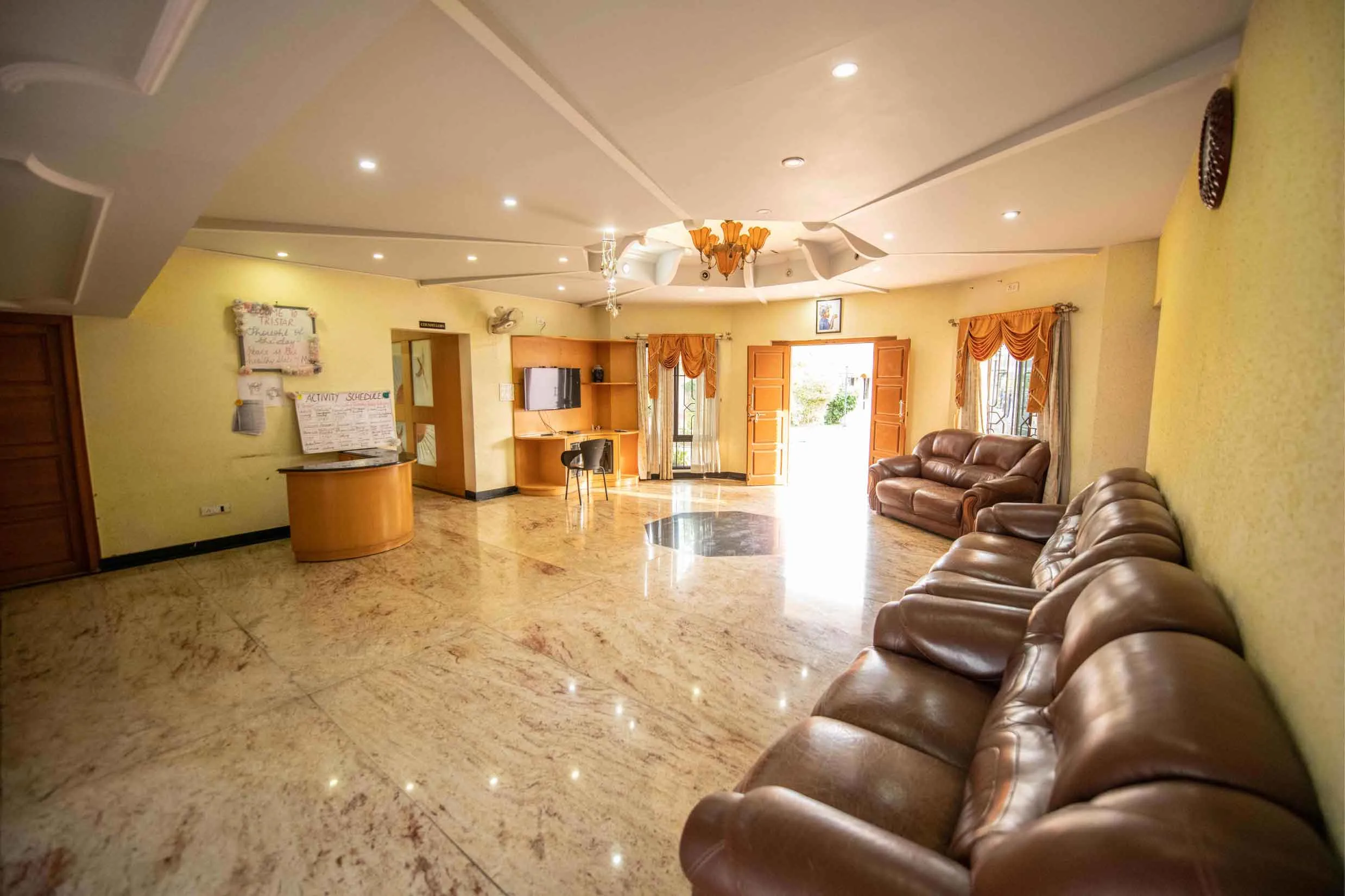
Campus Entrance
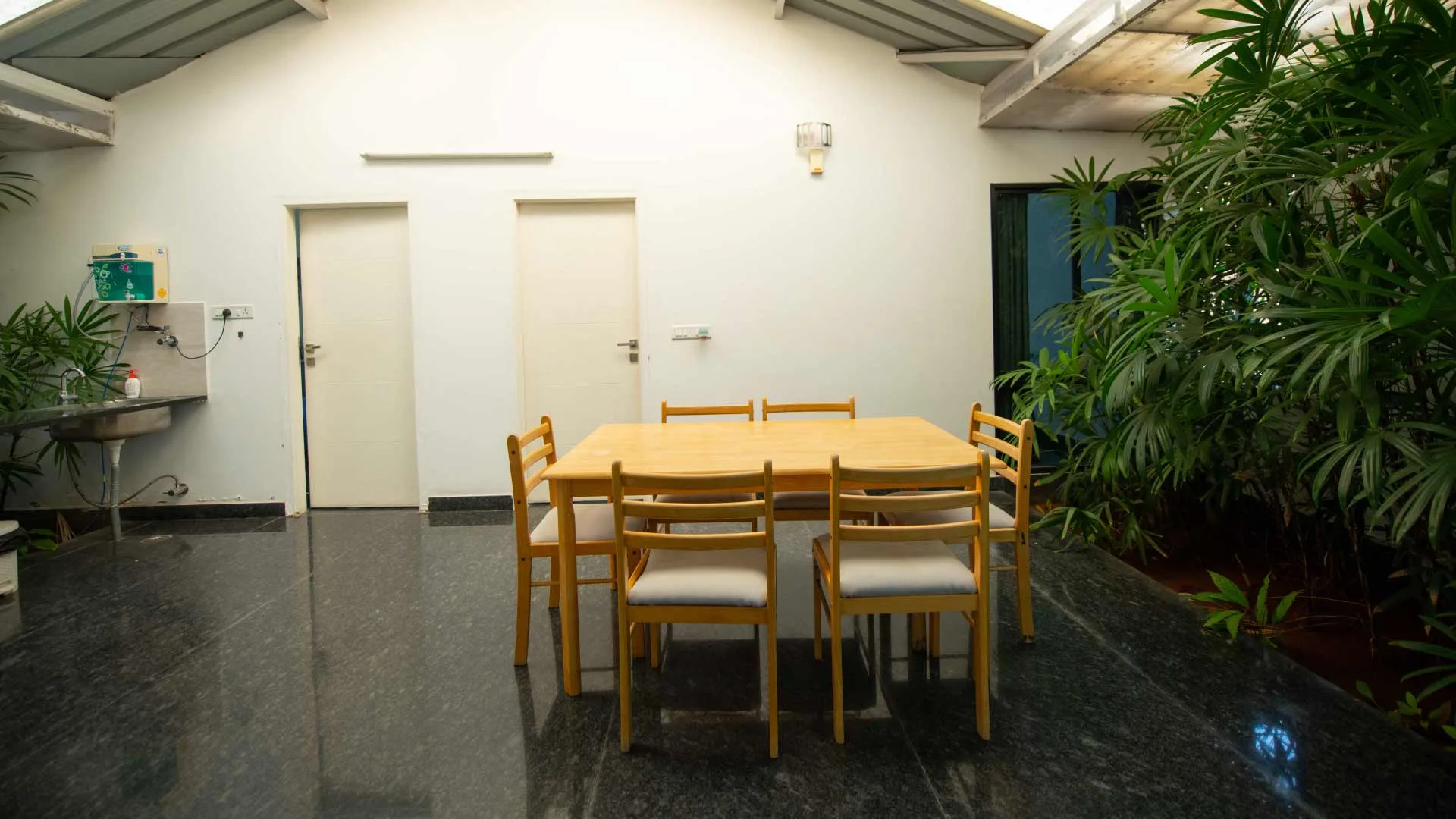
Healing Environment
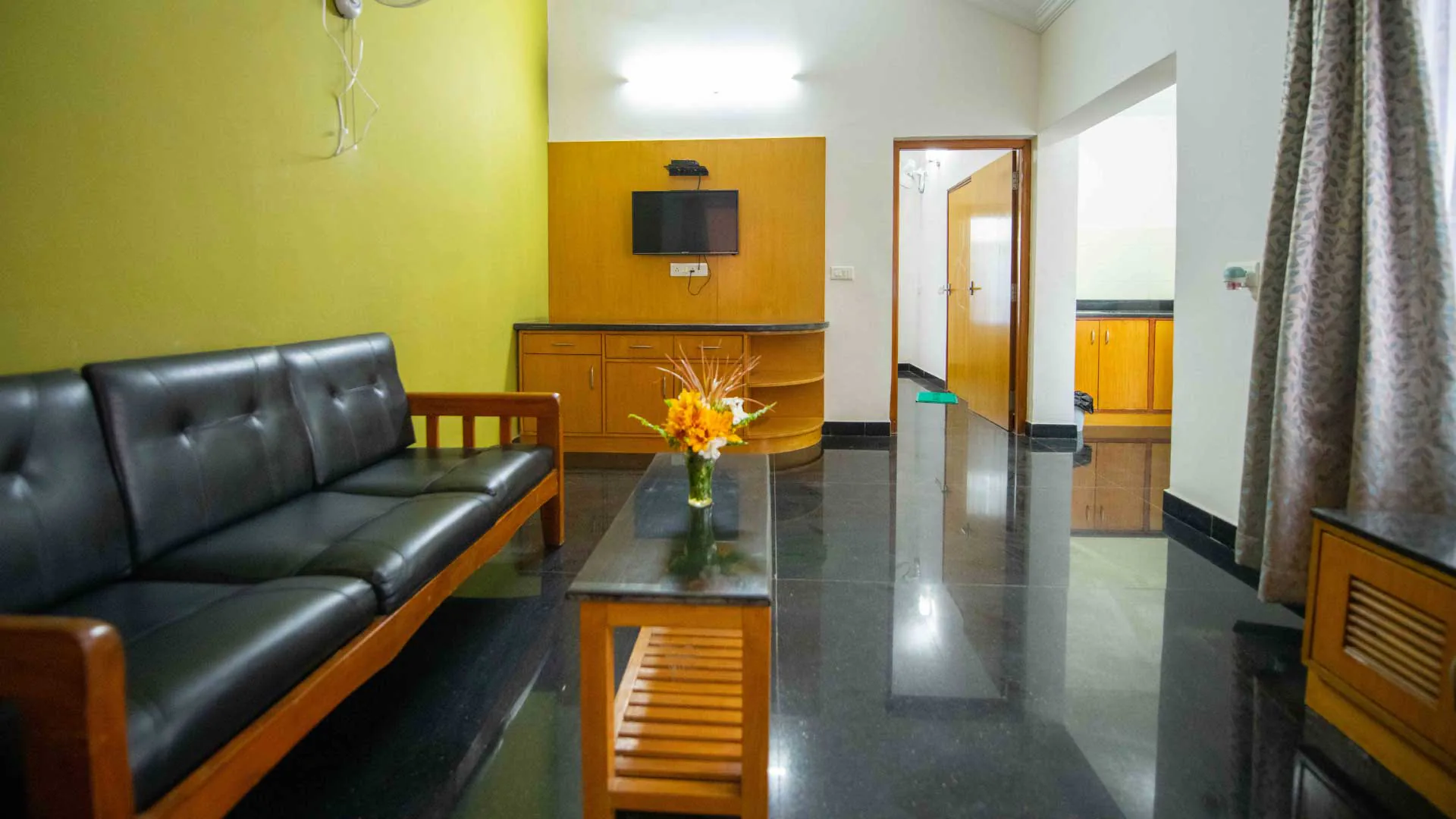
Hospital Lobby
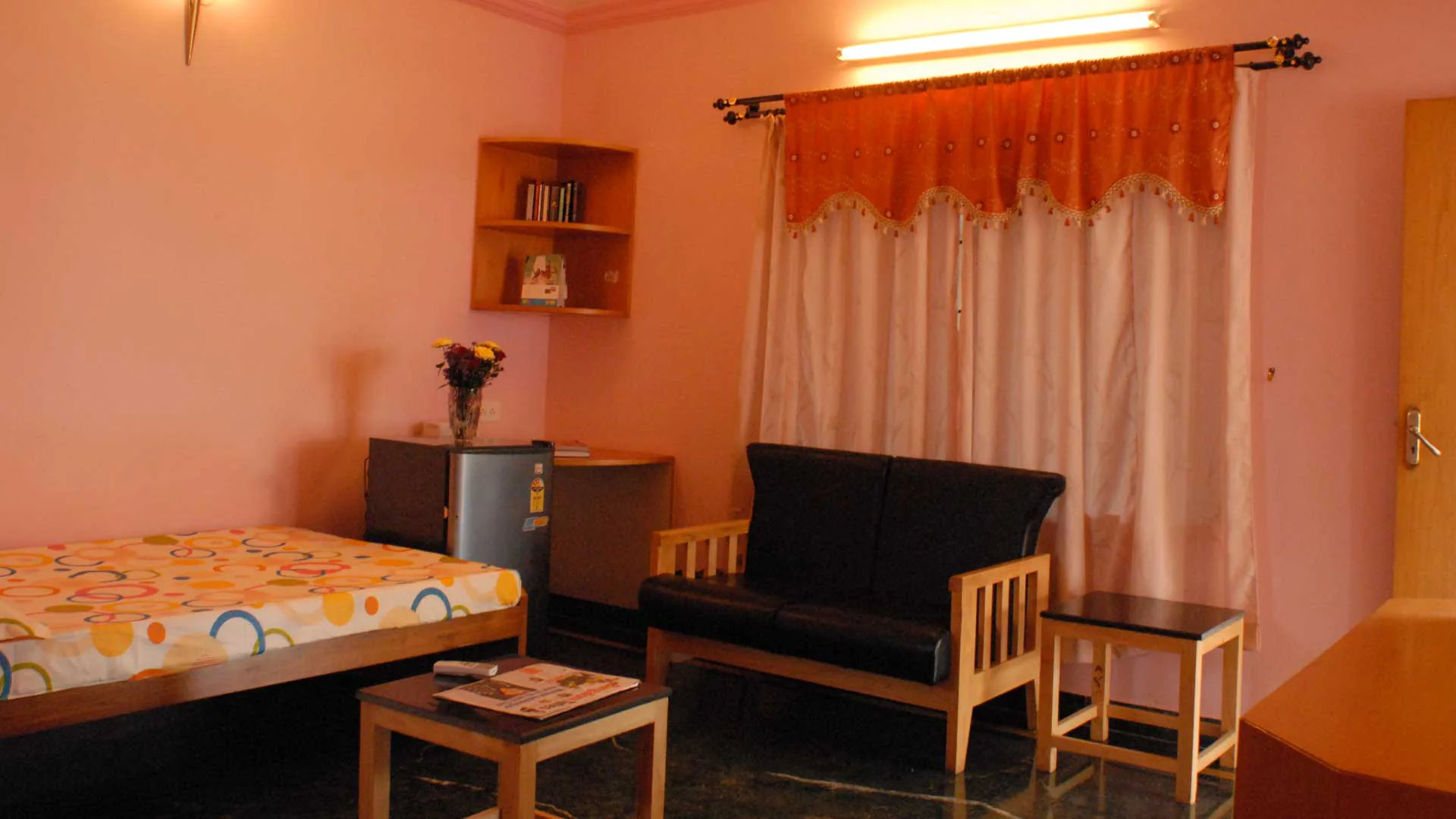
Recovery Experience

Rehab Unit
Patient Stories
What Our Clients Have To Say
Real stories from the families and individuals we’ve supported on their path to well-being.
5.0
Cadabam's Hospitals' team treated my family with empathy from the very first call. The care plan was clear, the doctors listened, and we finally felt supported through a difficult time.
A
Aishwarya G.
Verified patient
5.0
The therapists and psychiatrists worked together on a plan that actually fit our situation. Three decades of experience really shows — calm, professional, and genuinely caring.
S
Suresh L.
Verified patient
5.0
I was nervous about reaching out, but the team made me feel safe. The structured therapy and follow-ups have helped me get back to my routine and feel like myself again.
R
Rahul M.
Verified patient
Trusted by 10,000+ families · 4.5 ★ on Google Reviews
How the Types of Schizophrenia Are Used Today: ICD-10, DSM-5 and ICD-11
There are two lenses here, and both are current. ICD-10 — still the standard in most Indian clinical practice — continues to name the distinct subtypes (paranoid, hebephrenic, catatonic, undifferentiated, residual, simple). Newer frameworks (DSM-5, and ICD-11) lean toward describing the illness by its symptom dimensions (positive, negative, cognitive) rather than a fixed label — because people often shift between presentations over time, and symptoms overlap. So the type names are both clinically used and increasingly read as a description of the symptom picture — which is why we explain them here, while your psychiatrist focuses on the individual presentation.
Why ICD-10 Still Names Subtypes in India
Indian hospitals, insurers and government records code psychiatric diagnoses using the WHO's ICD system, and ICD-10 is the edition most departments still work in day-to-day. Under ICD-10, schizophrenia is F20, and the subtype is the digit after the point — so a psychiatrist here will often write "F20.0" because that is the language of the record, not because the subtype is a different disease.
DSM-5 (2013) removed the subtypes because they did not reliably predict course or treatment; ICD-11 (2019) describes schizophrenia with symptom specifiers instead. As Dr. Nishmitha, Consultant Psychiatrist, Cadabam's Hospitals, puts it: "ICD-10, widely used in India, still names these subtypes. Newer systems describe the symptoms a person has: positive, negative, cognitive. Either way, it's treatable, and the plan is built around the individual."
What This Means When You Read a Diagnosis Report
If a report says "F20.0 — paranoid schizophrenia", it is telling you which symptoms are most prominent right now, not predicting how severe the illness will be or how well your relative will do. If a second report, from another hospital, simply says "schizophrenia" with a note on "prominent negative symptoms", it is describing the same person in DSM-5 language. Neither is wrong, and the diagnosis has not changed. What matters for treatment is the symptom picture, the duration, and how far daily functioning is affected. How schizophrenia is diagnosed →
The Five Classic Types of Schizophrenia at a Glance
| Subtype | Hallmark features | Typical onset | How it is treated differently | ICD-10 code |
|---|---|---|---|---|
| Paranoid | Prominent delusions (often persecutory) and auditory hallucinations; thinking and emotion relatively preserved | Often a little later than other types — twenties and thirties | Antipsychotics plus CBT for psychosis; long-acting injectables where daily tablets are hard to sustain because insight is low | F20.0 |
| Hebephrenic (disorganised) | Disorganised speech and behaviour; flat or inappropriate emotion; hallucinations less prominent | Adolescence to early twenties | Antipsychotics plus early, structured psychosocial rehabilitation to rebuild daily routine and self-care | F20.1 |
| Catatonic | Marked movement disturbance — stupor, mutism, posturing, or agitated over-activity | Any age; often appears acutely | Treated as a medical situation: stabilisation, the lorazepam challenge, ECT where needed; cannot be managed at home | F20.2 |
| Undifferentiated | Clear schizophrenia with a mix of features and no single picture dominating | Late teens to thirties | Plan built around the individual symptom mix rather than a template | F20.3 |
| Residual | Acute symptoms have receded; negative and cognitive symptoms persist | A later phase, after one or more acute episodes | Maintenance medication, cognitive remediation, rehabilitation and relapse-prevention planning | F20.5 |
Two further ICD-10 codes appear on Indian reports: F20.6 simple schizophrenia (explained below) and F20.4 post-schizophrenic depression, a depressive episode after an acute phase, covered in our guide to depression in individuals with schizophrenia. ICD-11 gives all of schizophrenia the single code 6A20.
The Classic Subtypes, One by One
Each summary below is deliberately short. The full picture — symptoms, causes, what families notice and how treatment is planned — lives on the linked guide for that type.
Paranoid Schizophrenia
The most recognised type, dominated by delusions and hallucinations — often persecutory beliefs ("I'm being watched or followed") and hearing voices — with relatively preserved thinking and mood in some people. Because insight is usually lost, families typically notice the change first. Most people with paranoid schizophrenia are far more frightened than dangerous. Full guide to paranoid schizophrenia →
Hebephrenic (Disorganised) Schizophrenia
Characterised by disorganised thinking, speech and behaviour, and flat or inappropriate emotional responses, more than by prominent delusions. It tends to begin in the late teens or early twenties, and because it can look like odd or "immature" behaviour rather than obvious illness, help is often delayed. Daily functioning is affected early, which is why structured rehabilitation matters so much here. Full guide to hebephrenic schizophrenia →
Catatonic Schizophrenia
Marked by disturbances of movement and behaviour — this can range from being immobile, mute and unresponsive (stupor) to excessive, purposeless activity, holding unusual postures, or resistance to instructions. Catatonia is a medical situation that needs prompt treatment and responds well when treated. A person who is stiff "like a statue" or violently over-active and cannot care for themselves needs hospital care the same day. Full guide to catatonic schizophrenia →
Undifferentiated Schizophrenia
Used when a person clearly has schizophrenia but the symptoms don't fit neatly into one type — a mix of features without one dominating. Families sometimes read "undifferentiated" as "vague" or "worse"; it means neither. It is a clear diagnosis, treated like any other schizophrenia, with the plan shaped around whichever symptoms are most troubling for that person. Full guide to undifferentiated schizophrenia →
Residual Schizophrenia
Describes a phase where the acute, prominent symptoms have receded but some ongoing features remain — often negative symptoms like reduced motivation, social withdrawal or blunted emotion. It is a phase rather than a separate illness, and it is where continued treatment and rehabilitation do their most important work, because this is the stage at which families are most tempted to stop medication. Full guide to residual schizophrenia →
Other Named Forms Families Come Across
Several related labels turn up on reports and in search results. They are not all "types of schizophrenia" in the strict sense, but a family reading a diagnosis needs to know how each relates.
Simple Schizophrenia (F20.6)
A quieter presentation in which negative symptoms — withdrawal, loss of drive, flattened emotion and a slow slide in functioning — develop gradually over years without a clear episode of hallucinations or delusions. Because nothing dramatic happens, it is often mistaken for laziness or depression and diagnosed late. It overlaps closely with the residual picture and is covered on our residual schizophrenia guide.
Schizophreniform Disorder and Brief Psychotic Disorder
These are DSM-5 terms defined by duration. Brief psychotic disorder lasts less than a month; schizophreniform disorder lasts between one and six months; schizophrenia is diagnosed once symptoms persist beyond six months. ICD-10 uses a different grouping — acute and transient psychotic disorders (F23) — for short-lived psychosis that may resolve fully. A first episode often receives one of these provisional labels before the longer-term diagnosis is clear — one reason a diagnosis can be revised at follow-up. What to do in those first weeks is covered in our guide to acute and first-episode psychosis.
Schizoaffective Disorder
A separate diagnosis, not a subtype, in which the psychosis of schizophrenia occurs together with significant mood episodes — depression, mania or both — and persists even when mood is stable. The mood component changes the medication plan, so it is diagnosed carefully. Read our schizoaffective disorder guide →
Childhood-Onset and Late-Onset Schizophrenia
Schizophrenia usually appears between the late teens and early thirties, and Dr. Nishmitha describes a bimodal age pattern — a main peak in young adulthood and a smaller one in mid-life. Onset before 13 (childhood-onset) is rare and needs a child psychiatrist to separate it from autism, developmental conditions and trauma; onset before 18 is called early-onset. Schizophrenia in children → Onset after 40 is called late-onset and after 60 very-late-onset; these are seen more often in women, tend to be dominated by paranoid symptoms, and must be distinguished from dementia, delirium and medical causes — an area in which Dr. Priya Raghavan, an old-age psychiatry specialist, consults at Cadabam's Hospitals JP Nagar.
Positive, Negative and Cognitive: the Dimensions Behind Every Type
Whatever the presentation, schizophrenia involves some combination of positive symptoms (hallucinations, delusions, disordered thinking), negative symptoms (reduced motivation, withdrawal, blunted emotion) and cognitive symptoms (difficulty with memory, attention and planning). Understanding these dimensions matters more than the label — because treatment is tailored to the symptoms a person actually has.
This is the frame DSM-5 and ICD-11 now use, and it maps neatly onto the old subtypes: paranoid schizophrenia is a positive-symptom-heavy picture, residual and simple schizophrenia are negative-symptom-heavy, hebephrenic schizophrenia is dominated by disorganisation, and catatonia is a movement dimension in its own right. A psychiatrist will usually note which dimensions are prominent at each review, because that is what changes the plan. Each dimension is explained on our schizophrenia symptoms hub.
Which Type Is Most Common, Most Dangerous or Mildest? Honest Answers
These are among the most searched questions about schizophrenia types, and they deserve direct answers.
The Most Common Type
Paranoid schizophrenia is the most frequently diagnosed subtype under ICD-10 and the most recognised presentation worldwide, because delusions and hallucinations are the symptoms families and clinicians notice most readily. Undifferentiated is also common, precisely because many people have mixed pictures. Catatonic presentations have become less common with earlier treatment; simple schizophrenia is the rarest diagnosis.
The "Most Dangerous" Type
No type of schizophrenia is dangerous in itself, and most people with any type are more likely to be harmed than to harm anyone. The type that most often becomes a medical emergency is catatonic — a person in stupor may stop eating or drinking, and excited catatonia can lead to exhaustion or injury. Risk of harm to self or others, across all types, rises mainly when the illness is untreated or combined with substance use, and falls with treatment. If you are facing that situation now, our guide to handling a crisis when a relative refuses treatment sets out what to do.
The "Mildest" Type
There is no mild type. Residual and simple schizophrenia look quieter because the dramatic symptoms are absent, but negative and cognitive symptoms are often the biggest long-term barrier to work, study and relationships — and the hardest to treat with medication alone. Severity depends on the individual's symptoms, how long psychosis went untreated, and how consistently treatment continues, not on the label.
Can the Type of Schizophrenia Change Over Time?
Yes — and this is the main reason DSM-5 and ICD-11 stopped using subtypes. A person diagnosed with paranoid schizophrenia at 22 may, after two acute episodes, have a presentation in their thirties that a psychiatrist would describe as residual. A first episode coded as undifferentiated may settle into a clearly paranoid picture. Catatonia can appear during any phase and then resolve with treatment.
For a family, two points follow. A changed label on a later report reflects a changed symptom picture, not a mistake by the earlier doctor. And the direction of change is heavily influenced by treatment: Dr. Priya Raghavan notes that if you institute treatment earlier there is a lot of evidence to say that response rates and outcomes are much better than if you leave the symptoms lingering for a long period of time. Early, sustained treatment is what tips the course towards a residual phase with good functioning rather than repeated acute episodes.
Does the Type Change the Treatment?
Partly. The foundation is the same across every type: antipsychotic medication (first- or second-generation, chosen with your psychiatrist), psychotherapy and family work, and psychosocial rehabilitation, with neuromodulation for persistent symptoms. What the type changes is the emphasis and urgency:
- Catatonic presentations are treated as an emergency — medical stabilisation, the lorazepam challenge and ECT where needed — before the underlying schizophrenia is addressed.
- Paranoid presentations often involve low insight, so long-acting injectable antipsychotics and family-led engagement (including proxy consultation) feature prominently.
- Hebephrenic, residual and simple presentations lean heavily on rehabilitation — cognitive remediation, daily-living skills, supported return to work — because negative and cognitive symptoms respond less to medication alone.
- Undifferentiated presentations are planned around whichever symptoms dominate at that point.
Symptoms that have not responded to two adequate antipsychotic trials are managed on the treatment-resistant schizophrenia pathway, where clozapine is the first-line option. Medication decisions, including any change or stop, should always be discussed with your psychiatrist. How schizophrenia is treated → · Psychosocial interventions →
When to Get Help — and What Cadabam'S Does
Seek a psychiatric assessment promptly if a family member shows suspicion or fixed false beliefs, hearing voices, speech that is hard to follow, withdrawal with a decline in work or study, or a marked change in movement. Seek help the same day if the person is mute and rigid, violently over-active, not eating or drinking, or at risk of harm to themselves or others. Where someone will not attend, a family member can consult on their behalf first. Call 97414 76476, 24/7.
Cadabam'S Approach to the Types of Schizophrenia
At Cadabam's, the subtype is a starting description, not a treatment template. A consultant psychiatrist assesses the symptom dimensions, duration and functioning, excludes medical and substance causes, and builds an individual plan. Acute and catatonic presentations are managed at Cadabam's Hospitals JP Nagar and Cadabam's Hospitals Whitefield in Bengaluru and Cadabam's Spark Hospital Mysuru, with inpatient care and a psychiatric emergency pathway. Where negative and cognitive symptoms dominate — hebephrenic, residual and simple presentations — structured rehabilitation at Cadabam's Amitha, Cadabam's Anvita and Cadabam's Ananya focuses on rebuilding daily living, work skills and family support. Where admission is needed and the person cannot consent, it follows the Mental Healthcare Act 2017, with capacity reviewed regularly. The team is led by Dr. B.R. Madhukar, with consultants including Dr. Priya Raghavan and Dr. Nishmitha.
Get Help
A clear understanding leads to the right treatment plan — and the right plan is built around the person, not the label on the report.
Call 97414 76476 or book a consultation with a Cadabam's psychiatrist.
FAQ
Frequently Asked Questions
Traditionally five were named — paranoid, catatonic, disorganised (hebephrenic), undifferentiated and residual. ICD-10 (standard in most Indian practice) still uses these subtypes, while DSM-5 and ICD-11 describe symptom dimensions instead. ICD-10 also lists simple schizophrenia and post-schizophrenic depression, so an Indian report may show any of seven F20 codes. Schizoaffective disorder and brief or schizophreniform psychosis are related diagnoses, not subtypes.
Paranoid schizophrenia, dominated by delusions and hallucinations, is the most recognised presentation. It is also the subtype most often written on ICD-10 reports in India, because persecutory beliefs and hearing voices are the symptoms families and clinicians notice first. Undifferentiated schizophrenia is also common, since many people have a mixed picture; simple schizophrenia is the least common diagnosis.
Both frameworks are in use: ICD-10 (widely used in India) still names the subtypes, while DSM-5 and ICD-11 describe individual symptoms instead — and the type names remain useful for understanding the illness. For the person being treated, the subtype does not change the core diagnosis or entitlements; the psychiatrist's plan is built from the symptom picture, duration and level of functioning, whichever manual the report uses.
Yes — presentations can shift, which is one reason modern diagnosis describes symptoms rather than locking in a single subtype. A paranoid picture may become residual after acute episodes settle, an undifferentiated first episode may clarify into one type, and catatonia can appear and resolve. A changed label on a later report reflects a changed symptom picture, not an error in the earlier diagnosis.
Severity depends on the individual's symptoms and functioning, not the label. Catatonia needs prompt treatment; all types are treatable. Catatonic presentations are the most medically urgent because a person may stop eating or drinking, while residual and simple presentations can carry the heaviest long-term functional burden through negative and cognitive symptoms. Untreated illness, not subtype, is the strongest predictor of a poor outcome.
Schizophrenia is F20, and the subtype is the digit after the point: F20.0 paranoid, F20.1 hebephrenic (disorganised), F20.2 catatonic, F20.3 undifferentiated, F20.4 post-schizophrenic depression, F20.5 residual, F20.6 simple, with F20.8 and F20.9 for other and unspecified. ICD-11 replaces these with a single code, 6A20, plus symptom specifiers. Indian hospitals and insurers still largely use the ICD-10 codes.
Simple schizophrenia (ICD-10 F20.6) is a gradual, years-long development of negative symptoms — withdrawal, loss of drive, flattened emotion and declining functioning — without a clear episode of hallucinations or delusions. Because nothing dramatic happens, it is often mistaken for laziness or depression and diagnosed late. It is treated like other schizophrenia, with an emphasis on rehabilitation, and is discussed further on our residual schizophrenia guide.
Duration. In DSM-5, brief psychotic disorder lasts under a month, schizophreniform disorder between one and six months, and schizophrenia is diagnosed once symptoms continue beyond six months. ICD-10 groups short-lived psychosis under acute and transient psychotic disorders (F23) and diagnoses schizophrenia after one month of characteristic symptoms. A first episode often gets a provisional label that is revised at follow-up.
Yes, though both are uncommon. Childhood-onset schizophrenia (before 13) is rare and needs a child psychiatrist to distinguish it from autism, developmental conditions and trauma. Late-onset schizophrenia (after 40) and very-late-onset (after 60) are seen more often in women, are usually paranoid in character, and must be separated from dementia, delirium and medical illness before the diagnosis is made.
Partly. Every type is treated with antipsychotic medication, psychotherapy, family work and rehabilitation; the type changes the emphasis and urgency. Catatonia is treated as an emergency with medical stabilisation, benzodiazepines and ECT where needed; paranoid presentations often use long-acting injectables because insight is low; hebephrenic, residual and simple presentations rely heavily on rehabilitation. All medication decisions are made with your psychiatrist.
Insights From Our Experts
Recent Stories from Our Blog
Psychological issues
Women's Mental Health
Psychological issues
Stress & Burnout
Newsletter