The Foundation of Family Therapy in Autism Care
Family therapy is the key to the care of a child with autism as it offers emotional support and guidance. It helps them know how to get along, cope, and solve problems together for a more harmonious life.
Principles and Goals of Family Therapy for Autism
Family therapy for autism strengthens communication and interaction between family members by teaching necessary skills to support their loved ones, reduce stress, and reinforce relationships. Ultimately, it facilitates empathy, emotional bonding, and a nurturing environment.
Behaviour management also supports the overall management of challenges in the everyday life of families and helps promote positive behaviours both in autistic individuals and in their caregivers.
How Family Therapy Complements Individual Treatment Plans
Family therapy goes hand in hand with individualised treatment plans. The support system expands, and family therapy ensures that the overall family is included in healing. It helps them to understand the needs of their loved ones, improve their coping strategies, and provide emotional support. This collaboration creates a constant and caring environment that goes with professional treatment, fostering long-term progress.
The Process of Family Therapy: What to Expect
Families can anticipate an open and secure environment in which to express their opinions during family therapy. Typically, conversations centre on conflict resolution, stress management, and communication techniques. The method is cooperative, enhancing communication, fostering trust, and fortifying family ties to create a more robust support network.
Key Techniques and Approaches in Family Therapy for Autism
The techniques involved in family therapy include communication training, behavioural interventions, and role-playing. These approaches emphasise skill building, changed behaviours, and strategies on approaching the needs of the child emotionally and practically by the parents.
Communication Skills Building within Families
Family members can only understand each other’s needs and emotions if proper training is imparted in communication skills. Behavioural intervention and role-playing techniques help in developing effective strategies for communication that have positive effects on both a person with autism and their family.
Conflict Resolution Strategies for Families
Strategies in conflict resolution help the members of the family know how to handle differences calmly and respectfully. This therapy helps parents and siblings find resolutions to conflicts without letting the stress escalate. Patience, empathy, and active listening are essential tools for reducing stress and developing better relationships.
Enhancing Coping Mechanisms for Family Members
Family therapy empowers parents with strategies for responding to the emotional turmoil that comes with autism. Mindfulness, relaxation, and self-care all help combat frustration, worry, and burnout emotions, and outcomes of better emotional well-being and stronger family cohesion arise.
Educating Families on Autism Management
Education is central in family therapy; here, education on autism spectrum disorder, including its characteristics and ways of effective management, is provided for families. This, therefore, empowers families to make the right judgments and appropriate measures for changing the daily life situations of their loved ones.
Building a Supportive Home Environment
For those with autism, one must ensure a structured, calm, and accommodating home environment. Family therapy guides families in the process of creating such an environment through routines, visual aids, and sensory-friendly spaces. A supportive home reduces stress and encourages positive behaviours.
The Benefits of Family Therapy for Managing Autism
Family therapy enhances a family’s capacity to manage autism, boosts communication, fortifies bonds, and lowers stress. The procedure creates a setting where family members can collaborate to become more resilient and self-assured.
Improving Family Dynamics and Relationships
Family therapy fosters an atmosphere that promotes better communication, understanding, and conflict resolution. It teaches family members how to work out their differences, ease stress, and fortify their emotional ties. A more peaceful home life and quality care for the autistic person result from this alignment.
Reducing Relapse Rates through Family Support
Family therapy can help decrease rates of relapse because it equips the family with tools to handle stress, establish and enforce boundaries, and manage challenging behaviours. It is an obvious next step in the treatment plan because it offers continued care that ultimately leads to fewer setbacks.
Empowering Families to Navigate Autism Together
A resilient and united family will work to overcome the challenges that often arise in family therapy. When they communicate better and have developed coping strategies, family members are better prepared to handle the challenges of autism; thus, the outcome would be long-term success together for the autistic person.
Fostering Understanding and Empathy among Family Members
Family therapy teaches empathy through enlightenment, as it trains the mind and awareness to observe situations from the perspective of a person with autism. This increases patience, support, and compassion, which leads to bonding. Growing empathy often gives families the best possible support for their loved ones.
Get Autism Diagnosed in Hyderabad
The very starting point of early diagnosis is necessary for effective treatment of autism. At Cadabam’s Hyderabad, the team of experts with profound assessments identifies this spectrum disorder. Early intervention makes all the difference, so don’t hesitate to seek their guidance if symptoms start showing up.
Find the Right Family Therapy Program in Hyderabad
Selecting the right family therapy program is vital for managing autism effectively. Look for programs led by experienced professionals offering evidence-based treatments such as behavioural interventions and communication training.
Our psychologists in Hyderabad provide therapy using proven, research‑based methods to address emotional and behavioural concerns. In parallel, counsellors in Hyderabad offer ongoing guidance, coping strategies, and regular check‑ins—creating a supportive environment for effective, long‑term recovery
Positive reviews can indicate compassionate care and a supportive environment. Additionally, ensure the program provides tailored guidance and ongoing support to empower families in creating a nurturing space for their loved ones to thrive.
Why Choose Cadabam’s for Family Therapy in Autism Care
Expert family therapy and autism care are the specialisations of Cadabam’s Hyderabad. We provide long-term support to the client while benefiting both the individual and the family.
Tailored Family Therapy Sessions at Cadabam’s
Our family therapy sessions are customised with respect to the specific needs of each family. Here at Cadabam’s Hyderabad, we personalise every session to your respective individual set of challenges and make sure that therapy is both effective and supportive
At Cadabam’s Hospitals, our experienced team of Therapists in Hyderabad includes trusted psychiatrists and skilled psychologists working in unison to deliver complete mental health care. Our Psychiatrists in Hyderabad perform thorough assessments and design personalised medical treatment plans to meet individual needs.
Expertise in Family Dynamics and Autism
With over 30 years of experience, the team at Cadabam’s Hyderabad understands the dynamics of any family and how autism affects them well. We are excellent at improving communication and reducing conflicts, thus helping families build stronger, healthier relationships.
Comprehensive Support for Families and Patients
We offer end-to-end care for children with autism and their families at Cadabam’s Hyderabad. From diagnosis to aftercare, our professionals ensure that every step of the journey has the best care and devotion.
State-of-the-art facilities for the Family Therapy Program at Cadabam’s
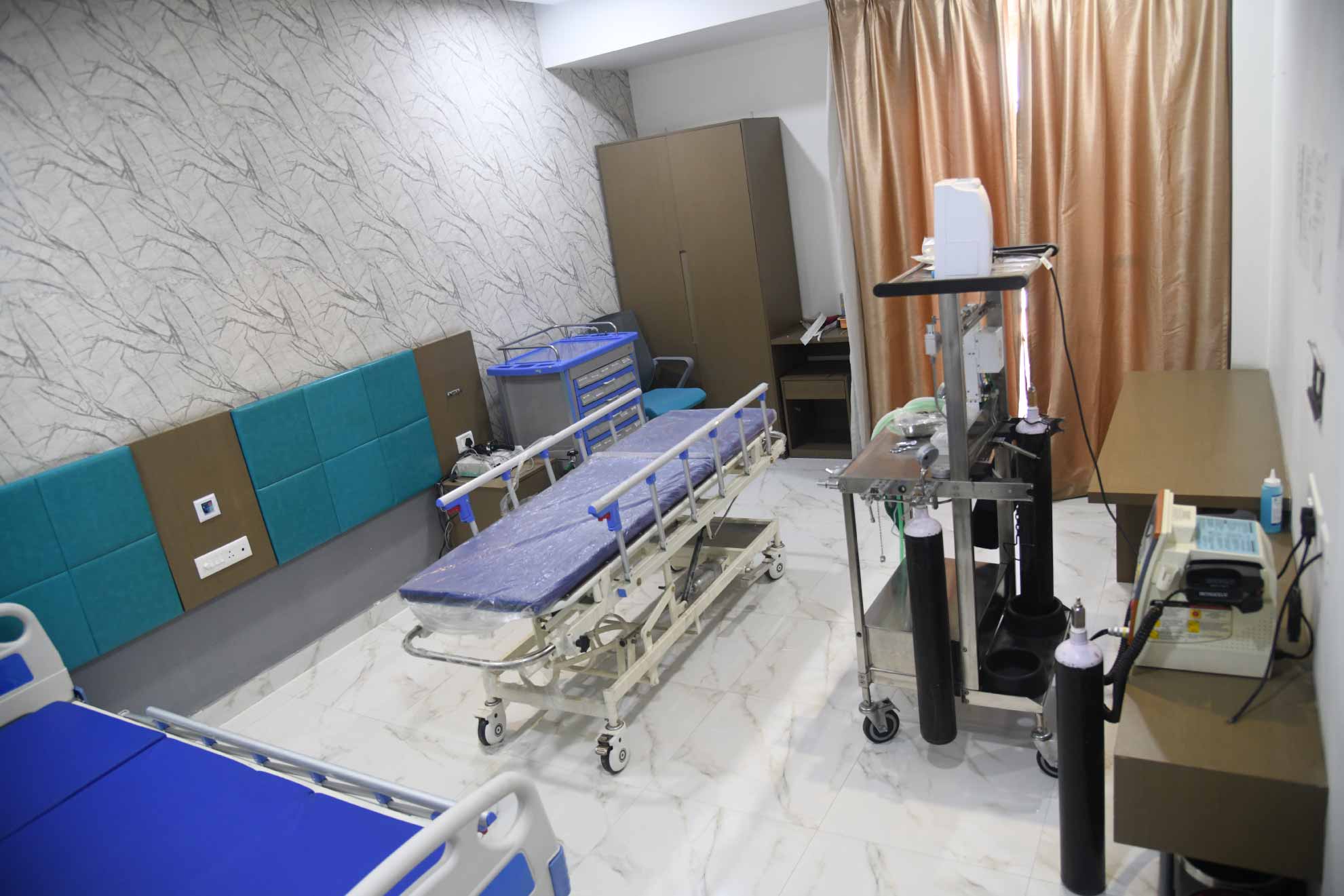
At Cadabam’s Hyderabad, our family facilities are designed to make family therapy comfortable. This facility’s cutting-edge technologies and calming areas will guarantee that each family gets the greatest support possible during the sessions.
Ongoing Guidance and Resources for Families
We believe in long-term support. At Cadabam’s, families are provided with continued advice throughout their journey with autism care. The team is always ready to give them advice, tools, and encouragement to help families succeed.
Top Autism Doctors at Cadabam’s Hospitals
Psychiatrist in Bangalore | Psychiatrist in Hyderabad | Psychologist in Bangalore | Therapist in Bangalore | Therapist in Hyderabad | Psychologist in Hyderabad | Counsellor in Bangalore | Counsellor in Hyderabad
Rehabilitation Centres For Autism at Cadabam’s Hospital
Rehab in Bangalore | Rehab in Hyderabad
Best Autism Treatments Offered at Cadabams
Home Services Bangalore | Home Care Hyderabad | Neurofeedback Bangalore | Biofeedback Bangalore | Emergency Bangalore | Neurofeedback Hyderabad | Emergency Hyderabad | Biofeedback Bangalore
More Additional Resources About Autism
Autism & Social Skills: Training may help! | Examining Mild Autism in Children and Adults | Understanding Different Types of Autism Symptoms | Exploring Autism Tests: From Early Childhood to Adult Diagnosis | Can Autism Be Cured? Insights and Perspectives
FAQ
What is family therapy for Autism, and how does it help?
Autism family therapy provides emotional support, lowers stress, and enhances communication. It guarantees cooperation in the management of autism, improves relationships, and gives families coping mechanisms.
Is family therapy beneficial for all families dealing with Autism?
Yes, family therapy benefits all families involved with autism. It can provide tools for better communication, understanding, and managing behavioural challenges so that family members work together for the well-being of their loved ones.
How does family therapy address the stigma associated with Autism?
Family therapy reduces stigma by enhancing people’s understanding and acceptance. It encourages families to accept their loved ones with autism to break the misconceptions or stereotypes against them and build up a stronger bond among family members.
What makes family therapy a critical component of Autism treatment?
Family therapy is important because it cements bonds, reduces stress and prepares families with the knowledge of giving ongoing support to the individual. This collaborative approach will ensure lasting, stable improvements in the individual’s treatment and family life.
 Available