When should you ask for help?
When to Ask for Help:
Early Signs: If you notice developmental delays or unusual behaviors in your child, seeking help early is crucial. Early intervention can significantly improve outcomes.
Concerns from Educators: If teachers or caregivers express concerns about your child’s social skills, communication, or behavior, it’s a signal to seek professional advice.
Regression in Skills: If your child starts to lose previously acquired skills or stops progressing, it’s essential to consult with professional psychiatrists psychologists and therapists in hyderabad to understand and address the underlying reasons.
Difficulty in Daily Activities: If your child struggles with everyday activities such as dressing, eating, or interacting with others, it may indicate the need for professional assessment and support.
Social Isolation: Persistent difficulty in making friends or engaging in social activities may warrant professional intervention to improve social skills and foster connections.
Communication Challenges: If your child faces significant difficulties in verbal or nonverbal communication, seeking help from specialists can enhance their communication skills.
Resistance to Change: Excessive resistance to changes in routines or environments may signal the need for professional assistance in developing coping mechanisms and flexibility.
What types of specialists or doctors can help with autism treatment?
Types of Specialists for Autism Treatment:
Child Psychologist: Specializes in assessing and treating behavioral and emotional issues in children, providing valuable insights into the psychological aspects of autism.
Speech-Language Pathologist: Focuses on improving communication skills, addressing speech delays, and enhancing language comprehension in individuals with autism.
Occupational Therapist: Helps individuals develop daily living skills, fine motor skills, and sensory integration, promoting independence in various activities.
Developmental Pediatrician: Specializes in the developmental aspects of children and can diagnose and manage developmental disorders, including autism.
Neurologist: Offers expertise in the neurological aspects of autism, assisting in the diagnosis and management of associated conditions.
Child Psychiatrist: Focuses on the mental health of children and adolescents, addressing behavioral challenges and co-occurring conditions.
Special Education Teacher: Designs and implements individualized education plans (IEPs) to support academic and behavioral needs in educational settings.
What types of therapy or treatment programs are available for autism in Hyderabad?
Autism rehabilitation typically includes:
1. Behavioral Therapy (ABA): Focuses on reinforcing positive behaviors and reducing undesirable ones.
2. Speech and Language Therapy: Aids in improving communication skills.
3. Occupational therapy: enhances fine motor skills, daily living skills, and sensory integration.
4. Social Skills Training: This helps individuals with autism learn and practice appropriate social behaviors.
5. Sensory Integration Therapy: Addresses sensory processing issues.
6. Educational Support: This involves tailored educational programs and support, such as IEPs.
7. Parental and family involvement: essential for enhancing interventions and overall well-being.
Things you should check before selecting a rehab center for autism
When selecting an autism rehab center, examine their transition planning, ensuring support through various treatment stages or returning to communities. Evaluate staff turnover rates, vital for trust and therapeutic relationships. Verify well-defined crisis protocols, emphasizing safety during challenging situations. Seek centers with inclusive recreation programs, fostering social engagement. Confirm advocacy and education services for family empowerment. Explore technology integration for enhanced communication. Inquire about post-program support, ensuring a smooth transition and sustained progress beyond rehabilitation Our psychologists in Hyderabad provide therapy using proven, research‑based methods to address emotional and behavioural concerns. In parallel, counsellors in Hyderabad offer ongoing guidance, coping strategies, and regular check‑ins—creating a supportive environment for effective, long‑term recovery
Why Cadabams?
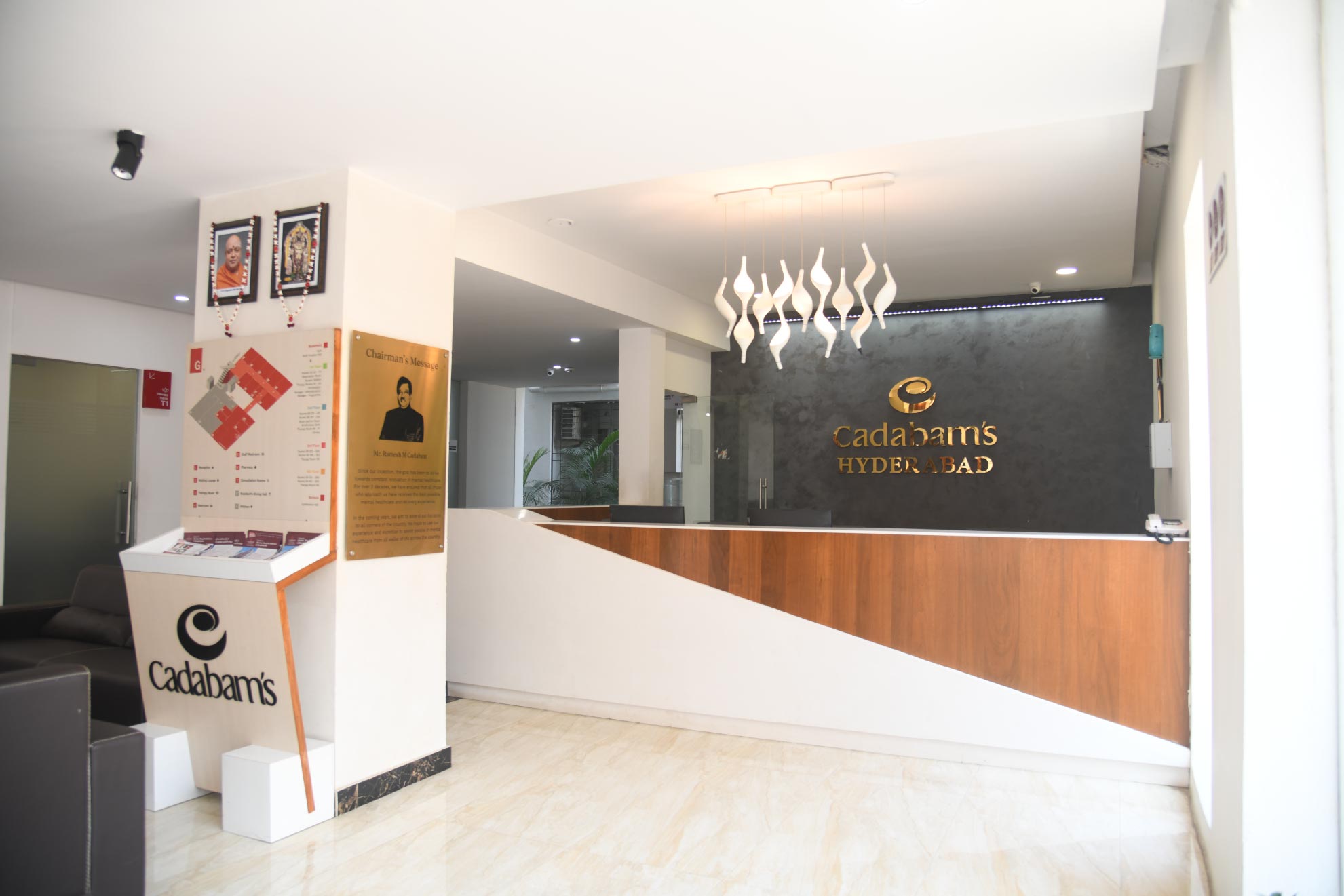
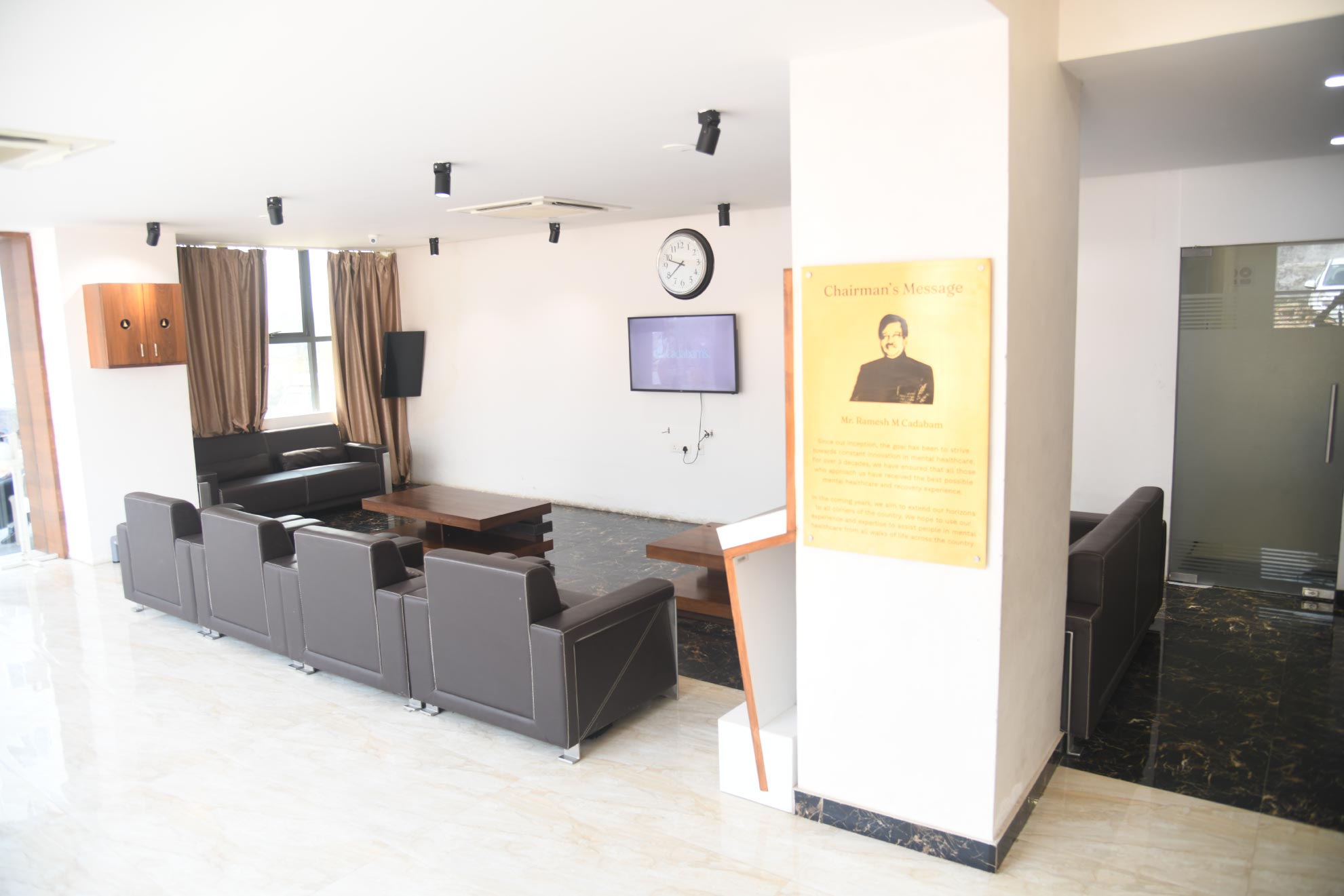
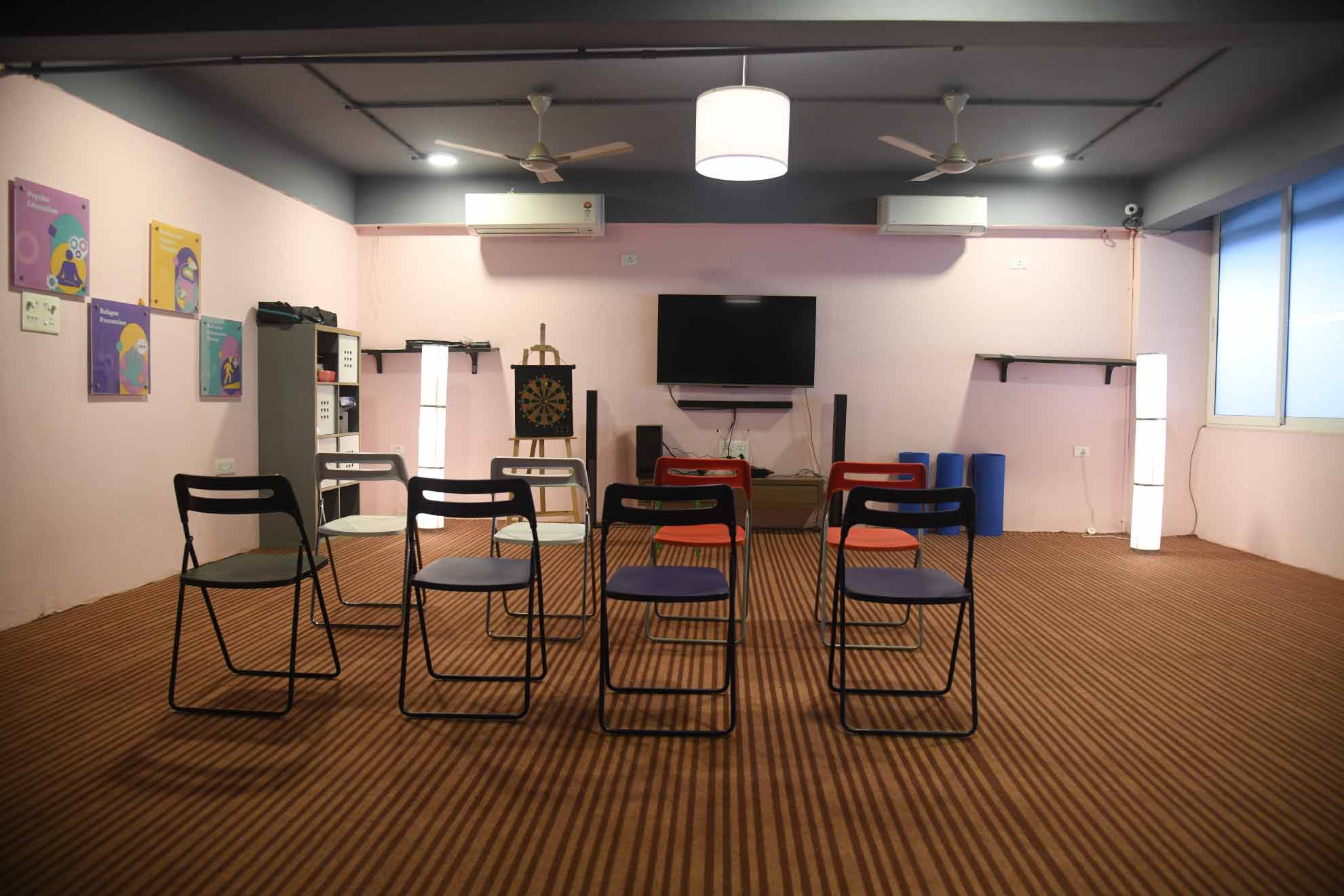
Our comprehensive rehabilitation services at Cadabam’s Hyderabad are designed to support individuals with autism spectrum disorder (ASD) in achieving their full potential. We provide a range of evidence-based interventions tailored to each individual’s unique needs, focusing on enhancing communication skills, fostering social interactions, and improving daily living abilities. Our supportive and empowering approach helps individuals with ASD build self-confidence, independence, and a sense of belonging.
Top Autism Doctors at Cadabam’s Hospitals
Psychiatrist in Bangalore | Psychiatrist in Hyderabad | Psychologist in Bangalore | Therapist in Bangalore | Therapist in Hyderabad | Psychologist in Hyderabad | Counsellor in Bangalore | Counsellor in Hyderabad
Rehabilitation Centres For Autism at Cadabam’s Hospital
Rehab in Bangalore
Best Autism Treatments Offered at Cadabams
Home Services Bangalore | Home Care Hyderabad | Neurofeedback Bangalore | Biofeedback Bangalore | Emergency Bangalore | Neurofeedback Hyderabad | Biofeedback Hyderabad | Emergency Hyderabad
More Additional Resources About Autism
Autism & Social Skills: Training may help! | Examining Mild Autism in Children and Adults | Understanding Different Types of Autism Symptoms | Exploring Autism Tests: From Early Childhood to Adult Diagnosis | Can Autism Be Cured? Insights and Perspectives
FAQ
What are the benefits of a rehab center for autism?
Rehab centers for autism provide a structured environment that encourages skill development, social interaction, and independence. These centers often focus on fostering creative expression, nurturing hobbies, and exploring individual interests, contributing to a more holistic and personalized approach to development.Our Psychiatrists in Hyderabad perform thorough assessments and design personalised medical treatment plans to meet individual needs.
How effective is rehabilitation for autism?
Rehabilitation for autism has demonstrated effectiveness by employing individualized treatment plans that target specific challenges. Through evidence-based interventions, such as Applied Behavior Analysis (ABA), rehabilitation enhances communication, behavioral, and social skills. The multidisciplinary approach ensures a comprehensive strategy, optimizing independence and functional abilities.
What are the benefits of a rehabilitation center for autism?
Rehabilitation centers for autism offer structured environments conducive to skill development, social interaction, and independence. Customized programs address the unique needs of each individual, fostering improvements in communication and behavior management. Therapists collaborate to enhance sensory processing and self-regulation skills, significantly contributing to overall developmental progress.
Who is suitable for a rehab center for autism?
Rehabilitation centers for autism are apt for individuals dealing with moderate to severe autism spectrum disorder (ASD), particularly those encountering difficulties in communication, social interaction, and daily functioning. Those in need of intensive support and a customized approach catering to their distinct requirements find these programs especially beneficial.
What are the services offered at a rehab for autism?
Services at a rehab for autism include applied behavior analysis (ABA), speech and language therapy, occupational therapy, social skills training, and sensory integration therapy. Additionally, these centers often provide academic support, individualized care plans, and family involvement to ensure a holistic approach to treatment.
How does the rehabilitation treatment work?
Rehabilitation treatment for autism involves individualized plans addressing specific challenges. Therapists employ evidence-based interventions, such as ABA, to target behaviors, communication, and social skills. The goal is to enhance independence and functional abilities, utilizing a multidisciplinary approach that considers the unique strengths and needs of each individual.
Which is the best therapy for autism?
While Applied Behavior Analysis (ABA) is widely recognized as effective, the most suitable therapy varies for each individual. A comprehensive approach often combines various therapies to address the diverse aspects of autism spectrum disorder, focusing on reinforcing positive behaviors and reducing negative ones through systematic interventions.
Is autism cureable?
Autism is not currently considered curable, but early intervention and targeted therapies can significantly improve outcomes. Treatment aim to enhance skills, communication, and independence, enabling individuals with autism to lead fulfilling and meaningful lives. The focus is on managing symptoms and supporting individuals in reaching their full potential rather than seeking a cure.
What is the average cost of treatment for autism?
The cost of treatment for depression can vary depending on several factors such as the type of treatment, duration, and severity of the condition.
 Available