

The Cadabam’s Hospitals Difference
Why Cadabam’s Hospitals? What Makes Us Different?
Through our 8 specialty centers offering top-notch treatments across the nation, we have been helping thousands of people improve the quality of their lives.
33+
Years of Experience
10,000+
Happy Families
20+
Treatment Modalities
400+
Mental Health Experts
With over 33 years of expertise and knowledge, we promise to provide our clients the treatment that suits them the best. Whether the case involves substance addiction, alcoholism, sleeping issues, bipolar disorder, or schizophrenia, our experts know how to handle it in a way that it’s in the best interest of the client and their family.
Our state-of-the-art infrastructure, experienced professionals, and strong support system enable us to offer world-class evidence-based treatment that fits all stages and types of mental health concerns that you may have.
At Cadabam’s Hospitals, we’ve always got your back.
Our Facilities
Our Infrastructure & Care Facilities
Purpose-built rehabilitation centres, clinical equipment, and support services designed to drive better patient outcomes.

Ananya Rehabilitation Centre

Private Cottages
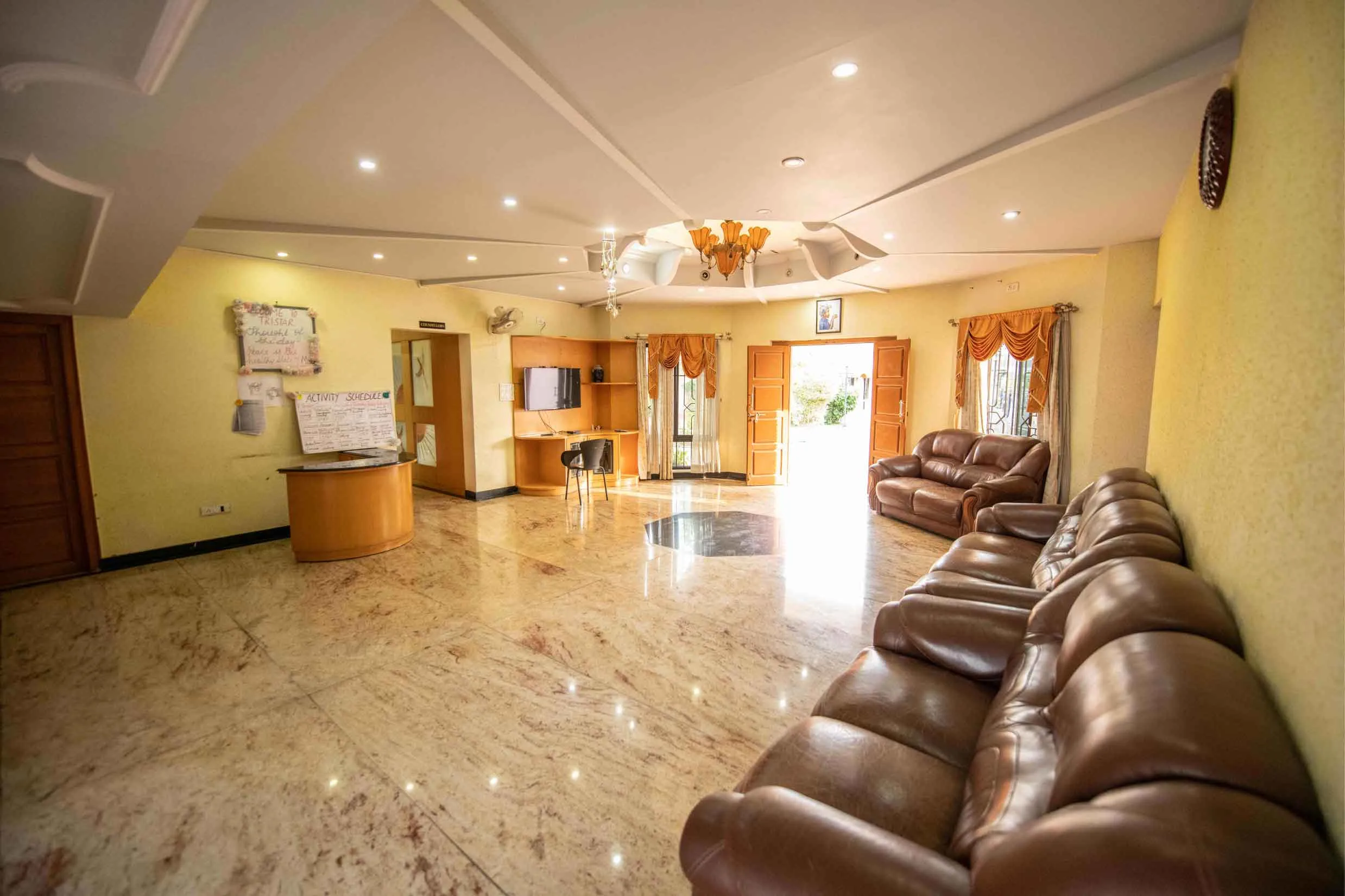
Campus Entrance
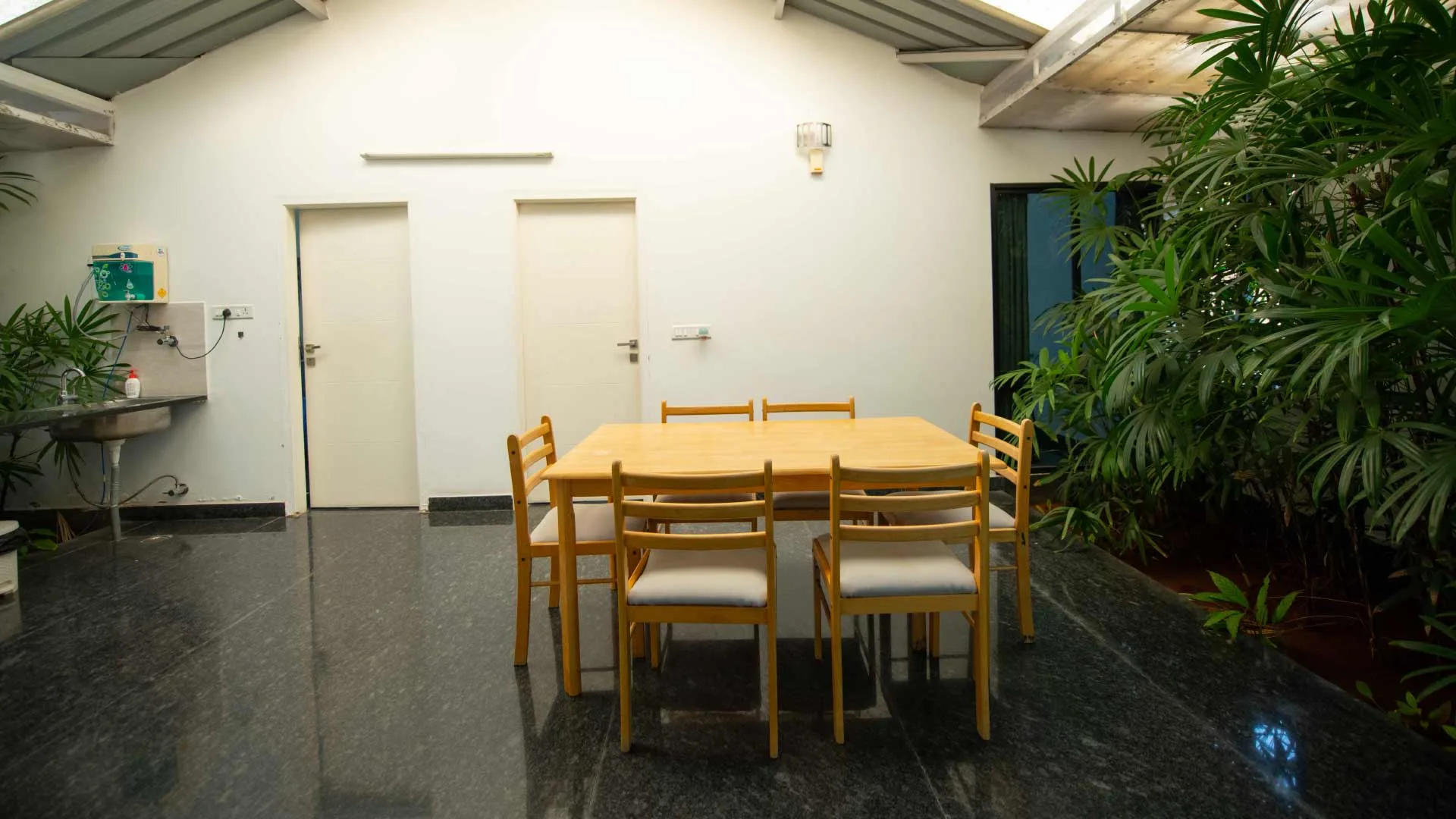
Healing Environment
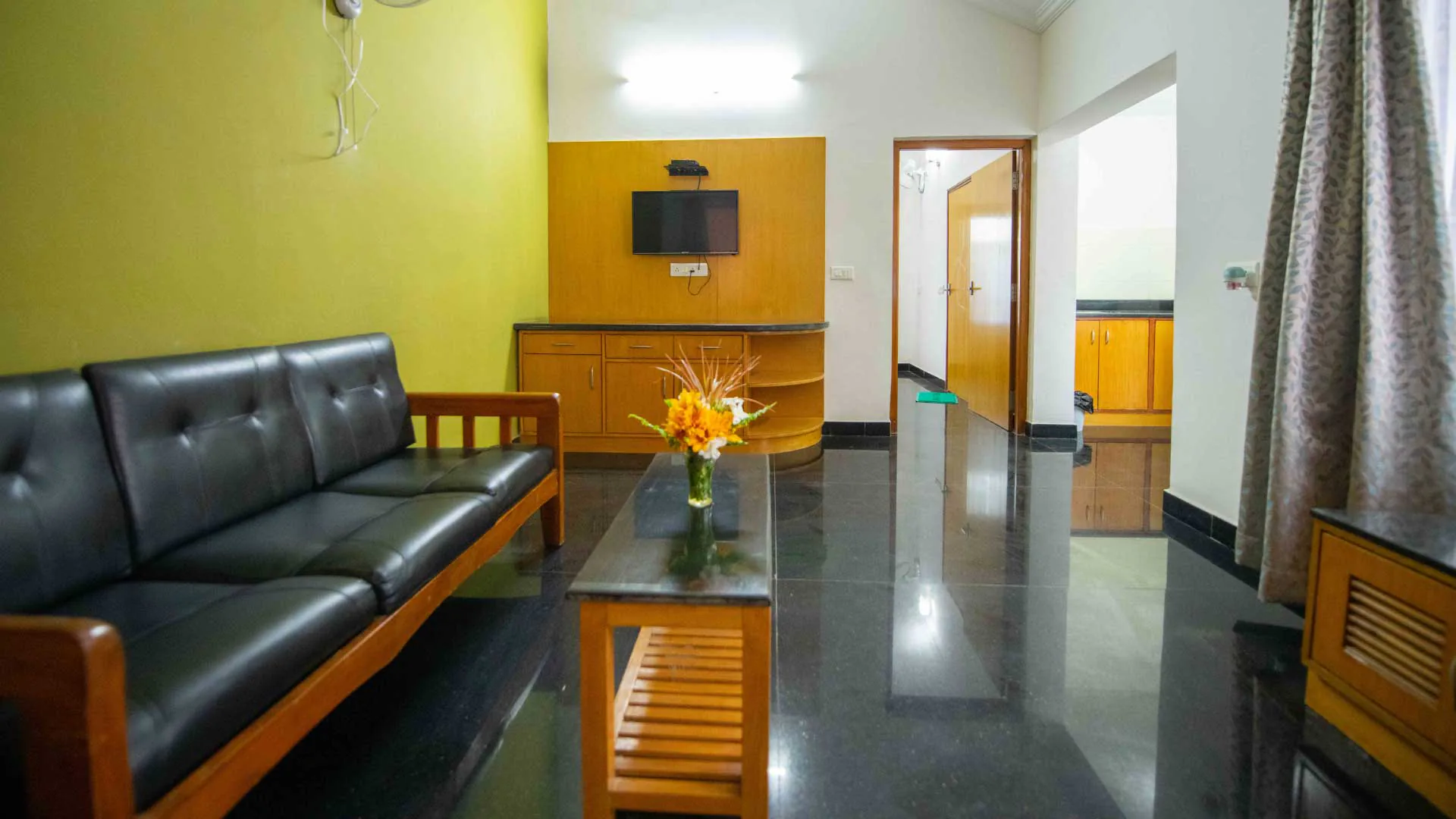
Hospital Lobby
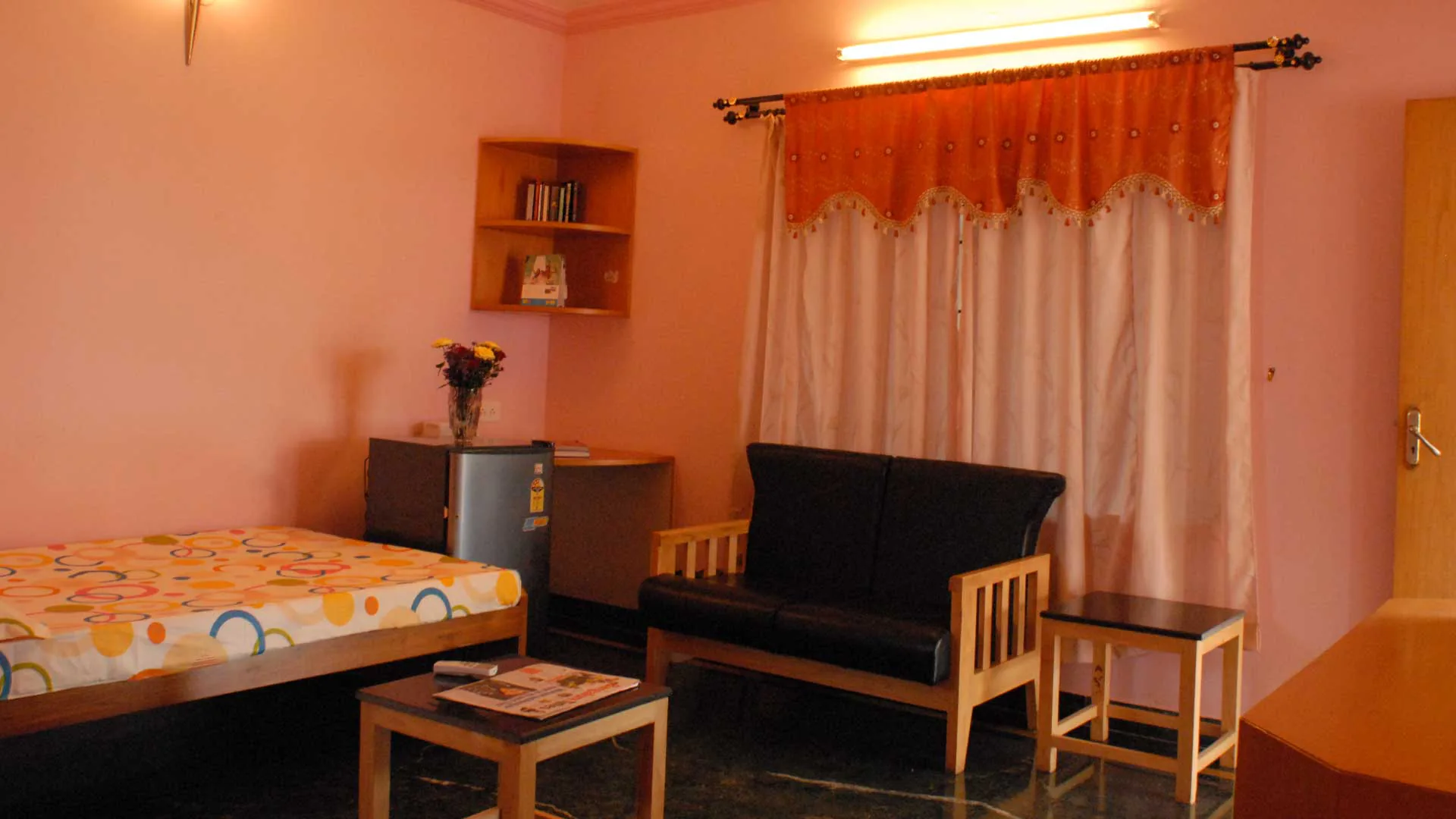
Recovery Experience

Rehab Unit
Patient Stories
What Our Clients Have To Say
Real stories from the families and individuals we’ve supported on their path to well-being.
5.0
Cadabam's Hospitals' team treated my family with empathy from the very first call. The care plan was clear, the doctors listened, and we finally felt supported through a difficult time.
A
Aishwarya G.
Verified patient
5.0
The therapists and psychiatrists worked together on a plan that actually fit our situation. Three decades of experience really shows — calm, professional, and genuinely caring.
S
Suresh L.
Verified patient
5.0
I was nervous about reaching out, but the team made me feel safe. The structured therapy and follow-ups have helped me get back to my routine and feel like myself again.
R
Rahul M.
Verified patient
Trusted by 10,000+ families · 4.5 ★ on Google Reviews
What Is Hebephrenic (Disorganised) Schizophrenia?
It's one of the classically described types of schizophrenia, typically emerging in the late teens or early twenties. Where paranoid schizophrenia is dominated by delusions and hallucinations, the disorganised presentation is dominated by disorganisation and emotional changes — which is why day-to-day functioning is often significantly affected early on.
Two Names, One Diagnosis: ICD-10 F20.1 and the DSM-5 View
On an Indian diagnosis report you will usually see ICD-10 code F20.1, hebephrenic schizophrenia, because ICD-10 is what most Indian psychiatry departments use day-to-day ("hebephrenic" refers to youth — the young age of onset). The newer frames, DSM-5 and ICD-11, no longer list subtypes; they describe the same picture as schizophrenia with prominent disorganised symptoms. A report that says "F20.1" and one that says "schizophrenia, disorganised symptoms prominent" describe the same person, and treatment is the same.
Signs to Recognise
- Disorganised speech — conversation that's hard to follow, jumping between unrelated ideas
- Disorganised behaviour — unpredictable, aimless, or situationally inappropriate actions; difficulty completing everyday tasks
- Flat or inappropriate emotion — reduced emotional expression, or reactions that don't fit the moment (e.g., laughing at sad news)
- Reduced motivation and self-care — neglect of routine, hygiene, responsibilities
- Hallucinations and delusions may be present but are usually less prominent than the disorganisation
Speech, Behaviour and Affect in More Detail
Disorganised speech ranges from derailment — sliding between loosely related topics and never answering the question — to "word salad", real words strung together with no grammar or meaning. Behaviour can become childlike or silly (giggling, grimacing, odd mannerisms) or simply aimless, with tasks abandoned half-way and everyday sequences such as bathing falling apart. Emotion either goes flat — a blank face, a monotone voice — or mismatches the moment, and prominent negative symptoms (reduced speech, drive, pleasure and social contact) sit alongside. Any hallucinations or delusions tend to be fragmentary and shifting rather than the organised, persistent beliefs of paranoid schizophrenia. The person is not being difficult; the illness has disrupted the thread that holds thought and action in order. Understand schizophrenia's symptoms in full →
What Families See at Home
| Sign | What it is called | What a family member notices |
|---|---|---|
| Speech that wanders off topic and never answers | Derailment / tangentiality | "Ask one thing, get a story about something else" |
| Words strung together without meaning | Word salad (incoherence) | "I cannot make out what he is saying any more" |
| Giggling, grimacing, odd mannerisms | Disorganised, childlike behaviour | "Acts like a small child, laughs at nothing" |
| Tasks started and abandoned; odd clothing; wandering | Disorganised behaviour | "Half-done chores; wears a sweater in May" |
| No expression; monotone voice | Flat (blunted) affect | "Face is blank even at good news" |
| Laughing at sad news, crying at jokes | Inappropriate affect | "Reactions don't fit what's happening" |
| Stops bathing, eating regularly, going out | Negative symptoms (avolition, asociality) | "Looks like laziness or depression" |
| Mentions odd ideas or sounds, but they keep changing | Fragmentary delusions / hallucinations | "Says strange things, but not the same story twice" |
Why It Starts Early — and Why Families Miss It
Disorganised schizophrenia usually begins between 15 and 25, earlier than the paranoid type, and comes on gradually rather than with one dramatic episode. That timing is why it is missed. A seventeen-year-old who stops studying, keeps odd hours, grows scruffy and talks in circles is easy to explain away as "just a phase", exam stress, bad company or laziness. The negative symptoms are the most misread: reduced speech, drive and social contact are symptoms of a brain illness, not a character flaw, and scolding does not reverse them. Dr. Nishmitha, Consultant Psychiatrist, Cadabam's Hospitals, puts it simply: "One sign alone isn't a diagnosis. A new, building cluster is worth a conversation with a professional. Earlier is always better." The duration of untreated psychosis is one of the strongest predictors of recovery, so months lost to "wait and see" are costly.
Watch: 5 Early Signs of Psychosis Families Often Miss — Dr. Nishmitha →
How It Differs From Paranoid and Undifferentiated Schizophrenia
All three are schizophrenia with the same core treatment; the difference is which symptoms lead. In the paranoid type an organised, persistent delusion or hearing voices dominates while thinking and emotion are relatively preserved, and onset is usually later, in the twenties or thirties. In the disorganised type speech, behaviour and emotion fall apart early, delusions are fragmentary, and daily functioning drops first. Undifferentiated schizophrenia is the label when the picture is clearly schizophrenia but no single pattern dominates. Many people shift between pictures over the years — one reason DSM-5 dropped the subtypes — so the subtype is a description, not a different disease. Our types of schizophrenia hub compares all five with ICD-10 codes, and the undifferentiated schizophrenia guide covers the mixed picture.
Why It Happens
Like all forms of schizophrenia, the disorganised presentation arises from a combination of genetic vulnerability, brain chemistry and environmental factors — the stress-vulnerability model. The label describes the presentation, not a different disease — and modern diagnosis increasingly focuses on the symptoms a person actually has rather than a fixed sub-type.
What makes this picture distinct is where the disruption falls: the frontal-lobe circuits that sequence thought and action, still maturing through adolescence, are the ones most affected — one explanation for the early onset. Family history raises risk; so do cannabis use in the teens, birth complications and severe stress. None of these is a cause a family chose. As Dr. Nishmitha, Consultant Psychiatrist, Cadabam's Hospitals, says: "Did we cause this? It's the first thing many parents ask. The honest answer is no."
How It Is Diagnosed
There is no blood test or scan for schizophrenia. The diagnosis is clinical: a psychiatrist interviews the person and the family, observes speech, behaviour and emotion over time, and checks that characteristic symptoms have lasted at least a month (the ICD-10 threshold). In the disorganised type the psychiatrist looks for prominent disorganised speech and behaviour with flat or inappropriate affect, and records the negative symptoms using the "five A's": alogia, avolition, anhedonia, asociality and affective flattening.
Because a withdrawn teenager with odd behaviour can also have depression, autism, substance-induced psychosis or a mood disorder with psychosis, the first assessment includes a physical examination, blood tests and a drug screen, with brain imaging where indicated. A first episode often gets a provisional label refined at follow-up. How schizophrenia is diagnosed →
How It's Treated
Treatment follows the same evidence-based approach as schizophrenia broadly: antipsychotic medication to settle symptoms, psychological therapy to build coping and structure, and psychosocial rehabilitation — which is especially important here, because rebuilding daily structure, communication and self-care is central to recovery. Whatever the presentation, our psychiatrists emphasise that psychotherapy is a must alongside medication. Full treatment approach → · Psychosocial interventions →
Antipsychotic Medication, by Class
Second-generation (atypical) antipsychotics — risperidone, olanzapine, aripiprazole and others — are the usual first choice because movement side effects are fewer, though weight and metabolic changes need monitoring. First-generation (typical) antipsychotics such as haloperidol remain effective. Where daily tablets are hard to sustain, long-acting injectables given every few weeks protect against relapse; if two adequate trials have not helped, the treatment-resistant schizophrenia pathway, where clozapine is first-line, applies. Negative and disorganised symptoms respond more slowly and less completely to medication than hallucinations do — which is why the next two parts matter so much. Doses, changes and stopping are decisions for your psychiatrist.
Structure, Routine, Social Skills and Cognitive Remediation
Because disorganisation dismantles the order of a day, treatment deliberately rebuilds it. A fixed wake, meal, activity and sleep routine, with tasks broken into written steps, is itself therapeutic. Social skills training re-teaches conversation, eye contact and reading a situation in small practised steps. Cognitive remediation, led by a clinical psychologist, strengthens the attention, memory and planning that disorganised thinking disrupts, tied to real goals such as returning to college. Family psychoeducation teaches relatives to speak in short, clear sentences and lower criticism at home, which reduces relapse. Each is explained on the interventions page linked above.
The Role of Residential Rehabilitation
When self-care, eating and routine have collapsed, or the family is exhausted, a period of residential psychosocial rehabilitation gives the structure a home cannot. At Cadabam's Amitha, Cadabam's Anvita and Cadabam's Ananya, a full daily programme — occupational therapy, skills groups, cognitive remediation, vocational work — is practised every day with a 24-hour team, then stepped down to day-care and home. Admission is consent-based under the Mental Healthcare Act 2017, with a nominated representative where the person cannot decide.
Watch: Types of Schizophrenia → · Watch: A Space Built for Healing — Cadabam's Spark Mysore →
Recovery and Outlook: an Honest Picture
Because disorganisation affects functioning early, structured rehabilitation makes a real difference — and, as with every presentation, earlier treatment gives the best outcome. Can schizophrenia be cured? →
Families deserve a straight answer. The disorganised presentation tends to have a more persistent effect on functioning than the paranoid type: it starts earlier and is weighted towards negative and cognitive symptoms that medication only partly reaches, so the road back to study, work and independence is usually longer. The equally honest part is that gains are real and steady with sustained rehabilitation: people relearn self-care, hold a routine and re-enter supported work or study — measured as level of functioning regained, step by step. A better course goes with consistent medication, early and continuous rehabilitation, a family that understands the illness, and no cannabis or alcohol. Recovery is a supported, individual path; nobody can promise a cure.
What Families Can Do
- Communicate simply. One idea per sentence; written lists for tasks. Do not argue with a confused statement — acknowledge it and redirect.
- Keep the routine visible. A timetable on the wall, meals at set times, sleep protected — structure is treatment.
- Treat negative symptoms as symptoms. Nagging about hygiene or studies raises tension and relapse; praising one small completed step works better.
- Watch for relapse. Speech wandering again, hygiene slipping, sleep reversing — call rather than wait, and keep medicines on a visible schedule if the person agrees.
- Look after yourselves. Our guide to caring for someone with schizophrenia at home (publishing shortly) covers the practical and emotional load, and the monthly Family Psycho-education Support Group at Cadabam's Amitha connects you with families living the same thing.
When to Get Help — and What Cadabam's Does
Seek a psychiatric assessment promptly if a young person's speech has become hard to follow, their behaviour childlike or aimless, their emotions flat or out of place, and their self-care has slipped — especially when these have built together over months. Seek help the same day if the person is not eating or drinking, is wandering or unsafe, or is at risk of harm to themselves or others. If they refuse to come, a family member can consult on their behalf first; our caregiver crisis guide explains what to do when someone will not accept treatment. Call 97414 76476, 24/7.
Cadabam's Approach to Disorganised Schizophrenia
At Cadabam's the subtype is a starting description, not a template: a consultant psychiatrist assesses symptom dimensions, duration and level of functioning, excludes medical and substance causes, and builds an individual plan with the family. Assessment and acute care are at Cadabam's Hospitals JP Nagar and Cadabam's Hospitals Whitefield in Bengaluru and Cadabam's Spark Hospital Mysuru, which Dr. Krishna K.R. leads as Medical Director. Because this presentation leans so heavily on rehabilitation, the plan links early to Cadabam's Amitha, Cadabam's Anvita and Cadabam's Ananya for day-care or residential psychosocial rehabilitation, with Reach Out after-care at home. The clinical team is led by Dr. B.R. Madhukar; families in Hyderabad are served through our Hyderabad centre.
Get Help
The disorganised presentation is often missed for months. Recognising it early, and starting structured treatment, is the most useful thing a family can do.
Call 97414 76476 or book a consultation with a Cadabam's psychiatrist.
FAQ
Frequently Asked Questions
A presentation of schizophrenia dominated by disorganised speech, disorganised behaviour and flat or inappropriate emotion, rather than prominent hallucinations or delusions. It's now usually called disorganised schizophrenia. ICD-10, used in most Indian hospitals, codes it F20.1; DSM-5 and ICD-11 describe the same picture as schizophrenia with prominent disorganised symptoms. It usually begins between 15 and 25 and is treated with antipsychotics, therapy and structured rehabilitation.
Paranoid schizophrenia is dominated by delusions and hallucinations; the disorganised presentation is dominated by disorganised thinking, behaviour and emotional changes. In the paranoid type, thinking and emotion stay relatively intact and onset is often later; in the disorganised type, speech and daily functioning break down early and any delusions are fragmentary. Both are schizophrenia and share the same core treatment, with rehabilitation weighted more heavily in the disorganised type.
Yes — with antipsychotic medication, therapy and structured psychosocial rehabilitation. Rehabilitation is especially valuable because rebuilding daily structure is central to recovery. Medication settles disorganised thinking and any hallucinations; social skills training, cognitive remediation and a fixed routine rebuild the functioning the illness disrupts; family psychoeducation lowers relapse. Where two adequate medication trials have not helped, clozapine is considered. All medication decisions rest with the treating psychiatrist.
Often in the late teens or early twenties. The usual window is 15 to 25, earlier than the paranoid type, and onset is typically gradual over months rather than one sudden episode. That is why the first changes — falling grades, odd speech, neglected hygiene, flat emotion — are so often mistaken for a phase or laziness. A new, building cluster of these changes in a young person deserves a psychiatric assessment.
With sustained treatment and rehabilitation many people improve significantly; early treatment improves the outlook. Honestly, the disorganised presentation tends to affect functioning more persistently than the paranoid type, because negative and cognitive symptoms respond less completely to medication. But gains in self-care, routine, social life and supported work are real and steady with continued rehabilitation, and the shorter the gap before treatment, the better the course.
Word salad is the most severe form of disorganised speech: real words strung together without grammar or meaning, sometimes with invented words, so the listener cannot follow at all. Milder forms are derailment, where the person drifts between loosely connected topics, and tangential answers that never reach the question. It reflects a disruption in the brain's ordering of thought, not stubbornness, and it typically improves as antipsychotic treatment takes effect.
Yes. "Hebephrenic" is the ICD-10 term (code F20.1), still written on most Indian diagnosis reports; "disorganised" is the plainer name used in DSM-IV and in everyday clinical language. DSM-5 and ICD-11 dropped the subtypes altogether and describe the same picture as schizophrenia with prominent disorganised symptoms. Whichever word appears on the report, it refers to the same condition and the same treatment plan.
Because it starts in adolescence, builds slowly, and its most visible features — withdrawal, poor hygiene, dropped studies, flat emotion — look like the ordinary difficulties of a teenager. These are negative symptoms of a brain illness, not a character flaw, and scolding does not reverse them. The clue is the cluster: when speech, behaviour, emotion and self-care all change together over months, it is time for a professional assessment.
Not always, but often at some stage. When self-care, eating and routine have collapsed, or the family cannot sustain the structure the person needs, a period at a residential rehabilitation centre such as Cadabam's Amitha, Anvita or Ananya provides a full daily programme with a 24-hour team, then steps down to day-care and home. Admission is consent-based under the Mental Healthcare Act 2017, with a nominated representative where the person cannot decide.
Insights From Our Experts
Recent Stories from Our Blog
Psychological issues
Women's Mental Health
Psychological issues
Stress & Burnout
Newsletter