How tDCS Works: The Science Behind the Stimulation
tDCS works by applying a constant, low-level electric current via electrodes placed on the head. The current modulates neuronal function, increasing or decreasing synaptic transmissions within specific brain regions.
In the case of chronic pain, tDCS modulates pain-related neural circuits, decreasing pain perception. The procedure enhances neuroplasticity, allowing the brain to adapt and possibly lowering long-term sensitivity to pain.
Why is tDCS Used?
tDCS is used as both an alternative and adjunct treatment for managing chronic pain.
It presents a non-pharmacological and non-invasive solution for subjects who want relief from pain but with fewer adverse effects.
With the modulation of neural activity, tDCS increases pain endurance, facilitates rehabilitation, and augments cognitive as well as affective well-being, thus providing a useful therapeutic agent in pain management of enduring pain conditions.
Looking for trusted psychiatrists in Hyderabad? Cadabam’s Hospitals delivers expert, tailored care for a wide range of psychiatric conditions.
Benefits of tDCS for Chronic Pain
tDCS has many benefits for individuals with chronic pain. Focused brain stimulation activates neuroplasticity, inhibits pain perception, and improves cognition.
It also assists in the rehabilitation process, decreases medication dependency, improves mood, and has long-lasting therapeutic effects, making it affordable and very effective in managing pain in a chronic condition.
Enhancing Neuroplasticity and Recovery
By modulating neuronal activity in pain-processing areas, tDCS reduces the frequency and intensity of chronic pain. It influences the excitability of the brain, reduces discomfort and improves the perception of pain.
Individuals report that they have experienced significant pain relief after several sessions. Therefore, tDCS is a good choice for people who are looking for non-invasive and drug-free measures for pain relief.
Reducing Symptoms of Chronic Pain
By modulating neural activity in pain-processing areas, tDCS decreases the frequency and intensity of chronic pain. It affects brain excitability, decreasing discomfort and enhancing pain perception.
Improving Cognitive Function
Chronic pain tends to affect cognitive functions, causing problem-solving with memory, concentration, and decision-making. tDCS improves cognitive function by activating neural tracts that govern attention and executive function.
The improvement ensures a person remains mentally alert, productive, and better able to manage daily activities despite continued chronic pain.
Accelerating Rehabilitation for Chronic Pain
tDCS has the ability to accelerate rehabilitation by maximising the brain’s response to therapy, making it especially valuable for individuals recovering from neurological disorders, injuries, or chronic pain syndromes.
Through improved motor function, decreased discomfort, and neural healing, tDCS facilitates quicker recovery and improved long-term treatment results for individuals struggling from chronic pain.
Minimising Medication Dependence
Most chronic pain individuals have the tendency to turn to drugs with undesirable side effects and tolerance risks. This is what makes tDCS more dependable, as it provides a drug-free remedy by directly activating the brain’s pain control system.
tDCS prevents painkiller dependencies and allows people to control their symptoms with fewer side effects and drug tolerance worries.
Enhancing Mood and Mental Well-being
Chronic pain frequently accompanies mood disorders such as anxiety and depression. tDCS can have a positive effect on emotional states through the stimulation of brain areas in charge of mood control.
The individuals receiving tDCS therapy experience less stress, more stable moods, and enhanced mental well-being, which makes tDCS therapy a comprehensive strategy for the management of chronic pain.
Prolonging Therapeutic Effects
tDCS is a successful short-term intervention in decreasing pain severity when accompanied by relief from comorbid depression and anxiety in chronic pain patients. The therapeutic action of tDCS is highly dependent on the site of stimulation, the rate of stimulation, and the nature of the chronic pain being treated.
Continuing studies are still ongoing to yield definitive evidence that tDCS exerts long-term analgesic effects, although its effects may linger longer than the duration of actual treatment.
Continuous sessions of tDCS have been demonstrated to maintain improvement in pain sensitivity and general function and allow individuals to retain a high quality of life even after their treatment has been discontinued.
Treatment Accessibility
As a portable and non-invasive therapy, tDCS is highly accessible to individuals who cannot undergo invasive procedures or travel frequently for treatment.
Individuals in remote areas or with mobility limitations can benefit from at-home tDCS applications, making it a convenient and flexible option for chronic pain management in Hyderabad.
tDCS Treatment Process for Chronic Pain
The tDCS treatment cycle for chronic pain in Hyderabad encompasses non-invasive brain stimulation therapies designed to eliminate pain perception and promote overall functioning.
Individuals undergo closely monitored therapy sessions where light electrical currents pass through specific parts of the brain that are known to be associated to pain perception.
The session involves a full assessment, preparation of the therapy plan, and individualised stimulation protocols to confirm efficacy. Over multiple sessions, individuals experience increasing pain relief along with improved daily functioning.
Psychologists in Hyderabad at Cadabam’s Hospitals deliver expert, individualized care for a wide range of mental health conditions.
What to Expect During tDCS Sessions
During a tDCS session, subjects are seated comfortably with electrodes applied to particular regions of the scalp. A low-intensity electrical current is then applied to activate the target regions of the brain.
Each session is typically 20–30 minutes long and is not painful, with a slight tingling sensation being the most frequent experience. Gradually, people experience decreased pain levels, enhanced mood and improved mental functioning. Sessions done regularly yield long-term effects.
Setting Up for tDCS: Equipment and Procedure
tDCS treatments are performed with specialised equipment, including electrodes, a stimulator device, and conductive gel for optimal current flow. The treatment begins with the placement of electrodes at predetermined locations on the scalp.
Therapists adjust the intensity of the current to ensure safe and effective stimulation. Trained professionals oversee the process to ensure comfort in individuals and maximise therapeutic gains for chronic pain therapy in Hyderabad.
Whether you need therapists in Bangalore or therapists in Hyderabad, Cadabam’s Hospitals ensures expert care tailored to your needs.
Choosing the Right tDCS Provider for Chronic Pain in Hyderabad
Finding a proper tDCS provider in Hyderabad is paramount for effective and safe chronic pain management. Proper accreditation, newer technology, well-trained professionals, and customised treatment plans are what a good provider guarantees.
Comparison of these allows individuals to attain quality care that results in successful pain management as well as improved long-term outcomes from chronic pain symptoms.
Accreditation and Licensing
It is crucial to choose an accredited tDCS provider who is licensed by credible healthcare organisations. Accreditation is required to ensure that the centre is following nationwide standards in healthcare in effectiveness, safety, and individuals care.
Providers with licenses have better processes in place that maintain risks to minimal levels while ensuring individuals receive the most efficient and safe tDCS treatment.
Experience and Specialisation
Experienced practitioners of providing tDCS for chronic pain provide superior results. Experienced providers know how to adjust stimulation parameters to meet individual-specific requirements to ensure optimal effects.
Clinics that have long been successful at treating chronic pain individuals are in the best position to provide constant and sustained relief from pain by employing sophisticated methods of neuromodulation.
Technology and Equipment
For effective treatment, tDCS technology should be updated and well-maintained. For safety and precision, individuals can seek practitioners with FDA-approved or authorised equipment.
High-quality equipment ensures precise stimulation, which enhances the effectiveness of therapy. Selecting clinics with advanced technology maximises the chances of getting the best pain relief and improved outcomes.
Treatment Customisation
Personalised treatment plans play a significant role in the effectiveness of tDCS for chronic pain. Some of the factors, like pain intensity, medical history, etc., are considered to respond to the treatment of chronic pain.
Centres that offer individualised therapy can optimise stimulation parameters, and ensures that the individuals receive the best possible results for their specific struggling in chronic pain condition.
Support Services
Comprehensive support services improve the overall tDCS treatment experience. A good provider offers continuous individual monitoring, follow-up consultations, and guidance throughout the therapy.
Access to professional support ensures that individuals receive necessary adjustments to their treatment plans, maximising long-term benefits and improving their quality of life with effective pain management.
Experienced counsellors in Hyderabad at Cadabam’s Hospitals provide personalized support for a wide range of mental health concerns.
Why Choose Cadabam’s tDCS Treatment for Chronic Pain in Hyderabad
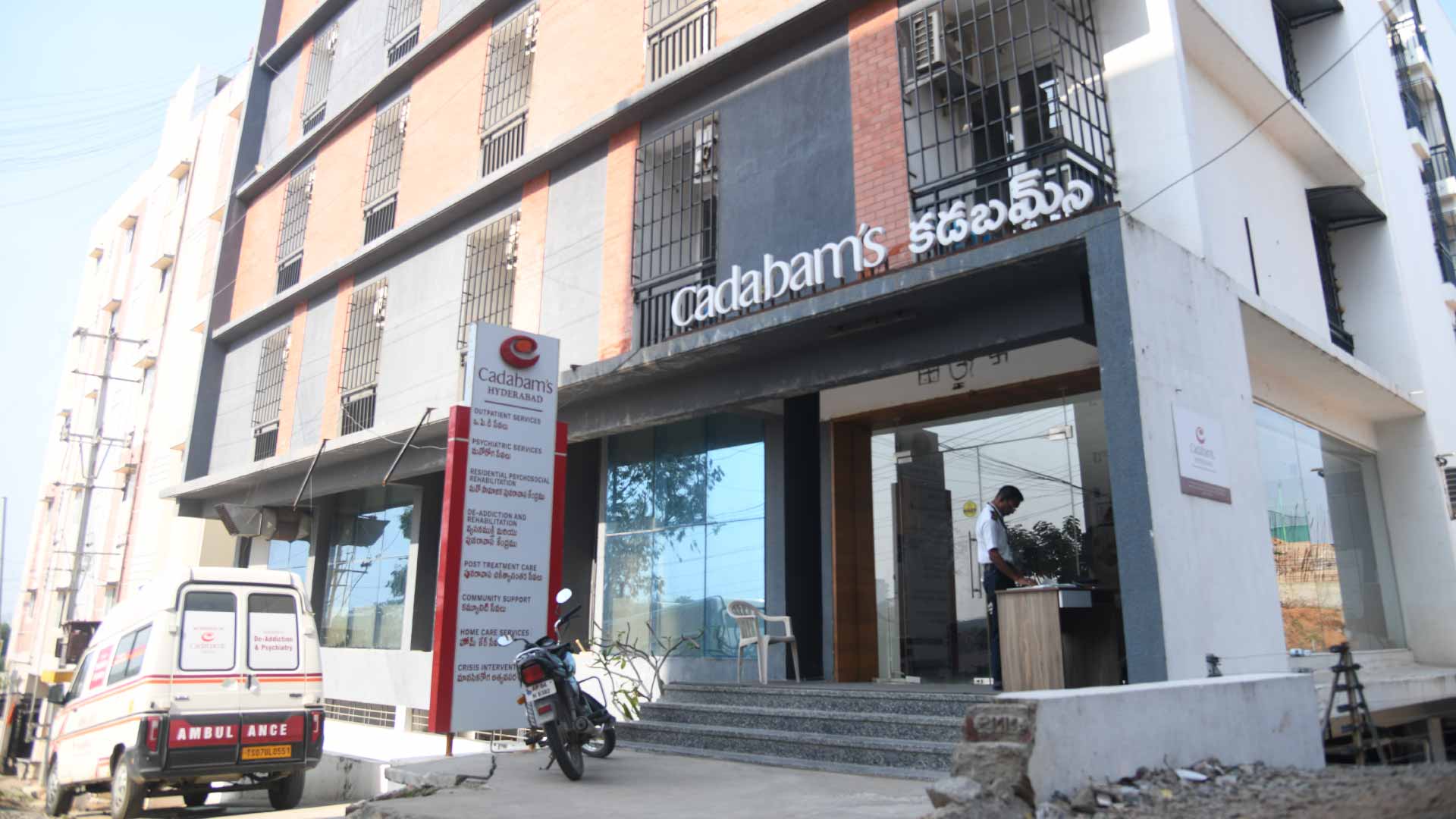
Cadabam’s Hospital in Hyderabad offers specialised tDCS treatment for chronic pain in Hyderabad, combining advanced technology with expert care. Our evidence-based approach ensures everyone has safe, effective, and personalised pain management solutions.
With our dedicated team, state-of-the-art facilities, and holistic treatment strategies, we provide our planned comprehensive care for long-term chronic pain relief and improved well-being.
Expert Team Specialised in tDCS for Chronic Pain
Cadabam’s Hyderabad has experienced professionals qualified in tDCS for managing chronic pain. Our team includes neurologists, pain management specialists, and trained technologists who customise treatment based on individual needs. Having years of experience in neuromodulation treatments, we offer precise, efficient, and safe pain relief to every individual.
State-of-the-Art Facilities and Supportive Environment for Chronic Pain
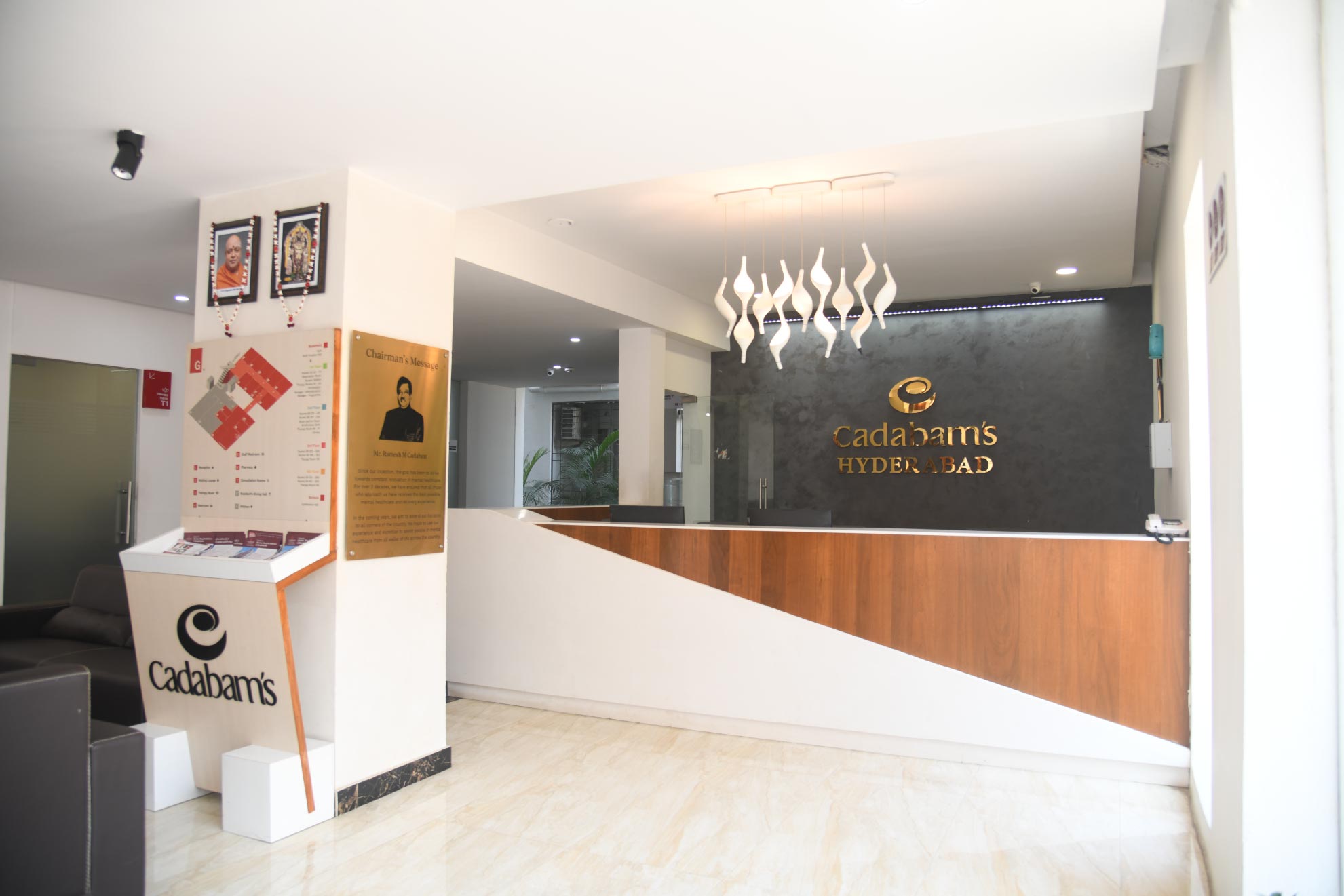
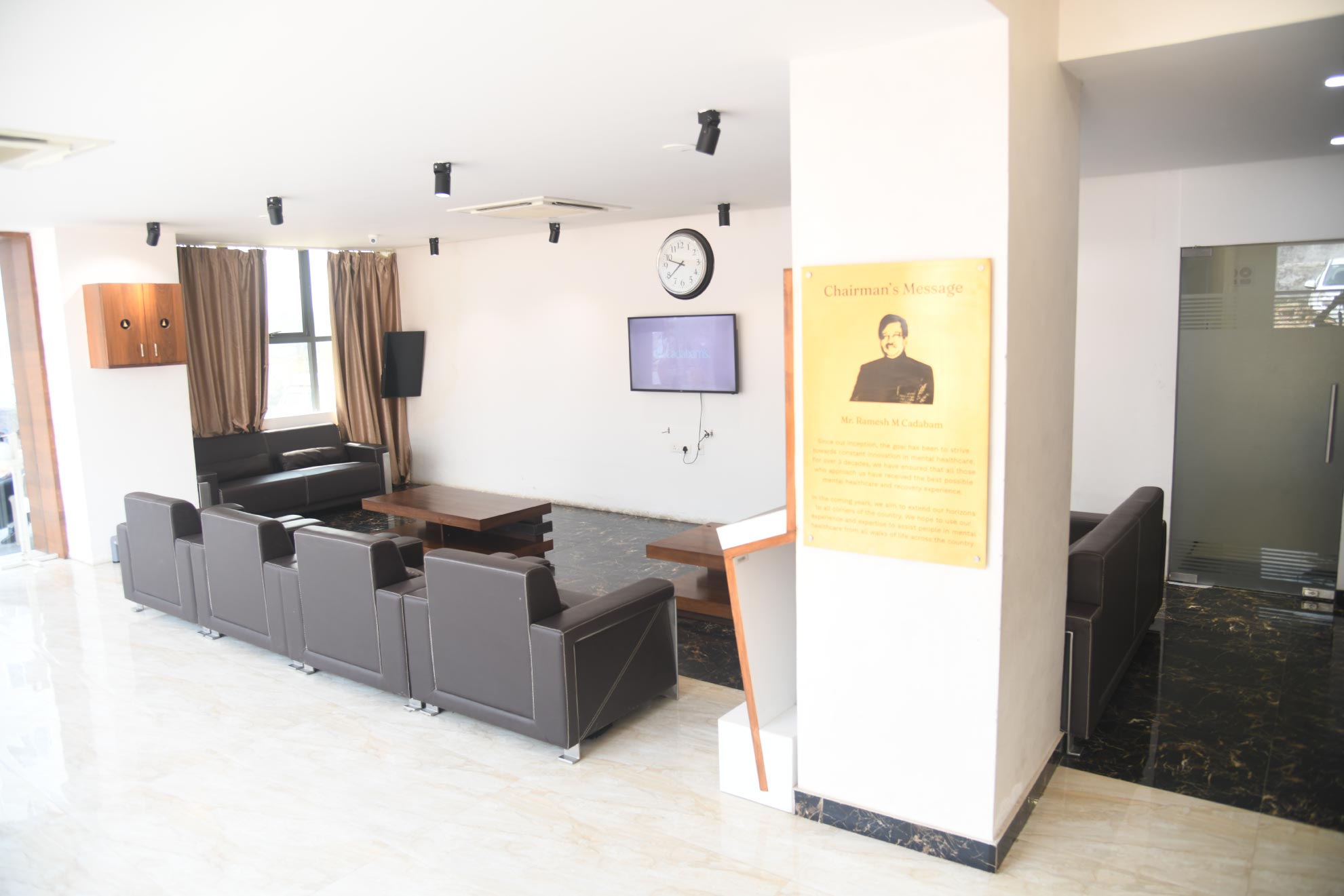
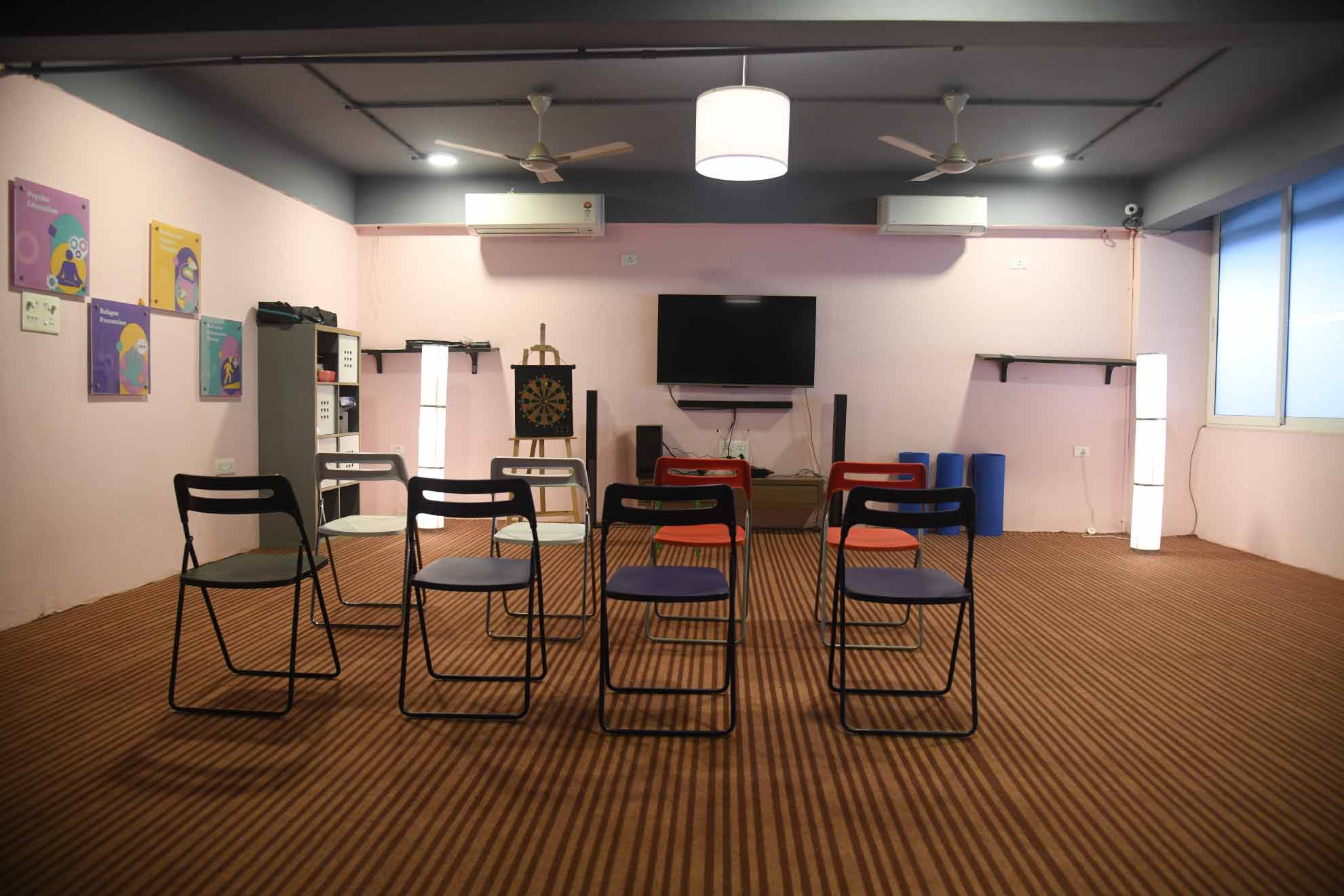
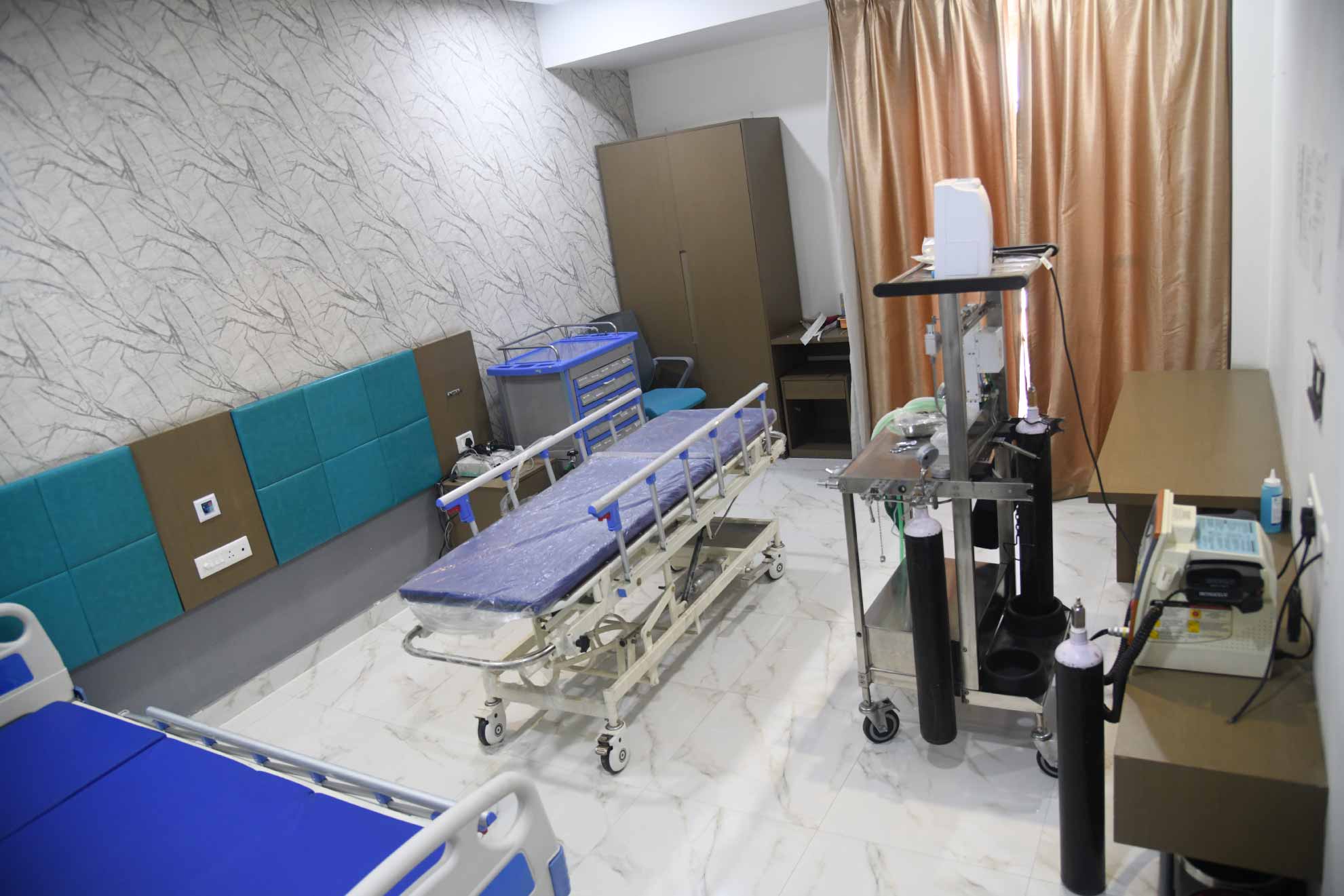
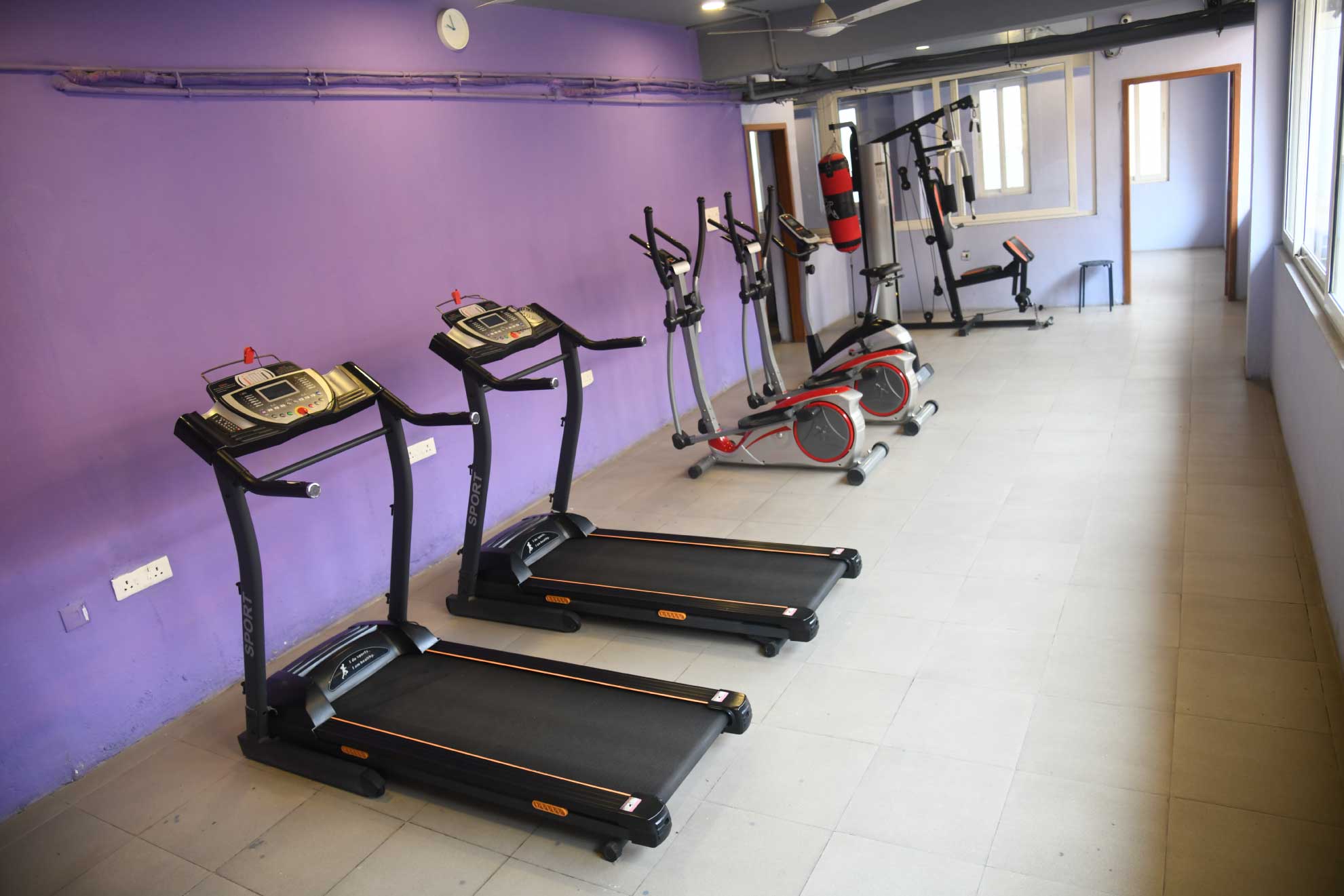
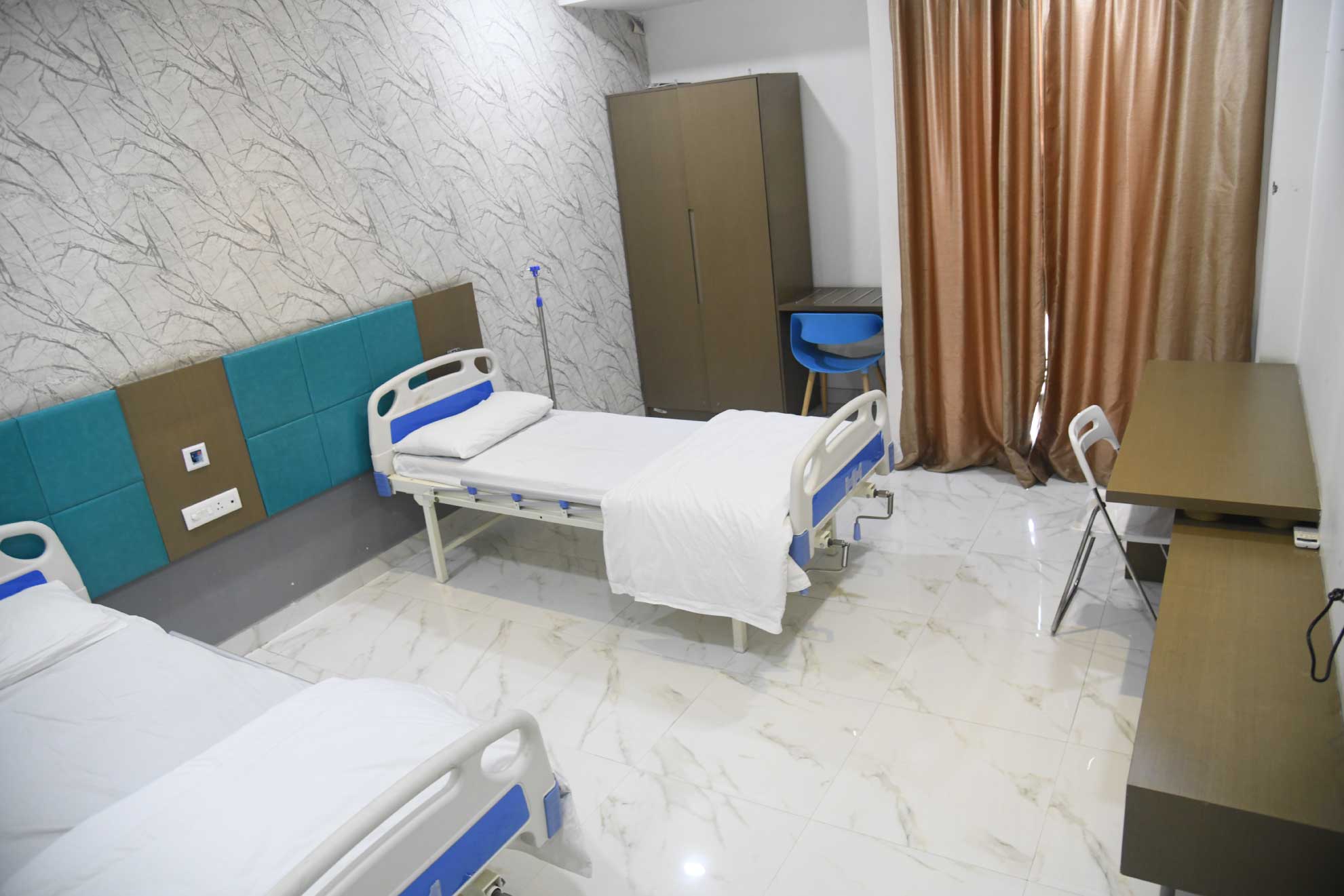
At Cadabam in Hyderabad, we offer modern, well-equipped facilities, especially designed for personalised comfort and effective treatment. The advanced tDCS technology ensures precise stimulation for pain relief.
The supportive environment, including compassionate staff and rehabilitation specialists, enhances the healing experience, making Cadabam’s a top choice for chronic pain treatment in Hyderabad.
Incorporating Holistic Approaches in tDCS Treatment for Chronic Pain
At Cadabam’s Hyderabad, holistic techniques are approached, such as physiotherapy, mindfulness, and lifestyle guidance alongside tDCS to enhance pain management.
We make sure the intent of providing long-term relief and enhanced quality of life to people suffering from chronic pain. Their comprehensive treatment protocol makes sure individuals with chronic pain receive both neurological stimulation and complementary therapy for improved outcomes and recovery.
Assessment and Personalised Treatment Planning for Chronic Pain
Every individual at Cadabam’s Hyderabad undergoes a detailed assessment to design a personalised tDCS treatment plan. Some of the Factors like pain intensity, medical history, and daily life are considered to optimise stimulation settings.
Through this personalised approach, we ensure that each individual receives the most effective and concentrated treatment for their chronic pain problem.
Ongoing Support and Monitoring for Chronic Pain
Cadabam’s Hyderabad provides continuous support and monitoring throughout the tDCS treatment journey. We organise regular follow-ups, progress assessments, and treatment adjustments and thereby giving maximum effectiveness. Our dedicated care team ensures individuals receive long-term relief.
Top Chronic Pain Doctors at Cadabam’s Hospitals
Psychiatrist in Bangalore | Psychiatrist in Hyderabad | Psychologist in Bangalore | Psychologist in Hyderabad | Therapist in Bangalore | Therapist in Hyderabad | Counselor in Bangalore | Counselor in Hyderabad
Rehabilitation Centres For Chronic Pain at Cadabam’s Hospital
Rehab in Bangalore | Rehab in Hyderabad
Best Chronic Pain Treatments Offered at Cadabams
Rehab in Hyderabad | RTMS Hyderabad | physioTherapy Bangalore | RTMS Bangalore | physioTherapy Hyderabad | online Therapy Bangalore | Group Therapy Bangalore | Family Therapy Bangalore | Biofeedback Hyderabad | Biofeedback Bangalore | REBT Hyderabad | Neurofeedback Hyderabad | CBT Bangalore | PsychoTherapy Hyderabad | Neurofeedback Bangalore | Emergency Bangalore | Group Therapy Hyderabad | CBT Hyderabad | Emergency Hyderabad | Direct Cranial Stimulation Bangalore | Direct Cranial Stimulation Hyderabad
More Additional Resources About Chronic Pain
The Connection Between Chronic Pain and Depression: What You Need to Know | How OCD and Chronic Pain Are Linked: Causes, Symptoms, and Solutions | Addressing Anxiety and Chronic Pain: Comprehensive Care Strategies
FAQ
What is tDCS and how does it help treat Chronic Pain?
Transcranial Direct Current Stimulation is a non-invasive brain stimulation technique that modulates brain activity using a low electrical current. For chronic pain, tDCS targets pain-processing regions, helping to reduce discomfort, improve nerve function, and enhance overall well-being. It offers a drug-free alternative for long-term pain management.
How many tDCS sessions are typically needed for Chronic Pain?
The number of tDCS sessions varies based on individual pain severity and response to treatment. Typically, individuals undergo 10–20 sessions spread over several weeks. Regular follow-ups help assess progress and determine if additional sessions are required. Many experiences significant pain relief after completing a structured treatment plan.
How long does it take to see results from tDCS treatment for Chronic Pain?
Some individuals notice improvements within a few sessions, while others may take weeks to experience significant relief. The effectiveness depends on factors like pain intensity, treatment frequency, and individual response. Consistent sessions combined with other supportive therapies can enhance long-term benefits and provide sustained pain reduction.
What kind of support does Cadabam’s offer to individuals undergoing tDCS for Chronic Pain?
Cadabam’s Hyderabad provides extensive support, such as specialist care, customised treatment plans and regular monitoring. Individuals are advised on lifestyle modifications, pain management skills and counselling. The multidisciplinary team delivers holistic treatment and assists individuals in achieving long-lasting relief from their pain and enhancing the quality of their life.
Is tDCS expensive?
tDCS is usually cheaper than invasive procedures or chronic medication. Prices differ based on the number of sessions and practitioner experience. Cadabam’s provides affordable, high-quality tDCS treatment in Hyderabad, making the best level of chronic pain management accessible.
 Available