What Is Cognitive Behavioral Therapy (CBT)?
Here, we’ll define CBT in simple terms, explaining its core concept of connecting thoughts, feelings, and behaviors to manage psychological distress.
The Principles of CBT
CBT is a goal-oriented psychotherapy that focuses on the interconnectedness of our thoughts (cognitions), emotions, and actions (behaviors). Its core principles include:
- Focus on the Present: It addresses current problems and distressing situations.
- Collaborative: The therapist and patient work together to understand problems and develop solutions.
- Structured and Action-Oriented: Sessions are structured, and patients learn practical skills and strategies to use in their daily lives.
How CBT Differs From Other Therapies
Unlike therapies that delve deep into a person’s past to find the root of issues, CBT is practical and centered on providing tools to manage present-day challenges. It is typically shorter-term and focuses on teaching specific, replicable coping mechanisms.
Get Alzheimer’s Diagnosed in Mysore
An accurate and early diagnosis is the first step toward effective management. If you notice signs of cognitive decline in yourself or a loved one, it is crucial to seek professional help. At Cadabam’s Spark Hospitals, our team of experts in Mysore uses comprehensive evaluation methods—including cognitive assessments, neurological exams, and a review of medical history—to provide a precise diagnosis and create a personalized path forward.
The Role of CBT in Treating Alzheimer’s
This crucial section will explain how CBT is specifically applied to Alzheimer’s, focusing on managing secondary symptoms rather than curing the disease itself.
Is CBT Effective for Alzheimer’s Management?
Yes. While CBT cannot reverse the neurodegenerative process of Alzheimer’s, the CBT Alzheimer’s effectiveness is well-documented in managing its most distressing behavioral and psychological symptoms. It is highly effective in reducing depression, anxiety, agitation, and apathy, which significantly enhances the quality of life for both the patient and their caregivers.
Combining CBT With Other Treatments for Alzheimer’s
For the best outcomes, CBT is integrated into a comprehensive care plan. At Cadabam’s Spark Hospitals, our approach often combines CBT with appropriate medication, caregiver education and support, and other therapeutic activities. This multi-faceted strategy addresses the person as a whole, not just the disease.
Engaging Family and Support Systems in the CBT Treatment Process
Caregivers are essential partners in the treatment process. Our CBT care plans actively involve family members, equipping them with strategies to communicate more effectively, manage challenging behaviors, and reduce their own stress. This collaborative approach creates a more supportive and understanding home environment.
Tailoring CBT to Individual Needs
Every individual’s experience with Alzheimer’s is unique. Our therapists create a personalized approach, almost like a specific CBT manual for Alzheimer’s, adapting techniques to the patient’s cognitive abilities, specific challenges, and family situation. Simplified, repetitive strategies are used to ensure they are practical and achievable.
Support Systems and Environment at Cadabam’s Spark Hospitals
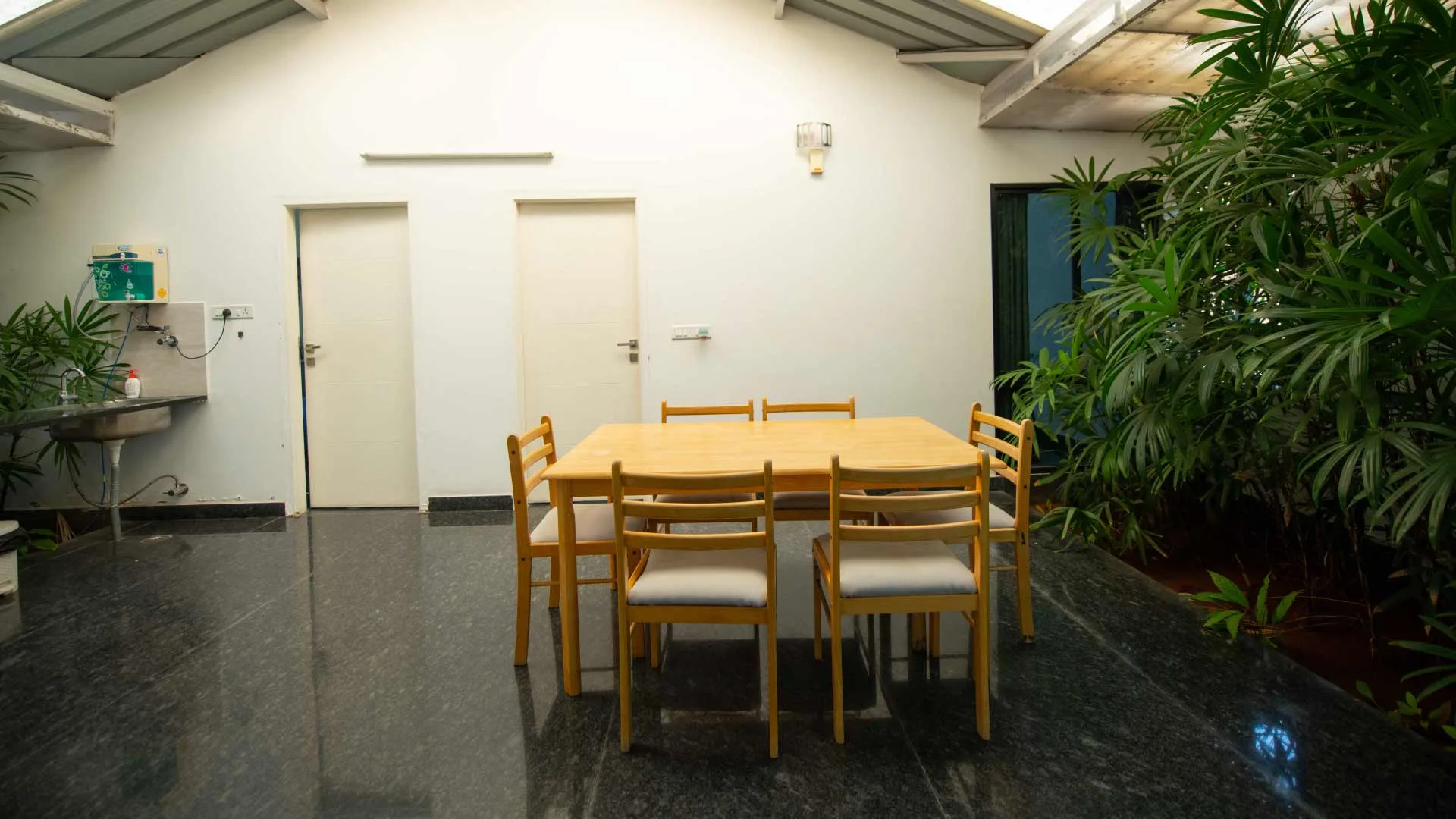
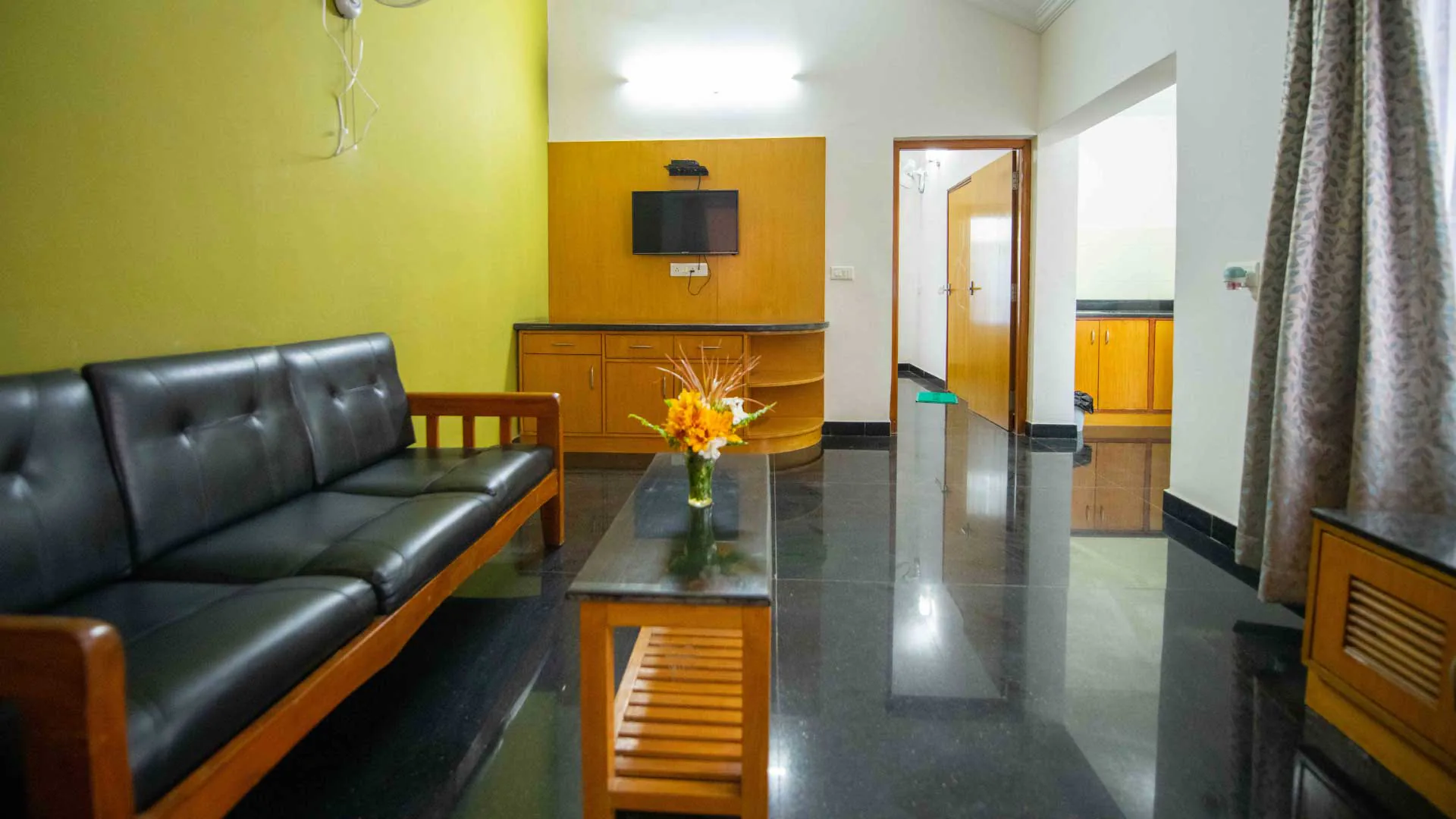
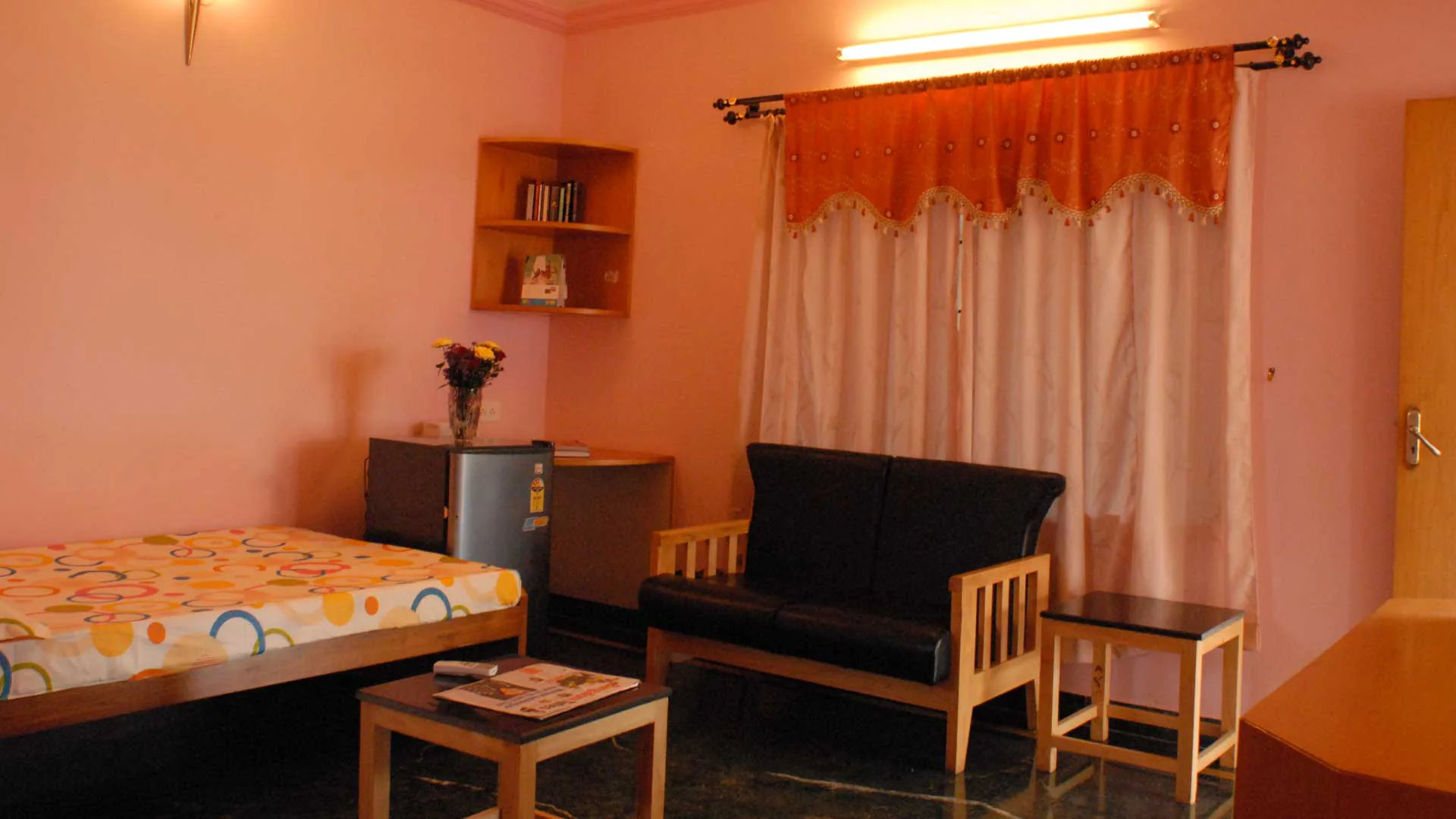
The environment plays a key role in dementia care. Cadabam’s Spark Hospitals provides a safe, calming, and structured setting where individuals with Alzheimer’s feel secure and respected. Our support systems extend to the entire family, offering guidance and resources throughout the care journey.
What to Expect in a CBT Session for Alzheimer’s
Demystify the therapy process by outlining what a typical session involves, making it less intimidating for potential patients and their families.
In a CBT session for Alzheimer’s, the focus is on simplicity and tangible goals. A therapist at Cadabam’s Spark Hospitals might work with the patient and caregiver to:
- Identify a specific challenging behavior, like evening agitation.
- Explore the thoughts and feelings that may trigger it.
- Develop a simple, calming routine to implement before that time of day.
- Practice relaxation techniques like deep breathing.
- Set a small, achievable goal for the week, such as engaging in a pleasant activity for 15 minutes each day.
Why Choose CBT for Alzheimer’s Treatment?
This section will summarize the compelling reasons for choosing CBT, focusing on its practical benefits and positive outcomes for patients and caregivers.
Benefits of CBT Therapy on Alzheimer’s Patients
Choosing CBT for Alzheimer’s provides numerous benefits, including:
- Reduced symptoms of depression, anxiety, and apathy.
- Better management of agitation and aggression.
- Improved sleep patterns.
- Empowerment for caregivers with effective coping tools.
- Enhanced overall quality of life and daily functioning.
Real-Life Impact of CBT on Alzheimer’s Patients
Imagine a family struggling with a loved one’s constant anxiety and withdrawal. Through CBT, they learn to identify triggers and introduce calming activities into the daily routine. The patient begins to participate more in family life, and the caregiver feels more confident and less stressed. This is the real-world impact of CBT—restoring moments of connection and peace.
Long-Term Success With CBT
Long-term success with CBT is measured by a sustained improvement in emotional well-being and a reduction in challenging behaviors. The skills learned by caregivers are durable, providing them with a toolkit they can adapt as the disease progresses, ensuring continued support and a higher quality of life for their loved ones.
When Should You Ask for Help?
It is time to seek professional help when:
- Behavioral symptoms like agitation, depression, or apathy become distressing for the individual or difficult for caregivers to manage.
- The stress of caregiving feels overwhelming.
- You have recently received a diagnosis and want to proactively establish strategies for managing the journey ahead.
Find the Best Rehab Center for Alzheimer’s in Mysore
Finding a trusted and experienced center for Alzheimer’s care is paramount. For families in Mysore seeking the highest standard of psychiatric and psychological support, Cadabam’s Hospitals stands out. We offer a blend of medical expertise, therapeutic innovation, and compassionate care designed specifically for individuals with dementia.
Why Choose Cadabam’s Hospitals?
This is the main “sales” section, detailing the unique selling propositions of Cadabam’s Hospitals for Alzheimer’s treatment.
Expert Team of Psychiatrists and Therapists for Alzheimer’s
Our multidisciplinary team includes psychiatrists, psychologists, and therapists who specialize in geriatric mental health and dementia care. Their deep expertise ensures that every patient receives a care plan rooted in the latest scientific evidence and best practices.
State-of-the-Art Hospitals in Cadabam’s Hospitals for Alzheimer’s
Our hospitals are designed to be safe, comfortable, and therapeutic. We provide a structured environment that minimizes confusion and anxiety while promoting dignity and independence wherever possible.
Integrating Holistic Therapies for Alzheimer’s
We believe in a holistic approach. Alongside CBT, we integrate therapies like art, music, and gentle physical activity to stimulate cognition, enhance mood, and provide opportunities for joyful expression.
Continued Care and Follow-Up Care Plans for Alzheimer’s
Our commitment to you doesn’t end after the initial treatment phase. We offer robust follow-up care plans and ongoing support for caregivers to ensure long-term stability and well-being, adapting our care as your needs evolve.
For a consultation or to learn more about our specialized care plans for Alzheimer’s, contact Cadabam’s Hospitals, Mysore.
Phone: +9190710 35960 Email: info@cadabamshospitals.com
Top Alzheimer’s Doctors at Cadabam’s Hospitals
Alzheimer’s Rehabilitation
Best Alzheimer’s Treatments Offered at Cadabam’s Hospitals
More Additional Resources