Alzheimer’s and the Power of Collective Support
Facing Alzheimer’s alone is an immense struggle. Collective support transforms this isolating experience into a shared journey. Connecting with others who truly understand the day-to-day realities of the condition fosters a sense of belonging and validates one’s feelings, proving that you are not alone in this fight.
The Essentials of Group Therapy in Alzheimer’s Treatment
Group therapy is a cornerstone of comprehensive dementia care, offering a structured space for mutual support and guided therapeutic work.
This form of Alzheimer’s group therapy focuses on shared experiences to build resilience and develop practical coping mechanisms. Led by a trained mental health professional, these sessions help members navigate their challenges in a collaborative and empathetic setting.
Understanding the Structure of Group Therapy Sessions
Sessions are typically structured to encourage open yet guided conversation. They may begin with a check-in, followed by a discussion centered on a specific theme—such as managing memory lapses or coping with emotional changes—and conclude with a summary of shared insights and strategies.
The Role of Facilitators in Group Therapy for Alzheimer’s
Our expert facilitators do more than just moderate; they create a safe and therapeutic space. They guide discussions, introduce coping techniques, manage group dynamics, and ensure every participant feels heard and respected, steering the group toward positive and productive outcomes.
The Benefits of Participating in Group Therapy
Engaging in a group setting offers numerous advantages that contribute significantly to an individual’s quality of life and overall well-being.
Group therapy instantly creates a network of peers who understand. This community becomes a vital source of encouragement, empathy, and friendship, breaking down the walls of isolation that Alzheimer’s often builds.
Learning From Others’ Experiences
Hearing how others handle similar challenges provides practical advice and fresh perspectives. Members often share tips on memory aids, communication techniques, and daily routines that have worked for them, creating a rich pool of collective wisdom.
Developing Better Social Skills
The structured nature of group therapy offers a safe environment to practice and maintain social skills. Engaging in conversation, listening to others, and expressing oneself can help rebuild confidence in social interactions.
Reducing Feelings of Isolation
Simply being in a room with others who “get it” is incredibly powerful. It normalizes the experience and drastically reduces the loneliness and alienation that frequently accompany a diagnosis of Alzheimer’s.
Gaining New Coping Strategies
Facilitators introduce evidence-based strategies for managing stress, anxiety, and frustration. Through group discussion and practice, members learn and adopt new, healthy ways to cope with the emotional and cognitive symptoms of the disease.
Enhancing Self-Esteem and Confidence
By contributing to discussions and helping others, members regain a sense of purpose and value. This shared support boosts self-esteem and empowers individuals to take a more active role in managing their health and well-being.
Key Techniques and Modalities Used in Group Therapy for Alzheimer’s
Our group therapy care plans incorporate various therapeutic techniques tailored to the unique needs of individuals with Alzheimer’s.
Cognitive Behavioral Techniques in a Group Setting
Cognitive Behavioral Therapy (CBT) helps members identify and reframe negative thought patterns related to their diagnosis. In a group, members can work together to challenge feelings of hopelessness and develop more positive outlooks.
Social Skills Training Through Group Interaction
Through role-playing and guided conversations, members can practice communication and social engagement. This training helps maintain social connections and reduces the anxiety associated with interacting with others.
Psychoeducation for Alzheimer’s in Group Therapy
These sessions provide valuable information about Alzheimer’s disease, its progression, and treatment options. Understanding the condition empowers members and their families to make informed decisions and manage expectations.
Stress Management and Coping Strategies
Techniques such as mindfulness, deep breathing exercises, and relaxation methods are taught to help manage the stress and anxiety that often accompany Alzheimer’s. The group setting provides a space to practice these skills together.
Enhancing Communication Skills Within the Group
Facilitators guide members in developing clearer and more effective communication strategies. This helps in expressing needs and emotions to family, caregivers, and fellow group members, reducing frustration and misunderstandings.
Get Alzheimer’s Diagnosed in Mysore
An accurate and early diagnosis is crucial for effective management. If you or a loved one are experiencing symptoms, seeking a professional evaluation is the most important first step. Cadabam’s Spark Hospitals in Mysore offers comprehensive diagnostic services to provide clarity and guide you toward the right care plan.
What to Expect From Group Therapy Sessions
Joining a new group can feel daunting, but our sessions are designed to be welcoming and inclusive. You can expect a confidential, non-judgmental environment where you can share as much or as little as you feel comfortable with. The primary goal is support, not pressure.
Find the Right Group Therapy Program in Mysore
Finding a group led by qualified professionals is key to a positive experience. Look for care plans that are specifically designed for individuals with cognitive challenges and are facilitated by experienced mental health practitioners. At Cadabam’s Hospitals, our groups are curated to ensure they meet these high standards.
Why Choose Cadabam’s Hospitals for Group Therapy in Alzheimer’s Care
Our commitment to excellence makes Cadabam’s Spark Hospitals the premier choice for mental health and dementia care in Mysore.
Expertise in Facilitating Therapeutic Groups
Our facilitators are highly trained clinicians with deep experience in dementia care and group dynamics. They bring a wealth of knowledge and compassion to every session of group therapy for Alzheimer’s.
A Welcoming and Safe Environment for All Participants
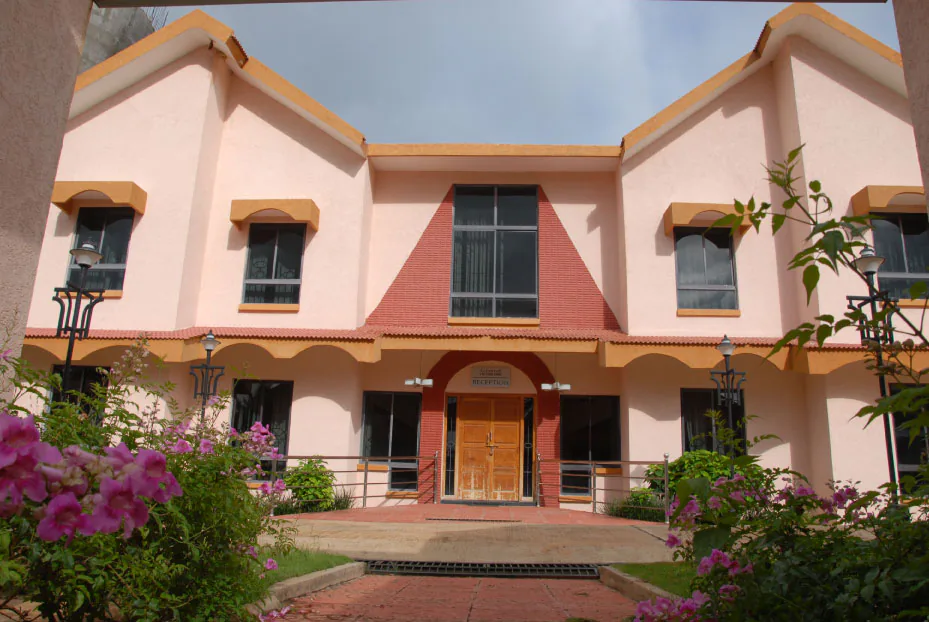
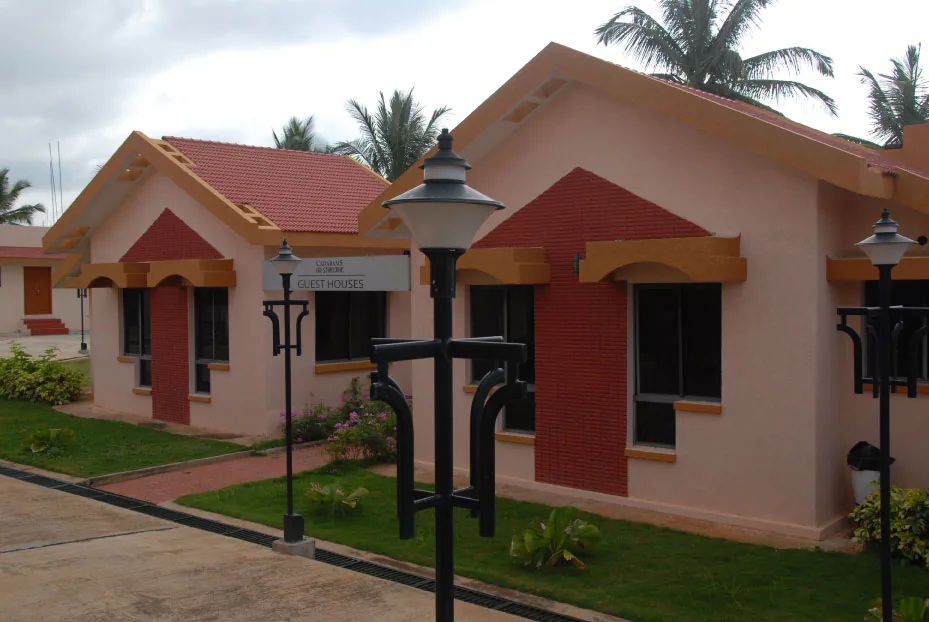
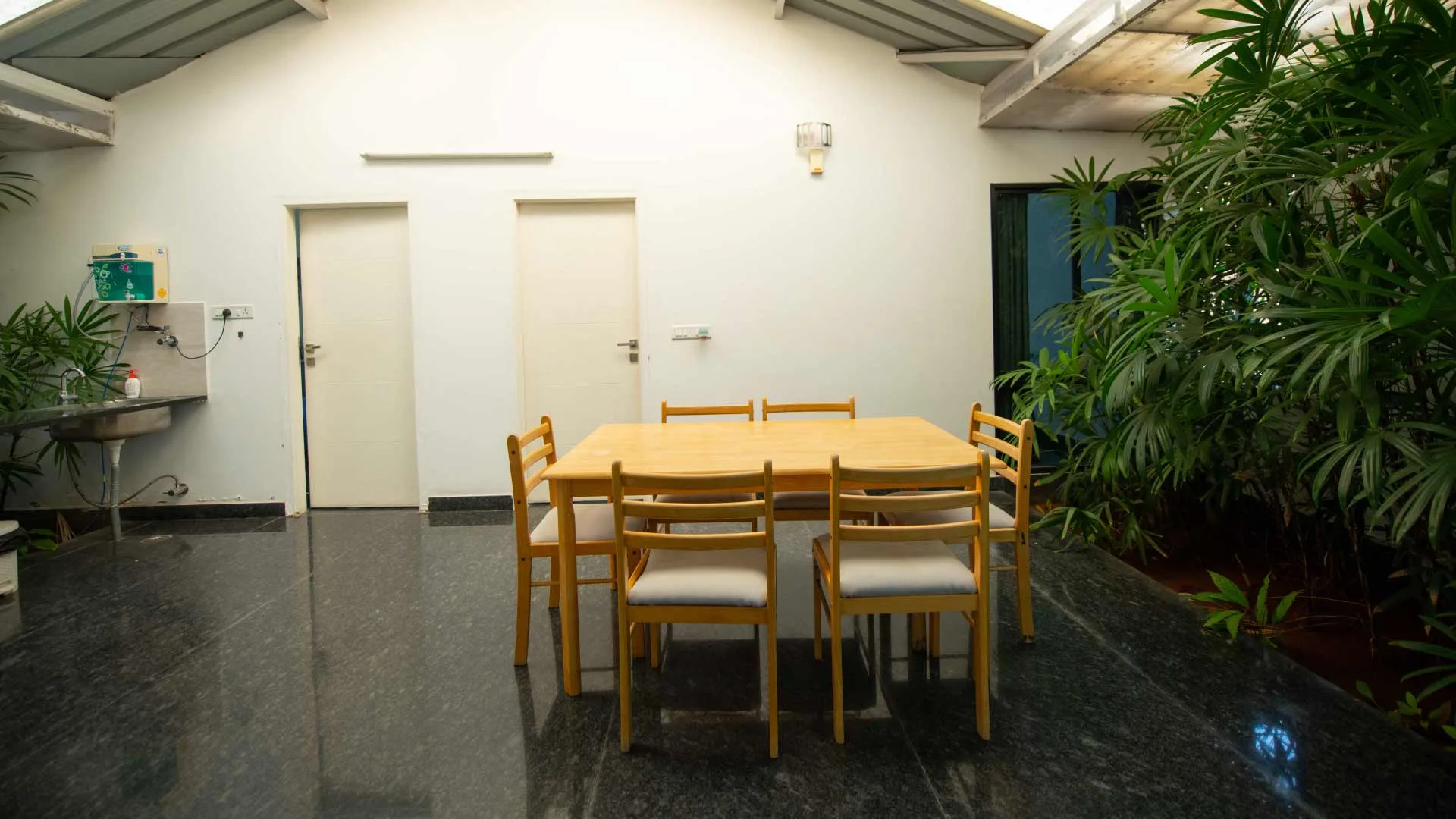
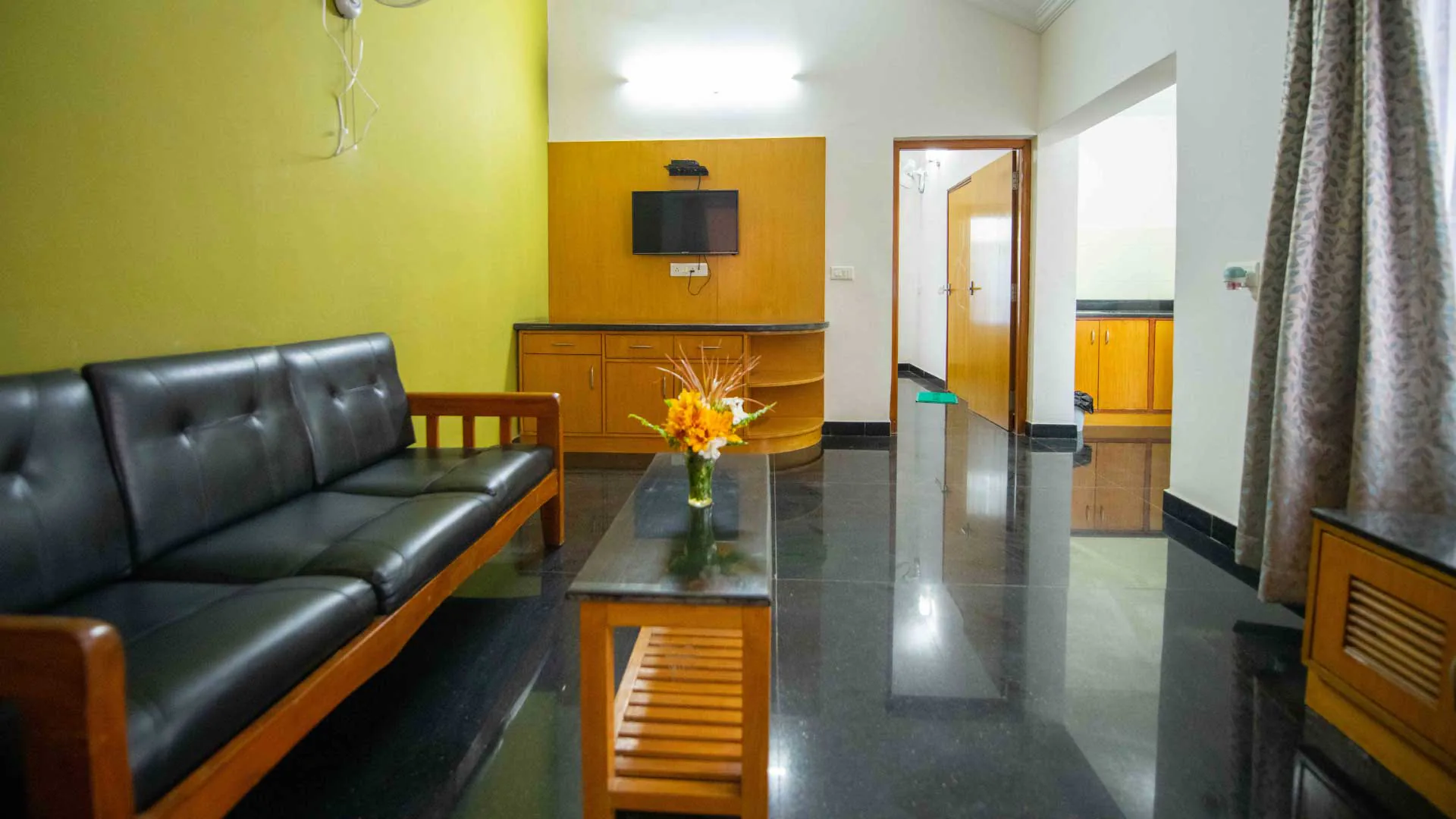
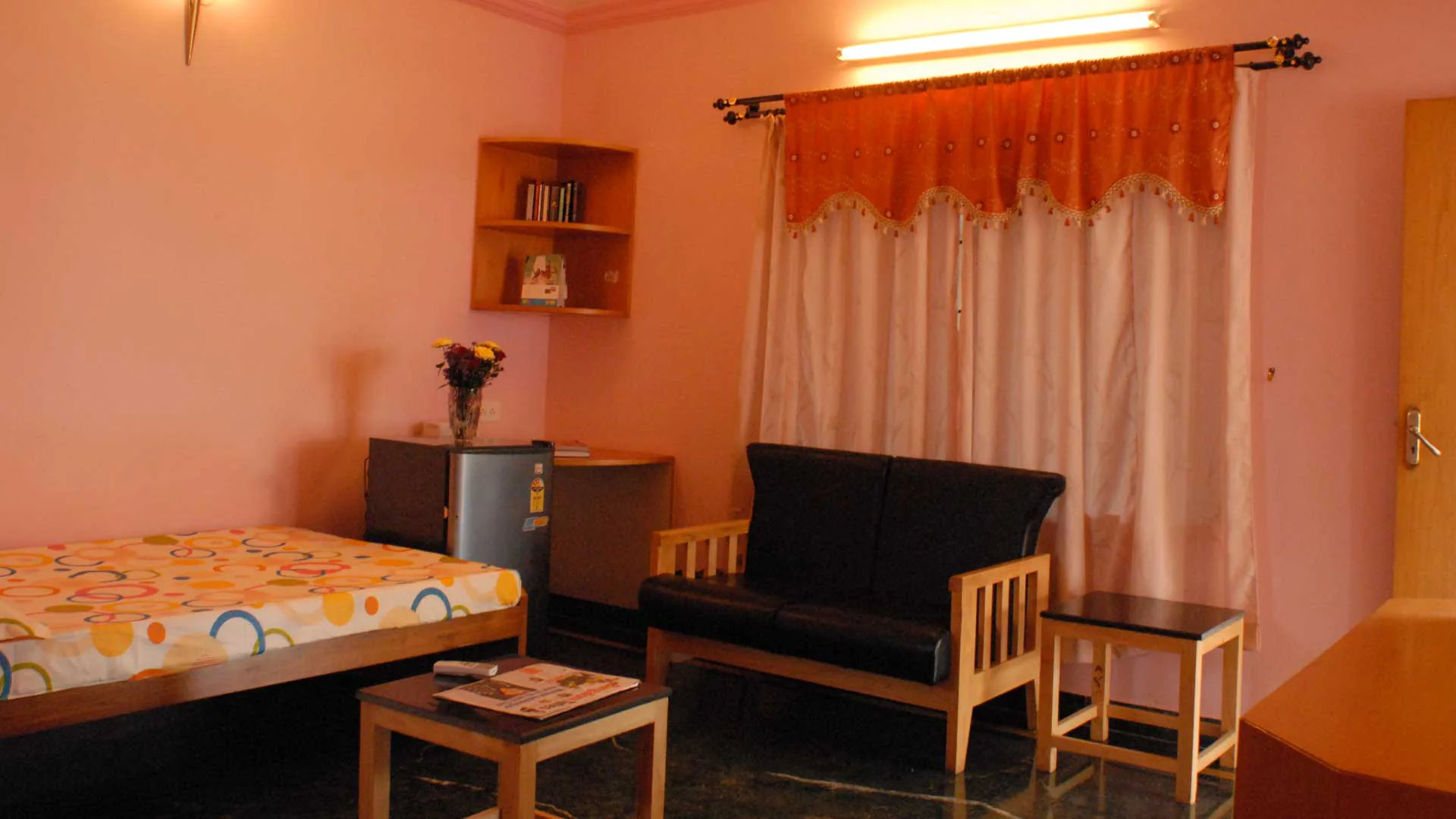
Cadabam’s Spark Hospitals prioritizes creating a physically and emotionally safe space. Confidentiality is paramount, and our environment is designed to be calming and accessible for all participants.
Tailored Group Sessions to Meet Diverse Needs
We recognize that every individual’s journey with Alzheimer’s is different. Our group sessions are tailored to the specific stage and needs of the participants, ensuring the content is always relevant and beneficial.
Commitment to Ongoing Support and Community Building
Our support extends beyond the therapy room. We are dedicated to fostering a lasting sense of community among our members, providing a network of support that endures throughout their journey.
You don’t have to navigate Alzheimer’s alone. Discover the power of community and expert guidance with our group therapy care plans.
Contact Cadabam’s Spark Hospitals, Mysore today to learn more.
Call Us: 090710 35960
Email: info@cadabamshospitals.com
Top Alzheimer’s Doctors at Cadabam’s Hospitals
Alzheimer’s Rehabilitation
Best Alzheimer’s Treatments Offered at Cadabam’s Hospitals
More Additional Resources