What Is Neurofeedback Therapy?
Neurofeedback is a non-invasive therapeutic technique that uses real-time displays of brain activity to help individuals learn to self-regulate their brain function. By providing immediate feedback, it trains the brain to produce healthier brainwave patterns, which can alleviate symptoms of various neurological and mental health conditions.
The Science Behind Neurofeedback
The therapy is based on a principle called operant conditioning. Sensors placed on the scalp measure brainwave activity (EEG), which is then processed by a computer. This information is presented back to the patient through visual or auditory cues. When the brain produces desired, more stable brainwave patterns, the patient receives a positive reward, reinforcing that healthy activity.
Neurofeedback vs. Traditional Therapies
While traditional therapies like cognitive-behavioral therapy (CBT) and medication are effective, neurofeedback offers a different approach. Instead of focusing on thoughts and behaviors or altering brain chemistry with drugs, it targets the underlying brainwave dysregulation that can contribute to addictive impulses and emotional instability. It empowers the individual to actively change their brain function.
Safety and Efficacy of Neurofeedback
Neurofeedback is widely considered a safe procedure. It is non-invasive, does not involve any medication or radiation, and has minimal side effects, which are typically mild and temporary (like fatigue). Its efficacy is supported by a growing body of research showing positive outcomes for conditions including addiction, ADHD, and anxiety.
Get Drug Addiction Diagnosed in Mysore
If you or a loved one is struggling with the symptoms of drug addiction, seeking a professional diagnosis is a critical first step. At Cadabam’s Hospitals in Mysore, our team of expert psychiatrists and psychologists provides confidential and comprehensive assessments to create a precise and effective care plan.
Neurofeedback Therapy in Treating Drug Addiction
Neurofeedback is a promising intervention for addiction because it directly addresses the brain imbalances that drive cravings and compulsive behaviors. It helps restore the brain’s natural ability to regulate impulses, emotions, and stress.
Mechanism of Neurofeedback in Drug Addiction Treatment
The core mechanism of neurofeedback treatment for addiction involves training the brain to shift from dysfunctional patterns (like hyper-reactivity in reward centres) to more stable, controlled states. This helps reduce cravings, improve impulse control, and enhance the brain’s ability to manage stress without resorting to substances.
Customizing Neurofeedback for Individual Needs
Every individual’s brain is unique. At Cadabam’s Spark Hospitals, we conduct a detailed brain mapping assessment (QEEG) to identify specific areas of dysregulation. Based on this map, we create a customized neurofeedback protocol tailored to address the patient’s specific needs, ensuring a highly personalized and targeted treatment approach.
Integrating Neurofeedback With Other Treatments for Drug Addiction
For the best outcomes, neurofeedback is often integrated into a comprehensive treatment strategy. Combining it with individual therapy, group support, and other evidence-based practices creates a holistic plan that addresses the psychological, biological, and social aspects of addiction for a more robust recovery.
What to Expect in a Neurofeedback Therapy Session for Drug Addiction
A typical session is a calm and relaxing experience. You will be seated comfortably while a therapist attaches small sensors to your scalp. These sensors simply read your brainwave activity. You will then watch a screen or listen to sounds, and your brain will learn to control the feedback, effectively retraining itself to function in a healthier pattern. Sessions usually last between 30 to 45 minutes.
Why Choose Neurofeedback Therapy for Drug Addiction Treatment?
Choosing neurofeedback means opting for a treatment that empowers you to heal from within. It is a non-invasive, drug-free method that addresses the root cause of addictive behaviour—brain dysregulation. It trains your brain for long-term stability, reducing the risk of relapse and equipping you with better self-regulation skills for life.
The Benefits of Neurofeedback Therapy for Drug Addiction Patients
The advantages of incorporating this groundbreaking therapy into an addiction recovery plan are significant. Patients undergoing neurofeedback therapy often experience profound and lasting changes.
- Improving Cognitive Function and Symptom Management: It can enhance focus, reduce mental fog, and improve decision-making abilities, all of which are often compromised by substance abuse. This leads to better management of cravings and triggers.
- Enhancing Emotional Regulation: By stabilising brainwave patterns associated with anxiety, depression, and impulsivity, patients gain better control over their emotional responses, reducing the emotional turmoil that often fuels addiction.
- Long-term Outcomes of Neurofeedback Therapy: The goal of neurofeedback is lasting change. By teaching the brain to maintain healthier patterns, the benefits can endure long after the treatment sessions end, contributing to sustained sobriety and overall well-being.
Find the Best Rehab Center for Drug Addiction in Mysore
When seeking help for drug addiction, choosing the right centre is crucial. Cadabam’s Spark Hospitals in Mysore stands out as a leading provider of mental health and addiction care, offering advanced treatments like neurofeedback within a supportive and professional environment.
Why Choose Cadabam’s Hospitals?
At Cadabam’s Spark Hospitals, we are more than just a healthcare provider; we are your dedicated partners in recovery. Our commitment to excellence, innovation, and compassionate care makes us the premier choice for addiction treatment in Mysore. The integrated approach at Cadabam’s Spark Hospitals ensures that every aspect of your well-being is addressed.
Our Expertise in Neurofeedback and Mental Health for Drug Addiction
Our multidisciplinary team consists of seasoned psychiatrists, psychologists, and technicians with specialized training in neurofeedback and addiction medicine. We leverage decades of experience to deliver care that is both evidence-based and deeply compassionate.
State-of-the-Art Hospitals in Cadabam’s Hospitals for Drug Addiction
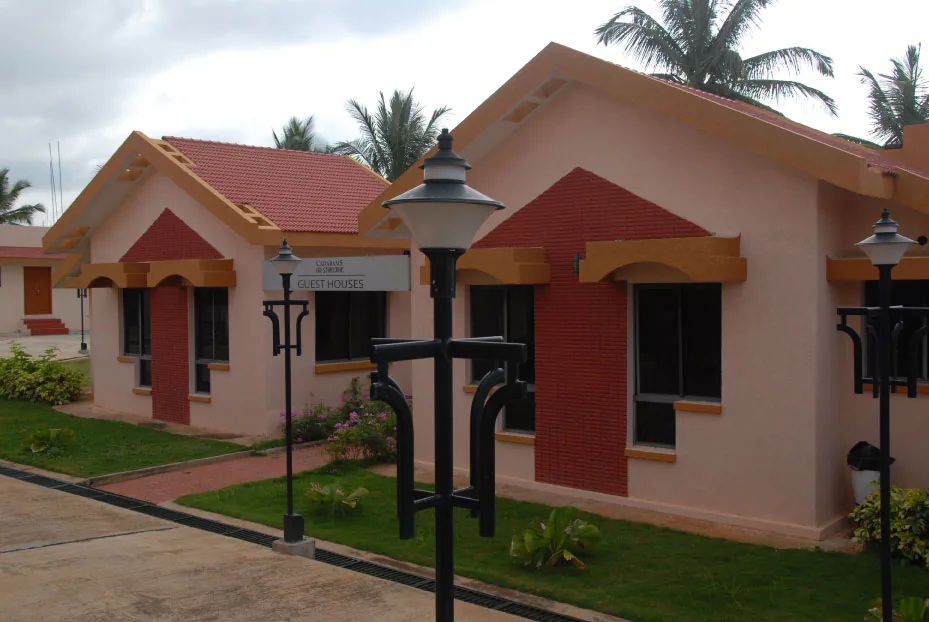
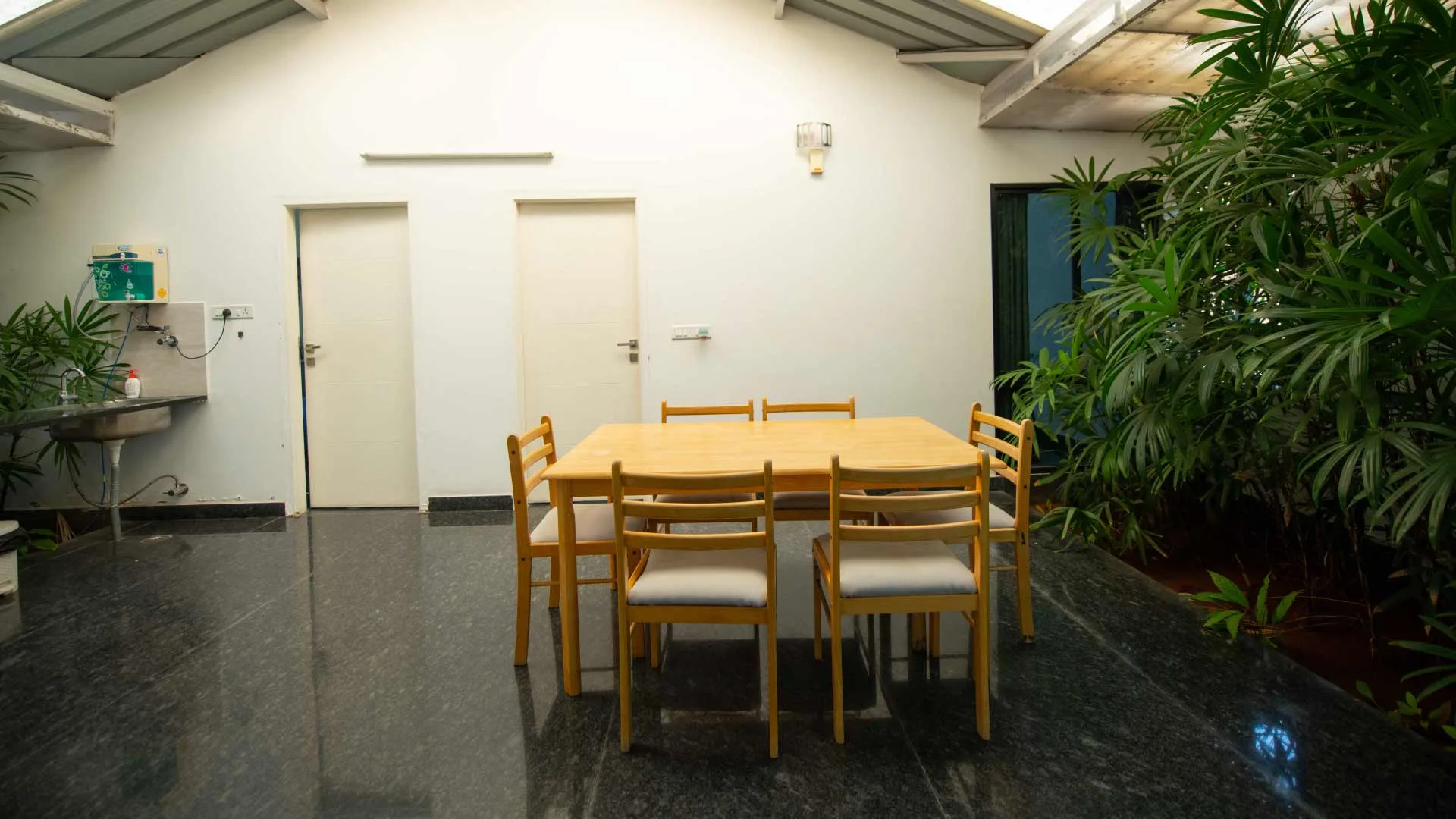
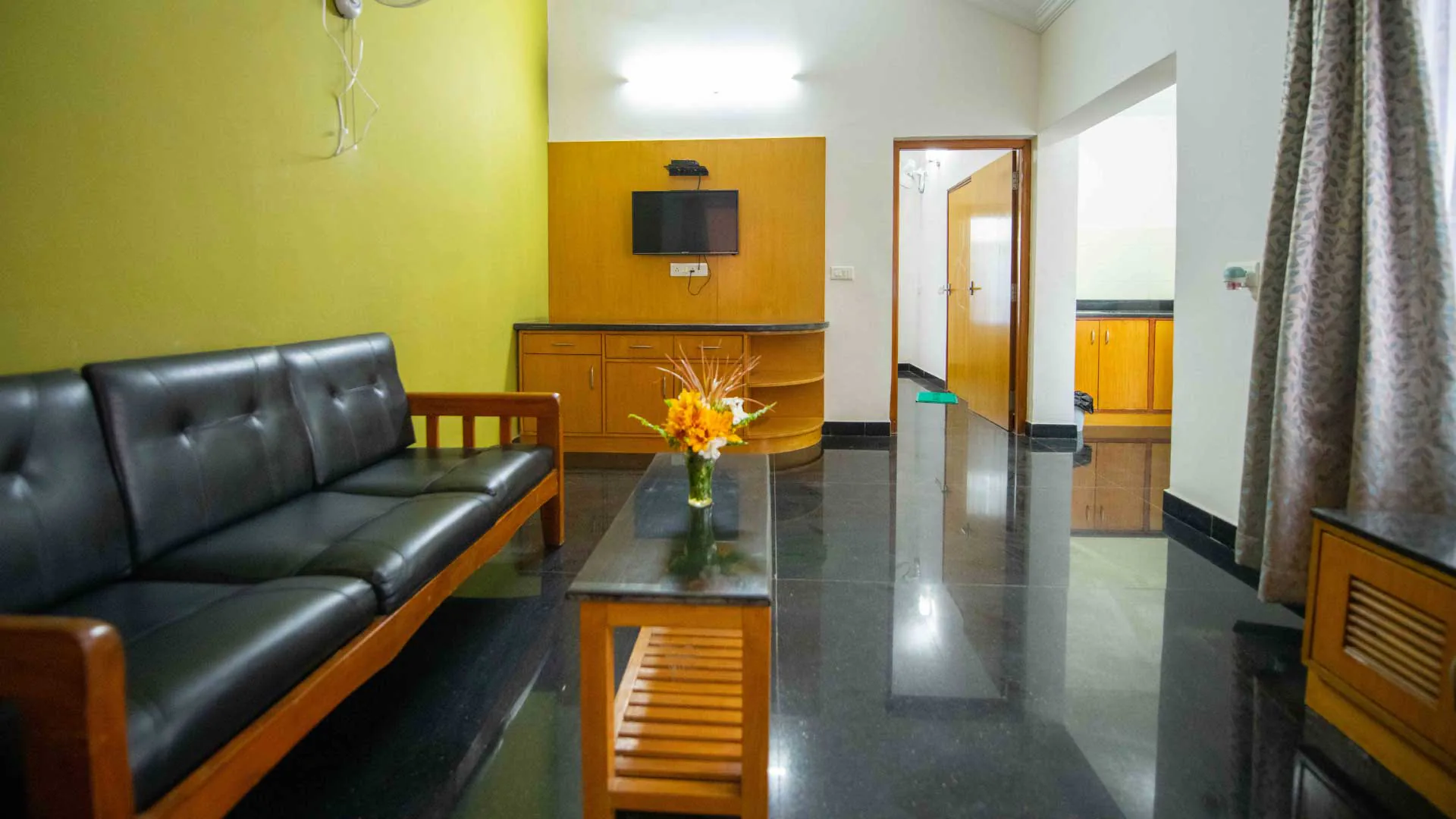
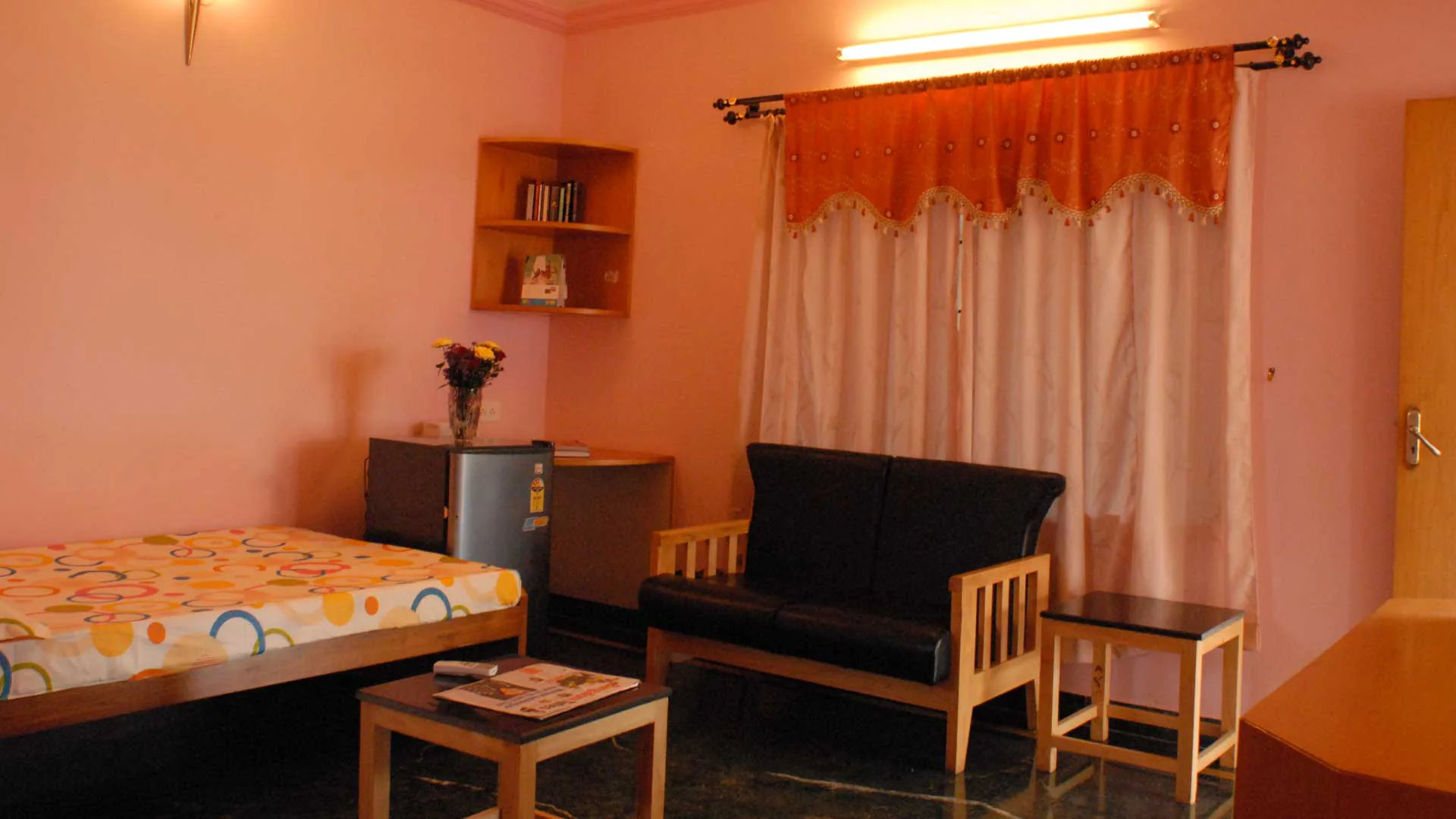
Our state-of-the-art Hospitals are designed to provide a safe, comfortable, and healing environment. Cadabam’s Spark Hospitals is equipped with the latest neurofeedback technology and modern amenities to ensure you receive the highest standard of care throughout your recovery journey.
Commitment to Holistic Treatment and Recovery for Drug Addiction
We believe in treating the person, not just the addiction. Our holistic approach integrates neurofeedback with psychotherapy, family counseling, wellness activities, and nutritional guidance to support your physical, mental, and emotional health.
Continued Care and Follow-Up Care Plans for Drug Addiction
Recovery is an ongoing process. We offer robust continued care and follow-up care plans designed to provide ongoing support, prevent relapse, and help you successfully navigate life after treatment, ensuring you maintain the progress you’ve made.
Take the First Step Towards a New Life
Don’t let addiction control your life any longer. A healthier, brighter future is within reach. Contact Cadabam’s Hospitals in Mysore today to learn more about our innovative neurofeedback treatment and start your journey to lasting recovery.
Call Us: 090710 35960
Email: info@cadabamshospitals.com
Top Drug Addiction Doctors at Cadabam’s Hospitals
Drug Addiction Rehabilitation
Best Drug Addiction Treatments Offered at Cadabam’s Hospitals
More Additional Resources