The Essence of Counselling for Borderline Personality Disorder
Here, we delve into what makes counselling a cornerstone of BPD treatment, highlighting its fundamental principles and distinguishing it from other therapeutic modalities.
Counselling for BPD is a collaborative process that provides a safe and structured environment for individuals to explore their emotions, thoughts, and behaviours. Therapies such as Dialectical Behavior Therapy (DBT) are often central to this process.
Core Principles of Effective Counselling for Borderline Personality Disorder
Effective counselling is built on a foundation of trust and empathy. It focuses on validating the individual’s experiences while simultaneously fostering change. Key principles involve teaching skills in mindfulness, emotional regulation, distress tolerance, and interpersonal effectiveness to empower individuals to manage their symptoms and build a life they feel is worth living.
How Counselling Differs From Other Borderline Personality Disorder Therapies
While medication can help manage some symptoms like mood swings or anxiety, counselling addresses the core psychological patterns of BPD. Unlike more generalized talk therapy, specialized BPD counselling employs structured techniques specifically designed to target the unique challenges of the disorder, focusing on skill-building and behavioural change.
The Impact of Counselling on Borderline Personality Disorder Treatment
This section discusses the tangible effects and positive outcomes that counselling can bring, emphasizing its role in both immediate management and long-term wellness.
Counselling is not just about managing crises; it’s about fundamentally changing how an individual relates to themselves and the world, leading to lasting improvements and a higher quality of life.
The Effectiveness of Counselling for Borderline Personality Disorder Management
Evidence-based counselling approaches like DBT have been shown to be highly effective. They help individuals reduce the frequency and intensity of emotional outbursts, decrease self-harming behaviours, and improve their ability to navigate social interactions, making it a pivotal Borderline Personality Disorder treatment.
Integrating Counselling With Other Borderline Personality Disorder Treatments
For a comprehensive approach, counselling is often integrated with other treatments. This may include medication management to stabilize mood or treat co-occurring conditions, and holistic therapies to promote overall well-being. This integrated model ensures all aspects of the individual’s health are addressed.
Involving Family and Support Networks in the Counselling Process
BPD affects not just the individual but their entire support system. Effective counselling often includes family therapy or education sessions. This helps loved ones understand the disorder, learn effective communication strategies, and become a constructive part of the recovery journey.
Customizing Counselling Approaches to Fit Individual Needs
There is no one-size-fits-all solution for BPD. At Cadabam’s Hospitals, our experts conduct a thorough assessment to understand each person’s unique symptoms, history, and goals. This allows us to create a personalized care plan tailored to their specific needs.
What to Expect During Counselling Sessions for Borderline Personality Disorder
To demystify the therapeutic process, this part of the guide explains the structure and flow of a typical counselling journey, from the first session to ongoing therapy.
Starting counselling can be daunting. The first session typically involves a comprehensive assessment where you can share your experiences in a non-judgmental space. Your counsellor will work with you to establish clear, achievable goals. Subsequent sessions focus on learning and practising new skills, processing difficult emotions, and applying your learnings to real-life situations.
Why Opt for Counselling as a Treatment for Borderline Personality Disorder?
This section reinforces the unique advantages of choosing counselling as a primary treatment method, focusing on its direct benefits and its role in sustainable, long-term recovery.
Counselling directly targets the cognitive, emotional, and behavioural patterns that define BPD, offering a path not just to symptom reduction but to genuine personal growth and empowerment.
Benefits of Counselling for Individuals With Borderline Personality Disorder
The benefits are extensive. Individuals learn to regulate intense emotions, reduce impulsive actions, build and maintain healthier relationships, and develop a stronger, more stable sense of self. It provides the tools needed to navigate life’s challenges more effectively.
Achieving Long-Term Wellness With Counselling
Unlike short-term fixes, the skills learned in counselling are for life. By understanding triggers and mastering coping strategies, individuals can prevent relapses and sustain their progress independently. This focus on long-term wellness is a key goal of care plans at Cadabam’s Spark Hospitals.
Get Borderline Personality Disorder Diagnosed in Mysore
A proper diagnosis is the first step toward recovery. If you or a loved one are experiencing symptoms of BPD, it’s crucial to seek a professional assessment. At Cadabam’s Hospitals in Mysore, our expert psychiatrists and psychologists use standardized diagnostic tools and a compassionate approach to ensure an accurate evaluation. Call us at 97414 76476 to schedule a consultation.
Find the Best Counselling Center for Borderline Personality Disorder in Mysore
Choosing the right centre is vital. Look for a provider with a specialized team, evidence-based practices, and a supportive environment. Cadabam’s Spark Hospitals has been a pioneer in mental healthcare for over three decades, offering dedicated and effective counselling for Borderline Personality Disorder right here in Mysore.
Expert Team Specialized in Borderline Personality Disorder Counselling
Our multidisciplinary team includes psychiatrists, psychologists, and therapists who are highly trained and experienced in treating BPD. They stay updated with the latest therapeutic advancements to provide the best possible care.
State-of-the-Art Hospitals and Supportive Environment for Borderline Personality Disorder
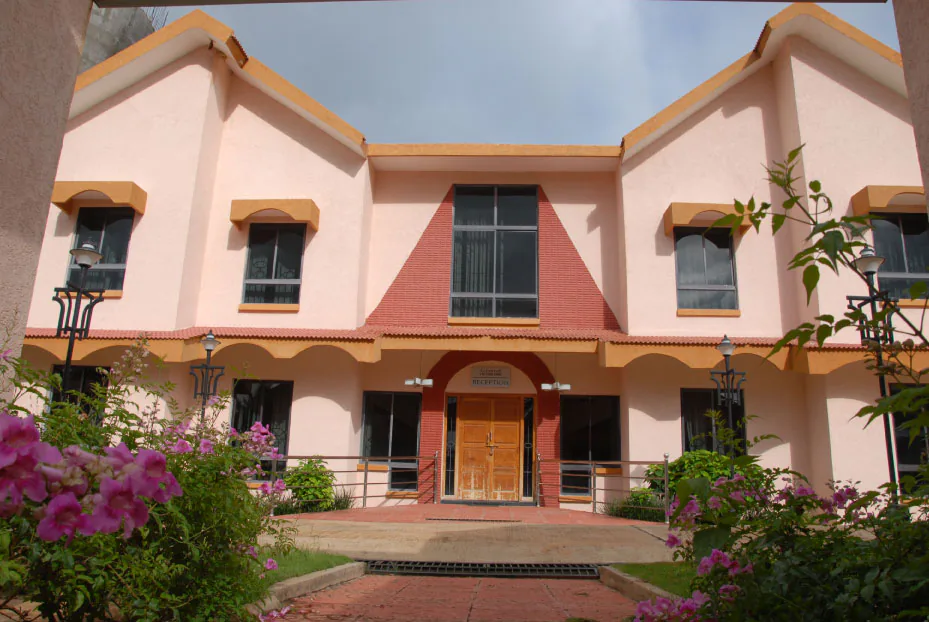
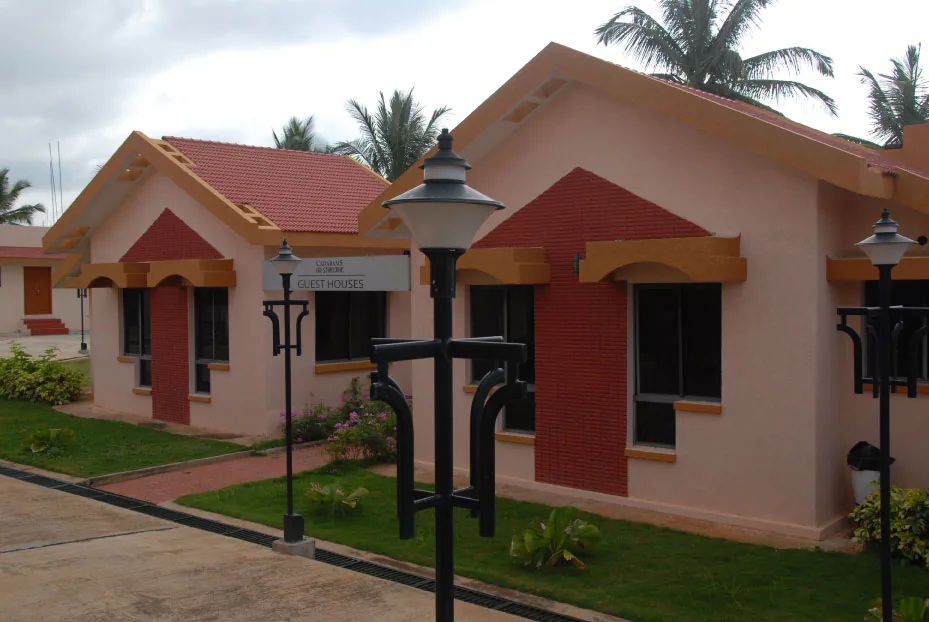
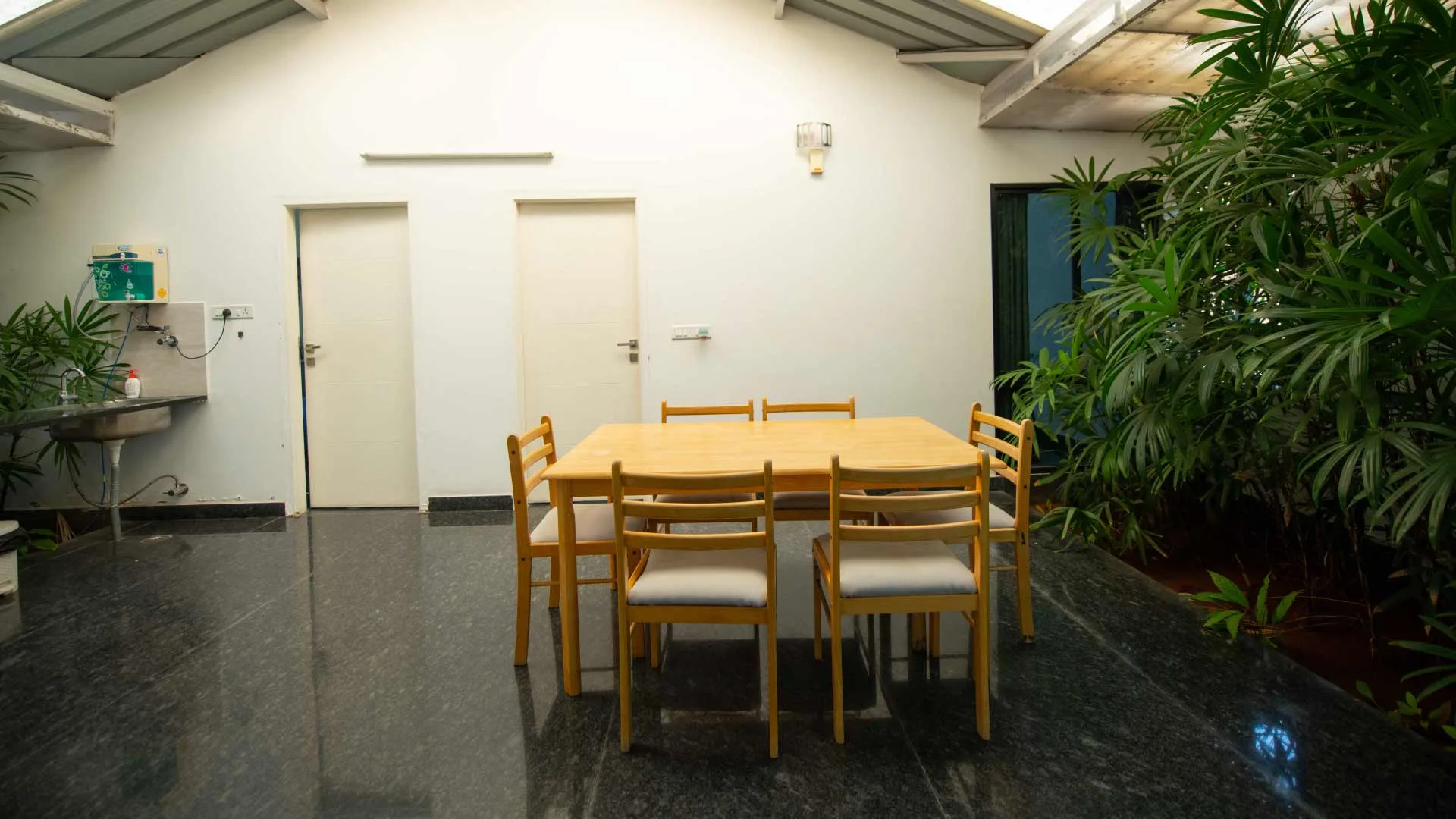
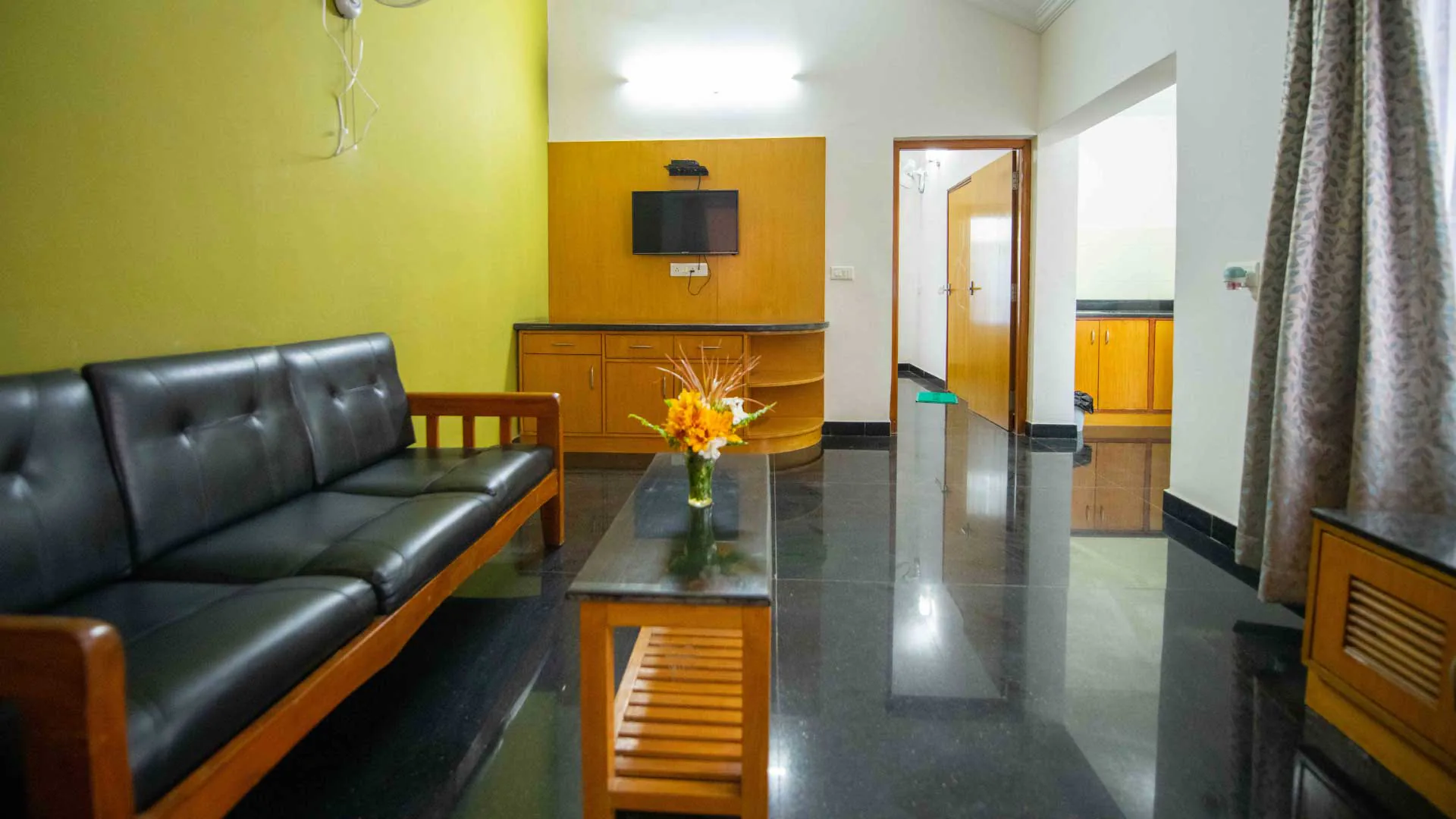
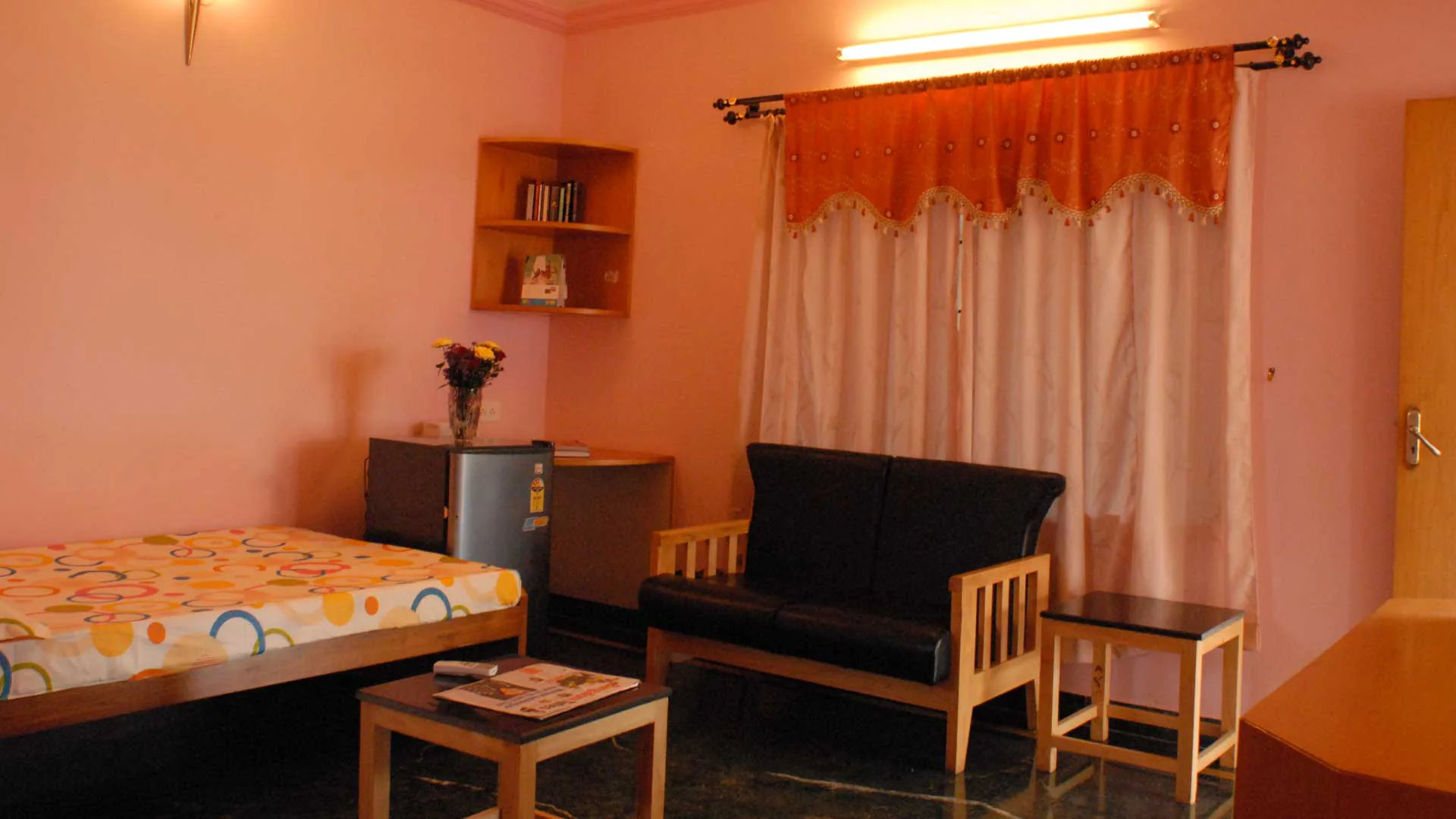
Our Mysore hospitals provide a safe, modern, and welcoming environment conducive to healing and recovery. We believe a comfortable setting is essential for effective therapy. At Cadabam’s Spark Hospitals, we ensure every detail is geared towards patient comfort.
Incorporating Holistic Approaches in Borderline Personality Disorder Counselling
We believe in treating the whole person, not just the symptoms. Our care plans often incorporate holistic therapies such as yoga, mindfulness, and art therapy to complement traditional counselling and promote overall mental and emotional well-being.
Assessment and Personalized Counselling Planning for Borderline Personality Disorder
Your recovery journey at Cadabam’s Spark Hospitals begins with a detailed assessment. Based on this, we develop a highly personalized care plan that aligns with your specific needs, challenges, and recovery goals.
Ongoing Support and Monitoring for Borderline Personality Disorder
Recovery is an ongoing process. We provide continuous support and regularly monitor progress to make necessary adjustments to the care plan, ensuring you receive the most effective treatment at every stage of your journey.
For more information or to begin your journey, contact us at info@cadabamshospitals.com or call +9190710 35960
Top Personality Disorder Doctors at Cadabam’s Hospitals
Personality Disorder Rehabilitation
Best Personality Disorder Treatments Offered at Cadabam’s Hospitals
More Additional Resources