How tDCS Works: The Science Behind the Stimulation
This part delves into the mechanism of tDCS. It will explain how the gentle electrical current influences brain cells (neurons), either making them more or less likely to fire, which in turn helps regulate brain circuits associated with mood, cognition, and behaviour.
tDCS works by delivering a weak electrical current to targeted regions of the brain. This current is not strong enough to trigger a neuron to fire but instead influences its resting state. Depending on the setup, it can either increase neuronal excitability (anodal stimulation) or decrease it (cathodal stimulation). This modulation helps to rebalance brain circuits that may be dysregulated in individuals with a Personality Disorder, promoting healthier neural pathways and functions.
Why is tDCS Used?
This section explains the clinical rationale for using tDCS. It focuses on its ability to target specific brain regions non-invasively, making it a promising option for various conditions where brain activity is a key factor, including Personality Disorders.
tDCS is used because of its ability to safely and non-invasively influence brain plasticity—the brain’s ability to change and adapt. For Personality Disorders, where certain patterns of thinking, feeling, and behaving are linked to specific brain activity, tDCS can help “retrain” these circuits. It is often used alongside psychotherapy and other treatments to enhance their effectiveness and accelerate recovery.
Benefits of tDCS for Personality Disorder
Here, we will list and explain the specific advantages of using tDCS for individuals with Personality Disorders. Each benefit will be detailed in a separate subsection to highlight the comprehensive positive impact of the treatment.
The application of tDCS stimulation offers several key benefits for individuals navigating the complexities of a Personality Disorder, aiming to restore balance and improve overall well-being.
Enhancing Neuroplasticity and Recovery
tDCS promotes the brain’s natural ability to reorganize itself by forming new neural connections. This enhanced neuroplasticity is crucial for unlearning maladaptive patterns and fostering new, healthier cognitive and emotional responses, which is fundamental to long-term recovery.
Reducing Symptoms of Personality Disorder
By targeting brain regions involved in emotional regulation and impulse control, tDCS can directly help in reducing core symptoms. Patients may experience a decrease in mood instability, impulsivity, and relational difficulties, leading to a more stable daily life.
Improving Cognitive Function
Many individuals with Personality Disorders struggle with cognitive functions like attention, decision-making, and executive planning. tDCS can enhance these abilities by stimulating activity in the prefrontal cortex, leading to clearer thinking and better judgment.
Accelerating Rehabilitation for Personality Disorder
When integrated into a comprehensive care plan, tDCS can act as a catalyst, accelerating progress made in psychotherapy. By making the brain more receptive to change, it can shorten the overall rehabilitation timeline and improve outcomes.
Minimizing Medication Dependence
For some individuals, tDCS can offer a path to reducing reliance on psychotropic medications. By directly addressing the neurological underpinnings of the disorder, it can manage symptoms effectively, potentially lowering the required dosage or number of medications and their associated side effects.
Enhancing Mood and Mental Well-being
This therapy can have a significant positive impact on mood. By regulating circuits tied to depression and anxiety—which often co-occur with Personality Disorders—tDCS can lead to an improved sense of overall mental well-being and resilience.
Prolonging Therapeutic Effects
Clinical findings suggest that the benefits of a course of tDCS can be long-lasting. The structural brain changes it encourages can help patients maintain their improvements over time, reducing the likelihood of relapse and sustaining recovery.
Treatment Accessibility
As a non-invasive and portable technology, tDCS presents a highly accessible treatment option. Sessions are conducted in an outpatient setting without the need for anesthesia, making it a convenient and less daunting choice for many patients in Mysore.
tDCS Treatment Process for Personality Disorder
This section provides a step-by-step overview of what happens during tDCS treatment. The aim is to demystify the process, reassuring potential patients by explaining what they will experience from preparation to the session itself.
Understanding the treatment process can help alleviate any concerns. At Cadabam’s Spark Hospitals, we ensure the procedure is clear, comfortable, and tailored to you.
What to Expect During tDCS Sessions
During a session, you will be seated comfortably. You might feel a mild tingling or itching sensation on your scalp under the electrodes for the first few minutes, which typically fades. Each session lasts about 20-30 minutes, during which you can relax, read, or listen to music.
Setting Up for tDCS: Equipment and Procedure
The process begins with a clinician gently placing two saline-soaked sponge electrodes on specific areas of your head, guided by your personalized treatment plan. These are held in place with a headband. The transcranial direct current stimulation device is then turned on, delivering a very low and controlled electrical current.
Choosing the Right tDCS Provider for Personality Disorder in Mysore
This section acts as a guide for patients on how to select a qualified and trustworthy tDCS provider. It outlines key criteria to look for, subtly positioning Cadabam’s Spark Hospitals as the ideal choice by highlighting standards they meet.
Your choice of provider is critical for ensuring a safe and effective treatment journey. Here are key factors to consider when looking for a specialist in Mysore.
Accreditation and Licensing
Ensure the Hospitals are fully accredited and licensed, adhering to national healthcare standards. This guarantees that they follow strict protocols for safety, quality, and patient care.
Experience and Specialization
Look for a team with specific experience in using tDCS for mental health conditions, particularly Personality Disorders. Specialized expertise directly impacts the quality of your care plan and its outcomes.
Technology and Equipment
The provider should use state-of-the-art, certified tDCS equipment. Advanced technology ensures precise and consistent delivery of the stimulation, which is crucial for effective treatment.
Treatment Customization
A one-size-fits-all approach is ineffective. The right provider will conduct a thorough assessment to create a personalized care plan tailored to your unique symptoms and goals.
Support Services
Recovery is a journey. Choose a provider like Cadabam’s Spark Hospitals that offers comprehensive support services, including psychotherapy, counseling, and ongoing monitoring, to complement the tDCS treatment.
Why Choose Cadabam’s tDCS Treatment for Personality Disorder in Mysore
This is the direct promotional section. It explicitly states why Cadabam’s is the premier choice for tDCS in Mysore, detailing their expert team, advanced facilities, holistic approach, and commitment to personalized patient care.
At Cadabam’s Hospitals, we combine decades of mental health expertise with cutting-edge technology to offer unparalleled care for individuals with Personality Disorders.
Expert Team Specialized in tDCS for Personality Disorder
Our multidisciplinary team includes psychiatrists, neurologists, and psychologists with specialized training and extensive experience in administering tDCS for complex mental health conditions.
State-of-the-Art Facilities and Supportive Environment for Personality Disorder
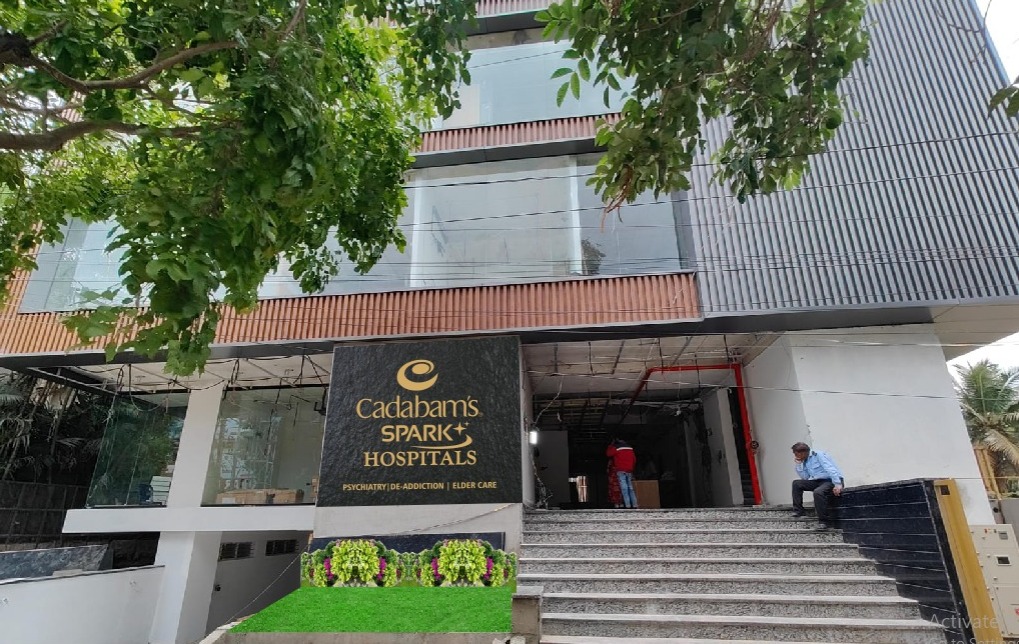
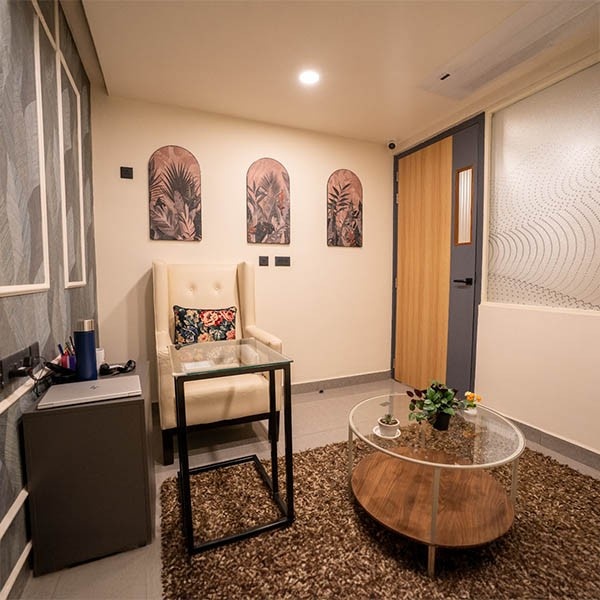
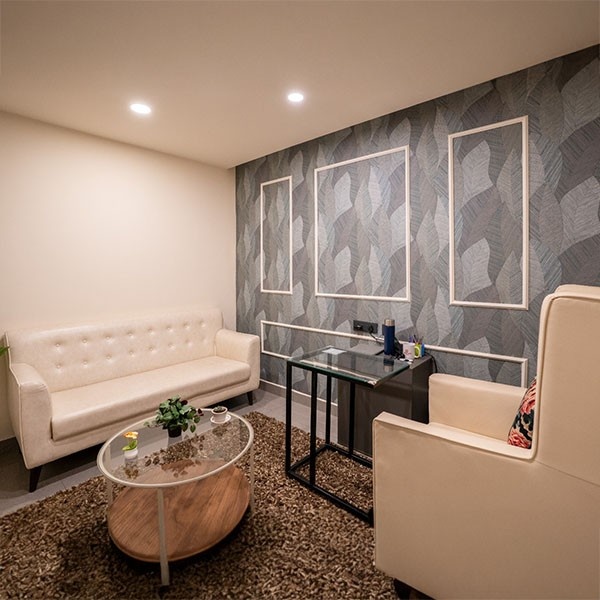
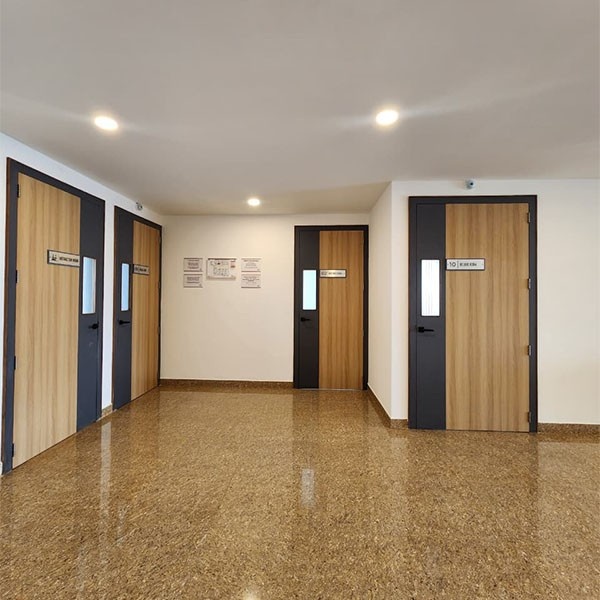
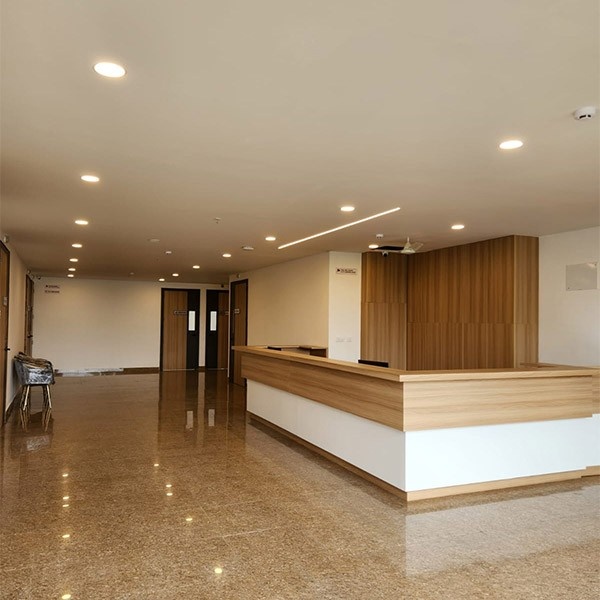
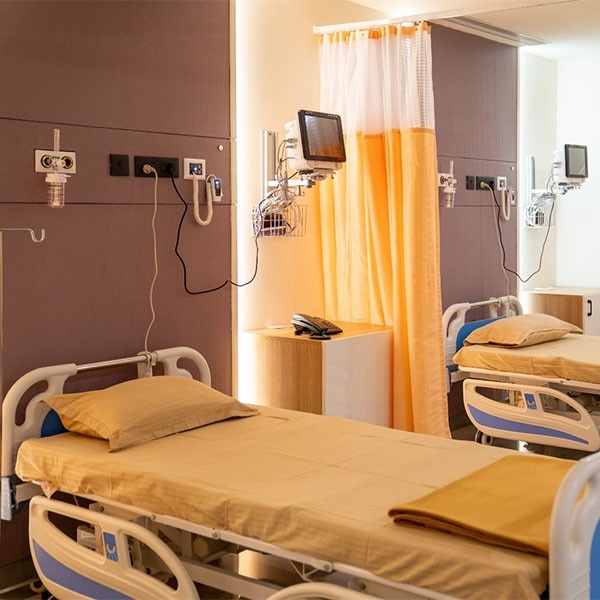
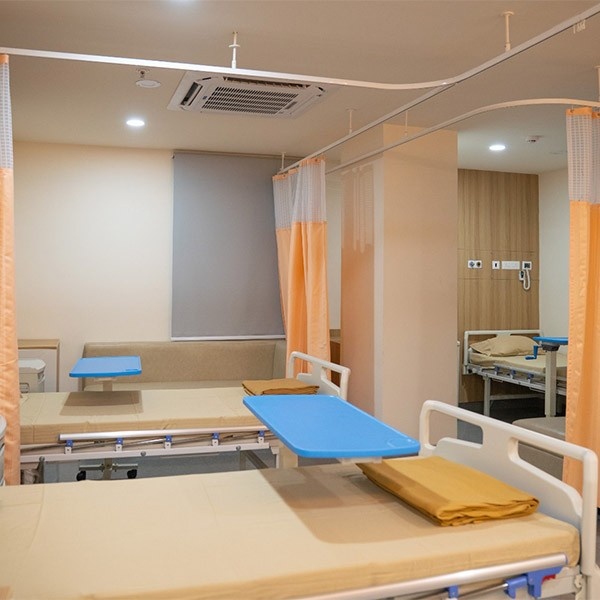
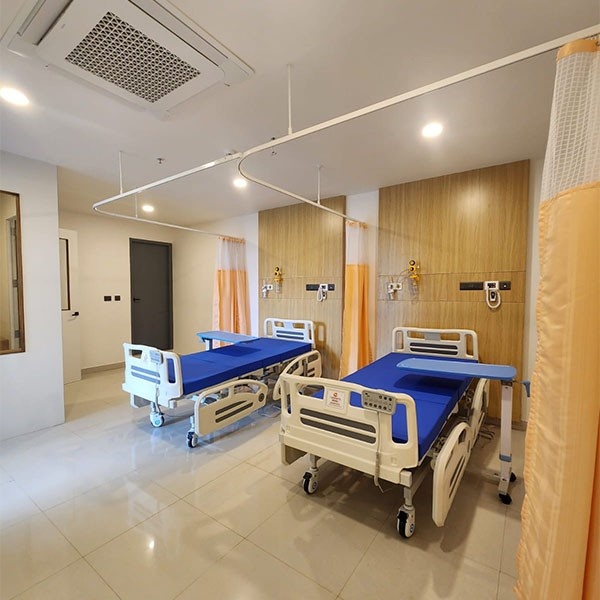
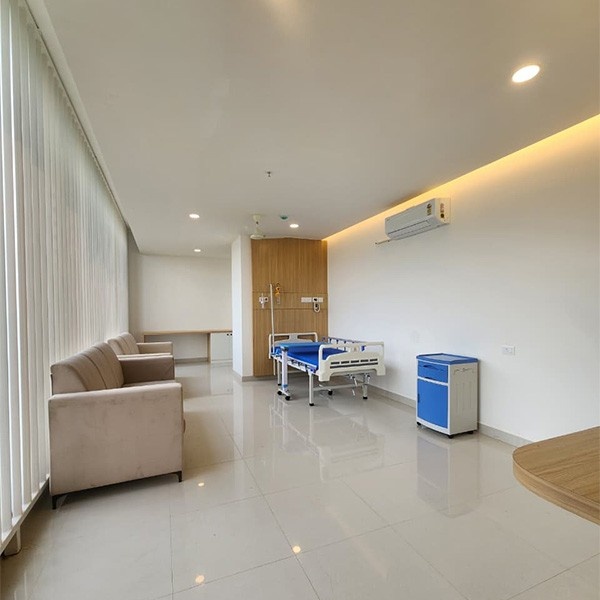
Our Hospitals in Mysore are equipped with the latest tDCS technology in a calm, professional, and supportive environment, ensuring your comfort and safety throughout the treatment process.
Incorporating Holistic Approaches in tDCS Treatment for Personality Disorder
We believe in treating the whole person, not just the symptoms. Our tDCS care plans are integrated with psychotherapy, mindfulness, and other holistic therapies to support all aspects of your recovery.
Assessment and Personalized Treatment Planning for Personality Disorder
Your journey at Cadabam’s Hospitals in Mysore begins with a comprehensive assessment. Based on this, we design a highly personalized care plan that targets your specific needs, maximizing the therapeutic benefits of tDCS.
Ongoing Support and Monitoring for Personality Disorder
Our commitment to your well-being extends beyond the treatment sessions. We provide continuous monitoring and support to track your progress, make adjustments as needed, and empower you to maintain your gains long-term.
Ready to explore a new path to recovery? Contact us to learn more about our tDCS care plans.
Call us at: +9190710 35960
Email: info@cadabamshospitals.com
Top Personality Disorder Doctors at Cadabam’s Hospitals
Psychiatrist Bangalore | Psychiatrist Hyderabad | Psychiatrist Mysore | Psychologist Bangalore | Psychologist Hyderabad | Psychologist Mysore | Therapist Bangalore | Therapist Hyderabad | Therapist Mysore
Personality Disorder Rehabilitation
Rehabilitation Bangalore | Rehabilitation Hyderabad | Rehabilitation Mysore
Best Personality Disorder Treatments Offered at Cadabams
Biofeedback Bangalore | Biofeedback Hyderabad | Biofeedback Mysore | Cognitive Behavioral Therapy (CBT) Bangalore | Cognitive Behavioral Therapy (CBT) Hyderabad | Cognitive Behavioral Therapy (CBT) Mysore | Counselling Bangalore | Counselling Hyderabad | Counselling Mysore | Emergency Bangalore | Emergency Hyderabad | Emergency Mysore | Family Therapy Bangalore | Family Therapy Hyderabad | Family Therapy Mysore | Group Therapy Bangalore | Group Counselling Hyderabad | Group Therapy Mysore | Home Services Bangalore | Home Services Hyderabad | Home Services Mysore | Neurofeedback Bangalore | Neurofeedback Hyderabad | Neurofeedback Mysore | Online Counselling Bangalore | Online Counselling Hyderabad | Post Rehabilitation Care Bangalore | Post Rehabilitation Care Hyderabad | Post Rehabilitation Care Mysore | Psychotherapy Bangalore | Psychotherapy Hyderabad | Psychotherapy Mysore | REBT Bangalore | REBT Hyderabad | REBT Mysore | RTMS Mysore | ECT Mysore
More Additional Resources
Personality Disorder- tDCS Mysore | Borderline Personality Disorder | Bipolar Disorder vs Borderline Personality Disorder
FAQ
What is tDCS and how does it help treat Personality Disorder?
tDCS is a non-invasive brain stimulation technique that uses a mild electrical current to modulate brain activity. It helps treat Personality Disorders by rebalancing neural circuits involved in mood regulation, impulse control, and cognitive function, making the brain more receptive to positive change.
How many tDCS sessions are typically needed for Personality Disorder?
The number of sessions varies depending on the individual’s condition and response to treatment. A typical course may involve daily sessions for 2-4 weeks. Your specialist at Cadabam’s Hospitals will create a personalized schedule for you.
How long does it take to see results from tDCS treatment for Personality Disorder?
Some patients report subtle improvements after just a few sessions, while for others, the benefits become more apparent after several weeks of consistent treatment. Results are often gradual and build over time.
What kind of support does Cadabam’s offer to patients undergoing tDCS for Personality Disorder?
Cadabam’s Spark Hospitals offers comprehensive support, including one-on-one therapy, family counseling, and continuous progress monitoring. Our holistic approach ensures you are supported emotionally and psychologically throughout your recovery journey.
Is tDCS expensive?
The cost of tDCS treatment can vary. We strive to provide accessible, high-value care. Please contact us at +9190710 35960 or info@cadabamshospitals.com to discuss our care plans and pricing options.
 Available