How tDCS Works: The Science Behind the Stimulation
The tDCS process involves placing two saline-soaked sponge electrodes on specific areas of the scalp. A small, portable device delivers a weak tDCS current through these electrodes. This current passes through the skull and influences the activity of neurons in the targeted brain region. It doesn’t force neurons to fire but rather makes them more or less receptive to firing, a process known as neuromodulation. For Alzheimer’s patients, this can help re-establish healthier neural pathways and improve communication between different parts of the brain.
Why is tDCS Used?
tDCS is increasingly used in clinical settings for its potential to treat a variety of neurological and psychiatric conditions. Its non-invasive nature, high safety profile, and minimal side effects make it an attractive alternative or supplement to traditional treatments. Researchers and clinicians utilize it to promote neuroplasticity—the brain’s ability to reorganise itself—which is essential for recovery from conditions that affect cognitive and motor functions.
Benefits of tDCS for Alzheimer’s
The application of a controlled tDCS stimulation offers a range of potential benefits for individuals managing Alzheimer’s disease.
Enhancing Neuroplasticity and Recovery
tDCS encourages the brain to form new connections and strengthen existing ones. This enhanced neuroplasticity is vital for cognitive recovery, helping the brain compensate for the damage caused by Alzheimer’s.
Reducing Symptoms of Alzheimer’s
By targeting brain regions associated with memory and cognition, tDCS can help reduce hallmark symptoms like memory loss, confusion, and difficulty with problem-solving, leading to a noticeable improvement in daily functioning.
Improving Cognitive Function
Clinical studies suggest that tDCS can lead to improvements in key cognitive areas, including working memory, attention, and executive functions, which are often significantly impaired in Alzheimer’s patients.
Accelerating Rehabilitation for Alzheimer’s
When combined with cognitive rehabilitation or other therapies, tDCS can act as a catalyst, accelerating the benefits of these interventions and helping patients achieve their rehabilitation goals more effectively.
Minimizing Medication Dependence
As a complementary therapy, tDCS can potentially enhance brain function directly, which may allow for a reduction in the dosage of certain medications and their associated side effects.
Enhancing Mood and Mental Well-being
Alzheimer’s is often accompanied by depression and anxiety. tDCS can have a positive impact on mood regulation, contributing to improved mental well-being and a more positive outlook.
Prolonging Therapeutic Effects
The benefits of tDCS can extend well beyond the treatment period. With structured maintenance sessions, patients can sustain their cognitive and functional improvements over the long term.
Treatment Accessibility
As a non-invasive and portable technology, tDCS offers an accessible treatment option for many patients, including those who may not be suitable candidates for more invasive procedures.
tDCS Treatment Process for Alzheimer’s
Understanding the treatment process can help ease any concerns for patients and their families.
What to Expect During tDCS Sessions
tDCS sessions are comfortable and straightforward. The patient sits in a relaxed position while the electrodes are placed. During the 20-30 minute session, most individuals feel nothing more than a mild tingling or itching sensation under the electrodes, which typically fades after a few minutes. Patients remain awake and alert throughout.
Setting Up for tDCS: Equipment and Procedure
A trained technician at our hospitals will precisely map the electrode placement according to the individual’s personalized care plan. The electrodes are connected to a certified medical device that delivers the controlled direct current. The procedure is closely monitored to ensure both safety and effectiveness.
Choosing the Right tDCS Provider for Alzheimer’s in Mysore
The provider you choose significantly impacts the safety and success of the treatment.
Accreditation and Licensing
Ensure the clinic is fully accredited and licensed, like Cadabam’s Spark Hospitals, which adheres to the highest national healthcare standards for quality and patient safety.
Experience and Specialization
Select a provider with a proven track record and specialized expertise in using tDCS for neurocognitive disorders like Alzheimer’s. This experience is crucial for achieving optimal outcomes.
Technology and Equipment
Reputable providers use advanced, medical-grade tDCS technology that is certified for clinical use. This ensures the delivery of precise and safe stimulation.
Treatment Customization
Effective tDCS therapy is not one-size-fits-all. Look for a provider who conducts a thorough assessment to create a personalized treatment plan tailored to the patient’s specific needs and symptoms.
Support Services
Comprehensive care includes more than just the treatment sessions. Leading providers offer integrated support services, including counselling and family education, to support the patient’s entire well-being.
Why Choose Cadabam’s tDCS Treatment for Alzheimer’s in Mysore
At Cadabam’s Hospitals in Mysore, we combine clinical excellence with compassionate care to offer the best possible outcomes.
Expert Team Specialized in tDCS for Alzheimer’s
Our multidisciplinary team of psychiatrists, neurologists, and trained technicians specializes in transcranial direct current stimulation, ensuring that every patient receives expert care.
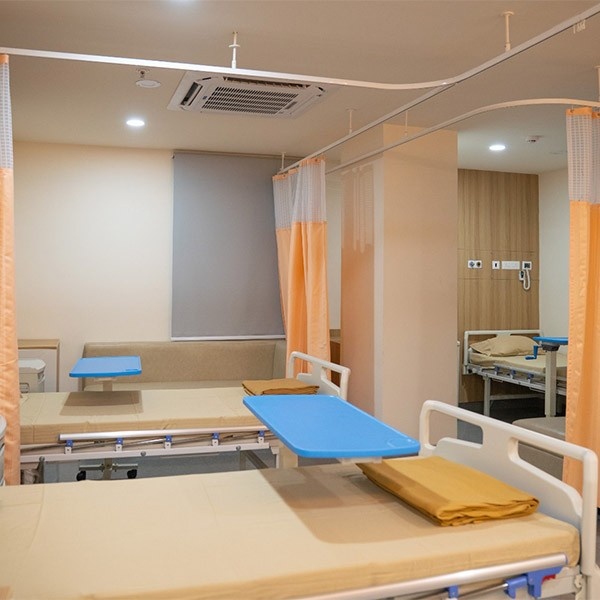
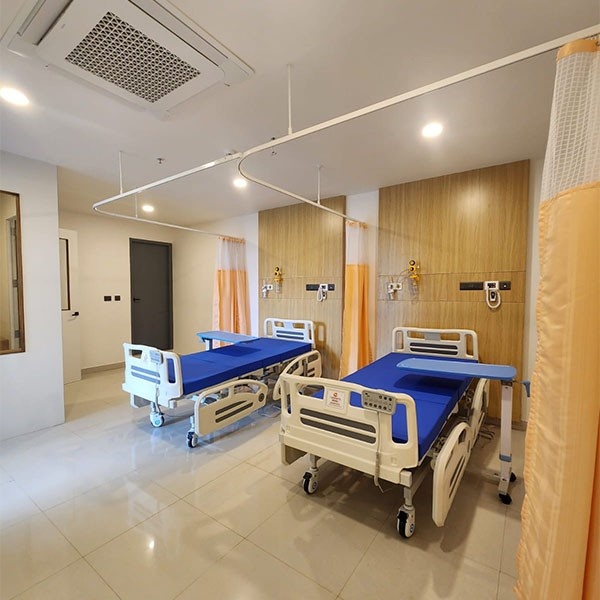
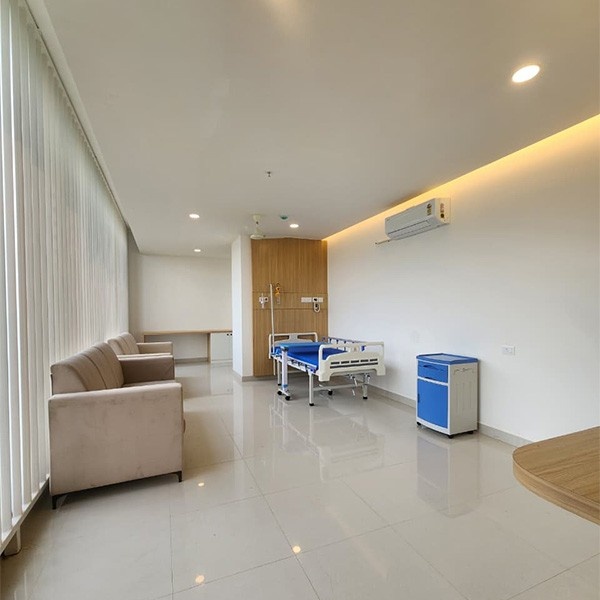
State-of-the-Art Hospitals and Supportive Environment for Alzheimer’s
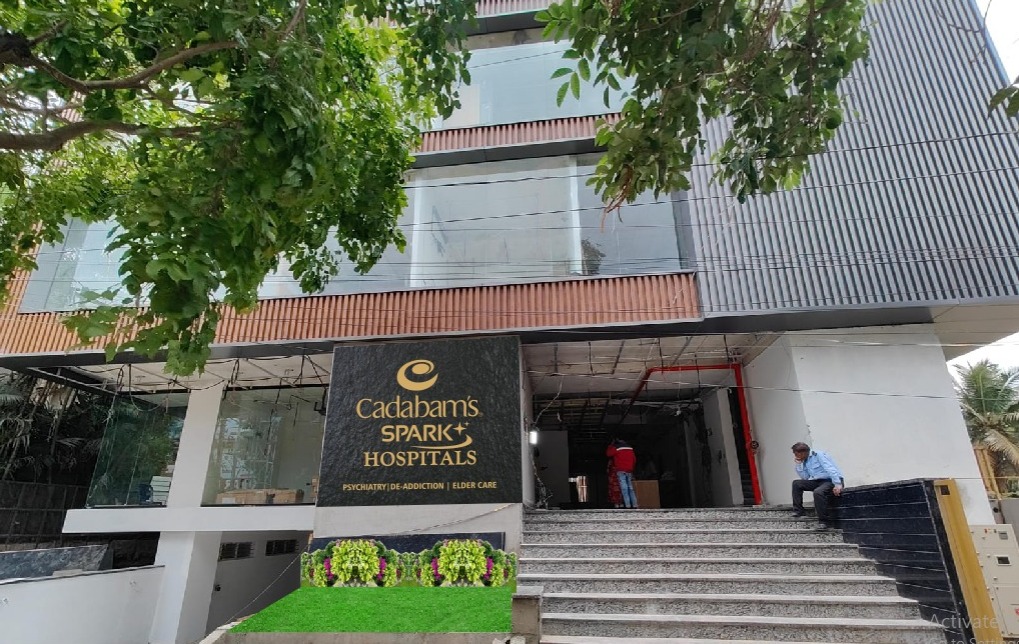
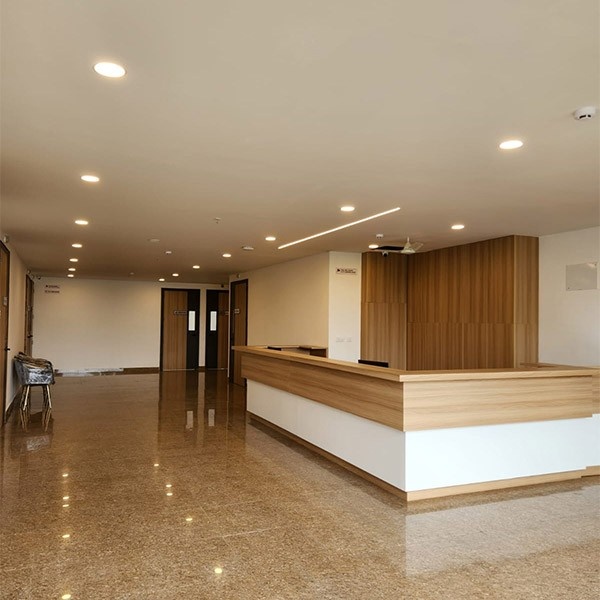
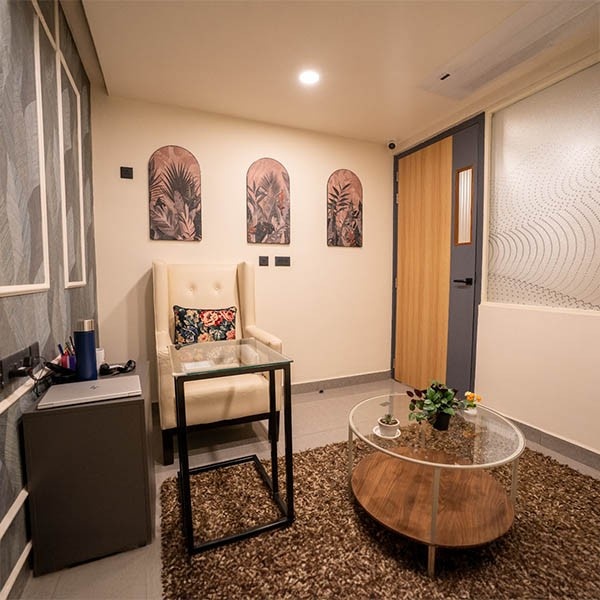
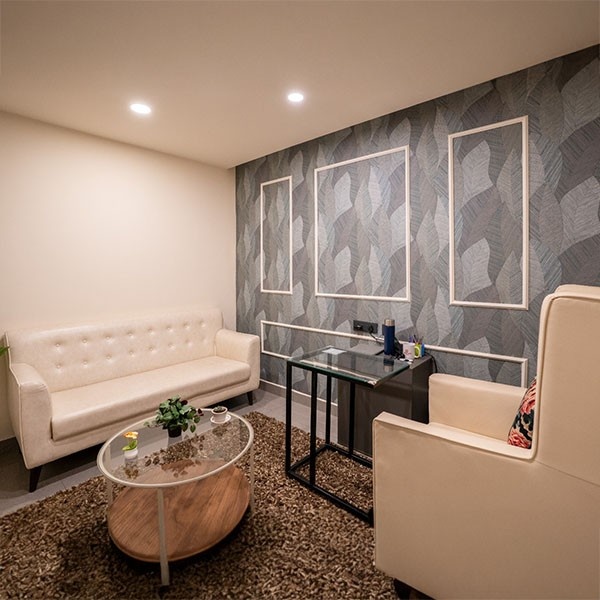
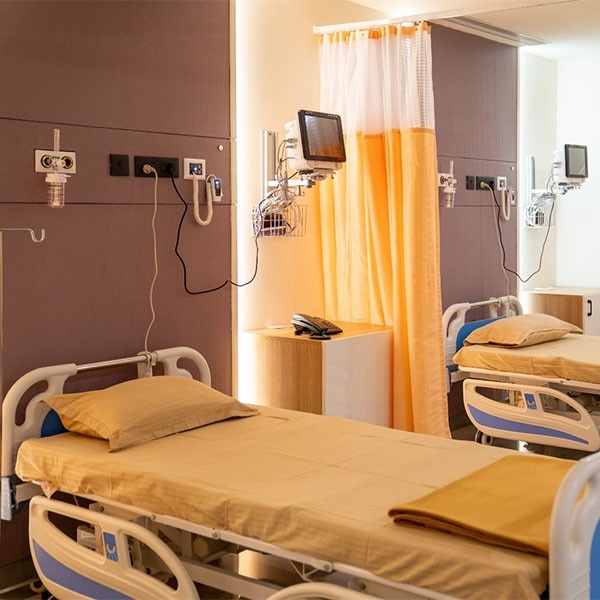
We provide tDCS treatment in a modern, safe, and supportive environment designed to promote comfort and healing for patients and their families.
Incorporating Holistic Approaches in tDCS Treatment for Alzheimer’s
We believe in a holistic approach, integrating tDCS with other evidence-based therapies such as cognitive rehabilitation, psychotherapy, and lifestyle modifications to create comprehensive and effective care plans.
Assessment and Personalized Treatment Planning for Alzheimer’s
Every patient at Cadabam’s Spark Hospitals undergoes a detailed assessment to develop a highly personalized treatment plan that targets their unique challenges and goals.
Ongoing Support and Monitoring for Alzheimer’s
Our commitment to your well-being extends beyond the treatment sessions. We provide continuous monitoring and long-term support to help maintain progress and adapt care plans as needed.
Ready to explore how tDCS can help you or your loved one? Contact Cadabam’s Hospitals today to learn more about our advanced care plans for Alzheimer’s. Call us at +9190710 35960 or email info@cadabamshospitals.com.
Top Alzheimer’s Doctors at Cadabam’s Hospitals
Psychiatrist Bangalore | Psychiatrist Hyderabad | Psychiatrist Mysore | Psychologist Bangalore | Psychologist Hyderabad | Psychologist Mysore | Therapist Bangalore | Therapist Hyderabad | Therapist Mysore
Alzheimer’s Rehabilitation
Rehab Bangalore | Rehab Hyderabad | Rehab Mysore
Best Alzheimer’s Treatments Offered at Cadabams
Counselling Bangalore | Counselling Mysore | PsychoTherapy Bangalore | PsychoTherapy Hyderabad | PsychoTherapy Mysore | Electroconvulsive Therapy (ECT) Bangalore | Electroconvulsive Therapy (ECT) Hyderabad | Electroconvulsive Therapy (ECT) Mysore | Biofeedback Bangalore | Biofeedback Hyderabad | Biofeedback Mysore | Group Therapy Bangalore | Group Therapy Hyderabad | Group Therapy Mysore | Cognitive Behavioural Therapy (CBT) Bangalore | Cognitive Behavioural Therapy (CBT) Hyderabad | Cognitive Behavioural Therapy (CBT) Mysore | Home Services Bangalore | Home Services Hyderabad | Home Services Mysore | REBT Bangalore | REBT Hyderabad | REBT Mysore | Neurofeedback Bangalore | Neurofeedback Hyderabad | Neurofeedback Mysore | Emergency Bangalore | Emergency Hyderabad | Emergency Mysore | Family Therapy Bangalore | Family Therapy Hyderabad | Family Therapy Mysore | Post-Rehab Bangalore | Post-Rehab Hyderabad | Post-Rehab Mysore | RTMS Mysore
More Additional Resources
Understanding the Role of Physical Exercise in Alzheimer’s Disease | Music Therapy: Transforming Alzheimer’s and Dementia Care | Alzheimer’s Disease: Causes, Symptoms, Treatment | How To Care Someone With Alzheimer’s Disease | Alzheimer’s Care for Elderly Parents – Tips for Family Caregivers | How Alzheimer’s and Depression Are Connected | Early Signs and Symptoms of Dementia and Alzheimer’s | Exploring the Types of Alzheimer’s Disease | Alzheimer’s Care for Elderly Parents | How Reminiscence Therapy Activities Helps Alzheimer’s |
Frequently Asked Questions
What is tDCS and how does it help treat Alzheimer’s?
tDCS is a non-invasive brain stimulation therapy that uses a low electrical current to modulate neural activity. For Alzheimer’s, it helps enhance neuroplasticity, improve cognitive functions like memory and attention, and reduce symptoms by stimulating specific brain regions.
How many tDCS sessions are typically needed for Alzheimer’s?
The number of sessions varies based on the individual’s condition and treatment goals. A typical initial course may involve 10-20 sessions scheduled over several weeks, followed by maintenance sessions as needed. A personalized plan will be created after a thorough assessment.
How long does it take to see results from tDCS treatment for Alzheimer’s?
Some patients report subtle improvements after a few sessions, while more significant changes in cognitive function and mood may become apparent after completing the initial course of treatment. Results are cumulative and vary from person to person.
What kind of support does Cadabam’s Spark Hospitals offer to patients undergoing tDCS for Alzheimer’s?
Cadabam’s Spark Hospitals offers comprehensive support, including detailed assessments, personalized treatment planning, family counselling, integration with other therapies like cognitive rehabilitation, and continuous monitoring to ensure holistic and sustained recovery.
Is tDCS expensive?
The cost of tDCS treatment can vary. At Cadabam’s Spark Hospitals, we are committed to providing accessible care and can discuss various options and care plans to suit your needs. Please contact us for detailed information on treatment costs.
 Available