The Foundation of Family Therapy in Alzheimer’s Care
This section explains why involving the family is not just helpful but fundamental to effective Alzheimer’s management, creating a supportive network that benefits both the patient and caregivers.
Principles and Goals of Family Therapy for Alzheimer’s
The core principle is treating the family as a whole system. Key goals include educating every member about the disease, improving communication patterns, developing effective coping strategies for stress, resolving conflicts related to caregiving, and fostering a collaborative and empathetic environment to enhance the quality of life for everyone involved.
How Family Therapy Complements Individual Treatment Plans
While individual care plans for the person with Alzheimer’s focus on medical management and cognitive support, family therapy addresses the relational and emotional ecosystem. It ensures that the home environment is supportive, caregivers are equipped to handle challenges, and the entire family works as a cohesive team, reinforcing the benefits of the individual treatment.
The Process of Family Therapy: What to Expect
In your first session at Cadabam’s Spark Hospitals, a therapist will meet with the family to understand your unique situation, concerns, and goals. Subsequent sessions involve guided conversations where members can openly share feelings, learn about Alzheimer’s, and practice new skills. The process is collaborative, confidential, and focused on finding practical solutions for your family’s specific needs.
Key Techniques and Approaches in Family Therapy for Alzheimer’s
This section outlines the specific, evidence-based methods our therapists use to empower families, improve interaction, and build a resilient home environment.
Communication Skills Building within Families
Therapists teach strategies for communicating with a person who has cognitive decline. This includes using simple language, being patient, and learning to understand non-verbal cues. It also helps family members communicate their own needs and feelings to each other without blame or conflict.
Conflict Resolution Strategies for Families
Disagreements about care decisions, finances, or sharing responsibilities are common. Therapy provides a neutral space to address these conflicts constructively. A therapist facilitates discussions and helps the family find compromises that everyone can agree on.
Enhancing Coping Mechanisms for Family Members
Caregiver burnout is a serious risk. Therapy focuses on providing family members with tools for stress management, such as mindfulness, relaxation techniques, and the importance of self-care. It validates their struggles and helps them find healthy ways to cope.
Educating Families on Alzheimer’s Management
Psychoeducation is a critical component. Our therapists provide clear, accurate information about the stages of Alzheimer’s, what to expect, and how to manage specific behaviours. This knowledge empowers families, reduces fear of the unknown, and allows for better planning.
Building a Supportive Home Environment
Therapy includes practical advice on creating a safe, calm, and predictable home. This can involve making physical modifications to the home, establishing daily routines, and learning techniques to de-escalate agitation, which contributes to a more peaceful life for the person with Alzheimer’s.
The Benefits of Family Therapy for Managing Alzheimer’s
This section highlights the positive, tangible outcomes that families can achieve through therapy, demonstrating its value in improving relationships and overall well-being.
Improving Family Dynamics and Relationships
By opening lines of communication and fostering empathy, therapy can heal old wounds and strengthen family bonds. Families learn to work as a team, deepening their connection as they navigate the challenges of Alzheimer’s together.
Reducing Crisis Situations through Family Support
A well-informed and supportive family is better equipped to manage challenging behaviours and prevent crises that might otherwise lead to emergency room visits or hospitalisation. This proactive approach ensures stability and safety for the loved one with Alzheimer’s.
Empowering Families to Navigate Alzheimer’s Together
Therapy gives families a sense of agency and control. Instead of feeling helpless, members learn they have the tools and strategies to actively manage the situation, advocate for their loved one, and make informed decisions about care.
Fostering Understanding and Empathy among Family Members
It’s easy for misunderstandings to arise when a family is under stress. Therapy helps each member understand the perspectives of others—including the person with Alzheimer’s—leading to greater patience, compassion, and mutual support.
Get Alzheimer’s Diagnosed in Mysore
An early and accurate diagnosis is the first step toward effective management. If you notice concerning symptoms in a loved one, it’s crucial to seek a professional evaluation. The expert psychiatrists and neurologists at Cadabam’s Spark Hospitals in Mysore use comprehensive diagnostic tools to provide a clear diagnosis and lay the groundwork for a personalized care plan.
Find the Right Family Therapy Care Plan in Mysore
Choosing the right support system is vital. Look for a provider with specific expertise in both geriatrics and family dynamics. At Cadabam’s Spark Hospitals, our care plans are not one-size-fits-all. We design each family intervention for Alzheimer’s around your family’s unique structure, challenges, and strengths, ensuring the approach is relevant and effective.
Why Choose Cadabam’s for Family Therapy in Alzheimer’s Care
This section details the unique advantages of seeking treatment at Cadabam’s Spark Hospitals, positioning it as the premier choice for families in Mysore.
Tailored Family Therapy Sessions at Cadabam’s Spark Hospitals
We recognize that every family is different. Our therapists take the time to understand your specific circumstances and tailor each session to address your most pressing concerns, ensuring a personalized and effective therapeutic experience.
Expertise in Family Dynamics and Alzheimer’s
Our multidisciplinary team consists of psychiatrists, psychologists, and therapists who specialize in dementia care and family systems theory. This dual expertise allows us to provide a nuanced and highly effective family intervention for Alzheimer’s.
Comprehensive Support for Families and Patients
At Cadabam’s, we treat the whole person and the whole family. Our support extends beyond therapy sessions to include medical management, individual counselling, and caregiver support groups, creating a complete network of care.
State-of-the-Art Hospitals for Family Therapy Care Plans at Cadabam’s
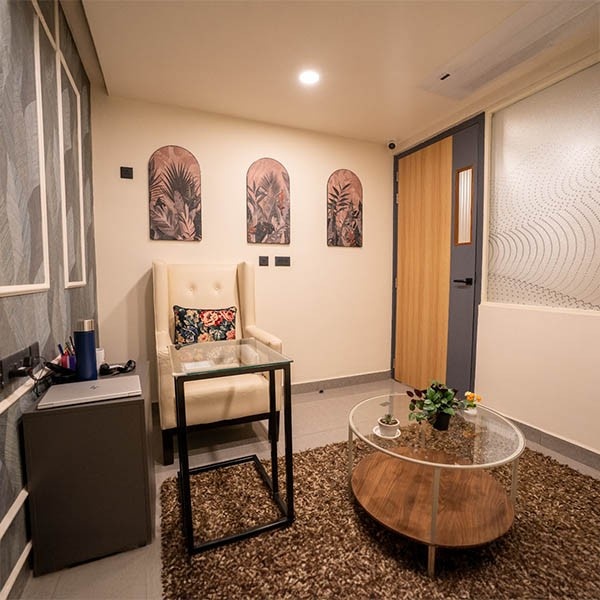
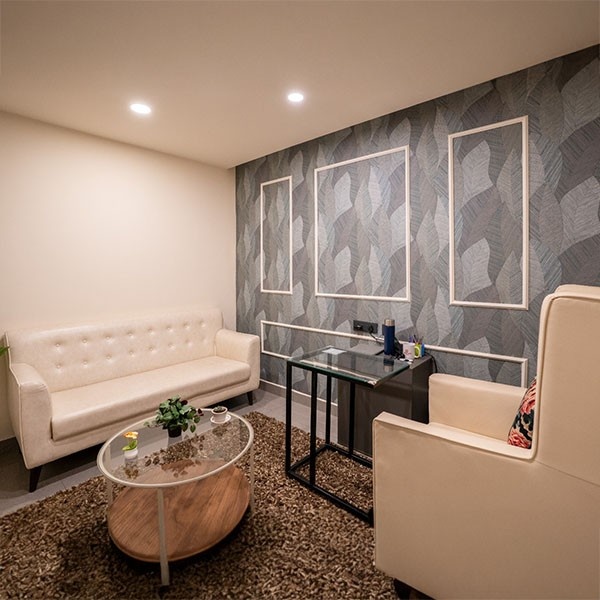
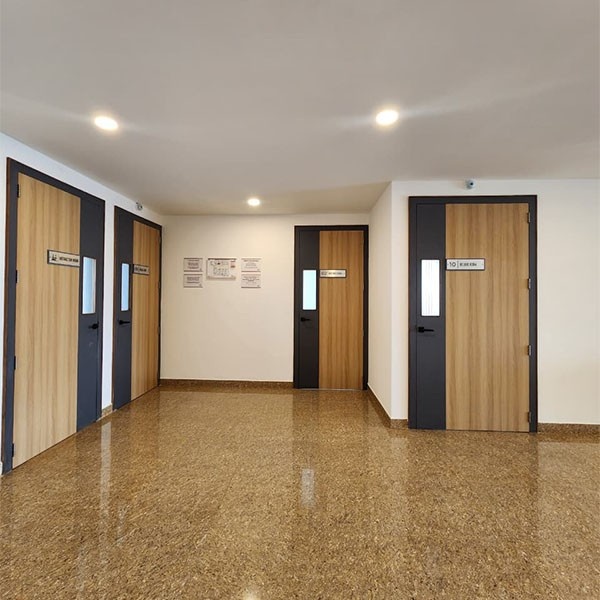
Our modern and serene Hospitals provide a comfortable and confidential setting for therapy. The environment at Cadabam’s Spark Hospitals is designed to be welcoming and conducive to open, honest communication and healing.
Ongoing Guidance and Resources for Families
Our commitment to your family doesn’t end when a session does. We provide ongoing resources, educational materials, and continuous support to help you adapt as your family’s needs evolve throughout the Alzheimer’s journey.
Take the First Step Towards Unity and Support
Navigating Alzheimer’s is a path no family should walk alone. Let Cadabam’s Hospitals in Mysore be your partner in this journey. Our expert-led family therapy can equip you with the tools, knowledge, and unity to face the future with confidence and strength.
Contact us today to learn more about our specialized care plans.
Phone: 090710 35960
Email: info@cadabamshospitals.com
Top Alzheimer’s Doctors at Cadabam’s Hospitals
Psychiatrist Bangalore | Psychiatrist Hyderabad | Psychiatrist Mysore | Psychologist Bangalore | Psychologist Hyderabad | Psychologist Mysore | Therapist Bangalore | Therapist Hyderabad | Therapist Mysore
Alzheimer’s Rehabilitation
Rehab Bangalore | Rehab Hyderabad | Rehab Mysore
Best Alzheimer’s Treatments Offered at Cadabams
Counselling Bangalore | Counselling Mysore | PsychoTherapy Bangalore | PsychoTherapy Hyderabad | PsychoTherapy Mysore | Electroconvulsive Therapy (ECT) Bangalore | Electroconvulsive Therapy (ECT) Hyderabad | Electroconvulsive Therapy (ECT) Mysore | Biofeedback Bangalore | Biofeedback Hyderabad | Biofeedback Mysore | Group Therapy Bangalore | Group Therapy Hyderabad | Group Therapy Mysore | Cognitive Behavioural Therapy (CBT) Bangalore | Cognitive Behavioural Therapy (CBT) Hyderabad | Cognitive Behavioural Therapy (CBT) Mysore | Home Services Bangalore | Home Services Hyderabad | Home Services Mysore | REBT Bangalore | REBT Hyderabad | REBT Mysore | Neurofeedback Bangalore | Neurofeedback Hyderabad | Neurofeedback Mysore | Emergency Bangalore | Emergency Hyderabad | Emergency Mysore | Family Therapy Bangalore | Family Therapy Hyderabad | Post-Rehab Bangalore | Post-Rehab Hyderabad | Post-Rehab Mysore | tDCS Mysore | RTMS Mysore
More Additional Resources
Understanding the Role of Physical Exercise in Alzheimer’s Disease | Music Therapy: Transforming Alzheimer’s and Dementia Care | Alzheimer’s Disease: Causes, Symptoms, Treatment | How To Care Someone With Alzheimer’s Disease | Alzheimer’s Care for Elderly Parents – Tips for Family Caregivers | How Alzheimer’s and Depression Are Connected | Early Signs and Symptoms of Dementia and Alzheimer’s | Exploring the Types of Alzheimer’s Disease | Alzheimer’s Care for Elderly Parents | How Reminiscence Therapy Activities Helps Alzheimer’s |
Frequently Asked Questions
What is family therapy for Alzheimer’s and how does it help?
It is a form of psychotherapy that brings family members together with a therapist to address the challenges of Alzheimer’s. It helps by improving communication, educating the family about the disease, providing emotional support, and developing effective coping and caregiving strategies.
Is family therapy beneficial for all families dealing with Alzheimer’s?
Yes, nearly any family can benefit. Whether you are struggling with conflict, seeking to learn better caregiving techniques, or simply need a space to voice your feelings, therapy provides valuable tools and support tailored to your family’s unique situation.
How does family therapy address the stigma associated with Alzheimer’s?
By creating a safe and educated environment, therapy helps families understand that Alzheimer’s is a medical condition, not a personal failing. This reduces feelings of shame or isolation and empowers families to advocate openly for their loved ones.
What makes family therapy a critical component of Alzheimer’s treatment?
Alzheimer’s impacts the entire family system. While medication and individual therapy help the patient, family therapy strengthens the primary support network. This comprehensive approach is crucial for long-term well-being, reducing caregiver burnout and improving the quality of life for everyone involved.
 Available