Personality Disorder and the Power of Collective Support
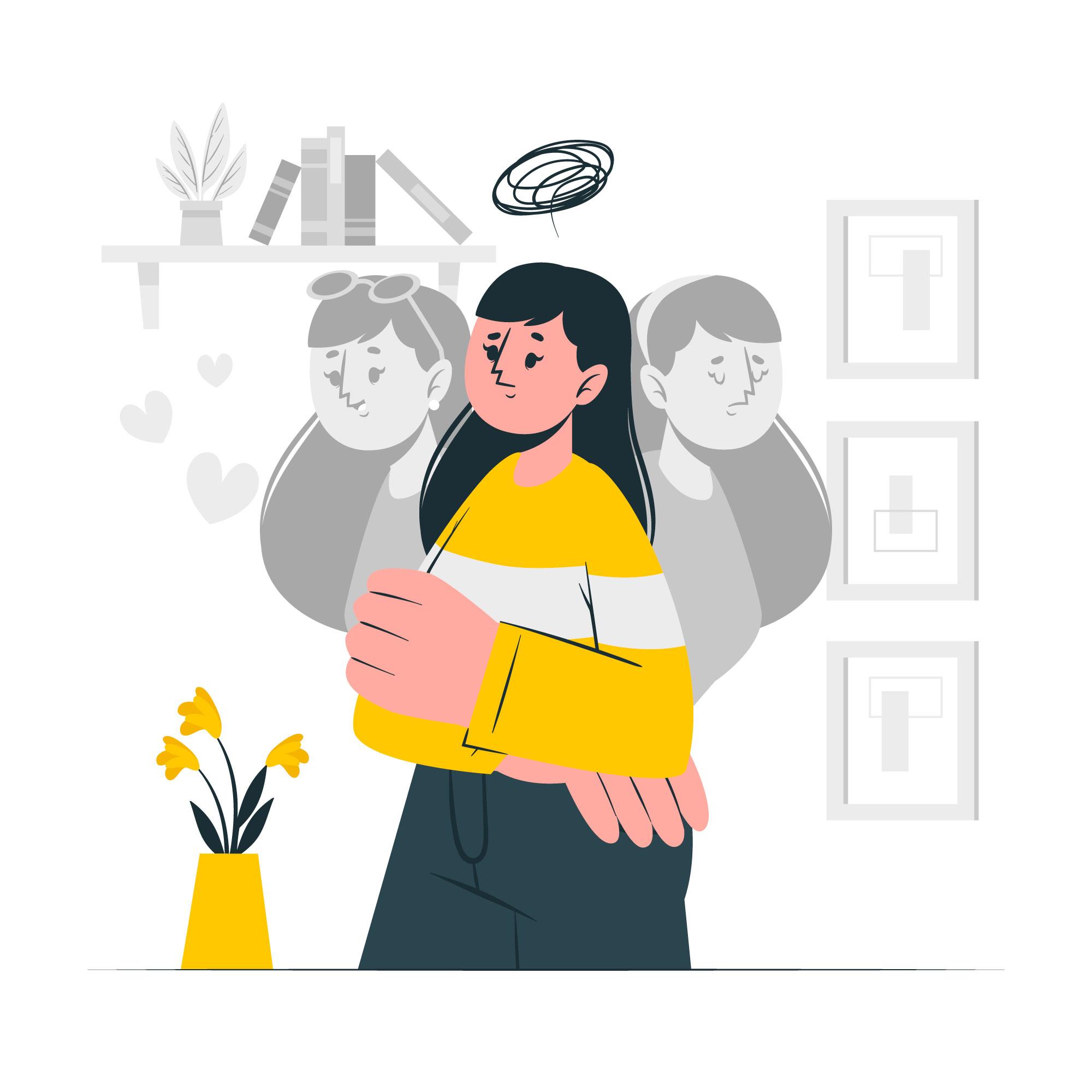
Dealing with a personality disorder can make you feel like no one understands what you’re going through. Collective support shatters this illusion. Being in a room with others who share similar struggles provides immediate validation. This shared identity fosters a powerful sense of belonging, reduces shame, and proves that you are not alone in your journey.
The Essentials of Group Therapy in Personality Disorder Treatment
Group therapy is a cornerstone of effective treatment for many personality disorders. It offers a unique dynamic where individuals can learn and grow together under the guidance of a trained mental health professional, making it a vital component of a comprehensive care plan.
Understanding the Structure of Group Therapy Sessions
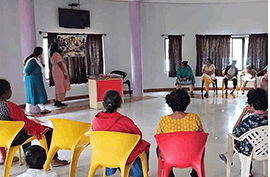
Sessions are typically structured yet flexible. Led by one or more trained facilitators, they often begin with a check-in, followed by a discussion centered on a specific theme, skill, or challenge relevant to the group. The environment is confidential and collaborative, encouraging open sharing and mutual support among members to foster growth and learning.
The Role of Facilitators in Group Therapy for Personality Disorder
The facilitator is more than a moderator; they are a clinical guide. Their role is to ensure a safe and therapeutic environment, model healthy communication, introduce evidence-based techniques (like CBT or DBT), manage group dynamics, and provide professional insight. They help steer conversations productively and ensure every member feels seen and respected.
The Benefits of Participating in Group Therapy
Engaging in group therapy offers a wealth of benefits that complement individual therapy and contribute to long-lasting recovery.
Building a Community of Support
The group becomes a built-in support system. Members celebrate each other’s victories and offer encouragement through setbacks, creating a powerful community bond that often extends beyond the therapy room and helps reduce dependency on less healthy relationships.
Learning from Others’ Experiences
Hearing how others navigate similar challenges provides invaluable perspective and practical advice. It can illuminate new ways of thinking about your own situation, offer hope by seeing others make progress, and validate your own feelings and experiences.
Developing Better Social Skills
A therapy group acts as a “social microcosm”—a safe and controlled environment to practice and refine interpersonal skills. You can work on setting boundaries, expressing needs clearly, resolving conflict, and understanding social cues with real-time feedback from peers and facilitators.
Reducing Feelings of Isolation
One of the most immediate benefits of group therapy is the profound realization that you are not alone. Sharing your story and hearing others echo your feelings of pain, frustration, or hope drastically reduces the sense of isolation that so often accompanies personality disorders.
Gaining New Coping Strategies
In a group setting, you not only learn coping mechanisms from the therapist but also from the lived experiences of other members. This collective wisdom provides a rich and diverse toolkit of strategies for managing difficult emotions, handling stress, and navigating challenging situations.
Enhancing Self-Esteem and Confidence
Being accepted and understood by a group of peers can significantly boost self-esteem. As you contribute to the group, offer support to others, and successfully practice new social skills, your confidence in your ability to manage your life and relationships grows.
Key Techniques and Modalities Used in Group Therapy for Personality Disorder
Our groups utilize evidence-based therapeutic techniques tailored to the needs of individuals with personality disorders.
Cognitive Behavioral Techniques in a Group Setting
In a group context, Cognitive Behavioral Therapy (CBT) helps members collectively identify, challenge, and reframe the distorted thought patterns common in personality disorders. Hearing others work through similar cognitive distortions can make the process feel more relatable and achievable.
Social Skills Training Through Group Interaction
Through structured exercises and role-playing, members practice crucial social skills in a supportive setting. This direct, interactional approach is highly effective for improving communication, assertiveness, and the ability to build and maintain healthy relationships.
Psychoeducation for Personality Disorder in Group Therapy
Psychoeducation is a key component where the group learns about the disorder itself—its symptoms, neurobiology, and treatment pathways. This knowledge empowers members, demystifies their condition, and provides a shared language and understanding for discussing their experiences.
Stress Management and Coping Strategies
Facilitators teach and lead the group in practicing a variety of stress management techniques. These may include mindfulness exercises, breathing techniques, and emotional regulation skills that members can use to de-escalate distress in their daily lives.
Enhancing Communication Skills within the Group
The group setting is an ideal laboratory for improving communication. Members learn active listening, how to express their feelings and needs constructively, and how to give and receive feedback in a way that fosters connection rather than conflict.
Get Personality Disorder Diagnosed in Bangalore
A precise diagnosis is the first step toward effective treatment. A misdiagnosis can lead to incorrect treatment and prolonged suffering. At Cadabams in Bangalore, our expert psychiatrists and psychologists conduct comprehensive assessments to ensure you receive an accurate diagnosis and a personalized care plan tailored to your specific needs.
What to Expect from Group Therapy Sessions
You can expect a confidential, non-judgmental, and structured environment. Sessions are typically held weekly and last for about 60-90 minutes. The group is ‘closed,’ meaning the same members attend each week to build trust and cohesion. The facilitator will guide the discussion, ensure everyone has a chance to participate, and maintain a safe, respectful atmosphere.
Find the Right Group Therapy Program in Bangalore
Finding the right fit is crucial for success. Look for a program led by licensed professionals with experience in personality disorders. Consider whether the group’s focus aligns with your goals. If you’re looking for expert-led group counselling for personality disorder in Bangalore, it’s important to choose a provider like Cadabams that prioritizes safety, structure, and evidence-based care.
Why Choose Cadabams for Group Therapy in Personality Disorder Care
Cadabams is a leader in mental healthcare, offering specialized programs designed for meaningful and lasting recovery.
Expertise in Facilitating Therapeutic Groups
Our facilitators are highly trained clinicians with deep expertise in both group dynamics and the specific challenges of personality disorders. They skillfully guide sessions to ensure they are productive, safe, and therapeutic for every participant.
A Welcoming and Safe Environment for All Participants
We are committed to creating a space where you feel safe to be vulnerable. Confidentiality and mutual respect are the cornerstones of our groups, allowing for honest sharing and genuine connection without fear of judgment.
Tailored Group Sessions to Meet Diverse Needs
We understand that “personality disorder” is a broad category. Our group therapy for personality disorder Bangalore programs are designed to address the core challenges of these conditions while remaining flexible enough to meet the specific needs of the individuals within the group.
Commitment to Ongoing Support and Community Building
Our commitment to you doesn’t end when the session is over. We aim to foster a lasting sense of community and provide ongoing support, helping you build a network that supports your long-term well-being and recovery journey.
Top Personality Disorder Doctors at Cadabam’s Hospitals
Psychiatrist Bangalore | Psychiatrist Hyderabad | Psychiatrist Mysore | Psychologist Bangalore | Psychologist Hyderabad | Psychologist Mysore | Therapist Bangalore | Therapist Hyderabad | Therapist Mysore
Personality Disorder Rehabilitation
Rehabilitation Bangalore | Rehabilitation Hyderabad | Rehabilitation Mysore
Best Personality Disorder Treatments Offered at Cadabams
Biofeedback Bangalore | Biofeedback Hyderabad | Biofeedback Mysore | Cognitive Behavioral Therapy (CBT) Bangalore | Cognitive Behavioral Therapy (CBT) Hyderabad | Cognitive Behavioral Therapy (CBT) Mysore | Counselling Bangalore | Counselling Hyderabad | Counselling Mysore | Emergency Bangalore | Emergency Hyderabad | Emergency Mysore | Family Therapy Bangalore | Family Therapy Hyderabad | Family Therapy Mysore | Group Counselling Hyderabad | Group Therapy Mysore | Home Services Bangalore | Home Services Hyderabad | Home Services Mysore | Neurofeedback Bangalore | Neurofeedback Hyderabad | Neurofeedback Mysore | Online Counselling Bangalore | Online Counselling Hyderabad | Post Rehabilitation Care Bangalore | Post Rehabilitation Care Hyderabad | Post Rehabilitation Care Mysore | Psychotherapy Bangalore | Psychotherapy Hyderabad | Psychotherapy Mysore | REBT Bangalore | REBT Hyderabad | REBT Mysore | RTMS Mysore | ECT Mysore
More Additional Resources
Personality Disorder- tDCS Mysore | Borderline Personality Disorder | Bipolar Disorder vs Borderline Personality Disorder
FAQs
What is group therapy for a personality disorder and how does it work?
Group therapy for a personality disorder is a form of psychotherapy where a small group of individuals with similar challenges meet regularly with a trained therapist. It works by creating a supportive environment where members can share experiences, learn new skills, gain perspective, and practice healthier ways of relating to others.
What are the main benefits of participating in group therapy for someone with a personality disorder?
The main benefits include reducing feelings of isolation and shame, developing better social and communication skills, learning new coping strategies from peers and a therapist, building a strong support system, gaining self-awareness, and enhancing self-esteem in a safe, structured environment.
How often do group therapy sessions for personality disorders take place?
Typically, group therapy sessions are held once a week. The consistent schedule helps build cohesion and trust among group members and allows for steady progress. The duration and frequency can vary based on the specific program and the needs of the participants.
Is group therapy suitable for all individuals with a personality disorder?
While highly beneficial for many, group therapy may not be the right starting point for everyone. An initial assessment with a mental health professional is crucial to determine if an individual is ready for a group setting. In some cases, a period of individual therapy may be recommended first.
How effective is Group Therapy for Personality Disorder?
Group therapy is effective in building essential emotional regulation and behavioural management skills in patients with personality disorder, moreover causing a reduction in their symptoms.
What are the benefits of Group Therapy for Personality Disorder?
Group therapy can be beneficial for patients with personality disorder as it can reduce the sense of isolation, help in psychoeducation and learning new skills, improve social skills and provide a space for practicing them, is cost-effective, and provides a non-judgemental, safe space where members can express themselves openly and learn from suggestions from other members.
How many numbers of sessions are required?
How long the patient with personality disorder needs to continue group therapy depends on how effectively they respond to their treatment as evident by the reduction in their symptoms.
 Available