| Feature | rTMS | Electroconvulsive Therapy (ECT) | Deep Brain Stimulation (DBS) |
| Invasiveness | Non-invasive | Requires sedation and electrical currents | Requires surgical implantation |
| Mechanism | Uses magnetic pulses to stimulate specific brain areas | Delivers electrical shocks to the brain | Uses implanted electrodes to send electrical signals |
| Targeted Treatment | Precise targeting of PTSD-related brain regions | Affects larger brain areas, leading to side effects | Direct stimulation of deep brain structures |
| Side Effects | Mild discomfort or headache (temporary) | Can cause memory loss, confusion, and cognitive issues | Risk of infection, bleeding, and device-related complications |
| Anesthesia Required? | No | Yes | Yes (for surgery) |
| Downtime After Treatment | None – individuals can resume daily activities immediately | Requires recovery time due to sedation | Requires recovery from surgery |
| Long-Term Impact | Sustainable symptom relief with regular maintenance | May require multiple sessions with side effects | Long-term but invasive solution |
Why is rTMS Used?
Repetitive Transcranial Magnetic Stimulation (rTMS) is a non-invasive brain stimulation technique that uses magnetic pulses to regulate brain activity. It is an effective, drug-free treatment for PTSD, offering symptom relief by targeting specific brain regions linked to emotional processing.
Benefits of rTMS for PTSD
RTMS is related to improved emotional regulation of PTSD symptoms, reduced anxiety, and increased cognitive clarity. This involves areas in the brain that are associated with fear and memory, which makes it easier for the individual to develop trauma processing of psychological conditions.
Because rTMS is non-invasive, individuals have nothing to worry about when receiving this kind of treatment because long-lasting relief from the debilitating symptoms of PTSD guarantees comfort.
Symptom Improvement for PTSD Through rTMS
Studies have found that rTMS has dramatically improved the symptoms of individuals who are diagnosed with PTSD, like flashbacks, hyperarousal, and intrusive thoughts. This has been related to stress-related areas in the brain, which decrease overactivity.
The individual will feel more relaxed, focused, and able to face their day-to-day activities once they finish the course of their treatment.
Psychological and Physical Benefits of rTMS
rTMS has a positive impact on psychological and physical health by reducing symptoms of PTSD. Individuals often experience reduced stress levels, improved sleep patterns, and enhanced emotional stability. It also supports overall brain health by promoting neural connectivity, leading to better decision-making and coping mechanisms. This holistic impact enhances overall well-being.
Cognitive Enhancement for PTSD
rTMS improves cognitive functions, such as memory, attention, and problem-solving, which are commonly compromised in PTSD individuals. By stimulating the underactive areas of the brain, enables the individual to think more clearly and improve their quality of life. This also helps the person to better manage their personal and professional lives.
Long-term Effectiveness for PTSD
One of the most significant advantages of Repetitive Transcranial Magnetic Stimulation (rTMS) is its long-term effectiveness in managing PTSD symptoms. Many people undergoing an entire rTMS treatment experience lasting symptom relief, with improved emotional regulation, cognitive function, and overall mental well-being.
Drugs may sometimes be prescribed chronically and may have side effects on the other hand rTMS provides a drug-free, sustainable solution. Many report that symptoms such as flashbacks, anxiety, and hyperarousal are substantially reduced several months after completion of treatment. Regular follow-ups and customised maintenance sessions further enhance the long-term benefits of rTMS.
Enhanced Quality of Life for PTSD
rTMS relieves PTSD symptoms and improves life quality. People report to have better interpersonal relationships, become more productive, and are stronger in emotional situations. rTMS determines the real causes of PTSD; therefore, it enables individuals to live with renewed confidence and stability that makes them regain control over their lives.
Reduced Need for Medication
Another key advantage of rTMS is the minimisation of medication dependency. Many individuals can reduce or even eliminate drugs from their systems. The associated side effects are thereby avoided.
Hence, rTMS is the safest and more viable treatment in terms of being a long-term drug-free approach for PTSD, especially for people looking for the latter.
Accessibility and Convenience
rTMS offers treatment on an outpatient basis eliminating the need for hospital stays or anaesthesia. This allows people to keep up with their everyday lives without interruption. The short sessions and quick recovery time make it a handy and easy-to-access choice to help with PTSD recovery.
The sessions last for 20-40 minutes, and rTMS has no downtime attached to it. This makes the treatment very convenient for people with busy schedules.
What to Expect During Your rTMS Sessions for PTSD in Bangalore
During an rTMS session, you’ll be seated comfortably while a trained specialist places a magnetic coil on your scalp. There’s no need for anaesthesia or hospitalisation, making it a stress-free experience.
After the session, you can immediately resume your daily activities with minimal to no side effects, apart from mild discomfort in rare cases. This makes rTMS a safe, convenient, and effective treatment option.
Preparing for rTMS: Steps Before Your First Session
A mental health professional evaluates the individual before starting rTMS. The process, including medical history and treatment goals, is explained to the individual. The subject is suggested to avoid caffeine and get adequate rest before sessions are also important to maximise effectiveness. Individuals can approach their treatment with more confidence, knowing the benefits of the procedure.
Aftercare and Follow-up
Follow-up on the results obtained after rTMS treatment is essential. Check-in with therapists and periodic maintenance sessions help to reinforce the gains. Individuals are also encouraged to adopt healthy lifestyle habits to ensure that they maintain their mental well-being, continuing to benefit from the positive effects of rTMS therapy.
Emotional Resilience and Psychological Support During rTMS for PTSD
It is also essential to be emotionally resilient during rTMS. With supportive counselling, mindfulness, and open communication, individual can change their emotional profile and provide better treatment results for PTSD in positive surroundings.
Emotional and Mental Support During Treatment
Emotional support should be the core of rTMS treatment. Counselling and comforting individuals will give them an idea of what to expect. This helps one cope with the various emotional changes involved in the procedure.
Support groups and counselling ensure that individuals go through their whole recovery journey while feeling understood. Dealing with Expectations and Anxiety
Dealing with Expectations and Anxiety
Managing expectations is crucial for a positive rTMS experience. Stay informed about the process, address concerns with specialists, and practice relaxation techniques. Mindfulness, deep breathing, and open communication can help reduce anxiety, ensuring a smoother treatment journey.
Choosing the Right rTMS Provider for PTSD in Bangalore
Choose a trusted Bangalore rTMS service provider with experienced practitioners, state-of-the-art facilities, and tailored care plans. They can provide complete care to manage PTSD efficiently and effectively for long-term recovery.
What to Look for in a rTMS Clinic
The right clinic will be vital in effective treatment. Look for clinics with experienced practitioners, advanced technology, and individual-centred care.
The comprehensive evaluation and treatment plan indicate a quality provider. Trustworthy clinics ensure individual comfort at every stage while prioritising safety.
Accreditation and Licensing
- Ensure recognised medical authorities accredit the clinic.
- Verify that practitioners have valid licenses and certifications.
- Look for compliance with safety and healthcare regulations.
- Confirm adherence to ethical and professional standards.
- Accreditation ensures the clinic meets high-quality treatment benchmarks.
Experience and Specialisation
- Pick a clinic that has a solid history of treating PTSD using rTMS.
- Search for experts who have specific training in brain stimulation therapies.
- Find out how many PTSD cases they’ve handled.
- Skilled practitioners can adjust treatments to get better results.
- A focus on PTSD means they understand the symptoms and how patients respond to treatment.
Technology and Equipment
- Ensure the clinic uses the latest rTMS machines for precise treatment.
- Advanced technology improves safety, comfort, and effectiveness.
- Look for facilities with well-maintained, high-quality medical equipment.
- Modern tools help optimise stimulation targeting PTSD-related brain regions.
- Cutting-edge rTMS equipment ensures consistent and reliable treatment results.
Treatment Customisation
- Personalised rTMS plans to cater to individual symptom severity and medical history.
- Clinics should offer tailored session frequencies and intensities.
- Customisation enhances treatment effectiveness and long-term benefits.
- Providers should assess patient progress and adjust protocols as needed.
- Adaptive treatment strategies ensure better outcomes for PTSD recovery.
Support Services
- They should provide comprehensive counselling services.
- Ongoing follow-up appointments ensure sustained progress.
- Support groups help people cope with PTSD effectively.
- They should provide stress management and lifestyle coaching.
- Holistic care, such as diet and sleep advice, improves general well-being.
Questions to Ask Your rTMS Practitioner
Before starting treatment, it’s important to ask a few key questions to ensure you’re fully informed. Some of the questions you can ask are:
- What’s your experience with using rTMS for treating PTSD?
- How do you tailor treatment plans to fit individual needs?
- What side effects might I experience during treatment?
- What kind of follow-up care and support do you provide throughout the process?
Why Cadabam’s is Your Best Choice for rTMS Treatment for PTSD in Bangalore
We at Cadabam’s Hospital stand out for its cutting-edge rTMS technology, experienced specialists, and holistic treatment approach. With personalised care plans, continuous support, and state-of-the-art facilities, we ensure effective, safe, and long-term PTSD recovery.
At Cadabam’s Hospitals, our dedicated team of Therapists in Bangalore includes highly qualified psychiatrists, psychologists, and counsellors who work collaboratively to provide holistic mental health care. Our Psychiatrists in Bangalore offer expert diagnosis and personalized medical treatment plans. Complementing this, our skilled psychologists in Bangalore utilize evidence-based therapeutic techniques to address emotional and behavioral challenges. Meanwhile, our compassionate counsellors in Bangalore provide ongoing support and practical guidance, ensuring that every patient receives comprehensive care tailored to their unique journey.
Expert Team Specialised in rTMS for PTSD
Cadabam’s Hospital in Bangalore has the most skilled professionals working with rTMS for PTSD. Their care is effective, empathetic, and tailored to individuals’ needs. They have years of experience in dealing with complex cases and can ensure that the results last for individuals.
State-of-the-Art Facilities and Supportive Environment for PTSD
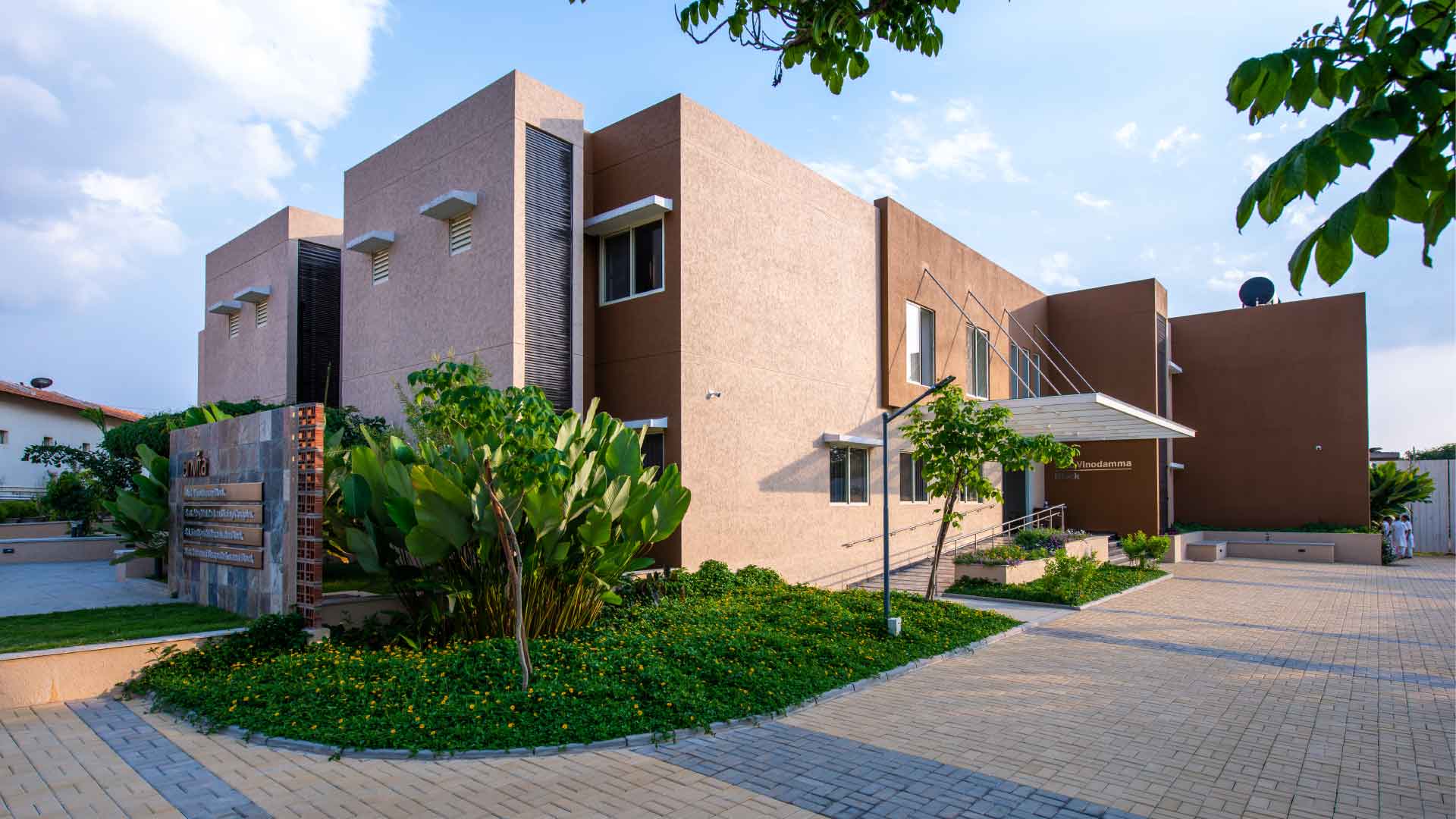
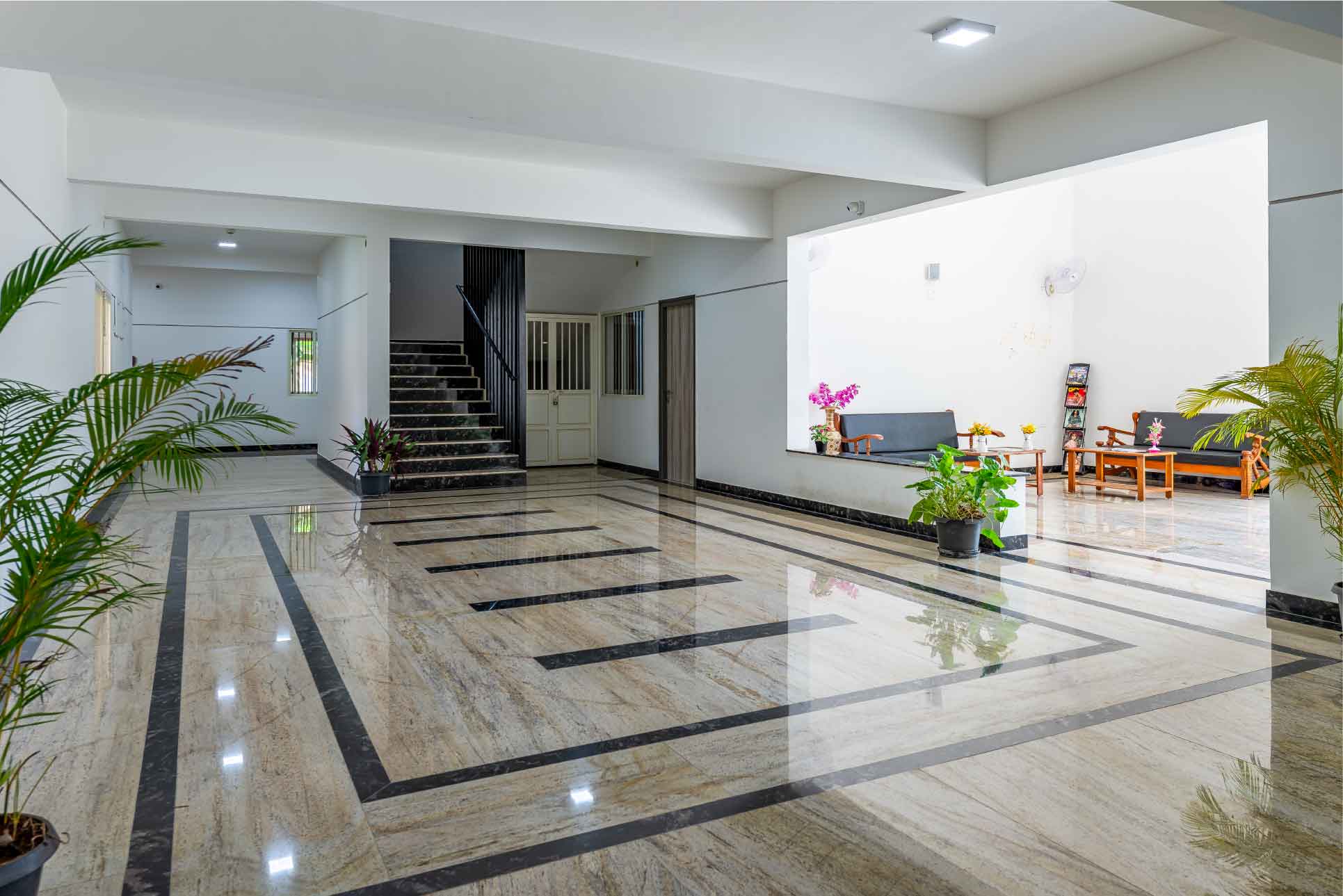
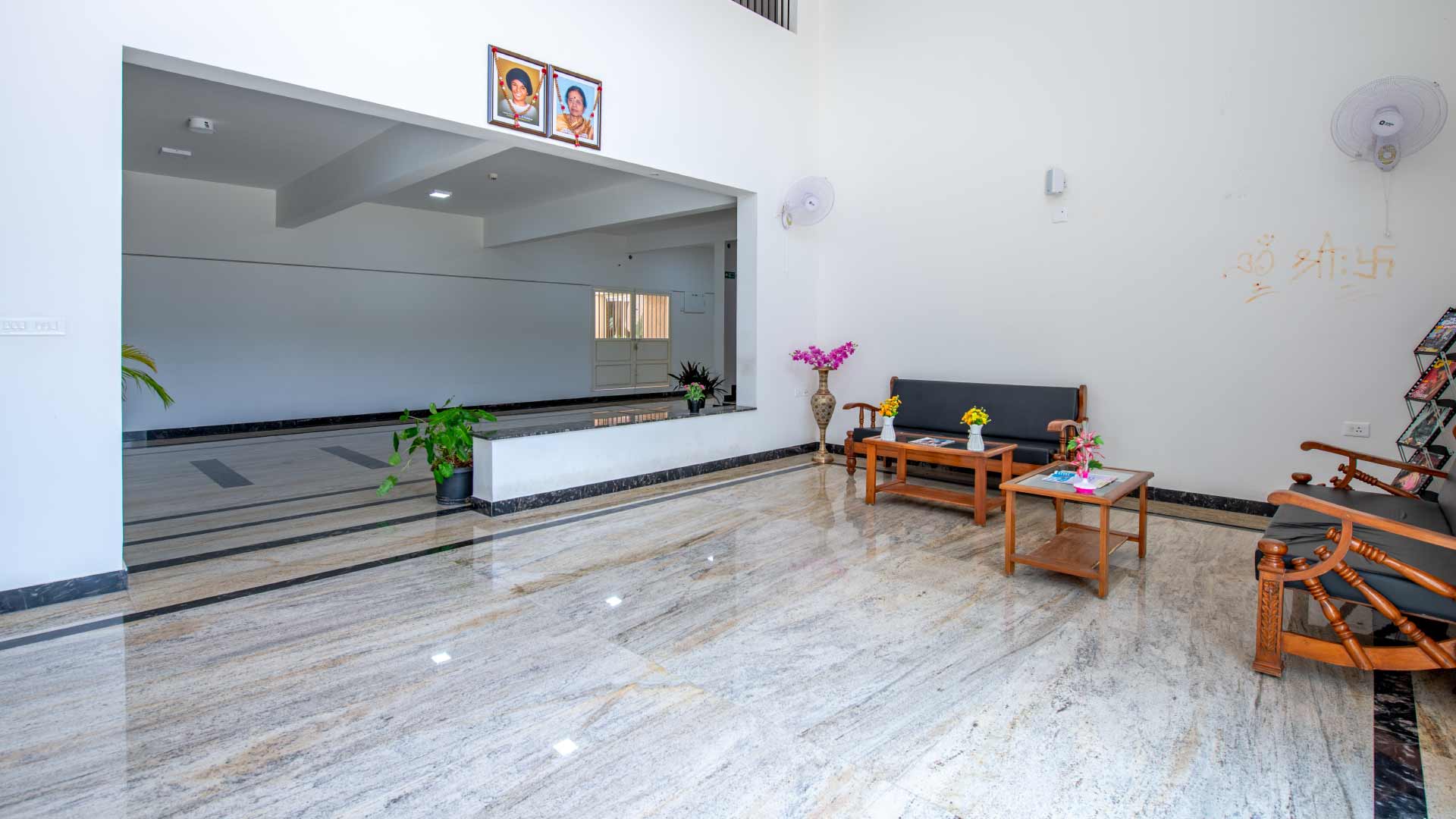
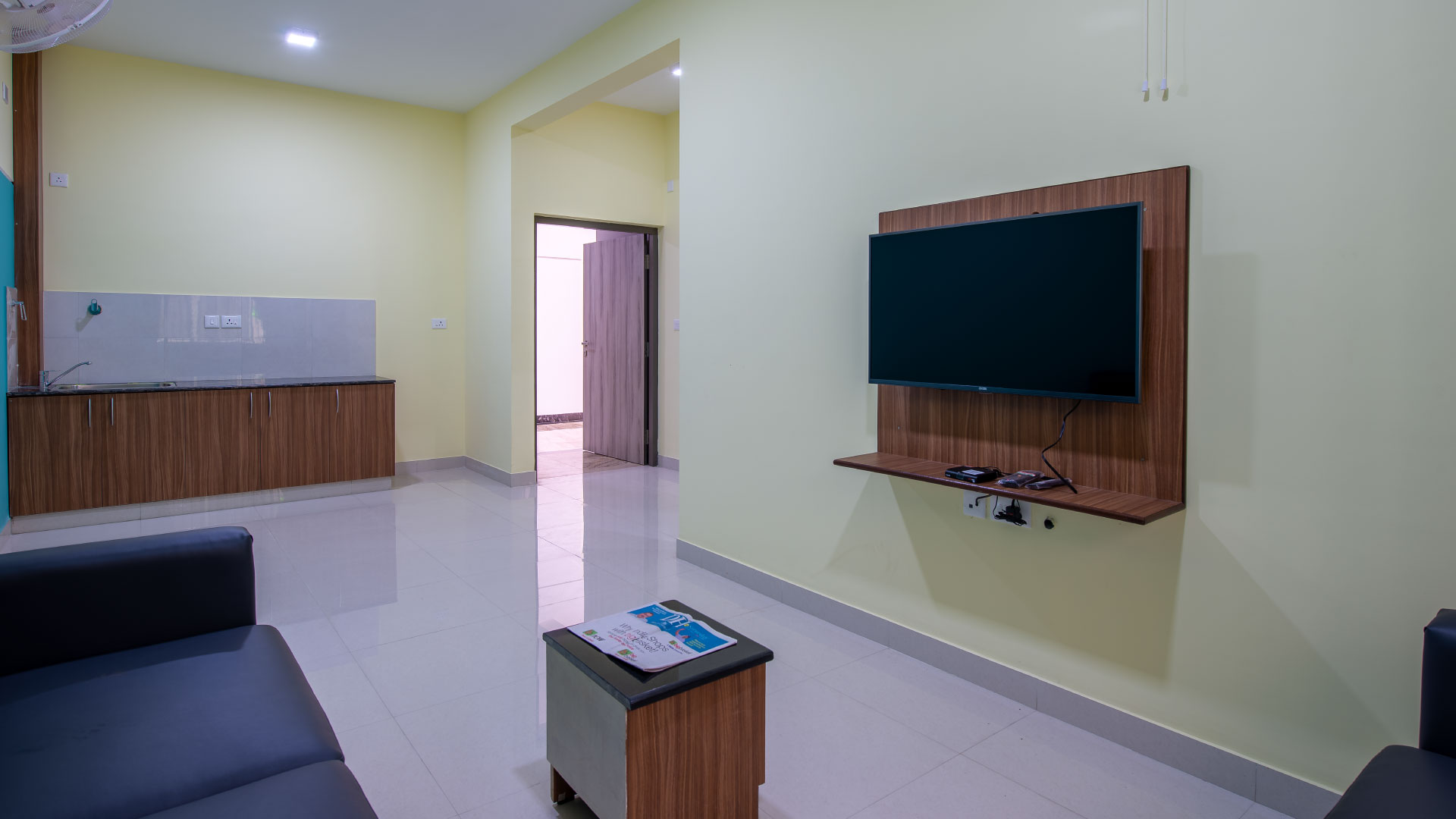
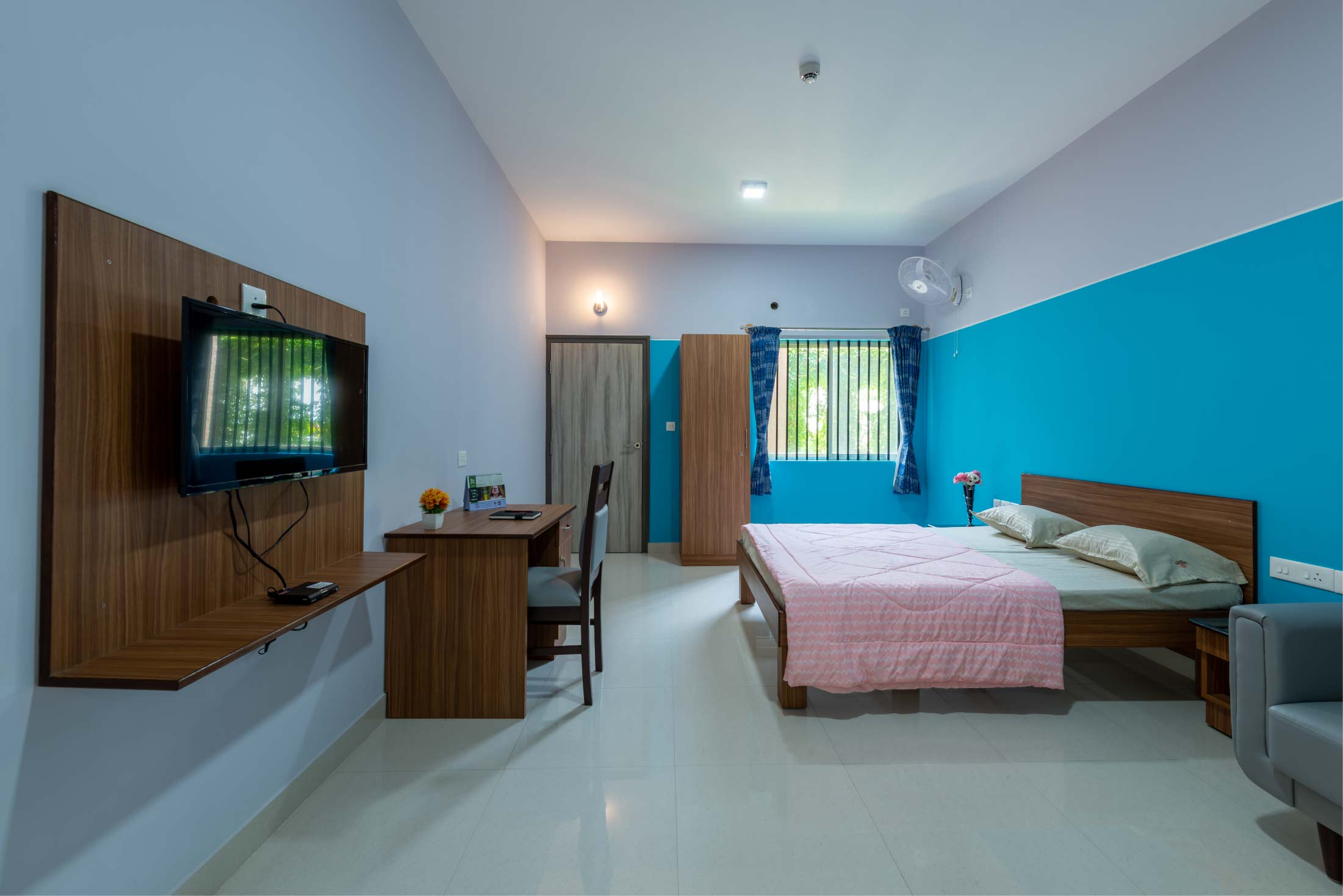
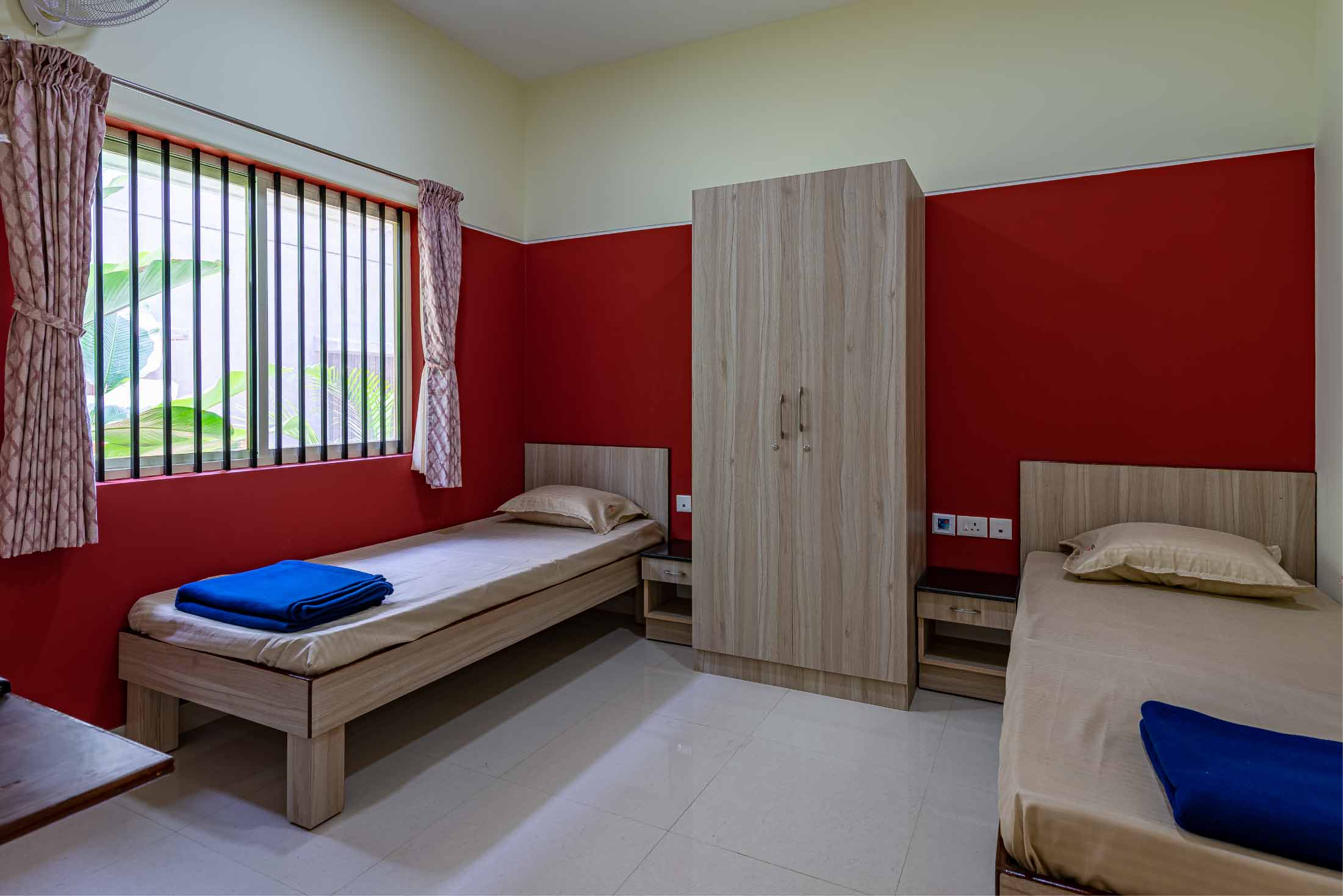
Cadabam’s Hospital in Bangalore has cutting-edge technology along with a individual-first approach. Their priority is to deliver quality care with optimal results in individuals. Its modern infrastructure promotes effective and accurate treatments for PTSD recovery.
Incorporating Holistic Approaches in rTMS Treatment for PTSD
Cadabam’s Hospital in Bangalore integrates every holistic approach to counselling, lifestyle direction, and stress management within the rTMS treatment so that individuals can be provided with comprehensive support from the treatment centre. This all-rounded approach to mental health brings about better overall results in the treatment.
Assessment and Personalised Treatment Planning for PTSD
Cadabam’s Hospital in Bangalore has individually evaluated every individual for their needs and a well-formulated plan. In this way, therapy can align with their specific requirements and objectives. Personalised plans improve the success rate of the therapy by showing effective improvement for individuals.
Ongoing Support and Monitoring for PTSD
Cadabam’s Hospital in Bangalore supports continuous monitoring to measure progress and work through issues. Ongoing care for the individual ensures long-term positive mental health change. Consistent feedback in treatment strategy and positive outcomes helps over time. Take the first step towards healing—Call us at (Contact number) or visit (website) to book a consultation!
Top PTSD Doctors at Cadabam’s Hospitals
Psychiatrist in Bangalore | Psychiatrist in Hyderabad | Psychologist in Bangalore | Psychologist in Hyderabad | Therapist in Bangalore | Therapist in Hyderabad | Counselor in Bangalore | Counselor in Hyderabad |
Best PTSD Treatments Offered at Cadabams
RTMS Hyderabad | Online Counselling Hyderabad | Group Therapy Bangalore | Family Therapy Bangalore | Family Therapy Hyderabad | CBT Hyderabad | REBT Bangalore | Online Counselling Bangalore | Emergency Bangalore | Neurofeedback Hyderabad | REBT Hyderabad | CBT Bangalore | PsychoTherapy Hyderabad | Neurofeedback Bangalore | PsychoTherapy Bangalore | Biofeedback Hyderabad | Biofeedback Bangalore | Emergency Hyderabad | Group Therapy Hyderabad |
More Additional Resources About PTSD
Connection Between PTSD and OCD | Connection Between PTSD and Depression
FAQ
What is rTMS, and how does it help treat PTSD?
rTMS is a non-invasive procedure of brain stimulation to treat symptoms of PTSD by enhancing neural activity to reduce stress levels and help individuals regulate their emotions. It lets people find relief from the troubles of PTSD permanently by giving them some life-changing answers to their challenges.
Is rTMS therapy safe for PTSD?
Yes, rTMS is a safe FDA-approved treatment for PTSD. It has the minimum side effects and is not an anaesthetic one. So, it is the preferred choice for most individuals. Clinical studies and individual experience further support safety and effectiveness in treatment choice.
How many rTMS sessions are typically needed for PTSD?
Most individuals require 20-30 sessions over a period of 4-6 weeks. The number of sessions may vary according to the person’s requirements and the intensity of the symptoms. Personalised plans ensure that every individual gets the right amount of therapy for the best results.
Are there any side effects of rTMS?
Side effects are minimal and occur infrequently, such as mild discomfort in the area where the treatment has been administered or transient headache. These usually pass within a relatively short period. All sessions will be conducted within an environment where safety and individual comfort during treatment are closely monitored.
What support is available to individuals undergoing rTMS at Cadabam’s?
Cadabam’s Hospital in Bangalore offers individual comprehensive counselling, follow-up care, and individually tailored treatment plans to ensure that the individual leaves the clinic with a positive and effective treatment experience for PTSD. Take the first step towards healing—Call us at (Contact Number) or visit (website) to book a consultation.
 Available