How tDCS Works: The Science Behind the Stimulation
The procedure involves placing electrodes on the scalp over specific brain regions implicated in Schizophrenia. A mild tdcs current is then passed between these electrodes, which travels through the scalp and skull to influence neuronal activity. This current can either increase (anodal stimulation) or decrease (cathodal stimulation) the likelihood of neurons firing, helping to rebalance brain circuits that are dysregulated in Schizophrenia.
Why is tDCS Used?
tDCS is used as a therapeutic tool because of its ability to induce neuroplasticity—the brain’s capacity to reorganise and form new neural connections. For conditions like Schizophrenia, where certain brain networks may be underactive or overactive, tdcs stimulation can help normalise this activity. It offers a targeted, non-pharmacological method to improve cognitive deficits and negative symptoms that are often difficult to treat with medication alone.
Benefits of tDCS for Schizophrenia
As a modern approach to mental healthcare, tDCS provides a range of significant benefits for individuals with Schizophrenia. It focuses on enhancing brain function directly, leading to improvements in areas where traditional therapies may fall short.
Enhancing Neuroplasticity and Recovery
tDCS promotes the brain’s natural ability to adapt and rewire itself. By stimulating targeted neural pathways, it encourages the formation of healthier connections, which is fundamental for long-term recovery and functional improvement in Schizophrenia.
Reducing Symptoms of Schizophrenia
Clinical evidence suggests that tDCS can be particularly effective in reducing negative symptoms like apathy and social withdrawal, as well as cognitive symptoms. It can also help diminish the distress caused by auditory hallucinations, offering tangible relief to patients.
Improving Cognitive Function
Many individuals with Schizophrenia experience challenges with memory, attention, and problem-solving. tDCS has been shown to enhance these cognitive functions, enabling patients to engage more effectively in daily life, work, and social interactions.
Accelerating Rehabilitation for Schizophrenia
When integrated with other therapeutic modalities like psychotherapy and occupational therapy, tDCS can accelerate the rehabilitation process. It helps make the brain more receptive to behavioural changes and learning new skills, speeding up the journey toward independence.
Minimizing Medication Dependence
While not a replacement for medication, tDCS can serve as a powerful adjunctive treatment. By improving symptoms and overall brain function, it may allow for a reduction in medication dosages under a psychiatrist’s guidance, thus minimizing potential side effects.
Enhancing Mood and Mental Well-being
Schizophrenia is often accompanied by mood disturbances. tDCS can have a positive effect on mood regulation, helping to alleviate co-occurring symptoms of depression and anxiety, which contributes significantly to a better quality of life.
Prolonging Therapeutic Effects
The benefits of a course of tDCS treatments can be long-lasting. The induced changes in neuroplasticity help sustain the improvements in cognitive function and symptom reduction well beyond the treatment period, promoting lasting stability.
Treatment Accessibility
As a non-invasive, safe, and portable technology, tDCS offers a highly accessible treatment option. Sessions are conducted in a comfortable outpatient setting without the need for anaesthesia or extensive recovery time, making it convenient for patients.
tDCS Treatment Process for Schizophrenia
Understanding the treatment journey is key to feeling comfortable and confident. The process is straightforward and patient-centric, ensuring a supportive experience from start to finish.
What to Expect During tDCS Sessions
During a session, you will be seated comfortably while a trained technician places electrodes on your scalp. You may feel a mild tingling, itching, or warming sensation on your skin under the electrodes, which typically subsides after a few minutes. The sessions are painless, and you can relax, read, or listen to music throughout the procedure.
Setting Up for tDCS: Equipment and Procedure
The setup involves using saline-soaked sponges housed within electrodes, which are held in place by a comfortable headband. These are connected to a small, battery-powered device that delivers the low-level current. The entire procedure is monitored by a specialist to ensure safety and precision, with each session lasting approximately 20-30 minutes.
Choosing the Right tDCS Provider for Schizophrenia in Mysore
Selecting a qualified provider is crucial for a safe and effective treatment outcome. It is essential to choose a centre that combines medical expertise with advanced technology and a patient-first approach, like the services offered at Cadabam’s Spark Hospitals.
Accreditation and Licensing
Ensure the clinic is fully accredited and licensed to provide medical treatments. This guarantees that the Hospitals adhere to strict safety and quality standards set by healthcare authorities.
Experience and Specialization
Look for a team with specific experience in using neuromodulation for psychiatric conditions like Schizophrenia. Specialized expertise ensures that treatment protocols are based on the latest evidence and tailored to your unique needs.
Technology and Equipment
Reputable providers use certified, state-of-the-art equipment. This is essential for ensuring the precise delivery of the stimulation and the safety of the patient throughout the treatment course.
Treatment Customization
A one-size-fits-all approach is not effective for Schizophrenia. The right provider will conduct a thorough assessment to create personalized care plans that target your specific symptoms and recovery goals.
Support Services
Comprehensive care goes beyond the treatment itself. Choose a provider that offers integrated support, including psychiatric consultations, therapy, and family counselling, to address all aspects of your well-being.
Why Choose Cadabam’s Spark Hospitals tDCS Treatment for Schizophrenia in Mysore
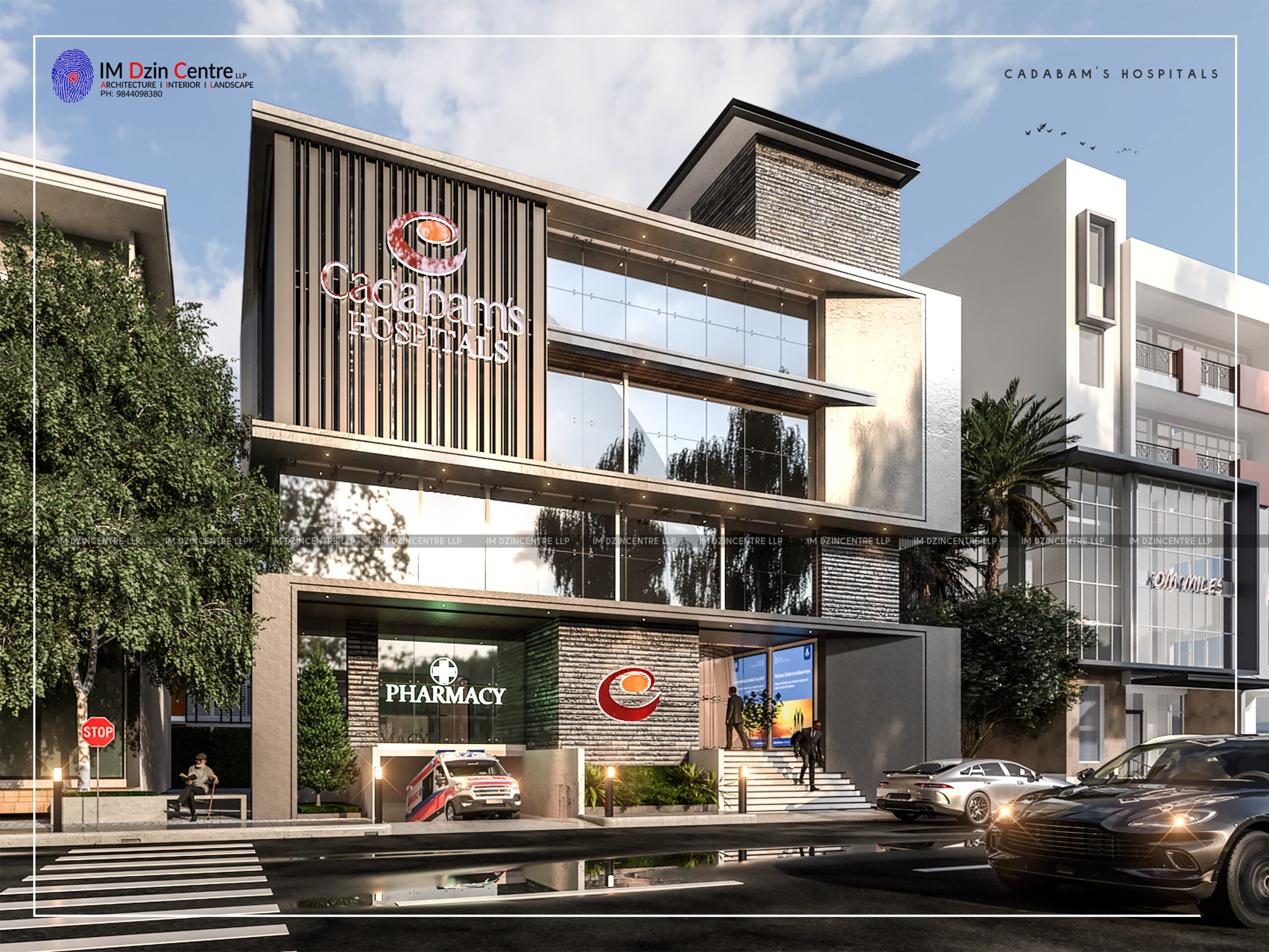
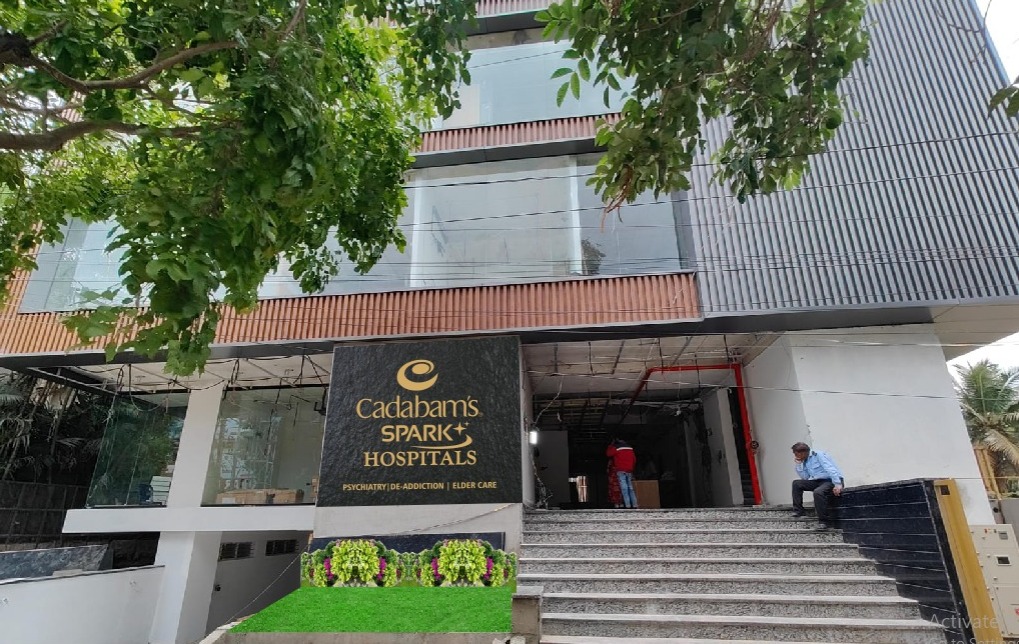
Cadabam’s Hospitals is a leader in mental healthcare in Mysore, offering a premier experience rooted in expertise, innovation, and compassion. Our approach to transcranial direct current stimulation is designed to deliver the best possible outcomes for our patients.
Expert Team Specialized in tDCS for Schizophrenia
Our multidisciplinary team consists of senior psychiatrists, psychologists, and certified technicians who specialize in neuromodulation therapies. Their collective expertise ensures your care is in the most capable hands.
State-of-the-Art Hospitals and Supportive Environment for Schizophrenia
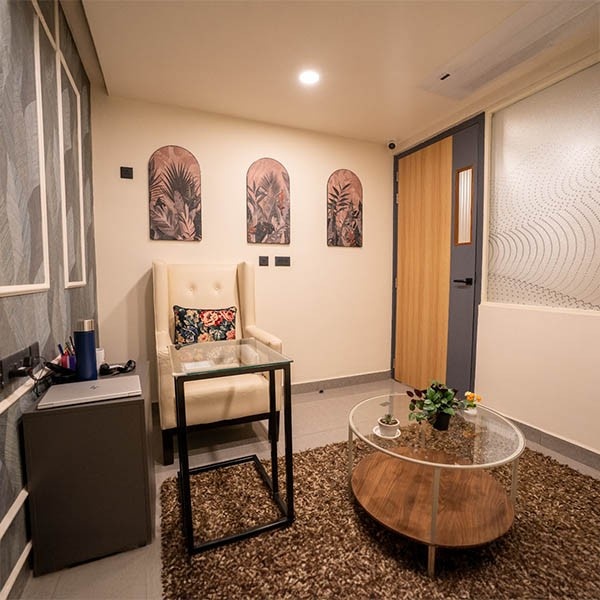
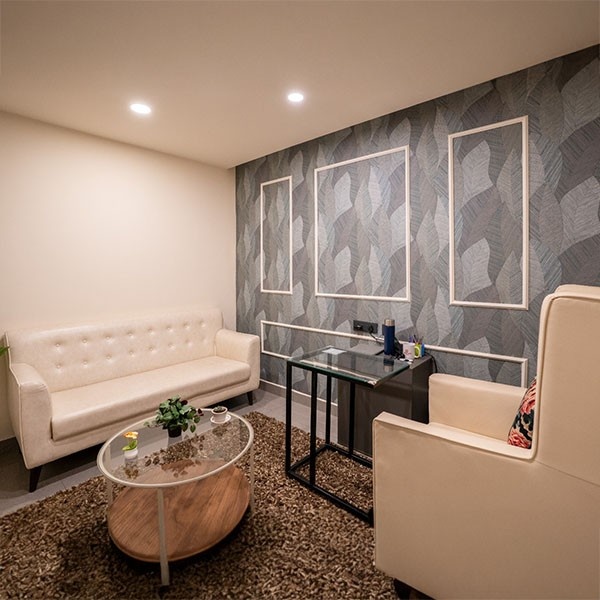
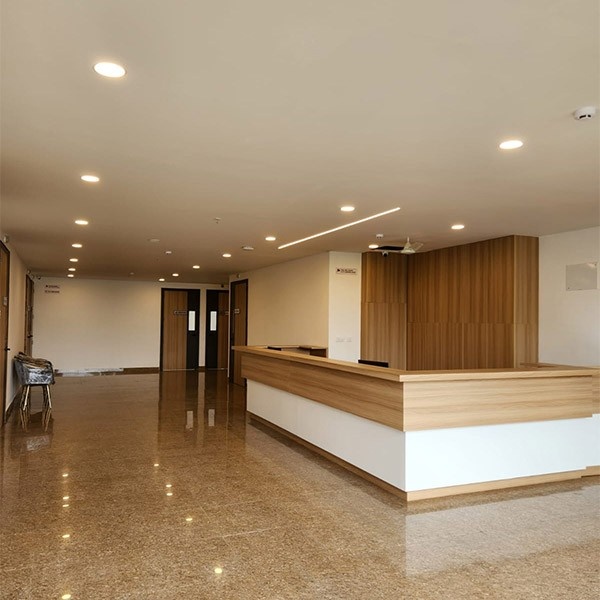
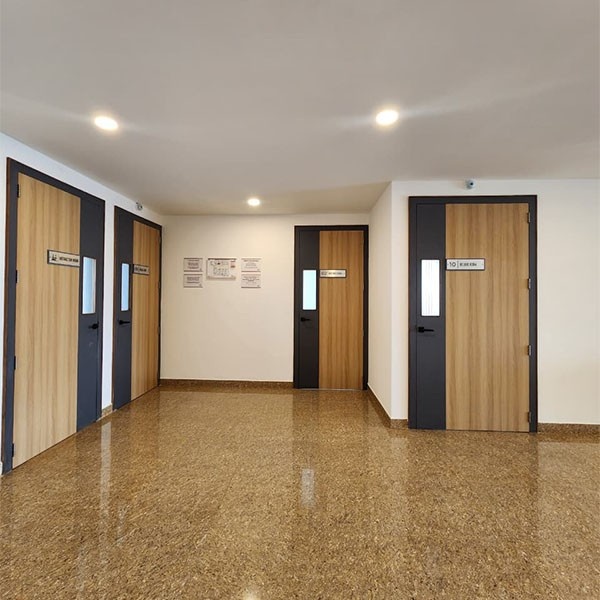
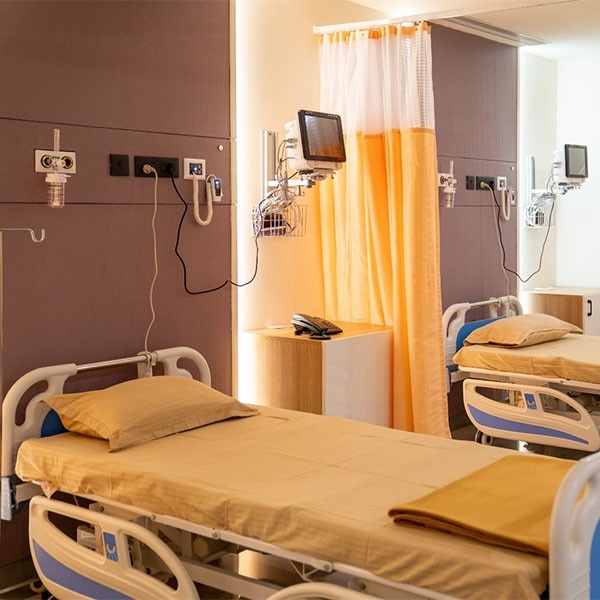
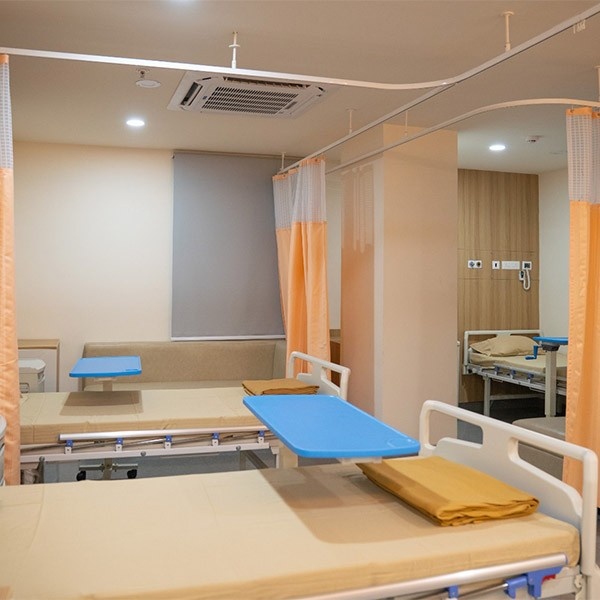
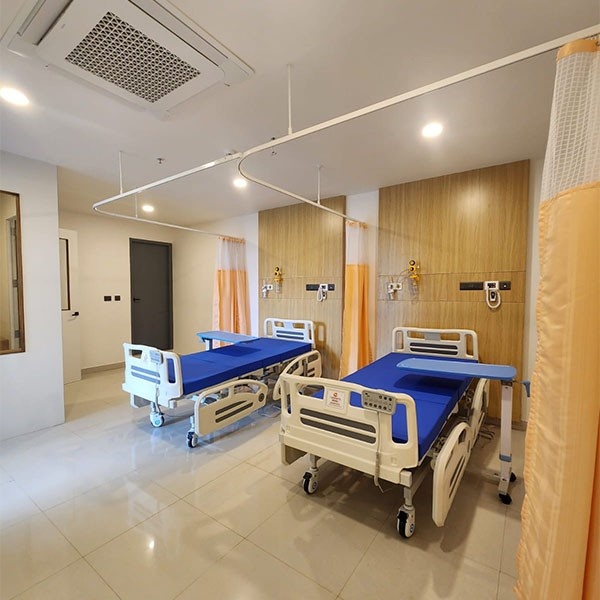
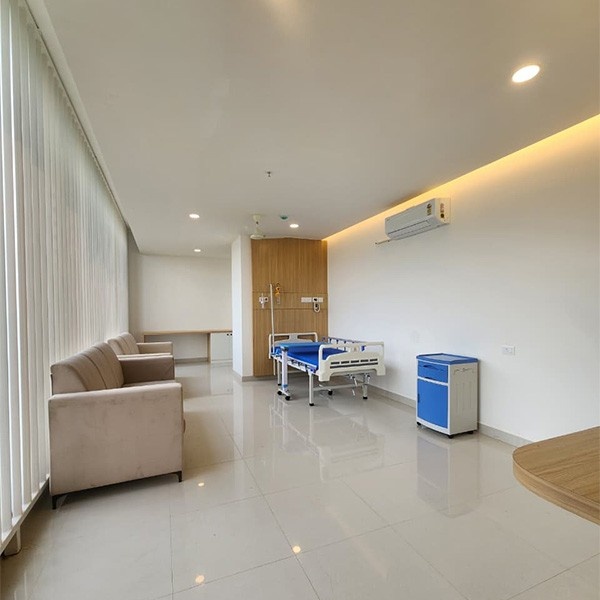
At Cadabam’s Spark Hospitals, we provide care in a modern, serene, and supportive environment. Our state-of-the-art Hospitals are designed to promote healing and comfort, making your treatment experience positive and stress-free.
Incorporating Holistic Approaches in tDCS Treatment for Schizophrenia
We believe in treating the whole person, not just the symptoms. Your tDCS treatment is integrated into a holistic care plan that may include psychotherapy, wellness therapies, and lifestyle coaching to support your complete recovery.
Assessment and Personalized Treatment Planning for Schizophrenia
Every journey at Cadabam’s Spark Hospitals begins with a comprehensive assessment. We use this information to design a highly personalized treatment plan that precisely targets your needs, ensuring the therapy is optimized for maximum benefit.
Ongoing Support and Monitoring for Schizophrenia
Our commitment to your well-being extends beyond the treatment sessions. We provide continuous monitoring and ongoing support to track your progress, make adjustments as needed, and empower you to maintain your gains long-term.
Ready to explore how tDCS can help you or a loved one? Contact Cadabam’s Hospitals Mysore today to schedule a consultation.
Phone: +9190710 35960
Email: info@cadabamshospitals.com
Top Schizophrenia Doctors at Cadabam’s Hospitals
Schizophrenia Psychiatrist in Bangalore | Schizophrenia Psychiatrist in Hyderabad | Schizophrenia Psychiatrist in Mysore | Schizophrenia Psychologist in Bangalore | Schizophrenia Psychologist in Hyderabad | Schizophrenia Psychologist in Mysore | Schizophrenia Therapist in Bangalore | Schizophrenia Therapist in Hyderabad | Schizophrenia Therapist in Mysore
Schizophrenia Rehabilitation
Schizophrenia Rehab in Bangalore | Schizophrenia Rehab in Hyderabad | Schizophrenia Rehab in Mysore
Best Schizophrenia Treatments Offered at Cadabams
Schizophrenia Counselling in Bangalore | Schizophrenia Counselling in Hyderabad | Schizophrenia Counselling in Mysore | Schizophrenia Home Care Bangalore | Schizophrenia Home Care Hyderabad | Schizophrenia Home Care Mysore | Schizophrenia CBT Bangalore | Schizophrenia CBT Hyderabad | Schizophrenia CBT Mysore | Schizophrenia Family Therapy Bangalore | Schizophrenia Family Therapy Hyderabad | Schizophrenia Family Therapy Myspre | Schizophrenia PsychoTherapy Bangalore | Schizophrenia PsychoTherapy Hyderabad | Schizophrenia PsychoTherapy Mysore | Schizophrenia Biofeedback Therapy Bangalore | Schizophrenia Biofeedback Hyderabad | Schizophrenia Biofeedback Mysore | Schizophrenia REBT Bangalore | Schizophrenia REBT Hyderabad | Schizophrenia REBT Mysore | Schizophrenia Group Therapy Bangalore | Schizophrenia Group Therapy Hyderabad | Schizophrenia Group Therapy Mysore | Schizophrenia Post Rehab Care Bangalore | Schizophrenia Post Rehab Care Hyderabahd | Schizophrenia Post Rehab Care Mysore | Schizophrenia Emergency Bangalore | Schizophrenia Emergency Hyderabad | Schizophrenia Emergency Mysore | Schizophrenia Neurofeedback Therapy Bangalore | Schizophrenia Neurofeedback Hyderabad | Schizophrenia Neurofeedback Mysore | Schizophrenia ECT Bangalore | Schizophrenia ECT Hyderabad | Schizophrenia ECT Mysore | Schizophrenia tDCS Hyderabad | Schizophrenia RTMS Mysore
More Additional Resources
Schizophrenia Symptoms and Causes | How to Cure Schizophrenia | Paranoid Schizophrenia | Antipsychotics for Schizophrenia | Schizophrenia at Work | Natural Remedies for Schizophrenia | Schizophrenia Diagnosis | Bipolar Disorder vs Schizophrenia | Depression in Individuals with Schizophrenia | Schizophrenia and Depression | Autism and Schizophrenia | Schizophrenia: Breaking Work Barriers | Understanding Childhood Schizophrenia | Schizophrenia and Sleep | Can Stress Cause Schizophrenia | Schizophrenia Impacts Relationships | Connection Between Anxiety and Schizophrenia | Schizophrenia vs. Split Personality Disorder
Frequently Asked Questions
What is tDCS and how does it help treat Schizophrenia?
This non-invasive brain stimulation technique uses a gentle electrical current to modulate activity in brain regions affected by Schizophrenia. It helps reduce apathetic and cognitive symptoms, improve mood, and enhance overall brain function by promoting healthier neural pathways.
How many tDCS sessions are typically needed for Schizophrenia?
The number of sessions varies based on the individual’s condition and treatment goals. A typical course involves multiple sessions scheduled over several weeks. Your psychiatrist at Cadabam’s will create a personalized schedule after a detailed assessment.
How long does it take to see results from tDCS treatment for Schizophrenia?
Some patients may notice subtle improvements after a few sessions, while for others, the benefits become more apparent after completing the full course of treatment. The results are often gradual and cumulative.
What kind of support does Cadabam’s offer to patients undergoing tDCS for Schizophrenia?
Cadabam’s provides comprehensive support, including initial psychiatric evaluation, personalized care plans, medical supervision during sessions, and integrated therapies like counselling and rehabilitation. We also offer ongoing follow-up to ensure sustained recovery.
Is tDCS expensive?
The cost of transcranial direct current stimulation can vary. At Cadabam’s Hospitals, we strive to provide accessible and affordable care. We recommend contacting us directly to discuss the specific costs and potential payment options available.
 Available