What is Cognitive Behavioral Therapy (CBT)?
Here, we provide a clear definition of CBT, explaining its core principles and how it stands out as a practical, goal-oriented therapeutic approach.
The Principles of CBT
CBT operates on the fundamental principle that our thoughts, feelings, and behaviours are interconnected. The therapy focuses on identifying and challenging negative or unhelpful thought patterns (cognitions) to change destructive behaviours, such as substance use. It is a proactive and collaborative therapeutic style.
How CBT Differs from Other Therapies
Unlike some therapies that delve deep into the past, CBT is primarily focused on the present. It is structured, goal-oriented, and time-limited, equipping patients with practical skills and coping strategies they can apply immediately to manage cravings and avoid triggers.
Get Drug Addiction Diagnosed in Mysore
This section emphasizes the critical importance of a professional diagnosis for creating an effective and personalised treatment plan.
A proper diagnosis is the cornerstone of effective treatment. At Cadabam’s Spark Hospitals, our expert psychiatrists in Mysore conduct comprehensive evaluations to understand the specifics of your condition, including any co-occurring mental health disorders. This accurate assessment allows us to design a care plan tailored precisely to your needs, ensuring the best possible outcome.
The Role of CBT in Treating Drug Addiction
This section explores the direct application of CBT in addiction treatment, detailing its effectiveness and how it integrates into a comprehensive recovery plan.
Is CBT Effective for Drug Addiction Management
The evidence for CBT Drug Addiction effectiveness is overwhelmingly positive. It helps individuals recognise the situations where they are most likely to use drugs, develop skills to avoid these triggers, and learn healthier ways to cope with the feelings and thoughts that lead to substance use.
Combining CBT with Other Treatments for Drug Addiction
For many, the most effective approach combines CBT with other modalities. At Cadabam’s, we may integrate CBT with medication management to control withdrawal symptoms and cravings, alongside family therapy to heal relationships, creating a robust, multi-faceted treatment strategy.
Engaging Family and Support Systems in the CBT Treatment Process
Recovery is not a solitary journey. We actively involve family members and support networks in the treatment process. Educating loved ones and including them in therapy sessions helps create a supportive home environment that reinforces the positive changes and skills learned in CBT.
Tailoring CBT to Individual Needs
There is no one-size-fits-all solution for addiction. Our therapists use their expertise to adapt the framework of CBT to each person. While a general CBT manual for Drug Addiction may provide a guide, our care plans at Cadabam’s Spark Hospitals are always personalised to your unique history, triggers, and goals.
Support Systems and Environment at Cadabam’s Spark Hospitals
We provide a safe, confidential, and non-judgmental environment where individuals can focus entirely on their recovery. Our supportive community of professionals and peers fosters a sense of belonging and encouragement, which is vital for healing.
What to Expect in a CBT Session for Drug Addiction
This section demystifies the therapy process, giving potential patients a clear and reassuring look into what a typical CBT session involves.
A CBT session is a collaborative effort between you and your therapist. You can expect to:
- Set a clear agenda for the session.
- Review progress and any “homework” from the previous session (e.g., tracking cravings).
- Identify specific challenges or triggers you faced.
- Work together to challenge and reframe the thoughts associated with drug use.
- Develop and practice new, practical coping skills.
Why Choose CBT for Drug Addiction Treatment?
This section summarises the compelling reasons why CBT is a preferred and highly successful therapy for overcoming substance use disorders.
Benefits of CBT Therapy on Drug Addiction Patients
CBT empowers patients by teaching them to become their own therapists. Key benefits include developing relapse prevention skills, improving self-control, learning to manage difficult emotions without substances, and building confidence in one’s ability to stay sober. The approach of CBT for Drug Addiction is highly practical and skill-based.
Real-Life Impact of CBT on Drug Addiction Patients
Patients who engage with CBT at Cadabam’s Spark Hospitals often report transformative changes. They not only stop using drugs but also repair damaged relationships, regain stability in their careers, and discover a renewed sense of purpose and well-being.
Long-Term Success with CBT
The ultimate goal of CBT is to provide you with a toolkit for life. The coping strategies and cognitive reframing techniques learned during therapy are durable skills that significantly reduce the risk of relapse and support a lifetime of recovery.
When Should you ask for Help?
If drug use is causing problems in your life—affecting your health, work, or relationships—it’s time to seek help. Don’t wait for a “rock bottom” moment. Early intervention significantly improves the chances of a successful and lasting recovery.
Find the Best Rehab Center for Drug Addiction in Mysore
This section serves as a direct guide for those actively seeking top-tier addiction treatment in the Mysore area.
When searching for the best care for drug addiction in Mysore, it is essential to choose a centre that offers evidence-based, comprehensive, and compassionate treatment. Cadabam’s Spark Hospitals stands as a leader in mental healthcare and addiction recovery, providing a path to a healthier future.
Why Choose Cadabam’s?
This section highlights the unique advantages and features that make Cadabam’s Hospitals the premier choice for addiction treatment.
Expert Team of Psychiatrists and Therapists for Drug Addiction
Our multidisciplinary team consists of experienced psychiatrists, psychologists, and therapists who specialise in addiction medicine. Their expertise ensures you receive the highest standard of care, grounded in the latest scientific research.
State-of-the-Art Hospitals in Cadabam’s for Drug Addiction
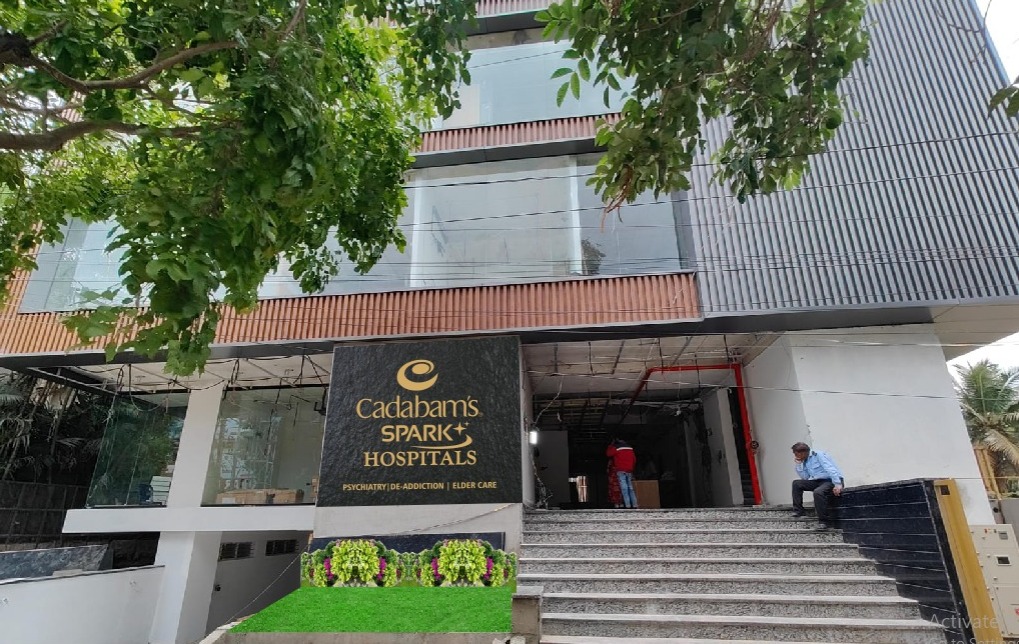
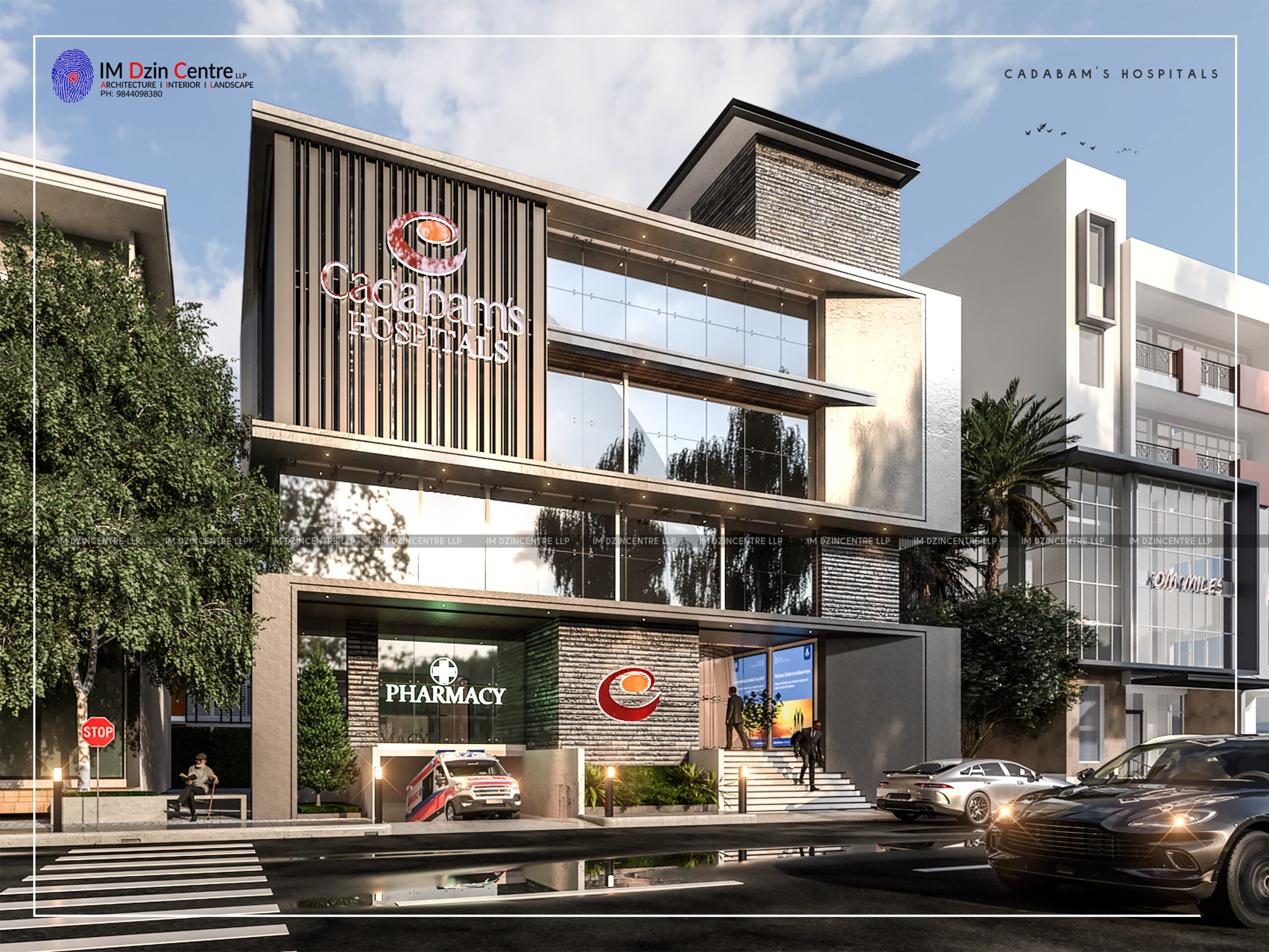
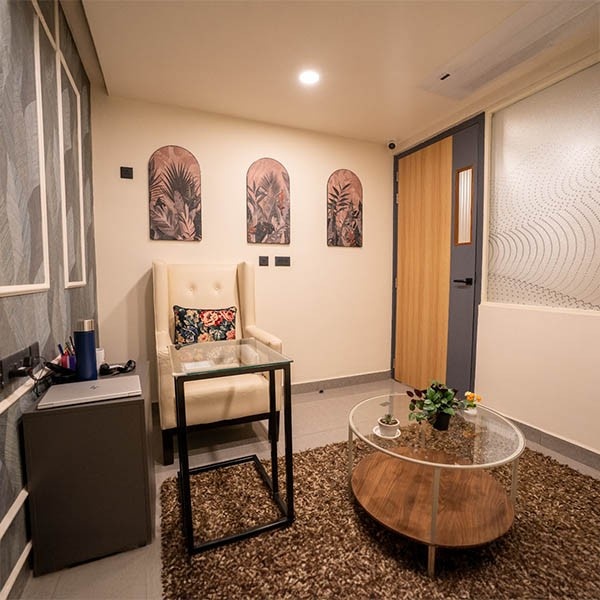
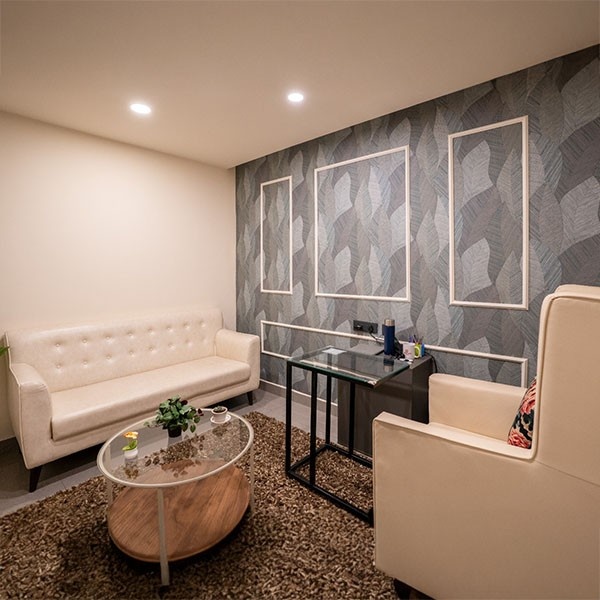
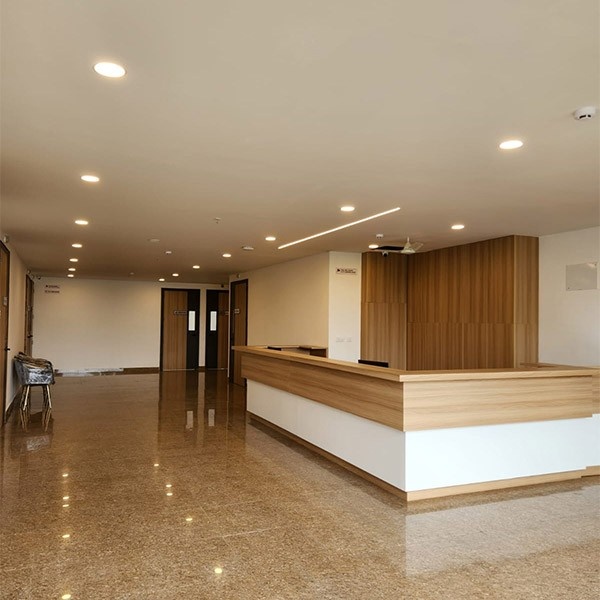
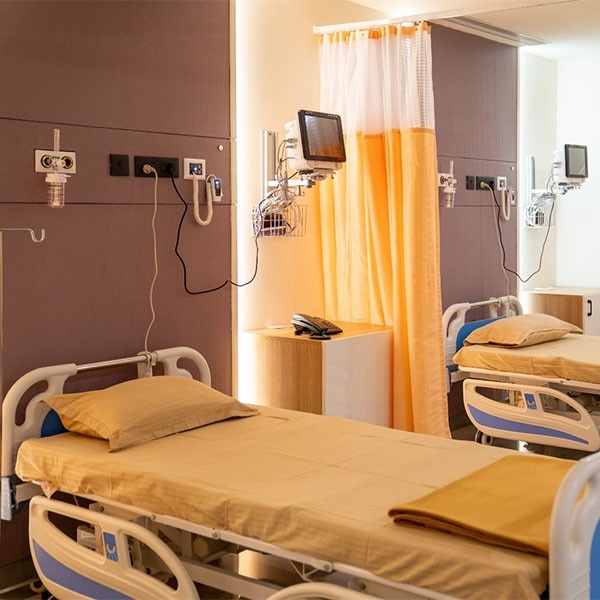
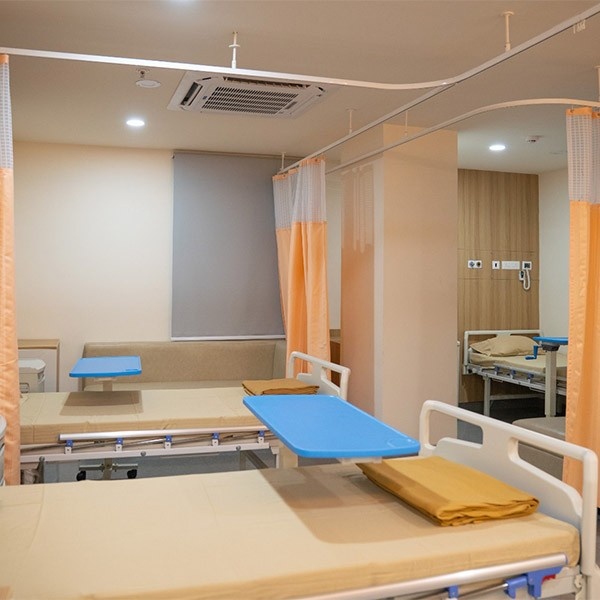
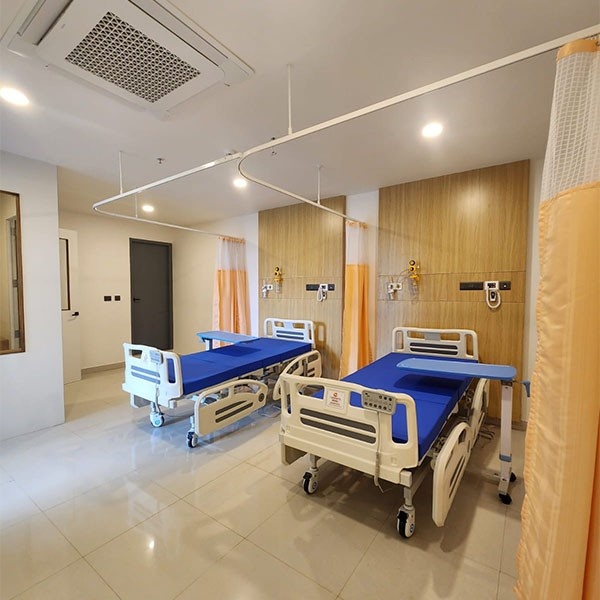
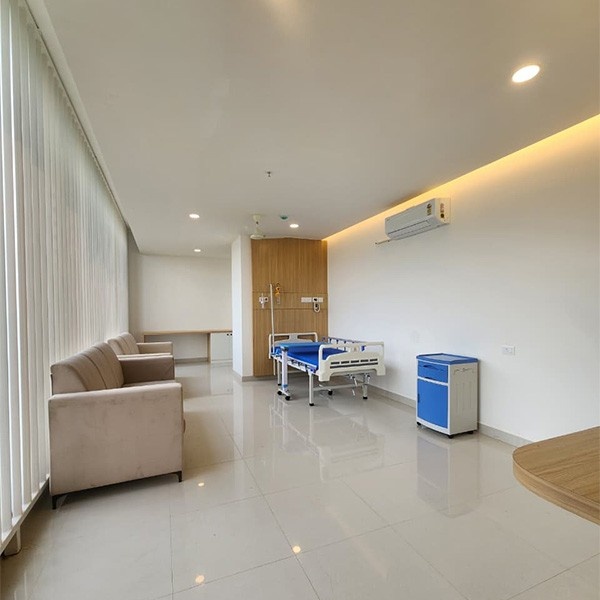
Our Cadabam’s Hospitals in Mysore are designed to be a sanctuary for healing. We provide a comfortable, modern, and secure environment where you can focus entirely on your recovery journey with peace of mind.
Integrating Holistic Therapies for Drug Addiction
We believe in treating the whole person, not just the addiction. Our care plans often integrate holistic therapies such as yoga, mindfulness, art therapy, and meditation alongside CBT to promote overall mental, emotional, and physical well-being.
Continued Care and Follow-Up Care Plans for Drug Addiction
Recovery is an ongoing process. We provide robust aftercare and follow-up care plans to support you long after you leave our Hospitals. This continued connection is crucial for maintaining sobriety and navigating the challenges of post-treatment life.
Take the First Step Towards a New Life
If you or a loved one is struggling with drug addiction, help is here. Contact Cadabam’s Hospitals Mysore today to learn more about our effective CBT for Drug Addiction treatment.
Phone: 97414 76476
Email: info@cadabamshospitals.com
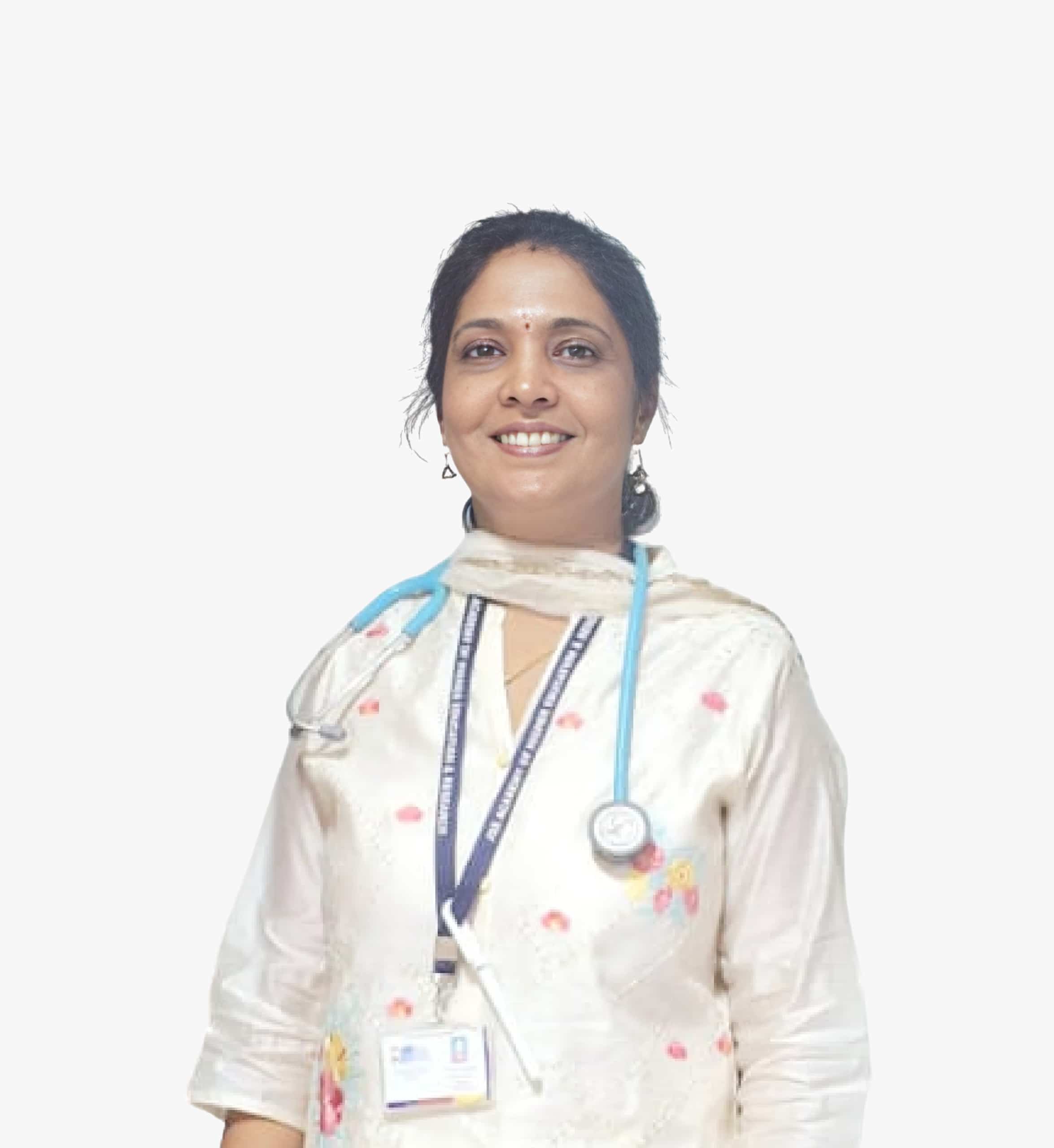
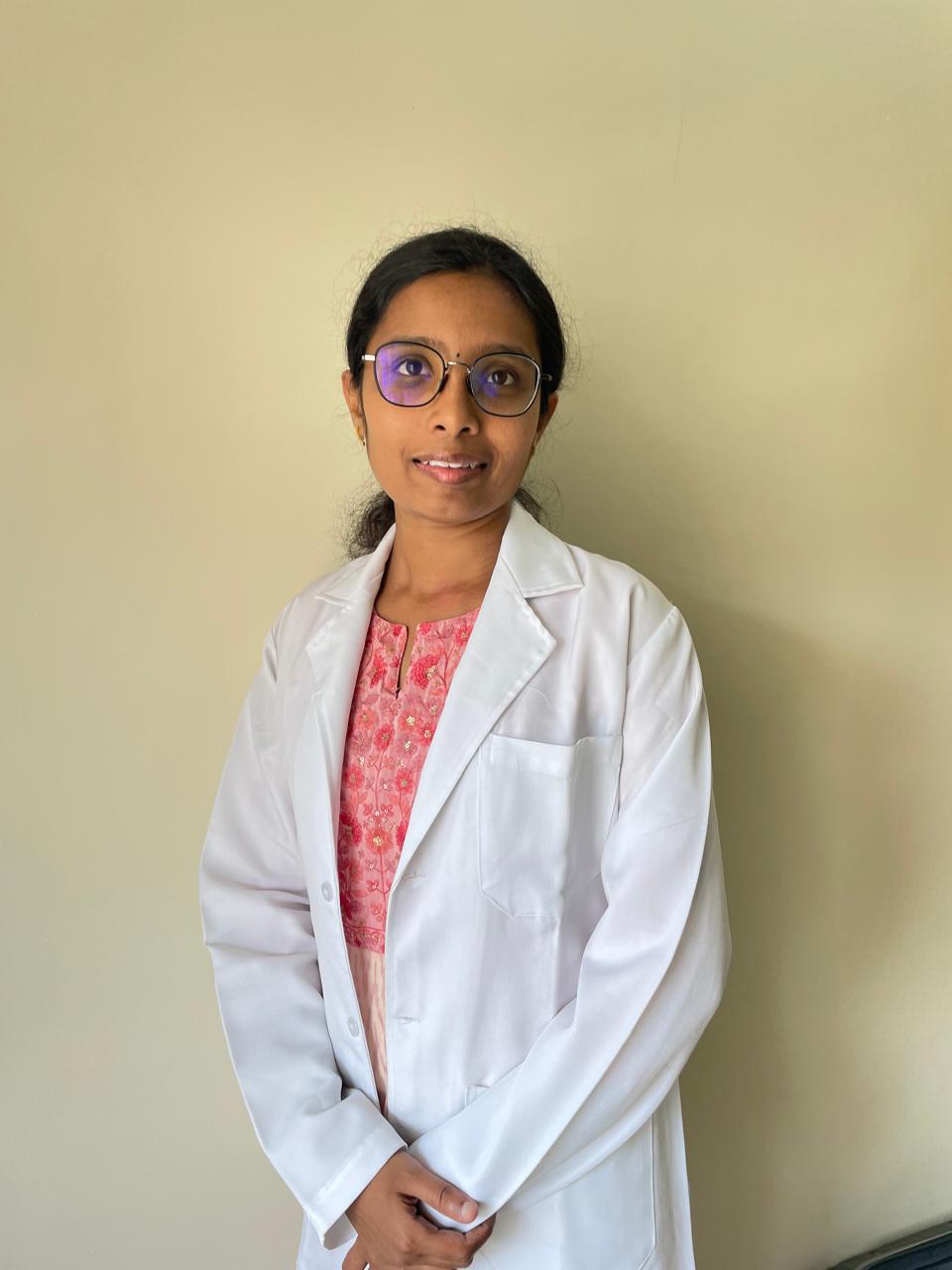
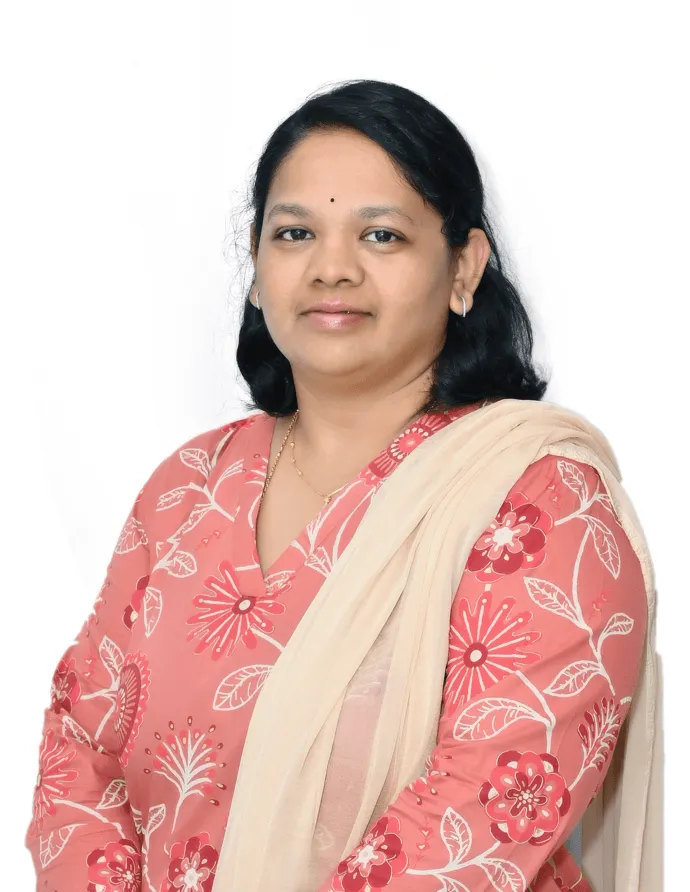
Top Drug Addiction Doctors at Cadabam’s Hospitals
Psychiatrist in Bangalore | Psychiatrist in Hyderabad | Psychiatrist in Mysore | Psychologist in Bangalore | Drug Addiction Psychologist in Hyderabad | Drug Addiction Psychologist in Mysore | Therapist in Bangalore | Therapist in Hyderabad | Therapist in Mysore
Drug Addiction Rehabilitation
Rehab in Bangalore | Rehab in Hyderabad | Rehab in Mysore
Best Drug Addiction Treatments Offered at Cadabams
Counselling Bangalore | Counselling Hyderabad | Counselling Mysore | ECT Bangalore | ECT Therapy Hyderabad | ECT Therapy Mysore | Home treatment Bangalore | Home Services Hyderabad | Home Services Mysore | PsychoTherapy Bangalore | PsychoTherapy Hyderabad | PsychoTherapy Mysore | Group Therapy Bangalore | s Group Therapy Hyderabad | s Group Therapy Mysore | Neurofeedback Bangalore | Neurofeedback Hyderabad | Neurofeedback Mysore | REBT Bangalore | REBT Hyderabad | REBT Mysore | CBT Bangalore | CBT Hyderabad | Emergency Bangalore | Emergency Hyderabad | Emergency Mysore | Family Therapy Bangalore | Family Therapy Hyderabad | Family Therapy Mysore | Biofeedback Bangalore | Biofeedback Mysore | tDCS Hyderabad | tDCS Mysore | Post-Rehab Bangalore | Post-Rehab Hyderabad | Post-Rehab Mysore | RTMS Mysore
More Additional Resources
Teens Overcome Drug Abuse | Teen Drug Abuse | Drug-Induced Psychosis | Drug and Alcohol Detoxification | Workplace Drug Abuse | Drug Addiction Treatment Programs
FAQS
1. How does CBT help in treating Drug Addiction?
CBT helps by teaching individuals to identify the thoughts and situations that trigger drug cravings. It then provides practical skills to manage these triggers, change negative thinking patterns, and develop healthier coping mechanisms to prevent relapse.
2. Which CBT techniques are used for Drug Addiction?
Common techniques include Functional Analysis, where you analyse the thoughts, feelings, and circumstances before and after substance use, and Skills Training, where you learn and practice new skills for refusal, problem-solving, and managing cravings.
3. What does a typical CBT session look like?
A typical session is structured and collaborative. You and your therapist will review your week, discuss specific challenges related to addiction, work on identifying and reframing unhelpful thoughts, and set practical goals and “homework” to practice new skills before the next session.
4. How long does CBT treatment for drug addiction usually take?
The duration of CBT treatment varies based on individual needs and the severity of the addiction. Typically, a structured program may involve 12 to 16 weekly sessions, but this can be adjusted based on your progress and ongoing needs. We focus on achieving sustainable results rather than a fixed timeline.
5. Can CBT be effective if I have a dual diagnosis (addiction and another mental health condition)?
Yes. CBT is highly effective for dual diagnosis. At Cadabam’s, our integrated treatment approach is specifically designed to address both substance use disorders and co-occurring conditions like anxiety, depression, or PTSD simultaneously, leading to more comprehensive and lasting recovery.
6. What makes Cadabam’s approach to CBT different?
Our approach is distinguished by its deep personalization. While adhering to evidence-based CBT protocols, our therapists tailor every session to your unique life circumstances, triggers, and goals. This is enhanced by our holistic model, integrating family support, medication management, and wellness therapies for a whole-person recovery.
 Available