What is Electroconvulsive Therapy (ECT)?
This section offers a clear, demystified explanation of Electroconvulsive Therapy, detailing its history, how it is performed today, and its role as a safe and modern medical procedure.
ECT is a medical procedure performed under general anesthesia, where small, controlled electric currents are passed through the brain to trigger a brief, intentional seizure. This process is known to cause changes in brain chemistry that can rapidly reverse symptoms of certain severe mental health conditions.
The History and Evolution of ECT
Initially introduced in the 1930s, ECT has undergone significant evolution. Modern ECT is a highly refined and safe procedure, vastly different from its early portrayals. The use of anesthesia, muscle relaxants, and precise equipment has made it a well-tolerated treatment with a strong track record of success for specific, severe conditions.
How ECT is Performed
An ECT session is a carefully managed medical procedure. The patient receives general anesthesia and a muscle relaxant to ensure comfort and safety. Electrodes are placed on the scalp, and a precisely calculated electrical current is administered for a few seconds. The entire process is closely monitored by a team of medical professionals, and the patient awakens within minutes, with little to no memory of the treatment itself.
Get Drug Addiction Diagnosed in Mysore
This section guides individuals in Mysore on the crucial first step of obtaining a professional diagnosis for drug addiction, highlighting the expert and confidential assessment process at Cadabam’s Hospitals.
A proper diagnosis is the cornerstone of an effective treatment plan. At Cadabam’s Hospitals in Mysore, our expert psychiatrists conduct a comprehensive evaluation that includes a detailed medical history, psychiatric assessment, and sometimes physical exams to understand the full scope of the addiction and any co-occurring disorders. This thorough process ensures that the care plan is perfectly tailored to your unique needs.
Role of ECT in Drug Addiction Management
This section explores the specific application of ECT in treating drug addiction, clarifying its mechanism, effectiveness, and how it integrates into a broader, comprehensive treatment strategy.
While not a primary treatment for addiction itself, the connection between ect and Drug Addiction is vital when the addiction is complicated by severe, treatment-resistant mood disorders like major depression or bipolar disorder. By alleviating these co-occurring conditions, ECT can break down a major barrier to successful addiction recovery.
The Mechanism of ECT in Treating Drug Addiction
ECT is believed to work by “rebooting” the brain’s neural pathways and altering the levels of key neurotransmitters involved in mood regulation. For individuals whose drug use is driven by an underlying severe depression, relieving depressive symptoms with ECT can reduce the craving and compulsion to use substances as a form of self-medication.
Is ECT Effective for Drug Addiction Management
ECT has proven highly effective for managing severe, treatment-resistant depression, which often co-occurs with and exacerbates drug addiction. When a patient’s depressive symptoms improve, they become more receptive to and engaged in traditional addiction therapies, significantly improving their chances of a successful recovery.
Combining ECT with Other Treatments for Drug Addiction
ECT is most effective when it is part of an integrated treatment strategy. At Cadabam’s, a course of ECT is typically combined with psychotherapy, counseling, medication management, and structured rehabilitation care plans to address all facets of the addiction and the individual’s well-being.
Engaging Family and Support Systems in the ECT Treatment Process
Recovery is a journey best taken with support. We actively involve family members in the treatment process, providing them with education and counseling. A strong support system is invaluable for encouraging the patient post-ECT and maintaining long-term sobriety.
Tailoring ECT to Individual Needs
There is no one-size-fits-all approach to mental health. Our team at Cadabam’s Hospitals meticulously evaluates each patient to determine if ECT is the right choice. The treatment parameters, including the number and frequency of sessions, are customized to ensure optimal safety and effectiveness for the individual.
What to Expect in a ECT Session for Drug Addiction
This section provides a clear, step-by-step description of an ECT session, from preparation through to the brief recovery period, designed to reduce anxiety and inform patients and their families.
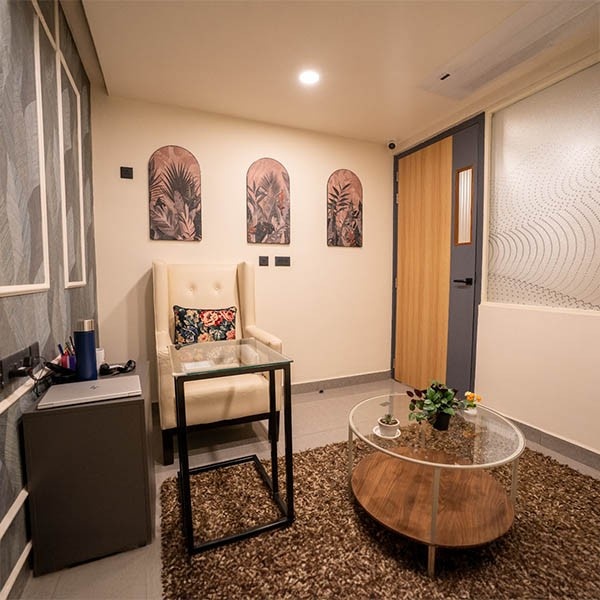
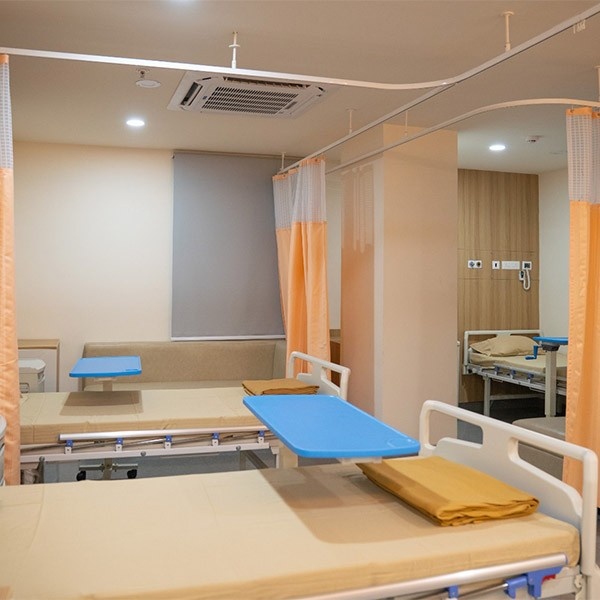
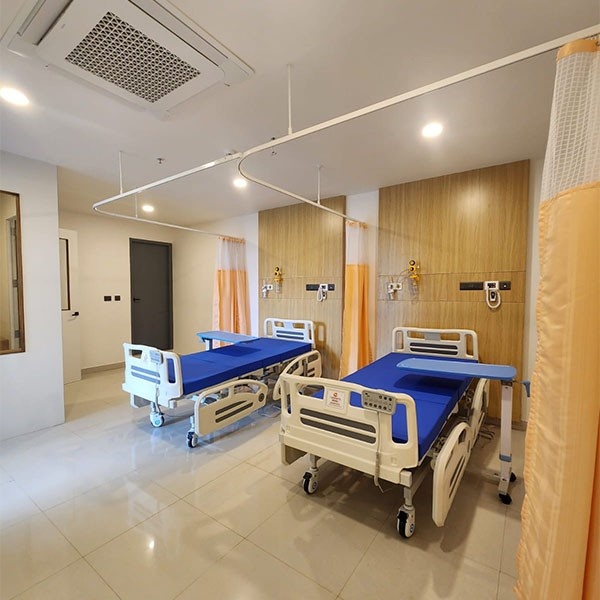
Before the session, you’ll have a pre-treatment evaluation. On the day of the treatment, you’ll be taken to a dedicated suite where an anesthesiologist will administer general anesthesia. Once you are asleep, the psychiatrist will perform the ECT, which lasts only a few minutes. You will then be moved to a recovery area for monitoring as you wake up. Most patients are able to return home the same day.
Why Choose ECT for Drug Addiction Treatment?
This section highlights the specific reasons and scenarios where ECT is considered a beneficial and recommended treatment option, focusing on its advantages for certain patient profiles.
ECT is a powerful option when drug addiction is intertwined with severe mental health conditions that haven’t responded to other treatments. Its ability to provide rapid and significant relief from debilitating symptoms can be a critical turning point in the recovery process.
Benefits of ECT for Drug Addiction Patients
The primary benefit is the rapid reduction of severe depressive or manic symptoms that may be driving addictive behaviors. This can decrease suicidality, improve mood and motivation, and enhance a patient’s ability to participate fully in their comprehensive addiction recovery care plan.
When is ECT Recommended as a Treatment Option for Drug Addiction
ECT is typically recommended for individuals with drug addiction co-occurring with:
- Treatment-resistant major depression
- Severe mania associated with bipolar disorder
- Acute suicidal ideation
- Catatonia
It is reserved for cases where other treatments have been ineffective or when symptoms are life-threatening.
Patient Eligibility for ECT
Eligibility is determined after a thorough evaluation by our psychiatric and medical team. This includes a review of your mental and physical health history to ensure the procedure is safe and appropriate for your specific condition.
Find the Best Rehab Center for Drug Addiction in Mysore
This section positions Cadabam’s Spark Hospitals as a leading choice for drug addiction rehabilitation in Mysore, emphasizing its comprehensive and high-quality care.
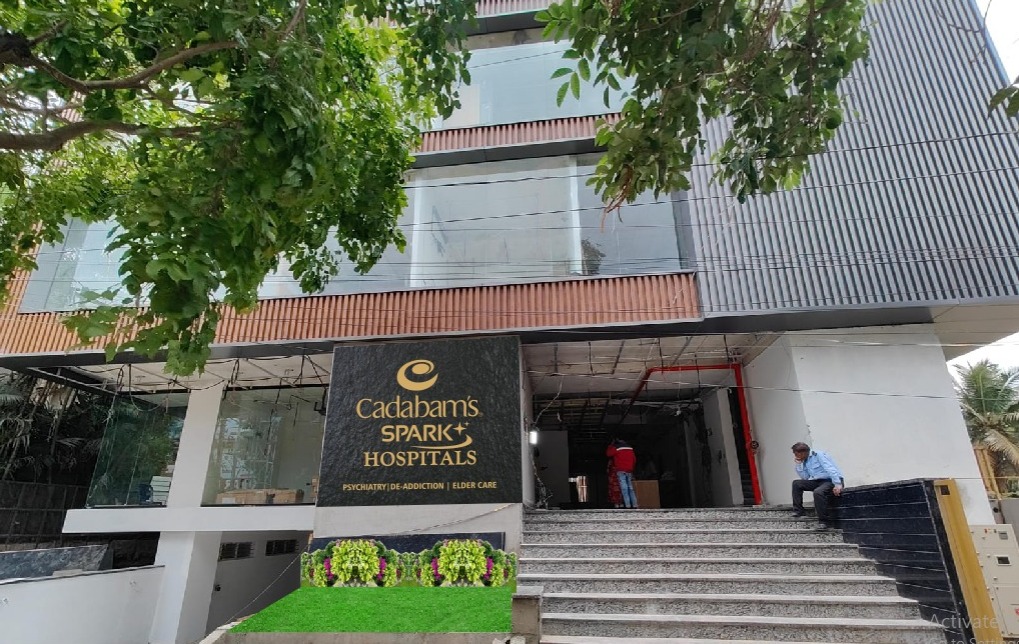
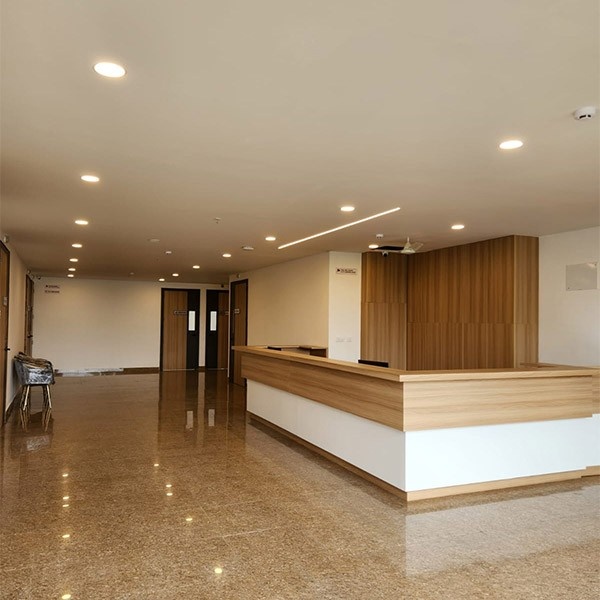
When seeking help for drug addiction, choosing the right Hospitals is paramount. Cadabam’s Spark Hospitals in Mysore stands out for its multidisciplinary approach, state-of-the-art facilities, and compassionate, evidence-based care. We are committed to providing a safe and nurturing environment for recovery.
Why Choose Cadabam’s?
This section provides compelling reasons to choose Cadabam’s for treatment, focusing on the expertise of the team, tailored post-ECT care, and a strong emphasis on family support and long-term recovery.
Choosing Cadabam’s Spark Hospitals means choosing a legacy of excellence in mental healthcare. We combine clinical expertise with compassionate care to support you through every step of your recovery. Our approach to ect Drug Addiction treatment is holistic, focusing not just on symptoms but on your overall well-being and future.
Expert Team of Psychiatrists and Therapists for Drug Addiction
Our team consists of highly experienced psychiatrists, psychologists, therapists, and counselors who specialize in addiction and co-occurring disorders. This collaborative approach ensures you receive comprehensive and expert care.
Post-ECT Rehabilitation and Therapy Options for Drug Addiction
Treatment doesn’t end with the final ECT session. We offer robust post-ECT rehabilitation and therapy options, including individual counseling, group therapy, and cognitive-behavioral therapy (CBT), to reinforce coping skills and build a strong foundation for sobriety.
Family Support and Education for Drug Addiction
At Cadabam’s Hospitals, we believe in healing families, not just individuals. We provide extensive support and educational resources for family members to help them understand addiction and learn how to best support their loved one’s recovery journey.
Ongoing Management and Relapse Prevention for Drug Addiction
Our commitment to you extends beyond your time at our Hospitals. We develop personalized ongoing management and relapse prevention plans to provide you with the tools and support needed to navigate life’s challenges and maintain long-term recovery.
For a confidential consultation about ECT and drug addiction treatment, contact our team today.
Phone: +9190710 35960
Email: info@cadabamshospitals.com
Top Drug Addiction Doctors at Cadabam’s Hospitals
Psychiatrist in Bangalore | Psychiatrist in Hyderabad | Psychiatrist in Mysore | Psychologist in Bangalore | Drug Addiction Psychologist in Hyderabad | Drug Addiction Psychologist in Mysore | Therapist in Bangalore | Therapist in Hyderabad | Therapist in Mysore
Drug Addiction Rehabilitation
Rehab in Bangalore | Rehab in Hyderabad | Rehab in Mysore
Best Drug Addiction Treatments Offered at Cadabams
Counselling Bangalore | Counselling Hyderabad | Counselling Mysore | ECT Bangalore | ECT Therapy Hyderabad | Home treatment Bangalore | Home Services Hyderabad | Home Services Mysore | PsychoTherapy Bangalore | PsychoTherapy Hyderabad | PsychoTherapy Mysore | Group Therapy Bangalore | s Group Therapy Hyderabad | s Group Therapy Mysore | Neurofeedback Bangalore | Neurofeedback Hyderabad | Neurofeedback Mysore | REBT Bangalore | REBT Hyderabad | REBT Mysore | CBT Bangalore | CBT Hyderabad | CBT Mysore | Emergency Bangalore | Emergency Hyderabad | Emergency Mysore | Family Therapy Bangalore | Family Therapy Hyderabad | Family Therapy Mysore | Biofeedback Bangalore | Biofeedback Mysore | tDCS Hyderabad | tDCS Mysore | Post-Rehab Bangalore | Post-Rehab Hyderabad | Post-Rehab Mysore | RTMS Mysore
More Additional Resources
Teens Overcome Drug Abuse | Teen Drug Abuse | Drug-Induced Psychosis | Drug and Alcohol Detoxification | Workplace Drug Abuse | Drug Addiction Treatment Programs
Frequently Asked Questions
Can Electroconvulsive Therapy help Drug Addiction?
Electroconvulsive Therapy can be a very helpful component of treatment for drug addiction, particularly when the individual also suffers from a severe, co-occurring mood disorder like major depression that has not responded to other treatments. By alleviating the mood disorder, ECT can improve engagement in addiction therapy.
Does ECT work for Drug Addiction?
ECT does not treat the addiction itself, but it effectively treats severe mental health conditions that often fuel addiction. Its success in these cases creates a more stable mental state, which is crucial for addressing addictive behaviors and achieving lasting recovery.
How much does electroconvulsive therapy for Drug Addiction cost?
The cost of ECT varies depending on the individual’s customized care plan and the recommended number of sessions. For detailed information on pricing and payment options, please contact Cadabam’s Spark Hospitals directly at+9190710 35960.
How many sessions of ECT is required for treating Drug Addiction?
The number of ECT sessions required is highly individualized. A typical course for depression ranges from 6 to 12 sessions, administered 2-3 times per week. Our psychiatric team will determine the optimal course of treatment based on your specific clinical needs and response.
Can ECT be Combined with Other Drug Addiction Treatments?
Absolutely. ECT is most effective when used as part of a comprehensive care plan. At Cadabam’s, it is integrated with psychotherapy, medication management, and rehabilitation care plans to address all aspects of the recovery journey.
 Available