How tDCS Works: the Science Behind the Stimulation
Here, we demystify the mechanism of tDCS, explaining the scientific principles of how the low-level current influences brain cells and neural pathways to bring about therapeutic changes.
The core of tDCS lies in its ability to influence neuroplasticity—the brain’s capacity to reorganise itself by forming new neural connections. During a session, a mild tdcs current flows from a positive electrode (anode) to a negative one (cathode). The area under the anode becomes more excitable, making neurons more likely to fire, while the area under the cathode becomes less excitable. For Dementia, this targeted tdcs stimulation can help reactivate brain circuits involved in memory and cognition.
Why Is tDCS Used?
This part broadens the context, explaining the wide range of neurological and psychiatric conditions for which tDCS is used, establishing its credibility and versatility as a therapeutic tool.
Initially explored for conditions like depression and chronic pain, the application of tDCS has expanded significantly. It is now used to treat a variety of neurological and psychiatric disorders, including stroke recovery, anxiety, and cognitive impairments. Its ability to safely modulate brain function makes it a valuable tool for conditions like Dementia, where specific neural networks are underactive or have been compromised.
Benefits of tDCS for Dementia
This section details the specific advantages of using tDCS for Dementia patients, breaking down the benefits into clear, tangible outcomes like improved cognitive function and reduced symptoms.
The application of tdcs in Dementia care offers several compelling benefits aimed at improving both cognitive health and overall well-being.
Enhancing Neuroplasticity and Recovery
tDCS encourages the brain to form new pathways, which is crucial for recovering functions lost due to neurodegeneration. This enhanced plasticity can help the brain compensate for damaged areas.
Reducing Symptoms of Dementia
By stimulating key brain regions, tDCS can help alleviate common symptoms such as memory loss, confusion, and difficulty with problem-solving, leading to improved daily functioning.
Improving Cognitive Function
Many individuals undergoing tDCS report noticeable improvements in cognitive domains like attention, executive function, and verbal fluency, which are often severely impacted by Dementia.
Accelerating Rehabilitation for Dementia
When combined with cognitive rehabilitation therapies, tDCS can accelerate progress. The stimulation primes the brain to be more receptive to therapeutic activities, making them more effective.
Minimizing Medication Dependence
By directly improving brain function, tDCS may help reduce the need for certain medications, thereby decreasing the risk of side effects and drug interactions.
Enhancing Mood and Mental Well-Being
Dementia is often accompanied by depression and apathy. tDCS can positively influence mood-regulating areas of the brain, leading to a better emotional state and increased engagement in life.
Prolonging Therapeutic Effects
Studies suggest that the benefits of a course of tDCS sessions can be long-lasting, helping patients maintain their cognitive and functional improvements over time.
Treatment Accessibility
As a safe, portable, and non-invasive procedure, tDCS is an accessible treatment option for many patients, including those who may not be candidates for more invasive procedures.
tDCS Treatment Process for Dementia
This section walks the patient through the tDCS treatment journey, from what to expect during a session to the equipment involved, aiming to reduce anxiety and set clear expectations.
Understanding the treatment process can help you feel more comfortable and prepared. At Cadabam’s Spark Hospitals, we ensure the experience is smooth, safe, and transparent.
What to Expect During tDCS Sessions
A typical tDCS session is a calm and painless experience. You will be seated comfortably while a trained technician places saline-soaked sponge electrodes on specific areas of your head. You might feel a slight tingling or itching sensation under the electrodes for the first few minutes, which usually fades as the session progresses. A single session typically lasts between 20 to 30 minutes.
Setting Up for tDCS: Equipment and Procedure
We use certified, medical-grade tDCS devices. The procedure begins with our team determining the precise electrode placement based on your individual needs and the target brain region. The device is then set to deliver a very low and controlled electrical current. Throughout the session, you are monitored by our staff to ensure your comfort and safety.
Choosing the Right tDCS Provider for Dementia in Mysore
This practical guide helps readers make an informed decision when selecting a tDCS provider, outlining key quality indicators like accreditation, experience, and technology.
The effectiveness of tDCS treatment is highly dependent on the quality of the provider. Here’s what to look for when choosing a tDCS centre in Mysore.
Accreditation and Licensing
Ensure the Hospitals are fully accredited and licensed. This guarantees they adhere to strict national standards for safety, quality, and ethical practice.
Experience and Specialization
Look for a team with specific expertise in using tDCS for neurological conditions like Dementia. Specialized experience translates to better treatment protocols and outcomes.
Technology and Equipment
The provider should use state-of-the-art, certified tDCS equipment. Advanced technology ensures precise, safe, and effective delivery of the treatment.
Treatment Customization
One size does not fit all. The best providers create personalized care plans tailored to your unique cognitive profile, symptoms, and treatment goals.
Support Services
Comprehensive care goes beyond the treatment session. A good provider offers integrated support, including psychological counselling, family support, and rehabilitation services.
Why Choose Cadabam’s Hospitals tDCS Treatment for Dementia in Mysore
This section positions Cadabam’s Spark Hospitals as the premier choice for tDCS in Mysore, highlighting our expert team, advanced facilities, and patient-centered, holistic approach to care.
At Cadabam’s Hospitals, we combine clinical excellence with compassionate care to offer a leading tDCS service for Dementia treatment in Mysore.
Expert Team Specialized in tDCS for Dementia
Our multidisciplinary team includes psychiatrists, neurologists, and certified technicians with specialized training in neurostimulation techniques for Dementia, ensuring you receive expert care.
State-of-the-Art Hospitals and Supportive Environment for Dementia
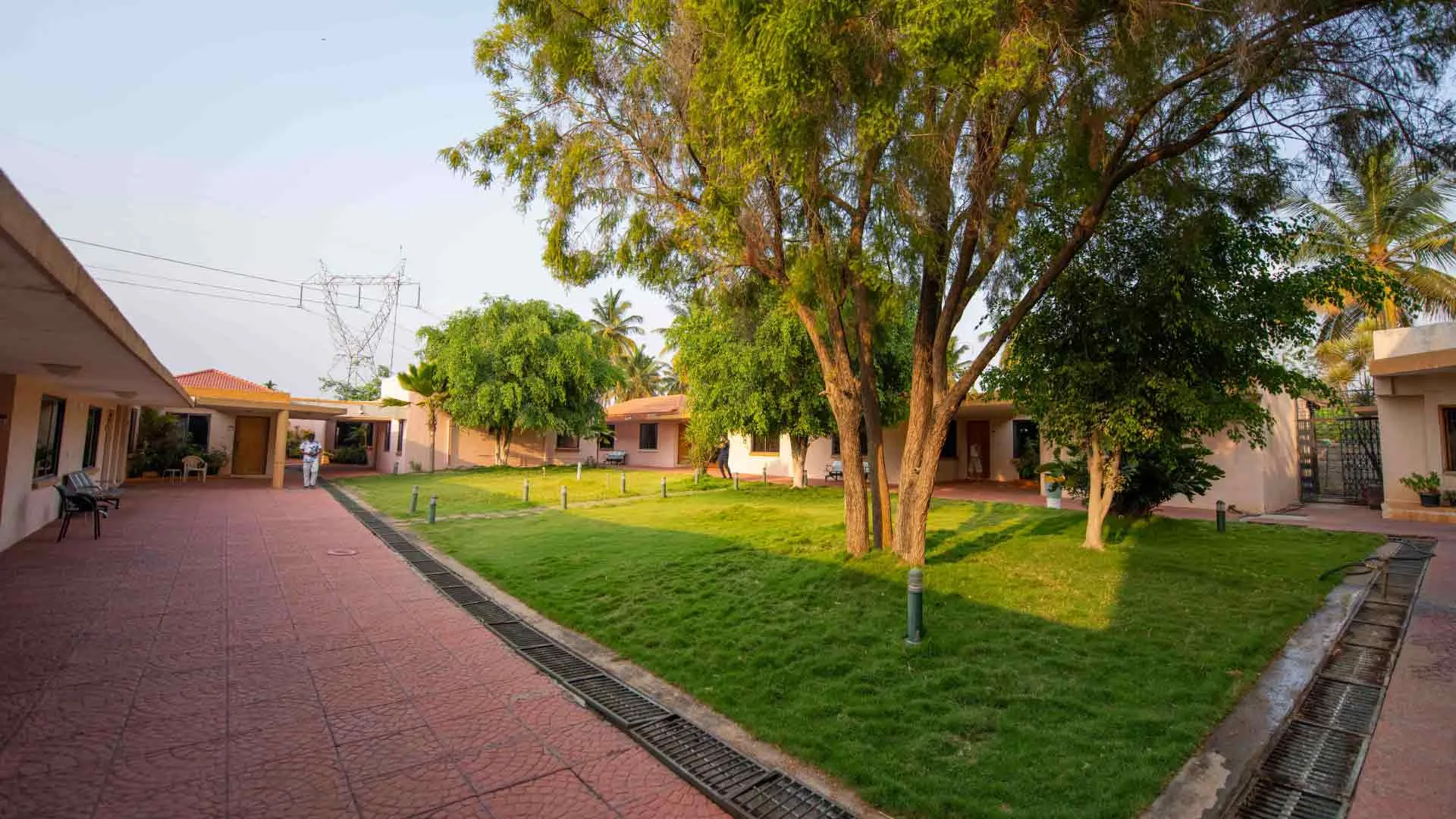
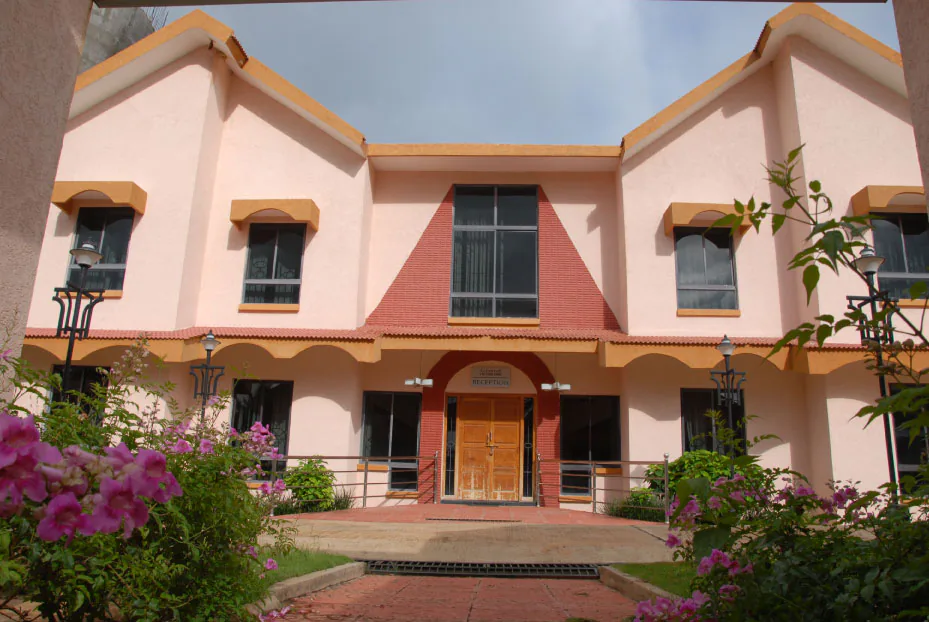
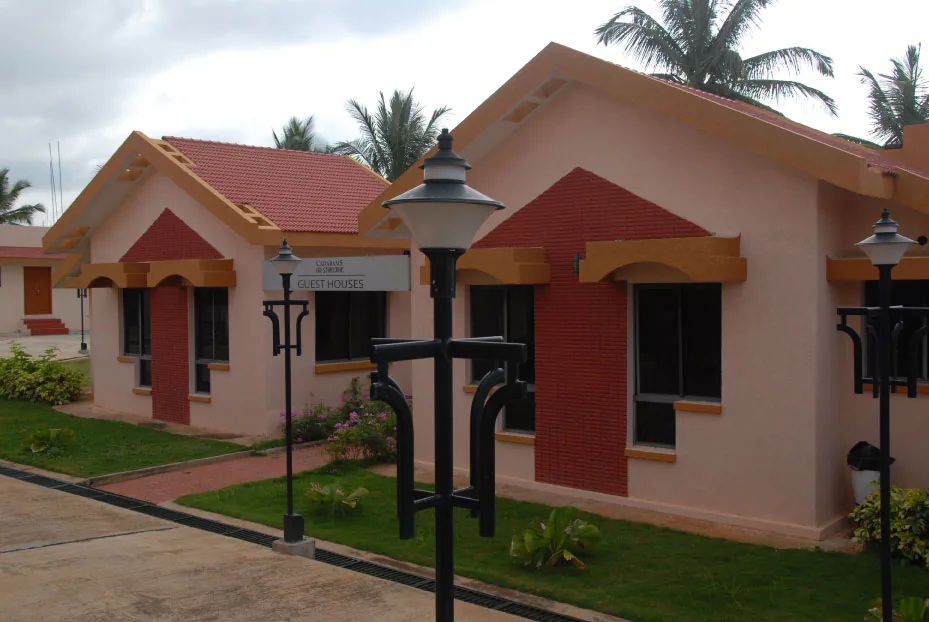
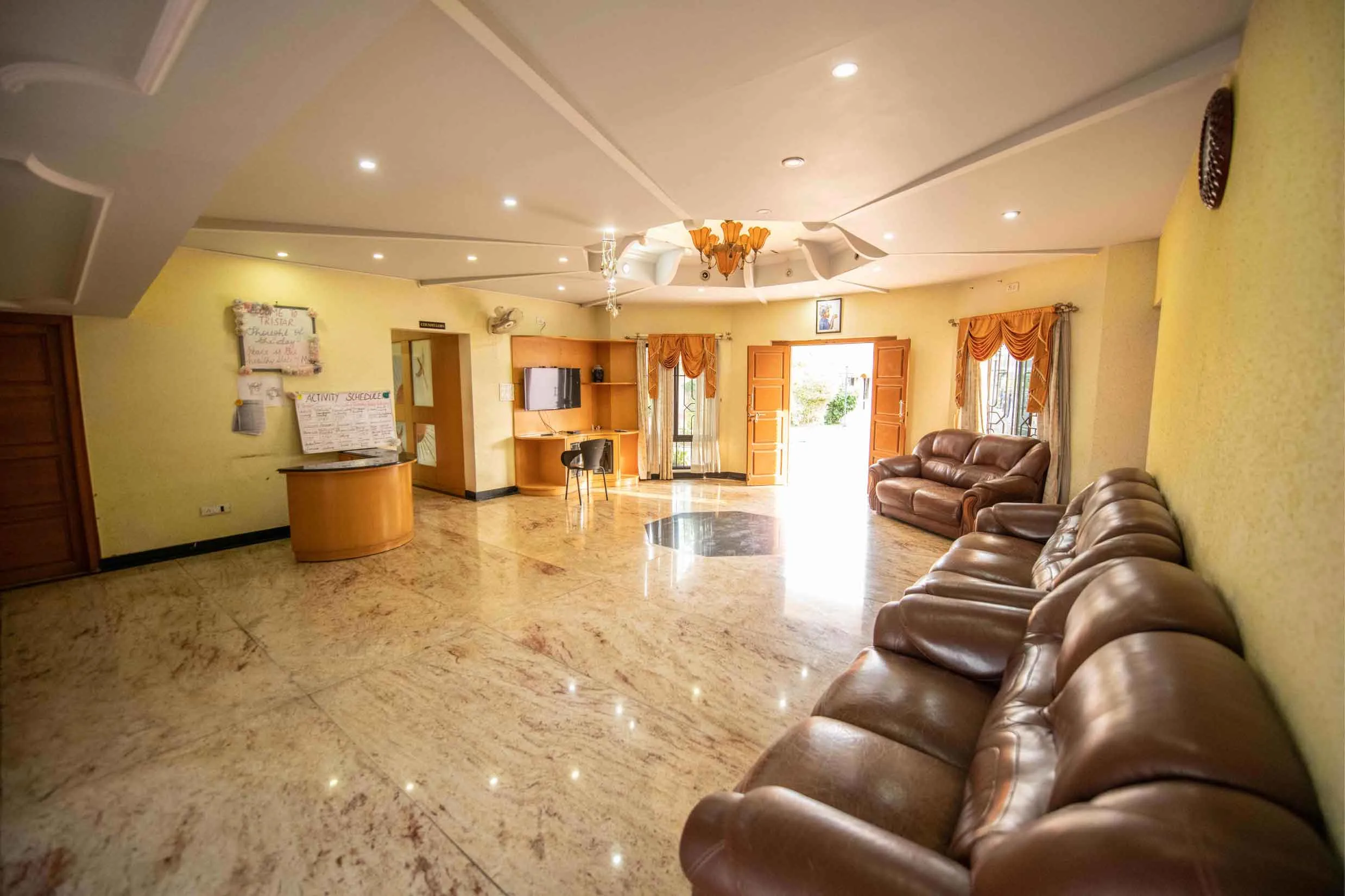
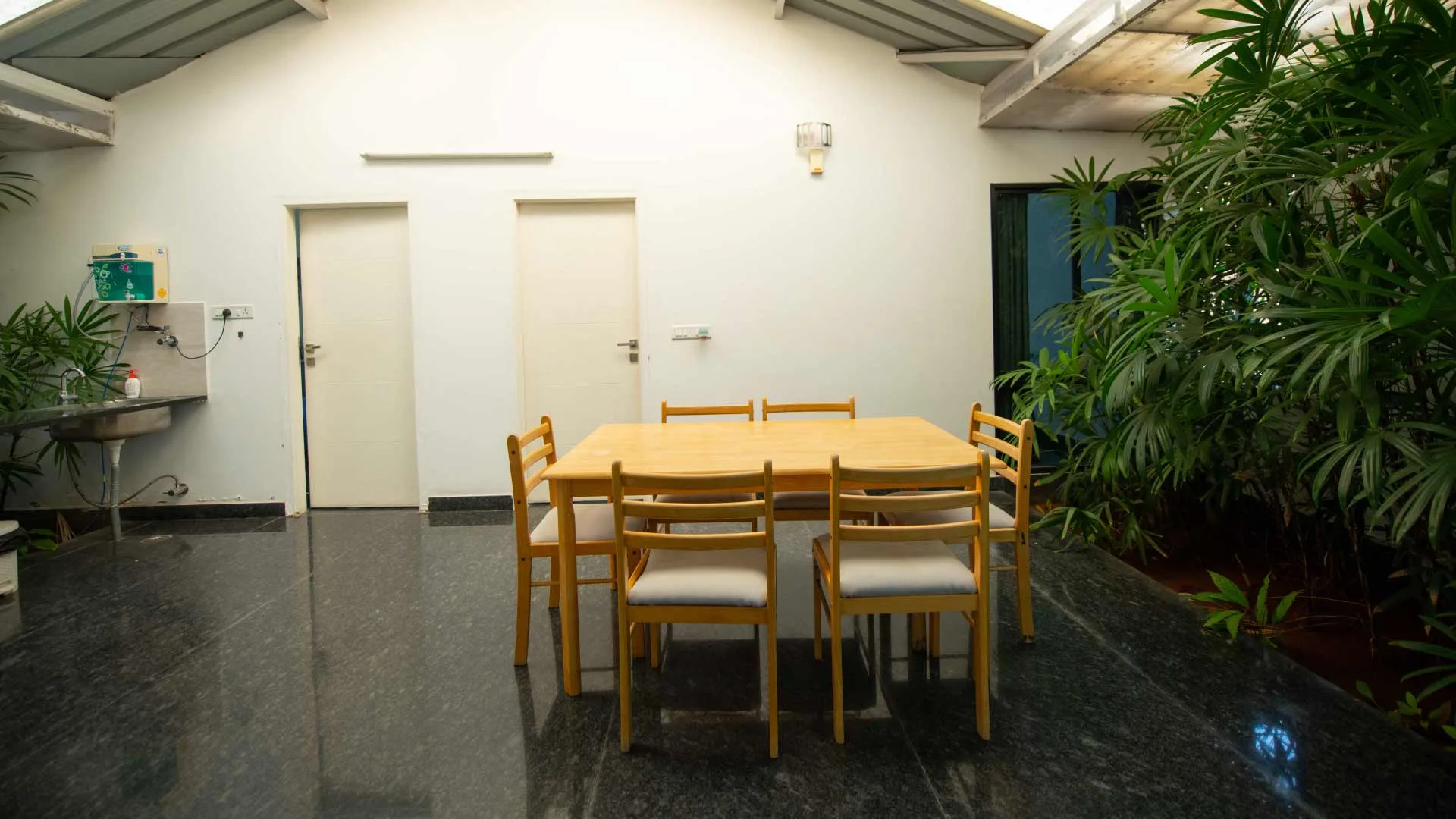
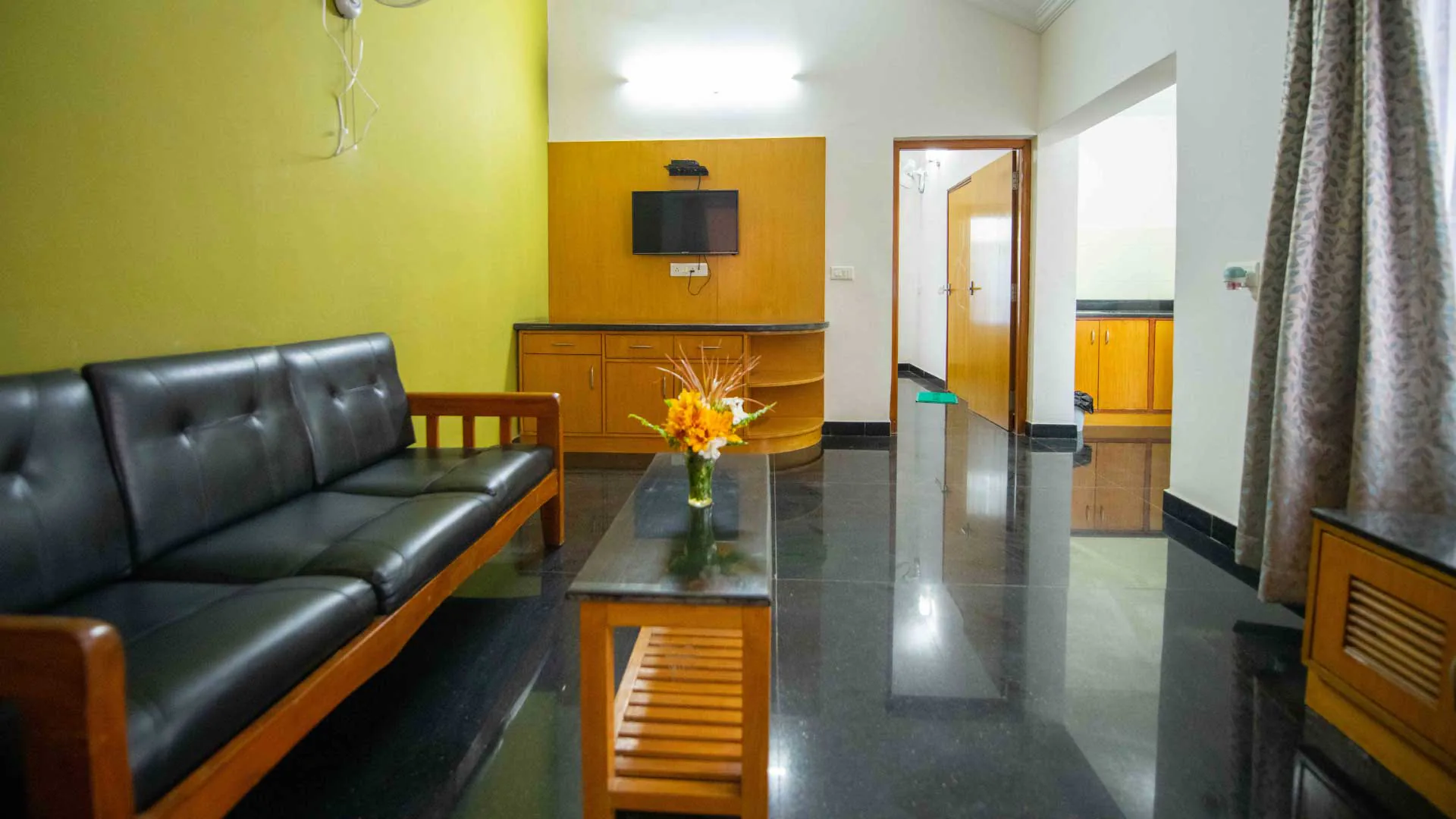
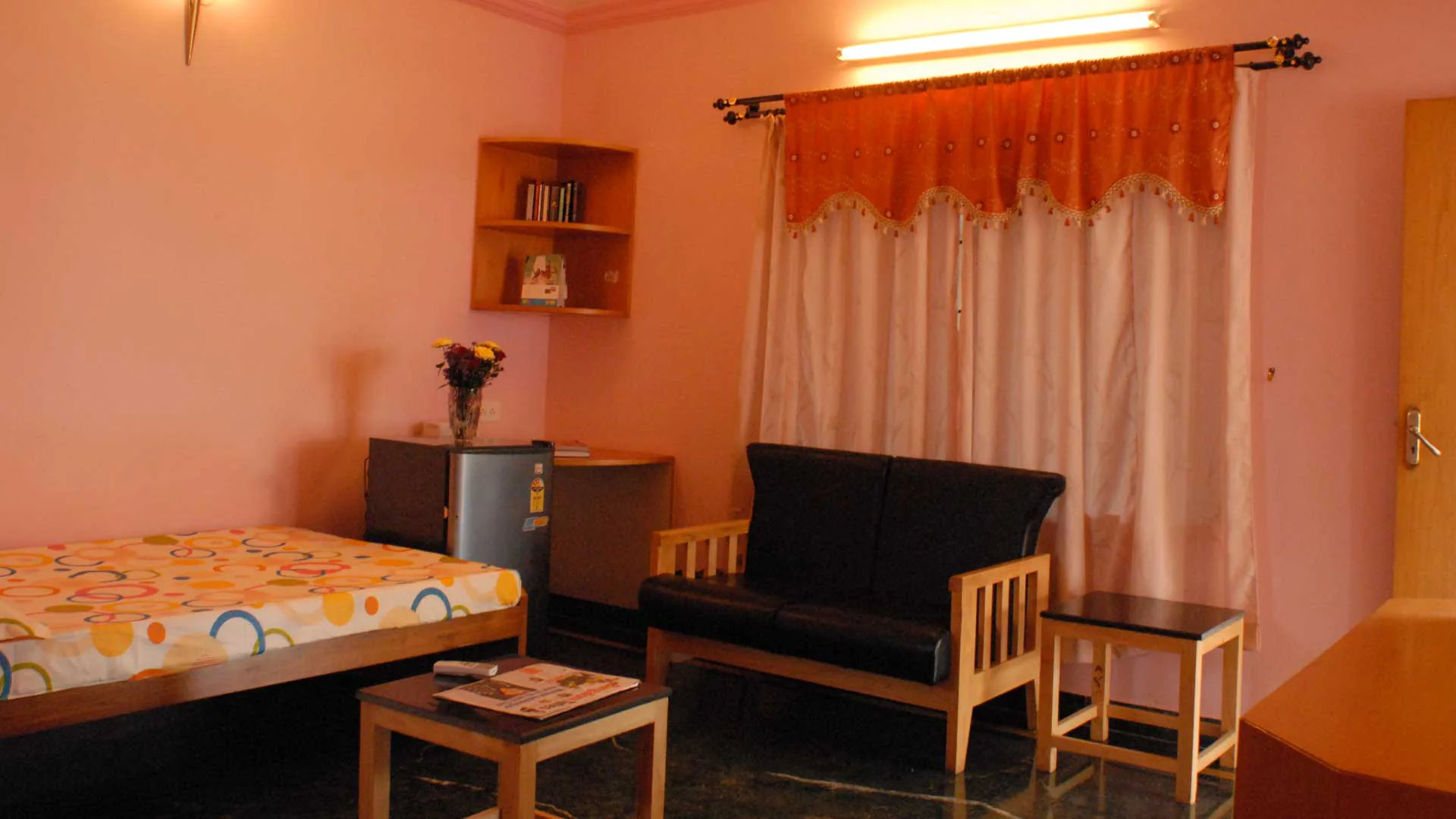
Cadabam’s Spark Hospitals provides a modern, safe, and welcoming environment. Our advanced Hospitals are designed to support healing and comfort throughout your treatment journey.
Incorporating Holistic Approaches in tDCS Treatment for Dementia
We believe in treating the whole person, not just the symptoms. Our tDCS treatment is integrated into a holistic care model that may include CBT, nutritional guidance, and wellness activities.
Assessment and Personalized Care Plans for Dementia
Every patient at Cadabam’s Hospitals in Mysore begins with a comprehensive assessment. Based on this, we design highly personalized care plans that map out the precise tDCS protocol to maximize your results.
Ongoing Support and Monitoring for Dementia
Your journey doesn’t end with the final session. We provide continuous monitoring and follow-up support to track your progress and ensure you maintain the benefits of the treatment.
Ready to explore how tDCS can help you or your loved one? Contact us today to schedule a consultation.
Phone: +9190710 35960 Email: info@cadabamshospitals.com
Top Dementia Doctors at Cadabam’s Hospitals
Best Dementia Treatments Offered at Cadabam’s Hospitals
More Additional Resources