Welcome to Cadabam's Hospitals

Repetitive Transcranial Magnetic Stimulation: A New Hope for Dementia Patients

The journey with Dementia can be challenging, both for individuals and their loved ones. In the search for effective ways to manage symptoms and improve quality of life, innovative approaches are offering new hope. One such groundbreaking option is repetitive transcranial magnetic stimulation (rTMS), a non-invasive procedure showing promise in enhancing cognitive function and alleviating symptoms associated with Dementia.

Get started with therapy sessions in Mysore.

33+YearsProfessionalExperience

4.5 564 Google reviews

What Is rTMS?

rTMS is an advanced medical procedure that uses magnetic fields to gently stimulate specific nerve cells in the brain. It is a non-invasive technique, meaning it does not require surgery or anesthesia. The goal is to target regions of the brain involved in mood, memory, and cognition that may be underactive in individuals with neurological conditions like Dementia.

How Does Repetitive Transcranial Magnetic Stimulation Work?

The scientific mechanism behind this procedure involves a specialized device that is placed near the scalp. This device generates brief, powerful magnetic pulses that pass painlessly through the skull and into the brain. These pulses create small electrical currents that stimulate neurons in the targeted area, helping to restore normal brain activity and improve communication between different parts of the brain.

How rTMS Differs From Other Brain Stimulation Techniques

Unlike more invasive methods such as Electroconvulsive Therapy (ECT) or Deep Brain Stimulation (DBS), rTMS does not require sedation or induce seizures. It is an outpatient procedure with a favorable side-effect profile, making it a distinct and often preferred option for many patients seeking neurologic and psychiatric care.

The Cadabam’s Hospitals Difference

Why Cadabam’s Hospitals? What Makes Us Different?

Through our 8 specialty centers offering top-notch treatments across the nation, we have been helping thousands of people improve the quality of their lives.

33+

Years of Experience

10,000+

Happy Families

20+

Treatment Modalities

400+

Mental Health Experts

With over 33 years of expertise and knowledge, we promise to provide our clients the treatment that suits them the best. Whether the case involves substance addiction, alcoholism, sleeping issues, bipolar disorder, or schizophrenia, our experts know how to handle it in a way that it’s in the best interest of the client and their family.

Our state-of-the-art infrastructure, experienced professionals, and strong support system enable us to offer world-class evidence-based treatment that fits all stages and types of mental health concerns that you may have.

At Cadabam’s Hospitals, we’ve always got your back.

Expert Talks

Watch our specialists discuss the therapy in their own words.

Cadabam's Group

How to get back #Control over your #Life? Explained by Ms Manisha Jain, Cadabam's Group

Cadabam's Group

What is rTMS Treatment for depression? Explained by Dr. Arun Kumar V, Consultant Psychiatrist.

Cadabam's Group

Understanding Schizophrenia: A Clinical Overview by Dr B. R. Madhukar

Cadabam's Group

Can Bipolar Disorder be Treated? \| Answered By Experts

Recovery Stories

Courage, recovery, and hope — shared by the people we have walked alongside.

Recovery Story

Why Choose Cadabam’s Hospitals For Bipolar Treatment Explained By Our Resident

Recovery Story

How to overcome sleeping issues? \| Cadabam’s Hospitals.org

Recovery Story

Schizophrenia Treatment at Cadabam’s Hospitals \| A Journey of Hope and Recovery

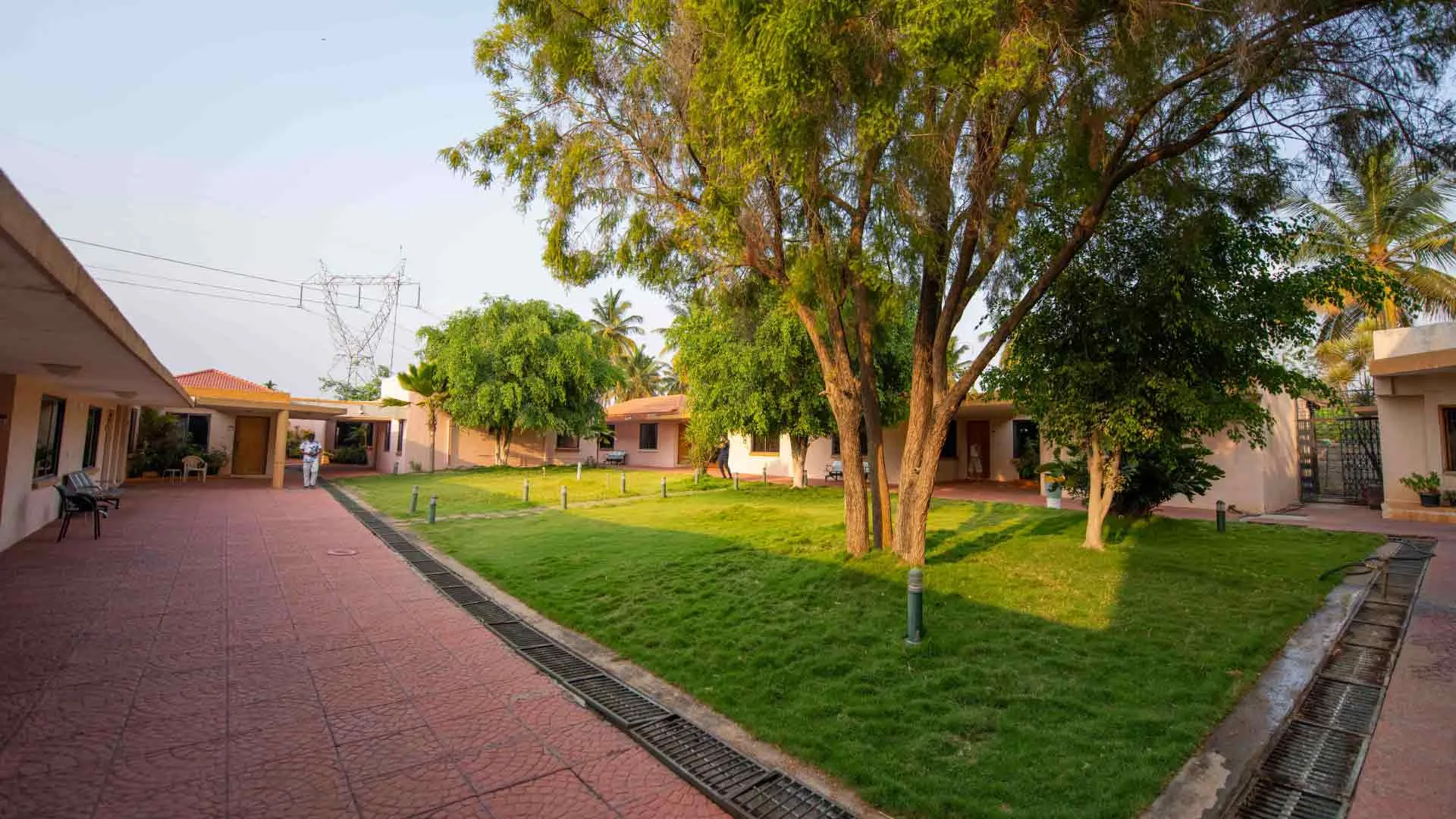
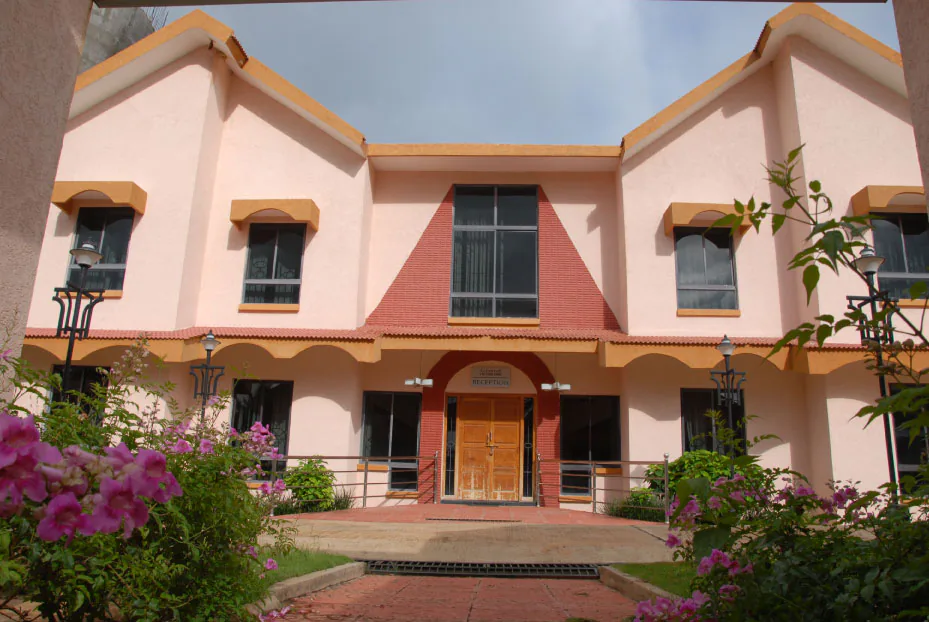
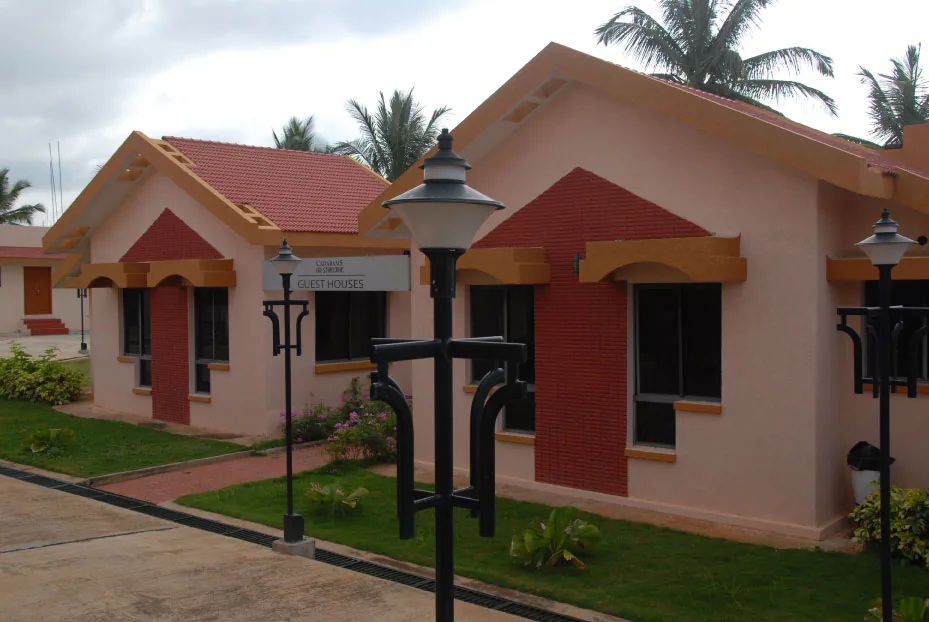
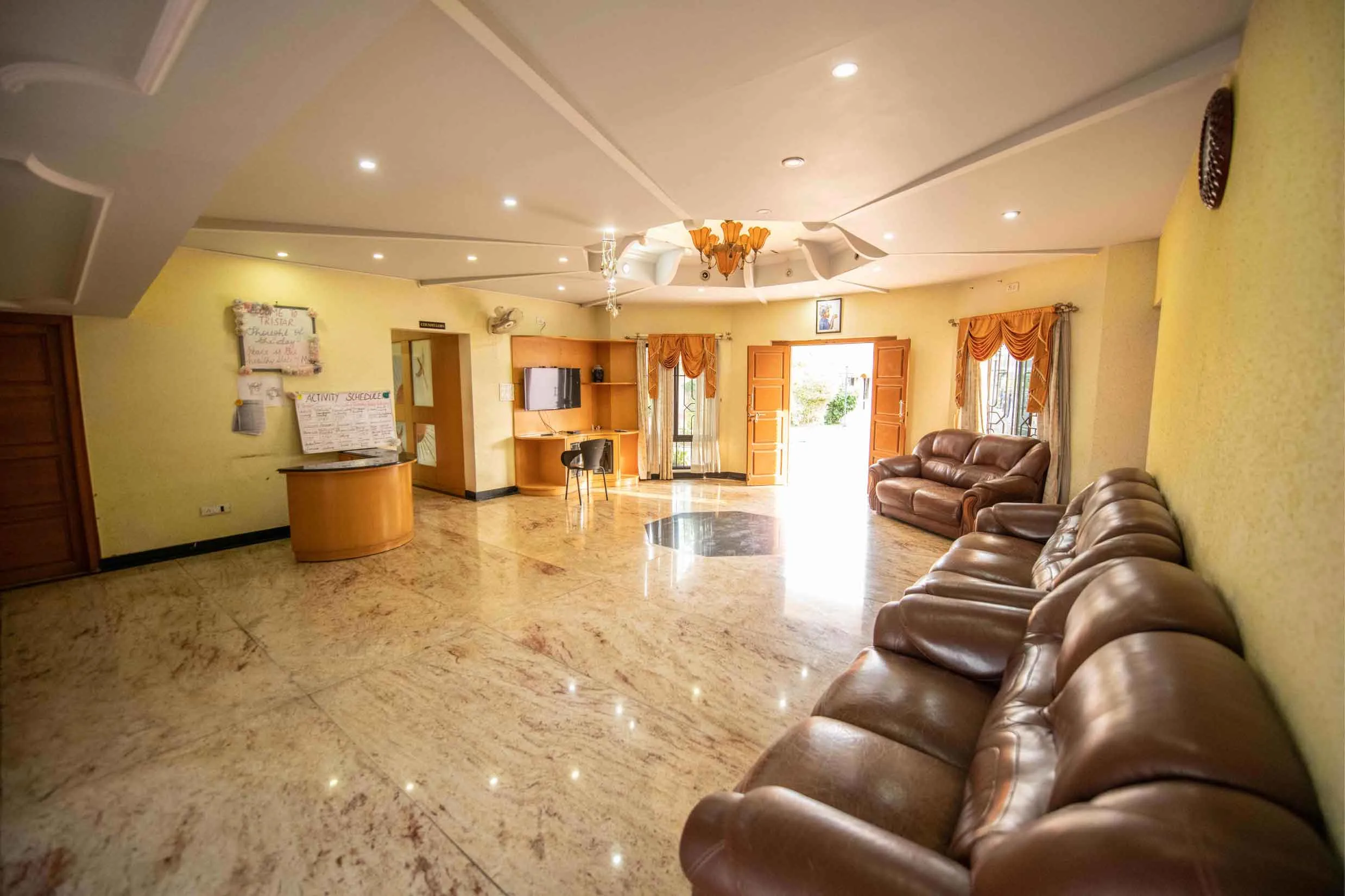
Our Infrastructure, Care Facilities and Strong Community Support Ensure Better Patient Outcomes

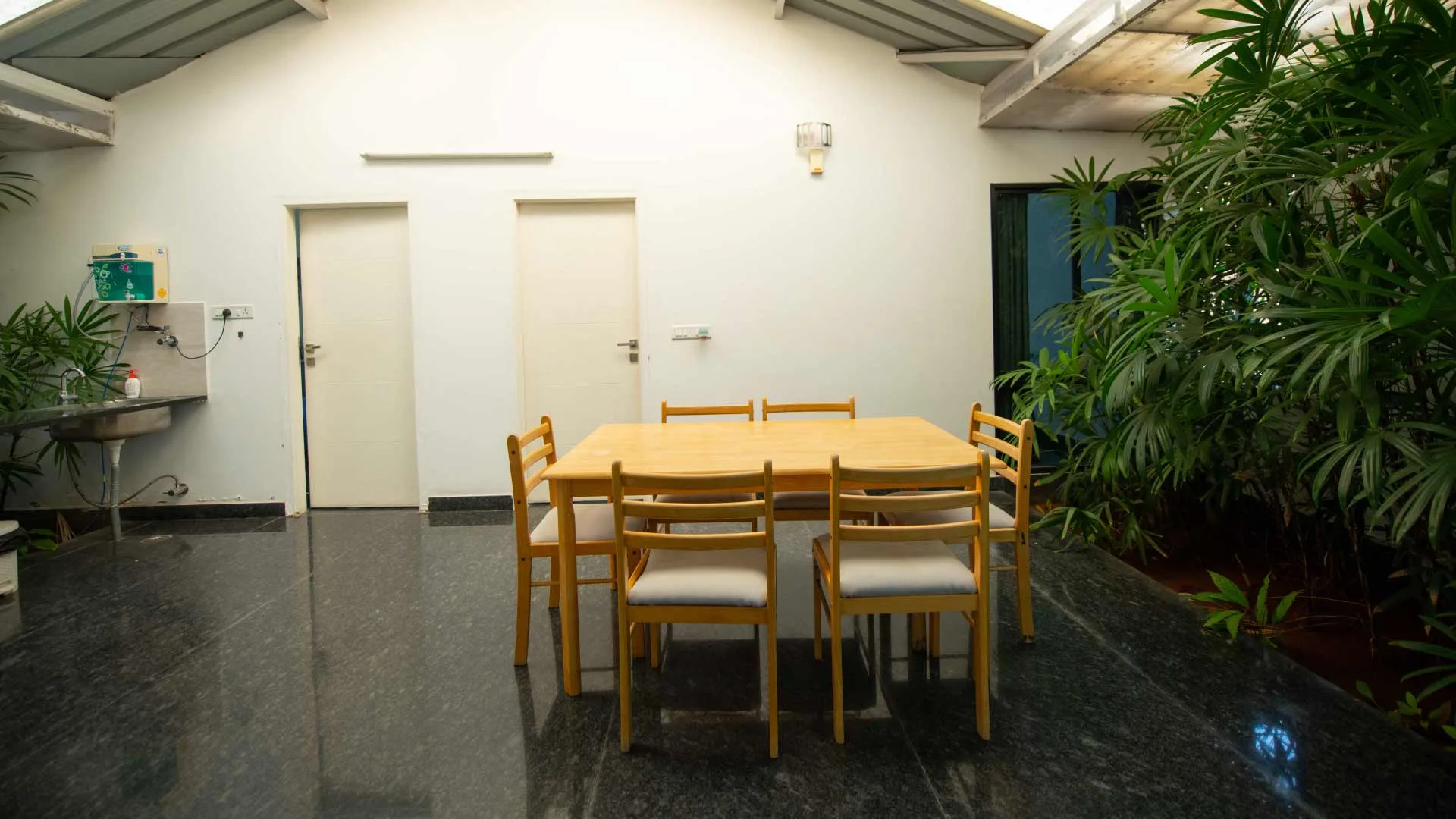
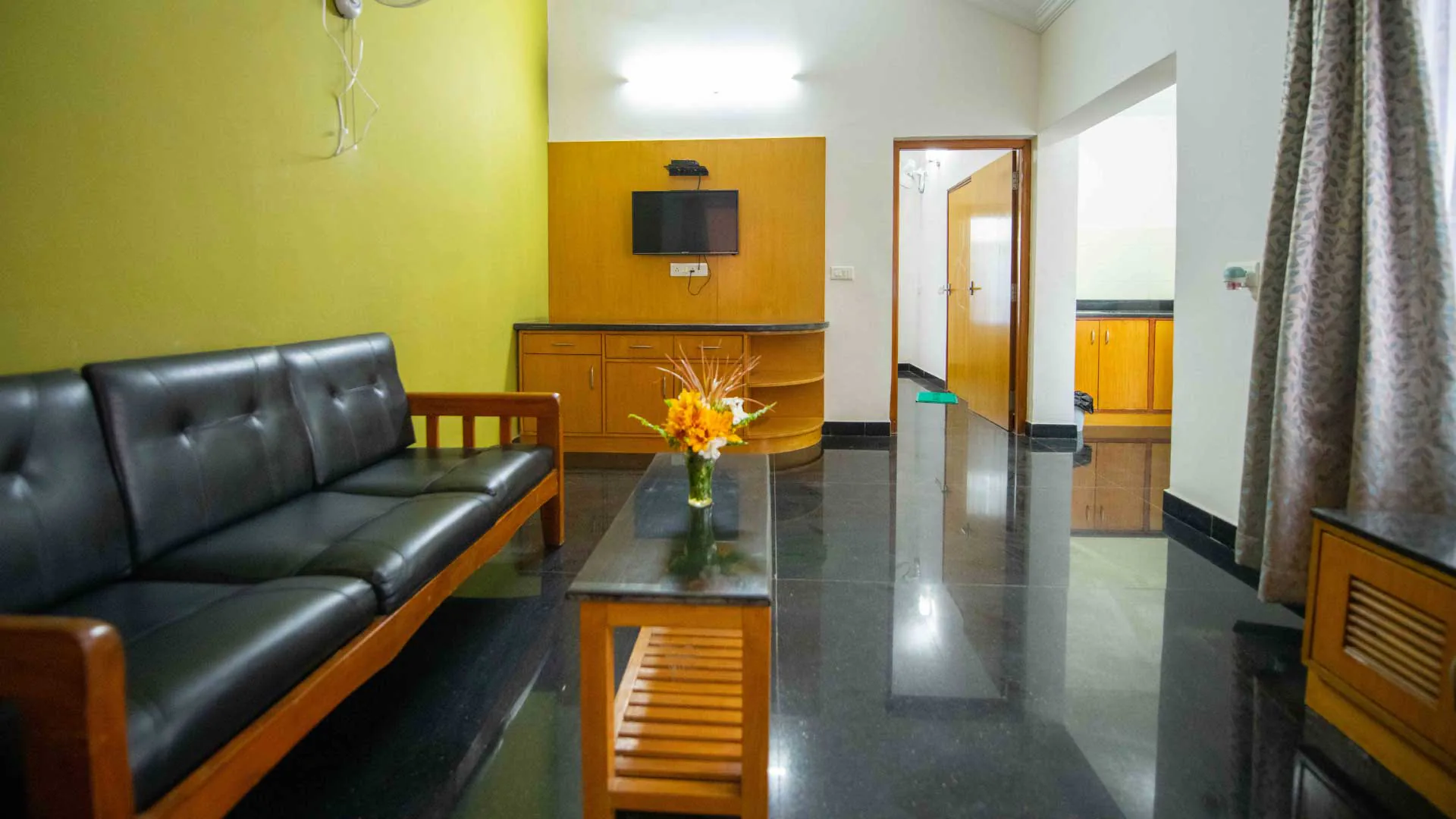
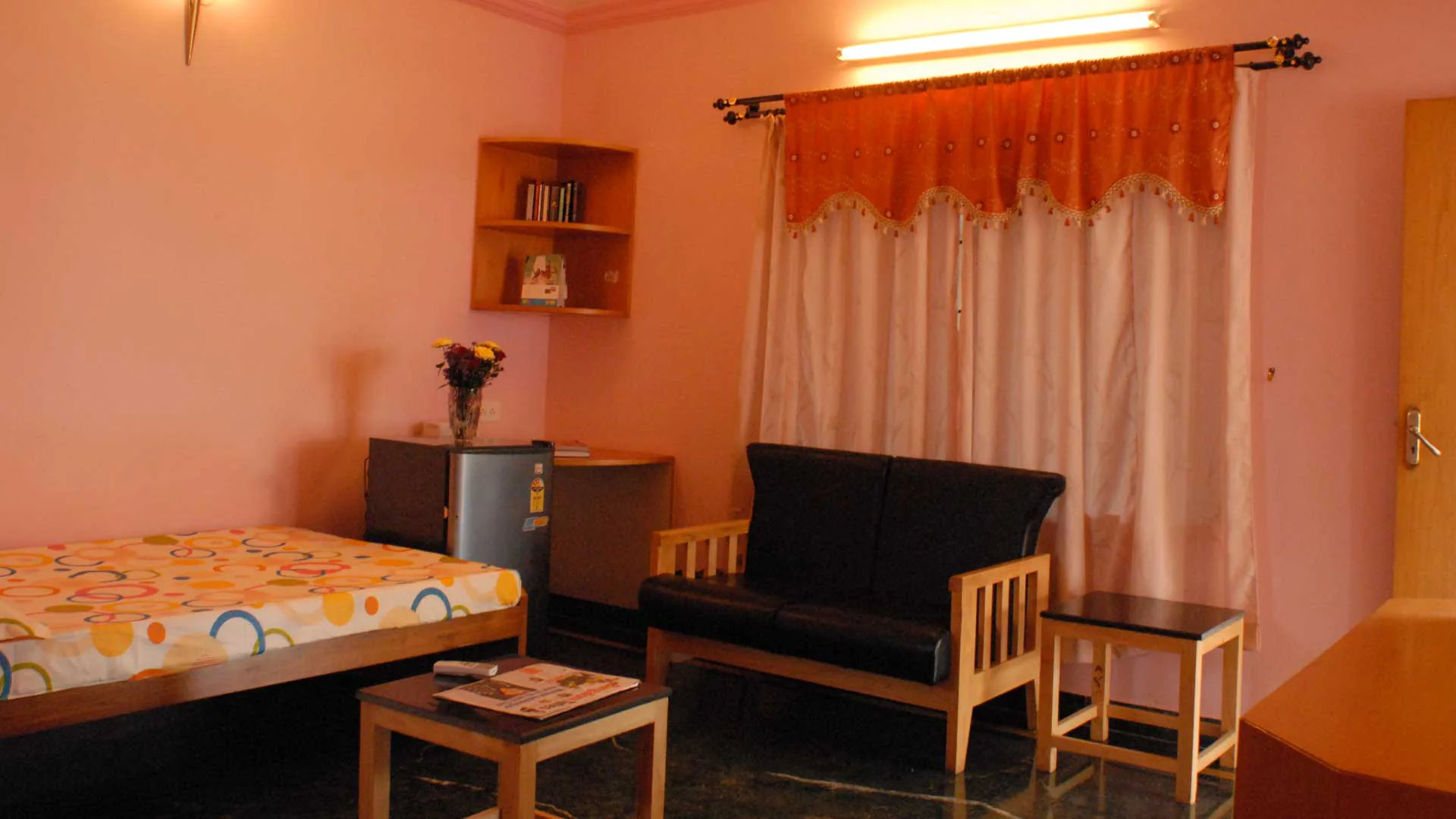
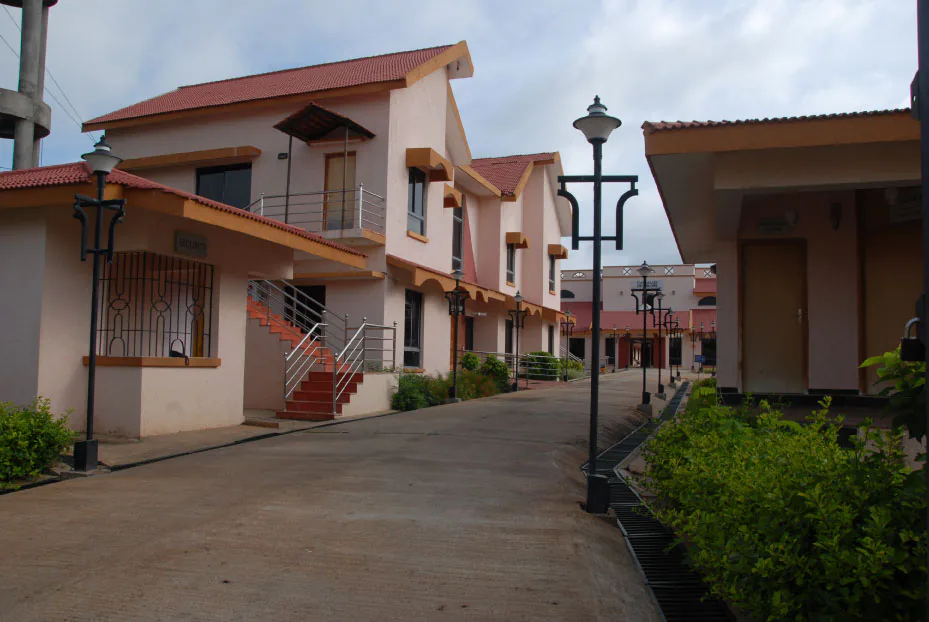
Purpose-built rehabilitation centres, clinical equipment, and support services designed to drive better patient outcomes.

Ananya Campus

Ananya Campus

Ananya Rehabilitation Centre

Ananya Rehabilitation Centre

Private Cottages

Private Cottages

Campus Entrance

Campus Entrance

Healing Environment

Healing Environment

Hospital Lobby

Hospital Lobby

Recovery Experience

Recovery Experience

Rehab Unit

Rehab Unit

What Our Clients Have To Say

Real stories from the families and individuals we’ve supported on their path to well-being.

5.0
I have been consulting the doctors at Cadabam’s Hospitals for over 6 months now for my father who has dementia. The doctors and staff at the hospital are very polite and kind and have provided excellent support and care right from day one. They not only explain the treatment plan thoroughly but also take out the time to make sure we understand complications and side effects that could come along the way. If you or your loved one is dealing with any mental health issues, I highly recommend Cadabam’s Hospitals.... Read More
P

Priya R.

Verified patient

5.0
I’m very happy with the doctors, medical staff, and facilities at Cadabam’s Hospitals. Apart from being highly skilled in the field, the doctors and other medical staff are also very patient and supportive. Right from diagnosing the issue to prescribing medicines and creating the perfect treatment plan, they are with you every step of the way. I am glad I reached out to the team at Cadabam’s Hospitals for counseling sessions.... Read More
N

Neha D.

Verified patient

5.0
I have observed great improvements in my son who has autism. The treatment plan created by the doctors has helped reduce the symptoms and he now is slowly learning new skills that assist him in his day-to-day activities. I cannot thank the team at Cadabam’s Hospitals enough for giving my son the opportunity to have a happy and healthy childhood.... Read More
K

Kavya I.

Verified patient

Trusted by 10,000+ families · 4.5 ★ on Google Reviews

Why Is rTMS Used?

The an rtms treatment is primarily used to address symptoms of various neurological and mental health conditions that have not responded adequately to traditional treatments like medication. For Dementia, it offers a targeted approach to stimulate brain regions responsible for cognitive functions, potentially slowing decline and improving daily functioning, offering advantages over systemic medications that can have widespread side effects.

Benefits of rTMS for Dementia

Symptom Improvement for Dementia Through rTMS

Patients undergoing rTMS may experience notable improvements in key Dementia symptoms, including better mood regulation, reduced apathy, and enhanced engagement in daily activities.

Psychological and Physical Benefits of rTMS

Beyond cognitive gains, the therapy can lead to psychological benefits like reduced anxiety and depression, which often co-occur with Dementia. Physically, some patients report better motor control and energy levels.

Cognitive Enhancement for Dementia

One of the most significant potential benefits of an rmts therapy is the improvement of cognitive functions. Depending on the brain areas targeted, studies have shown enhancements in memory, attention span, and executive functions like planning and problem-solving.

Long-Term Effectiveness for Dementia

Research suggests that the benefits of an rtms treatment can be lasting. While individual results vary, many patients experience sustained symptom relief for months after completing a course of treatment, improving their long-term outlook.

Enhanced Quality of Life for Dementia

By alleviating debilitating symptoms, this innovative technology can lead to a profound improvement in a person’s quality of life. This includes fostering better social interactions, increasing independence, and restoring a sense of overall well-being.

Reduced Need for Medication

For patients who struggle with the side effects of medications, rTMS can be a valuable alternative. Successful treatment may help reduce the reliance on certain pharmaceutical drugs, offering a more targeted approach with fewer systemic effects.

Accessibility and Convenience

rTMS sessions are conducted on an outpatient basis at Hospitals like Cadabam’s Spark Hospitals, meaning they do not require hospitalization or anesthesia. This makes the treatment a highly accessible and convenient option for many patients and their families in Mysore.

What to Expect During Your rTMS Sessions for Dementia in Mysore

Your journey with this advanced therapy will be carefully guided. A typical session is straightforward and comfortable. You will be seated in a reclining chair, and a specialist will place a small magnetic coil against your head. You will hear a series of clicking sounds and feel a tapping sensation on your scalp during the procedure, which usually lasts between 20 to 40 minutes.

Preparing for rTMS: Steps Before Your First Session

Before beginning your care plan, you will undergo a comprehensive medical and psychiatric evaluation at Cadabam’s Spark Hospitals. This ensures the treatment is safe and appropriate for you. It is important to inform your doctor about any medical conditions, implanted devices, or medications you are taking.

Aftercare and Follow-Up

After each session, you can immediately return to your daily activities, including driving. Our team provides continuous monitoring and follow-up appointments to track your progress and make any necessary adjustments to your personalized care plan.

Emotional Resilience and Psychological Support During rTMS for Dementia

Navigating a new treatment can bring up a range of emotions. At Cadabam’s Spark Hospitals, we believe in supporting not just the brain, but the whole person.

Emotional and Mental Support During Treatment

We offer integrated psychological support for patients and families. Our compassionate therapists are available to help you process your experience, manage emotional challenges, and build resilience throughout your treatment journey.

Dealing With Expectations and Anxiety

It’s natural to have questions and feel anxious about a new therapy. Our team takes the time to provide clear information, set realistic expectations, and offer coping strategies to help you feel calm and confident as you begin your sessions.

Choosing the Right rTMS Provider for Dementia in Mysore

Selecting the right provider is crucial for a safe and effective treatment experience. You need a team with specialized expertise, advanced technology, and a patient-centered approach.

What to Look for in a rTMS Clinic

Accreditation and Licensing

Ensure the Hospitals is fully accredited and its medical staff is licensed to perform specialized neuro-modulatory procedures.

Experience and Specialization

Look for a team with extensive experience and a specialization in treating neurological conditions like Dementia with rTMS.

Technology and Equipment

The Hospitals should use modern, FDA-approved rTMS equipment to ensure the highest standards of safety and efficacy.

Treatment Customization

Your care plan should be personalized to your unique brain patterns and clinical needs, not a one-size-fits-all protocol.

Support Services

Choose Hospitals that offer comprehensive support, including psychiatric consultation, therapy, and family counseling.

Questions to Ask Your rTMS Practitioner

  • What is your experience in treating Dementia with this technology?
  • What specific rTMS device do you use?
  • How will you personalize the treatment for me?
  • What is the expected duration and frequency of the sessions?
  • How do you measure progress and success?
  • What support services are available to me and my family?

Expert Team Specialized in rTMS for Dementia

Our multidisciplinary team of psychiatrists, neurologists, and technicians possesses specialized training and deep experience in administering repetitive transcranial magnetic stimulation for cognitive disorders.

Incorporating Holistic Approaches in rTMS Treatment for Dementia

We believe in a holistic path to wellness. Your care plan will be integrated with other evidence-based therapies, including psychotherapy, lifestyle coaching, and wellness activities to support your overall health.

Assessment and Personalized Treatment Planning for Dementia

Your journey begins with a thorough assessment to understand your specific needs. Based on this, we design a highly personalized treatment plan that targets the precise areas of the brain to maximize therapeutic benefits.

Ongoing Support and Monitoring for Dementia

Our commitment to you extends beyond the treatment sessions. We provide continuous monitoring and robust support to ensure you maintain your progress and enjoy a better quality of life.

Ready to explore a new horizon of hope for Dementia care? Contact Cadabam’s Spark Hospitals to learn more about our advanced rTMS treatment in Mysore.

Call us at [090710 35960](tel:+9190710 35960) or email us at [info@cadabamshospitals.com](mailto: info@www.cadabamshospitals.com) to book a consultation today.

Top Dementia Doctors at Cadabam’s Hospitals

Dementia Rehabilitation

Best Dementia Treatments Offered at Cadabam’s Hospitals

More Additional Resources
Frequently Asked Questions

It is a non-invasive brain stimulation technique that uses magnetic pulses to activate nerve cells in brain regions associated with memory and cognition. For Dementia, it aims to improve neural connectivity, enhance cognitive function, and reduce related symptoms like apathy and depression.

Yes, when performed by a trained professional, it is considered very safe. It is a non-invasive procedure with minimal side effects, most commonly mild headache or scalp discomfort that typically subsides quickly.

The number of sessions varies based on the individual’s condition and response to treatment. A typical course involves daily sessions for 4-6 weeks, but our experts at Cadabam’s Hospitals will create a personalized care plan for you.

Side effects are generally mild and temporary. They may include headache, lightheadedness, or discomfort at the stimulation site. Serious side effects are very rare.

At Cadabam’s Hospitals, we provide comprehensive support, including initial consultations, personalized care plans, psychological counseling for patients and families, and continuous post-treatment monitoring to ensure sustained well-being.

Recent Stories from Our Blog

Dementia

31 March,2026

Frontotemporal Dementia Symptoms: Early Signs and Management

Read article
Anxiety

24 March,2026

Perinatal Anxiety vs Generalized Anxiety Disorder: What Sets Them Apart

Read article
postpartum depression

17 March,2026

Postpartum Psychosis vs Postpartum Depression: Critical Signs Families Must Know

Read article
Child and Adolescent Psychiatry

10 March,2026

DMDD in Children: Disruptive Mood Dysregulation vs Childhood Bipolar

Read article

Get a Thoughtful Note on Mental Wellbeing, Delivered to Your Inbox.

Subscribe to our Newsletter — we won't spam. Promise.