Why is rTMS Used?
rTMS is applied in the treatment of PTSD because it can selectively modulate and target specific brain areas involved in the disorder. It offers a therapeutic option for individuals who have not responded to traditional treatments, thus providing better outcomes and fewer side effects.
Benefits of rTMS for PTSD
Among the states, the prevalence in Jharkhand stood at 17.2%, and the following in order was Uttar Pradesh and West Bengal with Kerala, that too stood at 14.1%, while there was not a single report in Rajasthan. Some of the benefits of rTMS for PTSD are as follows:
Symptom Improvement for PTSD Through rTMS
Studies indicate that rTMS dramatically decreases flashbacks, hypervigilance, and intrusive thoughts of PTSD symptoms. Through stabilising overactive brain regions, the individuals begin experiencing significant relief and rehabilitation in their daily activities.
Psychological and Physical Benefits of rTMS
rTMS will advance in both psychological distress and actual physical expressions of PTSD, which include sleep disorders and fatigue. This can enhance well-being in general.
Cognitive Enhancement for PTSD
rTMS enhances cognition in memory, attention, and decision-making, deficit areas in many PTSD individuals. These changes are restorative of confidence and independence.
Long-term Effectiveness for PTSD
It has been proven through research that rTMS provides long-lasting benefits, with most individuals maintaining their gains for years afterwards. Current studies continue to demonstrate potential for long-term recovery.
Enhanced Quality of Life for PTSD
With reduced symptoms, individuals report better relationships, increased productivity, and a higher quality of life.
Reduced Need for Medication
rTMS decreases reliance on medications, especially for individuals facing severe side effects from traditional pharmaceutical treatments. Our approach promotes a more natural recovery.
Accessibility and Convenience
rTMS sessions are carried out as individual procedures. A session is done for 20–40 minutes without requiring any sort of hospitalisation or loss of time.
What to Expect During Your rTMS Sessions for PTSD in Hyderabad
rTMS sessions in Hyderabad are non-invasive treatments that last 20–40 minutes. Sessions are painless, do not require anaesthesia or hospitalisation, and target specific brain regions to improve PTSD symptoms progressively and effectively.
Preparing for rTMS: Steps Before Your First Session
Individuals should be medically assessed and consulted regarding their medical history with the practitioner. A healthy lifestyle and the avoidance of stimulants prior to sessions would improve outcomes.
Aftercare and Follow-up
Post-session care involves checking on mild side effects and follow-up appointments with a practitioner for continued monitoring of the individual’s improvement. Our treatment plan can be modified if needed.
Emotional Resilience and Psychological Support During rTMS for PTSD
Building emotional resilience is essential in rTMS treatment for PTSD. Support comes in the form of mindfulness, trauma-focused therapies, and cognitive restructuring that helps the patients manage expectations, reduce anxiety, and cope with the emotional challenges in their recovery journey.
Emotional and Mental Support During Treatment
A critical factor for those on repetitive Transcranial Magnetic Stimulation (rTMS) treatment for PTSD is emotional resilience. It helps build a conducive atmosphere where patients can ventilate their feelings and share experiences without fear. The use of mindfulness, cognitive restructuring, and trauma-focused therapies can help with emotional regulation. This helps in dealing with stress and anxiety while on treatment.
Dealing with Expectations and Anxiety
It is also very important to control the expectations during rTMS treatment to avoid anxiety. Most patients expect rapid improvements that may not fit the slow nature of recovery. Education about the treatment process, potential results, and timelines will help in the establishment of realistic expectations. Incorporation of relaxation methods and cognitive-behavioural techniques may also be necessary to enable better coping with anxiety throughout the rTMS experience.
Choosing the Right rTMS Provider for PTSD in Hyderabad
Selecting a qualified rTMS provider is crucial to ensure the best treatment outcomes for individuals with PTSD
What to Look for in a rTMS Clinic
The proper selection of rTMS service provider will have much to say about your treatment experience and results. Some of the factors are as follows:
Accreditation and Licensing
The clinic should have proper accreditation and licenses to practice. Regulatory certifications assure adherence to industry standards and safety protocols. It gives confidence that the treatment offered is of good quality and reliability.
Experience and Specialisation
Choose a clinic with experienced professionals who specialise in rTMS therapy for PTSD. The more experience, the better prepared the practitioners are to deal with various cases. They can adapt the treatment to your needs, which increases the chances of achieving the best possible outcome.
Technology and Equipment
Choose clinics with the latest, FDA-approved rTMS machines. The most advanced technology increases the accuracy and effectiveness of the treatment, so you are getting the best possible care. Up-to-date equipment and maintenance also indicate quality service.
Treatment Customisation
Tailored treatment is essential to address the specific needs of a individual. A good doctor will examine your condition carefully and devise a plan suited to your case, maximising the effectiveness of the therapy and leading you to better results.
Support Services
Comprehensive care includes psychological support, counselling, and follow-up services. Providers offering such elements ensure that treatment is comprehensive, addressing the immediate and long-term recovery needs of PTSD individuals.
Questions to Ask Your rTMS Practitioner
Before starting treatment, individuals should inquire about practitioners’ experience with rTMS, expected outcomes, possible side effects, and ongoing support options throughout the treatment process.
- What is your experience with rTMS for PTSD?
- How do you personalise treatment plans?
- What are the side effects I can expect?
- What kind of follow-up care do you offer?
Why Cadabam’s is Your Best Choice for rTMS Treatment for PTSD in Hyderabad
Expert Team Specialised in rTMS for PTSD
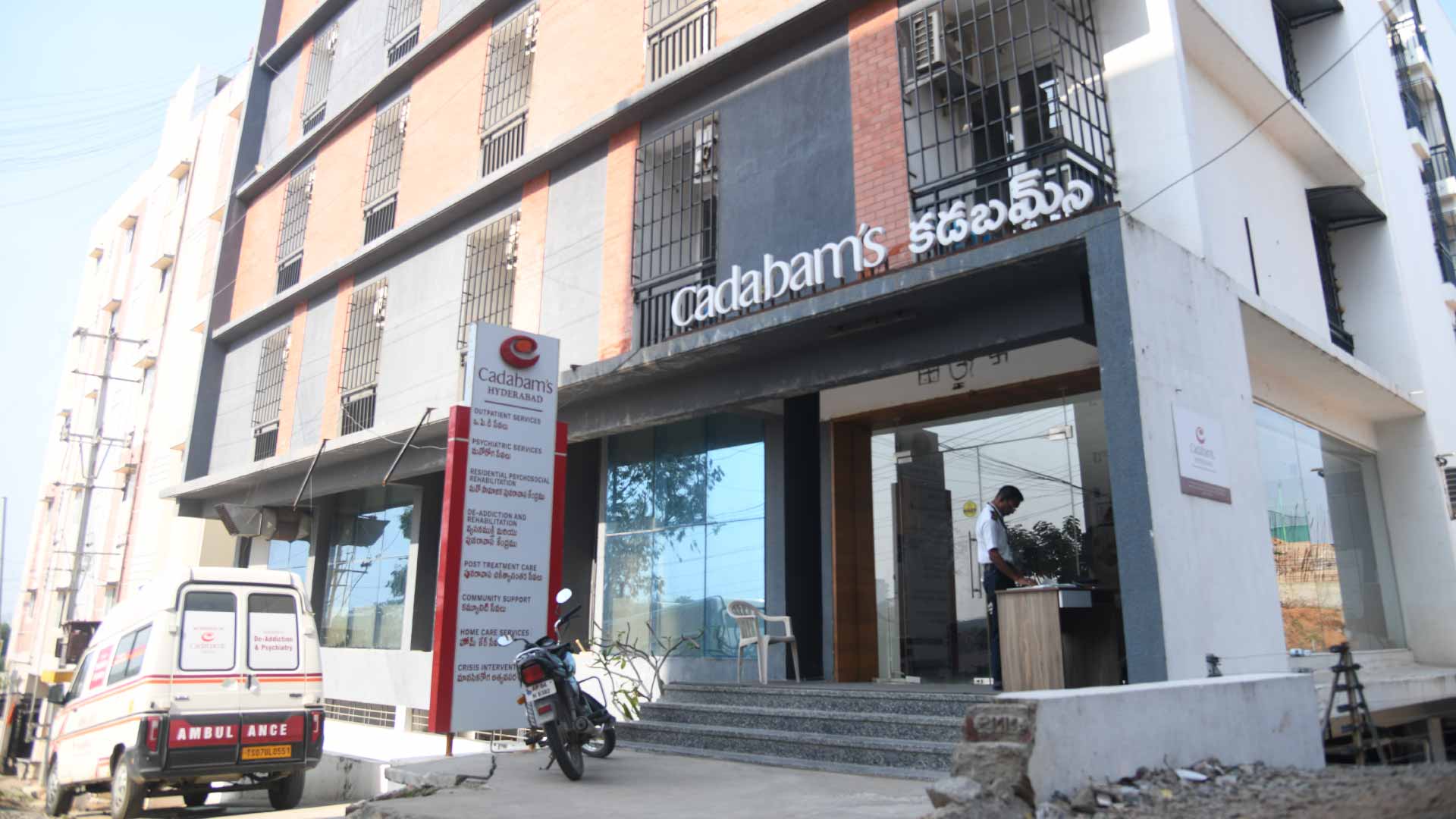
Cadabam’s Hyderabad has a team of professionals with extensive experience in rTMS therapy, ensuring individuals receive the best possible care.
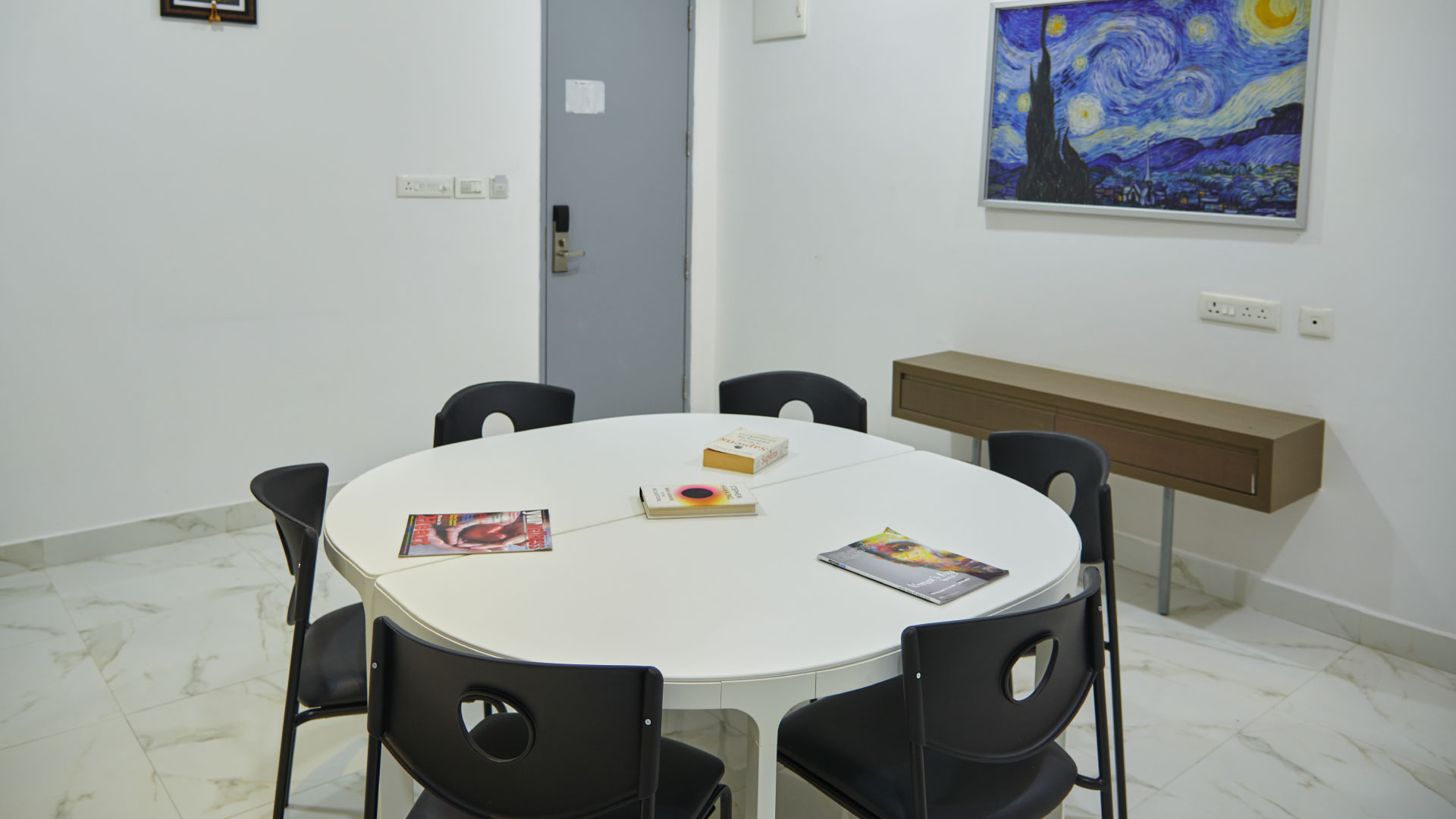
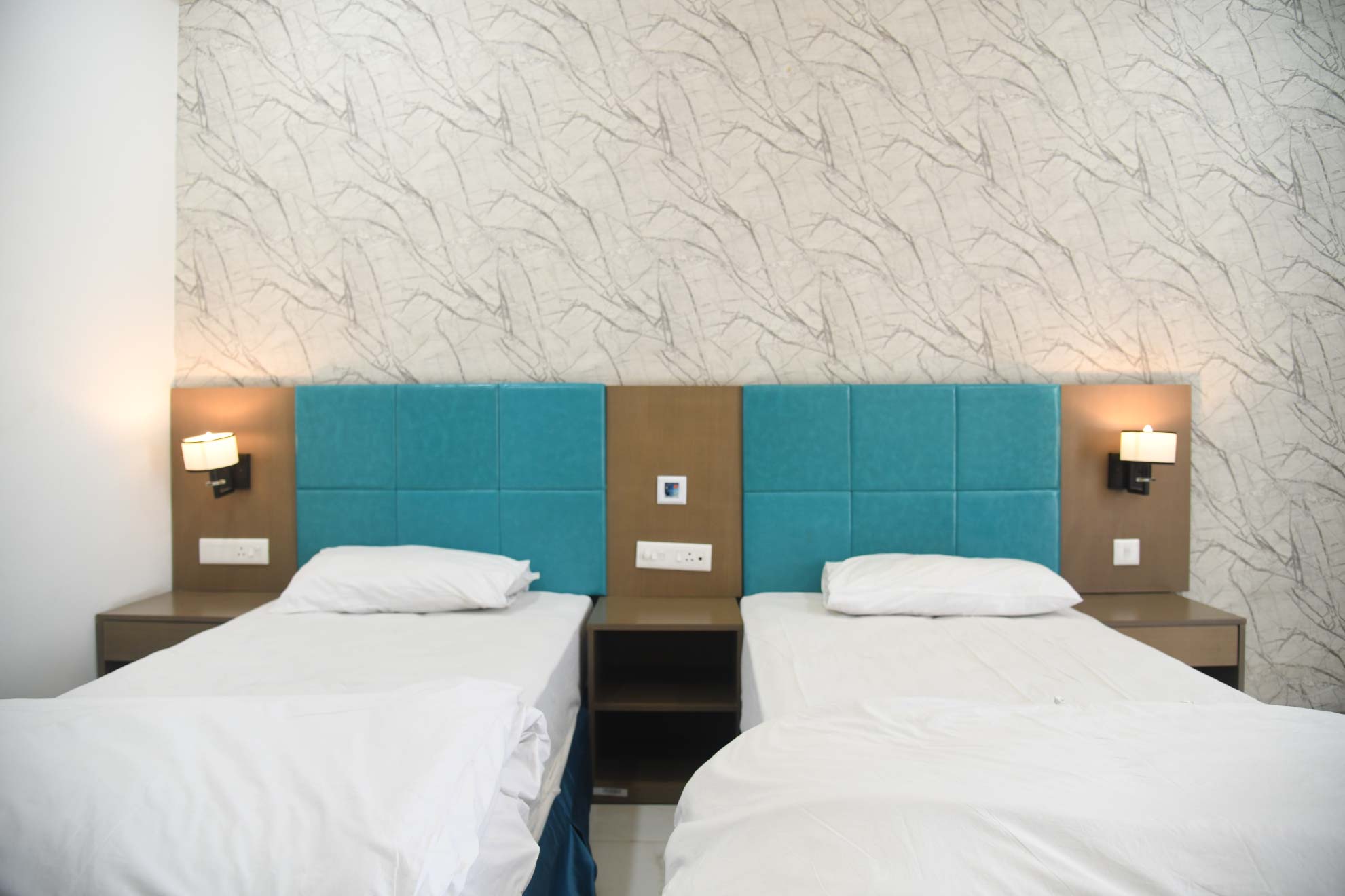
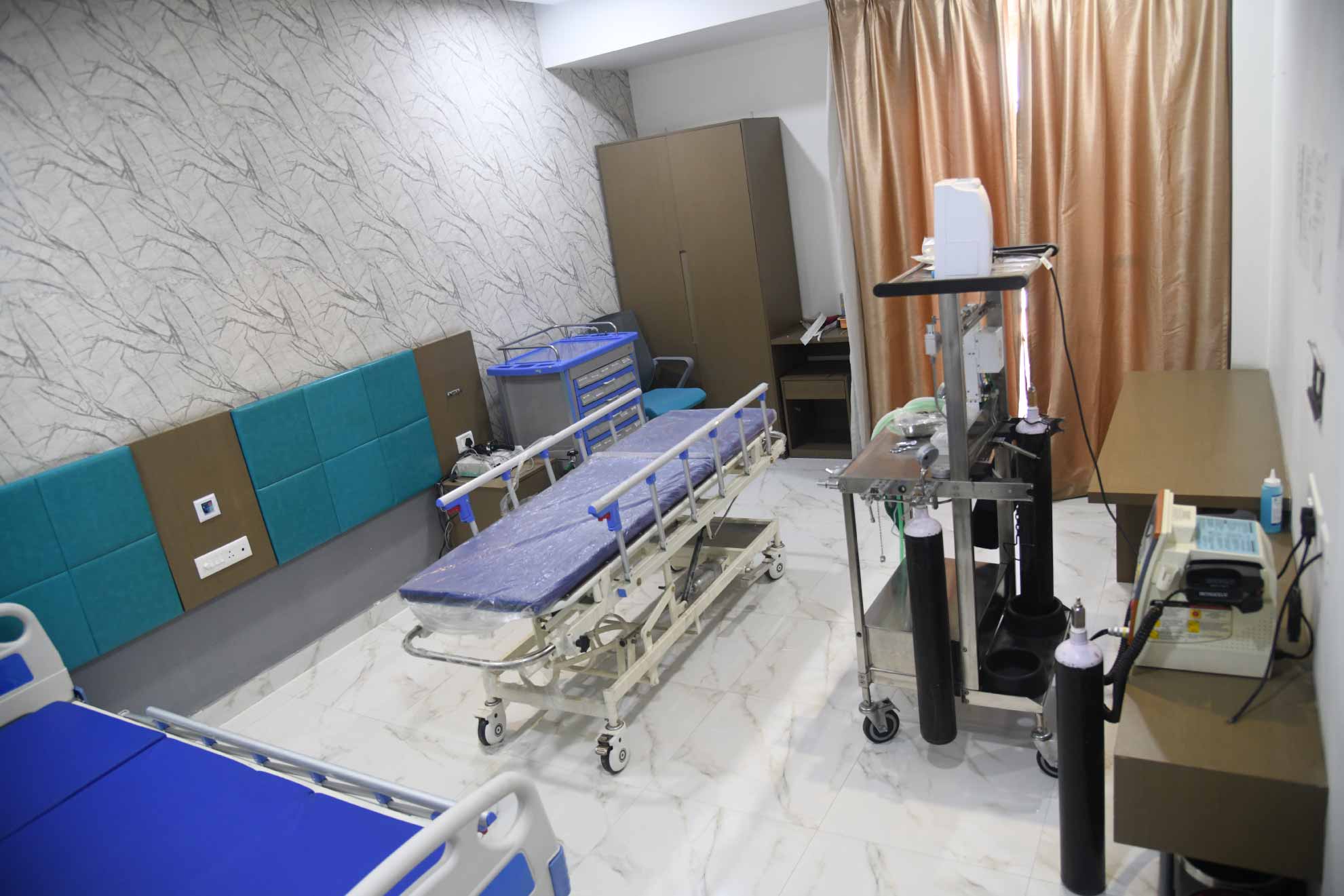
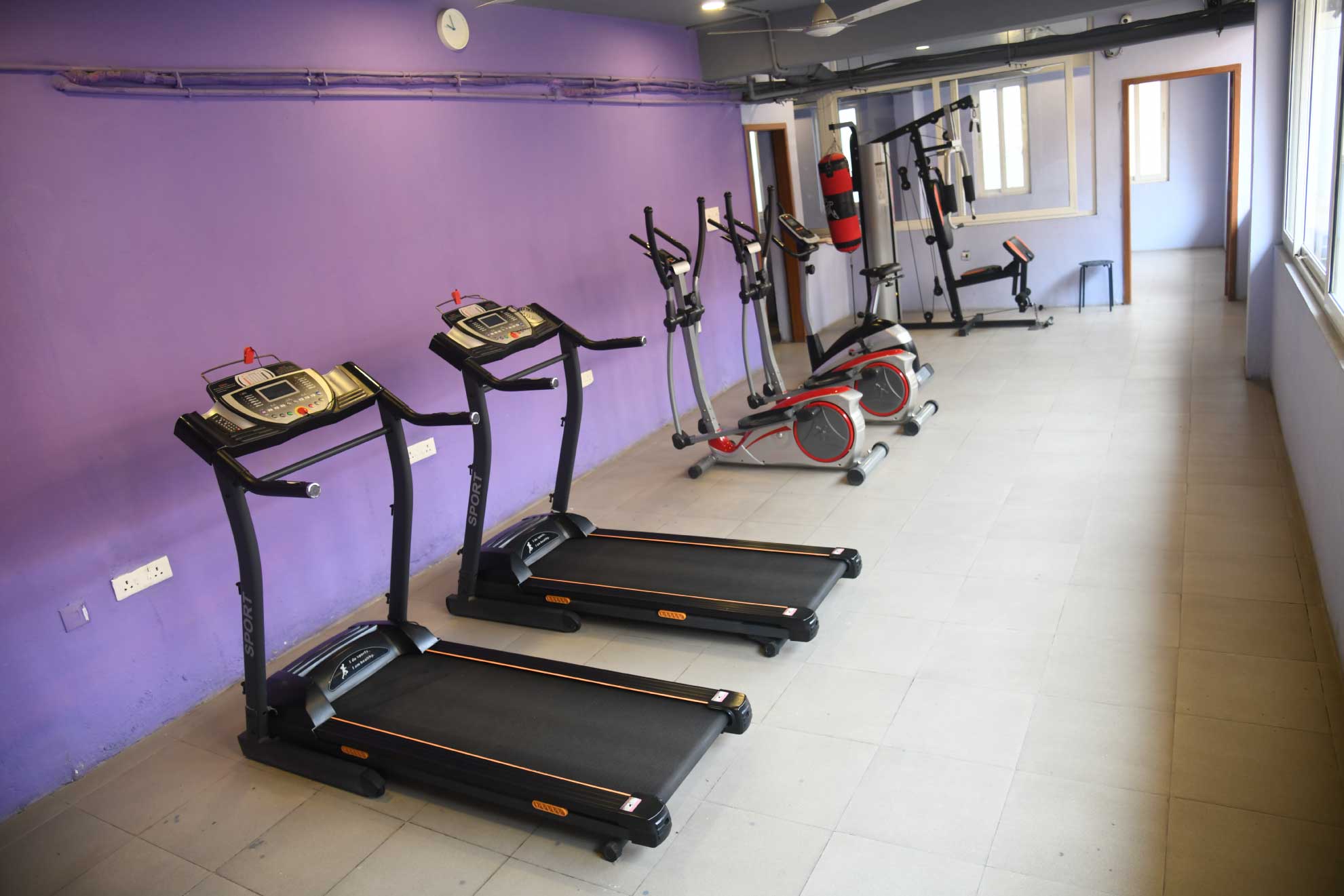
State-of-the-Art Facilities and Supportive Environment for PTSD
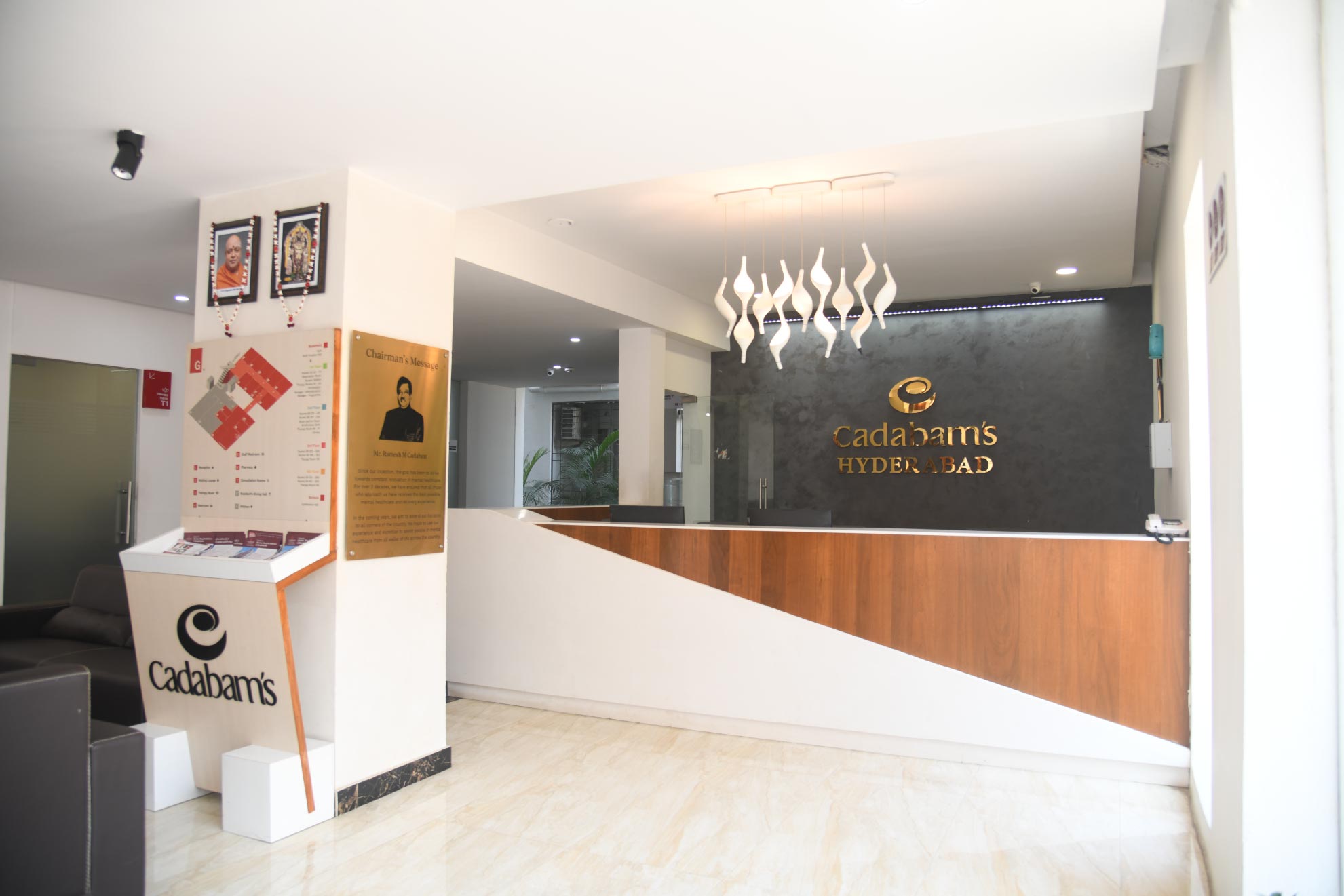
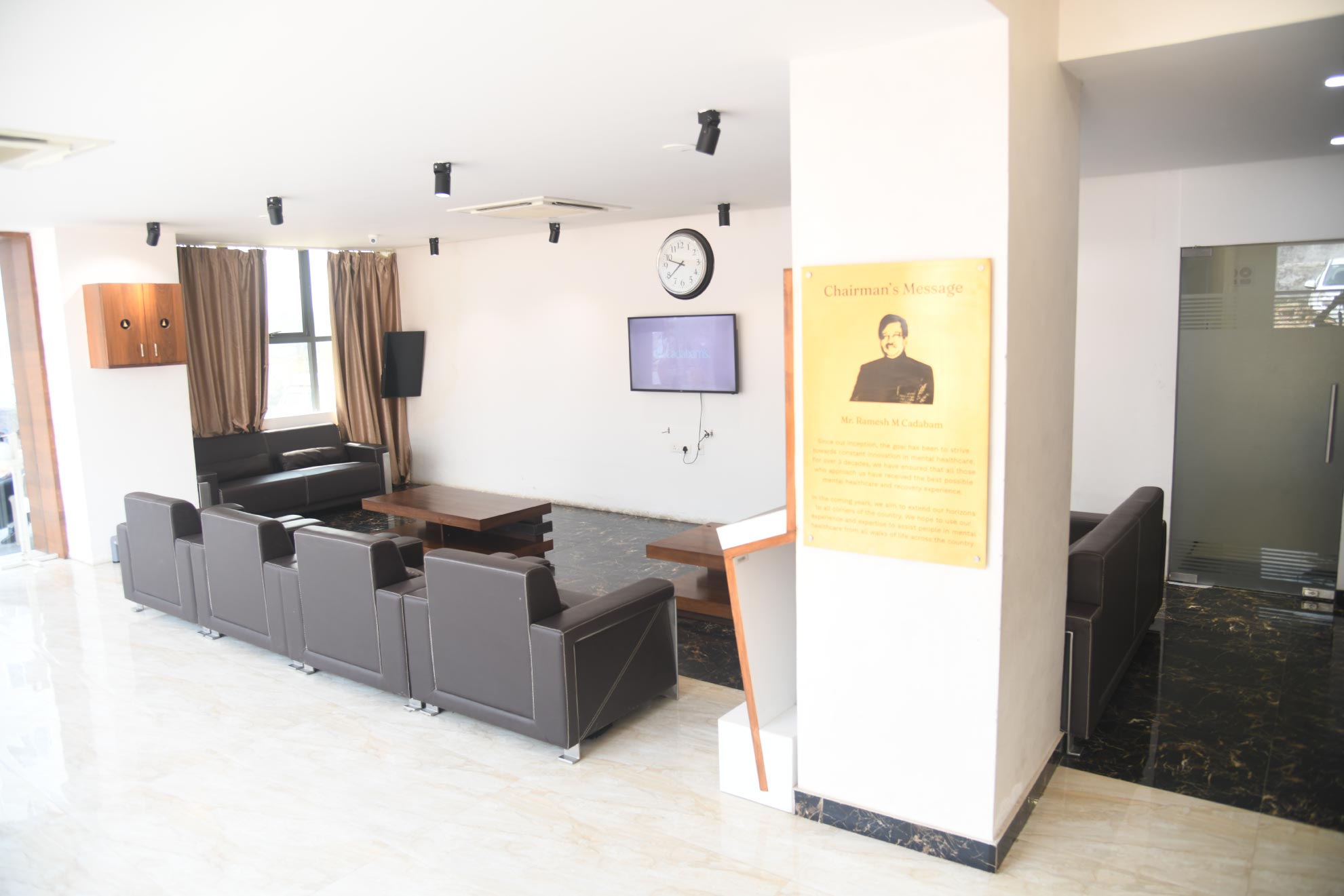
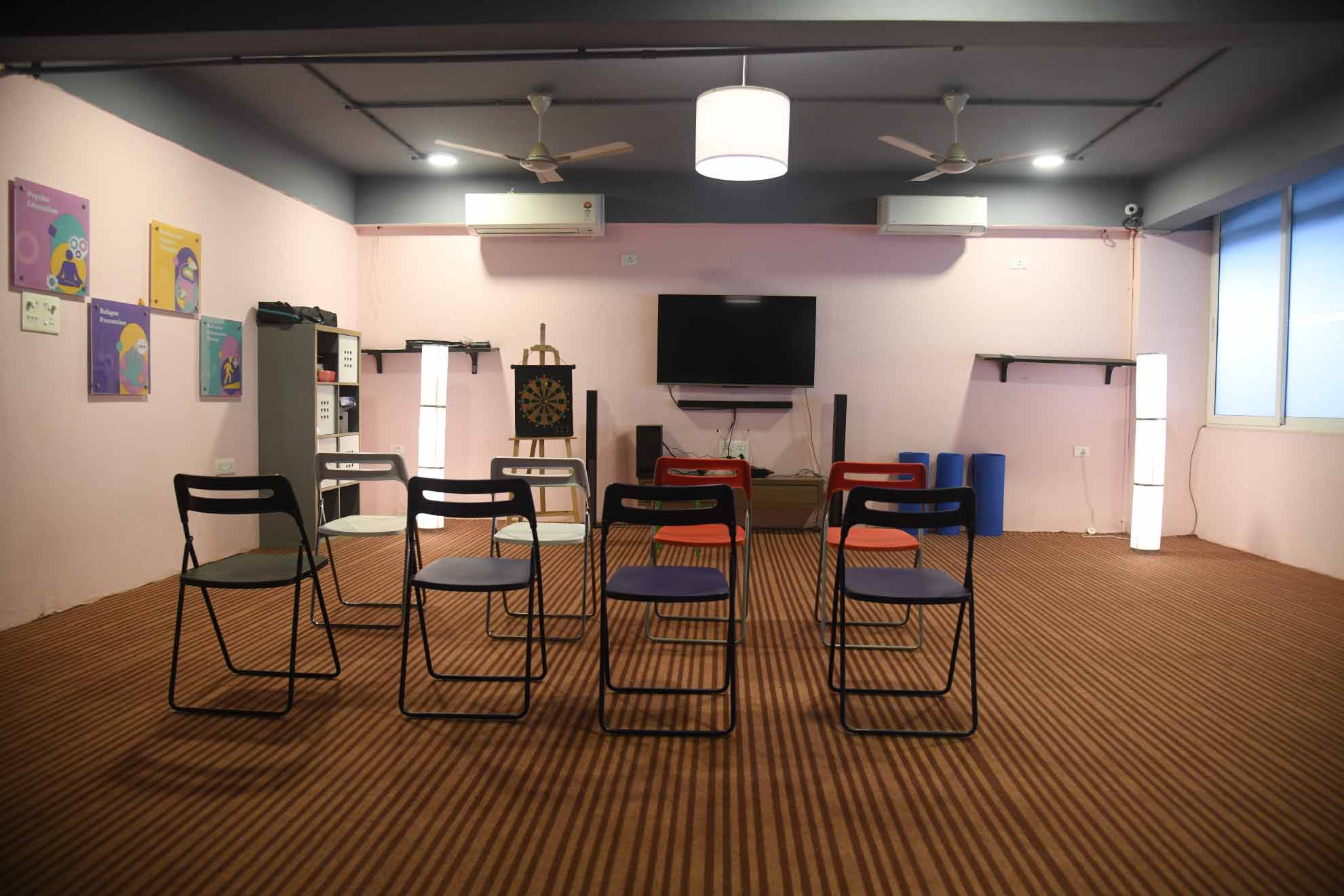
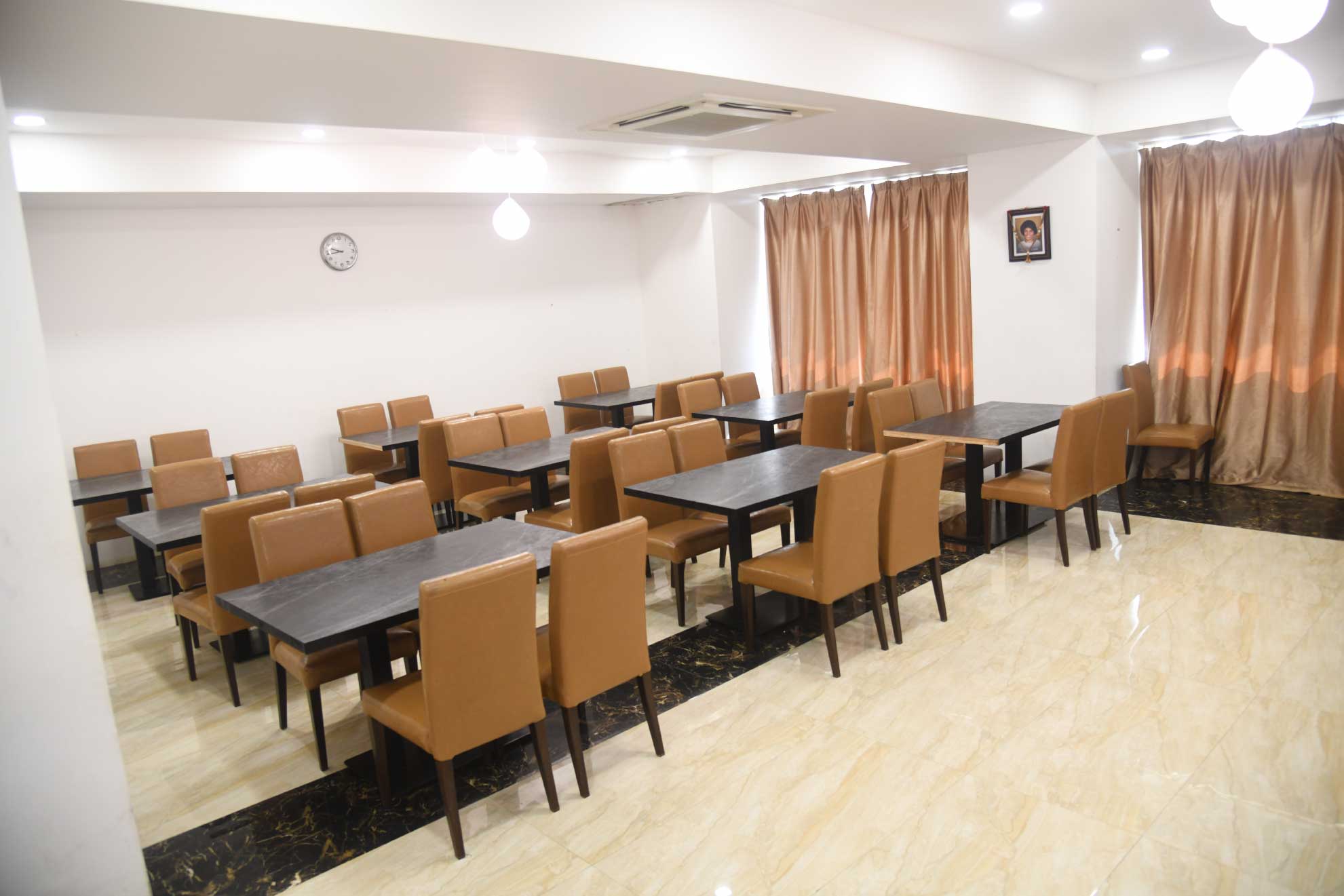
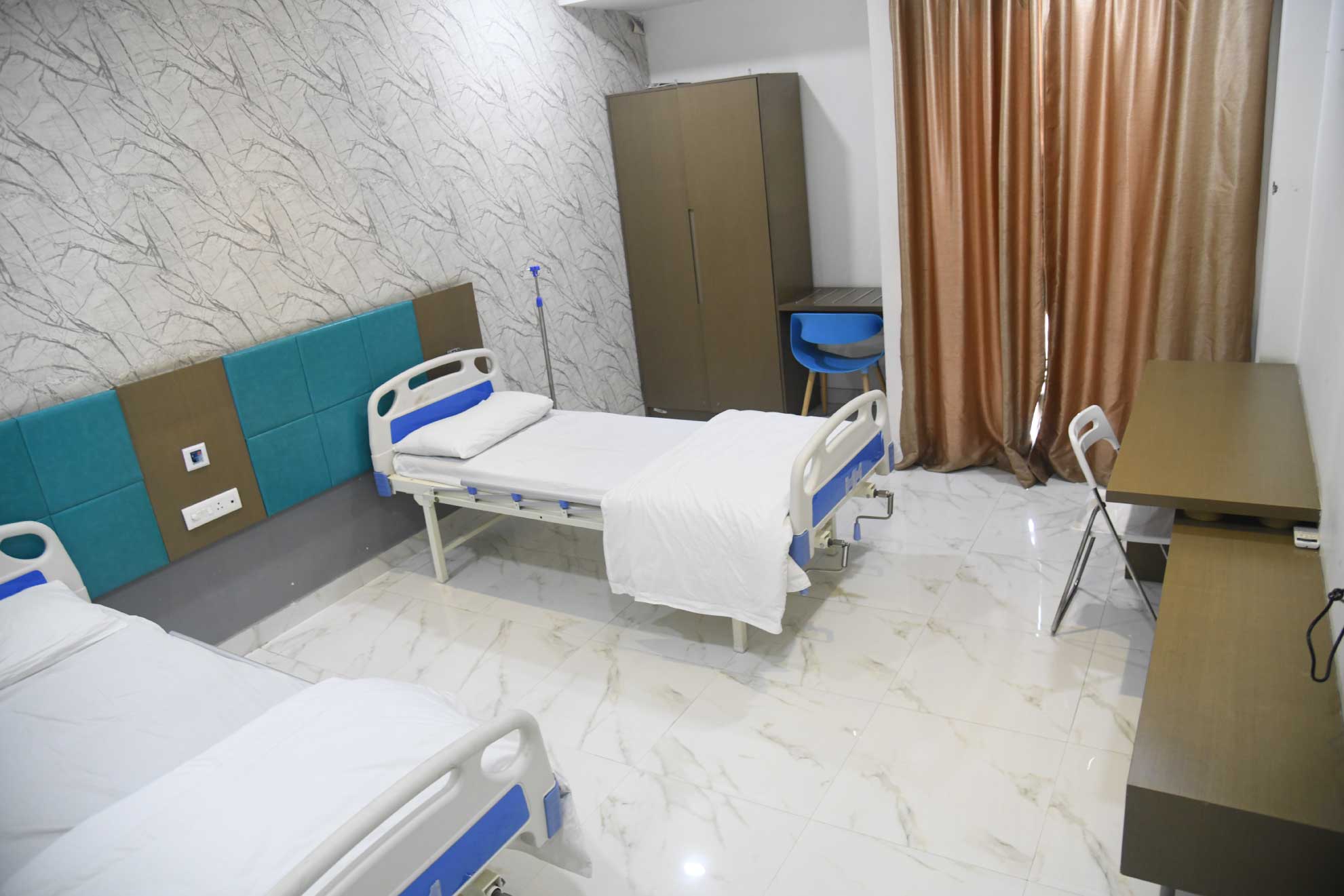
With cutting-edge technology and compassionate care, Cadabam’s Hyderabad creates a healing atmosphere.
Incorporating Holistic Approaches in rTMS Treatment for PTSD
Cadabam’s Hyderabad combines rTMS treatment with holistic approaches such as mindfulness and counselling for a comprehensive recovery.
Assessment and Personalised Treatment Planning for PTSD
Every individual in Cadabam’s Hyderabad is given a detailed assessment, which creates the basis for the development of tailored treatment plans to address specific needs.
Ongoing Support and Monitoring for PTSD
Cadabam’s Hyderabad offers lifelong support so that individuals benefit in the long run. Reach out to us today (Contact Number) to start your journey to recovery.
Top PTSD Doctors at Cadabam’s Hospitals
PTSD – Psychiatrist in Bangalore | PTSD – Psychiatrist in Hyderabad | PTSD – Psychologist in Bangalore | PTSD – Psychologist in Hyderabad | PTSD – Therapist in Bangalore | PTSD – Therapist in Hyderabad | PTSD – Counselor in Bangalore | PTSD – Counselor in Hyderabad
Best PTSD Treatments Offered at Cadabams
PTSD RTMS Bangalore | PTSD Online Counselling Hyderabad | PTSD Group Therapy Bangalore | PTSD Family Therapy Bangalore | PTSD Family Therapy Hyderabad | PTSD CBT Hyderabad | PTSD REBT Bangalore | PTSD Online Counselling Bangalore | PTSD Emergency Bangalore | PTSD Neurofeedback Hyderabad | PTSD REBT Hyderabad | PTSD CBT Bangalore | PTSD PsychoTherapy Hyderabad | PTSD Neurofeedback Bangalore | PTSD PsychoTherapy Bangalore | PTSD Biofeedback Hyderabad | PTSD Biofeedback Bangalore | PTSD Emergency Hyderabad | PTSD Group Therapy Hyderabad
More Additional Resources About PTSD
Connection Between PTSD and OCD | Connection Between PTSD and Depression
FAQ
What is rTMS, and how does it help treat PTSD?
rTMS is a non-invasive procedure, which applies magnetic fields to certain areas of the brain. These fields cause an alteration in neuroplasticity and functioning of the brain. This allows individuals with PTSD to experience symptom relief.
Is rTMS therapy safe for PTSD?
Yes, rTMS is relatively safe and has minimally adverse effects, making it an appropriate therapy for most individuals looking to receive relief from the symptoms of PTSD without the associated risks of conventional medication side effects.
How many rTMS sessions are typically needed for PTSD?
The number of rTMS sessions an individual will need varies between 20-30 rTMS sessions. This typically takes place five times a week for four to six weeks. The number is subject to variation depending on treatment response.
Are there any side effects of rTMS?
Some of the common side effects include mild headaches, scalp discomfort, and light-headedness. These side effects are usually temporary and can be managed effectively.
What support is available to individuals undergoing rTMS at Cadabam’s?
Cadabam’s Hyderabad offers comprehensive support services, including psychological counselling and follow-up care, to enhance the treatment experience for individuals undergoing rTMS therapy for PTSD.
 Available