The Essence of Counselling for Dementia
Discover how therapeutic conversations provide support, coping strategies, and a safe space for individuals and families navigating the dementia journey.
Counselling for dementia offers a vital lifeline. It is not about curing the condition but about providing expert psychological and emotional support to manage its challenges. It focuses on maintaining the person’s identity, dignity, and quality of life for as long as possible.
Core Principles of Effective Counselling for Dementia
Effective counselling is built on a foundation of respect and understanding. Key principles include providing person-centered care that honors the individual’s life story, practicing empathy to validate their feelings, and focusing on their remaining strengths and abilities rather than just their limitations.
How Counselling Differs from Other Dementia Therapies
While medication may be prescribed to manage certain symptoms and cognitive therapies might work on specific memory exercises, counselling addresses the emotional and psychological toll. It provides a space to process grief, anxiety, and fear, which are aspects often overlooked in other forms of treatment.
The Impact of Counselling on Dementia Treatment
Exploring how counselling significantly enhances the overall effectiveness of dementia care plans by addressing mental and emotional health.
Integrating counselling for dementia into a care plan significantly improves outcomes. It helps reduce feelings of depression and anxiety, can lessen agitation, and fosters better communication between the individual and their caregivers. This supportive approach is a critical component of a comprehensive dementia treatment strategy.
The Effectiveness of Counselling for Dementia Management
Counselling equips individuals and their families with practical strategies for managing behavioural changes and coping with the progressive nature of the illness. This proactive management helps reduce distress and improves daily functioning.
Integrating Counselling with Other Dementia Treatments
The best results are seen when counselling is combined with other interventions. It works synergistically with medical treatments, occupational therapy, and lifestyle adjustments to create a holistic care plan that addresses the person as a whole.
Involving Family and Support Networks in the Counselling Process
Dementia affects the entire family. Family counselling sessions are essential for educating caregivers, providing them with emotional support, and teaching effective communication techniques to reduce stress and improve the home environment.
Customizing Counselling Approaches to Fit Individual Needs
There is no one-size-fits-all approach. Therapists at Cadabam’s Spark Hospitals use various techniques, such as reminiscence therapy, validation therapy, and cognitive stimulation, tailoring the approach to the person’s unique personality, history, and current cognitive abilities.
What to Expect During Counselling Sessions for Dementia
A walkthrough of a typical counselling session, from initial assessment to ongoing supportive dialogue and goal-setting.
Your first session will involve a gentle and comprehensive assessment in a calm, safe environment. The counsellor will listen to your concerns, learn about your life and experiences, and work with you to understand your goals. Subsequent sessions focus on supportive conversation, exploring feelings, and developing practical coping strategies for day-to-day challenges.
Why Opt for Counselling as a Treatment for Dementia?
Highlighting the unique and powerful reasons to include counselling as a cornerstone of any comprehensive dementia management strategy.
Choosing counselling is a proactive step towards preserving emotional well-being and quality of life. It empowers both the individual with dementia and their family to navigate the journey with greater resilience, understanding, and support, rather than feeling lost or alone.
Benefits of Counselling for Individuals with Dementia
- Reduced Emotional Distress: Alleviates symptoms of anxiety, depression, and agitation.
- Enhanced Self-Esteem: Reinforces personal identity and a sense of worth.
- Improved Relationships: Fosters better communication and understanding with family and caregivers.
- A Greater Sense of Control: Provides tools and strategies to manage daily life more effectively.
Achieving Long-term Wellness with Counselling
The support and skills gained through counselling are not temporary. They provide a sustainable foundation for adapting to the changes dementia brings, helping families navigate future challenges with greater confidence and connection.
Get Dementia Diagnosed in Mysore
If you notice signs of cognitive decline, taking the first step towards a professional diagnosis is crucial for timely intervention.
Early and accurate diagnosis is key to effective management. If you or a loved one in Mysore is experiencing concerning symptoms, it’s vital to seek a professional evaluation. A clear diagnosis is the first step toward creating an effective care plan.
Find the Best Counselling Center for Dementia in Mysore
Navigating your options for dementia care can be overwhelming. Here’s how to find the right support center for your needs.
When searching for support, look for a center with a multidisciplinary team specializing in geriatric care, a compassionate, person-centered philosophy, and a proven track record in dementia care.
Why Cadabam’s Spark Hospitals is Your Best Choice for Dementia Counselling
Discover the Cadabam’s Spark Hospitals difference – a commitment to expert, compassionate, and personalized care for individuals with dementia.
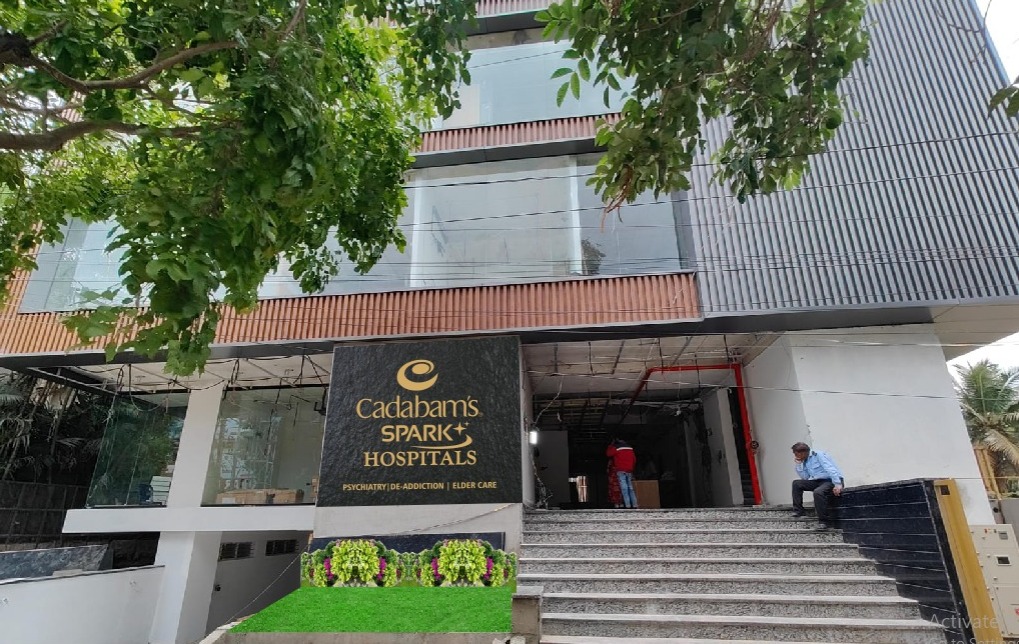
At Cadabam’s Hospitals in Mysore , we are dedicated to providing the highest standard of mental healthcare in Mysore. Our approach to dementia care is comprehensive, compassionate, and customized for each person who walks through our doors.
Expert Team Specialized in Dementia Counselling
Our team consists of experienced psychiatrists, psychologists, and therapists who specialize in geriatric mental health and dementia care, ensuring you receive expert, evidence-based support.
State-of-the-Art Hospitals and Supportive Environment for Dementia
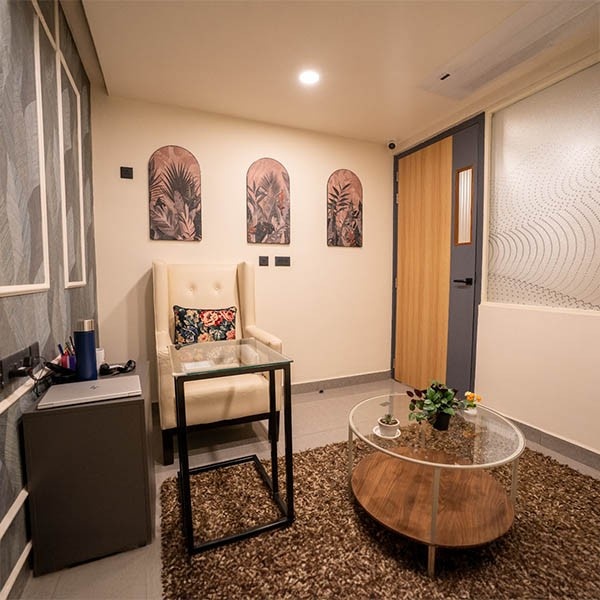
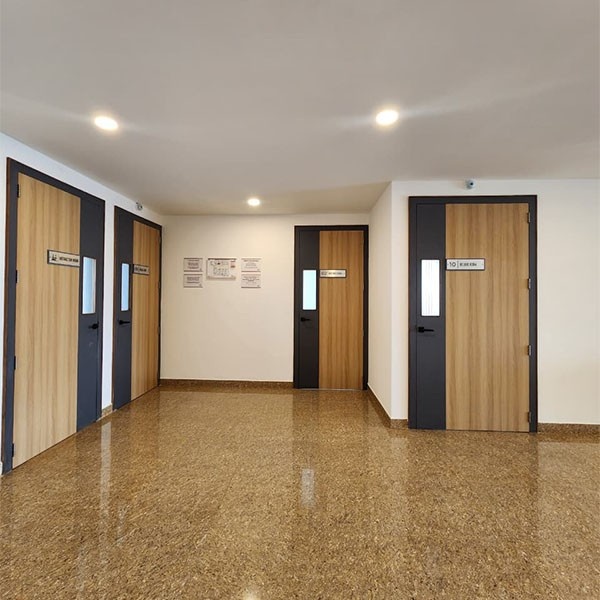
Our Hospitals are designed to be safe, tranquil, and welcoming. We have created a supportive environment that promotes comfort and reduces anxiety for individuals with dementia and their families.
Incorporating Holistic Approaches in Dementia Counselling
We believe in treating the whole person. Our personalized care plans integrate therapy with wellness practices and robust family support to enhance overall well-being.
Assessment and Personalized Counselling Planning for Dementia
Our process begins with a thorough assessment to understand your specific situation. From there, we develop a completely personalized counselling plan that aligns with your unique needs, strengths, and goals.
Ongoing Support and Monitoring for Dementia
Our commitment to your well-being is long-term. The team at Cadabam’s Spark Hospitals provides continuous support and regular monitoring, adjusting the care plan as needs evolve to ensure the best possible quality of life.
Your path to managing dementia with dignity and support starts here. Contact Cadabam’s Hospitals today to learn more about our specialized dementia care.
Phone: +9190710 35960
Email: info@cadabamshospitals.com
Top Dementia Doctors at Cadabam’s Hospitals
Psychiatrist Bangalore | Psychiatrist Hyderabad | Psychiatrist Mysore | Psychologist Bangalore | Psychologist Hyderabad | Psychologist Mysore | Therapist Bangalore | Therapist Hyderabad | Therapist Mysore
Dementia Rehabilitation
Rehab Bangalore | Rehab Hyderabad | Rehab Mysore
Best Dementia Treatments Offered at Cadabams
Online Counselling Bangalore | Online Counselling Hyderabad | Home Services Bangalore | Home Services Hyderabad | Home Services Mysore | Neuro Physiotherapy Bangalore | Neuro PhysioTherapy Hyderabad | PsychoTherapy Bangalore | PsychoTherapy Hyderabad | PsychoTherapy Mysore | Biofeedback Bangalore | Biofeedback Hyderabad | Biofeedback Mysore | Family Therapy Bangalore | Family Therapy Hyderabad | Family Therapy Mysore | CBT Bangalore | CBT Hyderabad | CBT Mysore | Group Therapy Bangalore | Group Therapy Hyderabad | Group Therapy Mysore | Emergency Bangalore | Emergency Hyderabad | Emergency Mysore | Neurofeedback Bangalore | Neurofeedback Hyderabad | Neurofeedback Mysore | Post Rehab Bangalore | Post Rehab Hyderabad | Post Rehab Mysore | REBT Therapy Mysore | tDCS Bangalore | tDCS Hyderabad | tDCS Mysore | ECT Mysore | RTMS Mysore
More Additional Resources
Agitation in Dementia: Causes, Symptoms, and Management Guide | A Deep Dive into Behavioral and Psychological Symptoms of Dementia(BPSD) | Decoding Mixed Dementia: What You Need to Know | Parkinson’s Dementia Explained: Recognizing Symptoms and Stages | Understanding Frontotemporal Dementia: Signs, Symptoms, and More | Understanding Lewy Body Dementia | Why Does Sundowning Happen | Can Dementia Be Prevented? | Music Therapy | Early Signs and Symptoms of Dementia and Alzheimer’s | What is the Difference Between Dementia & Alzheimer’s
Frequently Asked Questions
1. How Does Counselling Benefit Individuals with Dementia?
Counselling provides crucial emotional and psychological support, helping to reduce feelings of depression, anxiety, and agitation. It also enhances self-worth, improves communication with loved ones, and equips individuals with coping strategies to manage their symptoms.
2. How Often Should Someone with Dementia Attend Counselling Sessions?
The frequency of sessions is tailored to the individual’s needs. It may begin more frequently (e.g., weekly) to establish a strong therapeutic relationship and develop initial strategies, then adjust over time based on the person’s progress and the stage of dementia.
3. How Can Counselling Address the Stigma Associated with Dementia?
Counselling provides a safe, confidential space to discuss the fears and frustrations associated with dementia. By educating individuals and families and normalizing their emotional experiences, it empowers them to combat stigma and advocate for their needs with confidence.
4. What Should Individuals Expect from Counselling Sessions for Dementia?
Individuals should expect a warm, non-judgmental, and empathetic environment. Sessions involve collaborative conversations focused on validating feelings, problem-solving daily challenges, and finding ways to maintain a sense of purpose and connection.
5. What Are the Long-Term Benefits of Counselling for Dementia?
The long-term benefits include a sustained improvement in quality of life, stronger and more resilient family relationships, and better coping mechanisms for both the individual and their caregivers as the condition progresses. It fosters an environment of support that endures over time.
6. What specific types of counselling are used for individuals with dementia?
Therapeutic approaches are adapted for cognitive changes. Common and effective modalities include:
- Person-Centred Counselling: Focuses on the individual’s feelings and reality in the present moment, validating their experience.
- Reminiscence and Life Story Work: Uses photos, music, and familiar objects to stimulate memory and reinforce personal identity.
- Validation Therapy: Acknowledges and validates the person’s feelings and perceived reality without correcting them, reducing distress.
- Cognitive Stimulation Therapy (CST): Involves themed group activities designed to improve cognitive and social functioning.
- Supportive Counselling for Caregivers: A primary focus, helping family members manage stress, grief, and complex caregiving dynamics.
7. Can counselling help with difficult behaviours like agitation or aggression?
Yes, this is a core function. Counselling helps caregivers and, where possible, the individual, understand the unmet need or emotion driving the behaviour (e.g., pain, fear, frustration, overstimulation). Therapists provide strategies for de-escalation, environmental modification, and non-pharmacological interventions, reducing the frequency and intensity of challenging behaviours and improving safety and quality of life for all.
 Available