Key Signs of a Dementia Emergency
Recognising the warning signs of a crisis is the first step toward managing it effectively. This section outlines key indicators that require immediate attention.
- Severe Psychotic Episodes: Experiencing hallucinations (seeing or hearing things that aren’t there) or delusions (holding strong, false beliefs).
- Threats of Self-Harm or Suicide: Any verbal or behavioural indication of wanting to inflict self-harm.
- Sudden and Severe Paranoia: An abrupt onset of intense and irrational suspicion or mistrust of others, including caregivers.
- Extreme Disorientation or Confusion: A sudden worsening of confusion about time, place, or identity.
- Aggressive or Violent Behavior: Physical or verbal aggression that poses a risk to the individual or others.
Immediate Steps to Take During a Dementia Emergency in Mysore
When faced with a crisis, your immediate actions can significantly influence the outcome. This section provides a step-by-step guide on how to respond.
Staying Calm and Providing Reassurance
Your calm presence is vital. Speak in a soft, reassuring tone and avoid raising your voice. A tranquil environment can help de-escalate the situation and reduce the individual’s anxiety and agitation.
Ensuring Safety for Everyone Involved
Gently remove any objects that could be used to cause harm. If possible, guide the individual to a safe, quiet space away from potential hazards. The priority is to protect both the person with dementia and those around them.
Contacting Emergency Services Promptly
If the situation feels unmanageable or there’s an immediate threat of harm, do not hesitate. Contact local emergency services or a specialized mental health crisis line. Be clear about the nature of the mental health emergency.
Avoiding Confrontation or Escalation
Do not argue, correct, or try to reason with the individual during a crisis. This can increase their stress and escalate the situation. Instead, use validation techniques, acknowledging their feelings without confirming their false beliefs.
Not Leaving the Individual Alone
Unless your safety is at risk, stay with the person until help arrives. Your presence can offer a sense of security and prevent them from wandering or accidentally injuring themselves.
Emergency Services and Support for Dementia in Mysore
Knowing where to turn for help is critical. This section details the emergency resources available in Mysore for dementia-related crises.
Local Emergency Resources for Dementia
Mysore has several resources to assist during a crisis. General emergency services can be contacted for immediate safety concerns. Additionally, mental health hotlines can provide guidance and connect you with local crisis intervention teams who are trained to handle such situations with expertise and empathy.
Psychiatric Emergency Services in Mysore
For specialised care, psychiatric emergency services are the best option. Hospitals like Cadabam’s offer dedicated support for dementia emergencies, providing rapid assessment and stabilization in a secure environment. For immediate assistance, contact Cadabam’s Hospitals at +9190710 35960 or info@cadabamshospitals.com.
Post-Crisis Management for Dementia in Mysore
The period following a crisis is crucial for recovery and preventing future episodes. This section explains the importance of structured post-crisis care.
Overview of Post-Crisis Phase of Dementia
After a crisis is resolved, the focus shifts to stabilization and long-term management. This phase is essential for understanding the triggers, adjusting care, and creating a supportive environment that promotes sustained well-being and reduces the likelihood of recurrence.
Assessment and Stabilization of Dementia
Following a crisis, a thorough psychiatric assessment is conducted to evaluate the individual’s mental state and identify contributing factors. Healthcare professionals at Cadabam’s Hospitals in Mysore work to stabilise the patient medically and emotionally, ensuring their immediate safety and comfort.
Development of a Tailored Care Plan for Dementia
A personalised care plan is created based on the post-crisis assessment. This comprehensive plan addresses medical, psychological, and social needs, incorporating medication management, specialised Dementia therapy, and strategies for behavioural support, all tailored to the individual.
Family and Caregiver Involvement for Dementia
Involving family is fundamental to successful recovery. Cadabam’s Hospitals provides education and support to help families understand the condition and manage care effectively. These resources empower caregivers with coping strategies and practical skills. To learn more about our family support care plans, please get in touch with our team.
Preventing Future Dementia Crises in Mysore
Proactive measures can significantly reduce the frequency and severity of crises. This section outlines key strategies for long-term prevention.
Regular Mental Health Assessments for Dementia
Consistent monitoring by a psychiatric professional helps track the progression of the dementia disorder and identify any emerging issues before they escalate into a crisis. These check-ups allow for timely adjustments to the care plan.
Medication Management for Dementia
Proper medication management is crucial for controlling behavioural and psychological symptoms of dementia. Regular reviews with a psychiatrist ensure the medication regimen remains effective and appropriate, with minimal side effects.
Continued Therapy and Support for Dementia
Ongoing therapeutic support, including individual counseling and structured group activities, helps individuals manage their symptoms and maintain their cognitive abilities. This continuous engagement is a cornerstone of effective long-term care and relapse prevention.
Long-Term Recovery and Relapse Prevention for Dementia
A focus on long-term recovery involves creating a stable routine, a safe environment, and providing consistent emotional support. Relapse prevention strategies are integrated into the daily care plan, empowering caregivers to recognise early warning signs and intervene effectively.
Find the Best Dementia Emergency Care in Mysore
When a crisis occurs, having access to expert care is paramount.
Cadabam’s: Leading Dementia Emergency Care in Mysore
This section highlights Cadabam’s specialised expertise in managing dementia emergencies with a responsive and proactive approach.
Expert Emergency Response Team for Dementia at Cadabam’s
Our multidisciplinary team, including psychiatrists, psychologists, and trained nurses, is experienced in handling dementia crises with compassion and clinical excellence, ensuring the best possible outcomes.
Rapid Assessment and Intervention for Dementia Emergencies
At Cadabam’s, we provide swift and accurate assessments to understand the crisis and implement immediate interventions. Our goal is to de-escalate the situation and stabilise the individual’s condition promptly.
Advanced Hospitals for Emergency Care in Dementia
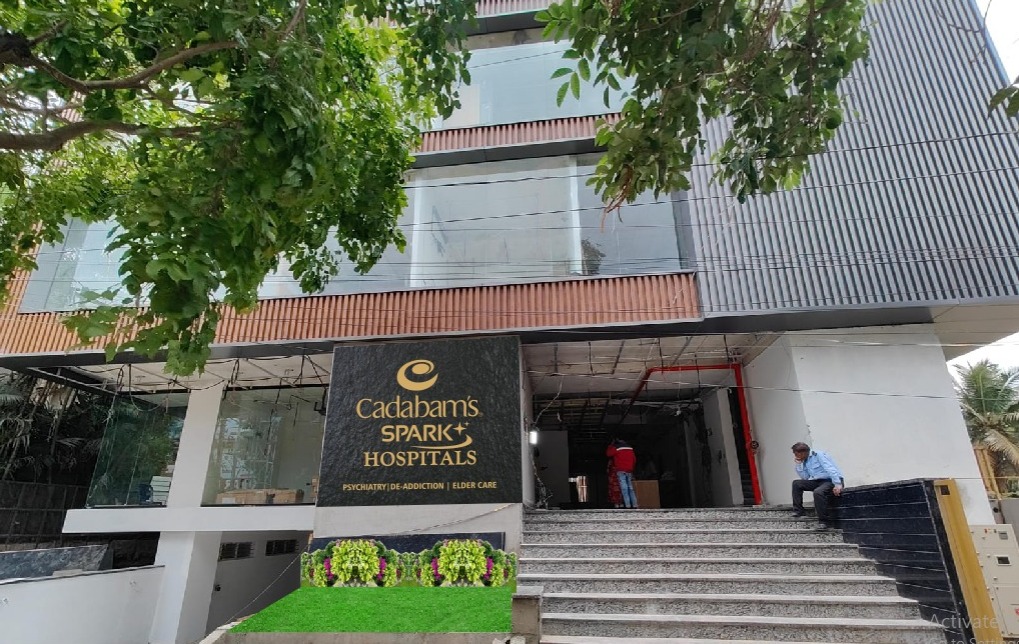
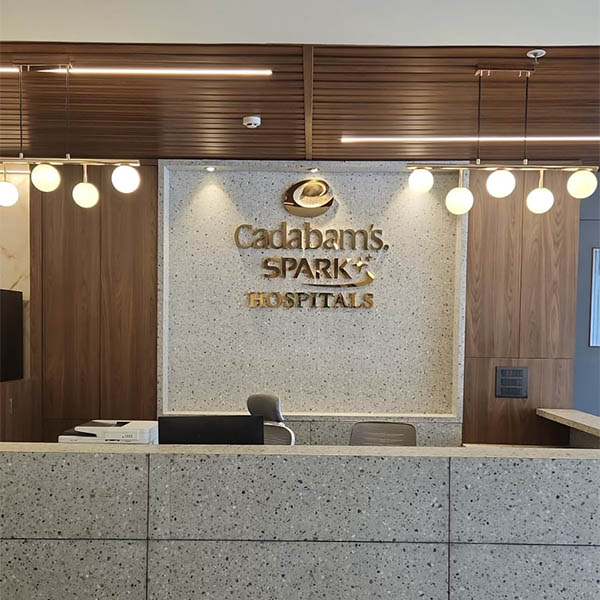
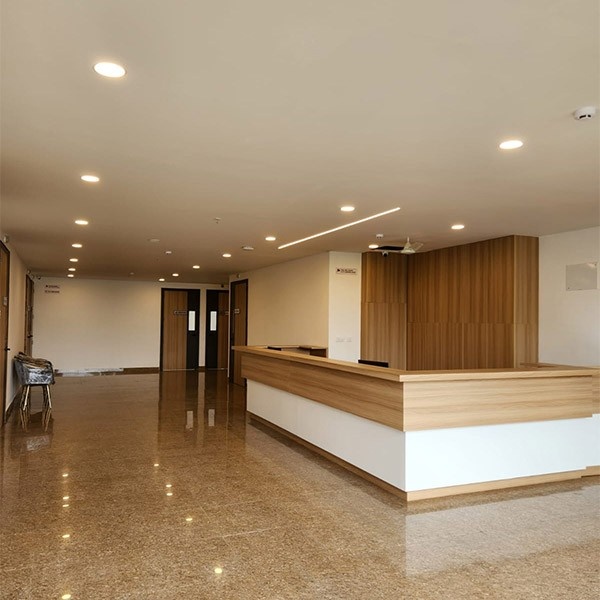
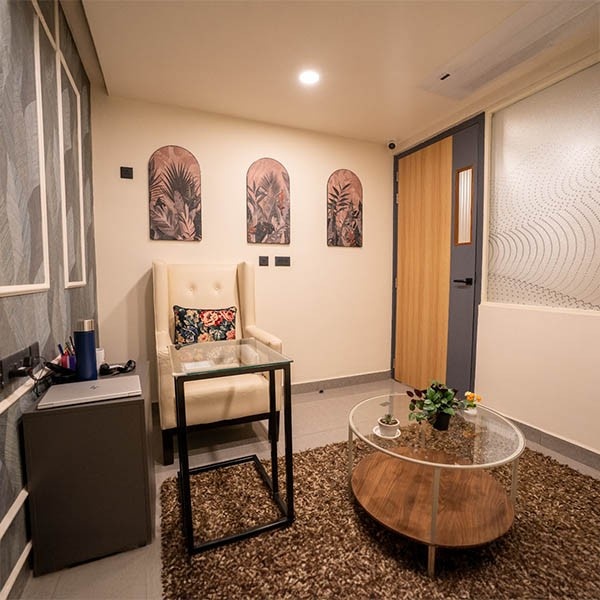
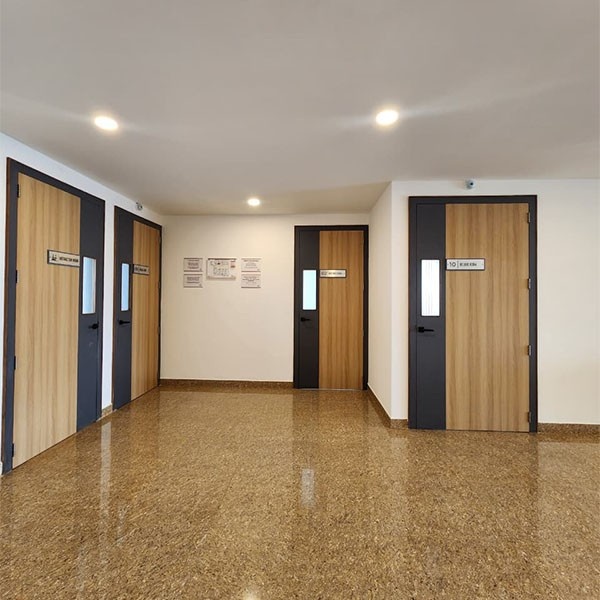
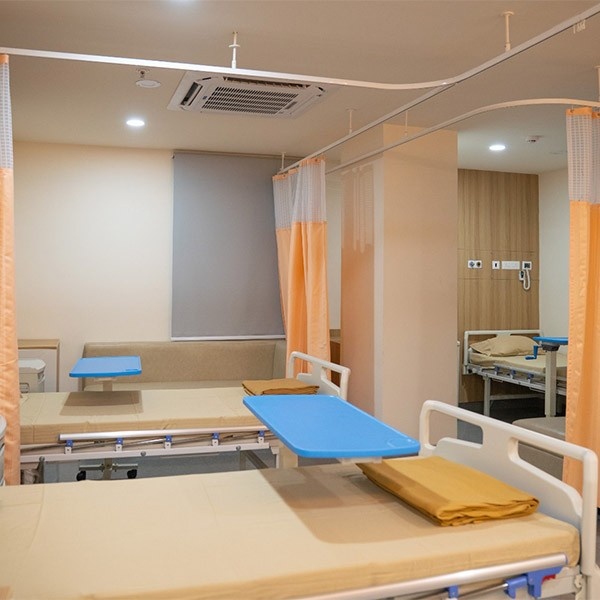
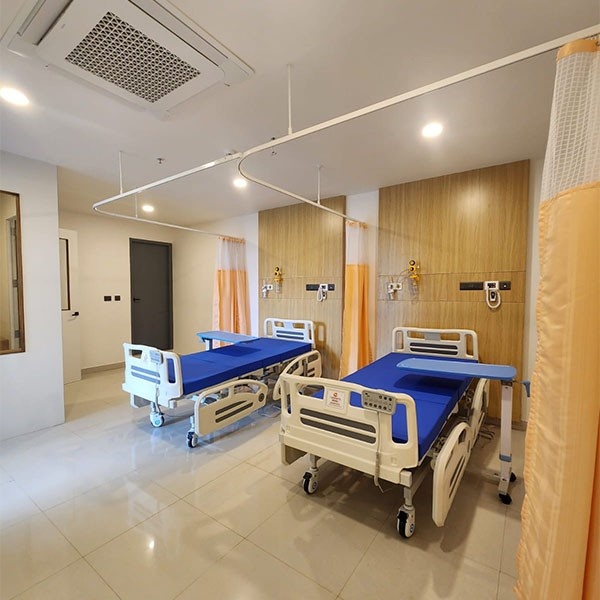
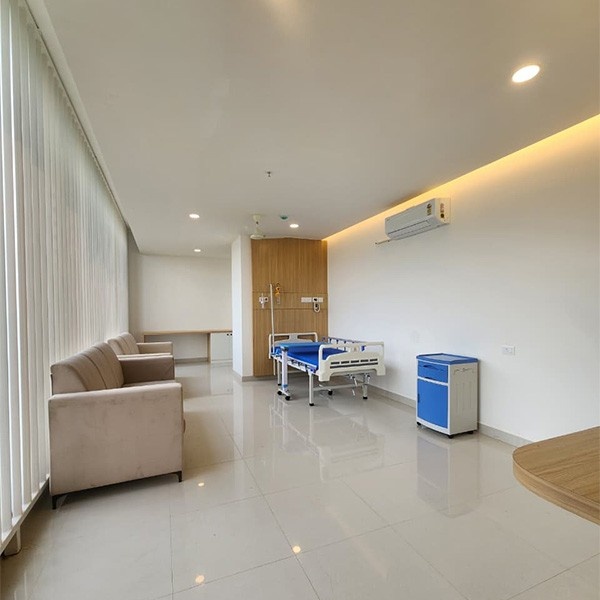
Cadabam’s Spark Hospitals are designed to provide a safe, secure, and therapeutic environment for individuals experiencing a dementia emergency, ensuring their comfort and well-being during a vulnerable time.
Continuous Support and Post-Emergency Care for Dementia
Our commitment extends beyond the immediate crisis. We offer comprehensive post-emergency care plans, including follow-up consultations, therapy, and family support, to ensure a smooth transition and long-term stability.
Comprehensive Emergency Management Approach at Cadabam’s for Dementia
Our integrated approach at Cadabam’s Hospitals combines immediate intervention with long-term prevention strategies. We develop holistic and personalized care plans to manage the condition effectively and enhance the quality of life for individuals and their families.
Are you or a loved one facing a mental health emergency? Don’t wait. Cadabam’s Hospitals, Mysore, offers immediate, expert care for anxiety crises. Our dedicated team is available 24/7 to provide rapid assessment, intervention, and a compassionate path to recovery.
Call our emergency helpline now: +9190710 35960
Email for more information: info@cadabamshospitals.com
Top Dementia Doctors at Cadabam’s Hospitals
Psychiatrist Bangalore | Psychiatrist Hyderabad | Psychiatrist Mysore | Psychologist Bangalore | Psychologist Hyderabad | Psychologist Mysore | Therapist Bangalore | Therapist Hyderabad | Therapist Mysore
Dementia Rehabilitation
Rehab Bangalore | Rehab Hyderabad | Rehab Mysore
Best Dementia Treatments Offered at Cadabams
Online Counselling Bangalore | Online Counselling Hyderabad | Home Services Bangalore | Home Services Hyderabad | Home Services Mysore | Neuro Physiotherapy Bangalore | Neuro PhysioTherapy Hyderabad | PsychoTherapy Bangalore | PsychoTherapy Hyderabad | PsychoTherapy Mysore | Biofeedback Bangalore | Biofeedback Hyderabad | Biofeedback Mysore | Family Therapy Bangalore | Family Therapy Hyderabad | Family Therapy Mysore | CBT Bangalore | CBT Hyderabad | CBT Mysore | Group Therapy Bangalore | Group Therapy Hyderabad | Group Therapy Mysore | Emergency Bangalore | Emergency Hyderabad | Neurofeedback Bangalore | Neurofeedback Hyderabad | Neurofeedback Mysore | Post Rehab Bangalore | Post Rehab Hyderabad | Post Rehab Mysore | Counselling Mysore | REBT Therapy Mysore | tDCS Bangalore | tDCS Hyderabad | tDCS Mysore | ECT Mysore | RTMS Mysore
More Additional Resources
Agitation in Dementia: Causes, Symptoms, and Management Guide | A Deep Dive into Behavioral and Psychological Symptoms of Dementia(BPSD) | Decoding Mixed Dementia: What You Need to Know | Parkinson’s Dementia Explained: Recognizing Symptoms and Stages | Understanding Frontotemporal Dementia: Signs, Symptoms, and More | Understanding Lewy Body Dementia | Why Does Sundowning Happen | Can Dementia Be Prevented? | Music Therapy | Early Signs and Symptoms of Dementia and Alzheimer’s | What is the Difference Between Dementia & Alzheimer’s
Frequently Asked Questions (FAQs)
What are the most common indicators of a severe Dementia emergency?
Common indicators include sudden, severe aggression or violent behaviour, threats of self-harm, extreme paranoia or delusions, major hallucinations, and acute confusion or disorientation that poses a safety risk to the individual or others.
What kind of support is available at Cadabam’s, in Mysore for Dementia emergencies?
Cadabam’s in Mysore offers a comprehensive emergency response, including a 24/7 crisis intervention team, rapid psychiatric assessment, immediate stabilisation in a safe environment, and the development of a post-crisis care plan. Contact us at [97414 76476] for immediate help.
How can a future Dementia crisis be prevented?
Future crises can be prevented through a proactive approach that includes regular mental health assessments, consistent medication management, ongoing therapy and support, caregiver education and training, and creating a stable, safe, and predictable environment for the individual.
 Available