Understanding Bipolar Disorder: Symptoms, Causes, and Impact
Bipolar Disorder is a mental health condition defined by intense emotional states that occur at distinct times, called mood episodes. These episodes can be manic/hypomanic (abnormally happy or irritable mood) or depressive (sad mood). The exact cause is unknown, but it’s believed to be a combination of genetic, environmental, and neurobiological factors. The impact on daily life can be significant, affecting relationships, work, and overall well-being, making effective management crucial for stability and quality of life.
What Is Biofeedback Therapy?
Biofeedback therapy is a technique that helps individuals learn to control bodily processes that are normally involuntary, such as heart rate, muscle tension, and skin temperature. Using electronic sensors, it provides real-time “feedback” on these physiological functions, enabling patients to develop a greater awareness of their mind-body connection and learn to influence it positively.
The Science Behind Biofeedback
The core principle of biofeedback is that by becoming aware of our physiological responses, we can learn to control them. During a session, sensors attached to your body measure specific functions. This information is displayed on a screen through visual or auditory cues. With guidance from a therapist, you learn mental exercises and relaxation techniques to alter these signals, effectively training your brain and body to respond better to stress.
Biofeedback vs. Traditional Therapies
While traditional therapies like medication and psychotherapy are cornerstones of Bipolar Disorder treatment, biofeedback offers a unique, complementary role. It doesn’t replace these methods but enhances them. While medication stabilizes mood chemically, biofeedback equips patients with practical skills to manage emotional dysregulation and stress responses in the moment, providing a powerful tool for self-management.
Safety and Efficacy of Biofeedback
Biofeedback is a non-invasive and safe therapeutic option with minimal to no side effects. Its efficacy is supported by research showing that with practice, individuals can learn to manage stress and reduce the severity of certain symptoms associated with mood disorders. It empowers patients by putting them in an active role in their own recovery journey.
This innovative approach is changing how we manage Bipolar Disorder by focusing on self-regulation and patient empowerment. It provides tangible skills that individuals can use to navigate daily stressors and improve their overall mental stability.
Benefits of Biofeedback for Bipolar Disorder Patients
The application of biofeedback for Bipolar Disorder offers several distinct advantages.
Enhances Emotional Regulation and Stress Management
Patients learn to identify and control the physiological signs of stress and emotional escalation, helping to prevent the full onset of a mood episode.
Improves Symptom Management
By reducing autonomic hyperarousal, biofeedback can help lessen the intensity of anxiety and agitation often experienced during manic or mixed episodes.
Boosts Patient Engagement and Self-Awareness
The interactive nature of biofeedback promotes active participation in treatment. It fosters a deeper understanding of one’s own emotional and physical responses, building confidence in the ability to manage the condition.
How Biofeedback Complements Traditional Bipolar Disorder Treatments
Biofeedback serves as a powerful adjunctive therapy. It works synergistically with medication by helping patients manage breakthrough symptoms and stress, which can be triggers for mood episodes. It also enhances psychotherapy by providing a practical, skill-based component where patients can apply coping strategies discussed in talk therapy and see their immediate physiological effects.
Navigating the Biofeedback Process for Bipolar Disorder in Mysore
Understanding what to expect can help ease any apprehension about starting a new therapy. The process at Cadabam’s Hospitals is structured, patient-centric, and guided by experienced professionals.
Steps Involved in Biofeedback Therapy
A typical session involves an initial assessment, followed by the placement of painless sensors on the skin. You will then be guided through relaxation exercises while watching your physiological feedback on a monitor. The goal is to learn how to consciously influence the readings, such as lowering your heart rate or relaxing muscle tension.
Patient Preparation and Involvement
No special preparation is needed, but an open and engaged mindset is key. Your active participation is crucial. You will be encouraged to practice the learned techniques at home between sessions to reinforce the skills and achieve lasting benefits.
Monitoring and Interpreting Biofeedback Results
Your therapist will help you understand the data from your sessions. Progress is tracked over time, showing improvements in your ability to regulate your physiological responses. This data helps tailor the ongoing treatment to ensure it remains effective.
Customizing Biofeedback Therapy for Individual Needs in Mysore
Bipolar Disorder affects everyone differently. At Cadabam’s Spark Hospitals, we recognize that a one-size-fits-all approach is ineffective, which is why our care plans are highly personalized.
Assessing Individual Patient Needs
Every treatment journey begins with a thorough assessment. We evaluate your specific symptoms, triggers, and treatment goals to determine how biofeedback can best be integrated into your overall care.
Developing Personalized Biofeedback Plans
Based on the initial assessment, our therapists create a tailored biofeedback plan. This plan specifies the type of feedback to be used (e.g., heart rate variability, skin temperature) and the techniques to be taught.
Adjusting Therapy Based on Patient Response and Progress
Your care plan is a dynamic document. We continuously monitor your progress and adjust the therapy based on your response. This ensures that the treatment remains relevant and maximally effective throughout your recovery journey.
Integrating Biofeedback Into Holistic Bipolar Disorder Care in Mysore
True recovery from Bipolar Disorder involves a holistic strategy. Biofeedback is a powerful component within a broader, multidisciplinary care model.
Role of Biofeedback in a Broader Treatment Plan
Biofeedback is integrated alongside medication management, individual and family therapy, and lifestyle coaching. It serves as a skill-building bridge, connecting insights from therapy with real-world application for managing Bipolar Disorder.
Collaborating With Mental Health Professionals
Our team of psychiatrists, psychologists, and therapists works in close collaboration. This ensures that insights from your biofeedback therapy sessions inform your overall treatment and vice versa, creating a seamless and unified care experience.
Ensuring a Multidisciplinary Approach to Care
A multidisciplinary team brings diverse expertise to your care. This comprehensive approach addresses the psychological, biological, and social aspects of Bipolar Disorder, leading to more robust and sustainable outcomes.
Find the Best Biofeedback Therapy for Bipolar Disorder Management
Choosing the right provider is essential for successful treatment. Look for a team with proven expertise in both Bipolar Disorder management and the specific application of biofeedback techniques.
Cadabam’s Hospitals: Pioneering Biofeedback Therapy for Bipolar Disorder in Mysore
Cadabam’s Spark Hospitals is dedicated to providing cutting-edge and evidence-based mental health care. Our commitment to innovation makes us a leader in using biofeedback for Bipolar Disorder management in Mysore.
Our Expertise in Biofeedback Therapy for Bipolar Disorder
Our clinicians are specially trained in biofeedback protocols for mood disorders. We combine this technical expertise with a deep, compassionate understanding of the lived experience of Bipolar Disorder.
Assessment and Personalized Treatment Planning for Bipolar Disorder
We pride ourselves on our meticulous assessment process and the creation of highly individualized care plans. Your unique needs and goals are the foundation of the treatment we provide.
State-of-the-Art Hospitals and Supportive Environment for Bipolar Disorder
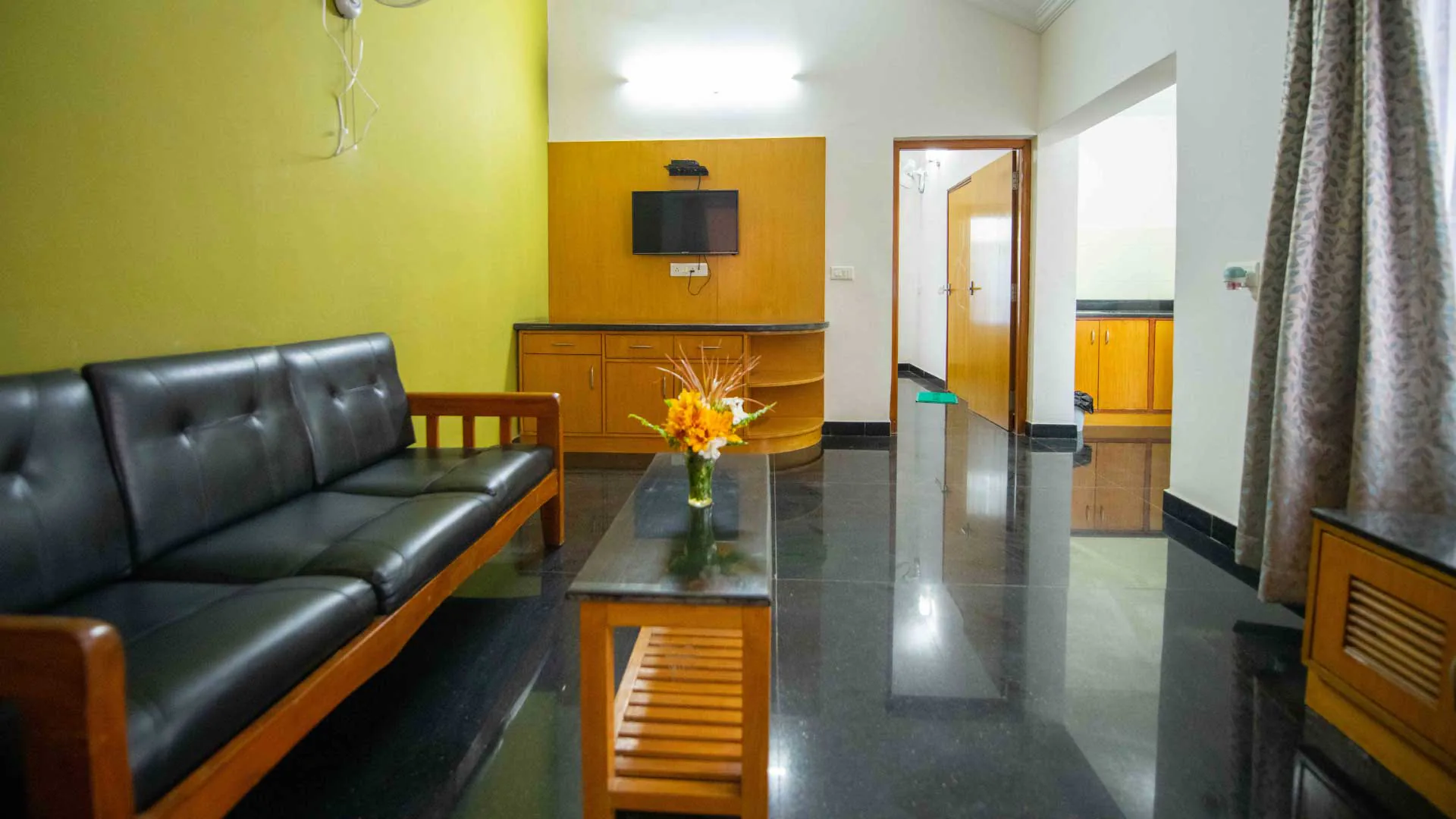
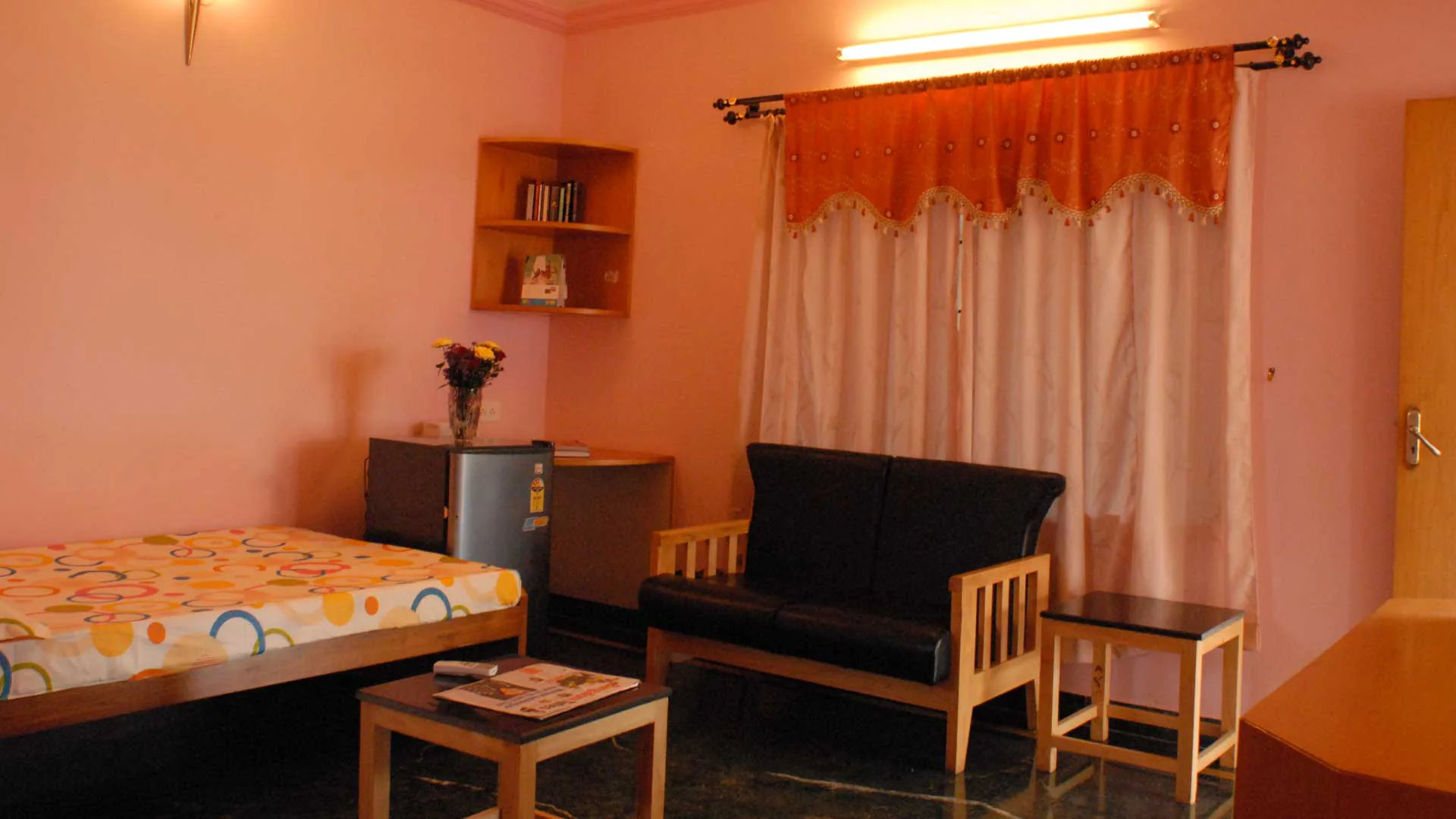
Cadabam’s Hospitals in Mysore offers a modern, calming, and supportive environment equipped with the latest biofeedback technology to facilitate healing and recovery.
Ongoing Support and Monitoring for Bipolar Disorder
Recovery is a journey, not a destination. We provide continuous support, monitoring, and aftercare to help you maintain stability and thrive long-term.
Comprehensive Care Approach at Cadabam’s Spark Hospitals for Bipolar Disorder
We integrate biofeedback into a full spectrum of mental healthcare services, ensuring you receive the holistic, comprehensive support you need to manage Bipolar Disorder effectively.
Top Bipolar Disorder Doctors at Cadabam’s Hospitals
Bipolar Disorder Rehabilitation
Best Bipolar Disorder Treatments Offered at Cadabam’s Hospitals
More Additional Resources