Why Is rTMS Used?
The primary therapeutic goal of using rTMS for Bipolar Disorder is to manage the depressive phases of the illness, which are often resistant to medication. It offers a targeted approach with fewer systemic side effects than many pharmacological treatments, providing a valuable alternative for patients who have not found relief with conventional care plans.
Benefits of rTMS for Bipolar Disorder
The application of rTMS therapy offers a range of significant benefits for individuals managing the complexities of Bipolar Disorder.
Symptom Improvement for Bipolar Disorder Through rTMS
Clinical studies have demonstrated that rTMS can effectively alleviate the depressive symptoms of Bipolar Disorder. Patients often report improved mood, increased energy levels, and a renewed interest in daily activities, leading to greater emotional stability.
Psychological and Physical Benefits of rTMS
Beyond mood regulation, patients may experience reduced anxiety and improved sleep patterns. The psychological relief from persistent depressive symptoms can also lead to better physical health, as individuals are more motivated to engage in self-care and healthy lifestyle choices.
Cognitive Enhancement for Bipolar Disorder
Bipolar Disorder can sometimes affect cognitive functions like memory, attention, and decision-making. By stimulating specific prefrontal cortex areas, rTMS has been shown to enhance these cognitive abilities, helping individuals feel sharper and more focused.
Long-Term Effectiveness for Bipolar Disorder
Research suggests that the benefits can be long-lasting. Many patients experience sustained symptom relief well after their initial course of treatment is complete, with some opting for periodic maintenance sessions to maintain their progress.
Enhanced Quality of Life for Bipolar Disorder
By reducing the burden of depressive episodes, rTMS helps restore a sense of normalcy. This allows for improved social relationships, better performance at work or school, and a more fulfilling and active life.
Reduced Need for Medication
For some patients, a successful course of rTMS can lead to a reduction in the dosage or number of medications needed to manage their condition. This is particularly beneficial for those who experience challenging side effects from their prescribed drugs.
Accessibility and Convenience
Each session is conducted in an outpatient setting and typically lasts 20-40 minutes. Patients can resume their normal activities immediately afterward, as there is no anaesthesia or required recovery time, making it a highly convenient option.
What to Expect During Your rTMS Sessions for Bipolar Disorder in Mysore
Understanding the process can help ease any concerns. Your journey with this innovative rTMS treatment is structured, safe, and tailored to your needs.
Preparing for rTMS: Steps Before Your First Session
Before beginning treatment, you will undergo a comprehensive medical and psychiatric evaluation at Cadabam’s Hospitals to ensure rTMS is a suitable and safe option for you. This includes a review of your medical history and a discussion of your symptoms and treatment goals. It is important to inform your doctor of any medical implants or history of seizures.
Aftercare and Follow-Up
After completing your prescribed series of sessions, our team will develop a follow-up plan to monitor your progress. This may include check-in appointments and recommendations for ongoing psychological support to help you maintain the benefits achieved during treatment.
Emotional Resilience and Psychological Support During rTMS for Bipolar Disorder
Navigating any new treatment requires emotional strength. At Cadabam’s Spark Hospitals, we prioritize your mental well-being throughout the entire process.
Emotional and Mental Support During Treatment
We believe that treatment is most effective when paired with robust psychological support. Our compassionate team of therapists and counsellors is available to provide guidance, a listening ear, and coping strategies as you move through your care plan.
Dealing With Expectations and Anxiety
It’s natural to feel a mix of hope and anxiety when starting a new treatment. Our team helps you set realistic expectations, understand the potential outcomes, and provides techniques to manage any anxiety related to the procedure.
Choosing the Right rTMS Provider for Bipolar Disorder in Mysore
Selecting a qualified and experienced provider is crucial for a safe and effective treatment experience.
What to Look for in a rTMS Clinic
Consider the following factors when making your decision:
- Accreditation and Licensing: Ensure the Hospitals is fully accredited and its staff is licensed to perform rTMS.
- Experience and Specialization: Look for a team with specific experience in treating Bipolar Disorder with rTMS.
- Technology and Equipment: The clinic should use modern, FDA-approved rTMS technology.
- Treatment Customization: The provider should offer personalized care plans based on a thorough assessment, not a one-size-fits-all approach.
- Support Services: Choose a provider that offers comprehensive support, including psychiatric consultation, therapy, and follow-up care.
Questions to Ask Your rTMS Practitioner
- How many patients with Bipolar Disorder have you treated with rTMS?
- What is your success rate for reducing depressive symptoms?
- What specific rTMS device do you use, and why?
- What does my personalized care plan look like?
- What support systems are in place during and after my treatment?
Expert Team Specialized in rTMS for Bipolar Disorder
Our multidisciplinary team of psychiatrists, neurologists, and technicians has specialized training and extensive experience in administering rTMS for mood disorders, including Bipolar Disorder.
State-of-the-Art Hospitals and Supportive Environment for Bipolar Disorder
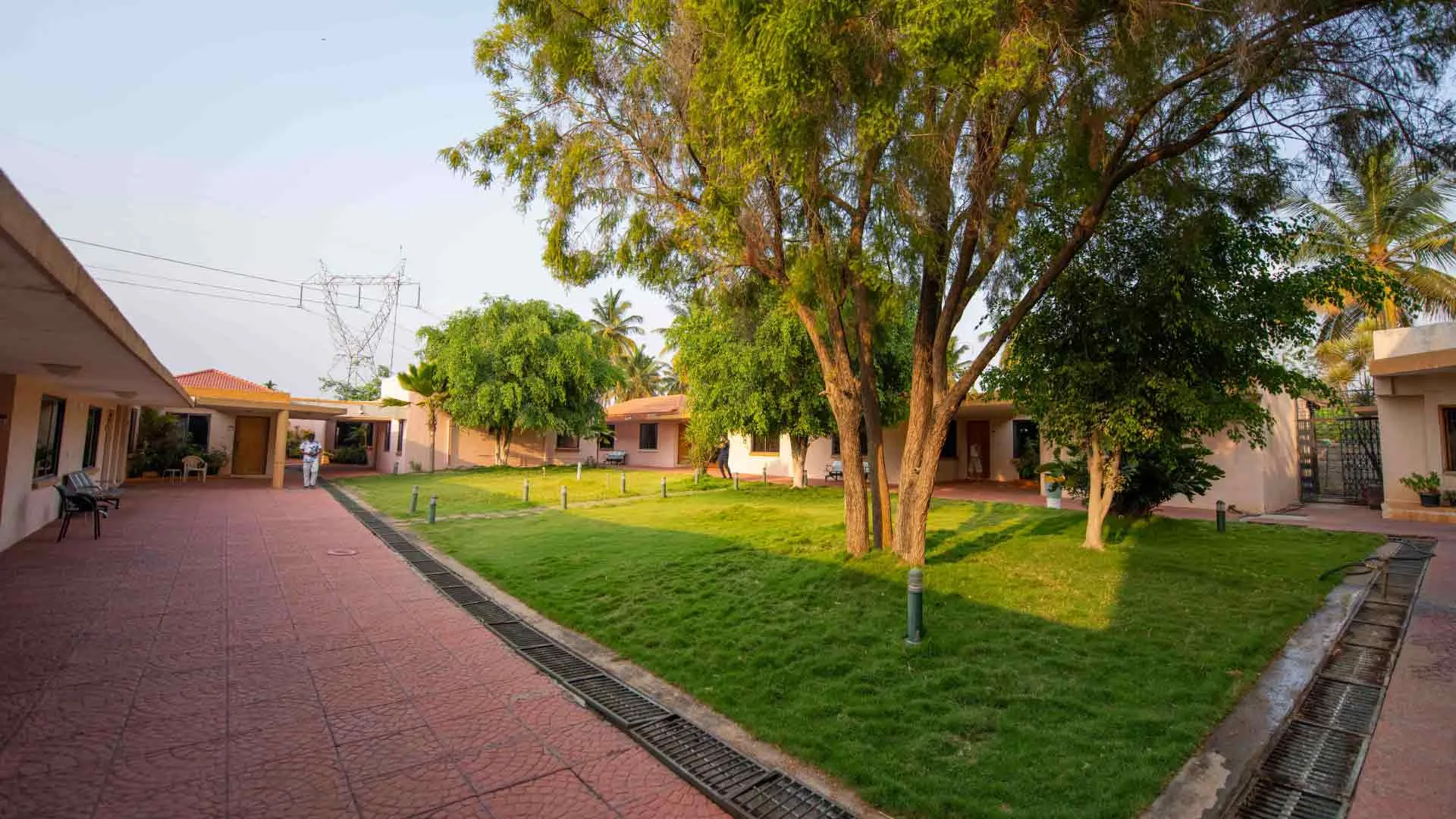
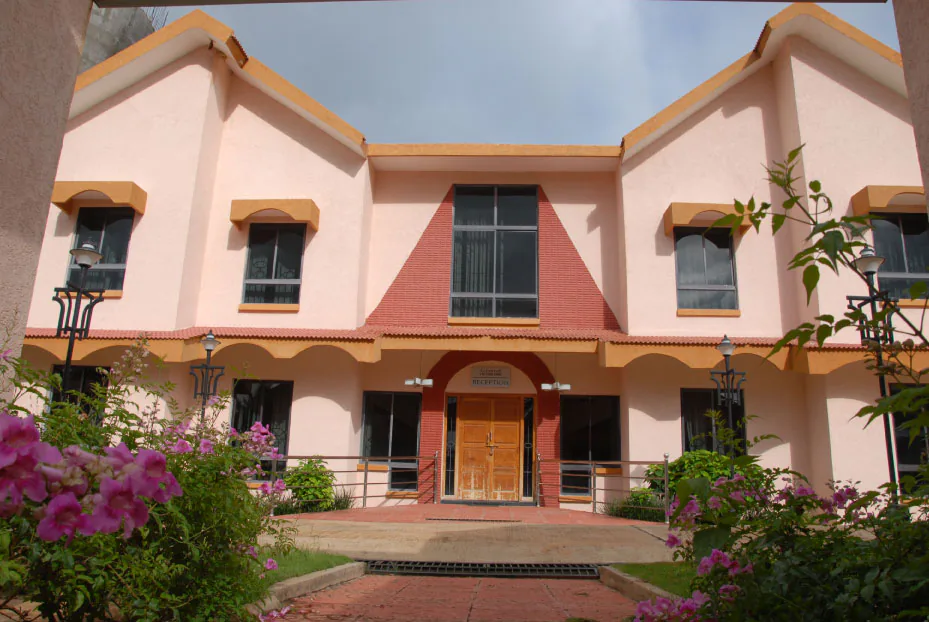
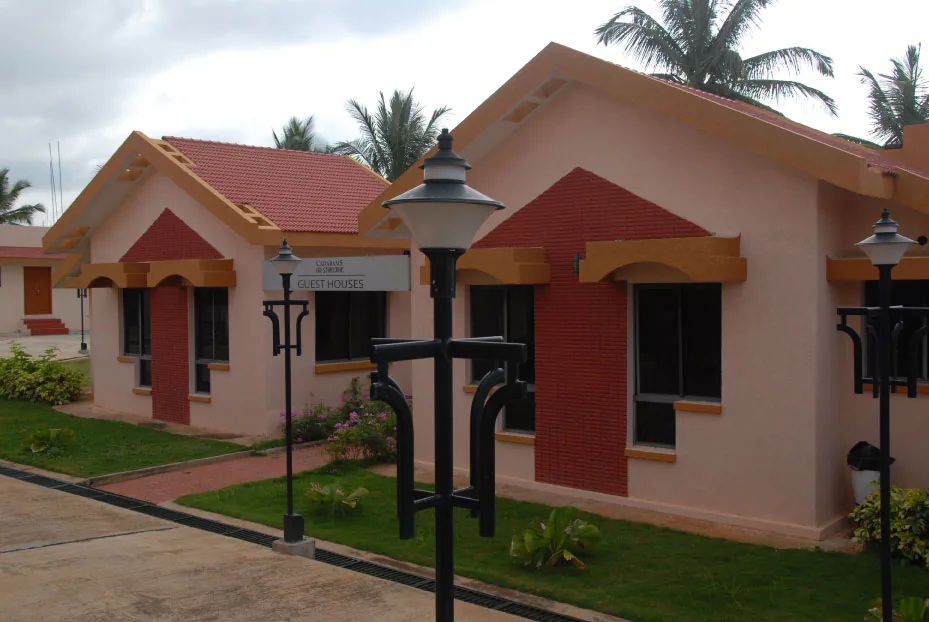
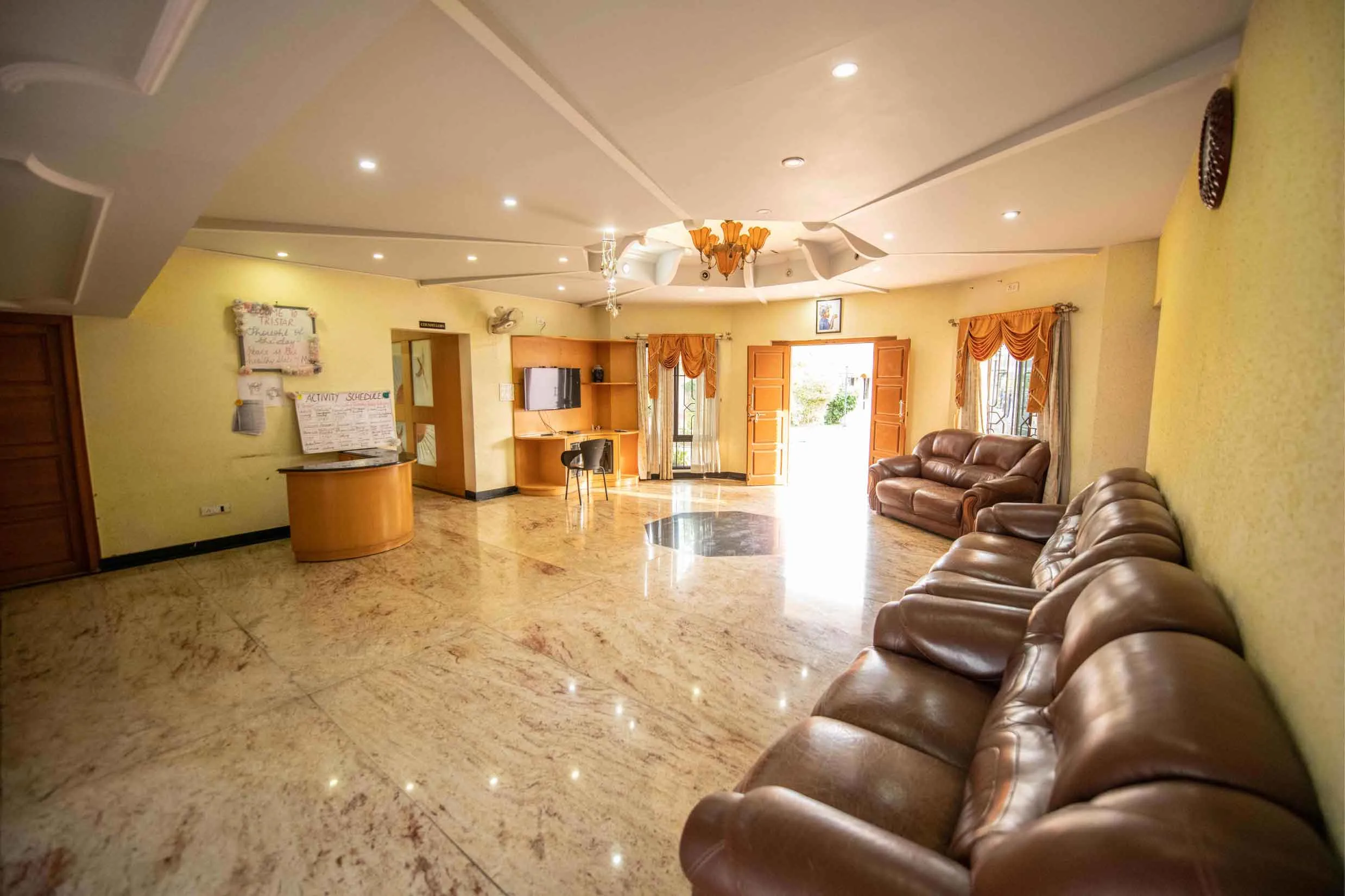
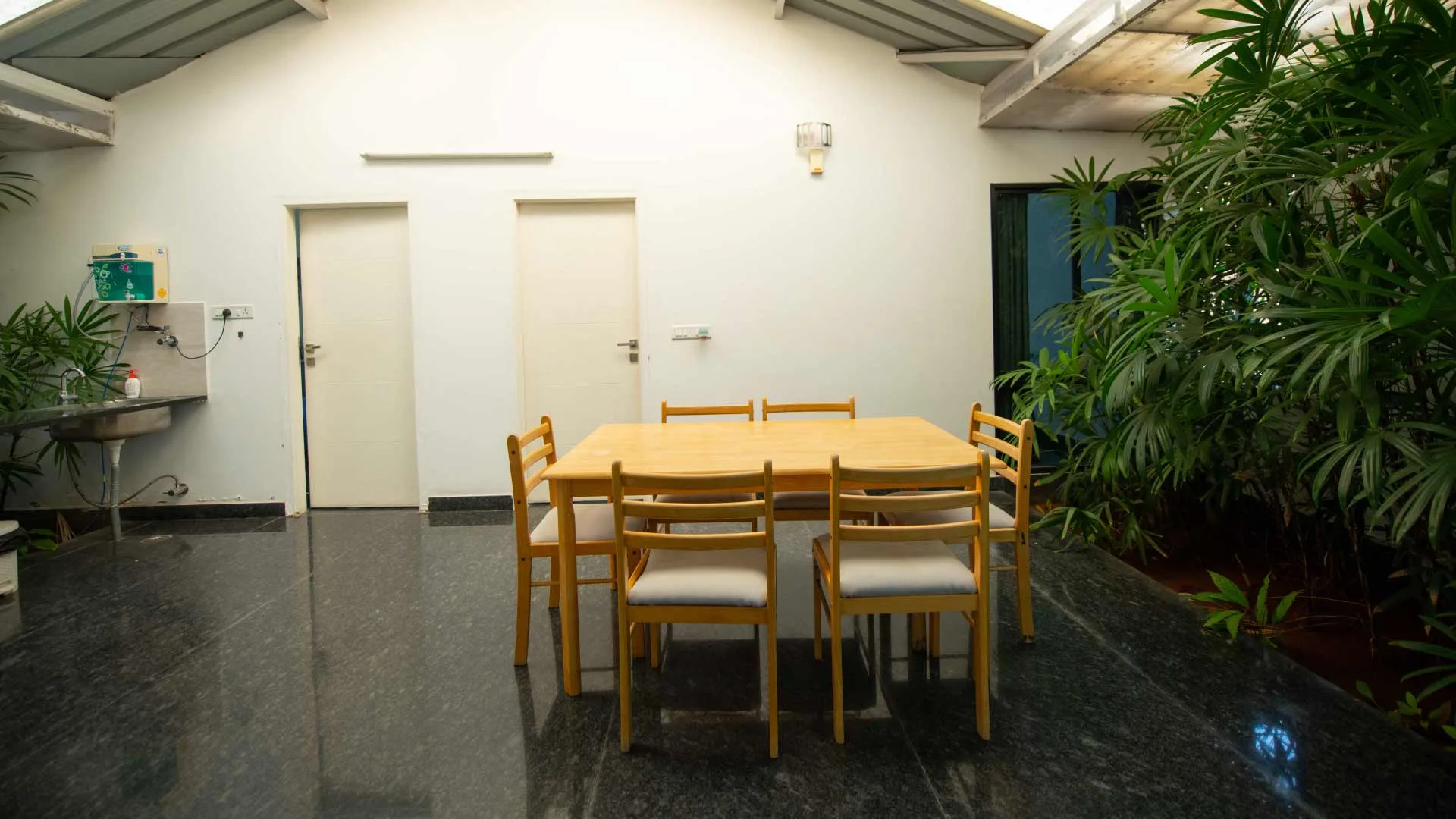
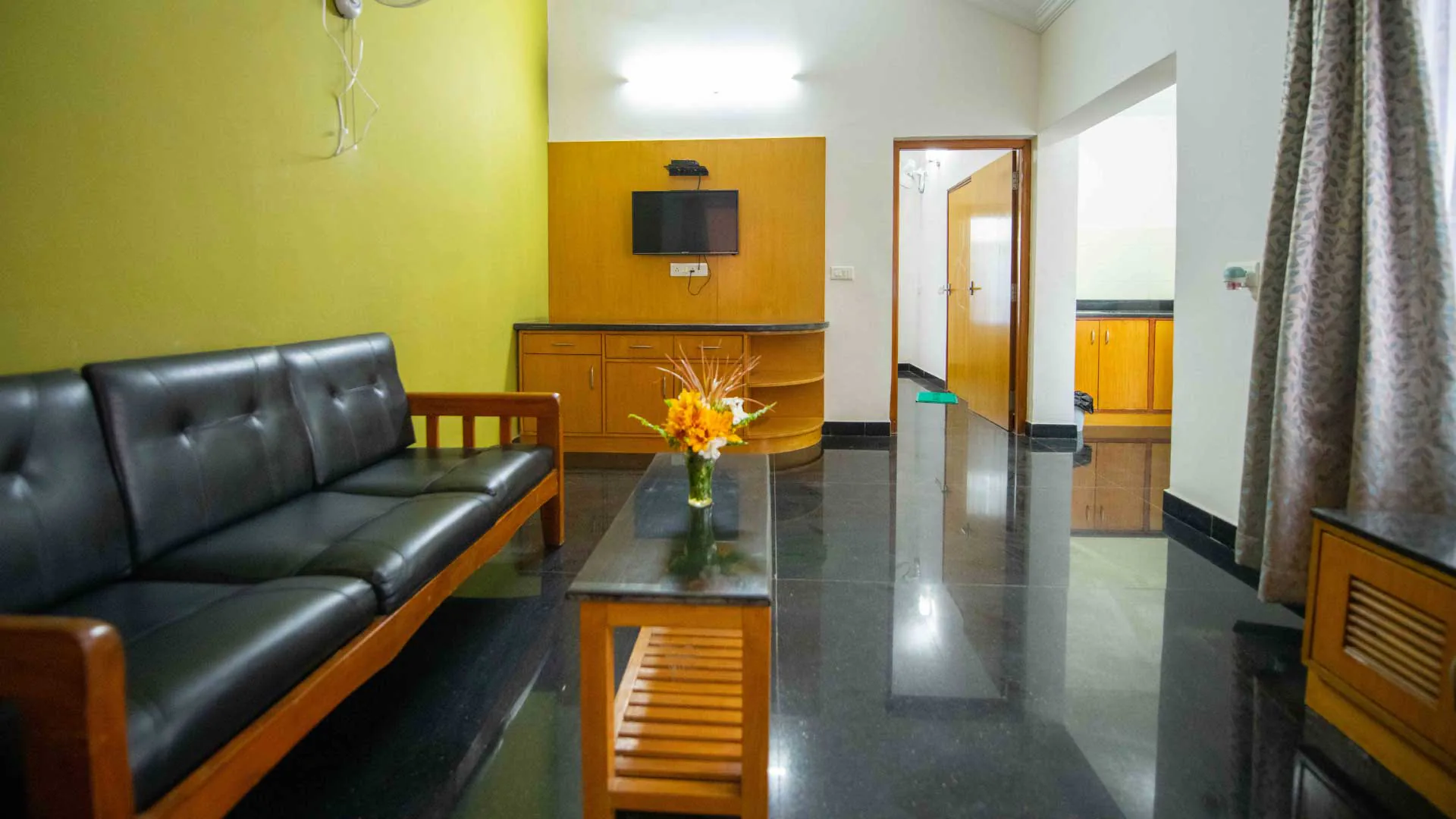
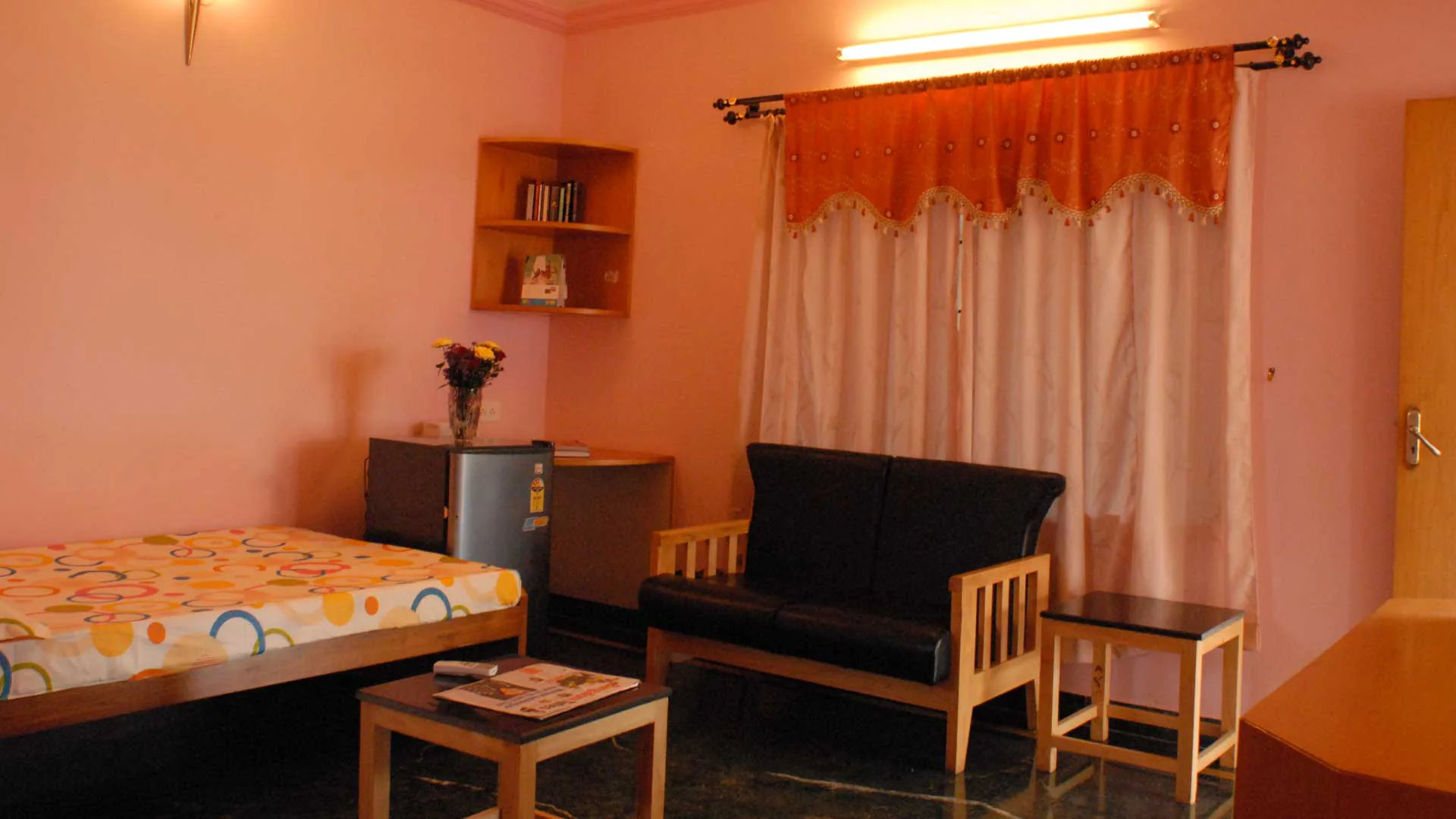
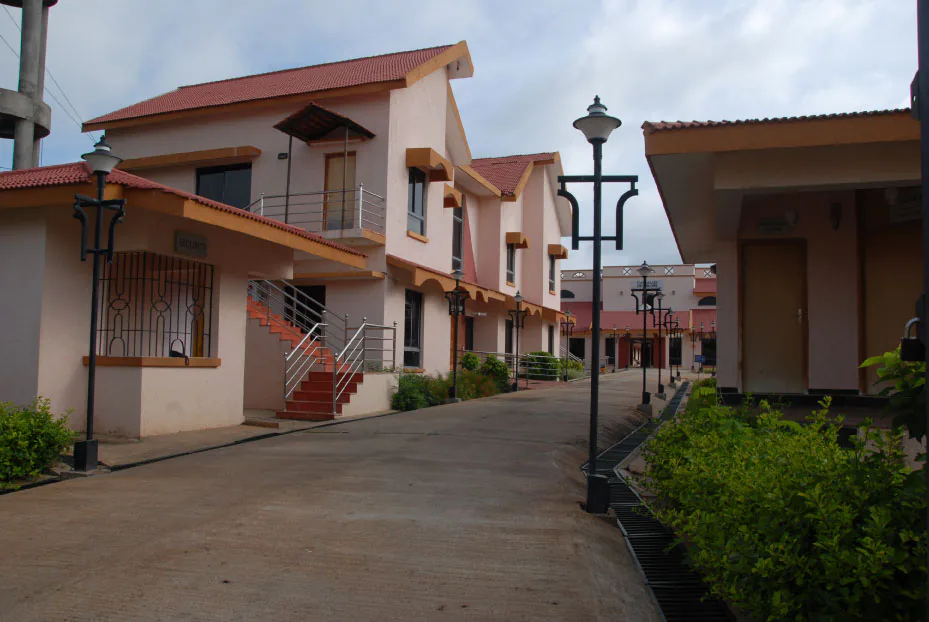
Cadabam’s Spark Hospitals in Mysore offers a modern, calm, and welcoming environment equipped with the latest rTMS technology, ensuring your comfort and safety throughout your sessions.
Incorporating Holistic Approaches in rTMS Treatment for Bipolar Disorder
We believe in a holistic path to wellness. Your treatment is integrated with other therapeutic modalities, such as psychotherapy, mindfulness, and lifestyle counselling, to support your whole-person recovery.
Assessment and Personalized Treatment Planning for Bipolar Disorder
Every journey begins with a detailed assessment. We craft a personalized care plan that is precisely tailored to your unique brain patterns, symptoms, and wellness goals for maximum effectiveness.
Ongoing Support and Monitoring for Bipolar Disorder
Our commitment to your well-being extends beyond the final session. We provide continuous monitoring and support to help you sustain your progress and thrive long-term.
Ready to explore a new horizon in mental wellness? Contact Cadabam’s Spark Hospitals today to learn more about rTMS for Bipolar Disorder.
Phone: 090710 35960
Email: info@cadabamshospitals.com
Top Bipolar Disorder Doctors at Cadabam’s Hospitals
Bipolar Disorder Rehabilitation
Best Bipolar Disorder Treatments Offered at Cadabam’s Hospitals
More Additional Resources