Welcome to Cadabam's Hospitals

Best Counselling for Bipolar Disorder at Cadabam's Hospitals, Mysore: Transforming Lives

Living with bipolar disorder presents unique challenges, marked by intense emotional shifts that can affect every aspect of life. However, with the right support and strategies, managing these challenges and leading a fulfilling life is entirely possible. Effective counselling for Bipolar Disorder is a cornerstone of this journey. At Cadabam's Hospitals in Mysore, we are dedicated to providing compassionate, expert care that empowers individuals to navigate their condition, find stability, and transform their lives for the better.

33+YearsProfessionalExperience

4.5 564 Google reviews

Bipolar disorder treatment

Understanding Bipolar Disorder: Symptoms, Causes, and Impact

This section delves into the core aspects of bipolar disorder, providing a foundational understanding of the condition's distinct characteristics, potential origins, and its profound effects on an individual's life.

Bipolar disorder is more than just mood swings; it's a complex mental health condition characterized by extreme shifts in mood, energy, and activity levels. These shifts range from manic or hypomanic episodes (highs) to depressive episodes (lows).

Identifying Symptoms of Bipolar Disorder: Manic episodes may involve elevated energy, euphoria, racing thoughts, and impulsive behaviour. Depressive episodes, on the other hand, can bring overwhelming sadness, loss of interest, fatigue, and feelings of hopelessness. Recognizing these distinct patterns is the first step toward seeking an effective Bipolar Disorder treatment.

Exploring the Causes of Bipolar Disorder: While the exact cause is unknown, research points to a combination of genetic predisposition, brain chemistry and structure, and environmental factors like stress or trauma.

The Social and Emotional Impact of Bipolar Disorder: The condition can strain relationships, impact job performance, and affect self-esteem. The emotional rollercoaster makes it difficult to maintain stability in personal and professional life.

The Cadabam’s Hospitals Difference

Why Cadabam’s Hospitals? What Makes Us Different?

Through our 8 specialty centers offering top-notch treatments across the nation, we have been helping thousands of people improve the quality of their lives.

33+

Years of Experience

10,000+

Happy Families

20+

Treatment Modalities

400+

Mental Health Experts

With over 33 years of expertise and knowledge, we promise to provide our clients the treatment that suits them the best. Whether the case involves substance addiction, alcoholism, sleeping issues, bipolar disorder, or schizophrenia, our experts know how to handle it in a way that it’s in the best interest of the client and their family.

Our state-of-the-art infrastructure, experienced professionals, and strong support system enable us to offer world-class evidence-based treatment that fits all stages and types of mental health concerns that you may have.

At Cadabam’s Hospitals, we’ve always got your back.

Expert Talks

Watch our specialists discuss the therapy in their own words.

Cadabam's Group

Can Bipolar Disorder be Treated? \| Answered By Experts

Cadabam's Group

Different Aspects of Bipolar Disorder With Psychotic Features \| Answered By Experts

Our Infrastructure, Care Facilities and Strong Community Support Ensure Better Patient Outcomes

Purpose-built rehabilitation centres, clinical equipment, and support services designed to drive better patient outcomes.

Ananya Campus

Ananya Campus

Ananya Rehabilitation Centre

Ananya Rehabilitation Centre

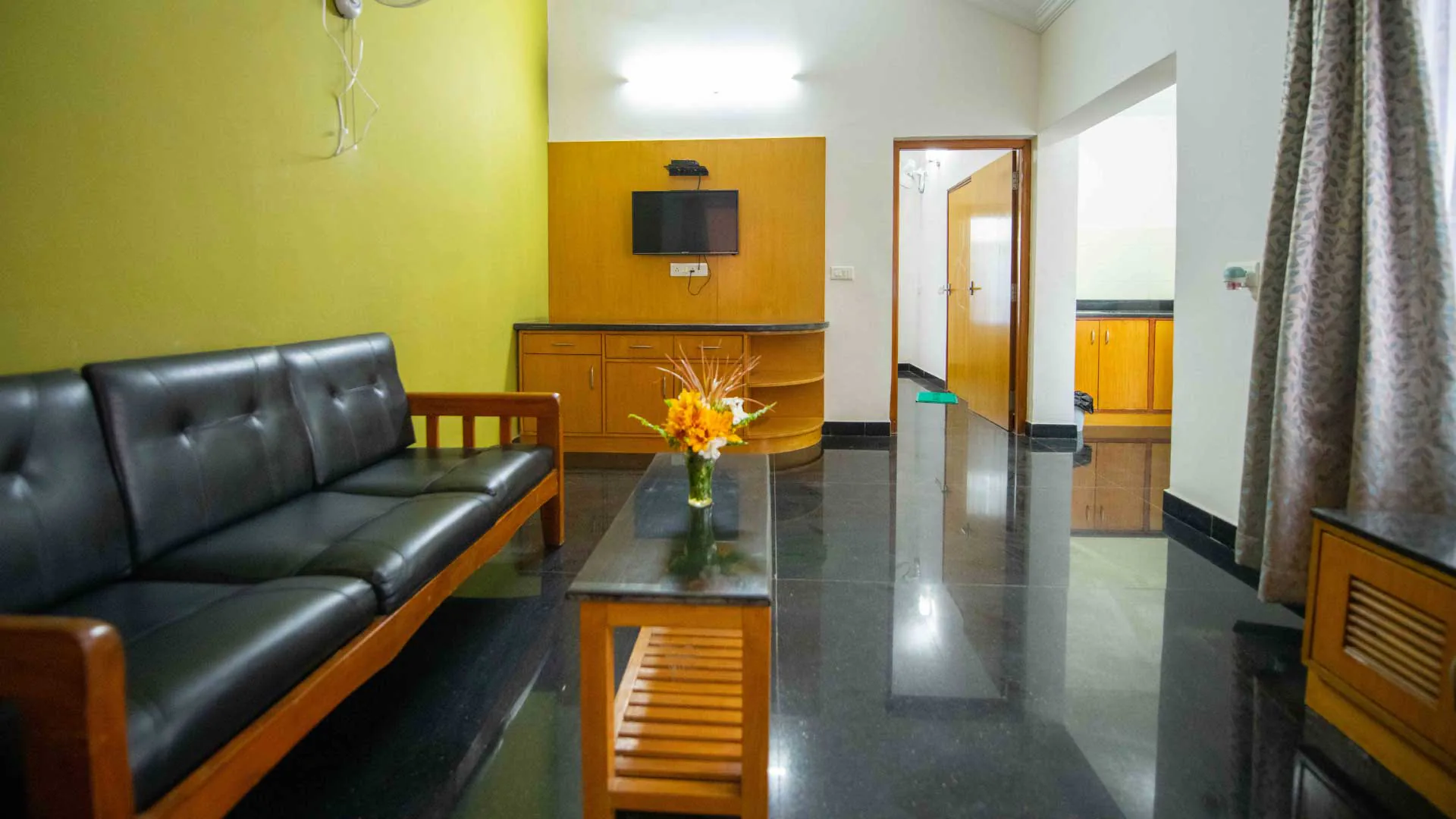
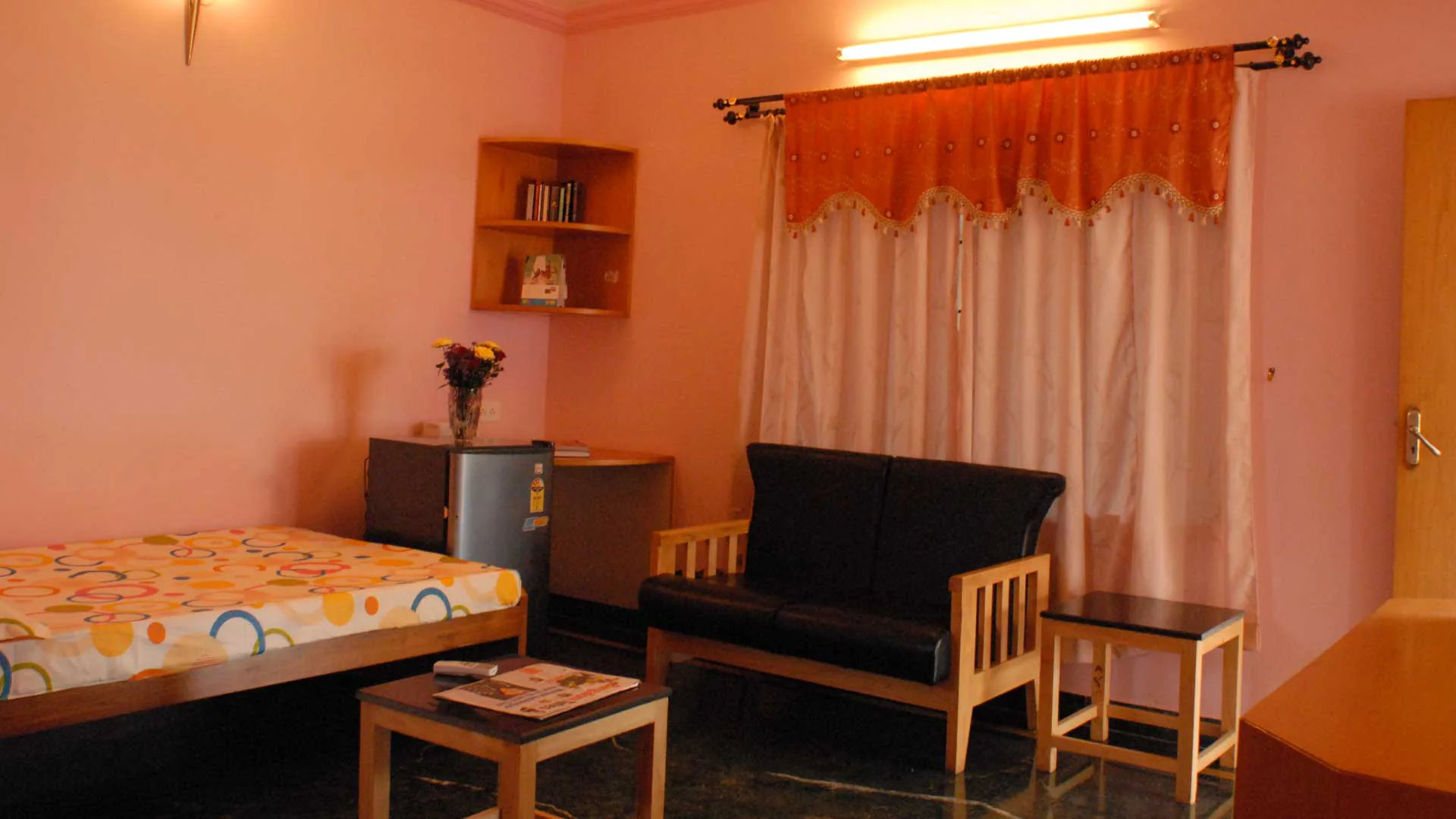
Private Cottages

Private Cottages

Campus Entrance

Campus Entrance

Healing Environment

Healing Environment

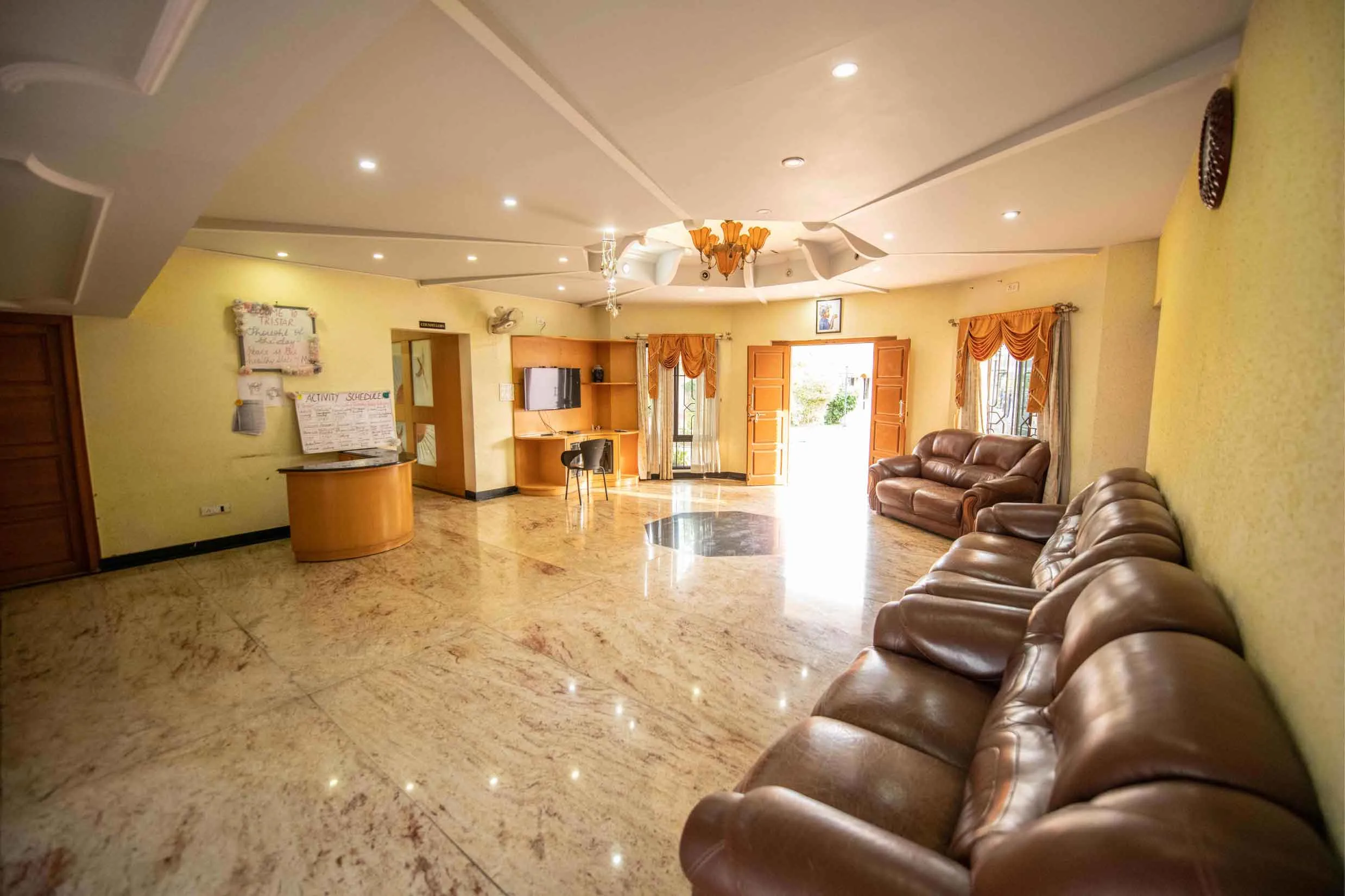
Hospital Lobby

Hospital Lobby

Recovery Experience

Recovery Experience

Rehab Unit

Rehab Unit

What Our Clients Have To Say

Real stories from the families and individuals we’ve supported on their path to well-being.

5.0
Cadabam's Hospitals' team treated my family with empathy from the very first call. The care plan was clear, the doctors listened, and we finally felt supported through a difficult time.
A

Aishwarya G.

Verified patient

5.0
The therapists and psychiatrists worked together on a plan that actually fit our situation. Three decades of experience really shows — calm, professional, and genuinely caring.
S

Suresh L.

Verified patient

5.0
I was nervous about reaching out, but the team made me feel safe. The structured therapy and follow-ups have helped me get back to my routine and feel like myself again.
R

Rahul M.

Verified patient

Trusted by 10,000+ families · 4.5 ★ on Google Reviews

The Essence of Counselling for Bipolar Disorder

Here, we introduce counselling as a vital, non-negotiable component of managing bipolar disorder, setting the stage for a deeper exploration of its principles and benefits in the following sections.

Core Principles of Effective Counselling for Bipolar Disorder

Effective counselling is built on a foundation of trust and collaboration. It involves:

  • Psychoeducation: Helping individuals and their families understand the nature of bipolar disorder.
  • Building Coping Skills: Teaching strategies to manage mood swings, reduce stress, and handle triggers.
  • Improving Adherence: Encouraging consistency with medication and other elements of the care plan.
  • Problem-Solving: Addressing real-life challenges related to the condition.

How Counselling Differs From Other Bipolar Disorder Therapies

While medication is often essential for stabilizing mood, counselling addresses the psychological, behavioural, and social aspects of the condition. It provides a space to process emotions, change negative thought patterns, and rebuild a sense of control, complementing the biological approach of pharmacotherapy.

The Impact of Counselling on Bipolar Disorder Treatment

This section explores the tangible effects and significant benefits of incorporating professional counselling into a comprehensive treatment plan for bipolar disorder.

The Effectiveness of Counselling for Bipolar Disorder Management

Counselling has been proven to be highly effective in helping individuals recognize early warning signs of an impending mood episode, thereby allowing for early intervention. It equips them with the tools needed for better emotional regulation, communication, and overall functioning, significantly reducing the frequency and severity of episodes.

Integrating Counselling With Other Bipolar Disorder Treatments

The most successful approach to managing bipolar disorder is an integrated one. Counselling works in synergy with medication prescribed by a psychiatrist. This combination, often part of holistic care plans at Cadabam’s Hospitals, ensures that both the biological and psychological facets of the disorder are addressed for the best possible outcome.

Involving Family and Support Networks in the Counselling Process

Bipolar disorder affects not just the individual but their entire support system. Family-focused therapy can educate loved ones, improve communication, and create a more supportive home environment. At Cadabam’s Spark Hospitals, we encourage involving family members to foster a network of understanding and collective healing.

Customizing Counselling Approaches to Fit Individual Needs

There is no one-size-fits-all solution. Our experts at Cadabam’s Spark Hospitals tailor counselling approaches to each person’s unique symptoms, personality, and life circumstances. Modalities like Cognitive-Behavioral Therapy (CBT), Interpersonal and Social Rhythm Therapy (IPSRT), and Dialectical Behavior Therapy (DBT) are used to create personalized and effective care plans.

What to Expect During Counselling Sessions for Bipolar Disorder

This section aims to demystify the counselling process for individuals and their families by outlining what a typical session or series of sessions might involve, from the initial meeting to ongoing support.

Your journey will begin with a comprehensive assessment to understand your specific needs. Subsequent sessions will be collaborative conversations focused on:

  • Setting realistic, achievable goals.
  • Identifying triggers and developing coping strategies.
  • Learning to manage symptoms and prevent relapse.
  • Working through any challenges in your personal or professional life.

It is a safe, confidential space to explore your feelings without judgment.

Why Opt for Counselling as a Treatment for Bipolar Disorder?

This part presents a compelling case for choosing counselling as a key part of the recovery journey, highlighting its long-term benefits beyond simple symptom management.

Benefits of Counselling for Individuals With Bipolar Disorder

Opting for counselling offers numerous advantages:

  • Empowerment: Gain a deeper understanding of your condition and feel more in control.
  • Skill Development: Learn practical skills to manage moods and stress.
  • Improved Relationships: Enhance communication and resolve conflicts with loved ones.
  • Reduced Relapse: Lower the risk of future mood episodes.
  • Enhanced Quality of Life: Achieve greater stability and pursue life goals.

Achieving Long-Term Wellness With Counselling

Counselling provides more than just short-term relief; it equips you with lifelong skills. By internalizing coping mechanisms and strategies, individuals can maintain long-term stability, navigate future challenges effectively, and build a resilient foundation for sustained wellness.

Get Bipolar Disorder Diagnosed in Mysore

For individuals in Mysore seeking clarity and a path forward, a proper diagnosis is the crucial first step. Cadabam’s Spark Hospitals offers expert psychiatric assessments to ensure you receive an accurate diagnosis and a comprehensive treatment plan. Don’t wait to get the help you deserve. Contact us today.

Find the Best Counselling Center for Bipolar Disorder in Mysore

When searching for support, you need a team that combines expertise with genuine compassion. Cadabam’s Spark Hospitals is a leading provider of mental healthcare in Mysore, offering specialized counselling for Bipolar Disorder designed to meet your specific needs and guide you toward recovery.

Expert Team Specialized in Bipolar Disorder Counselling

Our multidisciplinary team consists of experienced psychiatrists, psychologists, and therapists who specialize in mood disorders. Their deep expertise ensures you receive the most current, evidence-based care available.

State-of-the-Art Hospitals and Supportive Environment for Bipolar Disorder

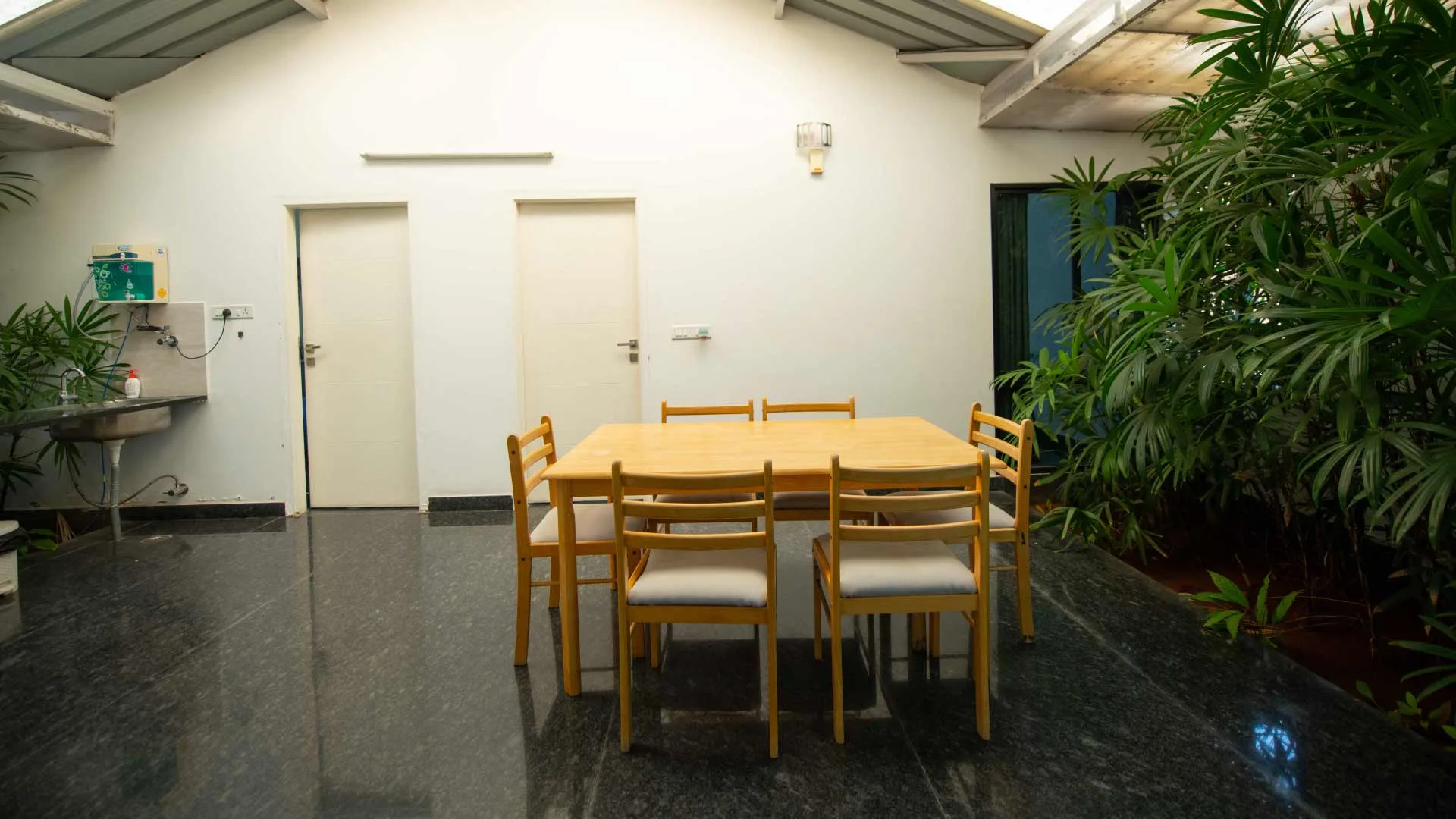
Our Cadabam’s Hospitals in Mysore is designed to be a calm, safe, and welcoming space. We believe a therapeutic environment is essential for healing, and we provide a supportive setting where you can focus on your recovery with peace of mind.

Incorporating Holistic Approaches in Bipolar Disorder Counselling

We believe in treating the whole person, not just the symptoms. Our care plans often integrate holistic practices such as mindfulness, yoga, nutrition counselling, and physical activity to support overall well-being and enhance the effectiveness of traditional therapies.

Assessment and Personalized Counselling Planning for Bipolar Disorder

Your journey with us begins with a thorough assessment to understand your unique situation. Based on this, we develop a personalized counselling plan that targets your specific challenges and goals, ensuring the care you receive is right for you.

Ongoing Support and Monitoring for Bipolar Disorder

Recovery is an ongoing process. We provide continuous support, monitoring progress and adjusting care plans as needed to ensure long-term stability and wellness. Our commitment to you extends beyond the initial treatment phase.

For expert care and compassionate support, connect with Cadabam’s Hospitals, Mysore. Call us at [+9190710 35960](tel:+9190710 35960) or email us at info@cadabamshospitals.com.

Top Bipolar Disorder Doctors at Cadabam’s Hospitals

Bipolar Disorder Rehabilitation

Best Bipolar Disorder Treatments Offered at Cadabam’s Hospitals

More Additional Resources

Frequently Asked Questions

Counselling helps individuals develop coping skills to manage mood swings, understand their triggers, improve relationships, and adhere to their overall treatment plan. It provides a safe space to address the emotional and psychological impact of the condition.

The frequency of sessions depends on the individual’s needs and the severity of their symptoms. Initially, weekly sessions may be recommended, which can be tapered down to bi-weekly or monthly as stability improves.

Counselling provides education to dispel myths and normalizes the experience of living with a mental health condition. It empowers individuals to advocate for themselves and helps them build a strong sense of self-worth beyond their diagnosis.

Individuals can expect a confidential and non-judgmental environment. Sessions involve talking with a trained therapist to set goals, learn practical coping strategies, and work through personal challenges related to the disorder.

The long-term benefits include improved emotional regulation, reduced risk of relapse, stronger interpersonal relationships, enhanced problem-solving skills, and an overall better quality of life and sustained wellness.

Several evidence-based approaches are highly effective: - Interpersonal and Social Rhythm Therapy (IPSRT): Focuses on stabilizing daily routines and managing relationships to prevent mood episodes. - Cognitive-Behavioral Therapy (CBT): Helps identify and change negative thought patterns and behaviors that contribute to mood swings. - Family-Focused Therapy (FFT): Educates and involves the family to improve communication and reduce stress within the home. - Dialectical Behavior Therapy (DBT): Teaches skills in emotional regulation, distress tolerance, and interpersonal effectiveness.

Yes, counselling can be crucial in managing manic episodes, primarily through early intervention. Therapy helps individuals recognize their unique “prodromal” or early warning signs (e.g., decreased need for sleep, increased energy) and implement pre-planned strategies to de-escalate. During stability, counselling builds skills to maintain regular sleep-wake cycles, manage stress, and avoid triggers—all of which are key to preventing full-blown mania.

Recent Stories from Our Blog

Dementia

31 March,2026

Frontotemporal Dementia Symptoms: Early Signs and Management

Read article
Anxiety

24 March,2026

Perinatal Anxiety vs Generalized Anxiety Disorder: What Sets Them Apart

Read article
postpartum depression

17 March,2026

Postpartum Psychosis vs Postpartum Depression: Critical Signs Families Must Know

Read article
Child and Adolescent Psychiatry

10 March,2026

DMDD in Children: Disruptive Mood Dysregulation vs Childhood Bipolar

Read article

Get a Thoughtful Note on Mental Wellbeing, Delivered to Your Inbox.

Subscribe to our Newsletter — we won't spam. Promise.