What is Cognitive Behavioral Therapy (CBT)?
CBT is a structured, goal-oriented form of psychotherapy that helps people identify and change destructive thinking patterns and behaviours.
The Principles of CBT
CBT operates on the core principle that our thoughts, feelings, and behaviours are interconnected. By identifying and challenging negative thought patterns, individuals can develop healthier behaviours and improve their emotional well-being, even when facing a condition like Dementia.
How CBT Differs from Other Therapies
Unlike some talk therapies that delve deep into the past, CBT is present-focused and action-oriented. It equips individuals with practical tools and coping strategies that can be applied to daily challenges, making it highly effective for managing specific symptoms.
Get Dementia Diagnosed in Mysore
An accurate diagnosis is the first step toward effective management. If you suspect Dementia, seeking a professional evaluation is vital. The expert team at Cadabam’s Hospitals in Mysore provides comprehensive diagnostic services to ensure a clear understanding of the condition and to create a personalised care plan.
The Role of CBT in Treating Dementia
CBT offers a non-pharmacological way to address the challenging behavioural and psychological symptoms of Dementia, such as agitation, apathy, and depression.
Is CBT Effective for Dementia Management
Research demonstrates significant CBT Dementia effectiveness in improving mood, reducing anxiety, and managing difficult behaviours in individuals with mild to moderate Dementia. It helps them cope better with their cognitive limitations and enhances their overall quality of life.
Combining CBT with Other Treatments for Dementia
For a comprehensive approach, CBT is often combined with other treatments, including medication prescribed by a psychiatrist, occupational therapy, and other psychosocial interventions. This integrated strategy addresses the multifaceted nature of Dementia.
Engaging Family and Support Systems in the CBT Treatment Process
Caregivers are essential partners in the treatment journey. CBT sessions at Cadabam’s Spark Hospitals often involve family members, teaching them strategies to communicate more effectively, manage challenging behaviours, and reduce their own stress, creating a more supportive home environment.
Tailoring CBT to Individual Needs
There is no one-size-fits-all CBT manual for Dementia. Our therapists at Cadabam’s Spark Hospitals tailor the therapy to each individual’s cognitive abilities, specific symptoms, and personal history, ensuring the strategies are relevant, practical, and effective.
Support Systems and Environment at Cadabam’s Spark Hospitals
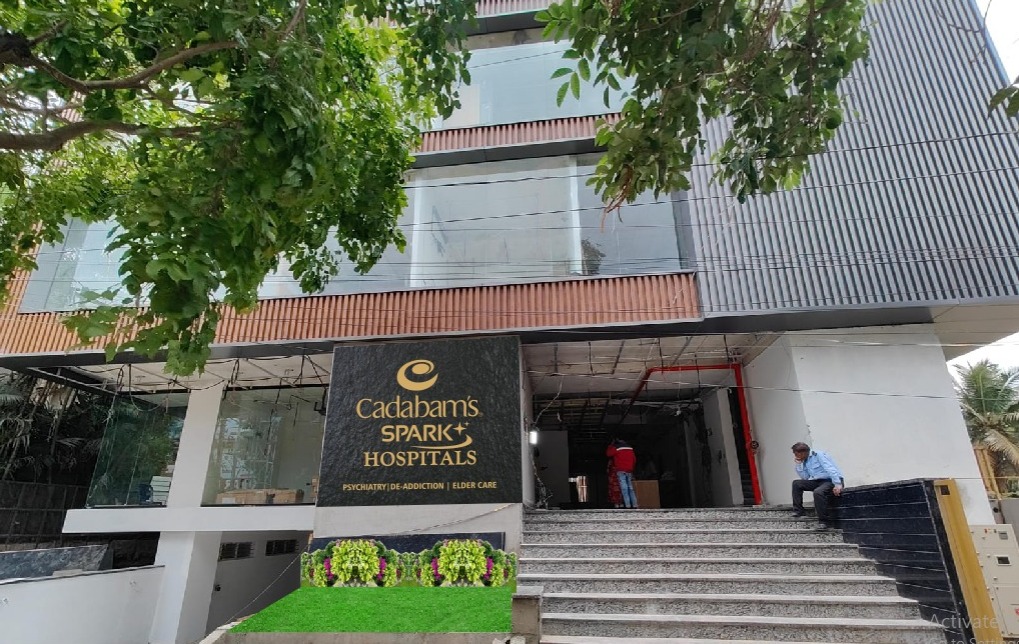
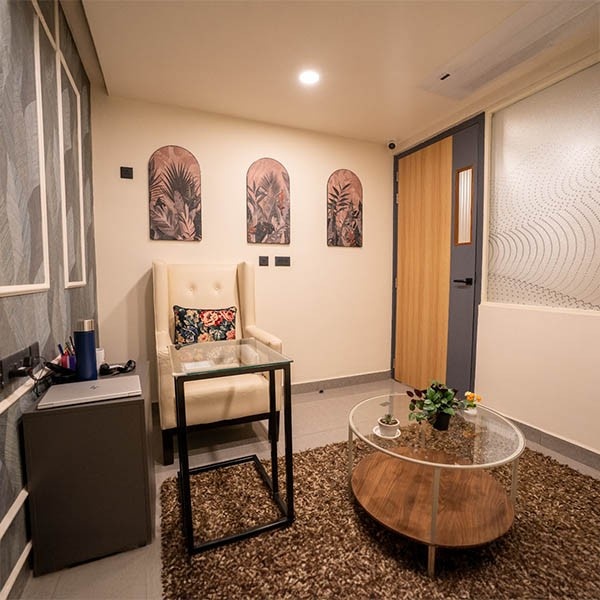
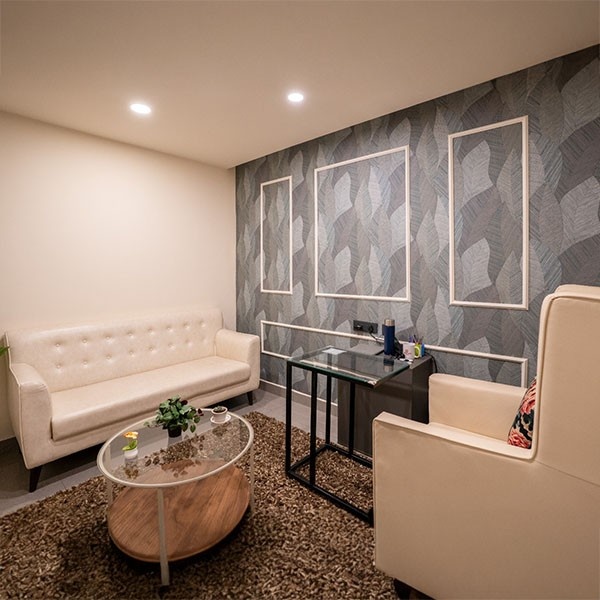
A healing environment is critical for progress. Cadabam’s Hospitals provides a safe, structured, and compassionate setting where individuals feel understood and supported, fostering an optimal atmosphere for therapeutic growth.
What to Expect in a CBT Session for Dementia
A typical session involves working with a therapist to identify specific problem areas (e.g., agitation at a certain time of day). The therapist helps the individual and their caregiver understand the triggers and develops simple, actionable strategies to modify the environment or response to prevent or reduce the behaviour.
Why Choose CBT for Dementia Treatment?
CBT is a proactive and empowering choice for managing Dementia’s psychological symptoms.
Benefits of CBT Therapy on Dementia Patients
Patients often experience reduced depression and anxiety, improved sleep, decreased agitation, and a greater sense of control over their emotional responses. This leads to a more peaceful and engaged daily life.
Real-Life Impact of CBT on Dementia Patients
Imagine a person who becomes agitated during evenings; CBT can help identify that this is due to “sundowning.” The therapist might suggest creating a calming evening routine with soft lighting and quiet music, significantly reducing the person’s distress and improving family life.
Long-Term Success with CBT
The skills learned in CBT for Dementia are not just for the therapy room. Caregivers and patients learn sustainable strategies that can be adapted as the condition progresses, providing a foundation for long-term well-being and improved quality of life.
When Should you ask for Help?
If you or a loved one are experiencing persistent low mood, anxiety, social withdrawal, or behavioural changes that disrupt daily life, it is time to seek professional help. Early intervention can significantly improve outcomes.
Find the Best Rehab Center for Dementia in Mysore
Choosing the right care provider is paramount. For comprehensive and compassionate Dementia care in Mysore, Cadabam’s Spark Hospitals is a leading choice, known for its evidence-based treatments and patient-centric approach.
Why Choose Cadabams?
Cadabam’s Spark Hospitals is dedicated to providing the highest standard of mental healthcare. Our approach is built on expertise, innovation, and unwavering compassion.
Expert Team of Psychiatrists and Therapists for Dementia
Our multidisciplinary team consists of experienced psychiatrists, psychologists, and therapists who specialise in geriatric mental health and Dementia care. Their expertise ensures that every patient receives the best possible treatment.
State-of-the-Art Hospitals in Cadabams for Dementia
Our modern Hospitals are designed to be safe, comfortable, and therapeutic. We provide a supportive environment that promotes healing and well-being for all our patients.
Integrating Holistic Therapies for Dementia
We believe in treating the whole person. Alongside CBT, we offer holistic therapies such as art therapy, music therapy, and tailored physical activities to enhance cognitive function and emotional expression.
Continued Care and Follow-Up care plans for Dementia
Recovery is an ongoing journey. We provide robust follow-up care plans and caregiver support services to ensure long-term stability and success, helping families navigate the future with confidence.
For more information or to book an appointment, contact us today.
Phone: +9190710 35960
Email: info@cadabamshospitals.com
Top Dementia Doctors at Cadabam’s Hospitals
Dementia – Psychiatrist in Bangalore | Dementia – Psychiatrist in Hyderabad | Dementia – Psychiatrist in Mysore | Dementia – Psychologist in Bangalore | Dementia – Psychologist in Hyderabad | Dementia – Psychologist in Mysore | Dementia – Therapist in Bangalore | Dementia – Therapist in Hyderabad | Dementia – Therapist in Mysore
Dementia Rehabilitation
Dementia – Rehab in Bangalore | Dementia – Rehab in Hyderabad | Dementia – Rehab in Mysore
Best Dementia Treatments Offered at Cadabams
Dementia – Online Counselling in Bangalore | Dementia – Online Counselling in Hyderabad | Dementia Home Services Bangalore | Dementia Home Services Hyderabad | Dementia Home Services Mysore | Dementia Neuro Physiotherapy Bangalore | Dementia Neuro PhysioTherapy Hyderabad | Dementia PsychoTherapy Bangalore | Dementia PsychoTherapy Hyderabad | Dementia PsychoTherapy Mysore | Dementia Biofeedback Bangalore | Dementia Biofeedback Hyderabad | Dementia Biofeedback Mysore | Dementia Family Therapy Bangalore | Dementia Family Therapy Hyderabad | Dementia Family Therapy Mysore | Dementia CBT Bangalore | Dementia CBT Hyderabad | Dementia Group Therapy Bangalore | Dementia Group Therapy Hyderabad | Dementia Group Therapy Mysore | Dementia Emergency Bangalore | Dementia Emergency Hyderabad | Dementia Emergency Mysore | Dementia Neurofeedback Bangalore | Dementia Neurofeedback Hyderabad | Dementia Neurofeedback Mysore | Dementia Post Rehab Bangalore | Dementia Post Rehab Hyderabad | Dementia Post Rehab Mysore | Dementia – Counselling in Mysore | Dementia – REBT Therapy in Mysore | Dementia – tDCS in Bangalore | Dementia – tDCS in Hyderabad | Dementia – tDCS in Mysore | Dementia – ECT in Mysore | Dementia – RTMS in Mysore
More Additional Resources
Agitation in Dementia: Causes, Symptoms, and Management Guide | A Deep Dive into Behavioral and Psychological Symptoms of Dementia(BPSD) | Decoding Mixed Dementia: What You Need to Know | Parkinson’s Dementia Explained: Recognizing Symptoms and Stages | Understanding Frontotemporal Dementia: Signs, Symptoms, and More | Understanding Lewy Body Dementia | Why Does Sundowning Happen | Can Dementia Be Prevented? | Music Therapy | Early Signs and Symptoms of Dementia and Alzheimer’s | What is the Difference Between Dementia & Alzheimer’s
Frequently Asked Questions (FAQs)
1. How does CBT help in treating Dementia?
CBT helps by addressing the behavioural and psychological symptoms associated with Dementia, such as depression, anxiety, and agitation. It teaches patients and caregivers practical coping strategies to manage these challenges and improve overall quality of life.
2. Which CBT techniques are used for Dementia?
Techniques are simplified and adapted for cognitive limitations. They include behavioural activation (scheduling pleasant activities), problem-solving skills, and caregiver training to modify environmental triggers and communicate more effectively.
3. What does a typical CBT session look like?
A session is collaborative and structured. It begins with setting an agenda, reviewing progress, identifying a specific challenge, and then working with the therapist to develop and practice practical strategies to address that challenge.
4. Can CBT help manage challenging behaviours like agitation or aggression in Dementia?
Yes, a core application of CBT for Dementia is managing challenging behaviours. Therapists help identify the underlying cause (e.g., pain, environmental overstimulation, unmet need, or fear) and develop structured, person-centred interventions. This often involves modifying the environment, establishing calming routines, and teaching
 Available