What is Electroconvulsive Therapy (ECT)?
Electroconvulsive Therapy (ECT) is a safe and effective medical treatment performed under general anaesthesia. It involves passing small, carefully controlled electric currents through the brain to trigger a brief, therapeutic seizure. This process can quickly reverse severe symptoms of certain mental health conditions, offering a vital lifeline when other treatments have not been successful.
The History and Evolution of ECT
Modern ECT is vastly different from its early portrayals. Over decades, it has evolved into a highly refined and controlled procedure. The use of anaesthesia, muscle relaxants, and precise monitoring has made it a safe and humane treatment option for specific, severe conditions, minimizing risks and maximizing therapeutic benefits.
How ECT is Performed
An ECT session is a carefully orchestrated medical procedure. The patient receives general anaesthesia and a muscle relaxant. Electrodes are placed on the scalp, and a precisely calculated electrical charge is administered to induce a brief, monitored seizure lasting about a minute. The entire process is painless, and the patient is closely monitored throughout by a team of specialists.
Get Dementia Diagnosed in Mysore
An accurate diagnosis is the first step toward effective management. At Cadabam’s Spark Hospitals, our multidisciplinary team uses comprehensive evaluations, including neurological exams and cognitive testing, to accurately diagnose Dementia and its underlying causes. A precise diagnosis in Mysore ensures that we can create the most effective and personalised care plan for your loved one.
Role of ECT in Dementia Management
While ECT is not a primary treatment for the cognitive decline in Dementia, it plays a crucial role in managing severe behavioural and psychological symptoms. For patients experiencing extreme agitation, aggression, or treatment-resistant depression alongside their Dementia, exploring ect and Dementia care can be a highly effective intervention to improve safety and overall well-being.
The Mechanism of ECT in Treating Dementia
The exact mechanism is complex, but ECT is believed to work by altering brain chemistry and connectivity. For individuals with Dementia, it can help reset brain circuits that contribute to severe mood and behavioural disturbances. This “reboot” can lead to rapid and significant relief from distressing symptoms that haven’t responded to medication.
Is ECT Effective for Dementia Management
Yes, for specific symptoms, ECT has proven effective. Studies and clinical experience show that it can produce significant improvement in severe agitation, aggression, and depression associated with Dementia. This makes daily care more manageable and greatly enhances the patient’s quality of life when other approaches have failed.
Combining ECT with Other Treatments for Dementia
ECT is most effective as part of a comprehensive care plan. At Cadabam’s Spark Hospitals, we combine ECT with carefully managed medications, psychotherapy, and behavioural interventions. This integrated approach ensures that we address the condition from all angles, providing holistic and sustained support for the patient.
Engaging Family and Support Systems in the ECT Treatment Process
Family involvement is vital. We believe in empowering families with knowledge and support throughout the treatment journey. Our team works closely with caregivers to ensure they understand the ECT process, its benefits, and how to provide effective post-treatment support, making them active partners in the patient’s recovery.
Tailoring ECT to Individual Needs
There is no one-size-fits-all approach to Dementia care. Every ECT care plan at Cadabam’s Spark Hospitals is tailored to the individual’s specific symptoms, overall health, and unique needs. Our specialists meticulously adjust treatment parameters to ensure optimal safety and effectiveness for each patient.
What to Expect in an ECT Session for Dementia
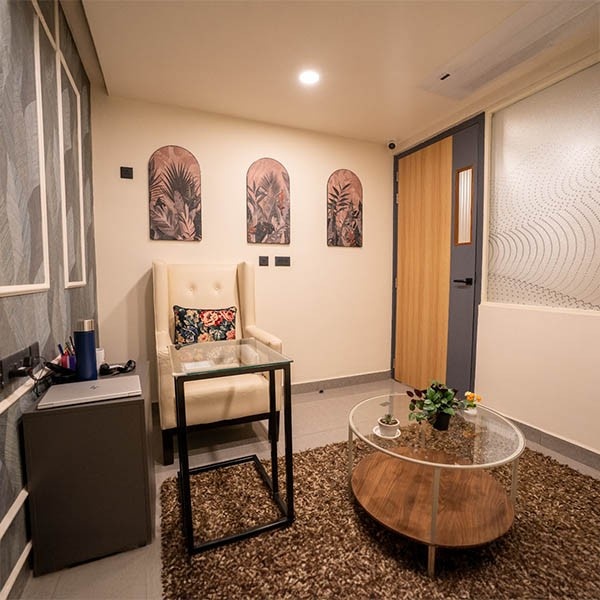
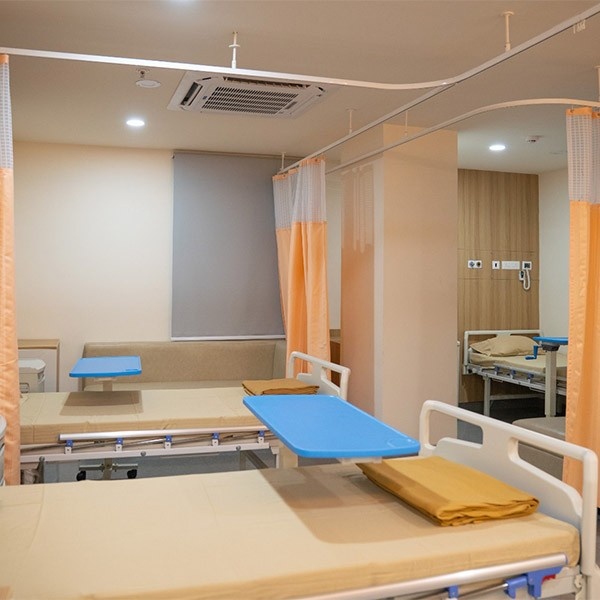
During a session at our Hospitals, the patient is first made comfortable and administered anaesthesia. The procedure itself is very brief. After the session, the patient is moved to a recovery area where they are monitored closely as the anaesthesia wears off. Mild confusion or headache may occur but typically resolves quickly. Our team is present at every step to ensure patient comfort and safety.
Why Choose ECT for Dementia Treatment?
Choosing an advanced treatment like ECT is a significant decision. It is considered when severe behavioural or mood symptoms do not respond to standard treatments, pose a risk to the patient or others, or cause extreme distress. It offers a path to rapid stabilisation and improved quality of life.
Benefits of ECT for Dementia Patients
The primary benefit of using ect Dementia treatment protocols is the rapid and significant reduction in severe symptoms like agitation, aggression, and depression. This can lead to improved cooperation with caregivers, enhanced safety, and a better overall mood, creating a more peaceful environment for both the patient and their family.
When is ECT Recommended as a Treatment Option for Dementia
ECT is recommended when a patient with Dementia experiences severe and persistent behavioural or mood symptoms that are resistant to medication and other therapies. It is particularly considered for catatonia, severe depression with suicidal ideation, or extreme agitation that puts the patient or caregivers at risk.
Patient Eligibility for ECT
Eligibility is determined after a thorough medical and psychiatric evaluation. Our team at Cadabam’s Spark Hospitals assesses the patient’s overall physical health, the specific nature of their symptoms, and their previous treatment history. This careful screening ensures that ECT is a safe and appropriate option for the individual.
Find the Best Rehab Center for Dementia in Mysore
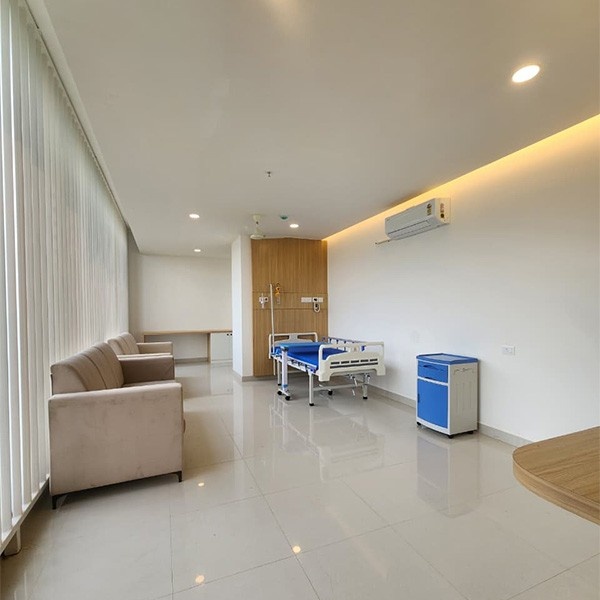
For comprehensive Dementia care that extends beyond initial treatment, Cadabam’s Spark Hospitals is the leading choice in Mysore. We provide a continuum of care, from accurate diagnosis and advanced treatments like ECT to long-term rehabilitation and support, all within our state-of-the-art Hospitals.
Why Choose Cadabam’s?
Cadabam’s Spark Hospitals has over three decades of experience in mental healthcare, offering a blend of clinical excellence and compassionate care. Our patient-centric approach ensures that every individual receives a personalised and evidence-based plan designed for the best possible outcomes. We are dedicated to supporting both patients and their families through every stage of their journey.
Expert Team of Psychiatrists and Therapists for Dementia
Our team consists of highly experienced psychiatrists, neurologists, psychologists, and therapists who specialize in geriatric mental health and Dementia care. This multidisciplinary expertise allows us to provide a well-rounded and effective treatment experience.
Post-ECT Rehabilitation and Therapy Options for Dementia
Recovery continues long after the final ECT session. Cadabam’s Hospitals offers customised rehabilitation care plans that include cognitive stimulation, occupational therapy, and psychosocial support to help maintain the gains from treatment and enhance daily functioning.
Family Support and Education for Dementia
We provide extensive education and counselling for families, equipping them with the tools and understanding needed to care for a loved one with Dementia. Our family support sessions create a space for sharing, learning, and developing effective coping strategies.
Ongoing Management and Relapse Prevention for Dementia
Dementia requires long-term management. Our team designs ongoing care plans focused on preventing the relapse of severe symptoms. Through regular follow-ups and continuous support, we help patients maintain stability and the highest possible quality of life.
Take the First Step Towards Better Management
If your loved one is struggling with severe symptoms of Dementia, there is hope. Contact Cadabam’s Hospitals in Mysore to learn more about our advanced treatment options, including ECT.
Call Us: +9190710 35960
Email: info@cadabamshospitals.com
Top Dementia Doctors at Cadabam’s Hospitals
Dementia – Psychiatrist in Bangalore | Dementia – Psychiatrist in Hyderabad | Dementia – Psychiatrist in Mysore | Dementia – Psychologist in Bangalore | Dementia – Psychologist in Hyderabad | Dementia – Psychologist in Mysore | Dementia – Therapist in Bangalore | Dementia – Therapist in Hyderabad | Dementia – Therapist in Mysore
Dementia Rehabilitation
Dementia – Rehab in Bangalore | Dementia – Rehab in Hyderabad | Dementia – Rehab in Mysore
Best Dementia Treatments Offered at Cadabams
Dementia – Online Counselling in Bangalore | Dementia – Online Counselling in Hyderabad | Dementia Home Services Bangalore | Dementia Home Services Hyderabad | Dementia Home Services Mysore | Dementia Neuro Physiotherapy Bangalore | Dementia Neuro PhysioTherapy Hyderabad | Dementia PsychoTherapy Bangalore | Dementia PsychoTherapy Hyderabad | Dementia PsychoTherapy Mysore | Dementia Biofeedback Bangalore | Dementia Biofeedback Hyderabad | Dementia Biofeedback Mysore | Dementia Family Therapy Bangalore | Dementia Family Therapy Hyderabad | Dementia Family Therapy Mysore | Dementia CBT Bangalore | Dementia CBT Hyderabad | Dementia CBT Mysore | Dementia Group Therapy Bangalore | Dementia Group Therapy Hyderabad | Dementia Group Therapy Mysore | Dementia Emergency Bangalore | Dementia Emergency Hyderabad | Dementia Emergency Mysore | Dementia Neurofeedback Bangalore | Dementia Neurofeedback Hyderabad | Dementia Neurofeedback Mysore | Dementia Post Rehab Bangalore | Dementia Post Rehab Hyderabad | Dementia Post Rehab Mysore | Dementia – Counselling in Mysore | Dementia – REBT Therapy in Mysore | Dementia – tDCS in Bangalore | Dementia – tDCS in Hyderabad | Dementia – tDCS in Mysore | Dementia – RTMS in Mysore
More Additional Resources
Agitation in Dementia: Causes, Symptoms, and Management Guide | A Deep Dive into Behavioral and Psychological Symptoms of Dementia(BPSD) | Decoding Mixed Dementia: What You Need to Know | Parkinson’s Dementia Explained: Recognizing Symptoms and Stages | Understanding Frontotemporal Dementia: Signs, Symptoms, and More | Understanding Lewy Body Dementia | Why Does Sundowning Happen | Can Dementia Be Prevented? | Music Therapy | Early Signs and Symptoms of Dementia and Alzheimer’s | What is the Difference Between Dementia & Alzheimer’s
Frequently Asked Questions
Can Electroconvulsive Therapy help Dementia?
While ECT cannot cure or reverse the cognitive decline of Dementia, it can be very effective in treating severe associated symptoms like agitation, aggression, and deep depression that do not respond to other treatments.
Does ECT work for Dementia?
Yes, for specific behavioural and psychological symptoms, ECT has been shown to be a highly effective and rapid-acting treatment. It helps manage episodes of severe distress, improving the patient’s safety and quality of life.
How much does electroconvulsive therapy for Dementia cost?
The cost of ECT varies depending on the number of sessions required, the specific needs of the patient, and the comprehensive care plan. For detailed information, please contact Cadabam’s Hospitals directly to discuss a personalised assessment.
How many sessions of ECT is required for treating Dementia?
The number of sessions is tailored to the individual’s response and the severity of their symptoms. A typical course at Cadabam’s Spark Hospitals might range from 6 to 12 sessions, administered 2-3 times per week, followed by maintenance therapy if needed.
Can ECT be Combined with Other Dementia Treatments?
Absolutely. ECT is most effective when integrated into a holistic care plan that includes medications, psychotherapy, family support, and behavioural therapies. Our team at Cadabam’s creates a synergistic plan for the best outcomes.
 Available