The Foundation of Family Therapy in Dementia Care
This section explains the core purpose and principles of incorporating family therapy into a comprehensive Dementia care plan.
Family therapy acts as a cornerstone of effective Dementia treatment. It operates on the principle that the family is a complex system, and a challenge affecting one member affects everyone. The goal is to improve the overall functioning of this system to better manage the illness.
Principles and Goals of Family Therapy for Dementia
The primary goal is to educate every family member about Dementia, improve communication, and develop effective problem-solving skills. Therapy aims to reduce conflict, manage caregiver stress, and create a unified front. The objective is to empower the family to work as a therapeutic team, enhancing the quality of life for the person with Dementia and a family intervention for Dementia also for the caregivers themselves.
How Family Therapy Complements Individual Treatment Plans
Individual therapy and medication are vital, but a person’s environment significantly influences their well-being. Family therapy complements these treatments by ensuring the home environment is supportive and structured. It aligns the family’s efforts with the individual’s care plan, reinforcing positive behaviors and coping strategies discussed in one-on-one sessions, leading to more sustainable and holistic recovery outcomes.
The Process of Family Therapy: What to Expect
This part demystifies the therapy process, offering a clear picture of what families can anticipate when they begin this journey.
Embarking on family therapy can feel daunting, but the process is designed to be collaborative and supportive. Sessions at Cadabam’s Spark Hospitals begin with an initial consultation to understand the family’s unique situation and challenges. A therapist facilitates open dialogue, allowing each member to share their perspective in a safe, non-judgmental space. The focus is on identifying patterns, setting shared goals, and developing practical strategies to navigate daily life more effectively.
Key Techniques and Approaches in Family Therapy for Dementia
This section details the specific methods and strategies therapists use to facilitate positive change within the family unit.
Therapists at Cadabam’s Spark Hospitals employ various evidence-based techniques tailored to each family’s needs. These approaches are designed to equip families with the practical skills necessary for managing Dementia’s complexities.
Communication Skills Building within Families
Therapists work with families to replace blame and frustration with clear, compassionate communication. This includes learning how to express needs, listen actively, and discuss sensitive topics related to Dementia without escalating conflict.
Conflict Resolution Strategies for Families
Disagreements over caregiving responsibilities, financial decisions, or treatment approaches are common. Therapy provides structured methods for resolving these conflicts constructively, ensuring decisions are made collaboratively and fairly.
Enhancing Coping Mechanisms for Family Members
Caregiver burnout is a serious risk. Therapy sessions focus on teaching family members healthy coping strategies, stress-management techniques, and the importance of self-care to maintain their own well-being.
Educating Families on Dementia Management
Psychoeducation is a critical component. Families receive comprehensive information about Dementia’s progression, symptom management, and how to create a safe and stimulating environment for their loved one.
Building a Supportive Home Environment
Therapy guides families in establishing routines and modifying the home environment to reduce confusion and anxiety for the person with Dementia. This creates a predictable, calming atmosphere that promotes stability and security.
The Benefits of Family Therapy for Managing Dementia
Here, we highlight the significant positive outcomes that families can achieve through active participation in therapy.
Engaging in family therapy for Dementia offers transformative benefits that extend beyond the individual, strengthening the entire family structure and improving long-term outcomes.
Improving Family Dynamics and Relationships
By fostering open communication and mutual understanding, therapy helps heal strained relationships. Families learn to work together as a team, strengthening bonds and rediscovering a sense of closeness.
Reducing Relapse Rates through Family Support
A supportive, educated, and cohesive family unit is one of the most powerful factors in successful long-term management of Dementia. It creates an environment that minimizes stress and triggers, contributing to greater stability for the individual.
Empowering Families to Navigate Dementia Together
Family therapy replaces feelings of helplessness with a sense of agency and confidence. Families learn they have the tools and resources to manage challenges effectively, empowering them to face the future together.
Fostering Understanding and Empathy among Family Members
Therapy helps family members see the situation from each other’s perspectives, including that of the person with Dementia. This cultivates empathy, reduces stigma, and fosters a more compassionate and patient approach to care.
Get Dementia Diagnosed in Mysore
An accurate diagnosis is the first and most crucial step toward effective management. If you notice signs of cognitive decline in a loved one, it is essential to seek a professional evaluation. Cadabam’s Hospitals in Mysore provides expert psychiatric assessments to ensure a precise diagnosis and lay the groundwork for a personalized care plan.
Find the Right Family Therapy Care Plan in Mysore
Finding a care plan that fits your family’s unique needs is vital. Cadabam’s Spark Hospitals offers specialized family therapy care plans designed specifically for families navigating Dementia. Our experts work with you to create a collaborative and effective roadmap for your journey. Contact us to learn more about our tailored care plans.
Why Choose Cadabam’s for Family Therapy in Dementia Care
This section outlines the unique advantages of choosing Cadabam’s Spark Hospitals for your family’s mental health needs.
Cadabam’s Spark Hospitals is a leader in mental healthcare, offering unparalleled expertise and compassionate support for families dealing with Dementia. Our commitment is to provide comprehensive care that addresses the needs of both the individual and their support system.
Tailored Family Therapy Sessions at Cadabam’s
We recognize that every family is different. Our therapy sessions are not one-size-fits-all; they are customized to your family’s specific dynamics, challenges, and goals, ensuring the most relevant and effective support.
Expertise in Family Dynamics and Dementia
Our multidisciplinary team consists of psychiatrists, psychologists, and therapists who specialize in both Dementia care and family systems therapy. This dual expertise allows us to provide nuanced and highly effective interventions.
Comprehensive Support for Families and Patients
We offer a holistic approach that integrates family therapy with individual treatment, medication management, and other supportive services. This ensures a seamless and comprehensive care experience for everyone involved.
State-of-the-Art Hospitals for Family Therapy Care Plans at Cadabam’s
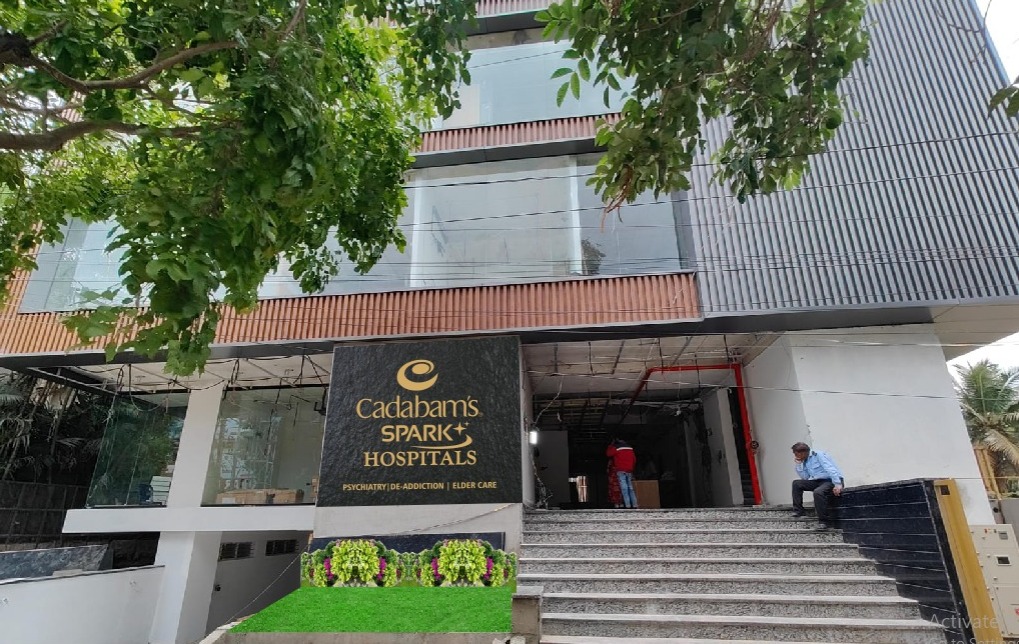
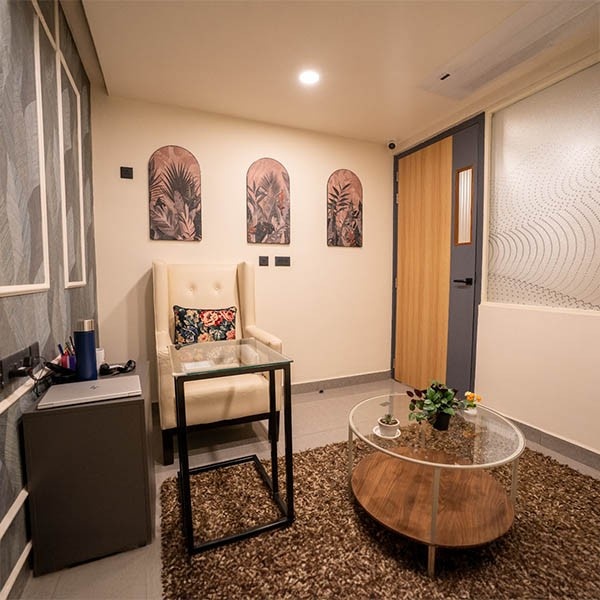
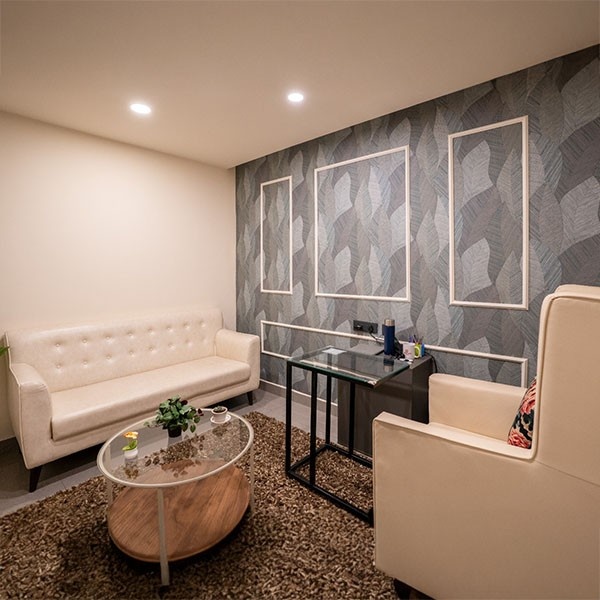
Our modern and welcoming Hospitals provide a safe, comfortable, and confidential environment for therapy. Cadabam’s Spark Hospitals is designed to facilitate healing and open communication for all family members.
Ongoing Guidance and Resources for Families
Our support doesn’t end when a session is over. We provide families with ongoing resources, educational materials, and guidance to help them continue to thrive and effectively manage their loved one’s condition long-term.
Take the First Step Towards Healing Together
Navigating Dementia is a journey no family should undertake alone. Let us provide the expert guidance and support you need to strengthen your family and improve your loved one’s quality of life.
Contact Cadabam’s Hospitals, Mysore today to learn more about our family therapy care plans.
Phone: +9190710 35960
Email: info@cadabamshospitals.com
Top Dementia Doctors at Cadabam’s Hospitals
Dementia – Psychiatrist in Bangalore | Dementia – Psychiatrist in Hyderabad | Dementia – Psychiatrist in Mysore | Dementia – Psychologist in Bangalore | Dementia – Psychologist in Hyderabad | Dementia – Psychologist in Mysore | Dementia – Therapist in Bangalore | Dementia – Therapist in Hyderabad | Dementia – Therapist in Mysore
Dementia Rehabilitation
Dementia – Rehab in Bangalore | Dementia – Rehab in Hyderabad | Dementia – Rehab in Mysore
Best Dementia Treatments Offered at Cadabams
Dementia – Online Counselling in Bangalore | Dementia – Online Counselling in Hyderabad | Dementia Home Services Bangalore | Dementia Home Services Hyderabad | Dementia Home Services Mysore | Dementia Neuro Physiotherapy Bangalore | Dementia Neuro PhysioTherapy Hyderabad | Dementia PsychoTherapy Bangalore | Dementia PsychoTherapy Hyderabad | Dementia PsychoTherapy Mysore | Dementia Biofeedback Bangalore | Dementia Biofeedback Hyderabad | Dementia Biofeedback Mysore | Dementia Family Therapy Bangalore | Dementia Family Therapy Hyderabad | Dementia CBT Bangalore | Dementia CBT Hyderabad | Dementia CBT Mysore | Dementia Group Therapy Bangalore | Dementia Group Therapy Hyderabad | Dementia Group Therapy Mysore | Dementia Emergency Bangalore | Dementia Emergency Hyderabad | Dementia Emergency Mysore | Dementia Neurofeedback Bangalore | Dementia Neurofeedback Hyderabad | Dementia Neurofeedback Mysore | Dementia Post Rehab Bangalore | Dementia Post Rehab Hyderabad | Dementia Post Rehab Mysore | Dementia – Counselling in Mysore | Dementia – REBT Therapy in Mysore | Dementia – tDCS in Bangalore | Dementia – tDCS in Hyderabad | Dementia – tDCS in Mysore | Dementia – ECT in Mysore | Dementia – RTMS in Mysore
More Additional Resources
Agitation in Dementia: Causes, Symptoms, and Management Guide | A Deep Dive into Behavioral and Psychological Symptoms of Dementia(BPSD) | Decoding Mixed Dementia: What You Need to Know | Parkinson’s Dementia Explained: Recognizing Symptoms and Stages | Understanding Frontotemporal Dementia: Signs, Symptoms, and More | Understanding Lewy Body Dementia | Why Does Sundowning Happen | Can Dementia Be Prevented? | Music Therapy | Early Signs and Symptoms of Dementia and Alzheimer’s | What is the Difference Between Dementia & Alzheimer’s
Frequently Asked Questions
What is family therapy for Dementia and how does it help?
Family therapy for Dementia is a form of psychotherapy that involves the person with Dementia and their family members. It helps by educating everyone about the condition, improving communication, teaching coping skills, and creating a supportive home environment to collectively manage the challenges of the illness.
Is family therapy beneficial for all families dealing with Dementia?
Yes, virtually any family dealing with Dementia can benefit. It is particularly helpful for families experiencing high levels of stress, conflict, or communication breakdowns. It equips them with the necessary tools to function as a stronger, more cohesive unit.
How does family therapy address the stigma associated with Dementia?
Therapy provides a safe space to discuss fears and misconceptions about Dementia. Through education and open dialogue, it helps demystify the illness, fostering empathy and understanding. This process empowers families to challenge stigma and focus on compassionate care instead of shame or blame.
What makes family therapy a critical component of Dementia treatment?
Dementia profoundly impacts family dynamics. Family therapy is critical because it addresses the entire family system, not just the individual. By strengthening family support, reducing caregiver stress, and ensuring the home environment is therapeutic, it significantly improves the effectiveness of the overall treatment plan and enhances the quality of life for everyone involved.
 Available