What is Neurofeedback Therapy?
Neurofeedback is a non-invasive, therapeutic intervention that uses real-time displays of brain activity to teach self-regulation of brain function. It is a type of biofeedback that allows an individual to gain control over their brainwaves.
The Science Behind Neurofeedback
The therapy works on the principle of neuroplasticity—the brain’s ability to reorganise itself by forming new neural connections. By providing auditory or visual feedback, neurofeedback encourages the brain to produce more functional brainwave patterns, helping to correct dysregulated activity associated with various conditions.
Neurofeedback vs. Traditional Therapies
Unlike medication, which introduces substances to alter brain chemistry, neurofeedback is a training method. It empowers the individual to regulate their own brain activity. It is often used alongside traditional therapies to create a comprehensive care plan, offering a gentler approach with fewer side effects.
Safety and Efficacy of Neurofeedback
Neurofeedback is widely regarded as a safe procedure. It does not involve any electrical stimulation; it simply reads brainwave signals. Its efficacy is backed by a growing body of research showing positive outcomes for various neurological and psychological conditions, making it a promising option for Dementia care.
Get Dementia Diagnosed in Mysore
An accurate and early diagnosis is the first step toward effective management. At Cadabam’s Hospitals in Mysore, our expert psychiatrists and neurologists use comprehensive evaluation methods to diagnose Dementia accurately, rule out other conditions, and develop a personalized care strategy for your loved one.
Neurofeedback Therapy in Treating Dementia
Applying neurofeedback to Dementia care focuses on improving brain health and function. This section details how this advanced therapy can make a meaningful difference for individuals with cognitive decline.
Mechanism of Neurofeedback in Dementia Treatment
In Dementia, certain brain areas may show irregular or slow brainwave activity. A neurofeedback treatment session targets these specific patterns. By rewarding the brain for producing healthier, more stable brainwave frequencies, the therapy can help improve neural communication, potentially slowing cognitive decline and enhancing mental clarity.
Customizing Neurofeedback for Individual Needs
Every individual’s brain is unique. At Cadabam’s Spark Hospitals, we begin with a quantitative EEG (qEEG) brain map to identify the specific areas of dysregulation. This allows us to create a highly personalised neurofeedback treatment protocol tailored to the unique needs of the person with Dementia.
Integrating Neurofeedback with Other Treatments for Dementia
The relationship between neurofeedback and Dementia care is most effective when integrated into a holistic plan. We combine it with medication management, cognitive behavioural therapy (CBT), occupational therapy, and lifestyle coaching to provide comprehensive support for the patient and their family.
What to Expect in a Neurofeedback Therapy Session for Dementia
A session is a calm and comfortable experience. Sensors are placed on the scalp to monitor brainwave activity, which is then displayed on a screen, often as a game or video. The patient simply relaxes and watches the screen, and their brain naturally learns to produce the desired patterns to make the game or video play smoothly.
Why Choose Neurofeedback Therapy for Dementia Treatment?
Choosing neurofeedback offers a proactive way to address the neurological underpinnings of Dementia. It is a non-invasive, drug-free option that aims to strengthen the brain’s own ability to function. It empowers patients and can lead to improvements in areas that medication alone may not address.
The Benefits of Neurofeedback Therapy for Dementia Patients
This therapy can offer a range of significant benefits that enhance daily life and well-being. By directly targeting brain function, it helps manage the complex symptoms of Dementia.
- Improving Cognitive Function and Symptom Management
Patients may experience improvements in memory, attention, and executive function. Neurofeedback can help reduce mental fog and improve processing speed, making daily tasks more manageable. - Enhancing Emotional Regulation
By stabilising brain activity, neurofeedback can help reduce anxiety, agitation, and mood swings often associated with Dementia. This leads to a greater sense of calm and emotional well-being. - Long-term Outcomes of Neurofeedback Therapy
Consistent training can lead to lasting changes in brain function due to neuroplasticity. The goal is to create enduring improvements in cognitive and emotional regulation, potentially slowing the progression of symptoms and maintaining a higher quality of life for longer.
Find the Best Rehab Center for Dementia in Mysore
When searching for the best care for Dementia in Mysore, it is crucial to choose a provider with expertise, advanced technology, and a compassionate approach. Cadabam’s Spark Hospitals stands out as a leading centre dedicated to comprehensive mental and neurological health, offering cutting-edge solutions for complex conditions.
Why Choose Cadabam’s?
Cadabam’s Spark Hospitals is a name synonymous with excellence in mental healthcare. Our commitment to patient-centric care, combined with decades of experience, makes us the premier choice for families navigating the challenges of Dementia.
Our Expertise in Neurofeedback and Mental Health for Dementia
Our multidisciplinary team includes psychiatrists, neurologists, and certified neurofeedback practitioners who specialise in treating cognitive disorders. This collective expertise ensures that every aspect of care is evidence-based and precisely targeted. We are pioneers in understanding the link between neurofeedback and Dementia management.
State-of-the-Art Hospitals in Cadabam’s for Dementia
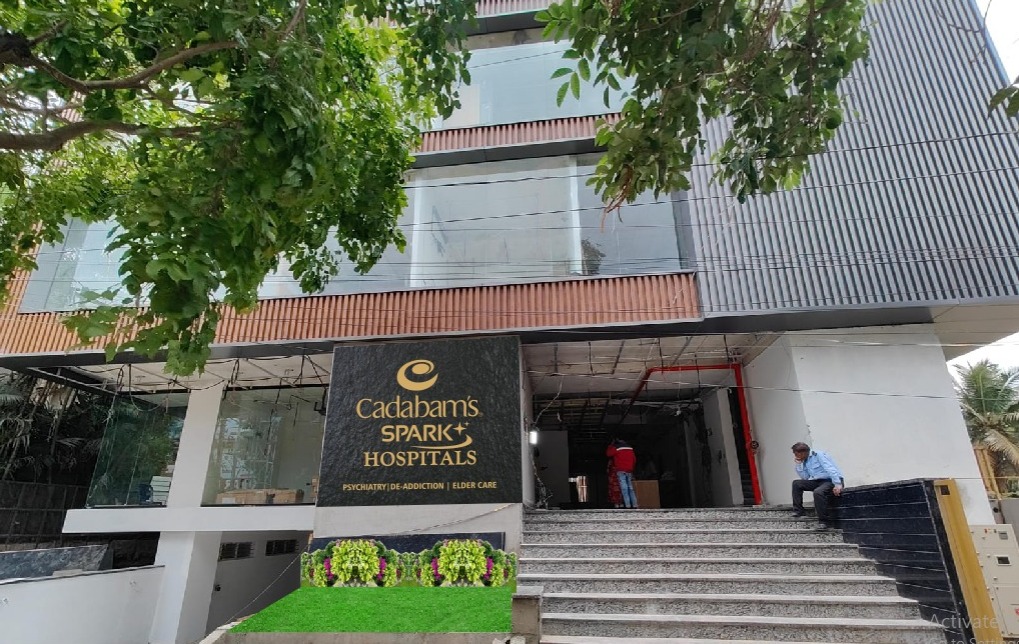
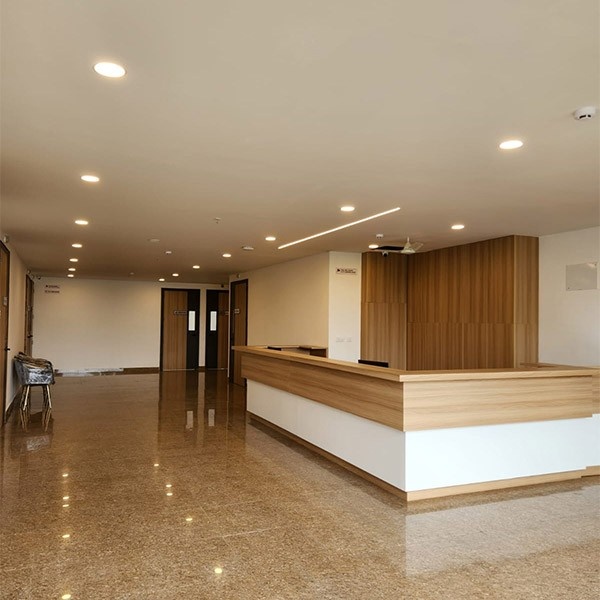
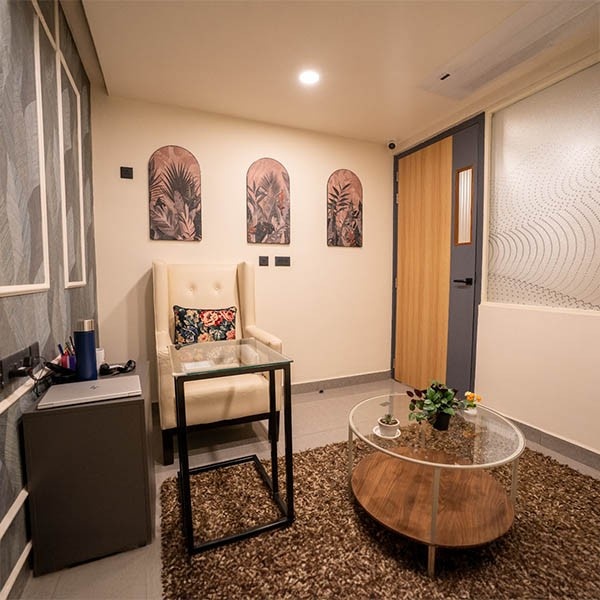
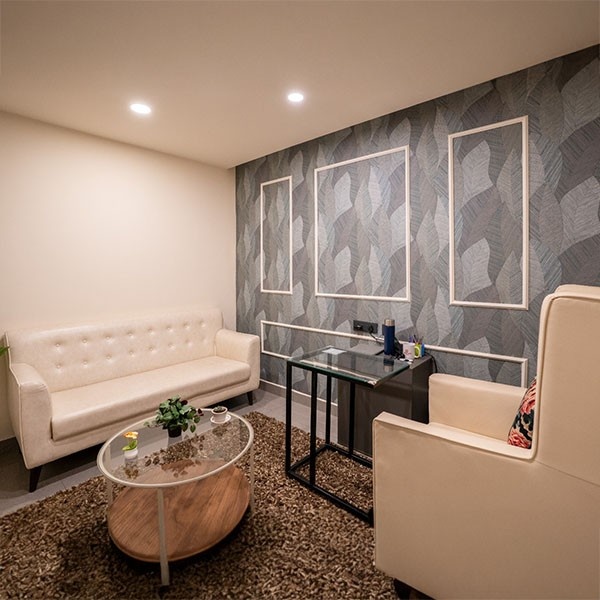
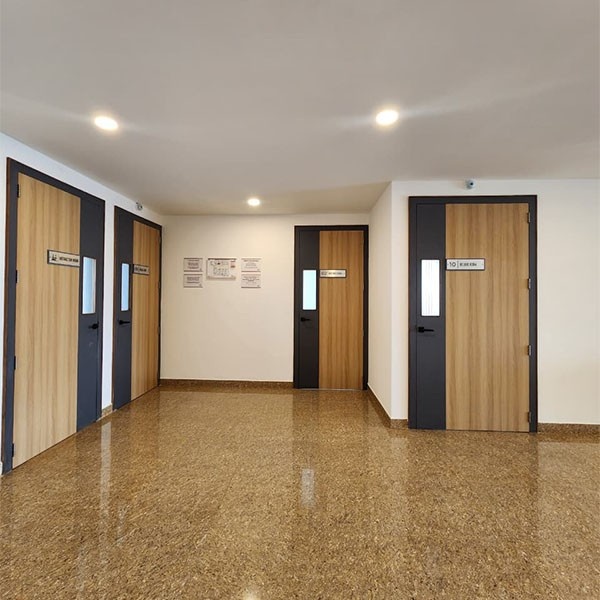
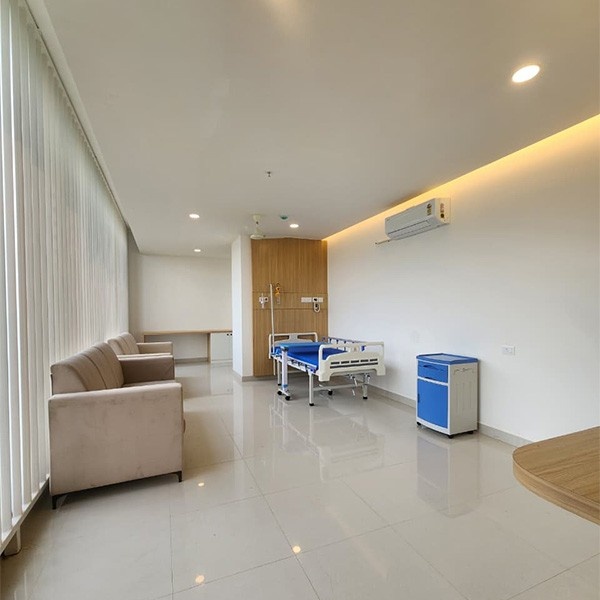
Cadabam’s Spark Hospitals provides a safe, modern, and therapeutic environment. Our advanced technology, including qEEG brain mapping and the latest neurofeedback systems, ensures that our patients receive the highest standard of care available.
Commitment to Holistic Treatment and Recovery for Dementia
We believe in treating the whole person, not just the symptoms. Our approach integrates medical, psychological, and social support to create a robust and holistic treatment plan that addresses the complete well-being of the individual.
Continued Care and Follow-Up care plans for Dementia
Recovery and management are an ongoing journey. We offer structured follow-up care plans and support for families to ensure sustainable results and provide guidance long after the initial treatment phase.
Take the First Step Towards Better Cognitive Health
If you or a loved one is facing the challenges of Dementia, don’t wait. Discover how our innovative care plans can make a difference.
Contact Cadabam’s Hospitals in Mysore today to schedule a consultation.
Phone: 090710 35960
Email: info@cadabamshospitals.com
Top Dementia Doctors at Cadabam’s Hospitals
Dementia – Psychiatrist in Bangalore | Dementia – Psychiatrist in Hyderabad | Dementia – Psychiatrist in Mysore | Dementia – Psychologist in Bangalore | Dementia – Psychologist in Hyderabad | Dementia – Psychologist in Mysore | Dementia – Therapist in Bangalore | Dementia – Therapist in Hyderabad | Dementia – Therapist in Mysore
Dementia Rehabilitation
Dementia – Rehab in Bangalore | Dementia – Rehab in Hyderabad | Dementia – Rehab in Mysore
Best Dementia Treatments Offered at Cadabams
Dementia – Online Counselling in Bangalore | Dementia – Online Counselling in Hyderabad | Dementia Home Services Bangalore | Dementia Home Services Hyderabad | Dementia Home Services Mysore | Dementia Neuro Physiotherapy Bangalore | Dementia Neuro PhysioTherapy Hyderabad | Dementia PsychoTherapy Bangalore | Dementia PsychoTherapy Hyderabad | Dementia PsychoTherapy Mysore | Dementia Biofeedback Bangalore | Dementia Biofeedback Hyderabad | Dementia Biofeedback Mysore | Dementia Family Therapy Bangalore | Dementia Family Therapy Hyderabad | Dementia Family Therapy Mysore | Dementia CBT Bangalore | Dementia CBT Hyderabad | Dementia CBT Mysore | Dementia Group Therapy Bangalore | Dementia Group Therapy Hyderabad | Dementia Group Therapy Mysore | Dementia Emergency Bangalore | Dementia Emergency Hyderabad | Dementia Emergency Mysore | Dementia Neurofeedback Bangalore | Dementia Neurofeedback Hyderabad | Dementia Post Rehab Bangalore | Dementia Post Rehab Hyderabad | Dementia Post Rehab Mysore | Dementia – Counselling in Mysore | Dementia – REBT Therapy in Mysore | Dementia – tDCS in Bangalore | Dementia – tDCS in Hyderabad | Dementia – tDCS in Mysore | Dementia – ECT in Mysore | Dementia – RTMS in Mysore
More Additional Resources
Agitation in Dementia: Causes, Symptoms, and Management Guide | A Deep Dive into Behavioral and Psychological Symptoms of Dementia(BPSD) | Decoding Mixed Dementia: What You Need to Know | Parkinson’s Dementia Explained: Recognizing Symptoms and Stages | Understanding Frontotemporal Dementia: Signs, Symptoms, and More | Understanding Lewy Body Dementia | Why Does Sundowning Happen | Can Dementia Be Prevented? | Music Therapy | Early Signs and Symptoms of Dementia and Alzheimer’s | What is the Difference Between Dementia & Alzheimer’s
Frequently Asked Questions
Can Neurofeedback help with Dementia?
Yes, neurofeedback can help by training the brain to regulate its activity more effectively. It may lead to improvements in cognitive functions like memory and attention, and help manage emotional symptoms such as anxiety and agitation.
How long does a Neurofeedback treatment session last for Dementia?
A typical neurofeedback session lasts between 30 to 45 minutes. The total number of sessions required varies based on the individual’s condition and progress, as determined by their personalized care plan.
Who is eligible for Neurofeedback therapy?
Most individuals are eligible for neurofeedback therapy, as it is non-invasive and safe. A thorough assessment by our clinical team at Cadabam’s Spark Hospitals will determine if it is the right fit for an individual’s specific needs and condition.
Is Neurofeedback safe for treating Dementia?
Yes, neurofeedback is considered a very safe treatment. It is a non-invasive procedure that simply monitors brain activity and provides feedback, without sending any electrical currents into the brain. It is a gentle yet powerful tool for brain training.
 Available