Key Signs of a Bipolar Disorder Emergency
Recognizing the warning signs of a mental health emergency is the first step toward getting help. This section lists critical indicators that a person with bipolar disorder may be in a crisis.
Knowing the signs of an impending crisis can save a life. If you observe any of the following, it may be a mental health emergency:
- Severe Psychotic Episodes: Experiencing hallucinations (seeing or hearing things that aren’t there) or delusions (strong, false beliefs).
- Threats of Self-Harm or Suicide: Any talk or action related to suicide or self-injury must be taken seriously.
- Sudden and Severe Paranoia: An intense and irrational mistrust of others, which can lead to unpredictable behavior.
- Extreme Disorientation or Confusion: Inability to recognize familiar people, places, or the current time.
- Aggressive or Violent Behavior: Actions that pose a physical threat to themselves or others.
Immediate Steps to Take During a Bipolar Disorder Emergency in Mysore
When a bipolar disorder crisis unfolds, your reaction can significantly influence the outcome. Here are actionable steps to take in the moment while in Mysore.
Staying Calm and Providing Reassurance
Your calm presence can be de-escalating. Speak in a soft, simple, and reassuring tone. Avoid arguing or disagreeing with delusions.
Ensuring Safety for Everyone Involved
Gently remove any potential weapons or dangerous objects from the immediate environment. Create a safe, quiet space if possible.
Contacting Emergency Services Promptly
Do not hesitate to call for professional help. In Mysore, you can contact emergency medical services or proceed to the nearest hospital equipped for psychiatric emergencies.
Avoiding Confrontation or Escalation
Arguments or attempts to “reason” with someone in a state of psychosis can worsen the situation. Stay supportive and non-judgmental.
Not Leaving the Individual Alone
Unless your safety is at risk, stay with the person until professional help arrives. Your presence can offer comfort and prevent impulsive actions.
Emergency Services and Support for Bipolar Disorder in Mysore
Knowing where to turn for professional help in Mysore is vital during a crisis. This section outlines the available emergency resources for bipolar disorder.
Local Emergency Resources for Bipolar Disorder
Mysore offers several avenues for immediate assistance. Mental health hotlines and crisis intervention centers are crucial first points of contact for guidance and support during an acute episode.
Psychiatric Emergency Services in Mysore
For urgent situations, specialized psychiatric emergency services are necessary. Cadabam’s Spark Hospitals provides expert and immediate care for individuals experiencing a mental health crisis. Contact us at +9190710 35960 for immediate assistance and intervention.
Post-Crisis Management for Bipolar Disorder in Mysore
The period immediately following a crisis is crucial for establishing stability and preventing recurrence. Effective post-crisis management is a cornerstone of comprehensive Bipolar Disorder care.
Overview of Post-Crisis Phase of Bipolar Disorder
After the immediate emergency is managed, the focus shifts to recovery and stabilization. This phase is vital for ensuring the individual’s well-being and building a foundation for long-term mental health.
Assessment and Stabilization of Bipolar Disorder
Our clinical teams conduct thorough psychiatric assessments to understand the triggers of the crisis and stabilize the patient’s mental state, often adjusting medication and therapeutic approaches.
Development of a Tailored Care Plan for Bipolar Disorder
At Cadabam’s Spark Hospitals, we create a personalized care plan for each individual. This comprehensive plan integrates medication management, therapy sessions, and lifestyle guidance to address their specific needs post-crisis.
Family and Caregiver Involvement for Bipolar Disorder
The support system is integral to recovery. We strongly encourage family and caregiver participation, offering educational workshops and support sessions to help them understand and contribute to the recovery journey. Contact us to learn more about our family support services.
Preventing Future Bipolar Disorder Crises in Mysore
Proactive management is key to preventing future crises. This section outlines essential strategies for maintaining long-term stability and wellness for individuals with bipolar disorder.
Regular Mental Health Assessments for Bipolar Disorder
Consistent check-ins with a psychiatrist are crucial for monitoring symptoms, adjusting treatment, and catching potential issues before they escalate into a crisis.
Medication Management for Bipolar Disorder
Adherence to prescribed medication is one of the most effective ways to manage mood swings and prevent relapses. It’s vital to maintain open communication with the doctor about any side effects.
Continued Therapy and Support for Bipolar Disorder
Ongoing therapy, such as Cognitive Behavioral Therapy (CBT), provides individuals with coping skills to manage stress and recognize early warning signs of an impending mood episode.
Long-Term Recovery and Relapse Prevention for Bipolar Disorder
A focus on long-term recovery involves creating a relapse prevention plan. This includes identifying personal triggers, developing healthy routines, and knowing what steps to take if symptoms begin to reappear.
Find the Best Bipolar Disorder Emergency Care in Mysore
When a mental health emergency strikes, knowing you have access to the best possible care provides immense peace of mind. For those in Mysore, a trusted provider is essential.
Cadabam’s: Leading Bipolar Disorder Emergency Care in Mysore
Cadabam’s Hospitals in Mysore stands at the forefront of providing exceptional Bipolar Disorder care and emergency mental health services in Mysore, ensuring rapid, compassionate, and effective support when it’s needed most.
Expert Emergency Response Team for Bipolar Disorder at Cadabam’s Spark Hospitals
Our multidisciplinary team is specially trained to handle psychiatric emergencies with expertise and compassion, providing immediate stabilization and care.
Rapid Assessment and Intervention for Bipolar Disorder Emergencies
We prioritize swift assessment to understand the acute situation and implement immediate interventions, de-escalating the crisis and beginning the path to recovery.
Advanced Facilities for Emergency Care in Bipolar Disorder
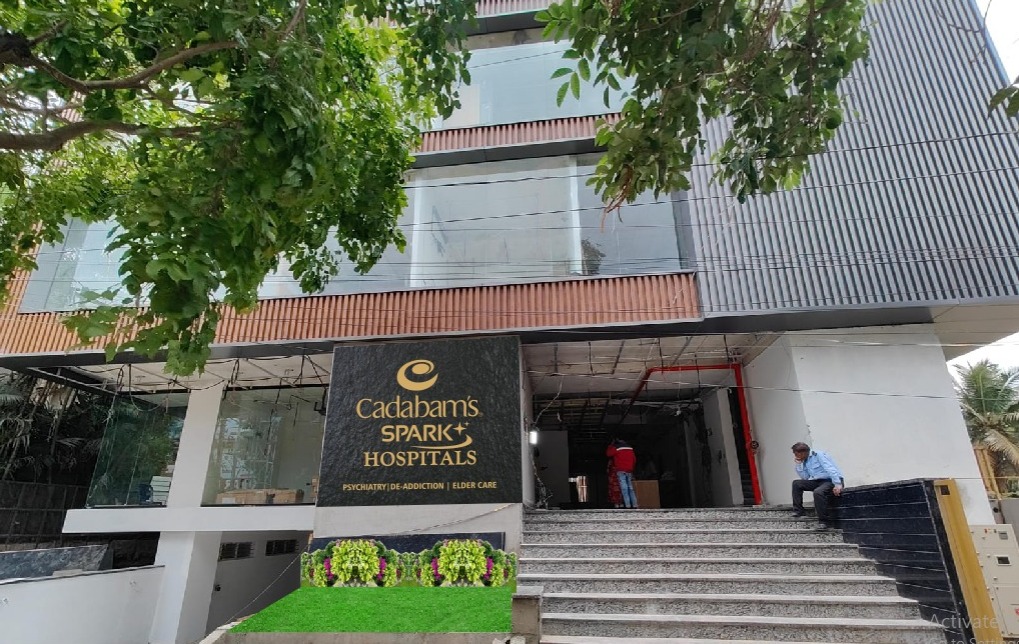
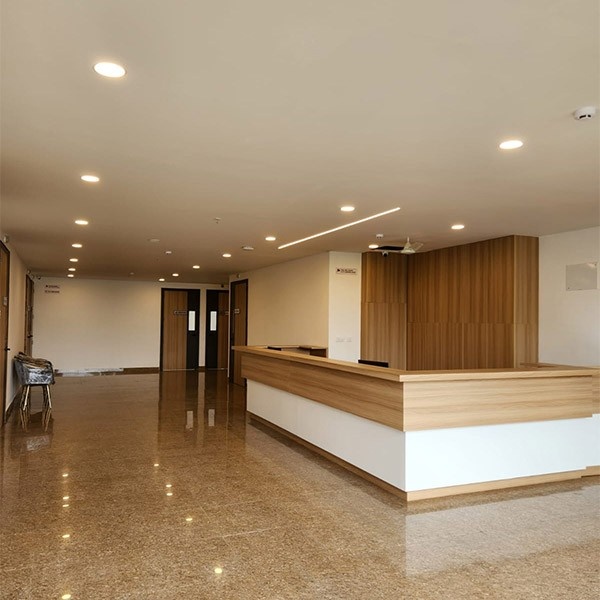
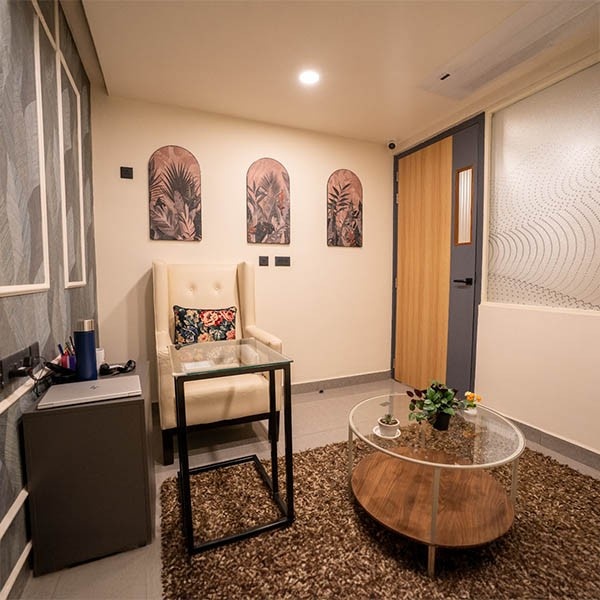
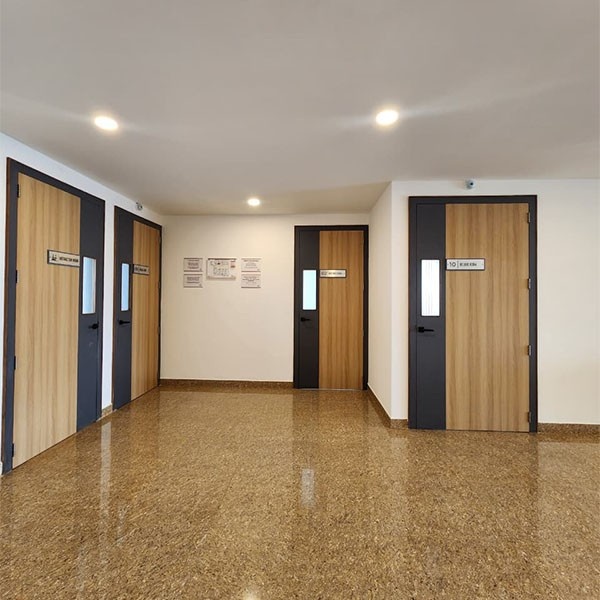
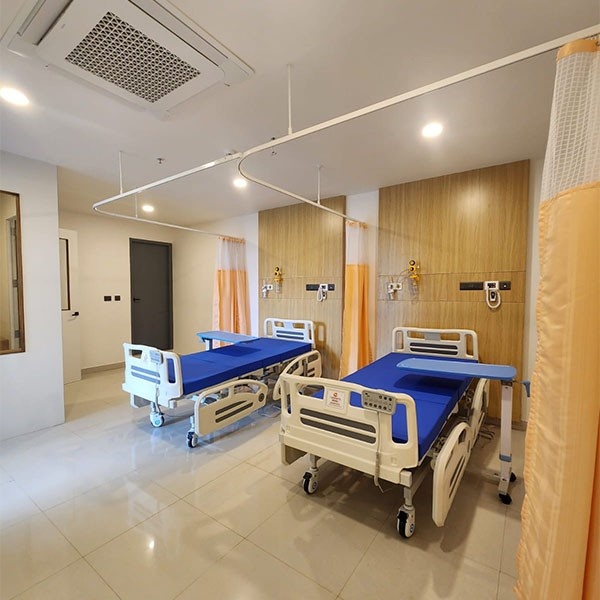
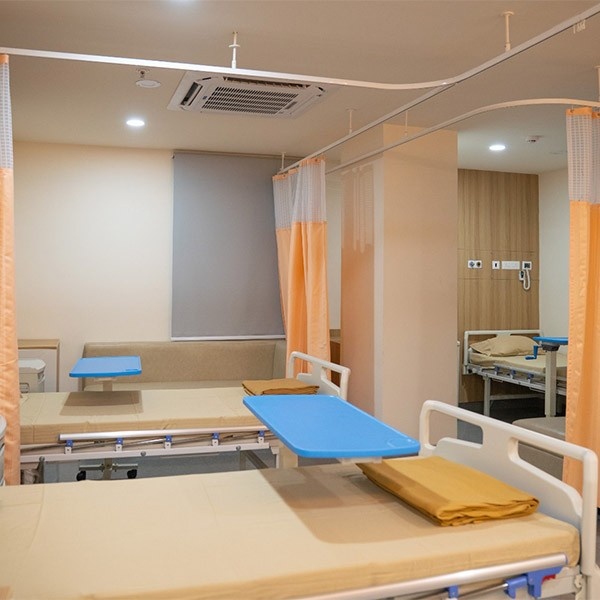
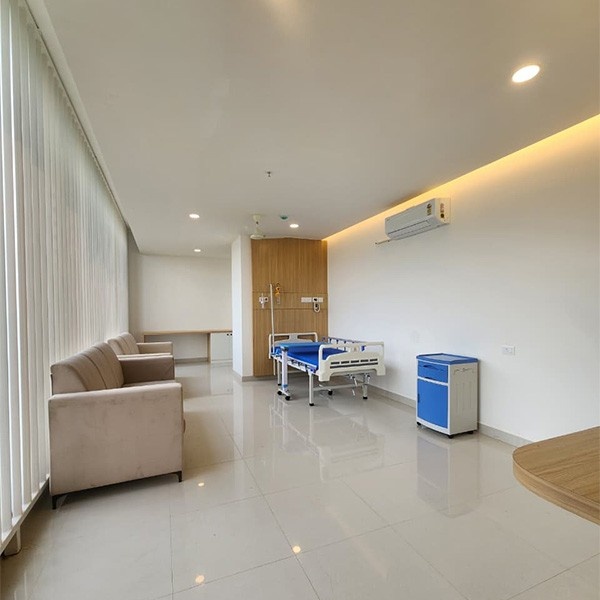
Cadabam’s Spark Hospitals is equipped with modern infrastructure and a safe, therapeutic environment designed to manage acute psychiatric conditions effectively.
Continuous Support and Post-Emergency Care for Bipolar Disorder
Our commitment extends beyond the emergency. We provide seamless transition to post-crisis management, ensuring continuous support for sustained recovery.
Comprehensive Emergency Management Approach at Cadabam’s Spark Hospitals for Bipolar Disorder
We employ a holistic approach that addresses the immediate crisis while laying the groundwork for long-term wellness, involving both the individual and their family in the treatment process.
Navigating a bipolar disorder emergency can be overwhelming, but you are not alone. With the right knowledge and immediate access to professional support, crisis situations can be managed safely and effectively. For expert guidance and emergency psychiatric care in Mysore, trust the compassionate team at Cadabam’s Spark Hospitals. Contact us today at +9190710 35960 or email us at info@cadabamshospitals.com to learn more about our comprehensive care plans and support services.
Top Bipolar Disorder Doctors at Cadabam’s Hospitals
Psychiatrist Bangalore | Psychiatrist Hyderabad | Psychiatrist Mysore | Psychologist Bangalore | Psychologist Hyderabad | Psychologist Mysore | Therapist Bangalore | Therapist Hyderabad | Therapist Mysore
Bipolar Disorder Rehabilitation
Rehabilitation Bangalore | Rehabilitation Hyderabad | Rehabilitation Mysore
Best Bipolar Disorder Treatments Offered at Cadabams
Counselling Hyderabad | Counselling Mysore | ECT Hyderabad | ECT Mysore | Group Therapy Bangalore | Group Therapy Hyderabad | Group Therapy Mysore | CBT Hyderabad | CBT Mysore | Home Services Bangalore | Home Services Hyderabad | Home Services Mysore | Neurofeedback Bangalore | Neurofeedback Hyderabad | Neurofeedback Mysore | Family Therapy Bangalore | Family Therapy Hyderabad | Family Therapy Mysore | PsychoTherapy Hyderabad | PsychoTherapy Mysore | Emergency Bangalore | Emergency Hyderabad | RTMS Bangalore | RTMS Hyderabad | RTMS Mysore | Biofeedback Hyderabad | Biofeedback Mysore | transcranial Direct Current Stimulation(tDCS) Mysore | Post-Rehabilitation Care Bangalore | Post-Rehabilitation Care Hyderabad | Post-Rehabilitation Care Mysore | REBT Therapy Mysore
More Additional Resources
Pressured Speech in Bipolar Disorder | Bipolar Disorder Symptoms in Men | Dysphoric Mania | Bipolar Psychosis | Overlap Between OCD and Bipolar Disorder | Pregnancy with Bipolar Disorder | Sleep Complications in Bipolar Disorder | Bipolar Disorder vs. Schizophrenia | Schizoaffective Disorder | Unipolar vs Bipolar | Bipolar Disorder vs Borderline Personality Disorder | Bipolar Disorder in Women | Anxiety Vs Bipolar | Childhood Bipolar Disorder | Bipolar Disorder Tips | Bipolar Disorder in Children
Frequently Asked Questions
1. What are the most common indicators of a severe Bipolar Disorder emergency?
Common indicators include severe psychosis (hallucinations/delusions), explicit threats of self-harm or suicide, extreme paranoia, and aggressive behavior that poses a risk to the individual or others.
2. What kind of support is available at Cadabam’s, in Mysore for Bipolar Disorder emergencies?
Cadabam’s Spark Hospitals in Mysore offers a dedicated emergency response team, rapid psychiatric assessment, immediate intervention, and a secure environment for stabilization, followed by comprehensive post-crisis care plans.
3. How can a future Bipolar Disorder crisis be prevented?
Future crises can be prevented through consistent medication management, ongoing Bipolar Disorder therapy, regular psychiatric assessments, and developing a strong relapse prevention strategy that includes identifying triggers and early warning signs.
 Available