Strategies for a Smooth Post-Rehab Transition in Bipolar Disorder Care in Mysore
A successful transition after rehabilitation is built on a foundation of structure, coping mechanisms, and unwavering support.
Importance of a structured routine for Bipolar Disorder
Establishing a consistent daily routine is paramount for individuals with Bipolar Disorder. A predictable schedule for sleeping, eating, exercise, and daily activities helps regulate mood and energy levels, providing a sense of stability and control that is crucial for preventing the onset of manic or depressive episodes.
Strategies for coping with changes for Bipolar Disorder
Adapting to life outside of a controlled environment can be challenging. Effective coping strategies are essential for a smooth transition. These can include:
- Gradual re-integration: Slowly re-engaging with social and professional responsibilities to avoid feeling overwhelmed.
- Peer support: Connecting with others who have similar lived experiences for mutual understanding and encouragement.
- Mindfulness and stress reduction: Practicing techniques like meditation, deep breathing, or yoga to manage stress.
- Community engagement: Participating in hobbies or community groups to build a supportive social network.
Role of ongoing therapy and support for Bipolar Disorder
Recovery from Bipolar Disorder is a lifelong journey, not a destination. Continued therapy, including psychotherapy and medication management, is vital for maintaining stability. A strong support system, including family, friends, and mental health professionals, provides the safety net needed to navigate challenges and celebrate progress.
For expert guidance, connect with our team at Cadabam’s Hospitals. Call us at 090710 35960 or email info@cadabamshospitals.com.
Maintaining Recovery and Preventing Relapse in Bipolar Disorder Care in Mysore
Proactive measures are key to sustaining recovery and ensuring long-term mental wellness.
Monitoring signs of relapse for Bipolar Disorder
Recognizing early warning signs of a potential relapse is critical. For manic episodes, this might include decreased need for sleep or increased energy, while for depressive episodes, it could be social withdrawal or persistent sadness. Early intervention can prevent a full-blown episode and maintain stability.
Lifestyle and wellness strategies for Bipolar Disorder
A healthy lifestyle significantly supports mental health. Key strategies include maintaining a balanced diet, engaging in regular physical activity, practicing good sleep hygiene, and avoiding alcohol and illicit substances. These habits are foundational to a holistic recovery plan.
Personalized Post-Rehab Care Plans to Individual Needs in Bipolar Disorder Treatment in Mysore
Effective Post-Rehab for Bipolar Disorder is never a one-size-fits-all solution; it must be as unique as the individual.
Tailoring care to individual needs
Each person’s experience with Bipolar Disorder is different. Personalized care plans are designed to address an individual’s specific symptoms, triggers, lifestyle, and recovery goals. This tailored approach ensures that the support provided is relevant, effective, and empowering.
Adaptive strategies for different stages of recovery
As an individual progresses in their recovery, their needs evolve. A dynamic care plan should adapt to these changes, modifying therapeutic strategies and support levels to match the current stage of their journey, whether they are building stability or focusing on long-term wellness.
Integrating various therapeutic approaches
A holistic approach yields the best results. This involves integrating multiple therapeutic methods, such as medication management to stabilize mood, cognitive-behavioral therapy (CBT) to develop coping skills, and lifestyle interventions to promote overall health and well-being.
Find the Best Post-Rehab Care for Bipolar Disorder Patient in Mysore
Choosing the right partner for post-rehabilitation care is a crucial decision for sustained recovery. In Mysore, it is important to find a provider that offers comprehensive, personalized, and compassionate support.
Cadabam’s: Leading the Way in Post-Rehabilitation Support for Bipolar Disorder in Mysore
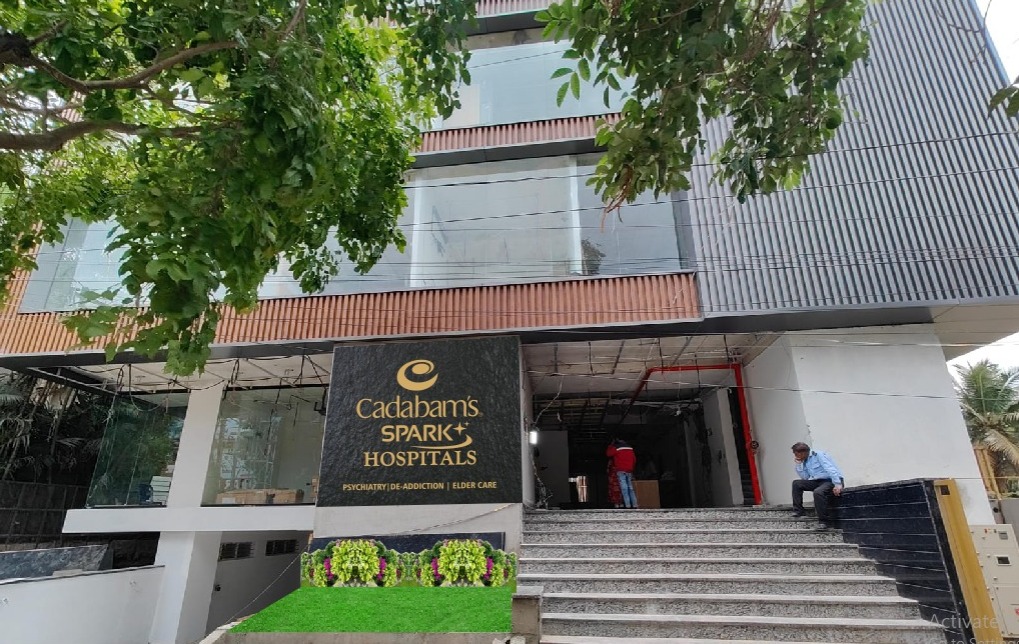
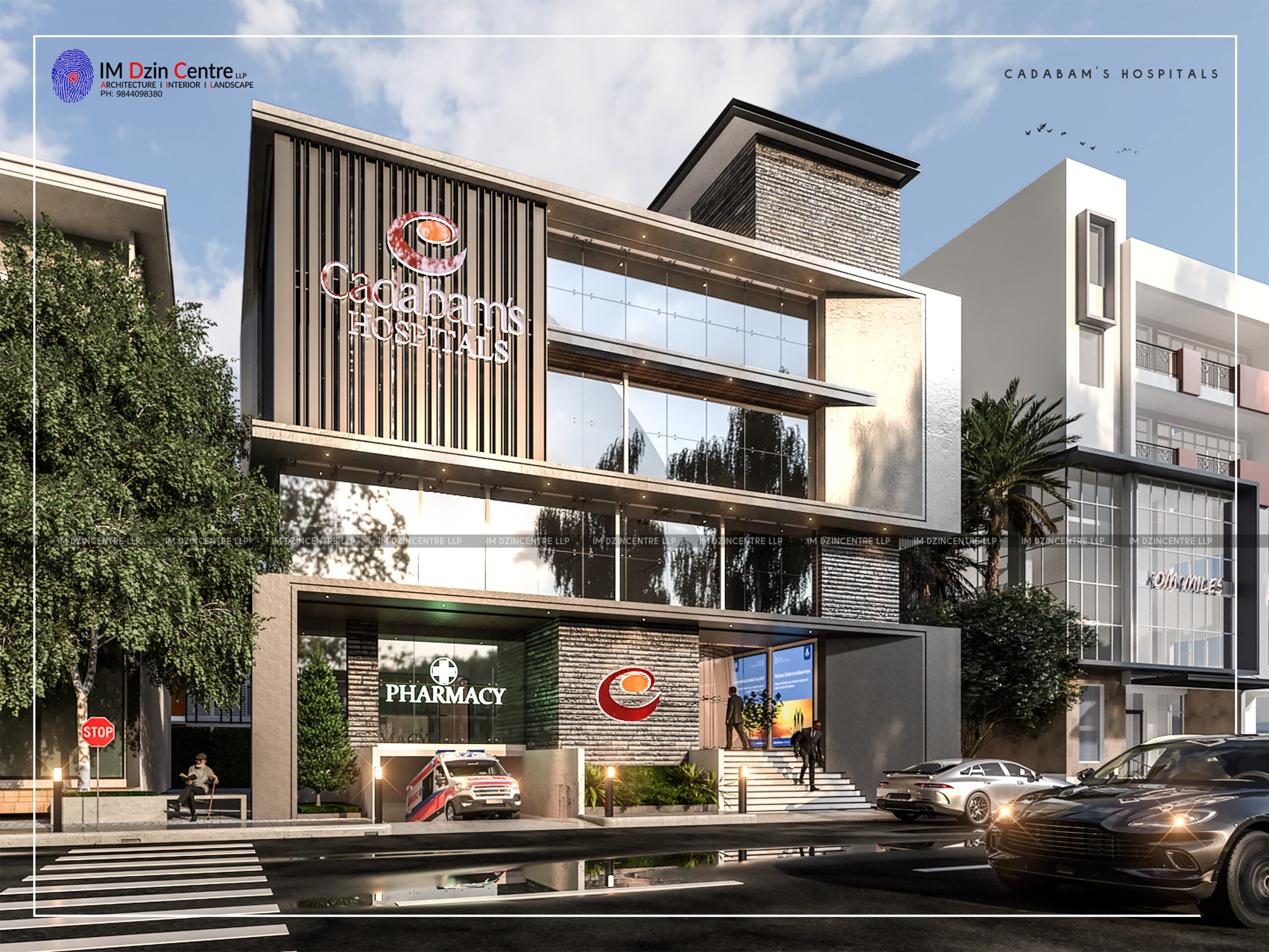
Cadabam’s Spark Hospitals stands at the forefront of mental healthcare, providing exceptional post-rehabilitation support for individuals with Bipolar Disorder. Our commitment is to deliver individualized care plans that blend evidence-based therapies with innovative approaches. Our team of skilled psychiatrists, therapists, and support staff at Cadabam’s Spark Hospitals works collaboratively to create a supportive environment focused on holistic wellness and relapse prevention. We are dedicated to empowering our patients to lead fulfilling lives.
Ready to take the next step in your recovery journey? Contact Cadabam’s Spark Hospitals today at 090710 35960 or email info@cadabamshospitals.com.
Specialized Post-Rehabilitation Care Plans at Cadabam’s for Bipolar Disorder
At Cadabam’s Spark Hospitals, we design care plans that are deeply personalized, focusing on the unique challenges and strengths of each patient to ensure the best possible outcomes in their journey with Bipolar Disorder.
Expert Guidance and Therapy in Post-Rehab Care for Bipolar Disorder
Our multidisciplinary team provides expert medical and therapeutic guidance. We utilize a range of therapies at Cadabam’s Spark Hospitals to equip patients with the skills needed for long-term mood management and emotional resilience.
Family Involvement and Education in Recovery for Bipolar Disorder
We believe family is an integral part of the support system. We provide education and counseling to family members, helping them understand the condition and learn how to best support their loved one’s recovery.
Monitoring and Adjusting Treatment Plans for Bipolar Disorder
Our approach is dynamic. We continuously monitor each patient’s progress and adjust their care plan as needed, ensuring that the treatment remains effective and responsive to their evolving needs.
Top Bipolar Disorder Doctors at Cadabam’s Hospitals
Psychiatrist Bangalore | Psychiatrist Hyderabad | Psychiatrist Mysore | Psychologist Bangalore | Psychologist Hyderabad | Psychologist Mysore | Therapist Bangalore | Therapist Hyderabad | Therapist Mysore
Bipolar Disorder Rehabilitation
Rehabilitation Bangalore | Rehabilitation Hyderabad | Rehabilitation Mysore
Best Bipolar Disorder Treatments Offered at Cadabams
Counselling Hyderabad | Counselling Mysore | ECT Hyderabad | ECT Mysore | Group Therapy Bangalore | Group Therapy Hyderabad | Group Therapy Mysore | CBT Hyderabad | CBT Mysore | Home Services Bangalore | Home Services Hyderabad | Home Services Mysore | Neurofeedback Bangalore | Neurofeedback Hyderabad | Neurofeedback Mysore | Family Therapy Bangalore | Family Therapy Hyderabad | Family Therapy Mysore | PsychoTherapy Hyderabad | PsychoTherapy Mysore | Emergency Bangalore | Emergency Hyderabad | Emergency Mysore | RTMS Bangalore | RTMS Hyderabad | RTMS Mysore | Biofeedback Hyderabad | Biofeedback Mysore | transcranial Direct Current Stimulation(tDCS) Mysore | Post-Rehabilitation Care Bangalore | Post-Rehabilitation Care Hyderabad | REBT Therapy Mysore
More Additional Resources
Pressured Speech in Bipolar Disorder | Bipolar Disorder Symptoms in Men | Dysphoric Mania | Bipolar Psychosis | Overlap Between OCD and Bipolar Disorder | Pregnancy with Bipolar Disorder | Sleep Complications in Bipolar Disorder | Bipolar Disorder vs. Schizophrenia | Schizoaffective Disorder | Unipolar vs Bipolar | Bipolar Disorder vs Borderline Personality Disorder | Bipolar Disorder in Women | Anxiety Vs Bipolar | Childhood Bipolar Disorder | Bipolar Disorder Tips | Bipolar Disorder in Children
Frequently Asked Questions (FAQs)
1. What makes post-rehab care crucial for Bipolar Disorder recovery?
Post-rehab care is crucial because it provides the continuous support, structure, and therapeutic guidance needed to manage symptoms, prevent relapse, and navigate the transition back to daily life after an intensive treatment period.
2. What are the recovery interventions for Bipolar Disorder?
Recovery interventions for Bipolar Disorder typically include a combination of medication management, individual and group psychotherapy (like CBT), lifestyle modifications (diet, exercise), and building a strong social support system.
3. How does Cadabam’s tailor post-rehab care for each patient?
Cadabam’s tailors post-rehab care by conducting a comprehensive assessment to understand each patient’s unique needs, triggers, and goals, then designing a personalized care plan that integrates various therapies and adapts over time.
 Available