How tDCS Works: The Science Behind the Stimulation
Here, we delve into the scientific mechanism of tDCS, explaining how the low electrical current impacts neuronal activity to help rebalance brain circuits associated with mood regulation.
The core principle behind tDCS is neuromodulation. The procedure involves a controlled, weak tdcs current that flows between two electrodes placed on specific areas of the head. This current alters the resting membrane potential of neurons, making them more or less likely to fire. For Bipolar Disorder, this is used to target brain regions involved in mood regulation, helping to correct imbalances and restore healthier neural communication patterns.
Why is tDCS Used?
This part explains the primary purpose and applications of tDCS, highlighting its utility in modulating brain function to treat various neurological and psychiatric disorders non-invasively.
tDCS is used to influence brain function directly and non-invasively. For conditions like Bipolar Disorder, where certain brain circuits may be overactive or underactive, tdcs stimulation can help restore balance. Its applications are broad, ranging from improving mood and cognitive function to accelerating rehabilitation, offering a targeted treatment with minimal side effects compared to other interventions.
Benefits of tDCS for Bipolar Disorder
This section outlines the specific advantages of using tDCS for Bipolar Disorder, covering benefits from symptom reduction and cognitive enhancement to improved overall well-being.
Enhancing Neuroplasticity and Recovery
Neuroplasticity, or the brain’s ability to reorganise itself by forming new neural connections, is fundamental to recovery. tDCS promotes this process, helping the brain create and strengthen healthier pathways for mood regulation, which can lead to more sustainable improvements.
Reducing Symptoms of Bipolar Disorder
By targeting key areas of the brain, tDCS can effectively reduce the severity and frequency of both depressive lows and manic highs. This targeted approach helps stabilise mood swings, providing significant relief from the core symptoms of the disorder.
Improving Cognitive Function
Many individuals with Bipolar Disorder experience challenges with memory, attention, and executive function. tDCS has been shown to enhance these cognitive abilities by stimulating the brain regions responsible for focus and mental clarity.
Accelerating Rehabilitation for Bipolar Disorder
When integrated into a comprehensive care plan, tDCS can accelerate rehabilitation. It can make other treatments, such as psychotherapy and cognitive-behavioral therapy (CBT), more effective by making the brain more receptive to learning and change.
Minimizing Medication Dependence
While not a replacement for medication, tDCS can be a powerful adjunctive treatment. For some patients, it may help reduce the required dosage of medications, thereby minimizing potential side effects and improving overall treatment tolerance.
Enhancing Mood and Mental Well-being
Beyond just treating symptoms, tDCS can lead to a significant improvement in overall mood and mental well-being. Patients often report feeling more balanced, calm, and in control, which positively impacts their daily lives.
Prolonging Therapeutic Effects
The goal of treatment is long-term stability. The neuroplastic changes encouraged by tDCS can have lasting effects, helping individuals maintain their progress long after the initial treatment course is complete and reducing the risk of relapse.
Treatment Accessibility
As an outpatient procedure that is non-invasive and requires no anaesthesia, tDCS is highly accessible. Sessions are relatively short (typically 20-30 minutes), allowing patients to fit treatment into their schedules with minimal disruption.
tDCS Treatment Process for Bipolar Disorder
Learn about the patient’s journey through tDCS treatment, from what to expect during a session to the equipment and procedures involved.
What to Expect During tDCS Sessions
During a tDCS session, you will be seated comfortably in a chair. A trained technician will place two saline-soaked sponge electrodes on specific locations on your head, secured by a cap or headband. You might feel a mild tingling, itching, or warming sensation on your scalp for the first few minutes, which typically fades as the session progresses. The whole process is painless, and you can relax, read, or listen to music during the 20-30 minute session.
Setting Up for tDCS: Equipment and Procedure
The setup involves a portable, battery-powered stimulator that delivers the electrical current. The placement of the electrodes is precisely determined by your psychiatrist based on your specific symptoms and treatment goals. The equipment is medical-grade and calibrated to ensure a safe and exact dosage of stimulation, adhering to strict clinical protocols.
Choosing the Right tDCS Provider for Bipolar Disorder in Mysore
This guide provides crucial factors to consider when selecting a tDCS provider in Mysore, ensuring you receive safe, effective, and personalized care.
Accreditation and Licensing
Ensure the provider is a licensed medical institution. Accreditation guarantees that the Hospitals adheres to recognized standards of safety, quality, and ethical practice, which is paramount when undergoing any medical treatment.
Experience and Specialization
Choose a team with proven experience in neuromodulation and a specialization in treating Bipolar Disorder. Expertise in this specific area ensures the treatment protocol is designed effectively for your unique needs.
Technology and Equipment
A reputable provider uses advanced, certified tDCS devices. Ask about the technology they use to ensure it is modern, well-maintained, and approved for clinical use, guaranteeing both safety and efficacy.
Treatment Customization
Effective treatment is never one-size-fits-all. The best providers will conduct a thorough assessment to create a personalized care plan that tailors the tDCS protocol to your specific symptoms, brain function, and overall health goals.
Support Services
tDCS is most effective as part of an integrated treatment approach. Look for Hospitals that offer comprehensive support services, including psychotherapy, counseling, and lifestyle guidance, to support your recovery journey.
Why Choose Cadabam’s Spark Hospitals tDCS Treatment for Bipolar Disorder in Mysore
Discover why Cadabam’s Hospitals is a leading choice for tDCS treatment in Mysore, from our expert team to our holistic and personalized approach to mental wellness.
Expert Team Specialized in tDCS for Bipolar Disorder
At Cadabam’s Hospitals Mysore, our multidisciplinary team of psychiatrists, psychologists, and technicians is specially trained in applying transcranial direct current stimulation for Bipolar Disorder. We combine clinical expertise with compassionate care to guide you through recovery.
State-of-the-Art Hospitals and Supportive Environment for Bipolar Disorder
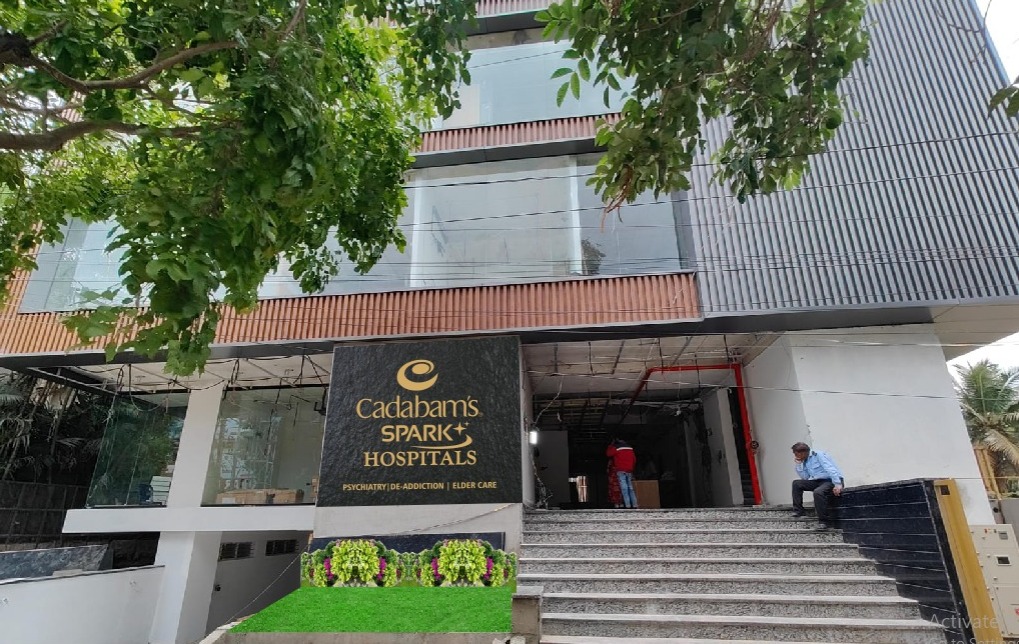
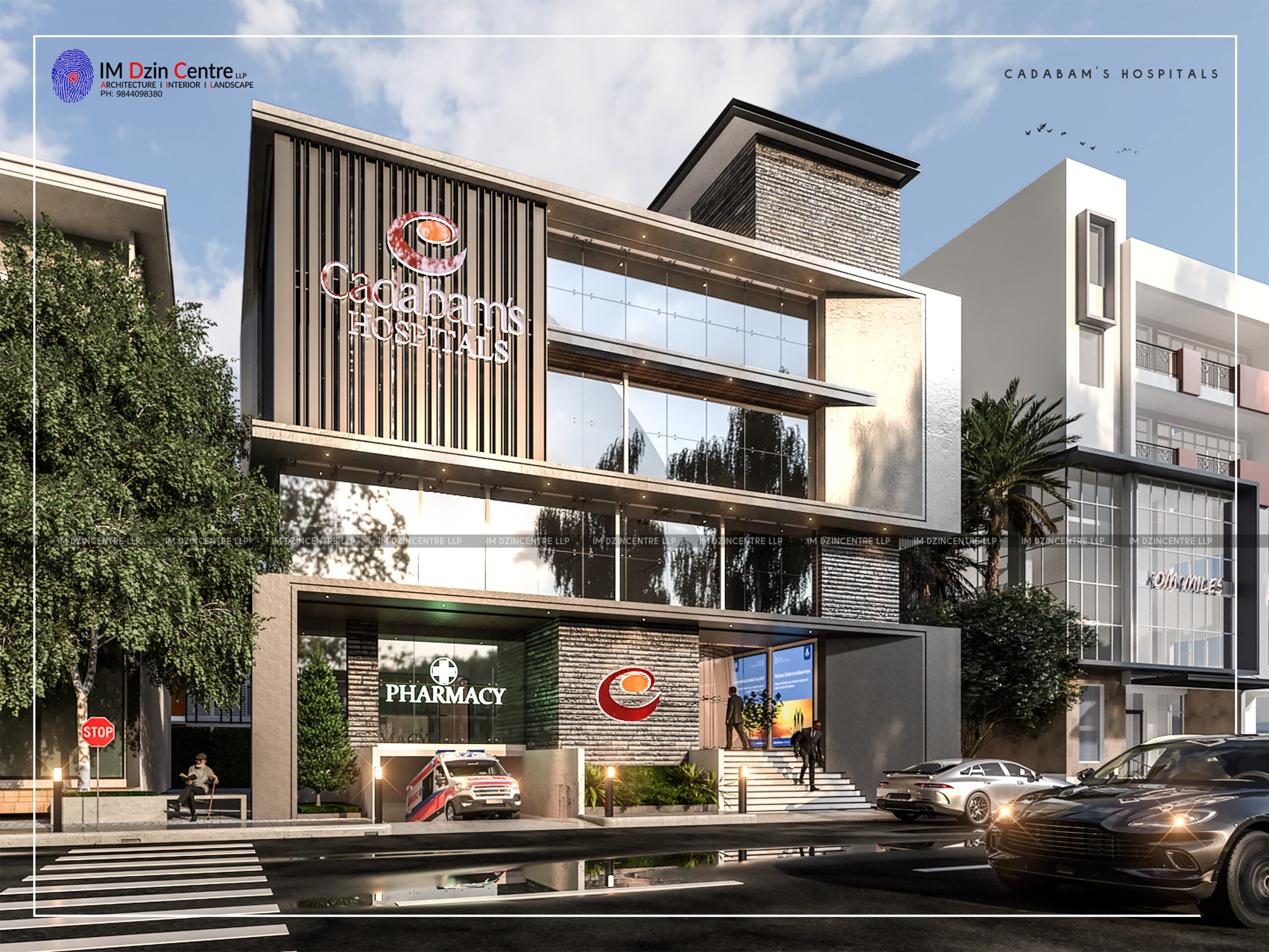
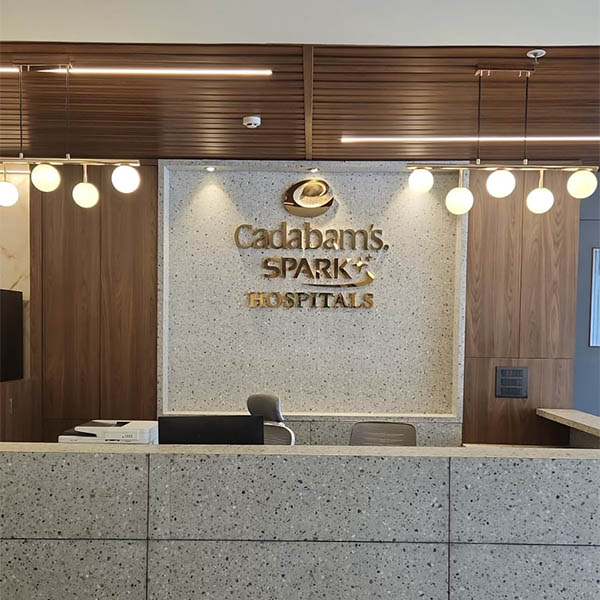
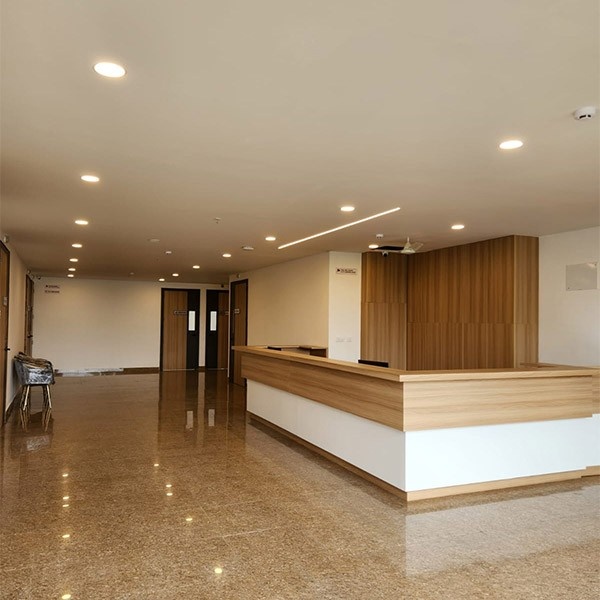
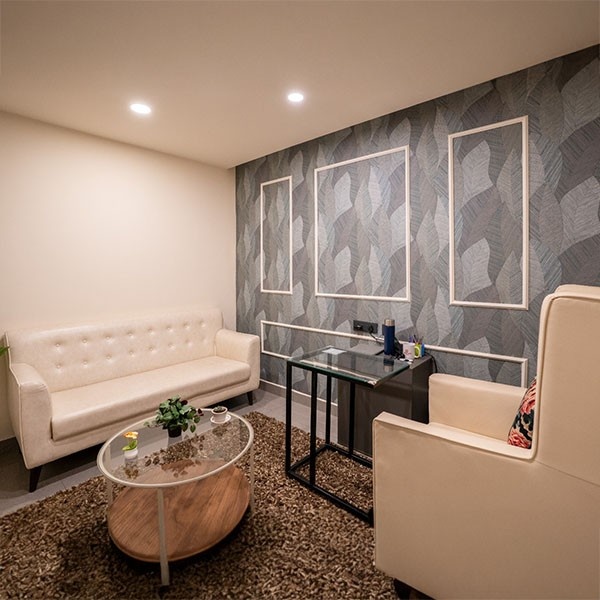
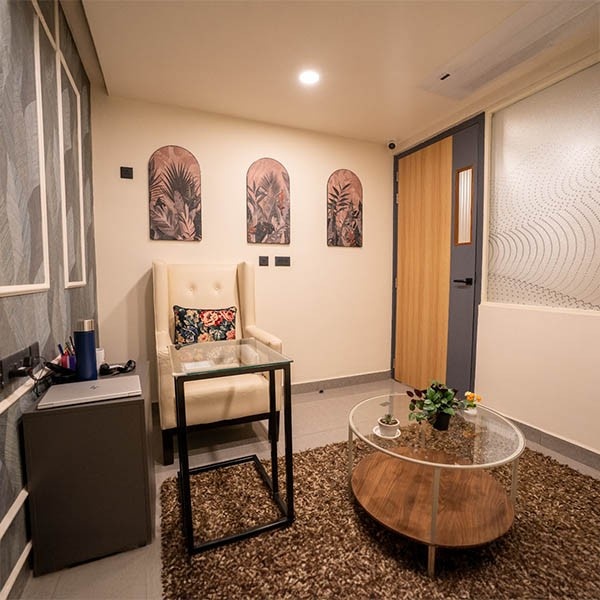
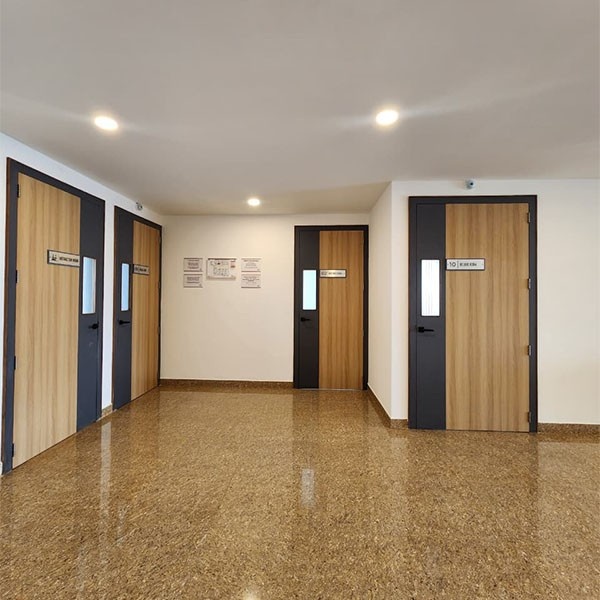
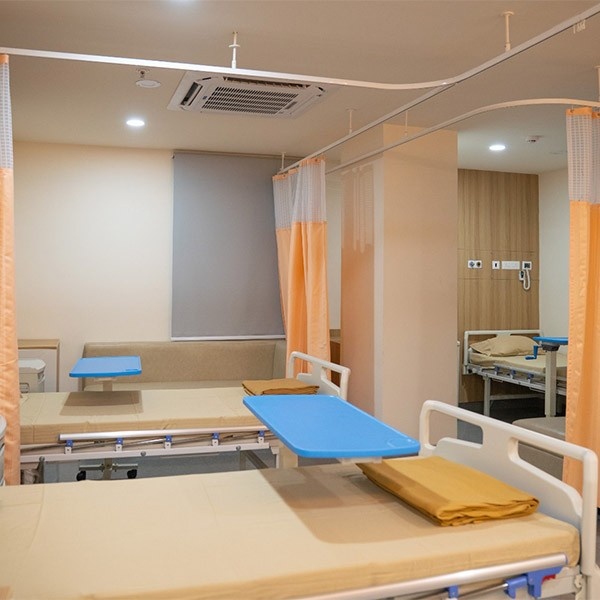
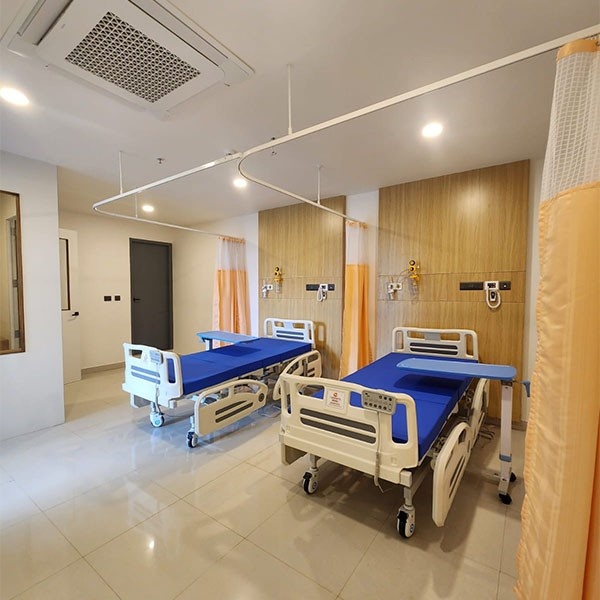
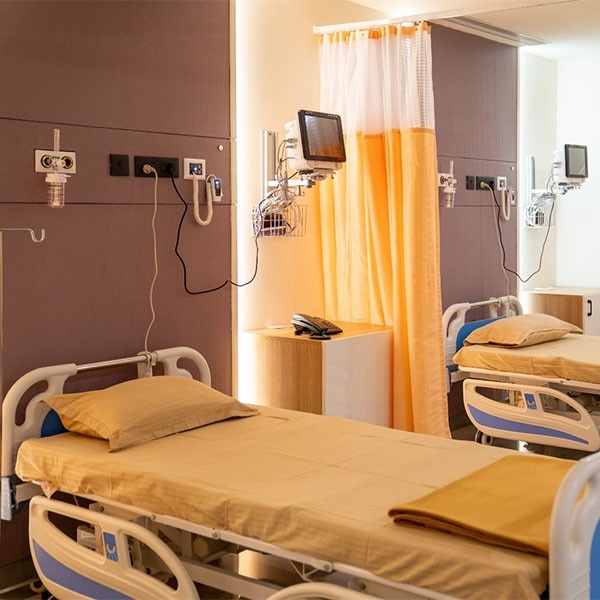
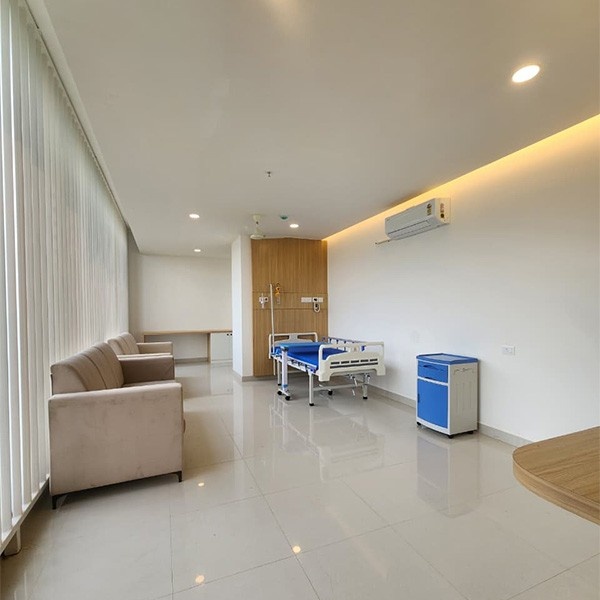
Our modern Hospitals provide a safe, comfortable, and supportive environment designed for healing. We utilize the latest medical-grade tDCS technology to ensure you receive the highest standard of care. Cadabam’s Spark Hospitals is committed to creating a space where you feel secure and empowered.
Incorporating Holistic Approaches in tDCS Treatment for Bipolar Disorder
We believe in treating the whole person, not just the symptoms. Our tDCS care plans are integrated with holistic therapies, including psychotherapy, mindfulness, family counseling, and nutritional guidance, to promote comprehensive and lasting well-being.
Assessment and Personalized Treatment Planning for Bipolar Disorder
Your journey at Cadabam’s Spark Hospitals begins with a detailed assessment to understand your unique condition. Based on this, we design a personalized treatment plan that customizes the tDCS protocol and complementary therapies to maximize your potential for recovery.
Ongoing Support and Monitoring for Bipolar Disorder
Recovery is an ongoing process. We provide continuous support and closely monitor your progress throughout your treatment and beyond. Our team is always available to adjust your care plan and provide the support you need to maintain your mental health.
Ready to explore if tDCS is right for you? Contact Cadabam’s Hospitals Mysore today to schedule a consultation.
Call us at: [+9190710 35960]
Email us at: [info@cadabamshospitals.com]
Top Bipolar Disorder Doctors at Cadabam’s Hospitals
Psychiatrist Bangalore | Psychiatrist Hyderabad | Psychiatrist Mysore | Psychologist Bangalore | Psychologist Hyderabad | Psychologist Mysore | Therapist Bangalore | Therapist Hyderabad | Therapist Mysore
Bipolar Disorder Rehabilitation
Rehabilitation Bangalore | Rehabilitation Hyderabad | Rehabilitation Mysore
Best Bipolar Disorder Treatments Offered at Cadabams
Counselling Hyderabad | Counselling Mysore | ECT Hyderabad | ECT Mysore | Group Therapy Bangalore | Group Therapy Hyderabad | Group Therapy Mysore | CBT Hyderabad | CBT Mysore | Home Services Bangalore | Home Services Hyderabad | Home Services Mysore | Neurofeedback Bangalore | Neurofeedback Hyderabad | Neurofeedback Mysore | Family Therapy Bangalore | Family Therapy Hyderabad | Family Therapy Mysore | PsychoTherapy Hyderabad | PsychoTherapy Mysore | Emergency Bangalore | Emergency Hyderabad | Emergency Mysore | RTMS Bangalore | RTMS Hyderabad | RTMS Mysore | Biofeedback Hyderabad | Biofeedback Mysore | Post-Rehabilitation Care Bangalore | Post-Rehabilitation Care Hyderabad | Post-Rehabilitation Care Mysore | REBT Therapy Mysore
More Additional Resources
Pressured Speech in Bipolar Disorder | Bipolar Disorder Symptoms in Men | Dysphoric Mania | Bipolar Psychosis | Overlap Between OCD and Bipolar Disorder | Pregnancy with Bipolar Disorder | Sleep Complications in Bipolar Disorder | Bipolar Disorder vs. Schizophrenia | Schizoaffective Disorder | Unipolar vs Bipolar | Bipolar Disorder vs Borderline Personality Disorder | Bipolar Disorder in Women | Anxiety Vs Bipolar | Childhood Bipolar Disorder | Bipolar Disorder Tips | Bipolar Disorder in Children
FAQ
What is tDCS and how does it help treat Bipolar Disorder?
tDCS is a non-invasive brain stimulation technique that uses a low electrical current to modulate brain activity. For Bipolar Disorder, it helps rebalance the neural circuits that regulate mood, reducing symptoms of both depression and mania.
How many tDCS sessions are typically needed for Bipolar Disorder?
The number of sessions varies depending on the individual’s condition and response to treatment. A typical course may involve daily sessions for 2-4 weeks, but your psychiatrist will determine the optimal schedule for you.
How long does it take to see results from tDCS treatment for Bipolar Disorder?
While results vary, some patients report feeling improvements after just a few sessions. More significant and lasting changes often become noticeable after a couple of weeks of consistent treatment.
What kind of support does Cadabam’s Spark Hospitals offer to patients undergoing tDCS for Bipolar Disorder?
Cadabam’s Spark Hospitals offers comprehensive support, including personalized care plans, integrated psychotherapy, family counseling, and continuous monitoring. Our holistic approach ensures all aspects of your well-being are addressed during your recovery.
Is tDCS expensive?
The cost of tDCS can vary based on the number of sessions and the comprehensiveness of the care plan. We recommend contacting us directly at Cadabam’s Spark Hospitals to discuss treatment options and pricing details.
 Available