What is Cognitive Behavioral Therapy (CBT)?
CBT is a structured, goal-oriented form of psychotherapy that has proven highly effective for various mental health conditions. It operates on the principle that our thoughts, feelings, and behaviours are interconnected, and by changing negative thought patterns, we can change our responses and improve our well-being.
The Principles of CBT
CBT helps individuals identify, challenge, and replace distorted or unhelpful thoughts (cognitive distortions) with more realistic and balanced ones. This process empowers patients to break cycles of negative thinking and behaviour that exacerbate mood swings.
How CBT Differs from Other Therapies
Unlike therapies that delve deep into the past, CBT is present-focused and collaborative. It equips patients with practical skills and coping strategies they can use in their daily lives to manage symptoms. The approach is structured, often following a format that feels like a personalized CBT manual for Bipolar Disorder.
Get Bipolar Disorder Diagnosed in Mysore
An accurate diagnosis is the critical first step toward healing. At Cadabam’s Hospitals in Mysore, our experienced psychiatrists conduct comprehensive assessments to confirm a diagnosis and rule out other conditions, ensuring your care plan is perfectly suited to your needs.
The Role of CBT in Treating Bipolar Disorder
While medication stabilizes mood, CBT provides the essential skills to manage the condition long-term. It empowers individuals to become active participants in their own recovery, helping them recognize triggers and regulate their emotional responses.
Is CBT Effective for Bipolar Disorder Management
Absolutely. Research and clinical experience have consistently demonstrated CBT Bipolar Disorder effectiveness. It helps reduce the frequency and severity of mood episodes, improves adherence to medication, and enhances overall quality of life by teaching practical coping mechanisms.
Combining CBT with Other Treatments for Bipolar Disorder
For optimal results, CBT for Bipolar Disorder is often integrated with other treatments, primarily medication management. This dual approach addresses both the biological and psychological aspects of the condition, leading to more stable and lasting recovery.
Engaging Family and Support Systems in the CBT Treatment Process
A strong support system is invaluable. At Cadabam’s Hospitals, we encourage family involvement through education and therapy sessions. This helps loved ones understand the disorder and learn how to provide effective support, creating a healing environment at home.
Tailoring CBT to Individual Needs
There is no one-size-fits-all approach to mental health. Our therapists work closely with each individual to create a tailored CBT plan that addresses their specific symptoms, triggers, and life goals, ensuring the therapy is relevant and impactful.
Support Systems and Environment at Cadabam’s Spark Hospitals
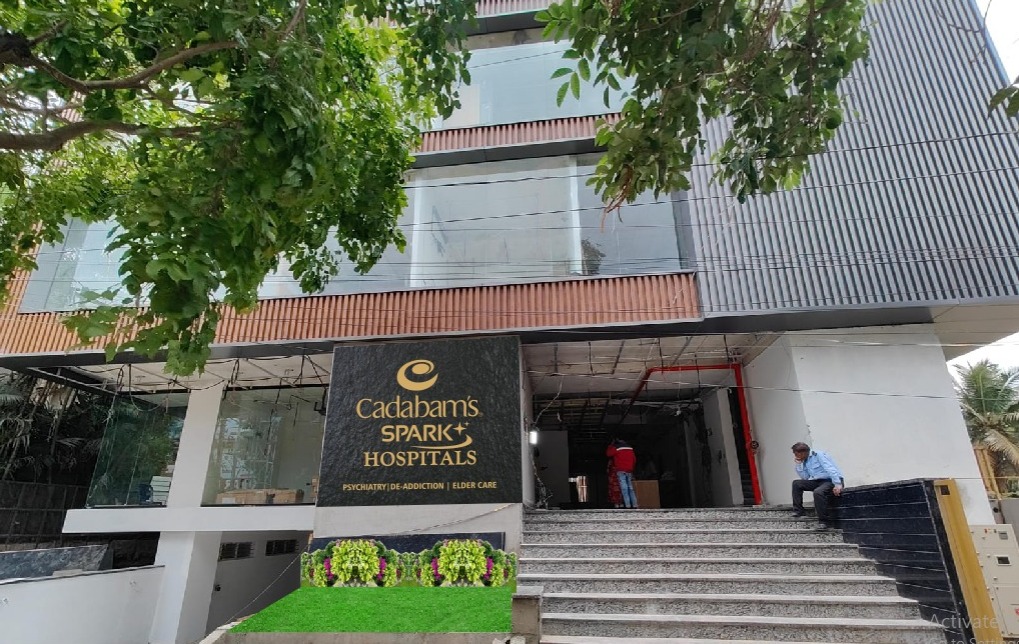
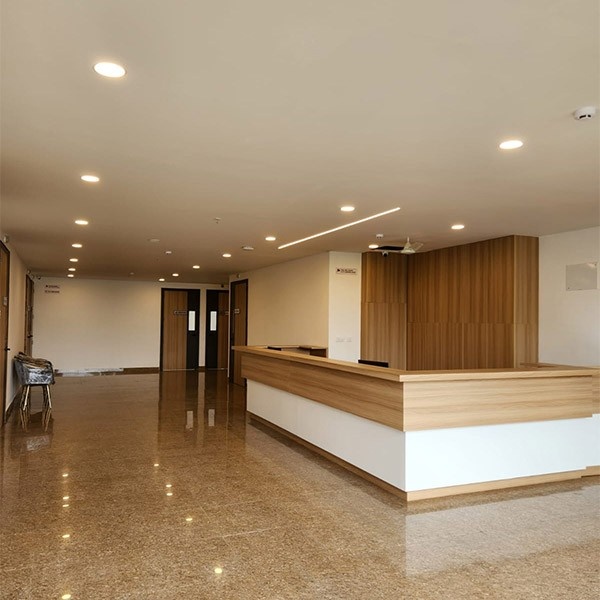
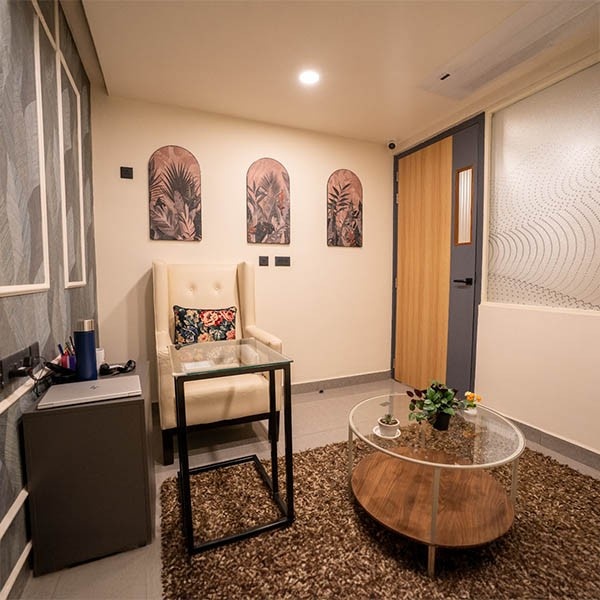
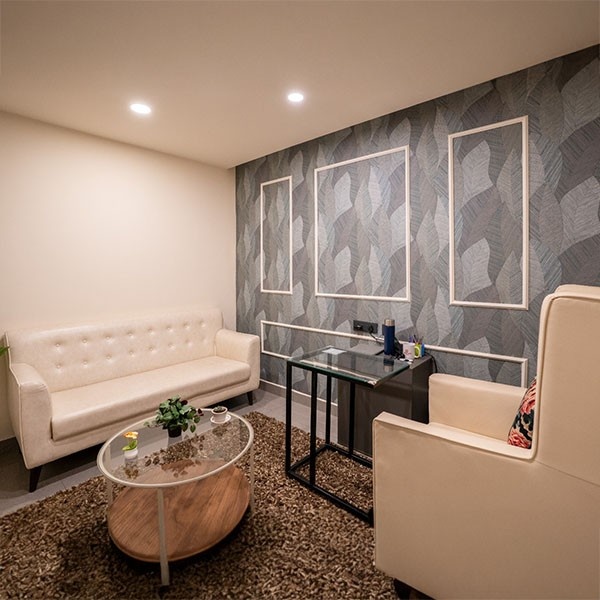
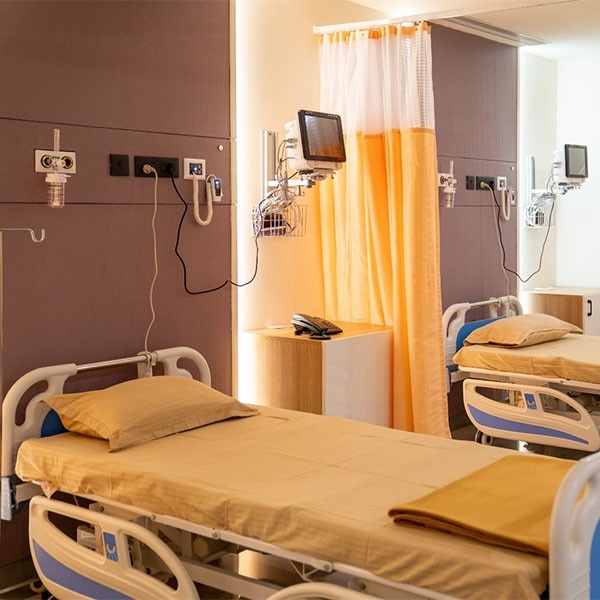
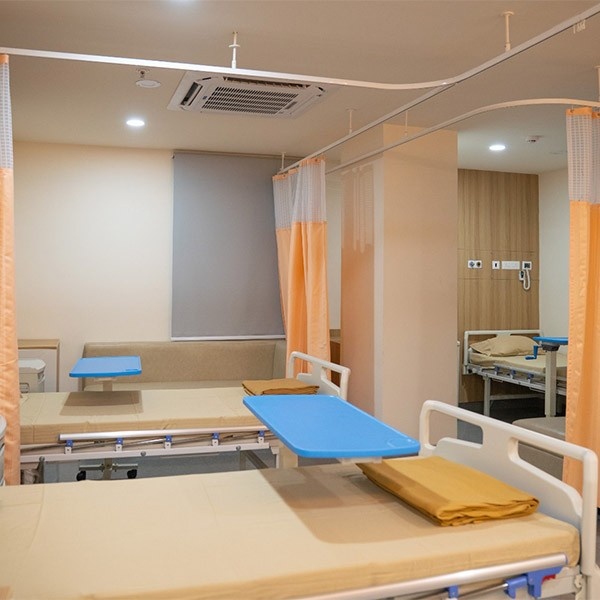
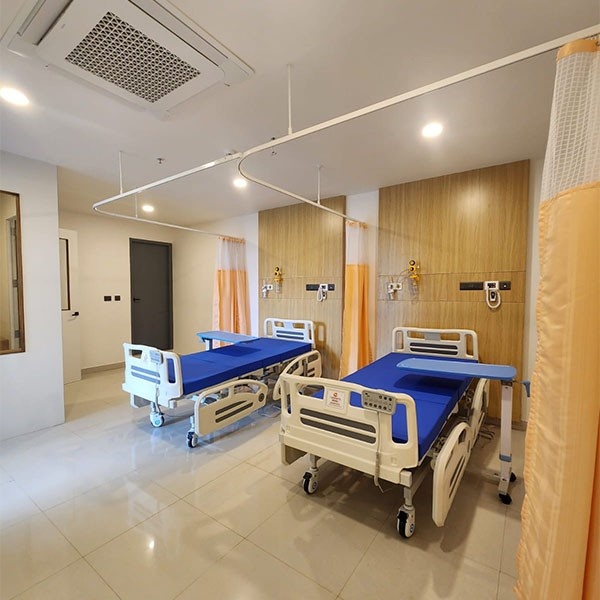
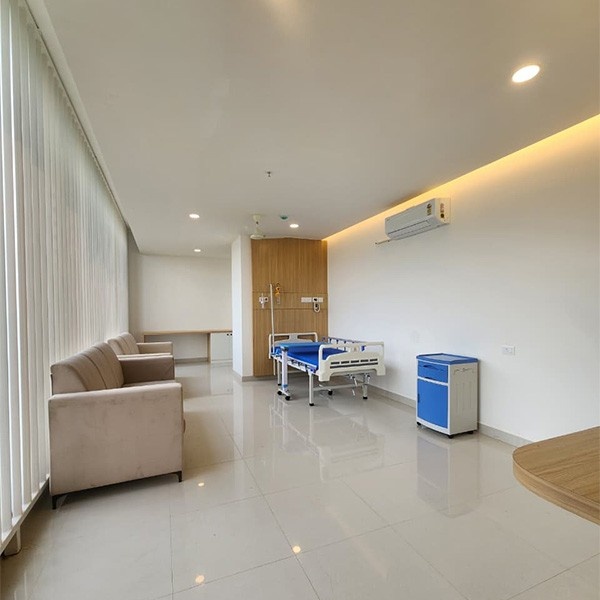
The environment plays a key role in recovery. Our hospitals in Mysore are designed to be safe, welcoming, and therapeutic spaces where individuals feel understood and supported by a community of professionals and peers.
What to Expect in a CBT Session for Bipolar Disorder
A typical session is collaborative and structured. You and your therapist will set an agenda, review progress from the previous week, learn and practice new cognitive and behavioural skills, and plan how to apply these skills to real-life situations.
Why Choose CBT for Bipolar Disorder Treatment?
Choosing an evidence-based method like CBT means investing in a treatment that is scientifically proven to work. It moves beyond just managing symptoms to providing lifelong skills for resilience and well-being.
Benefits of CBT Therapy on Bipolar Disorder Patients
Patients undergoing CBT often experience improved mood regulation, reduced relapse rates, better problem-solving skills, and a greater sense of control over their lives. The demonstrated CBT Bipolar Disorder effectiveness makes it a cornerstone of modern treatment.
Real-Life Impact of CBT on Bipolar Disorder Patients
The impact is transformative. Individuals learn to navigate social situations with more confidence, rebuild relationships, and pursue personal and professional goals that once seemed out of reach. It is a journey from being controlled by the illness to being in control of one’s life.
Long-Term Success with CBT
The skills learned in CBT are enduring. By internalizing the techniques for identifying and reframing negative thoughts, individuals are better equipped to handle future stress and prevent relapses, ensuring long-term stability and success.
When Should you ask for Help?
If you or a loved one are experiencing extreme mood swings, disruptions in sleep patterns, changes in energy levels, or thoughts of self-harm, it is crucial to seek professional help immediately. Early intervention significantly improves outcomes.
Find the Best Rehab Center for Bipolar Disorder in Mysore
When seeking help, choosing the right provider is paramount. Cadabam’s Hospitals in Mysore is a leading institution dedicated to providing comprehensive and compassionate mental healthcare, making it the premier choice for recovery.
Why Choose Cadabam’s Spark Hospitals?
Our commitment to excellence, patient-centric care, and holistic healing sets us apart. We don’t just treat the disorder; we care for the whole person.
Expert Team of Psychiatrists and Therapists for Bipolar Disorder
Our multidisciplinary team at Cadabam’s Spark Hospitals consists of highly experienced psychiatrists, psychologists, and therapists who specialize in mood disorders and evidence-based therapies like CBT.
State-of-the-Art Hospitals in Cadabams for Bipolar Disorder
We provide a safe, modern, and comfortable environment conducive to healing. Our hospitals are equipped to offer the highest standard of psychiatric and therapeutic care.
Integrating Holistic Therapies for Bipolar Disorder
We believe in a holistic approach to wellness. Alongside CBT and medication, we offer complementary therapies such as yoga, mindfulness, art therapy, and meditation to support mental, emotional, and physical well-being.
Continued Care and Follow-Up care plans for Bipolar Disorder
Recovery is an ongoing journey. We provide robust aftercare and follow-up care plans to ensure our patients continue to thrive long after they leave our direct care, supporting their transition back into daily life.
Your journey to stability and wellness starts here. At Cadabam’s Spark Hospitals, Mysore, we provide expert, compassionate, and effective CBT for Bipolar Disorder.
Take the first step towards a brighter future. Contact us today.
Top Bipolar Disorder Doctors at Cadabam’s Hospitals
Bipolar Disorder Psychiatrist in Bangalore | Bipolar Disorder Psychiatrist in Hyderabad | Bipolar Disorder Psychiatrist in Mysore | Bipolar Disorder Psychologist in Bangalore | Bipolar Disorder Psychologist in Hyderabad | Bipolar Disorder Psychologist in Mysore | Bipolar Disorder Therapist in Bangalore | Bipolar Disorder Therapist in Hyderabad | Bipolar Disorder Therapist in Mysore
Bipolar Disorder Rehabilitation
Bipolar Disorder Rehabilitation in Bangalore | Bipolar Disorder Rehabilitation Hyderabad | Bipolar Disorder Rehabilitation Mysore
Best Bipolar Disorder Treatments Offered at Cadabams
Bipolar Disorder Counselling in Hyderabad | Bipolar Disorder Counselling in Mysore | Bipolar Disorder ECT Hyderabad | Bipolar Disorder ECT Mysore | Bipolar Disorder Group Therapy Bangalore | Bipolar Disorder Group Therapy Hyderabad | Bipolar Disorder Group Therapy Mysore | Bipolar Disorder CBT Hyderabad | Bipolar Disorder Home Services Bangalore | Bipolar Disorder Home Services Hyderabad | Bipolar Disorder Home Services Mysore | Bipolar Disorder Neurofeedback Bangalore | Bipolar Disorder Neurofeedback Hyderabad | Bipolar Disorder Neurofeedback Mysore | Bipolar Disorder Family Therapy Bangalore | Bipolar Disorder Family Therapy Hyderabad | Bipolar Disorder Family Therapy Mysore | Bipolar Disorder PsychoTherapy Hyderabad | Bipolar Disorder PsychoTherapy Mysore | Bipolar Disorder Emergency Bangalore | Bipolar Disorder Emergency Hyderabad | Bipolar Disorder Emergency Mysore | Bipolar Disorder RTMS Bangalore | Bipolar Disorder RTMS Hyderabad | Bipolar Disorder RTMS Mysore | Bipolar Disorder Biofeedback Hyderabad | Bipolar Disorder Biofeedback Mysore | Bipolar Disorder transcranial Direct Current Stimulation(tDCS) Mysore | Bipolar Disorder Post-Rehabilitation Care Bangalore | Bipolar Disorder Post-Rehabilitation Care Hyderabad | Bipolar Disorder Post-Rehabilitation Care Mysore | Bipolar Disorder REBT Therapy Mysore
More Additional Resources
Pressured Speech in Bipolar Disorder | Bipolar Disorder Symptoms in Men | Dysphoric Mania | Bipolar Psychosis | Overlap Between OCD and Bipolar Disorder | Pregnancy with Bipolar Disorder | Sleep Complications in Bipolar Disorder | Bipolar Disorder vs. Schizophrenia | Schizoaffective Disorder | Unipolar vs Bipolar | Bipolar Disorder vs Borderline Personality Disorder | Bipolar Disorder in Women | Anxiety Vs Bipolar | Childhood Bipolar Disorder | Bipolar Disorder Tips | Bipolar Disorder in Children
Frequently Asked Questions
1. How does CBT help in treating Bipolar Disorder?
CBT helps by teaching individuals to identify and change destructive thought patterns and behaviours associated with mood episodes. It provides practical coping strategies to manage stress, regulate emotions, and improve adherence to medication, reducing the risk of relapse.
2. Which CBT techniques are used for Bipolar Disorder?
Techniques include cognitive restructuring (challenging and changing unhelpful thoughts), behavioural activation (scheduling positive activities during depressive episodes), mood monitoring, and developing problem-solving skills to handle triggers effectively. The treatment often follows a structure that is like a personalized CBT manual for Bipolar Disorder.
3. What does a typical CBT session look like?
A typical session is a 50-minute, structured meeting with a therapist. It usually begins with a mood check-in, setting an agenda for the session, reviewing homework, learning and practicing new skills, and ends with assigning new practice exercises for the week.
4. How long is a typical course of CBT for Bipolar Disorder?
A full course of CBT for Bipolar Disorder is typically structured and time-limited. It may involve 12 to 20 weekly sessions, depending on individual needs and the complexity of the condition. However, the goal is to equip you with skills for long-term self-management, and some individuals may benefit from periodic maintenance sessions.
5. Is CBT a standalone treatment for Bipolar Disorder?
No, CBT is not a standalone treatment. It is a core part of an integrated treatment plan that almost always includes medication prescribed by a psychiatrist. While medication stabilizes brain chemistry, CBT provides the psychological tools to manage the condition, making the combination highly effective for long-term stability.
6. Can CBT help in managing both the manic and depressive phases?
Yes, CBT is adapted to address both poles of the disorder. For depressive episodes, techniques like behavioural activation and thought restructuring are key. For managing manic or hypomanic symptoms, CBT focuses on recognizing early warning signs, implementing strategies to slow down racing thoughts, and developing plans to maintain a healthy sleep-wake cycle and avoid impulsive decisions.
 Available