The Foundation of Family Therapy in Bipolar Disorder Care
Family therapy is not just an add-on; it is a cornerstone of a comprehensive treatment plan for Bipolar Disorder, creating a unified front for recovery.
Principles and Goals of Family Therapy for Bipolar Disorder
The primary goal is to transform the family into a therapeutic support system. This is achieved by educating members about the illness, improving communication, and developing effective problem-solving skills together. The core principle is collaboration, ensuring everyone is an active participant in the healing process.
How Family Therapy Complements Individual Treatment Plans
While individual therapy and medication are vital for the person with Bipolar Disorder, family therapy addresses the relational dynamics. It ensures that the supportive strategies learned in individual sessions are reinforced at home, creating a consistent and nurturing environment that promotes long-term stability and reduces the chances of relapse.
The Process of Family Therapy: What to Expect
Beginning therapy can feel daunting, but knowing the process can ease concerns. Sessions typically involve the individual with Bipolar Disorder and their family members in a safe, guided setting with a trained therapist to navigate challenges constructively.
Key Techniques and Approaches in Family Therapy for Bipolar Disorder
Our therapists use evidence-based techniques tailored to each family’s unique situation, empowering them with practical tools to manage the condition effectively.
Communication Skills Building within Families
We focus on teaching families how to communicate openly and honestly. This includes active listening, expressing needs clearly without blame, and validating each other’s feelings, which reduces misunderstandings and emotional distress.
Conflict Resolution Strategies for Families
Disagreements are normal, but Bipolar Disorder can intensify them. Therapy provides strategies to de-escalate conflicts, negotiate solutions, and find a middle ground, ensuring that disagreements don’t derail the recovery process.
Enhancing Coping Mechanisms for Family Members
Family members also need support. We help them develop healthy coping mechanisms to manage their own stress, anxiety, and grief. This ensures they can provide consistent support without experiencing burnout.
Educating Families on Bipolar Disorder Management
A crucial component is psychoeducation. An effective family intervention for Bipolar Disorder involves teaching everyone about symptoms, treatment options, and early warning signs of a mood episode, empowering the family to respond proactively.
Building a Supportive Home Environment
The ultimate aim is to create a home that feels safe, stable, and supportive. Therapy helps families establish predictable routines, set healthy boundaries, and foster a positive atmosphere conducive to recovery.
The Benefits of Family Therapy for Managing Bipolar Disorder
Engaging in family therapy for Bipolar Disorder yields profound and lasting benefits for both the individual and their loved ones, strengthening the family unit as a whole.
Improving Family Dynamics and Relationships
By addressing underlying issues and improving communication, therapy helps repair strained relationships. Families learn to work as a team, rebuilding trust and strengthening their emotional bonds.
Reducing Relapse Rates through Family Support
Research consistently shows that individuals with strong family support for Bipolar Disorder have lower relapse rates. An informed and supportive family can help manage medication, encourage healthy lifestyle choices, and provide emotional stability during difficult times.
Empowering Families to Navigate Bipolar Disorder Together
Therapy demystifies the illness and equips families with the knowledge and skills to face challenges confidently. This sense of empowerment replaces feelings of helplessness and fear, fostering a proactive approach to care.
Fostering Understanding and Empathy among Family Members
Walking in each other’s shoes is a powerful part of the therapeutic process. Family members develop a deeper empathy for the person with Bipolar Disorder, and the individual gains insight into their family’s experience, leading to mutual respect and understanding.
Get Bipolar Disorder Diagnosed in Mysore
An accurate diagnosis is the first and most critical step towards recovery. At Cadabam’s Hospitals in Mysore, our expert psychiatrists and psychologists use comprehensive evaluative methods to ensure a precise diagnosis, paving the way for an effective and personalized care plan.
Find the Right Family Therapy Care Plan in Mysore
Finding a care plan that fits your family’s needs is essential. Cadabam’s Spark Hospitals in Mysore offers specialised family therapy care plans designed specifically for families navigating the complexities of Bipolar Disorder. Contact us to find the right support for your journey.
Why Choose Cadabam’s for Family Therapy in Bipolar Disorder Care
Our approach is rooted in expertise, compassion, and a commitment to holistic recovery, making us a leading choice for mental healthcare in Mysore.
Tailored Family Therapy Sessions at Cadabam’s Spark Hospitals
We recognise that every family is unique. Our therapy sessions are not one-size-fits-all; they are tailored to your family’s specific dynamics, challenges, and goals, ensuring the most effective and relevant support.
Expertise in Family Dynamics and Bipolar Disorder
The team at Cadabam’s Spark Hospitals comprises experienced therapists who specialize in both Bipolar Disorder and family systems. This dual expertise allows us to provide a nuanced and highly effective family intervention for Bipolar Disorder.
Comprehensive Support for Families and Patients
We offer a continuum of care that supports both the individual and the family. From diagnosis and individual therapy to family sessions and aftercare planning, we provide comprehensive resources for every stage of the recovery journey.
State-of-the-Art Hospitals for Family Therapy Care Plans at Cadabam’s Spark Hospitals
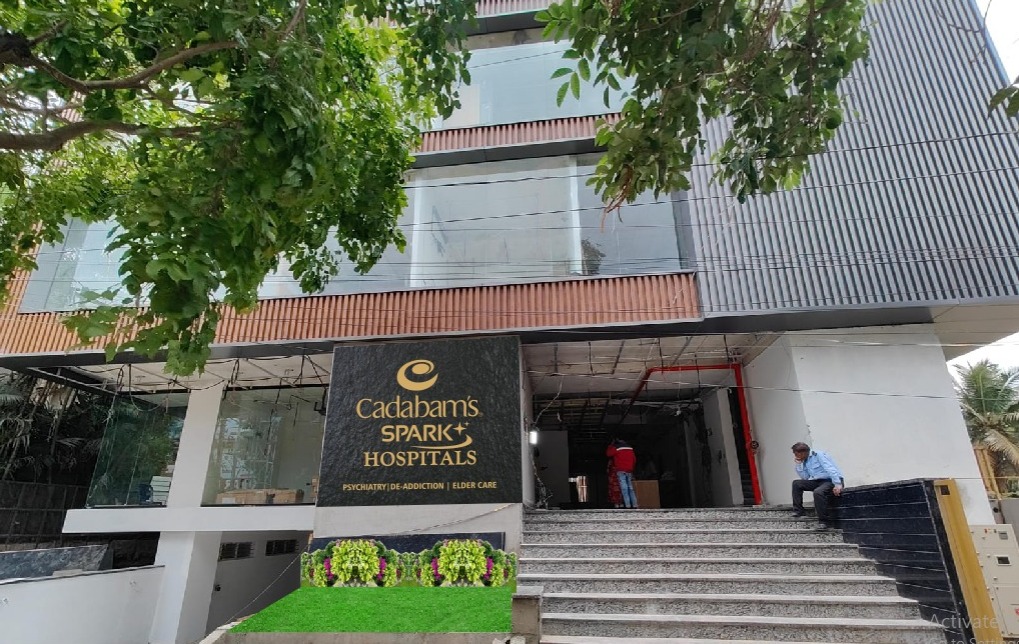
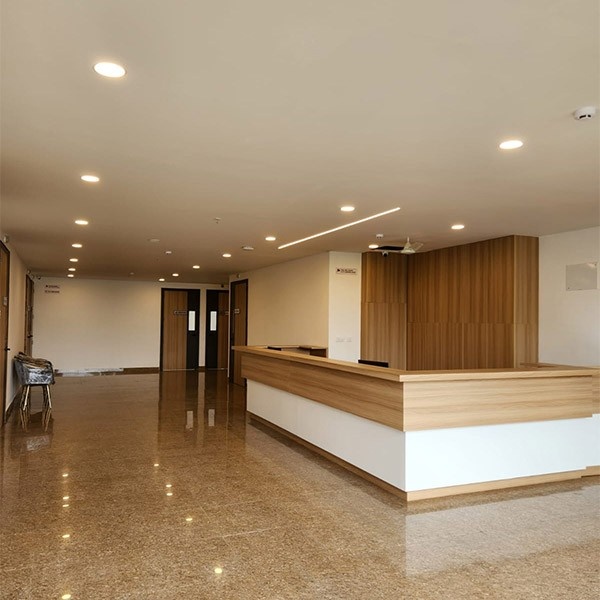
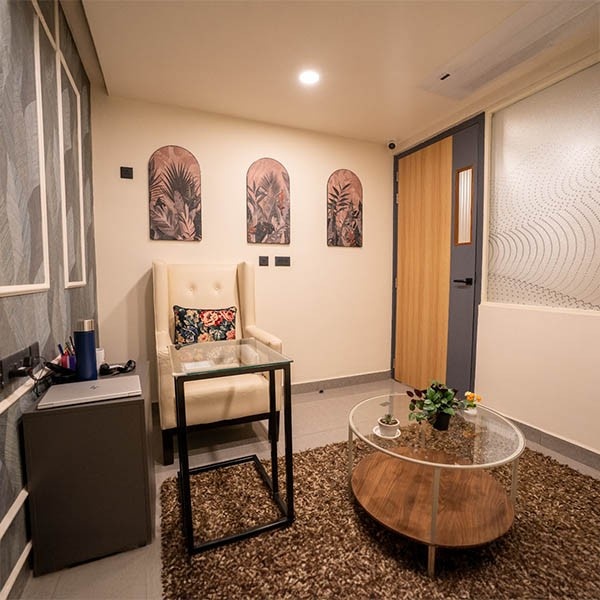
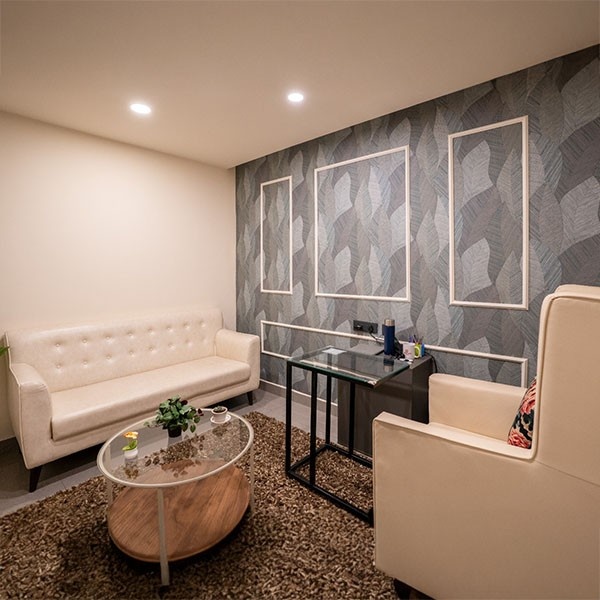
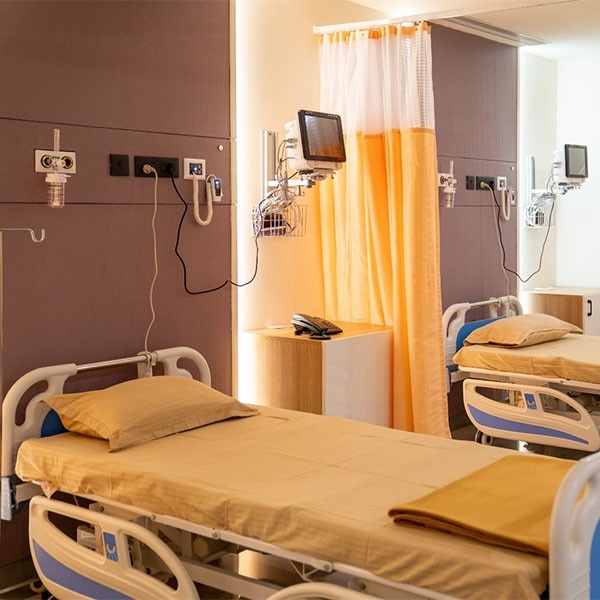
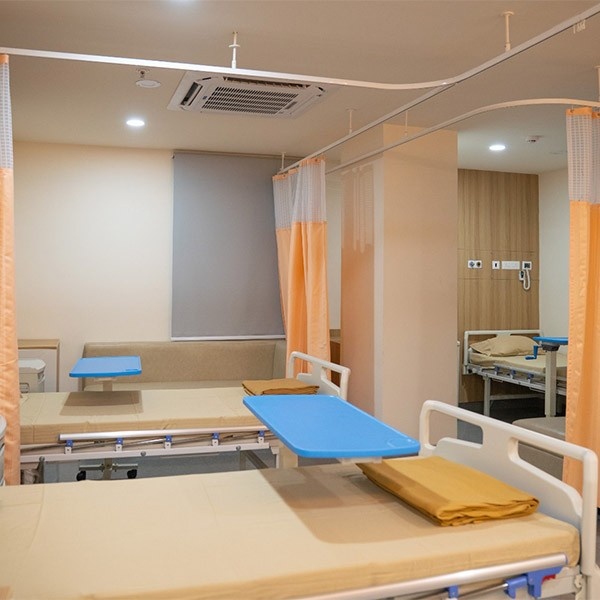
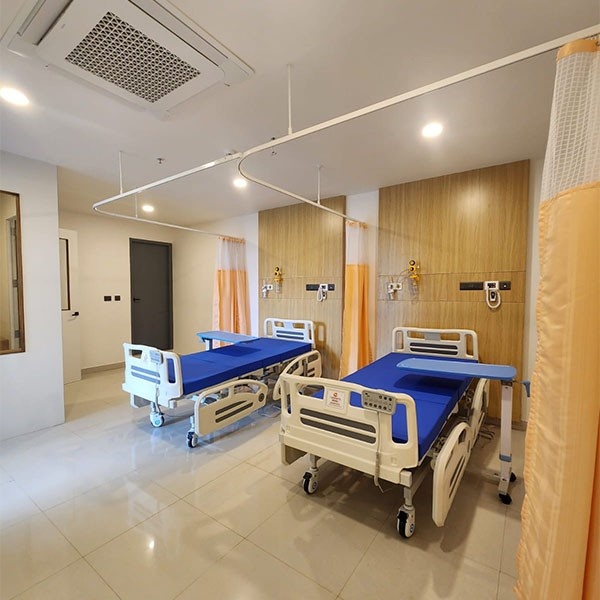
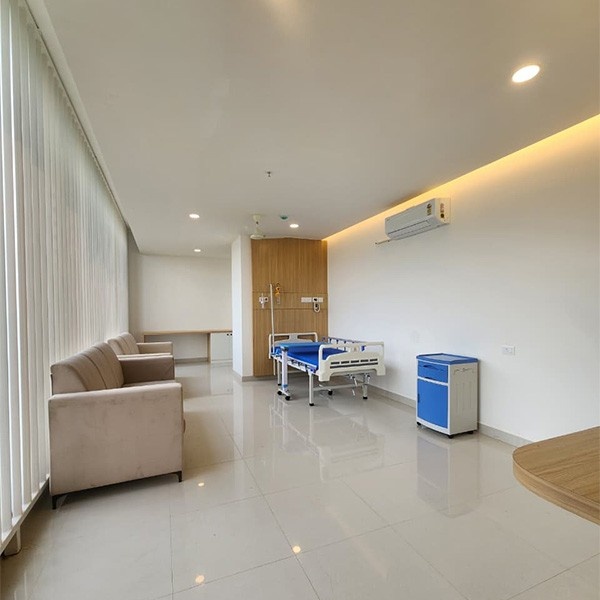
Our modern and welcoming Hospitals provide a safe and comfortable setting for therapy. The environment at Cadabam’s Spark Hospitals is designed to promote healing and open communication, making it an ideal place for families to work through their challenges.
Ongoing Guidance and Resources for Families
Recovery is a long-term process. We provide ongoing guidance, educational resources, and support groups to help families sustain their progress and confidently manage their well-being long after formal therapy sessions have concluded.
Take the First Step Towards Healing Together
Navigating Bipolar Disorder is a journey best taken together. Let us help your family build a foundation of strength, understanding, and support.
Contact Cadabam’s Hospitals, Mysore today to learn more about our Family Therapy care plans.
Phone: +9190710 35960
Email: info@cadabamshospitals.com
Top Bipolar Disorder Doctors at Cadabam’s Hospitals
Bipolar Disorder Psychiatrist in Bangalore | Bipolar Disorder Psychiatrist in Hyderabad | Bipolar Disorder Psychiatrist in Mysore | Bipolar Disorder Psychologist in Bangalore | Bipolar Disorder Psychologist in Hyderabad | Bipolar Disorder Psychologist in Mysore | Bipolar Disorder Therapist in Bangalore | Bipolar Disorder Therapist in Hyderabad | Bipolar Disorder Therapist in Mysore
Bipolar Disorder Rehabilitation
Bipolar Disorder Rehabilitation in Bangalore | Bipolar Disorder Rehabilitation Hyderabad | Bipolar Disorder Rehabilitation Mysore
Best Bipolar Disorder Treatments Offered at Cadabams
Bipolar Disorder Counselling in Hyderabad | Bipolar Disorder Counselling in Mysore | Bipolar Disorder ECT Hyderabad | Bipolar Disorder ECT Mysore | Bipolar Disorder Group Therapy Bangalore | Bipolar Disorder Group Therapy Hyderabad | Bipolar Disorder Group Therapy Mysore | Bipolar Disorder CBT Hyderabad | Bipolar Disorder CBT Mysore | Bipolar Disorder Home Services Bangalore | Bipolar Disorder Home Services Hyderabad | Bipolar Disorder Home Services Mysore | Bipolar Disorder Neurofeedback Bangalore | Bipolar Disorder Neurofeedback Hyderabad | Bipolar Disorder Neurofeedback Mysore | Bipolar Disorder Family Therapy Bangalore | Bipolar Disorder Family Therapy Hyderabad | Bipolar Disorder PsychoTherapy Hyderabad | Bipolar Disorder PsychoTherapy Mysore | Bipolar Disorder Emergency Bangalore | Bipolar Disorder Emergency Hyderabad | Bipolar Disorder Emergency Mysore | Bipolar Disorder RTMS Bangalore | Bipolar Disorder RTMS Hyderabad | Bipolar Disorder RTMS Mysore | Bipolar Disorder Biofeedback Hyderabad | Bipolar Disorder Biofeedback Mysore | Bipolar Disorder transcranial Direct Current Stimulation(tDCS) Mysore | Bipolar Disorder Post-Rehabilitation Care Bangalore | Bipolar Disorder Post-Rehabilitation Care Hyderabad | Bipolar Disorder Post-Rehabilitation Care Mysore | Bipolar Disorder REBT Therapy Mysore
More Additional Resources
Pressured Speech in Bipolar Disorder | Bipolar Disorder Symptoms in Men | Dysphoric Mania | Bipolar Psychosis | Overlap Between OCD and Bipolar Disorder | Pregnancy with Bipolar Disorder | Sleep Complications in Bipolar Disorder | Bipolar Disorder vs. Schizophrenia | Schizoaffective Disorder | Unipolar vs Bipolar | Bipolar Disorder vs Borderline Personality Disorder | Bipolar Disorder in Women | Anxiety Vs Bipolar | Childhood Bipolar Disorder | Bipolar Disorder Tips | Bipolar Disorder in Children
Frequently Asked Questions
What is family therapy for Bipolar Disorder and how does it help?
Family therapy is a type of psychotherapy that involves the person with Bipolar Disorder and their family members. It helps by educating everyone about the illness, improving communication skills, resolving conflicts, and creating a supportive home environment to aid in recovery.
Is family therapy beneficial for all families dealing with Bipolar Disorder?
Yes, family therapy is highly beneficial for most families. It equips them with the tools to manage the illness-related stress, improves relationships, and empowers them to become an active part of the treatment process, which significantly improves outcomes.
How does family therapy address the stigma associated with Bipolar Disorder?
By providing a safe space for open discussion and education, family therapy helps demystify Bipolar Disorder. It normalizes the family’s experience, reduces feelings of shame or guilt, and fosters an atmosphere of acceptance and empathy, directly combating stigma within the family unit.
What makes family therapy a critical component of Bipolar Disorder treatment?
Family therapy is critical because Bipolar Disorder profoundly impacts family dynamics. It addresses the relational aspect of the illness, ensures the home environment supports recovery, and has been proven to reduce relapse rates, making it an essential complement to individual therapy and medication
 Available