Bipolar Disorder and the Power of Collective Support
Navigating the highs and lows of Bipolar Disorder is often easier with a strong support system. Collective support, especially from peers who understand the experience firsthand, provides validation, reduces stigma, and fosters a sense of belonging. Sharing challenges and successes within a group can illuminate new perspectives and build the resilience needed for long-term recovery.
The Essentials of Group Therapy in Bipolar Disorder Treatment
Group therapy is a cornerstone of comprehensive care, providing a structured forum for healing and skill-building in a collaborative environment.
Understanding the Structure of Group Therapy Sessions
Sessions are typically confidential, weekly meetings led by a mental health professional. Each session may focus on a specific theme, such as mood tracking, medication adherence, or relationship challenges. Members are encouraged to share their experiences, offer support, and practice new skills in a safe, moderated setting, making it a valuable form of Bipolar Disorder group therapy.
The Role of Facilitators in Group Therapy for Bipolar Disorder
A trained facilitator, or therapist, guides the group’s discussions, ensures a safe and respectful atmosphere, and introduces therapeutic concepts and exercises. They manage group dynamics, provide expert psychoeducation about the condition, and help members process their emotions and interactions constructively, ensuring the sessions remain focused and beneficial for everyone involved.
The Benefits of Participating in Group Therapy
Engaging in a therapeutic group offers numerous advantages that complement individual therapy and medication management, promoting holistic recovery.
Building a Community of Support
Group therapy creates a unique community of individuals who share similar struggles. This shared identity fosters a powerful sense of connection and belonging, assuring participants that they are not alone in their journey.
Learning from Others’ Experiences
Hearing how others manage their symptoms, navigate challenges, and achieve successes provides practical insights and hope. These shared stories offer diverse perspectives and strategies that you may not have considered before.
Developing Better Social Skills
The group setting serves as a microcosm of the real world, providing a safe space to practice communication, assertiveness, and conflict resolution. This interaction helps rebuild and enhance social skills that may have been affected by the disorder.
Reducing Feelings of Isolation
Bipolar Disorder can be an incredibly isolating experience. Joining a group of peers who genuinely understand the mood swings, stigma, and daily difficulties instantly breaks down these walls of loneliness and fosters connection.
Gaining New Coping Strategies
Participants learn a wide array of coping mechanisms not only from the therapist but also from each other. Seeing how fellow members successfully handle triggers or depressive episodes provides a valuable toolkit of real-world strategies.
Enhancing Self-Esteem and Confidence
Offering support to others and receiving validation in return can significantly boost self-esteem. As you contribute to the group and master new skills, your confidence in managing your own condition grows exponentially.
Key Techniques and Modalities Used in Group Therapy for Bipolar Disorder
Effective group therapy care plans incorporate proven therapeutic techniques to address the specific needs of individuals with Bipolar Disorder.
Cognitive Behavioral Techniques in a Group Setting
Cognitive Behavioral Therapy (CBT) helps members identify and reframe negative thought patterns and behaviours associated with mood episodes. In a group, participants can work together to challenge distorted thinking and support each other in applying these new skills.
Social Skills Training Through Group Interaction
Role-playing and structured feedback exercises allow members to practice and improve their interpersonal effectiveness. The group provides a supportive environment to work on communication, boundary-setting, and relationship management.
Psychoeducation for Bipolar Disorder in Group Therapy
This educational component is crucial. Facilitators provide comprehensive information about Bipolar Disorder, including its symptoms, triggers, treatment options, and the importance of medication adherence. This knowledge empowers individuals to become active participants in their own care.
Stress Management and Coping Strategies
Groups often focus on teaching practical techniques for managing stress, which is a common trigger for mood episodes. This can include mindfulness, relaxation exercises, and problem-solving skills to handle life’s pressures more effectively.
Enhancing Communication Skills within the Group
Guided discussions and activities are designed to improve how members express themselves and listen to others. Learning to communicate needs and feelings clearly and respectfully is a key skill for maintaining stable relationships.
Get Bipolar Disorder Diagnosed in Mysore
Receiving an accurate diagnosis is the first and most critical step toward effective management. If you suspect you or a loved one might have Bipolar Disorder, seeking a professional evaluation is essential. The expert psychiatrists at Cadabam’s Hospitals in Mysore provide comprehensive assessments to ensure you receive the right diagnosis and a personalized care plan.
What to Expect from Group Therapy Sessions
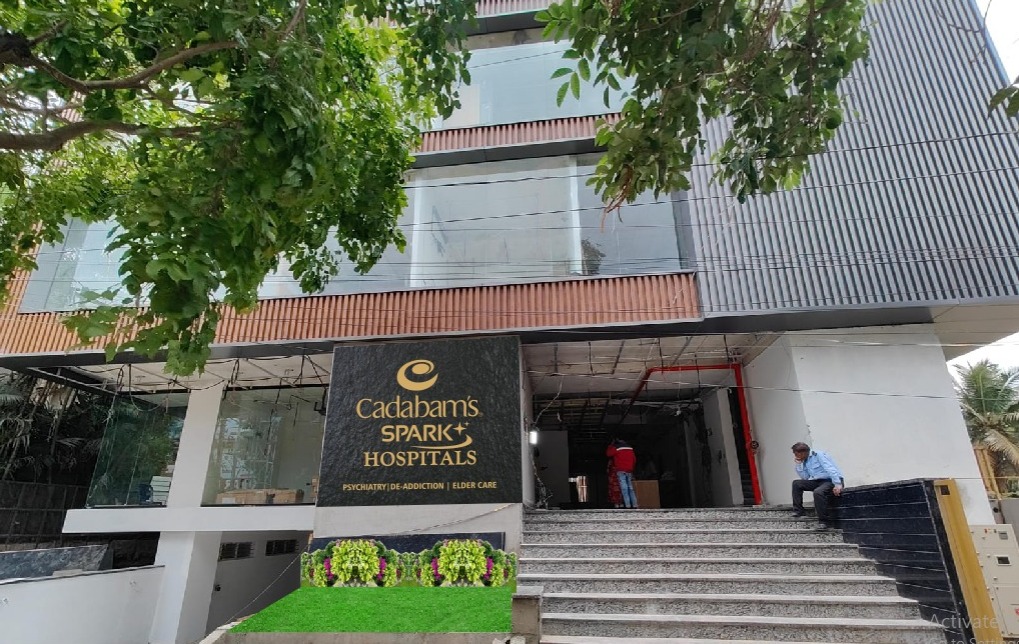
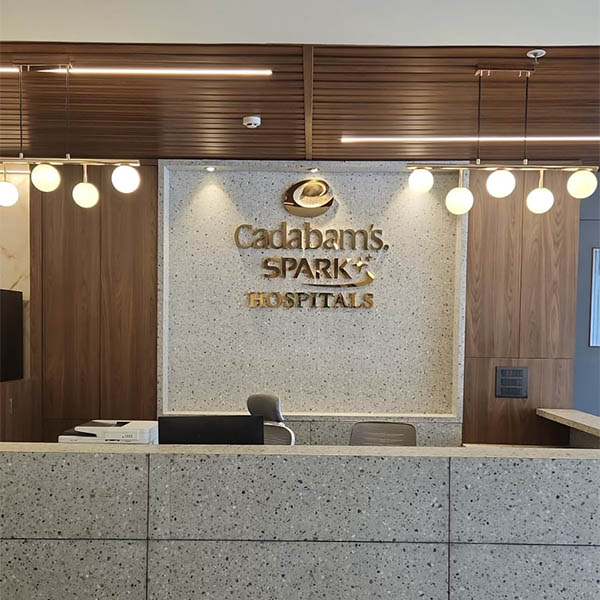
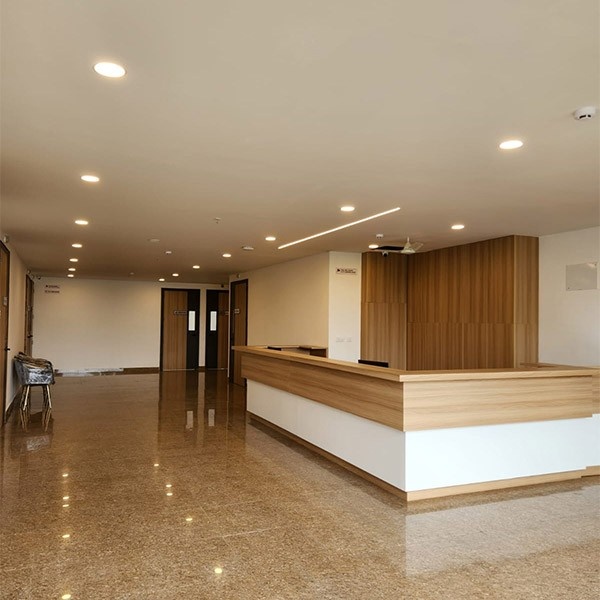
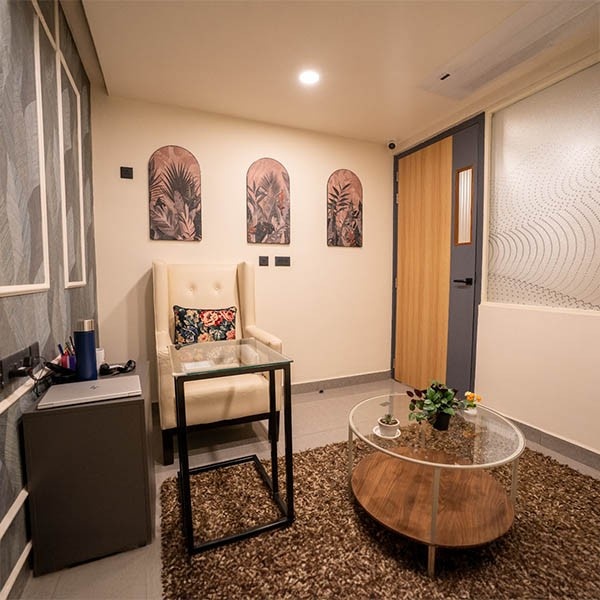
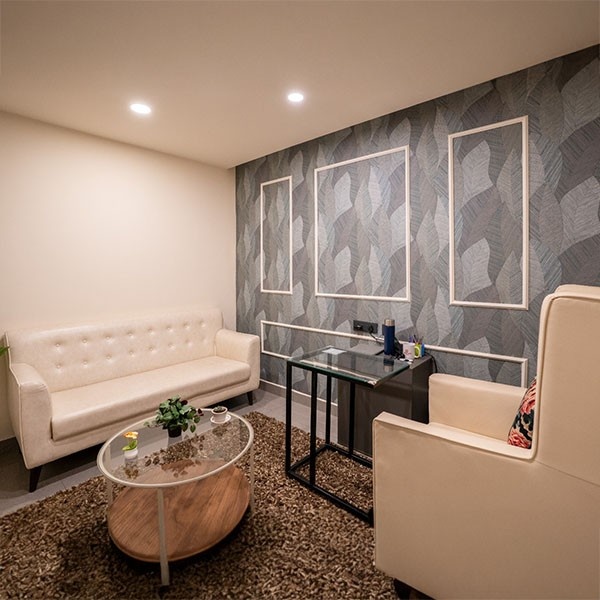
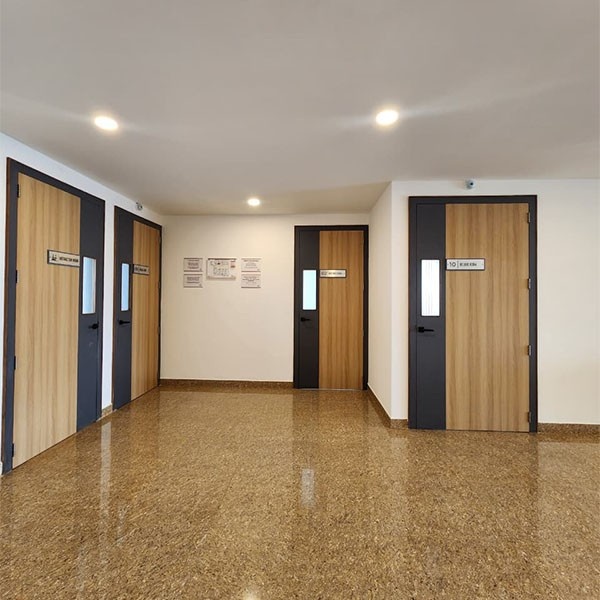
When you join a group therapy for Bipolar Disorder session at Cadabam’s Spark Hospitals, you can expect a confidential, non-judgmental, and structured environment. A trained facilitator will lead the session, typically starting with a check-in. The discussion will revolve around a specific topic or challenges members are facing, with a focus on mutual support and skill-building.
Find the Right Group Therapy in Mysore
Finding a group that aligns with your needs is crucial for a successful therapeutic experience. Look for care plans led by experienced professionals in a reputable setting. Cadabam’s Spark Hospitals offers specialized groups tailored to Bipolar Disorder, ensuring you receive relevant and expert-guided support on your path to recovery in Mysore.
Why Choose Cadabam’s for Group Therapy in Bipolar Disorder Care
Cadabam’s Spark Hospitals is a leader in mental healthcare, offering premium services grounded in expertise, compassion, and a commitment to recovery.
Expertise in Facilitating Therapeutic Groups
Our groups are led by highly trained and experienced therapists who specialize in Bipolar Disorder. They possess the skills to create a dynamic, safe, and productive therapeutic environment for every participant.
A Welcoming and Safe Environment for All Participants
We prioritize creating a space where everyone feels safe to be vulnerable, share their experiences without fear of judgment, and connect authentically with others who understand their journey.
Tailored Group Sessions to Meet Diverse Needs
At Cadabam’s Spark Hospitals, we understand that one size does not fit all. Our group sessions are thoughtfully designed within our care plans to address the varied challenges and goals of individuals at different stages of their recovery.
Commitment to Ongoing Support and Community Building
Our support extends beyond the therapy room. We are dedicated to helping our clients build a lasting community and providing the resources needed for sustained well-being and long-term stability.
Ready to Find Strength in Community?
Don’t navigate Bipolar Disorder alone. Join a supportive community dedicated to healing and growth. Contact Cadabam’s Hospitals in Mysore today to learn more about our specialized group therapy care plans.
Call Us: +9190710 35960
Email: info@cadabamshospitals.com
Top Bipolar Disorder Doctors at Cadabam’s Hospitals
Bipolar Disorder Psychiatrist in Bangalore | Bipolar Disorder Psychiatrist in Hyderabad | Bipolar Disorder Psychiatrist in Mysore | Bipolar Disorder Psychologist in Bangalore | Bipolar Disorder Psychologist in Hyderabad | Bipolar Disorder Psychologist in Mysore | Bipolar Disorder Therapist in Bangalore | Bipolar Disorder Therapist in Hyderabad | Bipolar Disorder Therapist in Mysore
Bipolar Disorder Rehabilitation
Bipolar Disorder Rehabilitation in Bangalore | Bipolar Disorder Rehabilitation Hyderabad | Bipolar Disorder Rehabilitation Mysore
Best Bipolar Disorder Treatments Offered at Cadabams
Bipolar Disorder Counselling in Hyderabad | Bipolar Disorder Counselling in Mysore | Bipolar Disorder ECT Hyderabad | Bipolar Disorder ECT Mysore | Bipolar Disorder Group Therapy Bangalore | Bipolar Disorder Group Therapy Hyderabad | Bipolar Disorder CBT Hyderabad | Bipolar Disorder CBT Mysore | Bipolar Disorder Home Services Bangalore | Bipolar Disorder Home Services Hyderabad | Bipolar Disorder Home Services Mysore | Bipolar Disorder Neurofeedback Bangalore | Bipolar Disorder Neurofeedback Hyderabad | Bipolar Disorder Neurofeedback Mysore | Bipolar Disorder Family Therapy Bangalore | Bipolar Disorder Family Therapy Hyderabad | Bipolar Disorder Family Therapy Mysore | Bipolar Disorder PsychoTherapy Hyderabad | Bipolar Disorder PsychoTherapy Mysore | Bipolar Disorder Emergency Bangalore | Bipolar Disorder Emergency Hyderabad | Bipolar Disorder Emergency Mysore | Bipolar Disorder RTMS Bangalore | Bipolar Disorder RTMS Hyderabad | Bipolar Disorder RTMS Mysore | Bipolar Disorder Biofeedback Hyderabad | Bipolar Disorder Biofeedback Mysore | Bipolar Disorder transcranial Direct Current Stimulation(tDCS) Mysore | Bipolar Disorder Post-Rehabilitation Care Bangalore | Bipolar Disorder Post-Rehabilitation Care Hyderabad | Bipolar Disorder Post-Rehabilitation Care Mysore | Bipolar Disorder REBT Therapy Mysore
More Additional Resources
Pressured Speech in Bipolar Disorder | Bipolar Disorder Symptoms in Men | Dysphoric Mania | Bipolar Psychosis | Overlap Between OCD and Bipolar Disorder | Pregnancy with Bipolar Disorder | Sleep Complications in Bipolar Disorder | Bipolar Disorder vs. Schizophrenia | Schizoaffective Disorder | Unipolar vs Bipolar | Bipolar Disorder vs Borderline Personality Disorder | Bipolar Disorder in Women | Anxiety Vs Bipolar | Childhood Bipolar Disorder | Bipolar Disorder Tips | Bipolar Disorder in Children
Frequently Asked Questions (FAQs)
What is group therapy for Bipolar Disorder and how does it work?
It is a form of psychotherapy where a small group of individuals with Bipolar Disorder meet regularly under the guidance of a therapist. It works by providing a supportive environment to share experiences, learn coping strategies, and improve interpersonal skills through peer interaction and professional facilitation.
What are the main benefits of participating in group therapy for someone with Bipolar Disorder?
The main benefits include reducing feelings of isolation, learning from the shared experiences of others, developing better social and communication skills, gaining new coping mechanisms, and building a strong, supportive community, which enhances overall treatment outcomes.
How often do group therapy sessions for Bipolar Disorder take place?
Typically, group therapy sessions are held once a week, with each session lasting about 60 to 90 minutes. The consistency of weekly meetings helps build trust, momentum, and a strong sense of community among members.
Is group therapy suitable for all individuals with Bipolar Disorder?
While highly beneficial for many, its suitability depends on the individual’s current stability and comfort level. It is often most effective when used in conjunction with individual therapy and medication. A consultation with a mental health professional can determine if it’s the right fit for you.
 Available