How tDCS Works: The Science Behind the Stimulation
The science of tDCS is rooted in neuroplasticity—the brain’s ability to reorganize itself. During a session, the gentle electrical current flows between two electrodes. This current is not strong enough to trigger an action potential in neurons but is sufficient to make them more or less likely to fire. For anxiety, the stimulation is targeted at brain areas that regulate mood and fear responses, helping to restore balance and reduce symptoms over time.
Why is tDCS Used?
tDCS is increasingly used in clinical settings for its potential to treat a variety of neurological and psychiatric conditions. Unlike medication, which affects the entire body, this targeted tDCS stimulation focuses directly on the brain circuits implicated in a specific condition. It is valued for its high safety profile, minimal side effects, and its role as either a standalone treatment or an enhancement to traditional therapies for conditions like anxiety.
Benefits of tDCS for Anxiety
tDCS offers a range of compelling benefits for individuals seeking effective anxiety management. By directly targeting the neural circuits involved in anxiety, this treatment can lead to significant improvements in mental well-being and daily functioning.
Enhancing Neuroplasticity and Recovery
tDCS encourages the brain to form new, healthier neural pathways. This enhanced neuroplasticity is fundamental for lasting recovery from anxiety, helping the brain adapt and move away from persistent patterns of worry and fear.
Reducing Symptoms of Anxiety
The primary benefit is the direct reduction of anxiety symptoms. Patients often report a decrease in excessive worry, panic attacks, restlessness, and the physical sensations associated with anxiety, leading to a greater sense of calm.
Improving Cognitive Function
Anxiety often clouds thinking, making it difficult to concentrate and focus. tDCS can help improve cognitive functions by stimulating brain regions responsible for executive function, attention, and memory.
Accelerating Rehabilitation for Anxiety
When used alongside psychotherapy and other care plans, tDCS can accelerate the overall rehabilitation process. It makes the brain more receptive to therapeutic change, helping patients achieve their recovery goals faster.
Minimizing Medication Dependence
For many, tDCS provides a powerful alternative or adjunctive therapy that can help reduce the reliance on anti-anxiety medications. This minimizes the potential for medication-related side effects and offers a more natural path to wellness.
Enhancing Mood and Mental Well-being
By modulating brain activity in mood centers, tDCS can lead to a noticeable improvement in overall mood and mental outlook. This is particularly beneficial as anxiety and depression often occur together.
Prolonging Therapeutic Effects
Clinical findings suggest that the benefits of a course of tDCS can be long-lasting. The structural brain changes promoted by the treatment help patients maintain their progress long after the sessions have been completed.
Treatment Accessibility
As a non-invasive and highly safe procedure with minimal side effects, tDCS is an accessible treatment option for a wide range of individuals, including those who may not be suitable for more invasive procedures.
tDCS Treatment Process for Anxiety
Understanding the treatment process can help ease any concerns and set clear expectations. At Cadabam’s Spark Hospitals, the journey is designed to be comfortable, transparent, and tailored to your specific needs, ensuring you feel supported at every step.
What to Expect During tDCS Sessions
During a session, you will be seated comfortably while a trained technician places electrodes on specific areas of your head. You might feel a mild tingling, itching, or warming sensation on your scalp, which typically fades within minutes. Each session is brief, usually lasting between 20-30 minutes, during which you can relax.
Setting Up for tDCS: Equipment and Procedure
The procedure involves using a specialized device to deliver a controlled electrical current. Two saline-soaked sponge electrodes are placed on the scalp according to a predetermined map designed to target the brain regions associated with your anxiety. The process is precise, safe, and administered by our expert team.
Choosing the Right tDCS Provider for Anxiety in Mysore
Selecting a qualified provider is the most critical step in your tDCS journey. The right clinic ensures your treatment is not only effective but also administered under the highest standards of safety and medical supervision.
Accreditation and Licensing
Ensure the provider is a fully accredited and licensed medical institution. This guarantees that the Hospitals adhere to strict national healthcare standards for patient safety, treatment protocols, and quality of care.
Experience and Specialization
Choose a team with proven experience and specialization in using transcranial direct current stimulation specifically for anxiety. This expertise is crucial for developing an effective care plan and achieving the best possible outcomes.
Technology and Equipment
The quality of the equipment matters. High-quality, certified tDCS devices ensure the delivery of a precise and stable current, which is essential for both the safety and effectiveness of the treatment.
Treatment Customization
Anxiety affects everyone differently. A reputable provider like Cadabam’s Hospitals in Mysore will conduct a thorough assessment to create a personalized treatment plan that is tailored to your unique symptoms, brain activity, and recovery goals.
Support Services
Look for a provider that offers comprehensive support. This includes integration with other therapies, regular progress monitoring, and access to a multidisciplinary team of mental health professionals.
Why Choose Cadabam’s tDCS Treatment for Anxiety in Mysore
At Cadabam’s Hospitals, we combine decades of expertise in mental healthcare with cutting-edge technology. Our approach to tDCS is patient-centric, holistic, and rooted in a deep commitment to your long-term well-being.
Expert Team Specialized in tDCS for Anxiety
Our team consists of leading psychiatrists, neurologists, and certified technicians who specialize in neuromodulation techniques. We have extensive experience in designing and delivering tDCS care plans for anxiety.
State-of-the-Art Hospitals and Supportive Environment for Anxiety
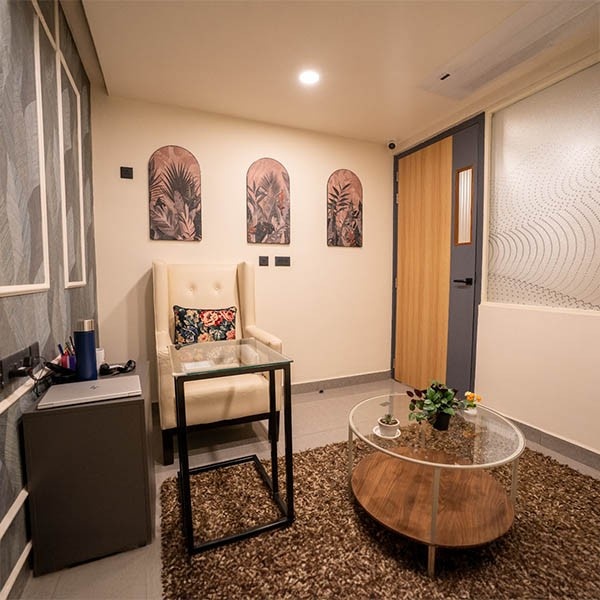
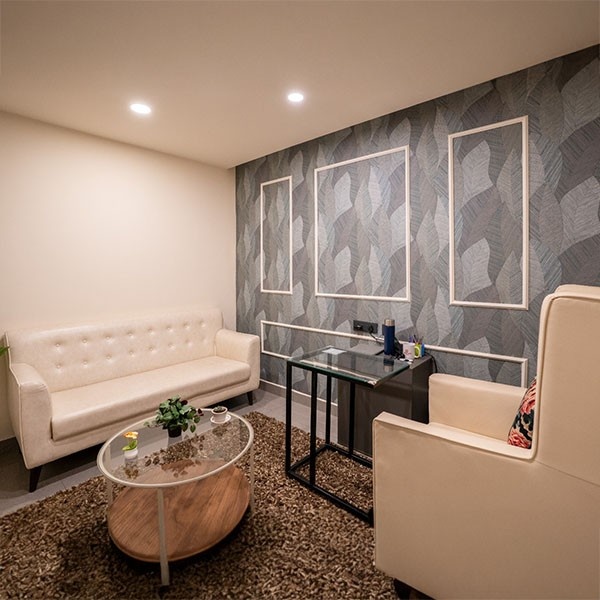
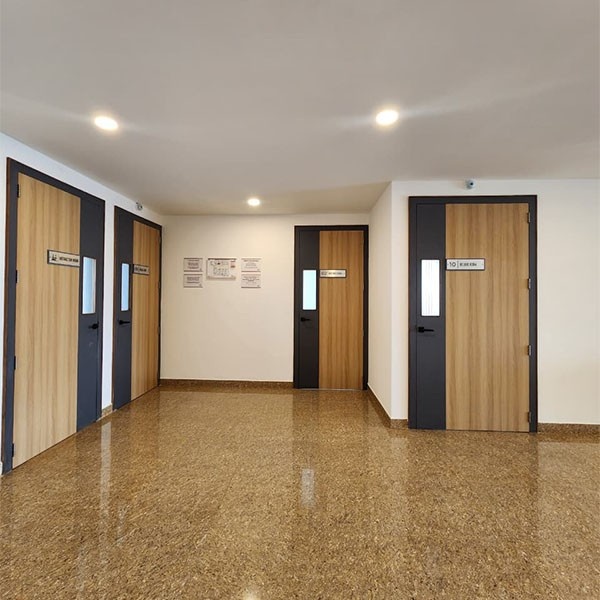
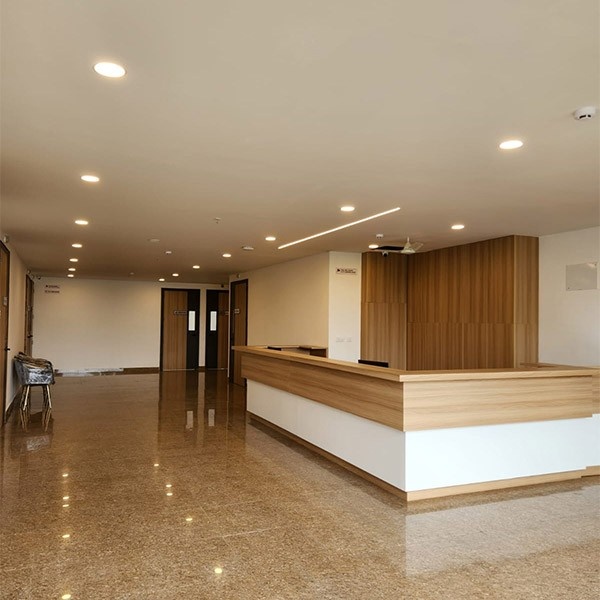
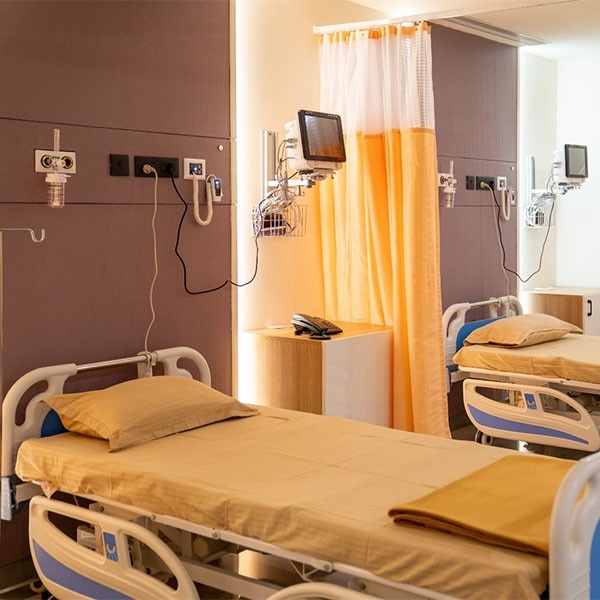
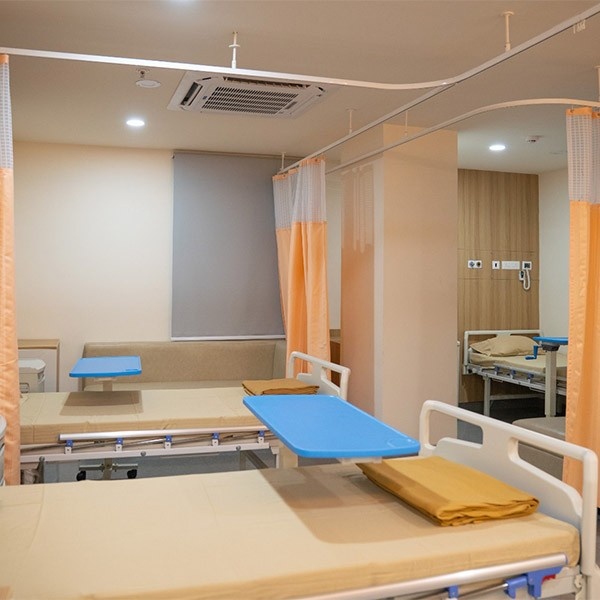
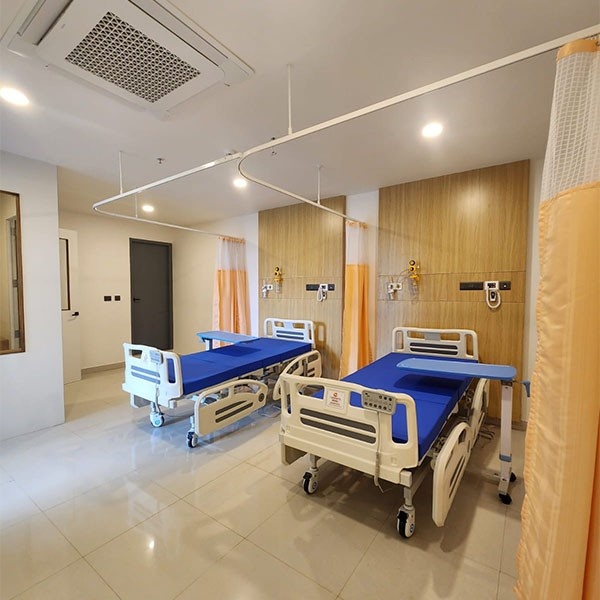
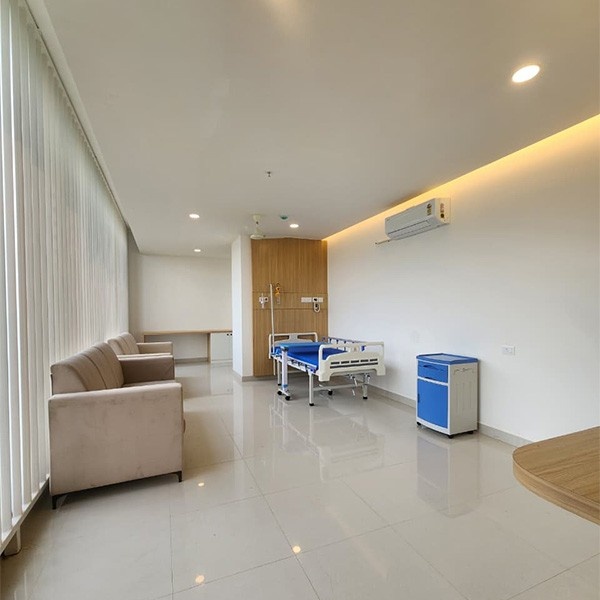
We provide tDCS treatment in our modern, state-of-the-art Hospitals designed for comfort and safety. Our supportive and empathetic environment ensures you feel at ease throughout your treatment journey.
Incorporating Holistic Approaches in tDCS Treatment for Anxiety
We believe in treating the whole person, not just the symptoms. Your tDCS treatment is integrated into a comprehensive care plan that may include psychotherapy, wellness therapies, and lifestyle coaching to support a full recovery.
Assessment and Personalized Treatment Planning for Anxiety
Your journey at Cadabam’s Spark Hospitals begins with an in-depth assessment. This allows us to create a highly personalized treatment protocol that targets the specific neural pathways contributing to your anxiety for maximum effectiveness.
Ongoing Support and Monitoring for Anxiety
Recovery doesn’t end with the final session. We provide continuous support and monitoring to track your progress and make any necessary adjustments to your care plan, ensuring you sustain the benefits of your treatment.
Ready to explore how tDCS can help you manage anxiety? Contact our team in Mysore for a consultation.
Phone: +9190710 35960
Email: info@cadabamshospitals.com
Top Anxiety Doctors at Cadabam’s Hospitals
Psychiatrist in Bangalore | Psychiatrist in Hyderabad | Psychiatrist in Mysore | Psychologist in Bangalore | Psychologist in Hyderabad | Psychologist in Mysore | Therapist in Bangalore | Therapist in Hyderabad | Therapist in Mysore
Rehabilitation Centres For Anxiety at Cadabam’s Hospital
Rehabilitation in Mysore
Best Anxiety Treatments Offered at Cadabams
Counselling in Bangalore | Counselling in Hyderabad | Counselling in Mysore | Biofeedback Bangalore | Biofeedback Hyderabad | Biofeedback Mysore | Cognitive Behavioural Therapy (CBT) Bangalore | Cognitive Behavioural Therapy (CBT) Hyderabad | Cognitive Behavioural Therapy (CBT) Mysore | Electroconvulsive Therapy (ECT) Bangalore | Electroconvulsive Therapy (ECT) Hyderabad | Electroconvulsive Therapy (ECT) Mysore | Emergency Bangalore | Emergency Hyderabad | Emergency Mysore | Family Therapy Bangalore | Family Therapy Hyderabad | Family Therapy Mysore | Group Therapy Bangalore | Group Therapy Hyderabad | Group Therapy Mysore | Neurofeedback Bangalore | Neurofeedback Hyderabad | Neurofeedback Mysore | Online Counselling Bangalore | PsychoTherapy Bangalore | PsychoTherapy Hyderabad | PsychoTherapy Mysore | REBT Bangalore | REBT Mysore | RTMS Bangalore | RTMS Mysore | Direct Cranial Stimulation Bangalore | Direct Cranial Stimulation Hyderabad | Post Rehab Care Mysore
More Additional Resources About Anxiety
Anxiety In Kids | High-Functioning Anxiety Explained: Signs, Causes, and Treatment | Everything To Know About Anxiety Post-Covid | The Alarming Side of Anxiety Disorder | Anxiety Attack: What Are The Causes (And How to Treat It) | Is anxiety genetic? | Is OCD an Anxiety Disorder? | What Does Anxiety Feel Like? | Distinguishing Anxiety and Depression | Tips to reduce and control anxiety | Navigating The Complex Dynamics of Anxiety and Eating Disorder | How to Deal with Anxiety? | General Anxiety Disorder (And Why It Shouldn’t Be Ignored) | Exploring the Relationship Between Anxiety and Dizziness | Anxiety vs Panic Attack: What’s the Difference? | Everything To Know About Anxiety Disorder | What Is the Link Between Anxiety and Insomnia?
Frequently Asked Questions
What is tDCS and how does it help treat Anxiety?
tDCS, or transcranial direct current stimulation, is a non-invasive brain stimulation technique. For questions like what is tDCS the answer is it uses a low electrical current to modulate activity in brain regions that regulate mood and fear, helping to reduce anxiety symptoms and promote a state of calm.
How many tDCS sessions are typically needed for Anxiety?
The number of sessions varies based on individual needs. A typical course of treatment for anxiety often involves 10 to 20 daily sessions. Our specialists at Cadabam’s Spark Hospitals will create a personalized schedule for you after a detailed assessment.
How long does it take to see results from tDCS treatment for Anxiety?
While some individuals report feeling better after just a few sessions, it more commonly takes several weeks to notice significant and stable improvements. The effects are cumulative, building up over the course of the treatment.
What kind of support does Cadabam’s Spark Hospitals offer to patients undergoing tDCS for Anxiety?
Cadabam’s Spark Hospitals provides comprehensive support, including initial psychiatric evaluation, personalized treatment planning, medical supervision during sessions, integration with psychotherapy, and long-term follow-up care to ensure sustained well-being.
Is tDCS expensive?
The cost of tDCS can vary depending on the number of sessions required and the specifics of your personalized care plan. We recommend contacting our office in Mysore to discuss treatment packages and get detailed information on pricing.
 Available