What Is Anxiety Disorder?
An anxiety disorder is a mental health condition where worry, fear, or nervousness becomes persistent and difficult to control. Unlike normal stress, it can last for months and interfere with sleep, concentration, work, and daily functioning. In such cases, professional anxiety therapy and structured anxiety disorder treatment may be needed.
Common types of anxiety disorders include:
- Generalised Anxiety Disorder (GAD) : Persistent and excessive worry about everyday matters such as work, health, or family, often accompanied by restlessness, fatigue, or sleep problems.
- Panic Disorder: Repeated panic attacks with sudden fear, racing heartbeat, breathlessness, dizziness, or chest discomfort.
- Social Anxiety Disorder: Intense fear of social situations or being judged by others, leading to avoidance of meetings, presentations, or gatherings.
- Specific Phobias : Strong fear of specific objects or situations such as heights, flying, animals, or confined spaces.
Common Signs That You May Need Anxiety Therapy
Common symptoms of anxiety include excessive worry, restlessness, irritability, poor concentration, disturbed sleep, sweating, trembling, palpitations, and a persistent sense of dread. These symptoms can overlap with panic disorder, social anxiety, and generalised anxiety patterns, so proper assessment matters.
You may benefit from anxiety therapy if you notice:
- Frequent overthinking that is difficult to switch off
- Panic-like symptoms such as racing heart, chest tightness, shaking, or breathlessness
- Avoidance of meetings, travel, crowds, calls, or social situations
- Anxiety that affects work performance, sleep, appetite, or relationships
- Repeated reassurance-seeking or fear about health, failure, or safety
- Ongoing tension even when there is no immediate threat
How Is Anxiety Disorder Diagnosed?
An anxiety disorder is diagnosed through a clinical assessment conducted by a mental health professional. It involves evaluating symptoms, their duration, and their impact on daily life rather than relying on a single lab test.
Diagnosis typically includes:
- Review of symptoms such as excessive worry, panic attacks, or avoidance behaviours
- Assessment of duration and severity of symptoms over time
- Identification of triggers and situations that worsen anxiety
- Evaluation of medical and mental health history
- Use of structured interviews and diagnostic criteria to confirm the condition
- Assessment of impact on daily functioning, including work, relationships, and routine activities
Because anxiety presents differently in each individual, a thorough evaluation helps ensure an accurate diagnosis and allows for a personalised treatment approach.
Professional Therapy Methods Used for Anxiety Treatment
Therapy is the core of anxiety treatment techniques to recognise and work through its triggers. It changes negative thinking modes and creates a coping ability to handle emotional regulation, which considerably improves the quality of life of the patient.Some of the therapies used to treat anxiety disorder are: –
Cognitive Behavioural Therapy for Anxiety
CBT helps you identify unhelpful thought patterns, challenge fear-based interpretations, and build more realistic responses. It also includes practical tools that help reduce avoidance and build tolerance for uncertainty. This form of anxiety therapy is widely recommended for anxiety disorders.
Exposure-Based Therapy
Exposure therapy is often useful when anxiety is linked to specific fears, panic, social situations, or avoidance behaviours. It works by helping a person face feared situations gradually and safely rather than organising life around fear. WHO specifically highlights exposure therapy within CBT-based interventions for anxiety.
ACT, DBT, and Supportive Therapy Approaches
Some people benefit from ACT, DBT-informed methods, or supportive therapy when anxiety comes with emotional overwhelm, avoidance, perfectionism, or difficulty tolerating distress. These approaches can complement broader anxiety treatment when the person needs to work on emotional regulation, acceptance, and behaviour change.
How Do You Find the Right Anxiety Therapist in Bangalore?
Choosing the right anxiety therapist is an important step in getting effective anxiety treatment. Bangalore has many qualified mental health professionals, but the right therapist should match your symptoms, treatment goals, and comfort level. Understanding what to look for and what to ask can make the process easier and more confident.
What Qualifications Should an Anxiety Therapist Have?
When looking for an anxiety therapist, check for the following qualifications and experience:
- A recognised degree in psychology, psychiatry, counselling, or clinical psychology
- Professional licensing or accreditation from a recognised mental health body
- Training in evidence-based therapies such as CBT, ACT, or exposure therapy
- Experience in treating anxiety disorders and related conditions
- A proven track record of helping patients with structured anxiety therapy
What Questions Should You Ask an Anxiety Therapist?
Before starting anxiety therapy, asking a few key questions can help you understand whether the therapist is the right fit.
- How much experience do you have treating anxiety disorders?
- What therapy approaches do you typically use for anxiety?
- How long does anxiety treatment usually take?
- How often will therapy sessions be scheduled?
- What outcomes should I expect from therapy?
- What is the cost per session and the duration of each session?
- Will the treatment plan be personalised based on my symptoms?
Asking these questions helps you choose a therapist who aligns with your needs and can provide structured anxiety disorder treatment.
How to Open Up and Talk to a Therapist About Your Anxiety
Starting therapy can feel intimidating, especially if you are unsure how to explain what you are going through. Many people worry about saying the wrong thing or struggle to describe their feelings clearly. The truth is, you do not need perfect words. A good anxiety therapist is trained to guide the conversation and help you express what you are experiencing at your own pace.
If you are wondering how to talk to a therapist about anxiety, these simple points can help you begin the conversation:
- Describe what anxiety feels like physically, such as a racing heart, tight chest, restlessness, or trouble sleeping.
- Share when your anxiety usually appears, whether during work stress, social situations, travel, or everyday decisions.
- Explain how long you have been experiencing these symptoms and whether they have become more frequent or intense.
- Talk about situations you have started avoiding because they trigger anxiety.
- Mention how anxiety affects your daily life, including work performance, relationships, concentration, or sleep.
- Be open about any repetitive worries or fears that keep coming back to your mind.
- If it feels easier, write down your symptoms or thoughts before the session and use them as a starting point during therapy.
What Happens During Your First Anxiety Therapy Session?
Your first session with an anxiety therapist is mainly focused on understanding your symptoms, concerns, and goals for treatment. It helps the therapist get a clear picture of what you are experiencing and how anxiety is affecting your daily life. This session also gives you the chance to ask questions, discuss expectations, and understand how anxiety therapy will work for you.
Initial Consultation and Psychological Assessment
The first part of the session usually involves a detailed discussion about your symptoms and personal history. The therapist may ask questions to understand when the anxiety started, how often it occurs, and what situations trigger it.
During this stage, the therapist may:
- Review your medical and mental health history
- Discuss current symptoms of anxiety and how they affect your daily life
- Identify possible triggers or stressors contributing to your anxiety
- Conduct brief screening or standardised psychological assessments
Setting Therapy Goals and Creating a Personalised Treatment Plan
Once the therapist understands your symptoms and concerns, the next step is to create a clear direction for treatment. Therapy goals are developed collaboratively so that the process feels manageable and realistic.
In this stage, you and your anxiety therapist will:
- Identify the main challenges caused by anxiety
- Discuss the type of anxiety therapy that may work best for you
- Set practical and achievable treatment goals
- Create a personalised plan to help manage anxiety symptoms
How Long Does Anxiety Therapy Usually Last?
The length of anxiety therapy depends on several factors, including the type of anxiety disorder, the severity of symptoms, and how long the person has been experiencing anxiety. Some individuals begin to notice improvement within a few weeks of structured therapy, while others may require longer-term support to address deeper behavioural patterns and triggers.
In many cases, therapy sessions are scheduled weekly or bi-weekly and typically last around 45 to 60 minutes. The anxiety therapist regularly reviews progress and may adjust the treatment approach based on how symptoms change over time, ensuring the anxiety treatment remains effective and aligned with the individual’s needs.
How Can You Manage Anxiety in Daily Life? Practical Coping Tips That Help
Daily habits can help manage anxiety symptoms and support long-term treatment. While they do not replace therapy, consistent lifestyle changes can reduce stress, improve emotional balance, and make symptoms easier to handle.
Practical coping strategies include:
- Stay physically active: Activities like walking, yoga, or light exercise help reduce stress and improve mood
- Practice stress management techniques:Mindfulness, meditation, and deep breathing can calm the mind and reduce anxious thoughts
- Maintain a consistent sleep routine: Regular sleep helps stabilise mood and reduce anxiety symptoms
- Eat a balanced diet and limit stimulants: Nutritious meals and reduced caffeine or alcohol intake help manage anxiety levels
- Build a supportive social network: Talking to friends, family, or support groups provides emotional reassurance
- Seek professional help when needed: Consulting a therapist can provide structured strategies and personalised treatment
Looking for an Anxiety Therapist in Bangalore? Get Expert Help at Cadabam’s Hospitals
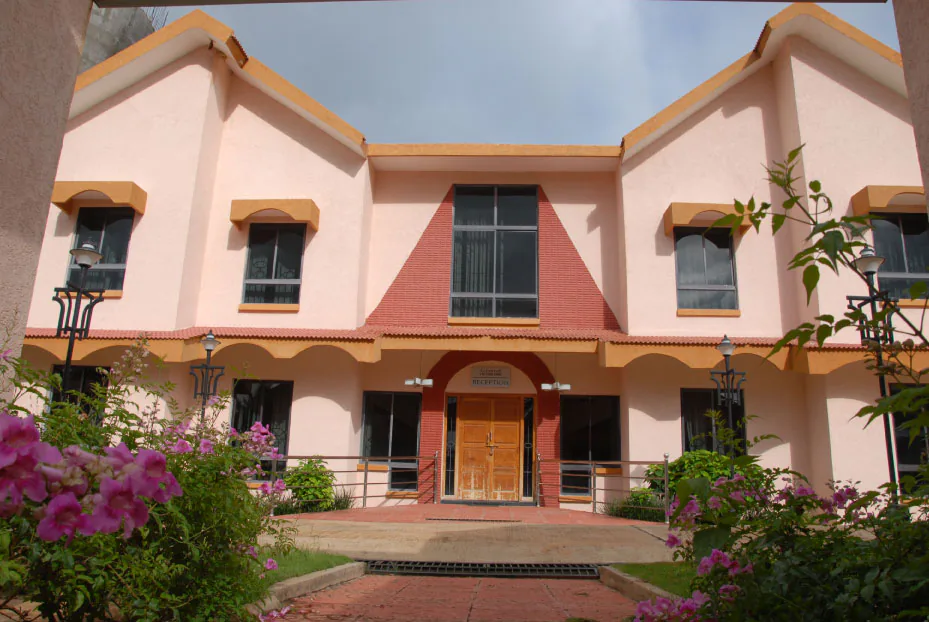
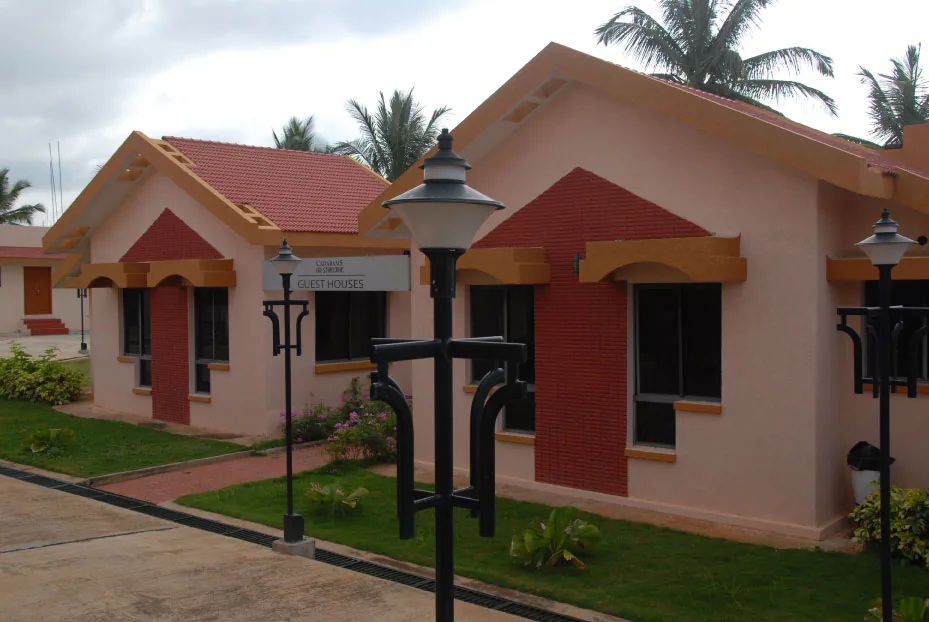
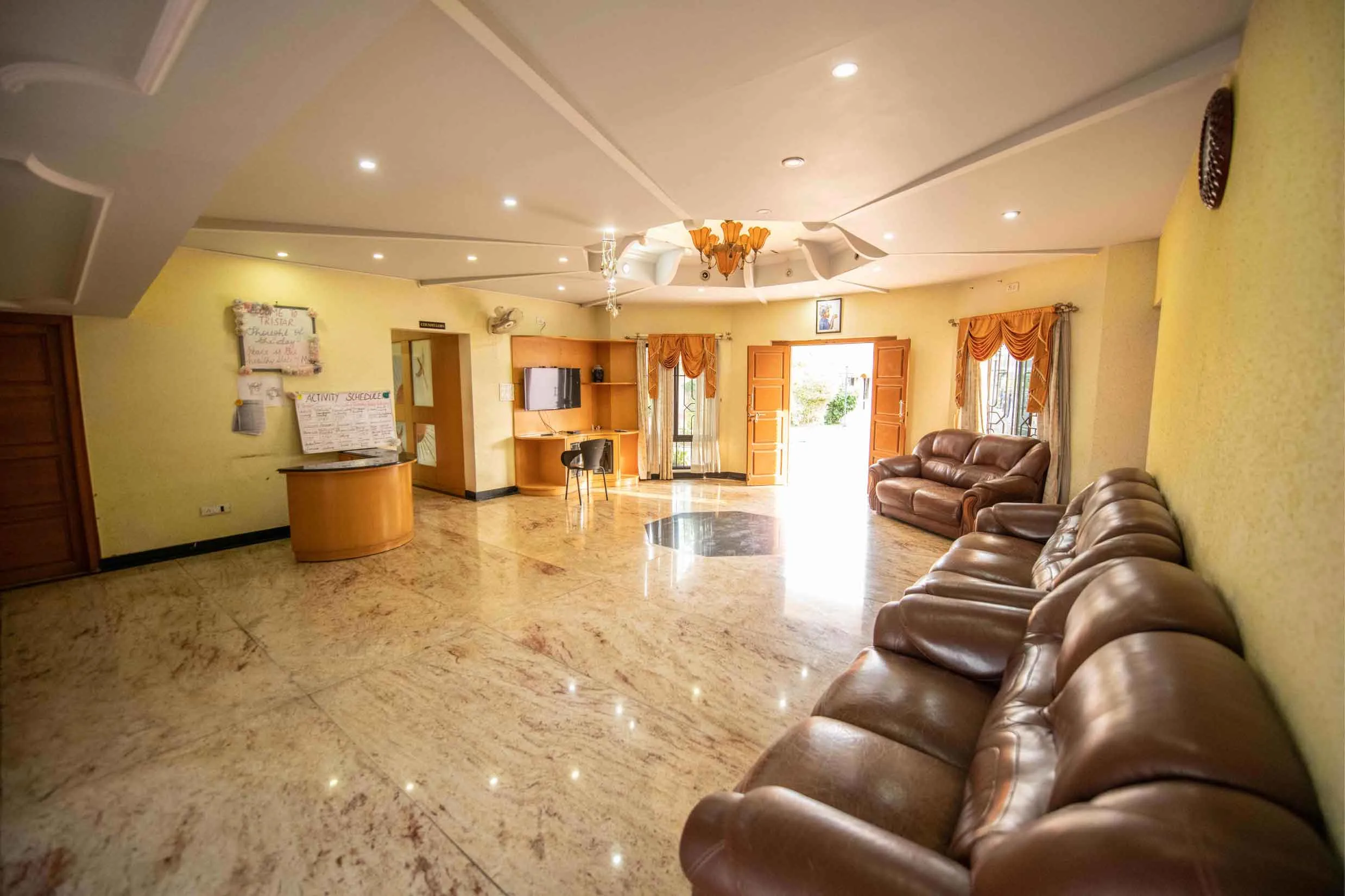
Managing an anxiety disorder becomes easier when you receive the right professional guidance. At Cadabam’s Hospitals, individuals struggling with anxiety can access structured anxiety therapy, personalised treatment plans, and multidisciplinary mental health support. Our team of experienced psychologists, psychiatrists, and therapists works together to provide evidence-based anxiety treatment tailored to each individual’s symptoms and recovery goals.
If you are searching for a solution to your problem, Cadabam’s Hospitals can help you with its team of specialised experts. We have been helping thousands of people live healthier and happier lives for 30+ years. We leverage evidence-based approaches and holistic treatment methods to help individuals effectively manage their Anxiety. Get in touch with us today. You can call us at +91 97414 76476. You can even email us at info@cadabamshospitals.com.