What is Cognitive Behavioral Therapy (CBT)?
CBT is a structured, goal-oriented form of psychotherapy that has become a gold standard for treating anxiety. It operates on the fundamental principle that our thoughts, feelings, and behaviours are interconnected.
The Principles of CBT
CBT helps individuals identify and challenge negative or irrational thought patterns (cognitive distortions) and change unhelpful behaviours. By learning to reframe these thoughts and modify responses, you can effectively alter your emotional state and reduce anxiety symptoms. It is a collaborative process between you and your therapist, focused on developing practical coping skills for real-world challenges.
How CBT Differs from Other Therapies
Unlike therapies that delve deep into the past to understand the origins of emotional distress, CBT is primarily focused on the “here and now.” It is a proactive, hands-on approach that equips you with tangible tools to manage your symptoms. Sessions are structured, and you’ll often be given “homework” to practice new skills between appointments, accelerating your progress.
Get Anxiety Diagnosed in Mysore
A proper diagnosis is crucial for effective treatment. If you are struggling with symptoms of anxiety, seeking a professional evaluation is the most important step you can take. At Cadabam’s Hospitals in Mysore, our expert psychiatrists and psychologists conduct comprehensive assessments to accurately diagnose anxiety disorders and formulate a personalised care plan tailored to your specific needs.
The Role of CBT in Treating Anxiety
CBT is not just a temporary fix; it’s a transformative approach that teaches lifelong skills for managing anxiety. It addresses the root cognitive and behavioural cycles that perpetuate worry and fear.
Is CBT Effective for Anxiety Management
The evidence supporting CBT Anxiety effectiveness is overwhelming. Numerous studies have shown it to be one of the most successful treatments for various anxiety disorders, including generalized anxiety disorder (GAD), panic disorder, social anxiety, and phobias. Many people experience significant and lasting improvement in their symptoms.
Combining CBT with Other Treatments for Anxiety
For some individuals, the most effective approach involves combining CBT with other treatments, such as medication. Medication can help manage severe symptoms, making it easier to engage fully in the therapeutic process of CBT. Our clinicians at Cadabam’s Spark Hospitals work with you to determine the most beneficial and integrated care plan.
Engaging Family and Support Systems in the CBT Treatment Process
A strong support system is invaluable. At Cadabam’s Spark Hospitals, we encourage involving family members in the treatment journey. Educating them about anxiety and the CBT process helps create a supportive home environment, which reinforces the skills learned in therapy and fosters understanding and patience.
Tailoring CBT to Individual Needs
There is no one-size-fits-all approach to mental health. While a structured CBT manual for Anxiety provides a scientific foundation, our therapists skillfully adapt the techniques to your unique personality, experiences, and goals. Your treatment is personalized to ensure it is relevant and impactful for you.
Support Systems and Environment at Cadabam’s Spark Hospitals
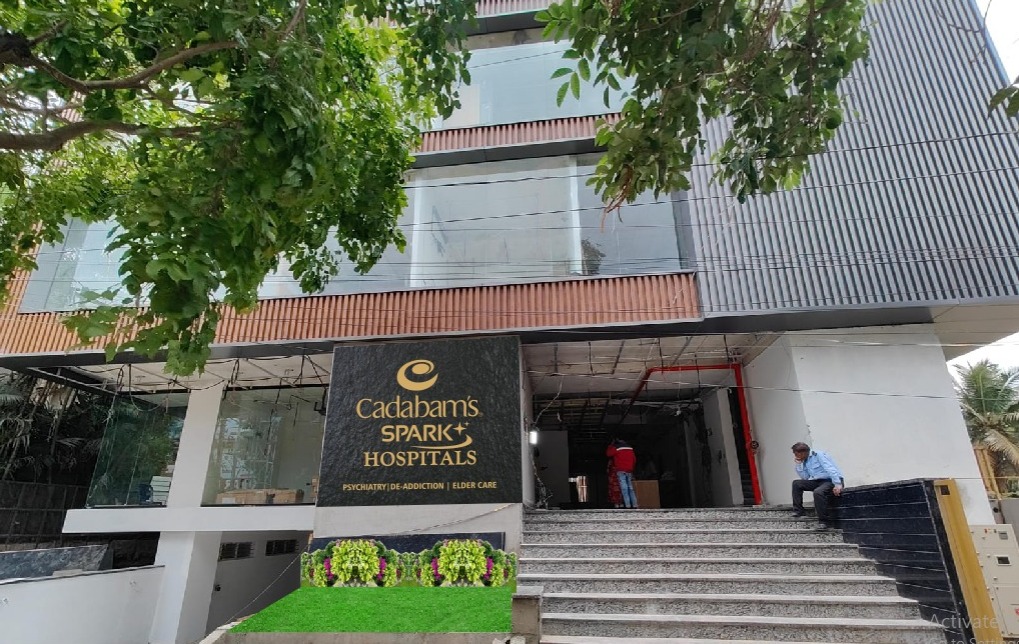
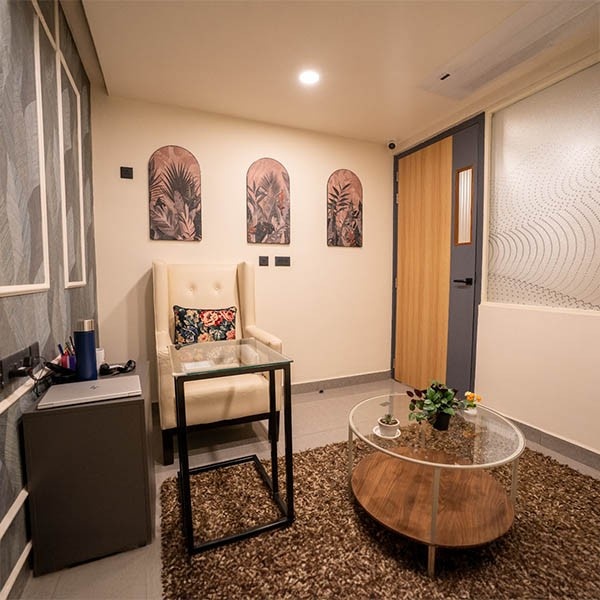
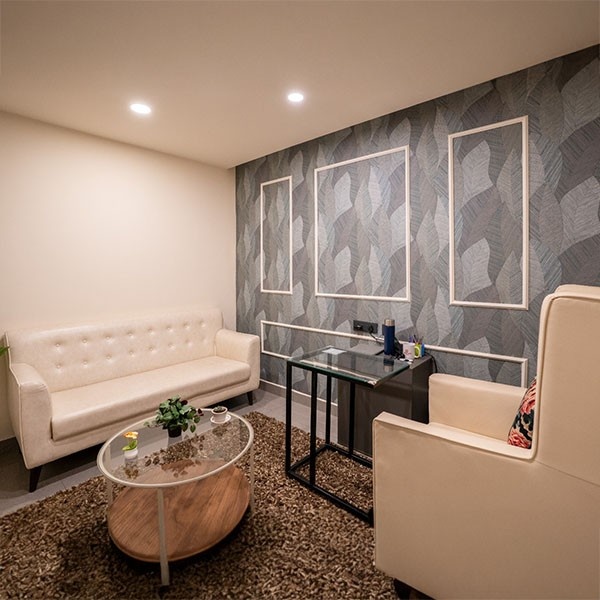
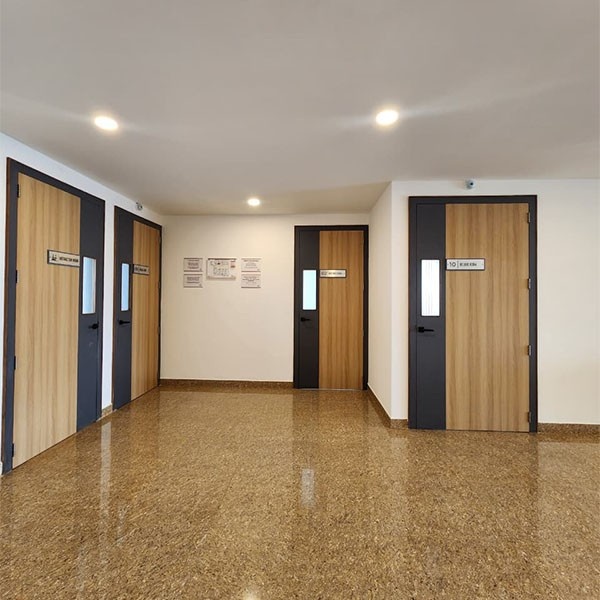
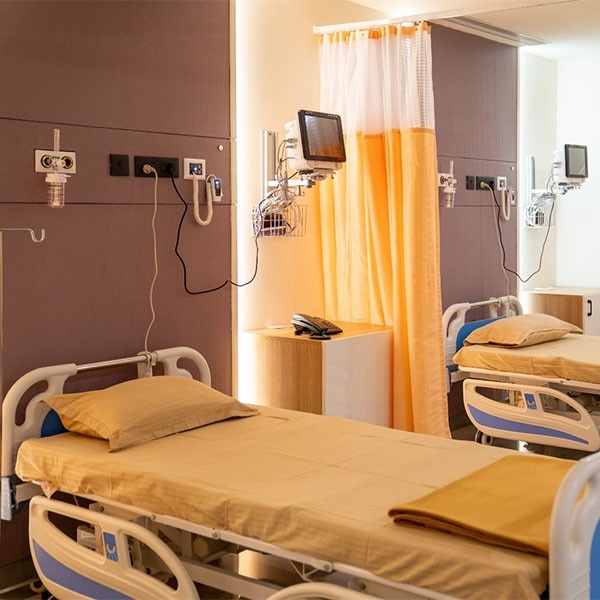
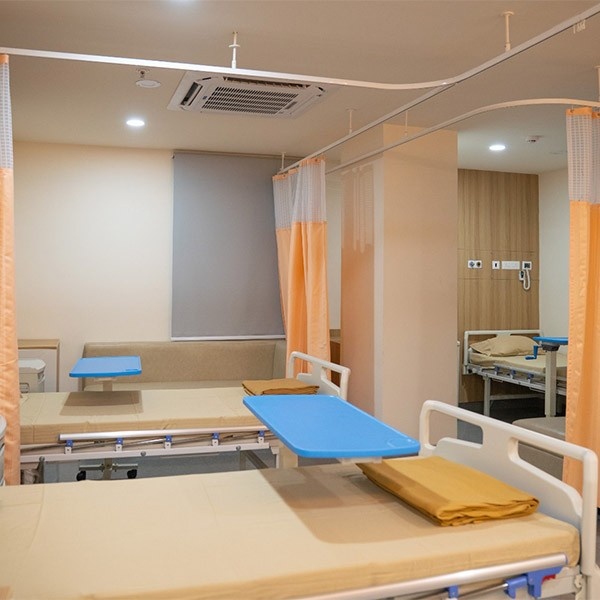
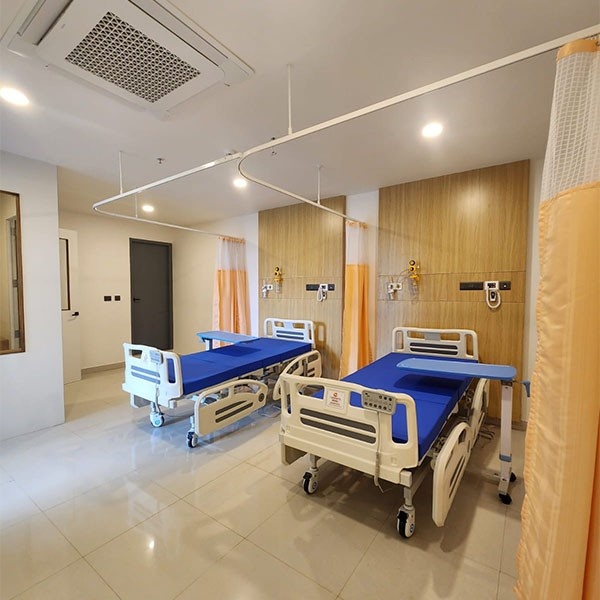
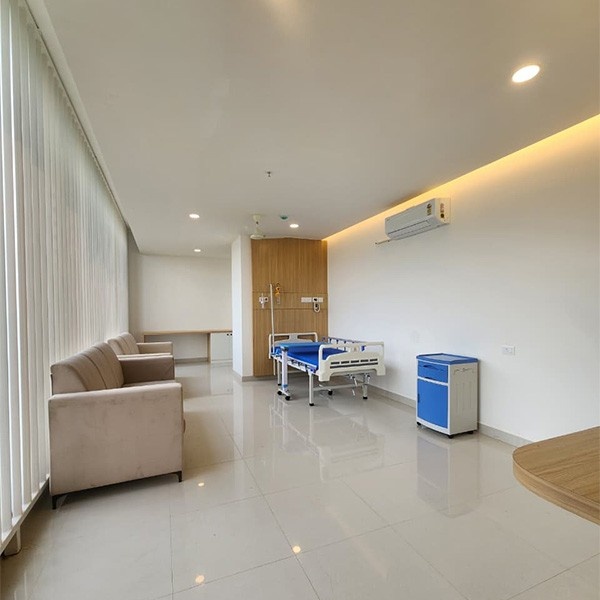
The healing environment plays a critical role in recovery. Cadabam’s Hospitals are designed to be a safe, comfortable, and supportive space where you can focus entirely on your well-being. From our compassionate staff to our peaceful surroundings, every element is curated to promote healing.
What to Expect in a CBT Session for Anxiety
Your CBT journey will be a collaborative partnership with your therapist. In early sessions, you will discuss your symptoms and goals. Together, you will work to identify the specific negative thought patterns and behaviours contributing to your anxiety. Subsequent sessions will focus on learning and practising techniques like cognitive restructuring, relaxation exercises, and exposure therapy in a safe, guided manner.
Why Choose CBT for Anxiety Treatment?
Choosing CBT means choosing to actively participate in your recovery. It’s an empowering approach that puts the tools for change directly into your hands.
Benefits of CBT Therapy on Anxiety Patients
The benefits are extensive and life-changing. Patients learn to:
- Understand and control their thought processes.
- Develop practical coping strategies for stressful situations.
- Reduce the frequency and intensity of anxiety symptoms.
- Build confidence and self-esteem.
- Improve relationships and social functioning.
Real-Life Impact of CBT on Anxiety Patients
Imagine being able to attend a social gathering without overwhelming fear, deliver a presentation at work with confidence, or simply enjoy a quiet moment without a racing mind. This is the real-life impact of CBT. It helps you move from a life dictated by fear to one of freedom and choice.
Long-Term Success with CBT
Because CBT focuses on skill-building, its effects are durable. The coping mechanisms you learn become a permanent part of your mental toolkit, empowering you to manage future stress and prevent relapses. This focus on self-sufficiency is key to long-term success.
When Should you ask for Help?
It’s time to ask for help if anxiety is:
- Causing you significant distress or interfering with your work, school, or relationships.
- Difficult to control despite your best efforts.
- Leading to avoidance of activities you once enjoyed.
- Accompanied by physical symptoms like panic attacks or sleep problems.
Find the Best Rehab Center for Anxiety in Mysore
Finding the right support is paramount. When searching for comprehensive anxiety care in Mysore, it’s essential to choose a provider with proven expertise, a compassionate approach, and a commitment to long-term recovery. Cadabam’s Spark Hospitals stands out as a leader in mental healthcare, offering specialized and evidence-based treatments.
Why Choose Cadabams?
For over three decades, Cadabam’s Spark Hospitals has been at the forefront of mental healthcare. Our commitment to excellence, patient-centric care, and innovative treatments makes us the trusted choice for individuals and families seeking help for anxiety.
Expert Team of Psychiatrists and Therapists for Anxiety
Our multidisciplinary team consists of some of the most experienced psychiatrists, psychologists, and therapists in the field. They are specially trained in CBT and other evidence-based modalities, ensuring you receive the highest standard of care.
State-of-the-Art Hospitals in Cadabam’s for Anxiety
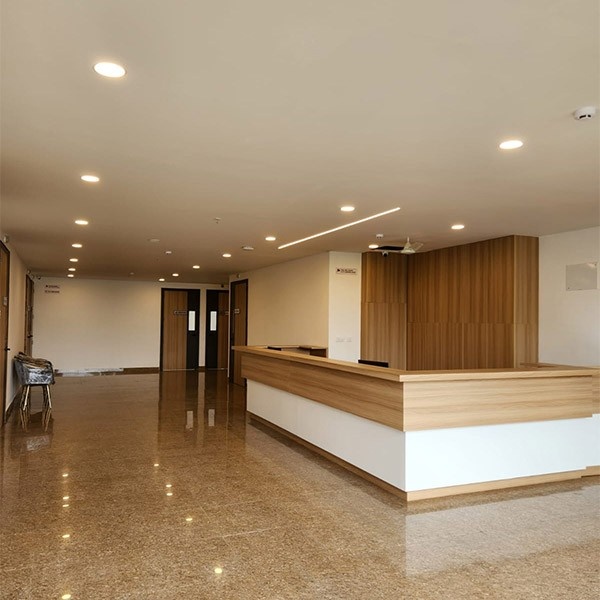
Our modern Hospitals in Mysore provide a world-class environment conducive to healing and recovery. We believe a comfortable and serene setting is essential for effective therapeutic work, allowing you to focus completely on your journey to wellness.
Integrating Holistic Therapies for Anxiety
We believe in treating the whole person, not just the symptoms. Alongside CBT, we integrate holistic therapies such as yoga, mindfulness, and art therapy into our care plans. These practices help reduce stress, enhance self-awareness, and promote overall well-being.
Continued Care and Follow-Up care plans for Anxiety
Recovery doesn’t end when you leave our Hospitals. We offer robust continued care and follow-up care plans to ensure you stay on track. This long-term support is vital for maintaining progress and building a resilient, anxiety-free future.
Take the first step towards a calmer, more controlled life. Contact Cadabam’s Hospitals today.
Phone: +9190710 35960
Email: info@cadabamshospitals.com
Top Anxiety Doctors at Cadabam’s Hospitals
Psychiatrist in Bangalore | Psychiatrist in Hyderabad | Psychiatrist in Mysore | Psychologist in Bangalore | Psychologist in Hyderabad | Psychologist in Mysore | Therapist in Bangalore | Therapist in Hyderabad | Therapist in Mysore
Rehabilitation Centres For Anxiety at Cadabam’s Hospital
Rehabilitation in Mysore
Best Anxiety Treatments Offered at Cadabams
Counselling in Bangalore | Counselling in Hyderabad | Counselling in Mysore | Biofeedback Bangalore | Biofeedback Hyderabad | Biofeedback Mysore | Cognitive Behavioural Therapy (CBT) Bangalore | Cognitive Behavioural Therapy (CBT) Hyderabad | Electroconvulsive Therapy (ECT) Bangalore | Electroconvulsive Therapy (ECT) Hyderabad | Electroconvulsive Therapy (ECT) Mysore | Emergency Bangalore | Emergency Hyderabad | Emergency Mysore | Family Therapy Bangalore | Family Therapy Hyderabad | Family Therapy Mysore | Group Therapy Bangalore | Group Therapy Hyderabad | Group Therapy Mysore | Neurofeedback Bangalore | Neurofeedback Hyderabad | Neurofeedback Mysore | Online Counselling Bangalore | PsychoTherapy Bangalore | PsychoTherapy Hyderabad | PsychoTherapy Mysore | REBT Bangalore | REBT Mysore | RTMS Bangalore | RTMS Mysore | Direct Cranial Stimulation Bangalore | Direct Cranial Stimulation Hyderabad | Direct Cranial Stimulation Mysore | Post Rehab Care Mysore
More Additional Resources About Anxiety
Anxiety In Kids | High-Functioning Anxiety Explained: Signs, Causes, and Treatment | Everything To Know About Anxiety Post-Covid | The Alarming Side of Anxiety Disorder | Anxiety Attack: What Are The Causes (And How to Treat It) | Is anxiety genetic? | Is OCD an Anxiety Disorder? | What Does Anxiety Feel Like? | Distinguishing Anxiety and Depression | Tips to reduce and control anxiety | Navigating The Complex Dynamics of Anxiety and Eating Disorder | How to Deal with Anxiety? | General Anxiety Disorder (And Why It Shouldn’t Be Ignored) | Exploring the Relationship Between Anxiety and Dizziness | Anxiety vs Panic Attack: What’s the Difference? | Everything To Know About Anxiety Disorder | What Is the Link Between Anxiety and Insomnia?
Frequently Asked Questions
1. How does CBT help in treating Anxiety?
CBT helps treat anxiety by teaching you to identify, question, and change the distorted thoughts and unhelpful behaviours that fuel the anxiety cycle. It equips you with practical skills to manage symptoms, confront fears in a controlled way, and alter your brain’s response to triggers.
2. Which CBT techniques are used for Anxiety?
Common techniques include cognitive restructuring (challenging negative thoughts), exposure therapy (gradually facing feared situations), relaxation techniques (like deep breathing), and behavioural experiments (testing the validity of anxious thoughts in real-life situations).
3. What does a typical CBT session look like?
A typical session is structured and collaborative. It usually starts with a check-in on your week and a review of homework. Then, you and your therapist will set an agenda for the session, work on a specific skill or challenge, and agree on a new practice exercise for the upcoming week.
4. How long does CBT for anxiety typically take to show results?
Many people begin to see noticeable improvements within 8 to 12 weekly sessions, as they start applying the core skills. A full course of treatment for a specific anxiety disorder often ranges from 12 to 20 sessions, though the duration is tailored to your individual progress and goals.
5. What is the difference between CBT for anxiety and other approaches like medication?
Medication (such as SSRIs) helps manage the biological symptoms of anxiety by altering brain chemistry, often providing more immediate symptom relief. CBT, on the other hand, is a skills-based psychological treatment that teaches you how to manage your thoughts, feelings, and responses to anxiety. The two are often combined for a comprehensive approach, but CBT focuses on providing you with long-term, self-sufficient coping tools.
6. Can CBT help with panic attacks?
Yes, CBT is the first-line psychological treatment for panic disorder. It helps by teaching you to understand the cycle of panic, identify and reinterpret frightening physical sensations (like a racing heart), and gradually engage in exposure to internal sensations and avoided situations. This process reduces the fear of panic itself, which is a major driver of attacks.
 Available