What Is Anxiety and How Does It Affect Daily Life?
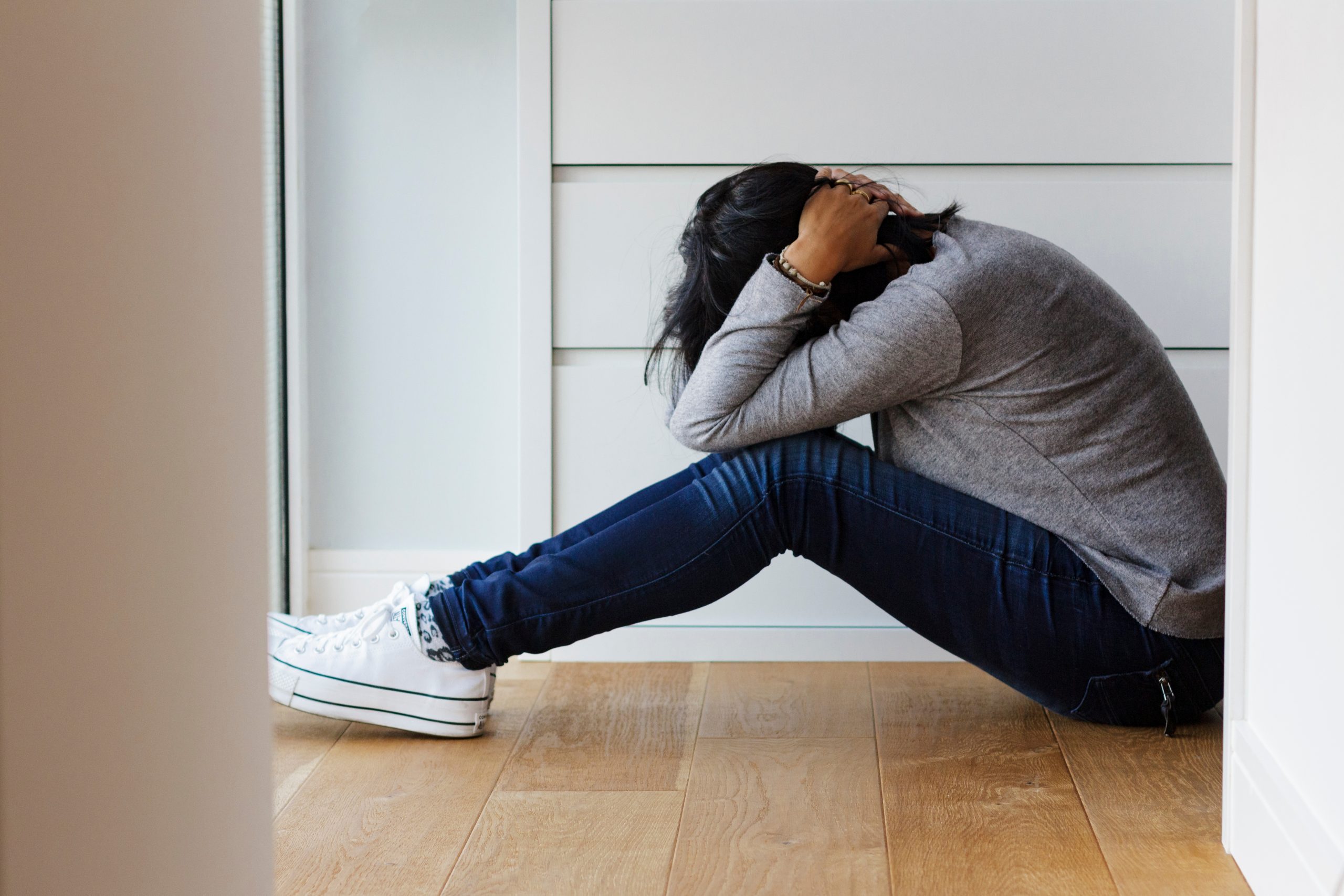
Anxiety is a mental health condition marked by persistent worry, fear, or nervousness that can interfere with everyday activities. While occasional anxiety is a normal response to stress, excessive or long-lasting anxiety can affect emotional well-being, relationships, and daily functioning.
Common symptoms of anxiety may include:
- Constant worry or fear
- Restlessness or feeling on edge
- Difficulty concentrating
- Fatigue and sleep disturbances
- Muscle tension
- Avoidance of certain situations
When anxiety becomes overwhelming, it can affect work performance, social interactions, and overall quality of life. With appropriate treatment, such as therapy, coping strategies, and professional support, individuals can learn effective ways to manage anxiety and regain control of their daily lives.
What Is Group Therapy for Anxiety?
Group therapy for anxiety is a form of psychotherapy where individuals with similar anxiety-related challenges participate in structured sessions guided by a trained therapist. The goal is to help participants share experiences, learn coping strategies, and develop practical skills to manage anxiety symptoms in a supportive environment.
In group therapy sessions, participants discuss their experiences, practise therapeutic techniques, and receive guidance from the therapist as well as encouragement from other group members. This shared setting helps reduce feelings of isolation and allows individuals to learn new ways of managing anxiety through collective support and structured therapeutic activities.
Key aspects of group therapy for anxiety include:
- Therapist-led sessions in a structured and safe environment
- Peer support from individuals facing similar anxiety challenges
- Learning coping strategies and stress-management techniques
- Improving communication and social confidence
- Developing practical tools to manage anxiety in daily life
Group therapy is often used alongside individual therapy or medication when required, helping individuals build resilience and maintain long-term emotional well-being.
How Does Group Therapy Help People With Anxiety?
Group therapy helps people with anxiety by providing a supportive environment where individuals can share experiences, learn coping strategies, and receive guidance from a trained therapist. Being part of a group allows participants to realise that others face similar challenges, which helps reduce feelings of isolation and builds emotional reassurance.
In group therapy sessions, participants practise practical techniques that help manage anxiety symptoms and improve daily functioning. These sessions also encourage open discussions, allowing individuals to gain new perspectives and learn effective ways to handle stress and anxious thoughts.
Group therapy helps people with anxiety by:
- Providing emotional support from others facing similar challenges
- Teaching coping strategies to manage worry and stress
- Improving communication and social confidence
- Encouraging healthy ways to respond to anxiety triggers
- Reducing feelings of isolation and loneliness
With regular participation and professional guidance, group therapy can help individuals build resilience, improve emotional regulation, and develop long-term strategies to manage anxiety more effectively.
What Happens During Group Therapy Sessions for Anxiety?
Group therapy sessions for anxiety are structured meetings where individuals with similar anxiety challenges come together under the guidance of a trained therapist. These sessions focus on helping participants understand their anxiety, develop coping strategies, and build emotional support through shared experiences.
During group therapy sessions, participants usually:
- Share personal experiences and discuss anxiety-related challenges
- Learn practical coping techniques to manage stress and anxious thoughts
- Participate in guided discussions and therapeutic exercises
- Practise communication and social interaction skills
- Receive support, feedback, and encouragement from both the therapist and other group members
Sessions are conducted in a safe and confidential environment, ensuring that participants feel comfortable expressing their thoughts and emotions. Over time, these sessions help individuals gain new perspectives, strengthen coping abilities, and develop healthier ways to manage anxiety in daily life.
What Is the Role of Therapists in Anxiety Group Therapy?
Therapists play a key role in guiding and structuring group therapy sessions for anxiety. They ensure that discussions remain supportive, focused, and beneficial for all participants while helping individuals understand their anxiety patterns and develop effective coping strategies.
During group therapy, therapists create a safe and respectful environment where participants feel comfortable sharing their experiences. They guide conversations, introduce therapeutic techniques, and help individuals practise skills that can reduce anxiety and improve emotional well-being.
In anxiety group therapy, therapists help by:
- Guiding group discussions so participants can share experiences openly
- Teaching evidence-based techniques to manage anxiety and stress
- Facilitating therapeutic activities that build coping and communication skills
- Encouraging supportive interaction among group members
- Maintaining a safe, respectful, and confidential group environment
Through professional guidance and structured support, therapists help participants gain confidence, develop healthier responses to anxiety, and make steady progress in managing their symptoms.
Who Should Consider Group Therapy for Anxiety?
Group therapy for anxiety can be helpful for individuals who experience persistent worry, stress, or fear that affects their daily life. It is especially beneficial for those who want to learn coping strategies, improve emotional resilience, and connect with others facing similar challenges in a supportive setting.
People who may consider group therapy for anxiety include:
- Individuals experiencing frequent worry or generalised anxiety
- People struggling with social anxiety or fear of interacting with others
- Those who feel isolated due to anxiety-related challenges
- Individuals looking to learn practical techniques to manage stress and anxious thoughts
- People who want additional support alongside individual therapy or treatment
Group therapy offers a structured and supportive environment where participants can gain new perspectives, develop coping skills, and build confidence in managing anxiety.
What Are the Key Benefits of Group Therapy for Anxiety?
Group therapy offers several benefits for individuals managing anxiety by combining professional guidance with peer support. Participating in therapist-led group sessions allows individuals to share experiences, learn practical coping strategies, and build emotional resilience in a supportive environment.
Key benefits of group therapy for anxiety include:
- Building a supportive community: Group therapy brings together individuals facing similar challenges, helping participants feel understood and less alone in their experiences.
- Learning from shared experiences: Hearing how others manage anxiety can provide new perspectives and practical ideas for handling stressful situations.
- Improving social and communication skills: Regular interaction within the group helps participants practise listening, expressing thoughts, and engaging confidently with others.
- Reducing feelings of isolation: Connecting with others who understand similar struggles can reduce loneliness and promote a stronger sense of belonging.
- Developing effective coping strategies: Therapists introduce techniques such as relaxation methods, stress-management strategies, and healthy thinking patterns that help manage anxiety.
- Boosting self-esteem and confidence: Positive feedback and encouragement from both peers and therapists can help individuals feel more confident in their ability to manage anxiety.
At Cadabam’s Hospitals, experienced psychologists and therapists in Bangalore provide evidence-based group therapy programs designed to help individuals strengthen coping skills, improve emotional well-being, and manage anxiety more effectively.
What Techniques Are Used in Group Therapy for Anxiety?
Group therapy for anxiety uses structured therapeutic techniques that help participants understand their anxiety, develop coping strategies, and improve emotional resilience. These techniques are guided by trained therapists and allow individuals to practise new skills while interacting with others facing similar challenges.
Some of the key techniques used in anxiety group therapy include:
Cognitive Behavioural Therapy (CBT) in a Group Setting
Cognitive Behavioural Therapy (CBT) is commonly used in group therapy to help participants identify negative thought patterns and replace them with healthier, more balanced thinking. Through guided discussions and practical exercises, individuals learn how their thoughts influence emotions and behaviour. This approach helps participants develop effective strategies to manage anxiety and respond more constructively to stressful situations.
Social Skills Training Through Group Interaction
Group therapy provides a supportive space where participants can practise social interaction and communication skills. Activities such as role-playing and group discussions help individuals rehearse responses to real-life situations, improving confidence in social settings and reducing anxiety during interpersonal interactions.
Psychoeducation in Anxiety Group Therapy
Psychoeducation helps participants gain a clearer understanding of anxiety and how it affects thoughts, emotions, and behaviour. Learning about the biological and psychological aspects of anxiety helps individuals recognise their symptoms and feel more confident about managing their condition. This knowledge also encourages active participation in the recovery process.
Stress Management and Coping Strategies
Therapists introduce practical techniques to help participants manage stress and reduce anxiety symptoms. These may include mindfulness practices, breathing exercises, relaxation techniques, and other strategies that can be applied in daily life. Participants also learn from one another by sharing coping strategies that have worked for them.
Communication and Emotional Expression Skills
Group therapy helps individuals improve communication and emotional expression. Participants practise active listening, empathy, and constructive feedback while sharing their experiences with others. These skills can strengthen relationships and help individuals feel more confident in expressing their thoughts and emotions.
At Cadabam’s Hospitals, experienced therapists and mental health professionals in Bangalore guide group therapy sessions using evidence-based approaches that support individuals in managing anxiety and improving overall emotional well-being.
How to Find the Right Anxiety Group Therapy Program in Bangalore?
Finding the right anxiety group therapy program in Bangalore involves choosing a therapist-led program that offers structured sessions, professional guidance, and a supportive environment. The right program should help individuals learn coping strategies, connect with others facing similar challenges, and develop practical skills to manage anxiety.
When selecting an anxiety group therapy program, consider the following factors:
- Qualified mental health professionals: Ensure the sessions are led by trained psychologists, psychiatrists, or licensed therapists experienced in anxiety treatment.
- Evidence-based therapy approaches: Look for programs that use proven methods such as Cognitive Behavioural Therapy (CBT), stress-management techniques, or psychoeducation.
- Group size and structure: Smaller groups often allow participants to share experiences more comfortably and receive better guidance from therapists.
- Focus of the therapy program: Some groups focus on general anxiety, while others address concerns such as social anxiety, stress management, or emotional resilience.
- Initial consultation or assessment: Many programs offer an introductory session to help determine whether the group setting suits your needs.
Choosing the right therapy program can make a significant difference in managing anxiety effectively and building long-term emotional resilience. At Cadabam’s Hospitals, experienced mental health professionals provide structured group therapy programs designed to support individuals dealing with anxiety.
Why Choose Cadabam’s Hospitals for Group Therapy in Anxiety Care
Cadabam’s Hospitals offers structured group therapy programs for anxiety designed to help individuals build coping skills, improve emotional resilience, and manage anxiety in a supportive environment. With over 30 years of experience in mental health care, our multidisciplinary team provides compassionate and evidence-based treatment tailored to each individual’s needs.
Key reasons to choose Cadabam’s for anxiety group therapy include:
- Experienced Mental Health Professionals: Our team includes qualified therapists, counsellors, psychologists, and psychiatrists who have extensive experience in treating anxiety disorders using evidence-based therapeutic approaches.
- Supportive and Safe Therapeutic Environment: We prioritise creating a welcoming and non-judgmental space where participants feel comfortable sharing their experiences and working toward recovery.
- Personalised Group Therapy Programs: Our group therapy sessions are designed to address the unique needs of participants, ensuring that individuals receive guidance and support suited to their specific challenges.
- Focus on Community and Peer Support: Group therapy encourages meaningful interaction among participants, helping individuals build supportive connections and reduce feelings of isolation.
- Ongoing Mental Health Support: Beyond group sessions, participants can access continued guidance and mental health resources to support long-term emotional well-being.
At Cadabam’s Hospitals, our goal is to help individuals manage anxiety effectively while building confidence, resilience, and healthier coping strategies for everyday life.
Take the First Step Toward Managing Anxiety with Group Therapy in Bangalore
Managing anxiety can be challenging, but the right support can help individuals regain control over their thoughts, emotions, and daily life. Group therapy provides a structured and supportive environment where individuals facing similar challenges can share experiences, learn practical coping strategies, and build emotional resilience under the guidance of trained mental health professionals.
At Cadabam’s Hospitals, our anxiety group therapy programs in Bangalore are designed to help individuals better understand their anxiety, develop effective stress-management techniques, and improve overall emotional well-being. Through therapist-guided sessions and supportive peer interaction, participants gain practical tools and confidence to navigate anxiety more effectively.
If you are searching for a solution to your problem, Cadabam’s Hospitals can help you with its team of specialised experts. We have been helping thousands of people live healthier and happier lives for 33+ years. We leverage evidence-based approaches and holistic treatment methods to help individuals effectively manage their anxiety. Get in touch with us today. You can call us at +91 97414 76476. You can even email us at info@cadabamshospitals.com.
Top Anxiety Doctors at Cadabam’s Hospitals
Psychiatrist in Bangalore | Psychiatrist in Hyderabad | Psychiatrist in Mysore | Psychologist in Bangalore | Psychologist in Hyderabad | Psychologist in Mysore | Therapist in Bangalore | Therapist in Hyderabad | Therapist in Mysore
Rehabilitation Centres For Anxiety at Cadabam’s Hospital
Rehabilitation in Mysore
Best Anxiety Treatments Offered at Cadabams
Counselling in Bangalore | Counselling in Hyderabad | Counselling in Mysore | Biofeedback Bangalore | Biofeedback Hyderabad | Biofeedback Mysore | Cognitive Behavioural Therapy (CBT) Bangalore | Cognitive Behavioural Therapy (CBT) Hyderabad | Cognitive Behavioural Therapy (CBT) Mysore | Electroconvulsive Therapy (ECT) Bangalore | Electroconvulsive Therapy (ECT) Hyderabad | Electroconvulsive Therapy (ECT) Mysore | Emergency Bangalore | Emergency Hyderabad | Emergency Mysore | Family Therapy Bangalore | Family Therapy Hyderabad | Family Therapy Mysore | Group Therapy Hyderabad | Group Therapy Mysore | Neurofeedback Bangalore | Neurofeedback Hyderabad | Neurofeedback Mysore | Online Counselling Bangalore | PsychoTherapy Bangalore | PsychoTherapy Hyderabad | PsychoTherapy Mysore | REBT Bangalore | REBT Mysore | RTMS Bangalore | RTMS Mysore | Direct Cranial Stimulation Bangalore | Direct Cranial Stimulation Hyderabad | Direct Cranial Stimulation Mysore | Post Rehab Care Mysore
More Additional Resources About Anxiety
Anxiety In Kids | High-Functioning Anxiety Explained: Signs, Causes, and Treatment | Everything To Know About Anxiety Post-Covid | The Alarming Side of Anxiety Disorder | Anxiety Attack: What Are The Causes (And How to Treat It) | Is anxiety genetic? | Is OCD an Anxiety Disorder? | What Does Anxiety Feel Like? | Distinguishing Anxiety and Depression | Tips to reduce and control anxiety | Navigating The Complex Dynamics of Anxiety and Eating Disorder | How to Deal with Anxiety? | General Anxiety Disorder (And Why It Shouldn’t Be Ignored) | Exploring the Relationship Between Anxiety and Dizziness | Anxiety vs Panic Attack: What’s the Difference? | Everything To Know About Anxiety Disorder | What Is the Link Between Anxiety and Insomnia?
FAQs
What is group therapy for anxiety and how does it work?
Under the supervision of a qualified therapist, group therapy for anxiety entails organised sessions where patients encourage one another and exchange experiences.
How often do group therapy sessions for anxiety take place?
Group therapy sessions for anxiety typically take place once or twice a week, depending on the program structure and participants’ needs. Each session usually lasts between 60 and 90 minutes and is guided by a trained mental health professional.
Is group therapy suitable for everyone with anxiety?
Group therapy can benefit many individuals with anxiety, particularly those who want peer support and practical coping strategies. However, suitability depends on the severity of symptoms and personal preferences, so a mental health professional should evaluate whether group therapy is appropriate.
Can group therapy be combined with individual therapy?
Yes. Many individuals participate in both group therapy and individual therapy to receive personalised guidance along with peer support.
How effective is Group Therapy for Anxiety?
Group therapy can significantly reduce anxiety symptoms and improve coping skills. When combined with professional guidance and consistent participation, group therapy can be as effective as individual therapy for many people.
What are the benefits of Group Therapy for Anxiety?
The benefits of group therapy include cost effectiveness (compared to individual psychotherapy), feeling connected with others, reduced sense of isolation, learning of new coping strategies to deal with anxiety, becoming more self-aware, improving social skills, and overall reduction in anxiety symptoms and enhancement in the quality of life.
What happens during the first group therapy session?
During the first session, participants are introduced to the therapist and other group members. The therapist explains the structure of the program, group guidelines, and the goals of therapy.
How many group therapy sessions are usually required?
The number of group therapy sessions varies depending on the individual’s condition and treatment goals. Some programs run for a fixed number of weeks, while others are ongoing and adjusted based on progress and therapist recommendations.
 Available