What Is Neurofeedback Therapy?
Neurofeedback is a type of biofeedback that uses real-time displays of brain activity—most commonly electroencephalography (EEG)—to teach self-regulation of brain function. It is a non-invasive, medication-free method that trains the brain to function more efficiently.
The Science Behind Neurofeedback
The therapy operates on the principle of neuroplasticity—the brain’s ability to reorganize itself by forming new neural connections. By providing your brain with feedback on its own activity, you can learn to guide it toward more optimal patterns. Sensors placed on the scalp monitor brainwaves, and this information is translated into visual or auditory cues. When your brain produces healthier brainwave patterns, you receive a positive reward (like a video playing smoothly), reinforcing that positive change.
Neurofeedback vs. Traditional Therapies
Unlike traditional talk therapy, which focuses on thoughts and behaviours, neurofeedback works directly on the brain’s electrical activity. It is not a replacement but a powerful complement to other therapies and medications. It targets the underlying dysregulation in the brain that can contribute to depressive symptoms, helping to create a more stable foundation for psychological healing.
Safety and Efficacy of Neurofeedback
Neurofeedback is widely considered a safe procedure with minimal to no side effects. It is a learning process, not a direct intervention that changes the brain. Decades of research and clinical use have demonstrated its efficacy in addressing various conditions, including anxiety, ADHD, and increasingly, Depression, by helping to stabilize brain function.
Get Depression Diagnosed in Mysore
A precise diagnosis is crucial for creating an effective care plan. If you suspect you have Depression, seeking a professional evaluation is the most important first step. At Cadabam’s Hospitals in Mysore, our expert psychiatrists and psychologists conduct comprehensive assessments to understand your unique situation and recommend the most suitable path to recovery.
Neurofeedback Therapy in Treating Depression
For individuals with Depression, certain brainwave patterns are often dysregulated. For instance, there might be an imbalance between the left and right frontal lobes. This therapy specifically targets these patterns to restore a healthier balance.
Mechanism of Neurofeedback in Depression Treatment
The primary goal of the neurofeedback treatmen t is to correct brainwave imbalances associated with Depression. For example, by encouraging more alpha wave activity in the left frontal lobe—an area linked to positive mood and motivation—and reducing excessive beta waves associated with rumination and anxiety, the brain learns to shift out of a depressive state.
Customizing Neurofeedback for Individual Needs
Every brain is unique. Before beginning treatment, a quantitative EEG (qEEG) or “brain map” is often created. This map identifies the specific areas and patterns of dysregulation in your brain. This allows our clinicians at Cadabam’s Spark Hospitals to create a highly personalized protocol tailored to your individual neural signature, ensuring the most effective and targeted intervention.
Integrating Neurofeedback With Other Treatments for Depression
Neurofeedback works exceptionally well as part of a holistic care plan. When combined with psychotherapy (like CBT), medication management, and lifestyle adjustments, it can enhance the effectiveness of these other treatments. By stabilizing brain function, it can make a person more receptive to talk therapy and better able to implement positive behavioural changes.
What to Expect in a Neurofeedback Therapy Session for Depression
A typical session at Cadabam’s Spark Hospitals is a calm and comfortable experience. Sensors will be gently placed on your scalp to read your brainwaves. You will sit back and watch a screen, listen to sounds, or play a simple video game. The feedback is passive; you simply relax and allow your brain to respond to the cues, gradually learning to regulate itself.
Why Choose Neurofeedback Therapy for Depression Treatment?
Choosing this innovative approach can be a transformative decision for those who have not found adequate relief with traditional methods or are seeking a non-pharmacological option. The neurofeedback therapy empowers you by teaching your brain a skill—the ability to self-regulate—which can lead to more resilient and long-lasting mental wellness, reducing dependency on external treatments over time.
The Benefits of Neurofeedback Therapy for Depression Patients
Patients undergoing neurofeedback often report a wide range of positive changes that extend beyond just mood improvement.
- Improving Cognitive Function and Symptom Management: Many individuals experience enhanced mental clarity, better focus, and a reduction in “brain fog.” This helps in managing depressive symptoms more effectively.
- Enhancing Emotional Regulation: The therapy trains the brain to be less reactive and more stable, leading to better control over emotional responses and a decreased feeling of being overwhelmed.
- Long-term Outcomes of Neurofeedback Therapy: Because neurofeedback is a learning process, its effects are often enduring. The brain retains the ability to produce healthier patterns long after the sessions are complete, reducing the likelihood of relapse.
Find the Best Rehab Center for Depression in Mysore
When seeking help for Depression, choosing the right center is paramount. You need a place that combines clinical excellence with compassionate care. Cadabam’s Spark Hospitals is recognized as a leading provider of mental healthcare in Mysore, offering cutting-edge treatments within a supportive and healing environment.
Why Choose Cadabam’s Hospitals?
For over three decades, Cadabam’s Hospitals has been a pioneer in mental healthcare. Our commitment to excellence, innovation, and patient-centric care makes us the premier choice for Depression treatment in Mysore.
Our Expertise in Neurofeedback and Mental Health for Depression
Our multidisciplinary team comprises experienced psychiatrists, psychologists, and technicians who specialize in combining neurofeedback with comprehensive care plans for Depression. We stay at the forefront of psychiatric innovation to deliver the best possible outcomes.
State-of-the-Art Hospitals in Cadabam’s Hospitals for Depression
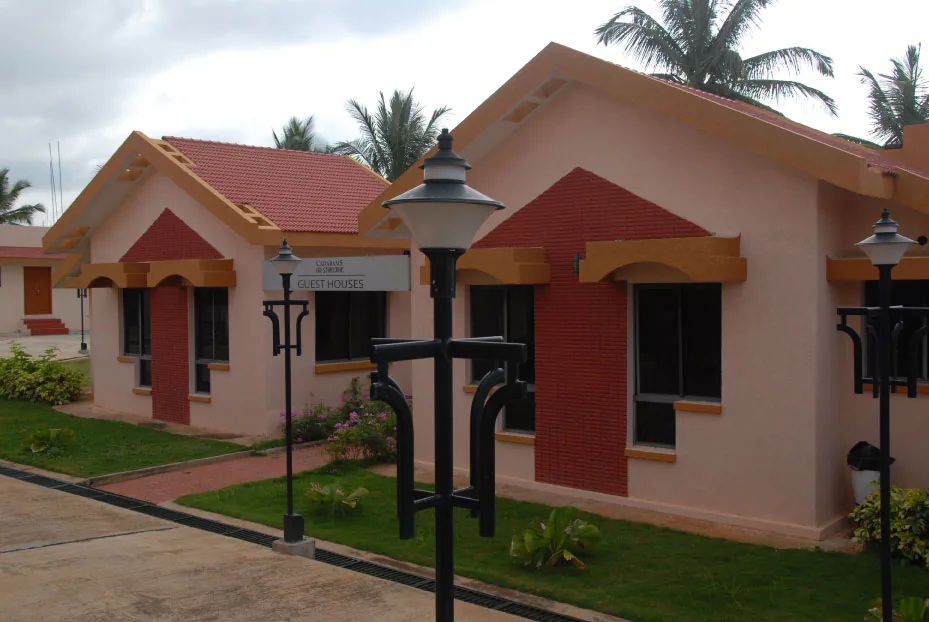
At Cadabam’s Spark Hospitals, we provide a modern, safe, and nurturing environment conducive to healing. Our advanced diagnostic tools, including qEEG brain mapping, and state-of-the-art neurofeedback equipment ensure you receive world-class care.
Commitment to Holistic Treatment and Recovery for Depression
We believe in treating the person, not just the symptoms. Our approach integrates neurofeedback with psychotherapy, wellness activities, and family support to promote comprehensive and lasting recovery. The team at Cadabam’s Spark Hospitals is dedicated to this holistic vision.
Continued Care and Follow-Up Care Plans for Depression
Recovery is a journey, not a destination. We provide robust follow-up care plans and support systems to help you maintain your progress long after you have completed your initial treatment, ensuring you have the tools for sustained well-being.
Take the First Step Towards a Brighter Future
If you or a loved one is struggling with Depression, there is hope. Neurofeedback at Cadabam’s Hospitals in Mysore offers a promising path to recovery.
Contact us today to learn more or schedule a consultation.
Phone: 090710 35960
Email: i nfo@cadabamshospitals.com
Top Depression Doctors at Cadabam’s Hospitals
Rehabilitation Centres For Depression at Cadabam’s Hospitals
Best Depression Treatments Offered at Cadabam’s Hospitals
More Additional Resources About Depression