What is Biofeedback Therapy?
This section demystifies biofeedback, explaining the science behind this innovative mind-body technique.
Biofeedback therapy is a non-invasive treatment that helps individuals gain greater control over involuntary bodily functions. By using electronic sensors to provide real-time information about physiological processes like heart rate, muscle tension, and skin temperature, patients can learn to consciously influence them.
The Science Behind Biofeedback
The core principle of biofeedback is that by observing your body’s physiological signals, you can learn to regulate them. For example, by seeing your heart rate displayed on a monitor, a therapist can guide you through relaxation exercises to lower it. This process creates new neural pathways, enabling you to manage your body’s stress response more effectively, even without the monitoring equipment.
Biofeedback vs. Traditional Therapies
Unlike traditional medication which works on a biochemical level, biofeedback is a training-based approach that empowers the patient with self-regulation skills. It is not a replacement for medication or psychotherapy but a powerful complement. It offers a drug-free way to manage symptoms, giving patients an active role in their own recovery process.
Safety and Efficacy of Biofeedback
Biofeedback is considered extremely safe with virtually no side effects. Its efficacy is well-documented for stress-related conditions. Research indicates that by helping individuals manage the physiological components of stress and anxiety, which are often intertwined with Depression, biofeedback can lead to significant improvements in mood, emotional regulation, and overall well-being.
How Biofeedback Transforms Depression Treatment in Mysore
This innovative therapy provides tangible benefits that can significantly alter a patient’s experience with Depression.
Biofeedback offers a unique advantage by addressing the physiological underpinnings of Depression. In Mysore, this therapy is changing how individuals approach their mental health, giving them practical tools to manage symptoms and build resilience against stress, a common trigger for depressive episodes.
Benefits of biofeedback for Depression patients
- Enhances Emotional Regulation and Stress Management: Patients learn to recognize and control their body’s response to stress, which in turn helps stabilize mood and reduce emotional volatility.
- Improves Symptom Management: By reducing underlying anxiety and physiological arousal, biofeedback can help alleviate related depressive symptoms such as irritability, insomnia, and physical tension.
- Boosts Patient Engagement and Self-Awareness: This active therapy gives patients a sense of agency and control over their health, fostering deeper self-awareness and empowering them in their recovery journey.
How biofeedback complements traditional Depression treatments
Biofeedback therapy integrates seamlessly with conventional treatments like psychotherapy and medication. It can make a patient more receptive to cognitive-behavioral therapy (CBT) by helping them achieve a calmer state of mind. It can also help manage residual anxiety symptoms that medication may not fully address, creating a more holistic and effective treatment outcome.
Navigating the Biofeedback Process for Depression in Mysore
Understanding what to expect during a session can help demystify the process for patients.
The journey through biofeedback therapy at Cadabam’s Hospitals is a collaborative and structured process. A typical session involves attaching painless sensors to your skin to measure physiological signals. These signals are then displayed on a screen as visual or auditory cues. A trained therapist guides you through mental exercises, such as deep breathing or visualization, to help you alter these signals. Over time, you learn to reproduce these states of relaxation and control on your own. There is no special preparation needed, only a willingness to engage and learn. The therapist consistently monitors and interprets the data to track your progress and refine the treatment approach.
Customizing Biofeedback Therapy for Individual Needs in Mysore
Effective treatment is never one-size-fits-all; personalization is key to successful outcomes.
At Cadabam’s Spark Hospitals, we believe in a patient-centric approach. We begin with a comprehensive psychiatric assessment to understand the unique nature of your Depression, including your specific symptoms, triggers, and goals. Based on this evaluation, our experts develop personalized biofeedback care plans. For instance, a patient whose Depression is marked by high anxiety might focus on heart rate variability (HRV) biofeedback. The therapy is continuously adjusted based on your response and progress, ensuring the treatment remains effective and relevant to your evolving needs.
To start your personalized care plan, contact us at 97414 76476 or info@cadabamshospitals.com.
Integrating Biofeedback into Holistic Depression Care in Mysore
Biofeedback is most powerful when it is part of a comprehensive, multidisciplinary treatment strategy.
We view biofeedback as a vital component within a broader, holistic care plan. At Cadabam’s Spark Hospitals, psychiatrists, psychologists, and therapists collaborate closely to ensure your care is cohesive and comprehensive. This multidisciplinary approach ensures that all aspects of your well-being—mental, emotional, and physical—are addressed, combining biofeedback with other proven therapies like medication management and counseling for the best possible results.
Find the Best Biofeedback Therapy for Depression Management
Choosing the right provider is crucial for effective treatment and a positive recovery experience.
When seeking an advanced treatment like biofeedback for Depression, it is vital to choose a provider with proven expertise and state-of-the-art technology. A dedicated team ensures that your therapy is not only effective but also delivered in a supportive and healing environment.
Cadabam’s Hospital: Pioneering Biofeedback Therapy for Depression in Mysore
Our commitment to excellence makes us a leading choice for advanced mental healthcare in the region.
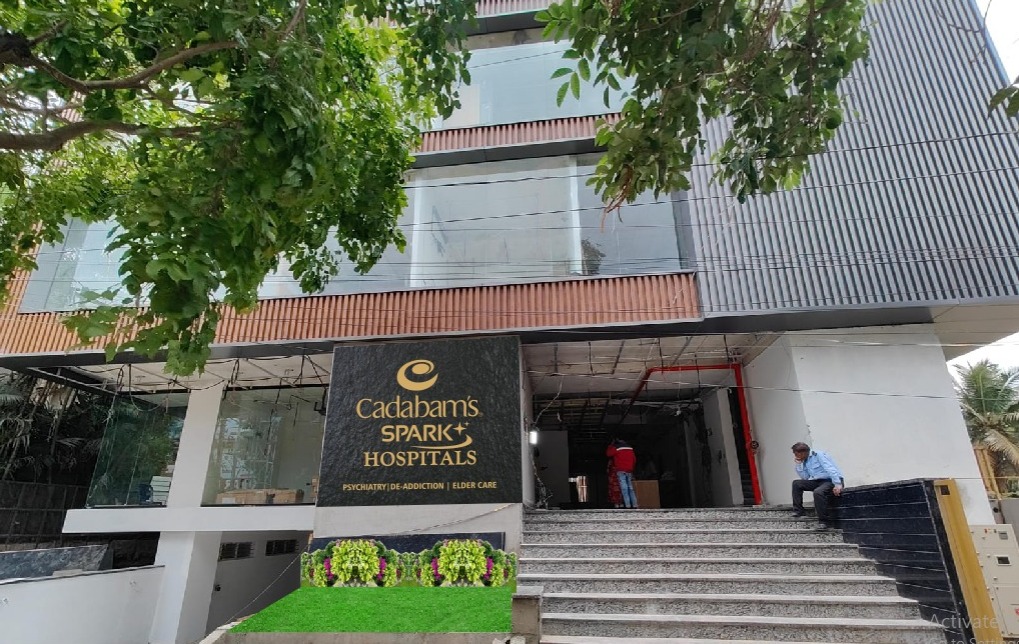
Cadabam’s Hospitals in Mysore is a pioneer in using biofeedback to treat Depression in Mysore. We combine decades of psychiatric expertise with cutting-edge technology to offer our patients the most effective care possible, fostering lasting recovery in a compassionate environment.
Our Expertise in Biofeedback Therapy for Depression
Our team consists of highly trained therapists and psychiatrists who specialize in using biofeedback as part of an integrated treatment model for Depression and other mood disorders.
Assessment and Personalized Treatment Planning for Depression
At Cadabam’s Spark Hospitals, every patient journey begins with a thorough assessment. This allows us to create truly personalized care plans that target your specific needs and deliver measurable results.
State-of-the-Art Hospitals and Supportive Environment for Depression
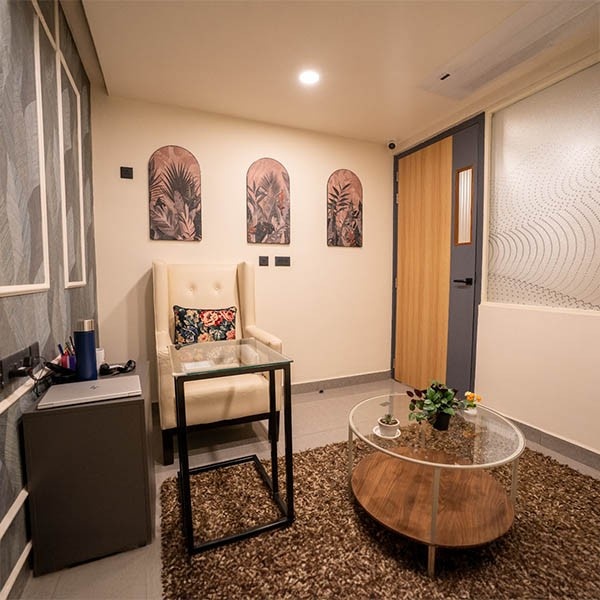
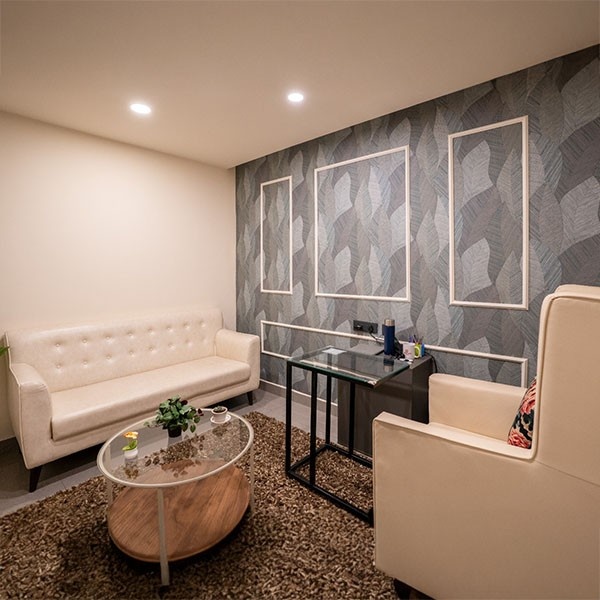
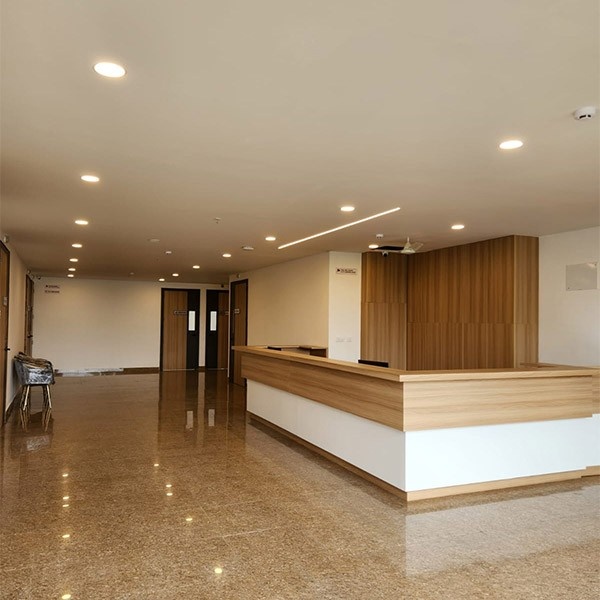
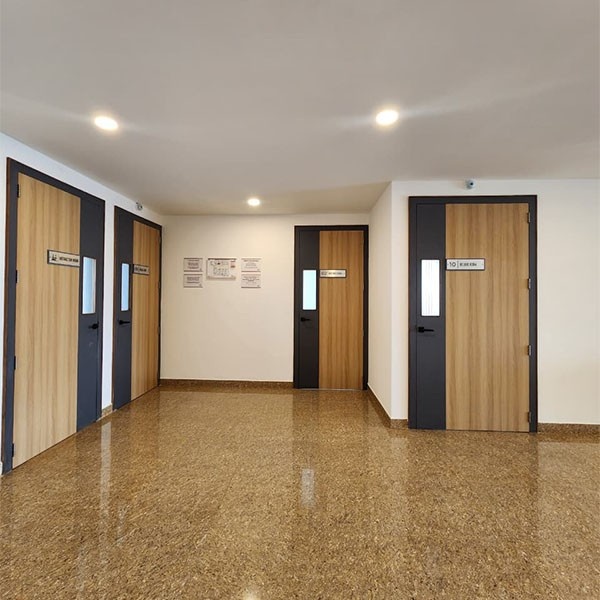
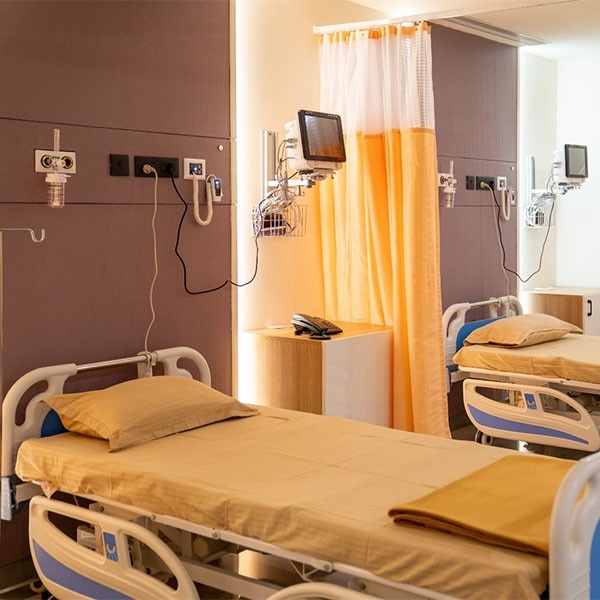
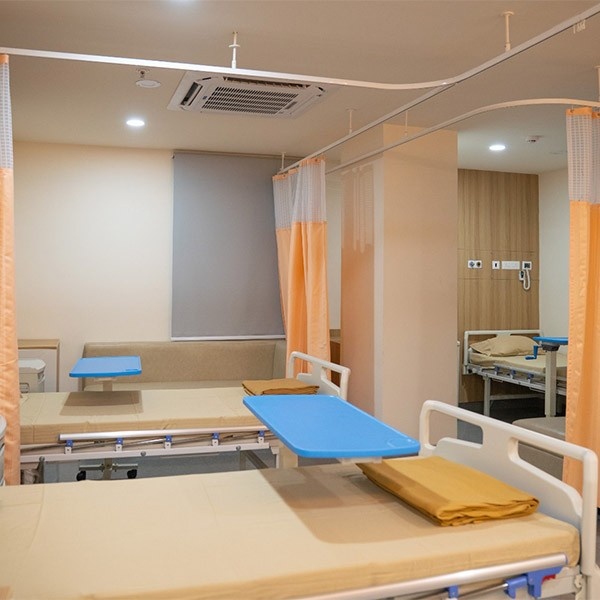
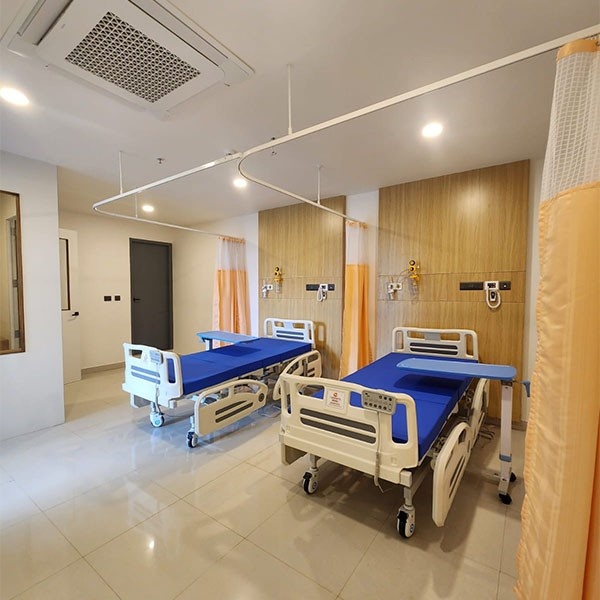
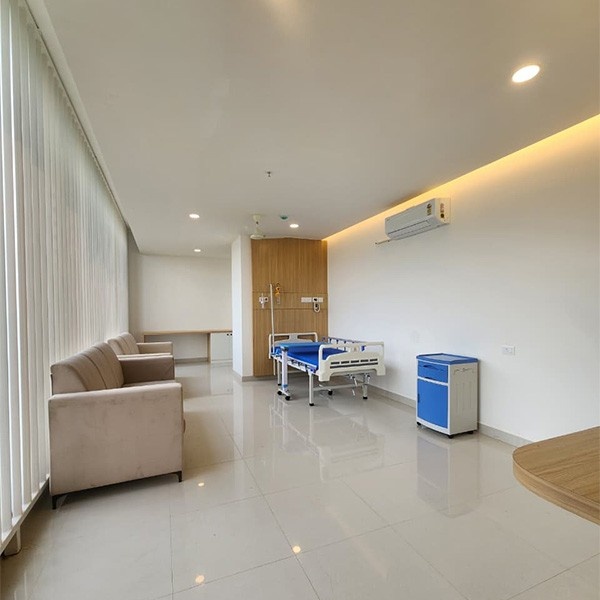
We provide biofeedback therapy in our modern hospitals equipped with the latest technology. Our environment is designed to be calm, supportive, and conducive to healing and self-discovery.
Ongoing Support and Monitoring for Depression
Our commitment to your well-being extends beyond the therapy sessions. We provide continuous support and progress monitoring to ensure you stay on track with your recovery goals.
Comprehensive Care Approach at Cadabam’s Spark Hospitals for Depression
The holistic approach at Cadabam’s Spark Hospitals ensures that biofeedback is seamlessly integrated with other essential treatments, providing you with a complete and robust framework for recovery.
Top Depression Doctors at Cadabam’s Hospitals
Psychiatrist in Hyderabad | Psychiatrist in Mysore | Psychologist in Bangalore | Psychologist in Bangalore | Psychologist in Hyderabad | Psychologist in Mysore | Therapist in Bangalore | Therapist in Hyderabad | Therapist in Mysore
Rehabilitation Centres For Depression at Cadabam’s Hospital
Rehabilitation Care Bangalore | Rehabilitation Care Hyderabad | Rehabilitation Care Mysore
Best Depression Treatments Offered at Cadabams
Counselling Bangalore | Counselling Mysore | Online-Counselling in Bangalore | Online-Counselling in Hyderabad | RTMS Bangalore | RTMS Hyderabad | RTMS Mysore | ECT Therapy Bangalore | ECT Therapy Hyderabad | ECT Therapy Mysore | Group Therapy Bangalore | Group Therapy Hyderabad | Group Therapy Mysore | Biofeedback Bangalore | Biofeedback Hyderabad | Neurofeedback Bangalore | Neurofeedback Hyderabad | Neurofeedback Mysore | Family Therapy Bangalore | Family Therapy Hyderabad | Family Therapy Mysore | Home Services Bangalore | Home Care Hyderabad | Home Care Mysore | PsychoTherapy Bangalore | PsychoTherapy Hyderabad | PsychoTherapy Mysore | CBT Bangalore | CBT Hyderabad | CBT Mysore | REBT Bangalore | REBT Hyderabad | REBT Mysore | Emergency Bangalore | Emergency Hyderabad | Emergency Mysore | Direct Cranial Stimulation Bangalore | Direct Cranial Stimulation Hyderabad | Direct Cranial Stimulation Mysore | Post Rehabilitation Care Bangalore | Post Rehab Care Hyderabad | Post Rehab Care Mysore
More Additional Resources About Depression
Postpartum Depression Signs and Symptoms in Men(And Treatments) | Everything you need to know about Childhood Depression | ADHD & Depression: Connection, Causes, Risk & Treatment | Manic Depression Treatment for Bipolar Disorder | Recognising Depression in Men | Postpartum Depression (PPD) in Women | Distinguishing Anxiety and Depression | Learning to Spot the Manic Depression Symptoms in Adults | Depression in Teens | Key Signs of Suicidal Thoughts in Teens & Young Adults | Bipolar Depression in Children: Signs, Causes & Treatment | How Alzheimer’s and Depression Are Connected | The Connection Between Chronic Pain and Depression | Treatment-Resistant Depression | Sleep Disorders and Depression | Early signs of depression: How to identify it? | Battling Clinical Depression While Parenting | Geriatric Depression | Psychotic Depression
Frequently Asked Questions
1. How does biofeedback therapy help in Depression management?
Biofeedback therapy helps by teaching individuals to control physiological functions related to stress and anxiety, such as heart rate and muscle tension. By managing these physical symptoms, patients often experience an improvement in mood, a reduction in depressive symptoms, and a greater sense of emotional control.
2. What can patients expect during a biofeedback session?
A typical session is non-invasive and relaxing. A therapist will attach sensors to your skin to monitor bodily functions. You will see this information as feedback on a screen and be guided through exercises to help you learn to control these functions. Sessions are collaborative and tailored to your comfort.
3. How is biofeedback therapy integrated with other Depression treatments?
Biofeedback is used as a complementary therapy. It works alongside traditional treatments like medication and psychotherapy to enhance their effectiveness. For example, the self-regulation skills learned in biofeedback can help a patient engage more deeply in talk therapy and can help reduce the anxiety that often co-exists with Depression.
 Available