What is Cognitive Behavioral Therapy (CBT)?
CBT is a goal-oriented form of psychotherapy that focuses on identifying, challenging, and changing unhelpful cognitive distortions and behaviours. It helps individuals develop personal coping strategies that target solving current problems and improving emotional regulation.
The Principles of CBT
CBT operates on the core principle that our thoughts, emotions, and behaviours are interconnected. By learning to change negative thought patterns, we can consequently alter our emotional responses and behaviours, breaking the cycle of depression.
How CBT Differs from Other Therapies
Unlike therapies that delve deep into the past to find the root of emotional conflicts, CBT is primarily focused on the present. It is structured, time-limited, and equips patients with practical skills they can use in their daily lives, making it a highly empowering approach.
Get Depression Diagnosed in Mysore
A proper diagnosis is the foundation of an effective treatment plan. If you are experiencing symptoms of depression, seeking a professional assessment is vital. At Cadabam’s Hospitals in Mysore, our expert psychiatrists conduct comprehensive evaluations to understand your unique situation and recommend the most suitable care plan.
The Role of CBT in Treating Depression
CBT is one of the most respected and effective treatments for depression, offering practical tools to manage the condition. Its structured approach helps patients systematically dismantle the thought patterns that sustain depressive episodes.
Is CBT Effective for Depression Management
The high CBT Depression effectiveness is well-documented in clinical research. It not only helps alleviate current symptoms but also provides skills to prevent future relapses, making it a cornerstone of modern mental health care.
Combining CBT with Other Treatments for Depression
For some individuals, the most effective approach combines CBT with other treatments, such as medication (pharmacotherapy). Our integrated care model at Cadabam’s Spark Hospitals ensures that your treatment plan is comprehensive and addresses all aspects of your well-being.
Engaging Family and Support Systems in the CBT Treatment Process
A strong support system is invaluable. We encourage involving family members in the therapeutic process, as their understanding and support can significantly enhance treatment outcomes and create a more nurturing home environment for recovery.
Tailoring CBT to Individual Needs
There is no one-size-fits-all approach to mental health. Our therapists adapt the principles found in a standard CBT manual for Depression to suit your specific personality, symptoms, and life circumstances, ensuring a truly personalised therapeutic experience.
Support Systems and Environment at Cadabam’s Spark Hospitals
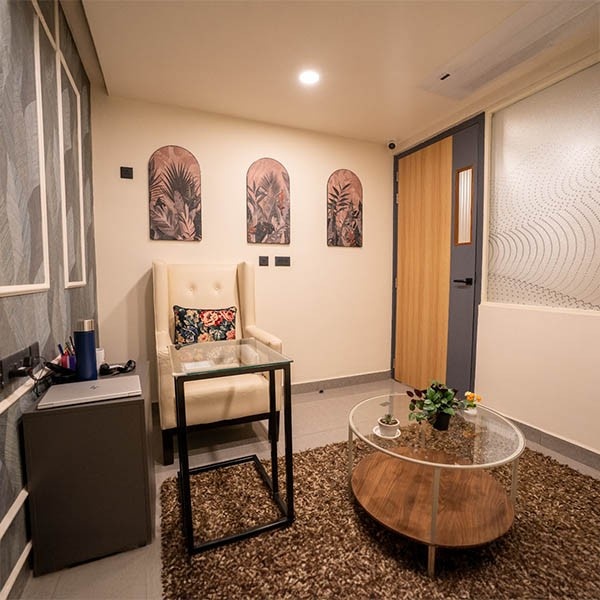
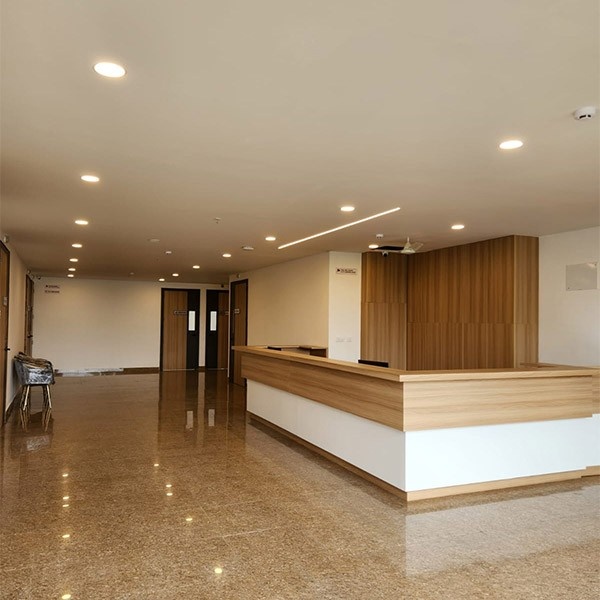
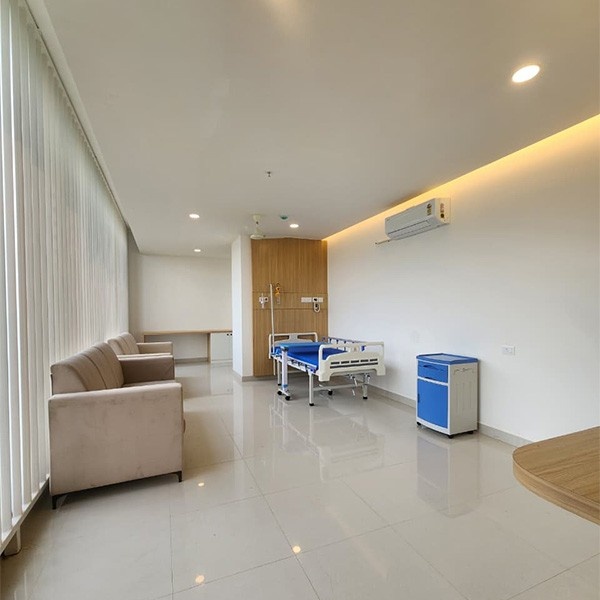
The environment at our hospitals is designed to be safe, supportive, and conducive to healing. We foster a sense of community and provide robust support systems that empower patients throughout their recovery journey.
What to Expect in a CBT Session for Depression
A typical CBT session is a collaborative effort between you and your therapist. You can expect to set goals, discuss recent challenges, and learn to identify the links between your thoughts and feelings. A key part involves “homework”—practical exercises like journaling or behavioural experiments to apply what you’ve learned in the real world.
Why Choose CBT for Depression Treatment?
CBT is chosen by many because it is a practical, skills-based therapy that yields measurable results. It empowers patients by teaching them to become their own therapists, equipping them with tools for a lifetime of mental wellness.
Benefits of CBT Therapy on Depression Patients
Patients undergoing CBT for Depression often experience improved mood, better coping mechanisms, reduced anxiety, and enhanced problem-solving skills. The therapy is typically shorter than other forms, offering tangible progress in a relatively brief period.
Real-Life Impact of CBT on Depression Patients
Individuals often report a profound positive change in their lives. They regain the ability to enjoy activities, rebuild relationships, and perform better at work. The skills learned help them navigate life’s future challenges with greater resilience and confidence.
Long-Term Success with CBT
One of the greatest strengths of CBT is its focus on long-term success. By teaching you how to manage your thoughts and behaviours, it significantly reduces the risk of relapse, helping you maintain your mental well-being long after therapy has concluded.
When Should you ask for Help?
If you experience persistent low mood, loss of interest, and other symptoms of depression for more than two weeks, it is time to seek help. Don’t wait for your symptoms to become severe. Early intervention leads to better outcomes. Contact us at +9190710 35960 to take the first step.
Find the Best Rehab Center for Depression in Mysore
Choosing the right treatment provider is critical for successful recovery. Look for a center with a multidisciplinary team, evidence-based practices, and a compassionate approach. In Mysore, Cadabam’s Hospitals stands as a premier institution dedicated to mental health excellence.
Why Choose Cadabams?
Cadabam’s Spark Hospitals is a name synonymous with trust and excellence in mental healthcare. Our patient-centric approach ensures you receive the highest standard of care in a supportive and healing environment.
Expert Team of Psychiatrists and Therapists for Depression
Our team comprises highly qualified and experienced psychiatrists, psychologists, and therapists who specialise in treating depression. Their expertise ensures your care is rooted in the latest scientific advancements and delivered with compassion.
State-of-the-Art Hospitals in Cadabam’s Spark Hospitals for Depression
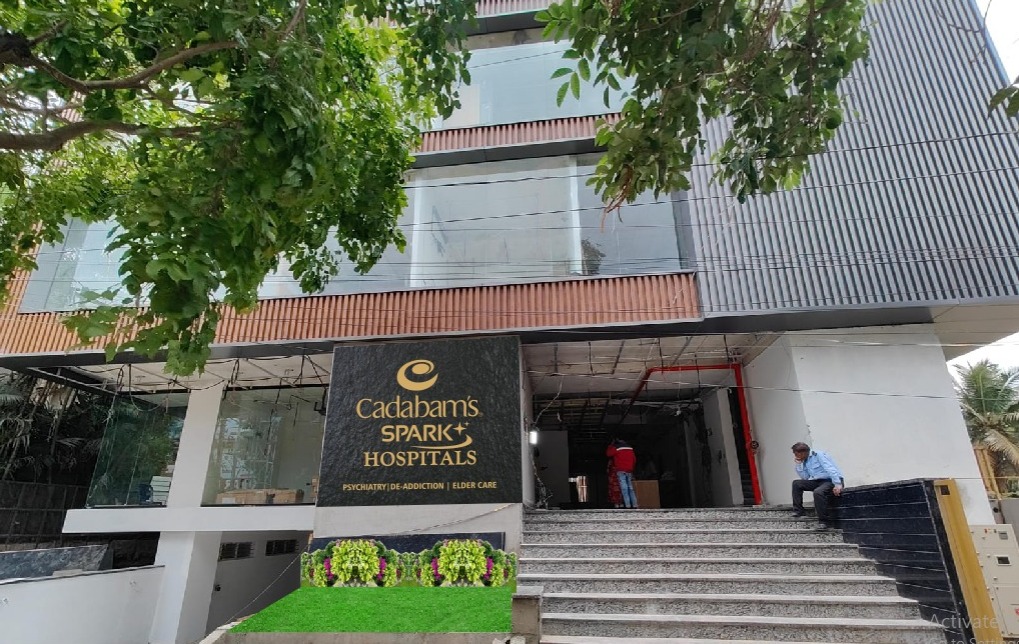
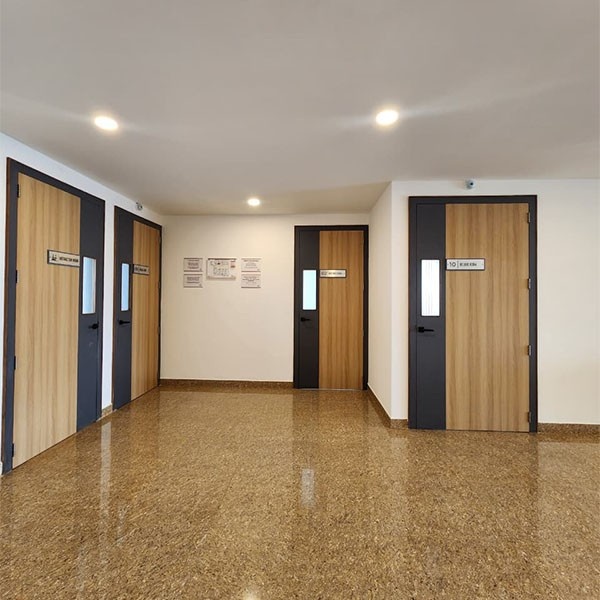
Cadabam’s Spark Hospitals in Mysore provide a modern, comfortable, and safe environment designed for healing. Our world-class infrastructure supports a wide range of therapeutic activities and ensures your stay is restorative.
Integrating Holistic Therapies for Depression
We believe in treating the whole person, not just the symptoms. Our care plans often integrate holistic therapies like yoga, mindfulness, art therapy, and meditation to support your mental, emotional, and physical well-being.
Continued Care and Follow-Up care plans for Depression
Recovery is an ongoing journey. Cadabam’s offers robust continued care and follow-up care plans to provide support after you complete your initial treatment, helping you sustain your progress and prevent relapse.
For a confidential consultation, reach out to us today.
Phone: +9190710 35960
Email: info@cadabamshospitals.com
Top Depression Doctors at Cadabam’s Hospitals
Psychiatrist in Hyderabad | Psychiatrist in Mysore | Psychologist in Bangalore | Psychologist in Bangalore | Psychologist in Hyderabad | Psychologist in Mysore | Therapist in Bangalore | Therapist in Hyderabad | Therapist in Mysore
Rehabilitation Centres For Depression at Cadabam’s Hospital
Rehabilitation Care Bangalore | Rehabilitation Care Hyderabad | Rehabilitation Care Mysore
Best Depression Treatments Offered at Cadabams
Counselling Bangalore | Counselling Mysore | Online-Counselling in Bangalore | Online-Counselling in Hyderabad | RTMS Bangalore | RTMS Hyderabad | RTMS Mysore | ECT Therapy Bangalore | ECT Therapy Hyderabad | ECT Therapy Mysore | Group Therapy Bangalore | Group Therapy Hyderabad | Group Therapy Mysore | Biofeedback Bangalore | Biofeedback Hyderabad | Biofeedback Mysore | Neurofeedback Bangalore | Neurofeedback Hyderabad | Neurofeedback Mysore | Family Therapy Bangalore | Family Therapy Hyderabad | Family Therapy Mysore | Home Services Bangalore | Home Care Hyderabad | Home Care Mysore | PsychoTherapy Bangalore | PsychoTherapy Hyderabad | PsychoTherapy Mysore | CBT Bangalore | CBT Hyderabad | REBT Bangalore | REBT Hyderabad | REBT Mysore | Emergency Bangalore | Emergency Hyderabad | Emergency Mysore | Direct Cranial Stimulation Bangalore | Direct Cranial Stimulation Hyderabad | Direct Cranial Stimulation Mysore | Post Rehabilitation Care Bangalore | Post Rehab Care Hyderabad | Post Rehab Care Mysore
More Additional Resources About Depression
Postpartum Depression Signs and Symptoms in Men(And Treatments) | Everything you need to know about Childhood Depression | ADHD & Depression: Connection, Causes, Risk & Treatment | Manic Depression Treatment for Bipolar Disorder | Recognising Depression in Men | Postpartum Depression (PPD) in Women | Distinguishing Anxiety and Depression | Learning to Spot the Manic Depression Symptoms in Adults | Depression in Teens | Key Signs of Suicidal Thoughts in Teens & Young Adults | Bipolar Depression in Children: Signs, Causes & Treatment | How Alzheimer’s and Depression Are Connected | The Connection Between Chronic Pain and Depression | Treatment-Resistant Depression | Sleep Disorders and Depression | Early signs of depression: How to identify it? | Battling Clinical Depression While Parenting | Geriatric Depression | Psychotic Depression
Frequently Asked Questions
1. How does CBT help in treating Depression?
CBT helps treat depression by teaching individuals to identify and reframe negative and inaccurate thoughts (cognitive restructuring). It also encourages engaging in positive and rewarding activities (behavioural activation), which breaks the cycle of inactivity and low mood.
2. Which CBT techniques are used for Depression?
Common techniques include cognitive restructuring, where patients learn to challenge unhelpful thoughts; behavioural activation to increase engagement in positive activities; journaling to track moods and thoughts; and problem-solving exercises to manage life stress effectively. The principles of a CBT manual for Depression are adapted for each person.
3. What does a typical CBT session look like?
A typical session is structured and collaborative. It usually begins with a mood check-in, followed by a review of the previous week and any “homework.” The main part of the session focuses on a specific problem or goal, where you and your therapist work together to apply CBT techniques. The session concludes by assigning new practice exercises for the upcoming week. The notable CBT Depression effectiveness comes from this structured, practical application.
4. How many CBT sessions are typically needed to see results for depression?
While the course varies per individual, many people begin to notice positive changes within 12 to 20 weekly sessions. CBT is a time-limited therapy designed to provide you with tools and skills within a specific timeframe, though some may benefit from shorter or longer durations depending on their progress.
5. Can CBT be effective for severe depression?
Yes, CBT is effective across the spectrum of depression severity. For severe depression, it is often most beneficial when combined with medication prescribed by a psychiatrist. This integrated approach addresses both the biochemical and psychological aspects of the condition, providing comprehensive support.
6. What is ‘homework’ in CBT, and why is it important?
Homework refers to structured activities or exercises you agree to practice between sessions. Examples include keeping a thought record, scheduling a pleasant activity, or practicing a relaxation technique. This is a critical component of CBT, as it helps you actively apply the skills learned in therapy to real-life situations, reinforcing new patterns of thinking and behaving, which accelerates progress and builds self-efficacy.
 Available